Your cart is empty!
It's flat around here...
After your first sessions on an entry-level foil like the X-Over, you’re probably feeling the urge to go next level with more control, more glide, more refined sensations… in short, progress!
But which foil should you choose for this crucial stage without falling into the trap of overly demanding gear?
Here are our tips to guide your choice based on your skill level, riding style, and goals
 Wing foiler: Moritz, GONG team rider, on a Lance FSP 2X with a Neutra (Perf Series).
There are some clear signs that tell you it’s time to evolve your foil setup. Here are some common comments collected by our technical advisors:
For each of these symptoms, there’s a solution in our range. For example:
Let’s explore the options available to you below.
 Wing foiler: Benjamin, GONG team rider, on a Lemon FSP Pro, Neutra (Perf Series), HM85 mast, Fluid V3 front wing and stab.
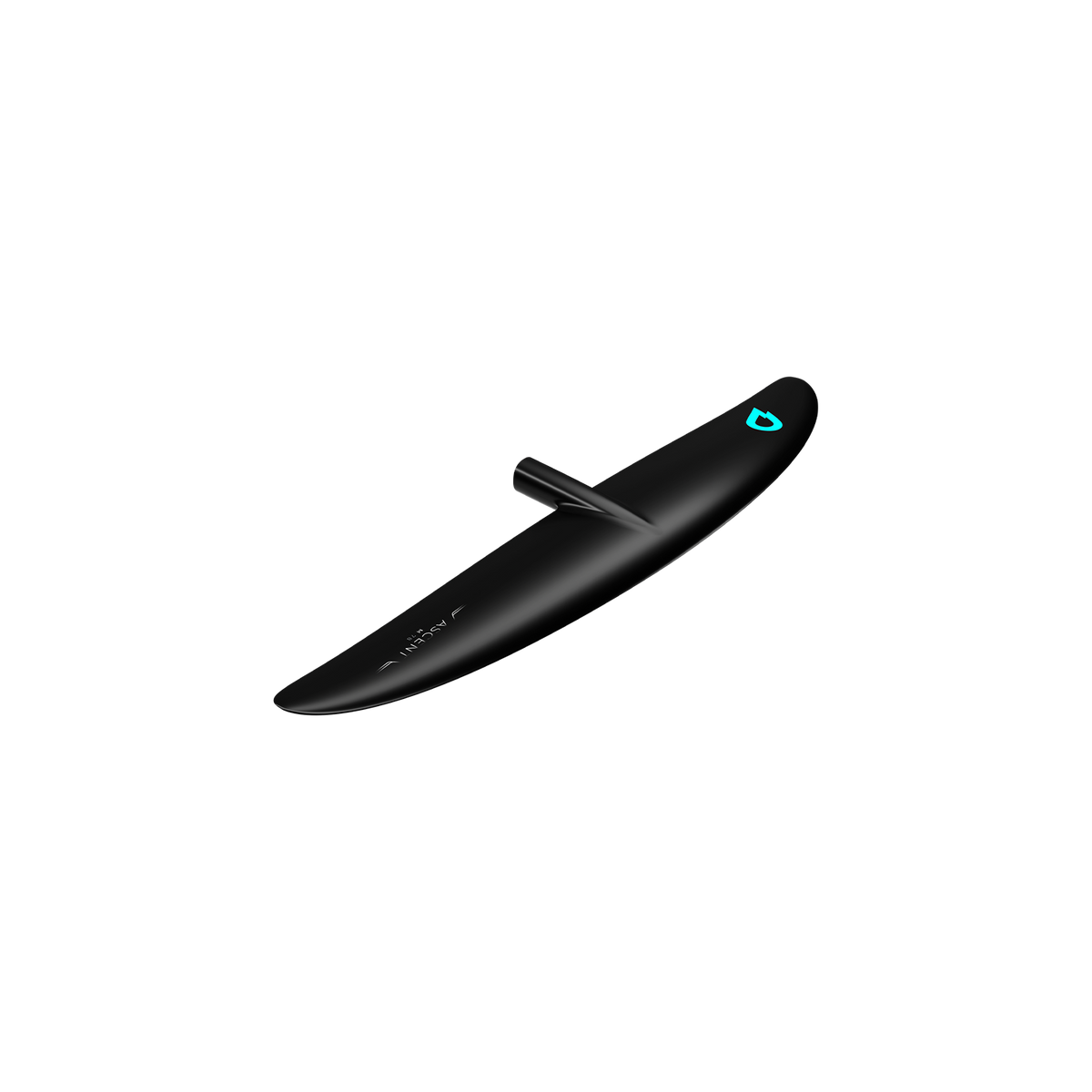
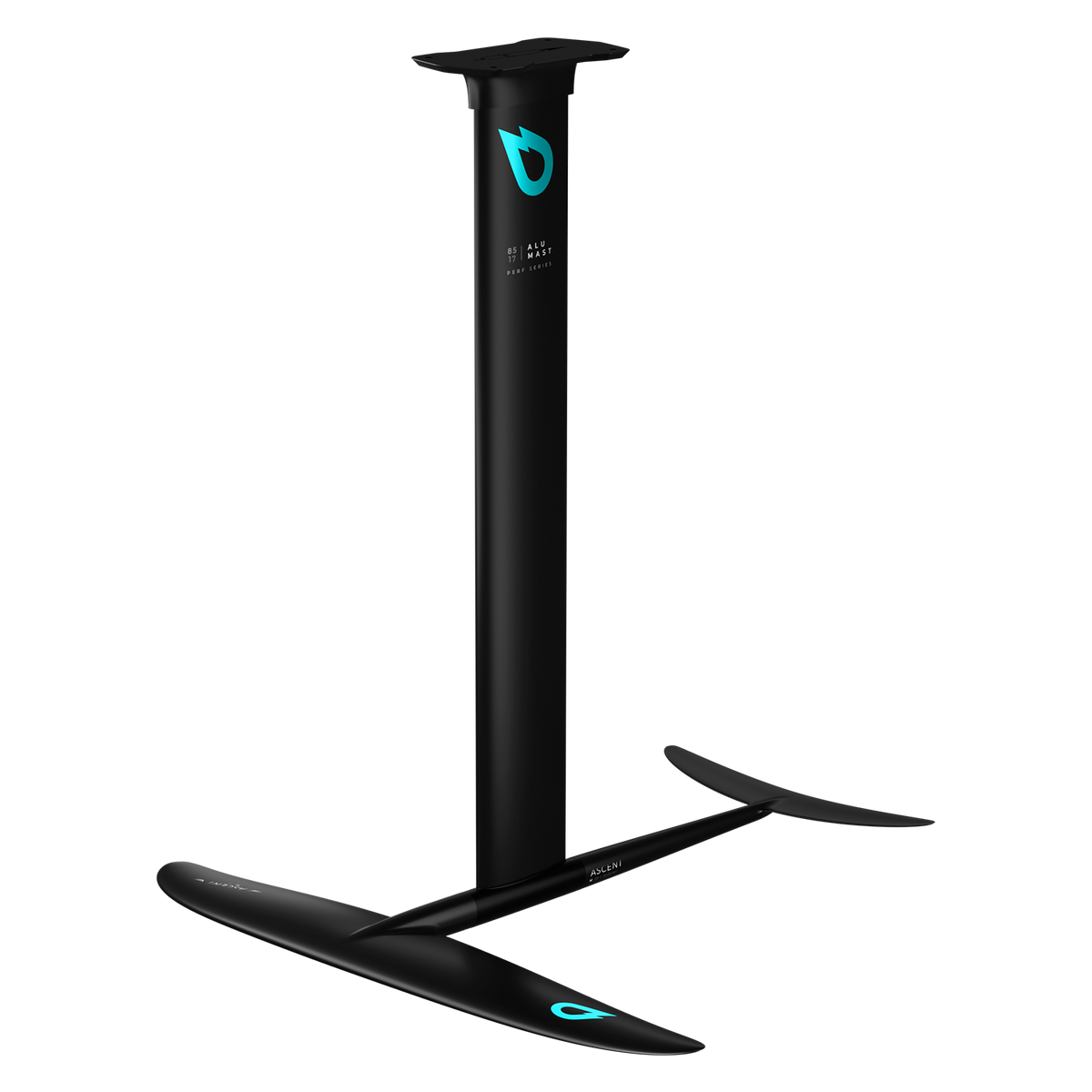
Ascent: The choice for smooth progression
The ideal option for progressing smoothly and safely, with a foil that’s more playful than a pure beginner model. It’s a very conservative choice if you’re coming from a X-Over, but it has the advantage of keeping your balance and control familiar. Best considered if you want to step down in size before moving on to a more performance-oriented foil.

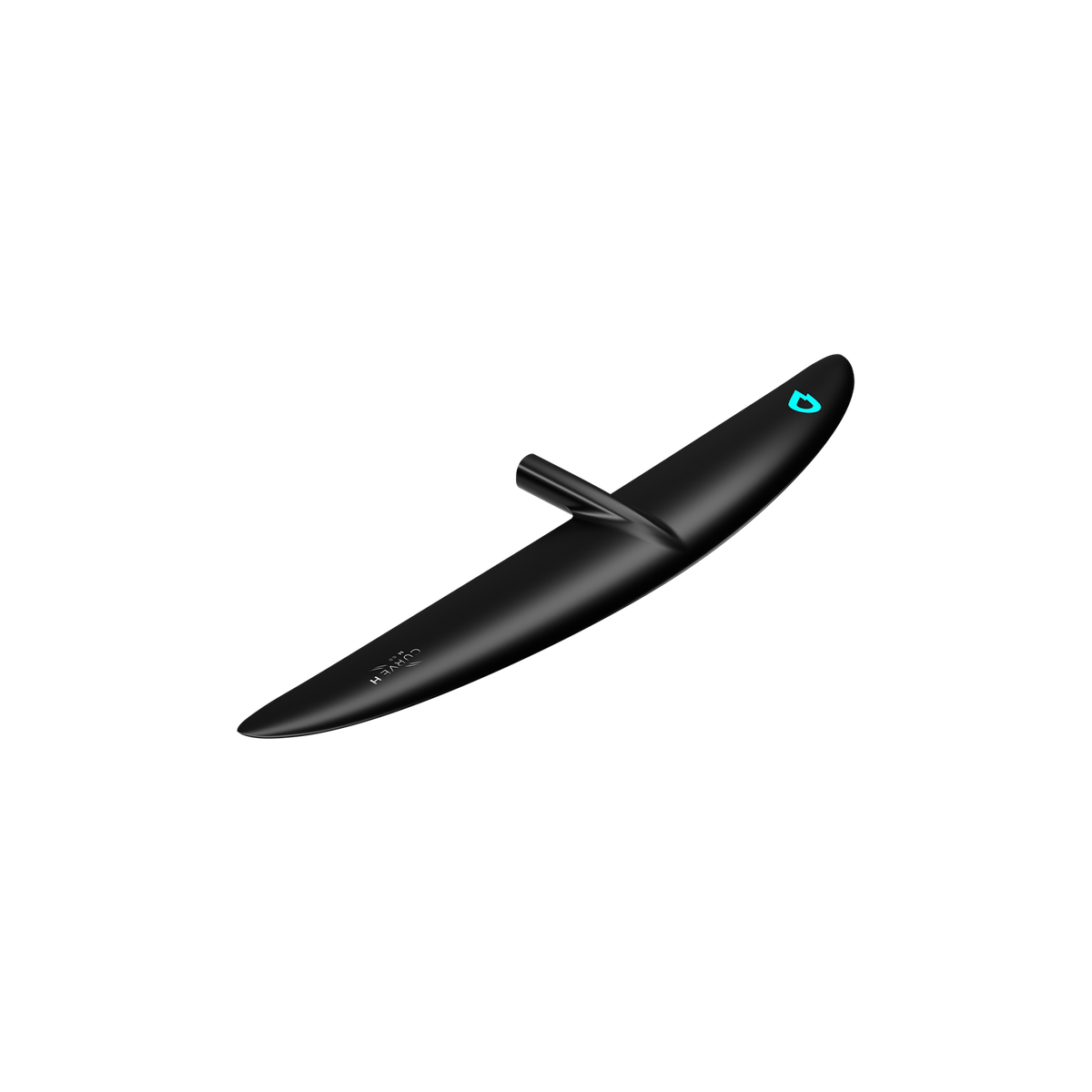
Curve: The all-round benchmark for progressing riders
If you’ve mastered the basic maneuvers (takeoff, flight, and jibe), this is the front wing we recommend first. It offers a clear gain in performance and sensations while remaining very accessible, thanks to its very low stall speed.
That quality goes hand in hand with early takeoff, excellent freefly glide, and a lot of forgiveness in your maneuvers.

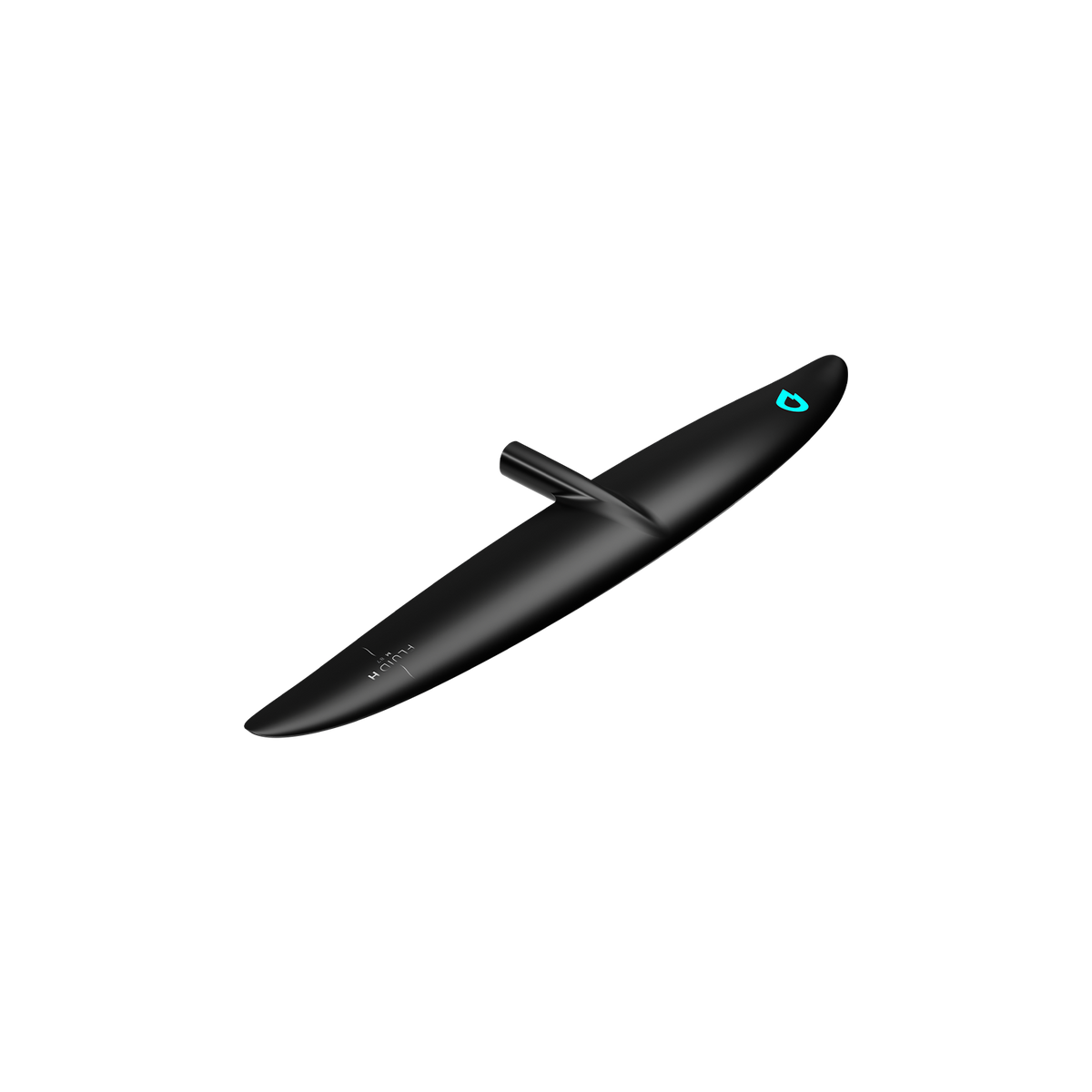
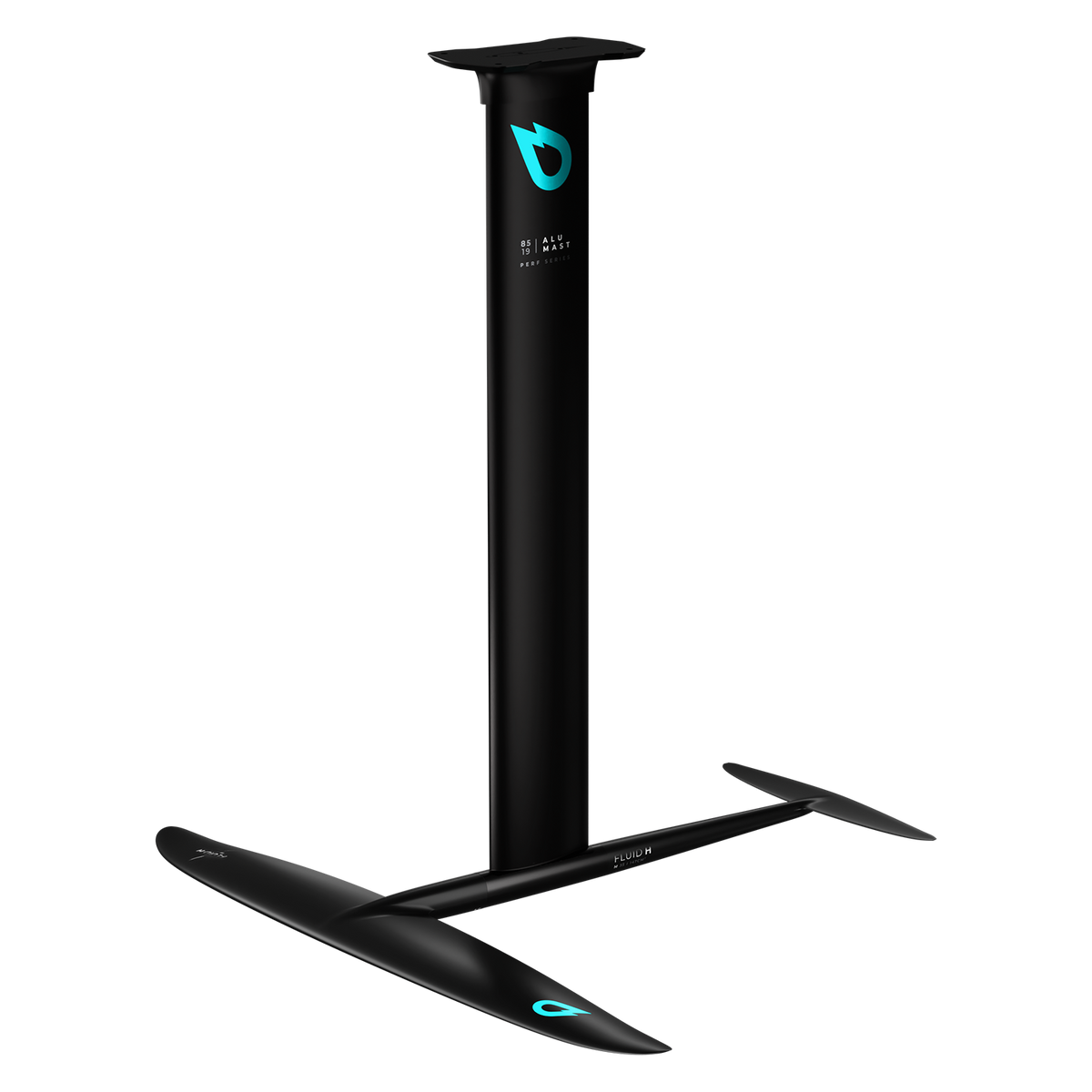
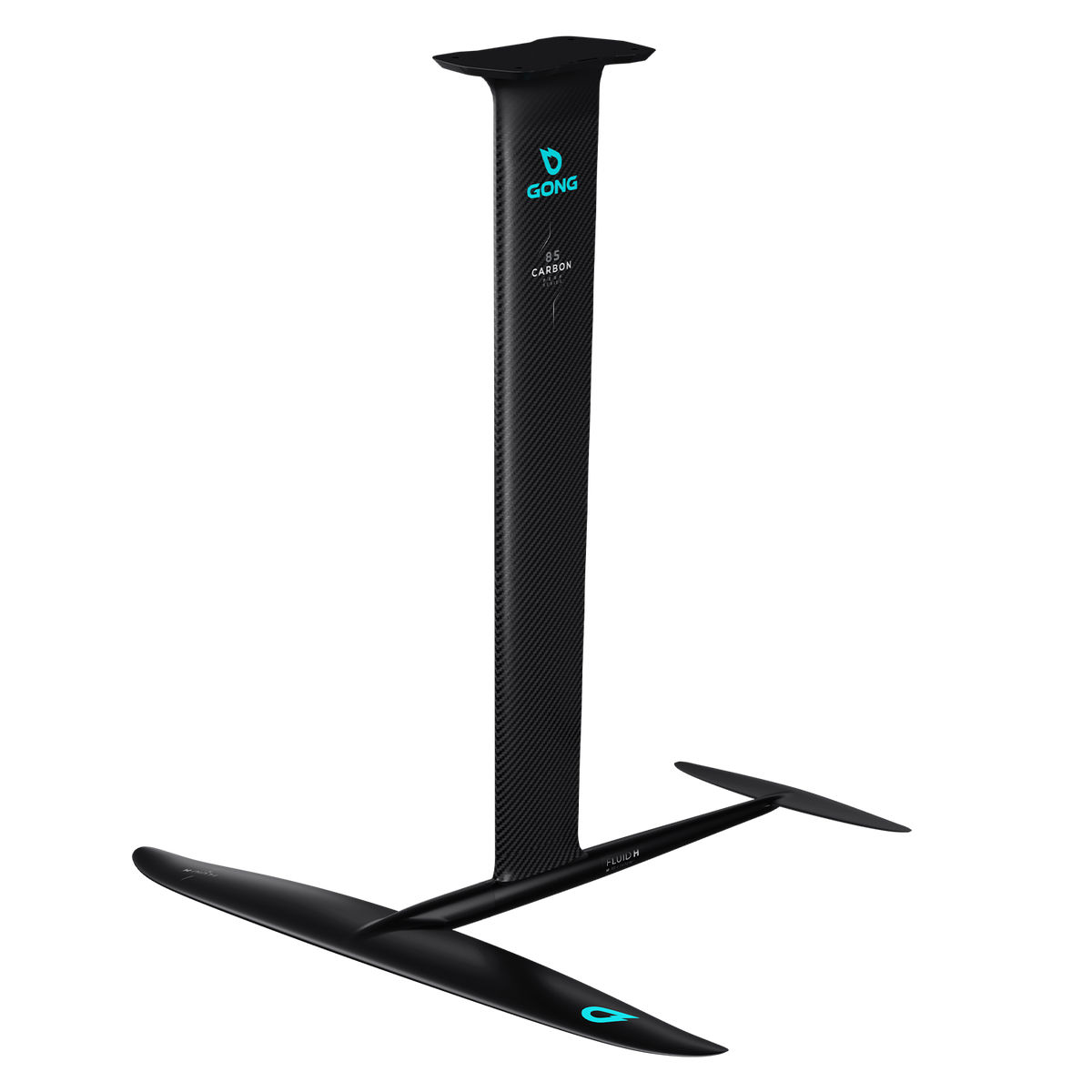
Fluid: For those seeking more sensations
You’re very comfortable with your beginner foil, your takeoffs are energetic, and your list of maneuvers is growing with every session. In that case, a Fluid in a reasonable size can be a great next step. Less forgiving than a Curve, it opens the door to more dynamic maneuvers, higher speed, and sharper sensations.

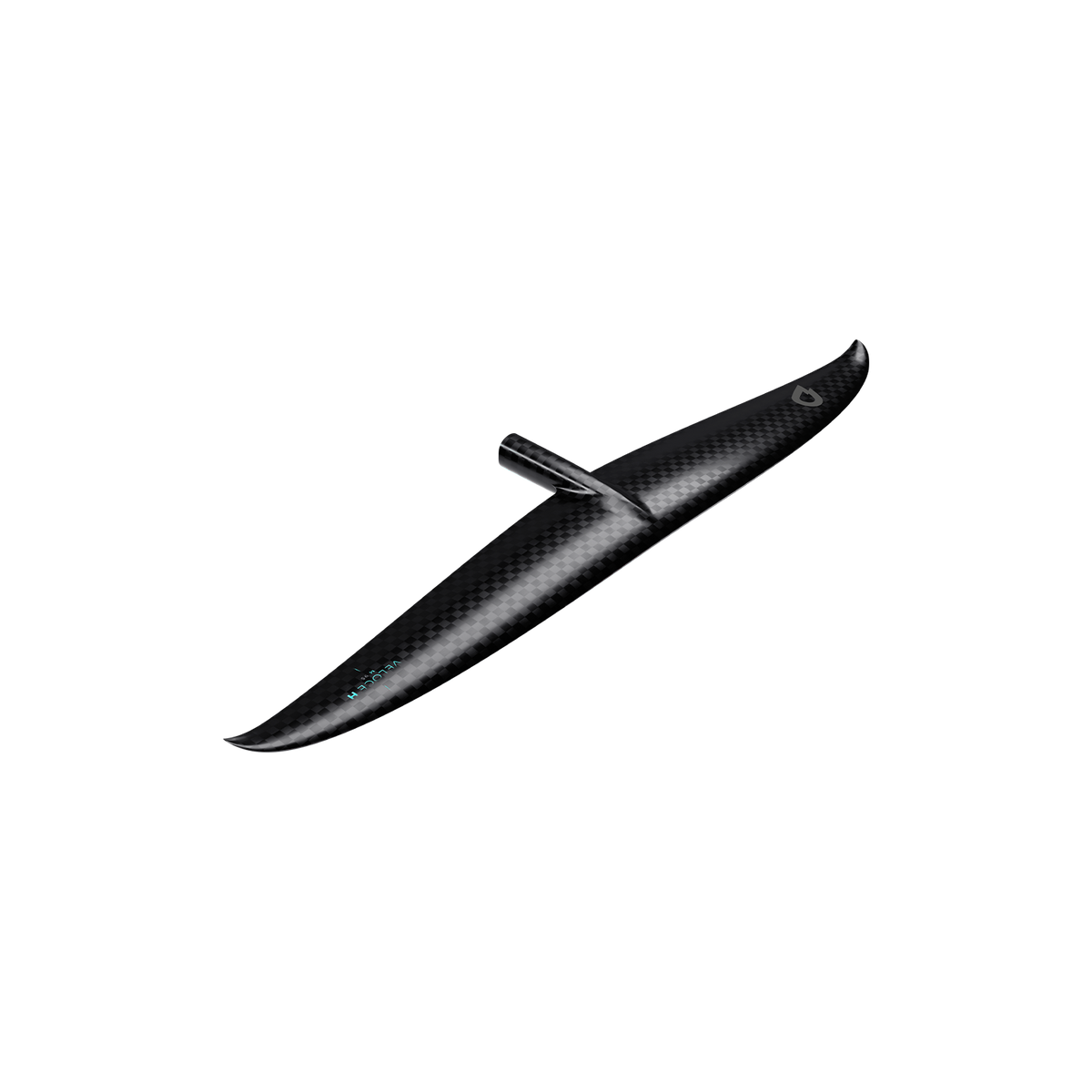
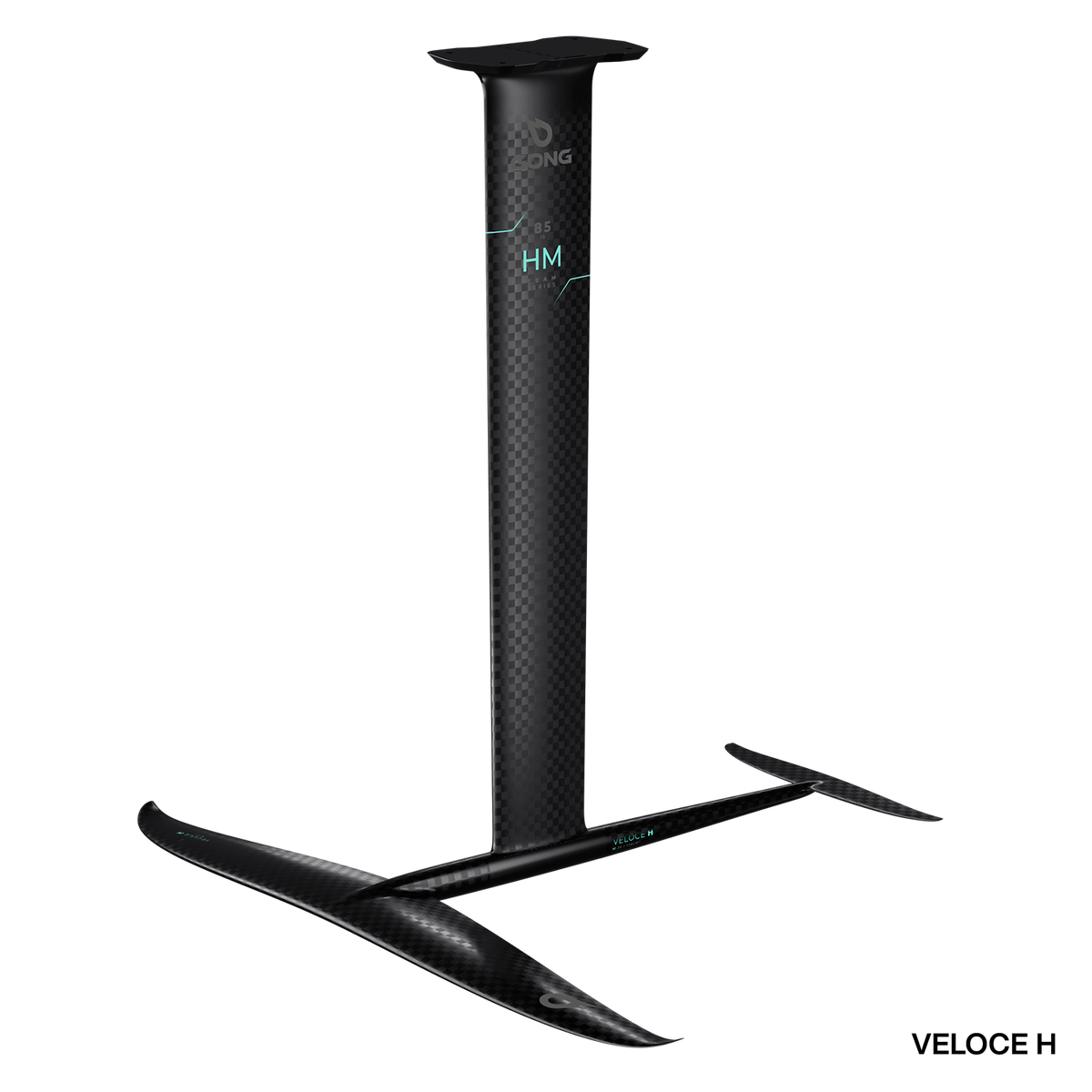
Veloce: For technical riders seeking endless glide
The gap from a beginner foil is even greater than with the Fluid. This wing needs more speed to perform properly, so jumping to it straight from an entry-level foil is quite ambitious. Due to its high aspect ratio, it’s also more technical in maneuvers than the Fluid.
In return, you’ll enjoy spectacular glide, allowing you to ride through lulls more easily and experience endless freefly flights.

 Wing foiler: Pamella, GONG team rider, on a Cruzader Point FSP Pro, Droid Boom (Perf Series), HM85 mast, Fluid V3 front wing and stab.
Our extensive experience, with thousands of foils sold every year and constant customer feedback, shows that skipping steps rarely saves time. A foil that’s too demanding can quickly turn a session into a struggle.
The secret is to build your progression step by step, so that each new addition to your quiver opens up new horizons of fun, not frustration.
Ascent : Smooth transition, easy control.
Curve : Versatility, forgiveness, glide
Fluid : Sensations, speed, dynamic maneuvers
Veloce : Maximum glide, endless freefly, technical performance.