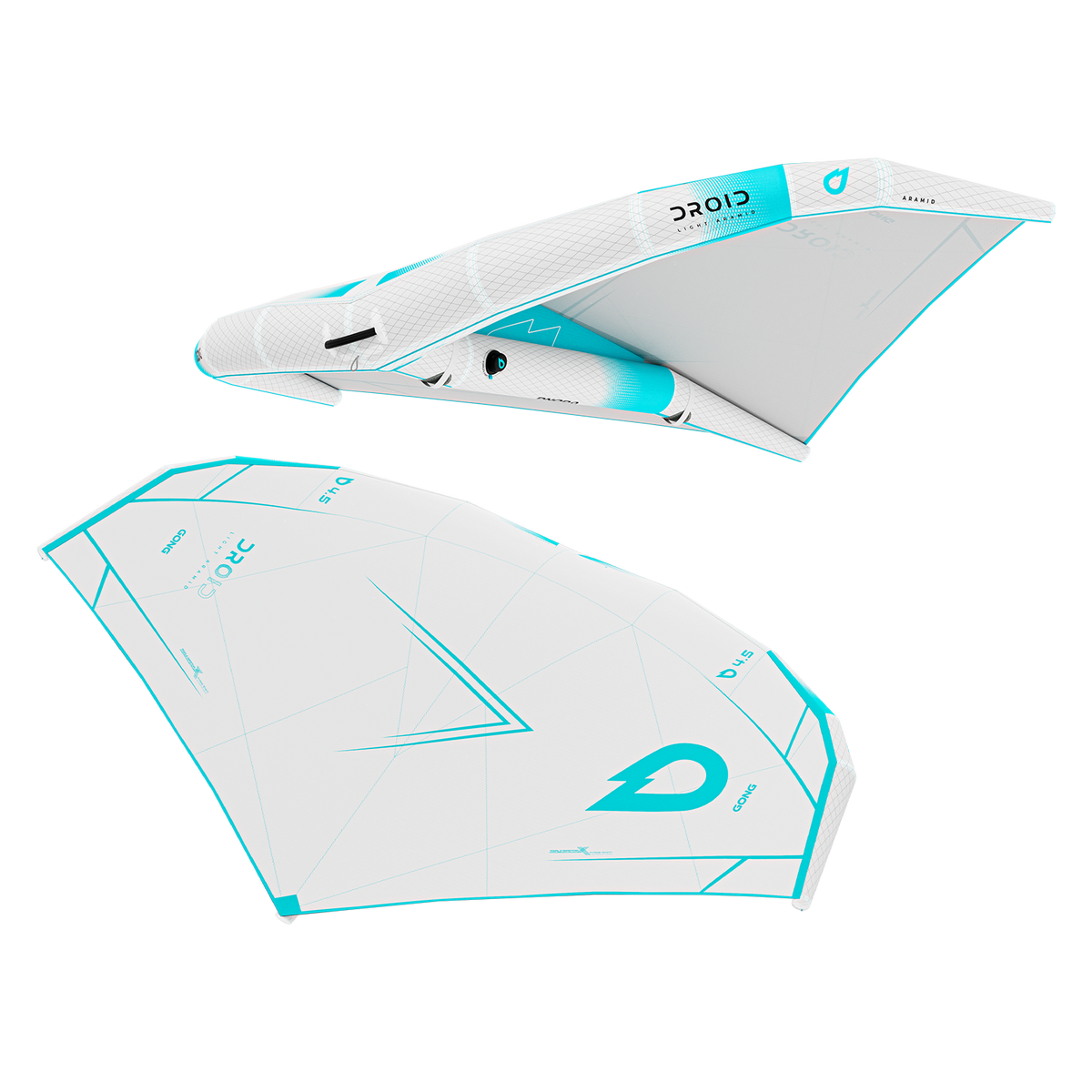
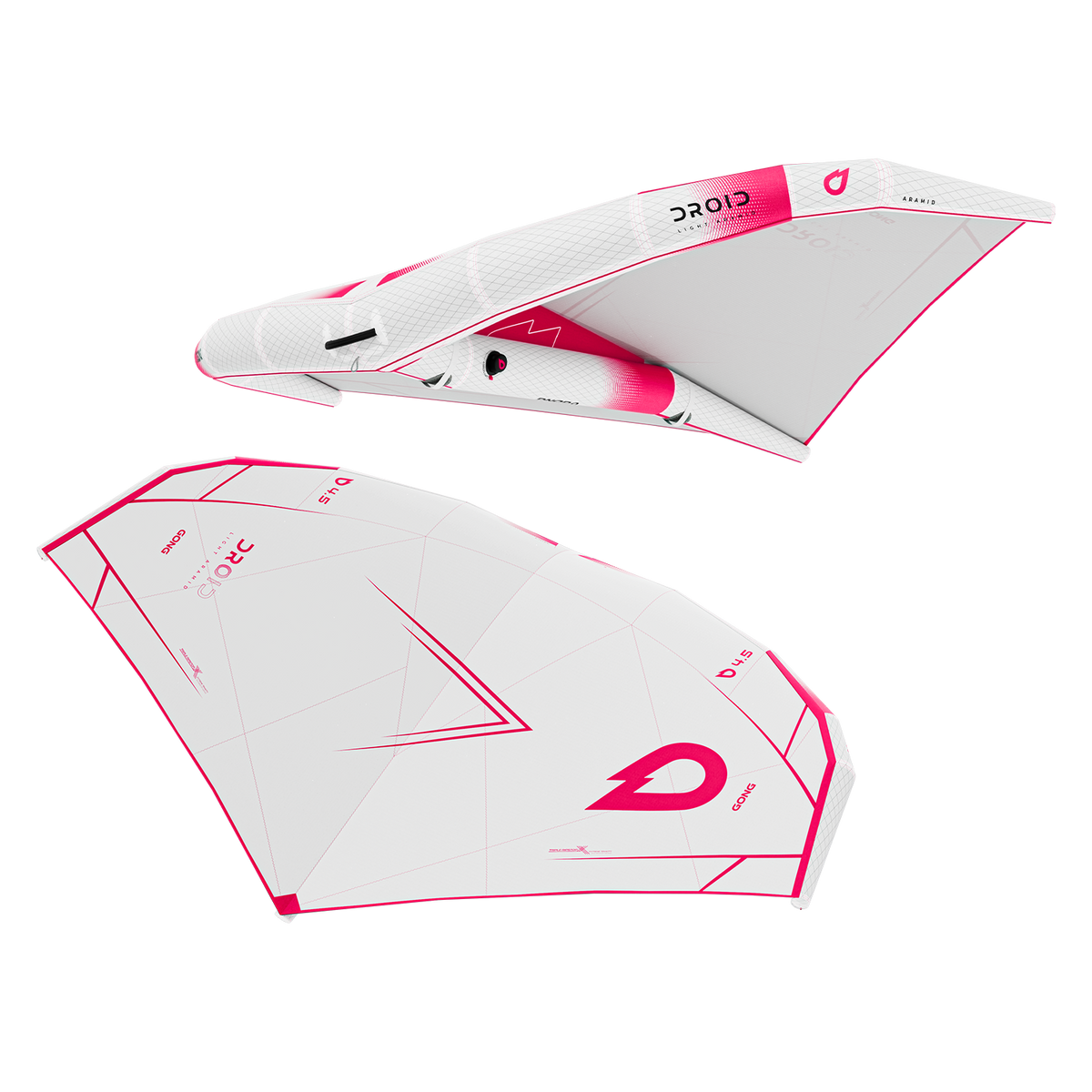
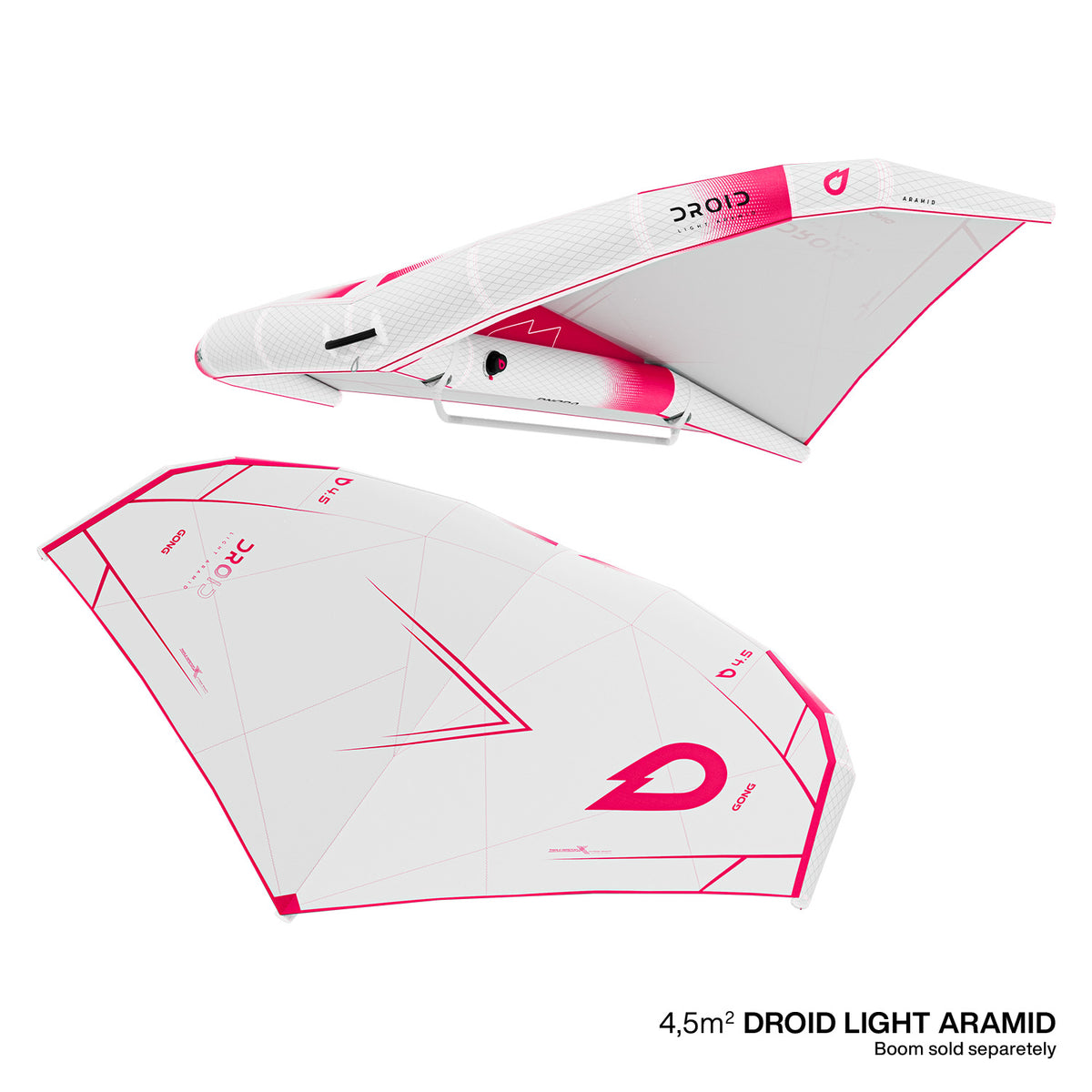
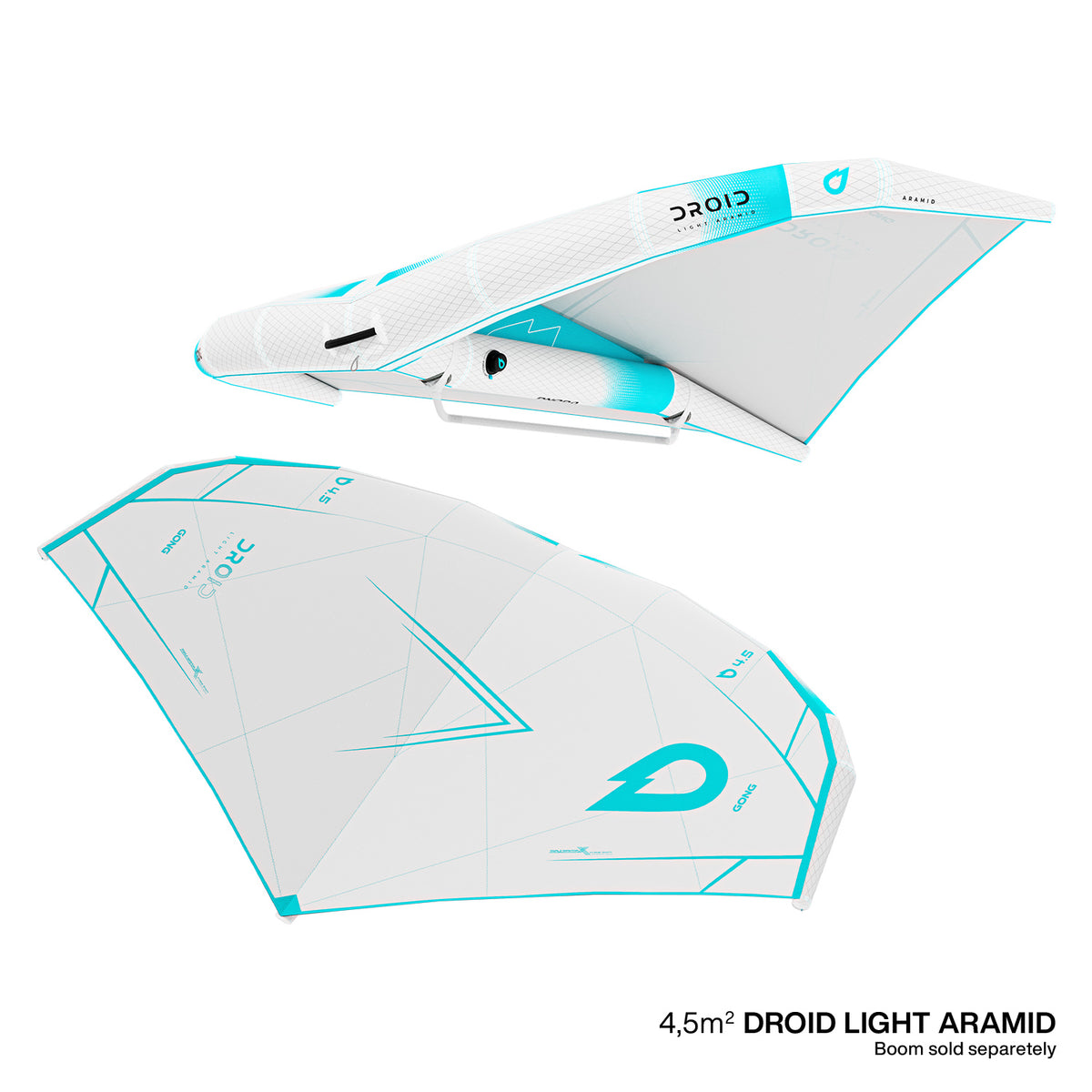
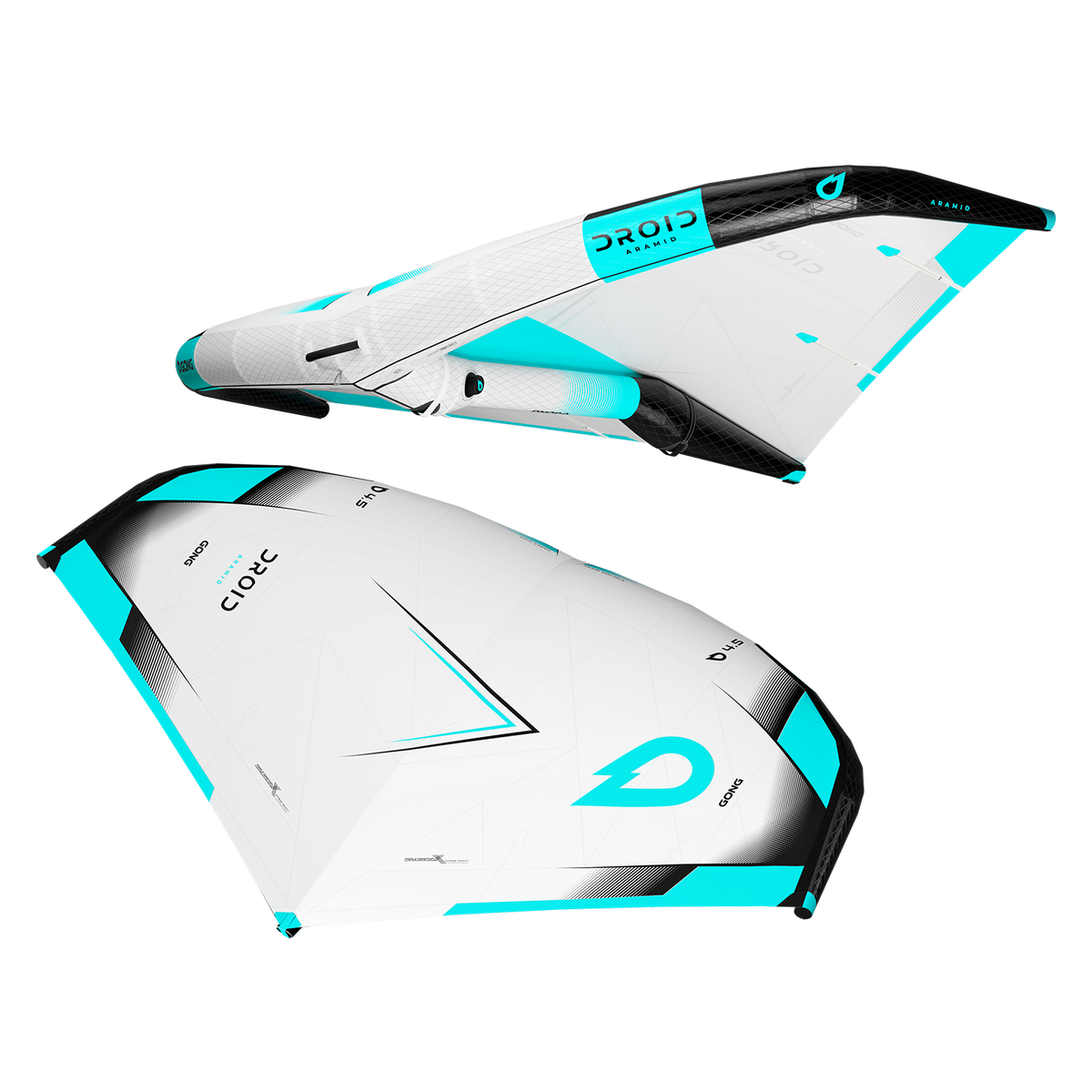
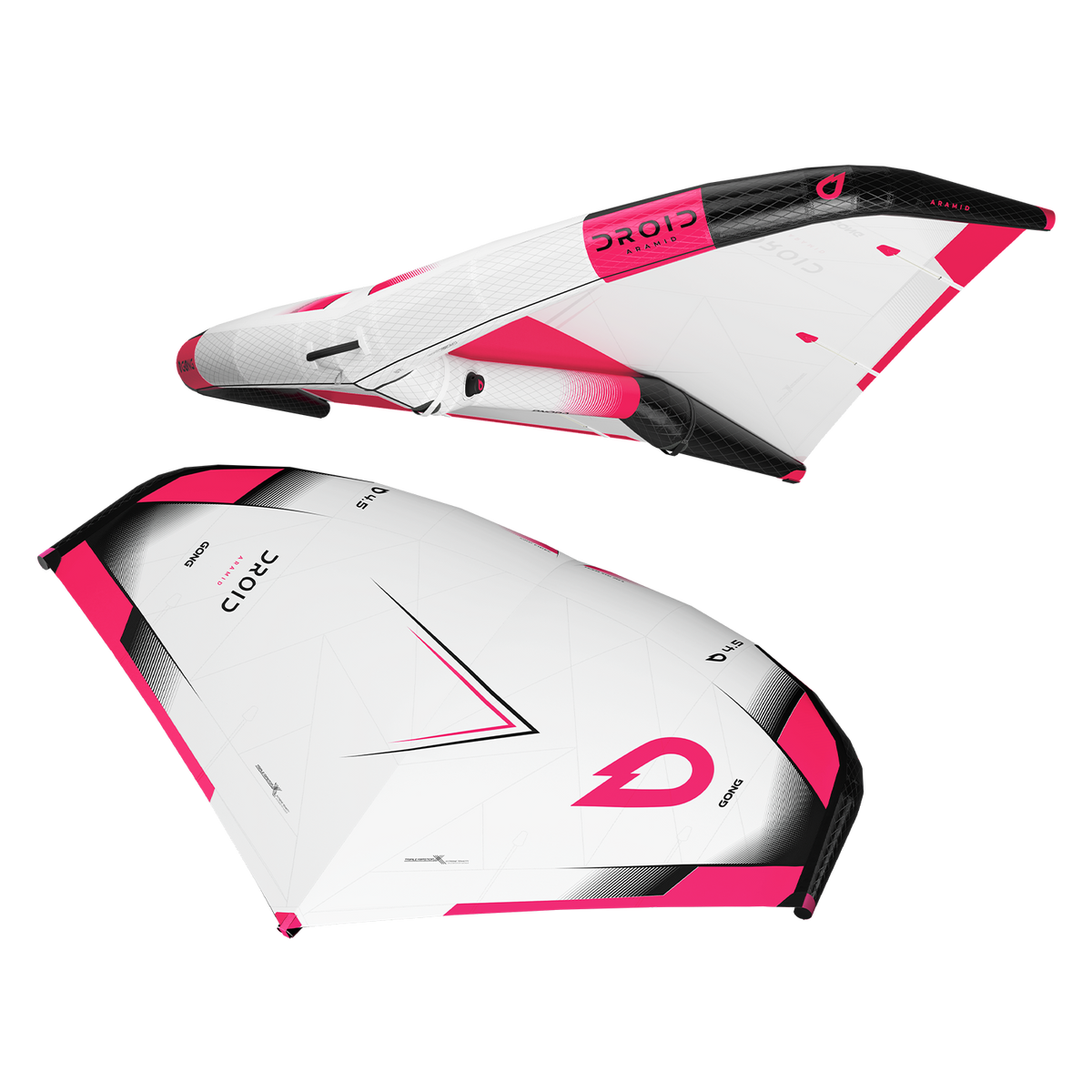
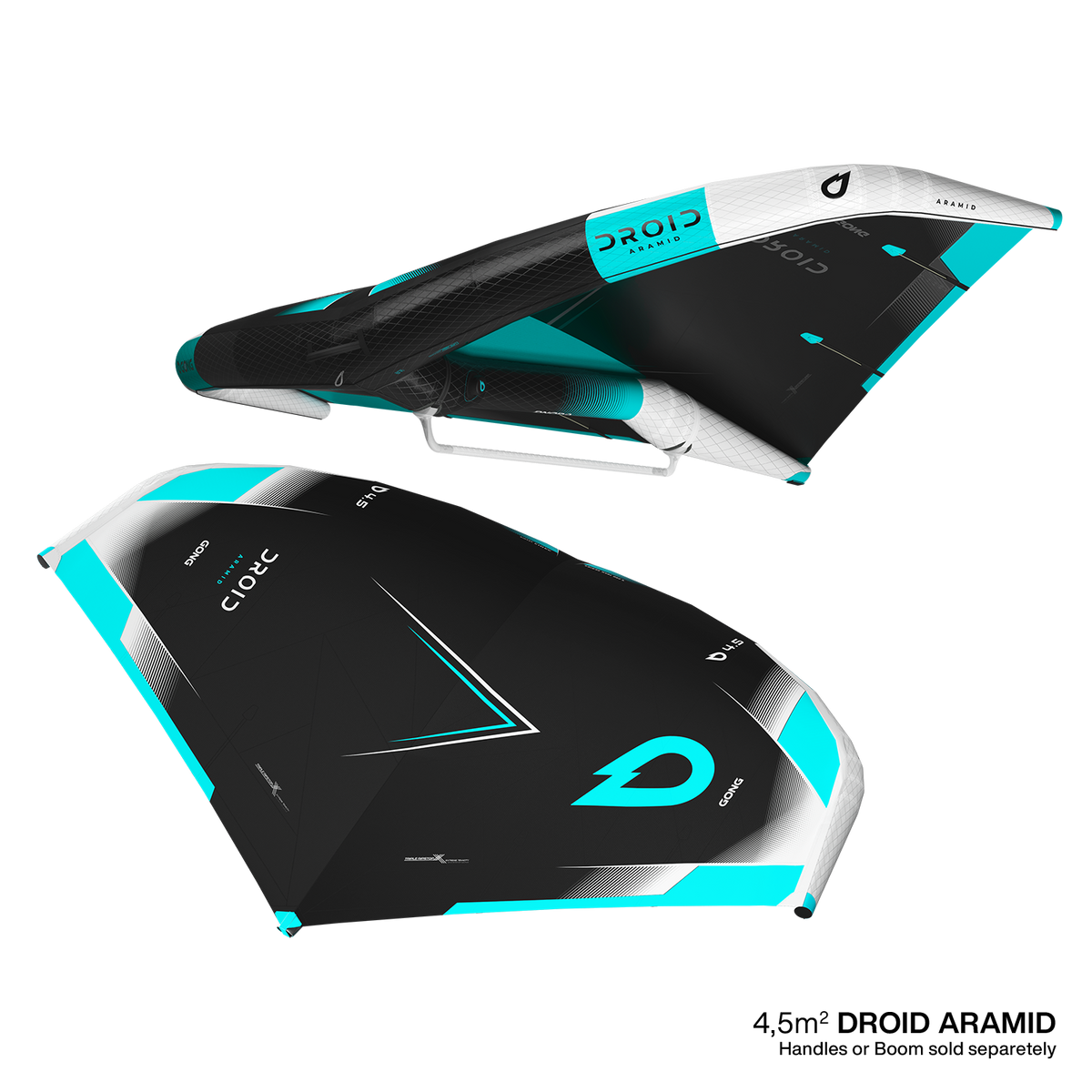
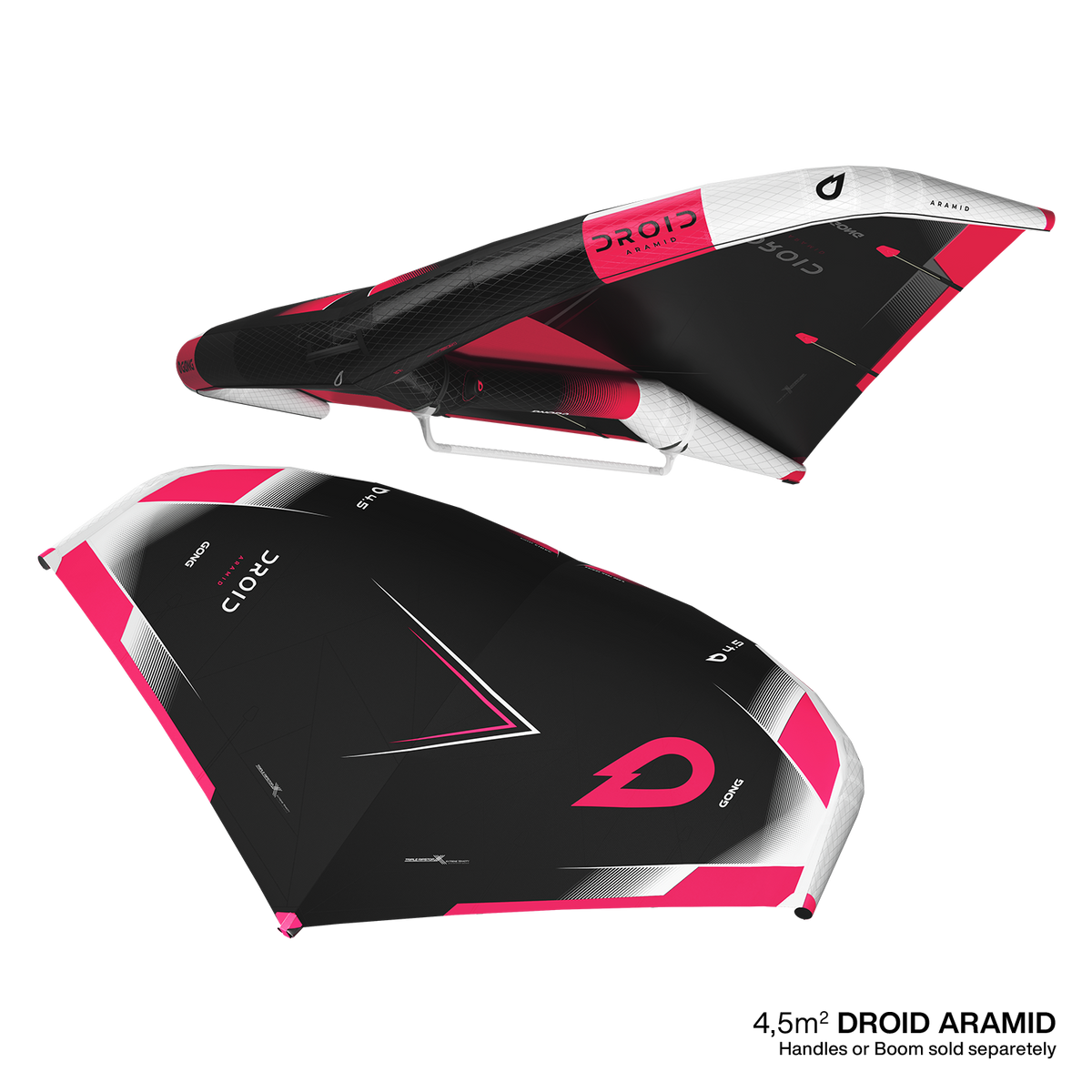
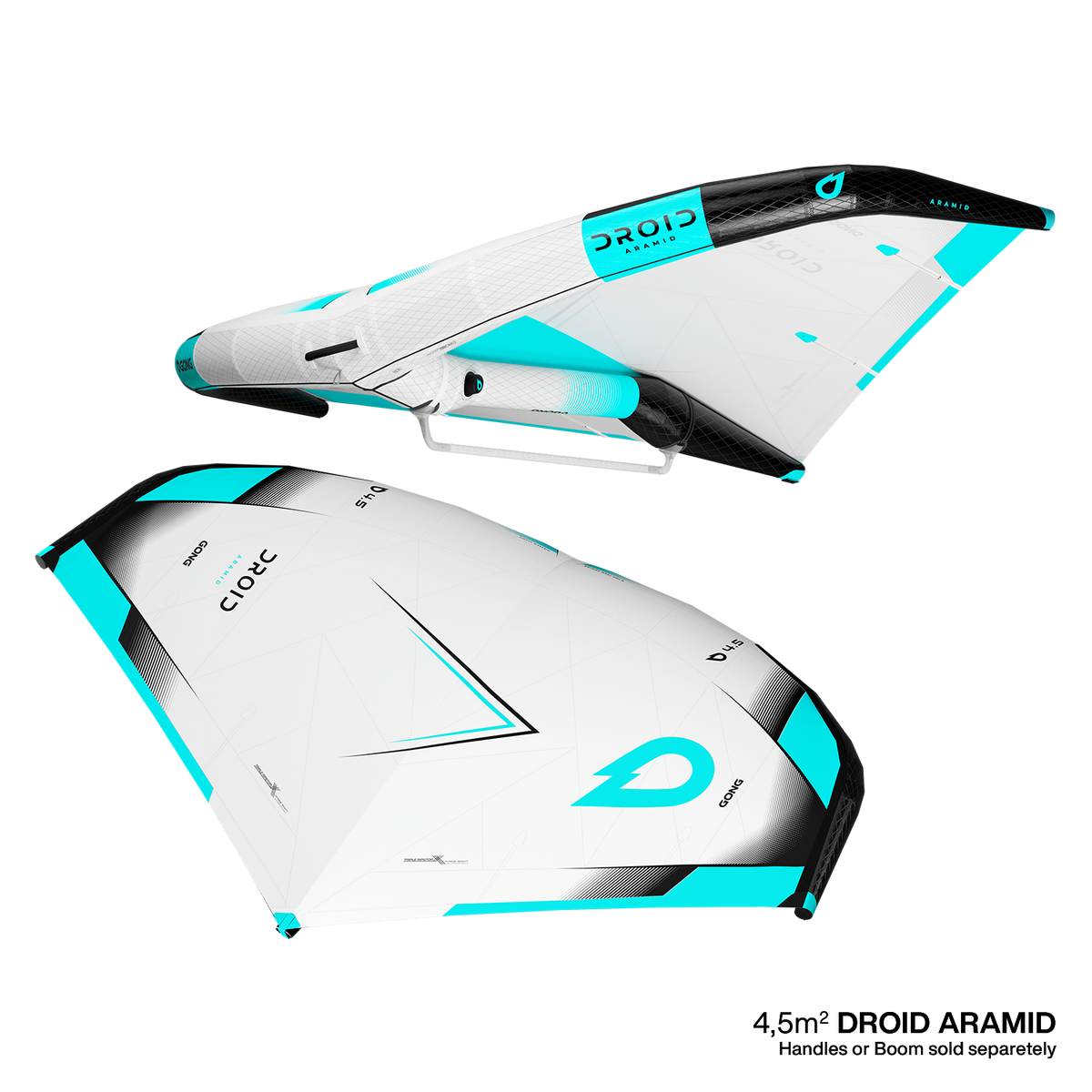
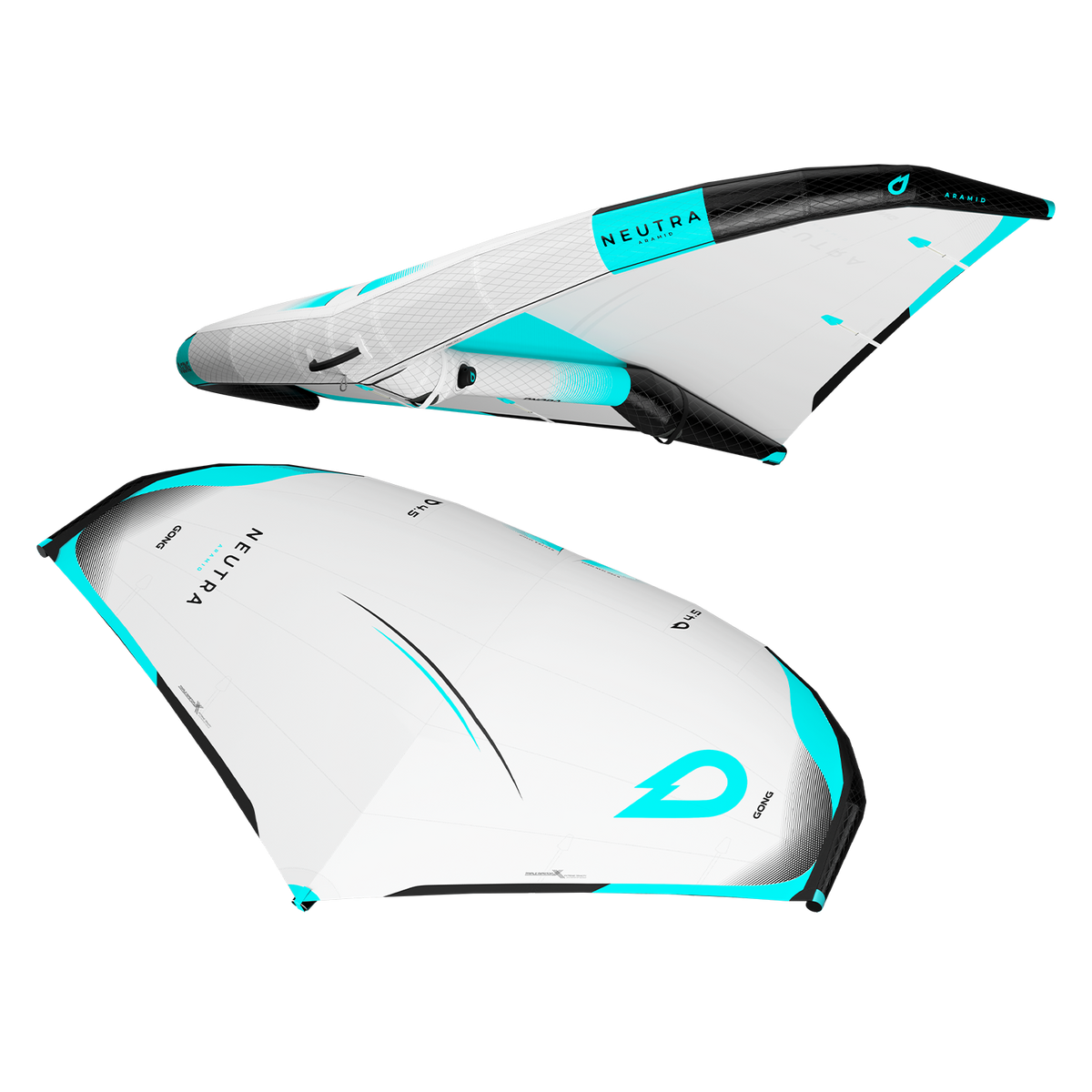
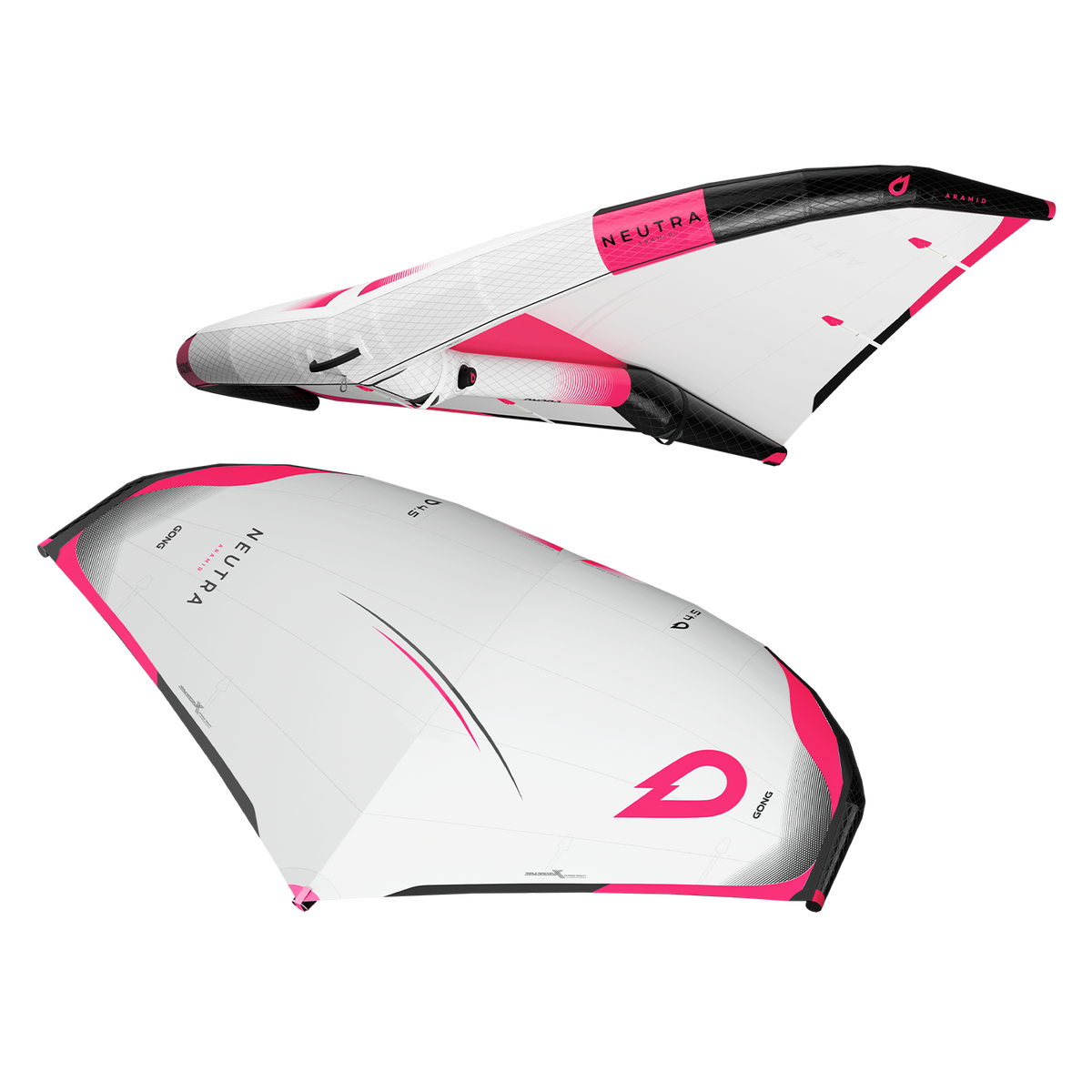
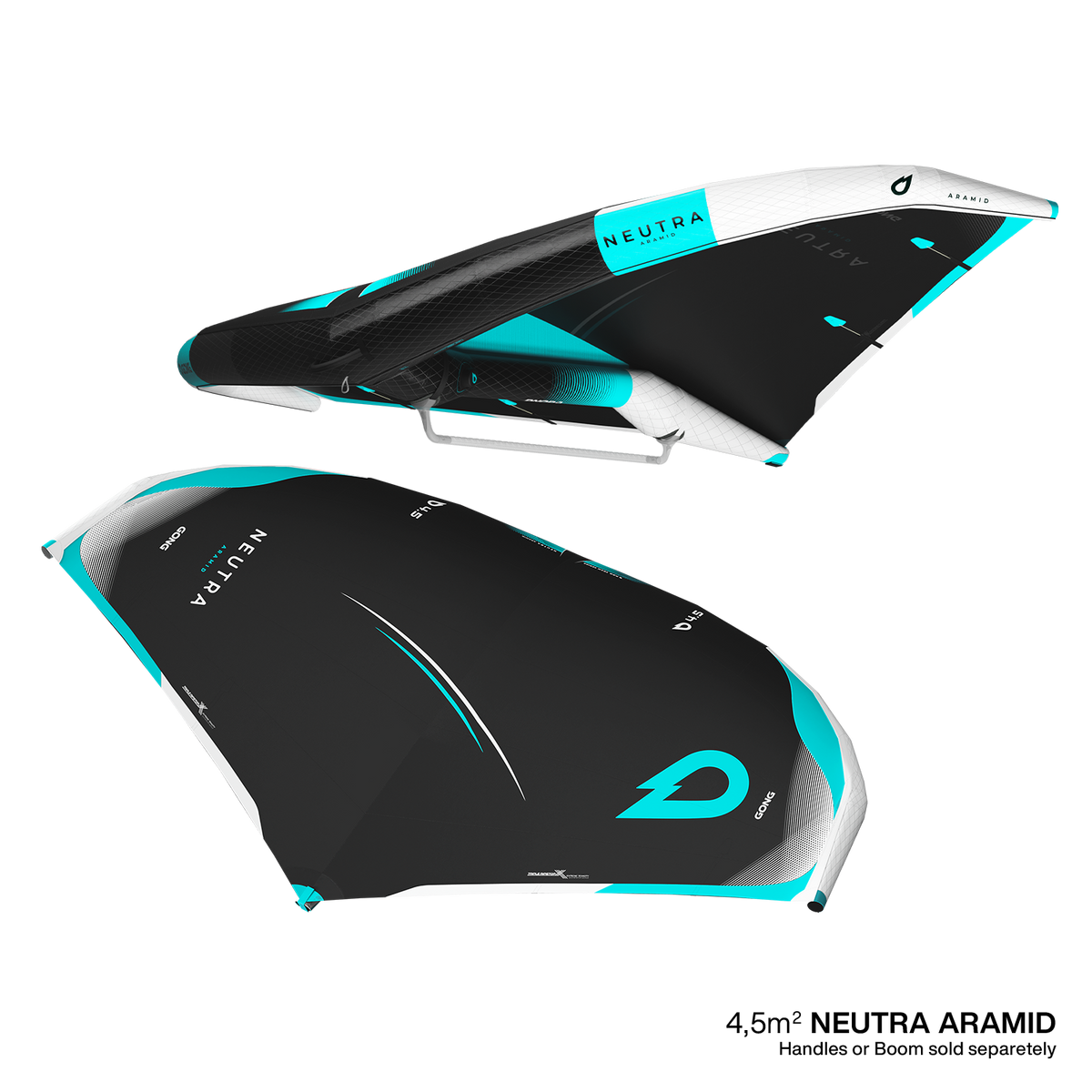
Quite simply because there’s no stacking of margins. We are extremely efficient.
We buy overall at the same price as our competitors, give or take a few dollars. The factories, whichever they are, have roughly comparable costs. But we always choose the higher-quality factories, which are often the most expensive. We are very demanding, really very demanding.
The first reason is that we use our gear nonstop, so we want the very best.
The second reason is that we set up our production in factories that are often 100% dedicated to GONG. They use our technologies and our processes. So we want a perfect result, exactly as we expect it.
And since we sell directly, we can’t afford to deal with after-sales service issues on the other side of the world all the time. Paradoxically, because of their price positioning, our products must be ultra reliable. That’s why, for example, we were the first to make full sandwich wing boards. So to have an absurdly low after-sales rate (0.4% in 2025 on wings), we work with the best factories (very often our own factories) to ensure optimal quality.
So no, our wings are not cheaper because they are lower quality or because we buy them under shady conditions. It’s quite the opposite. I spend a huge amount of time in and with the factories. After 15 years they’ve become friends, people who share our drive to keep improving, people who are super motivated by the ideas that will take us further. As a result, the quality is there. It’s proven in World Cups, it’s proven by the thousands of units sold and used. Absolute perfection doesn’t exist, but our mindset is 100% quality, because we ride this gear every day. We live for it.
We are not opportunists. We’re not here to pretend, to do marketing or empty branding. We never said: hey, winging is trendy, let’s sell some. Never! We are riders talking to riders. And we want to bring more and more passionate people on board with us.
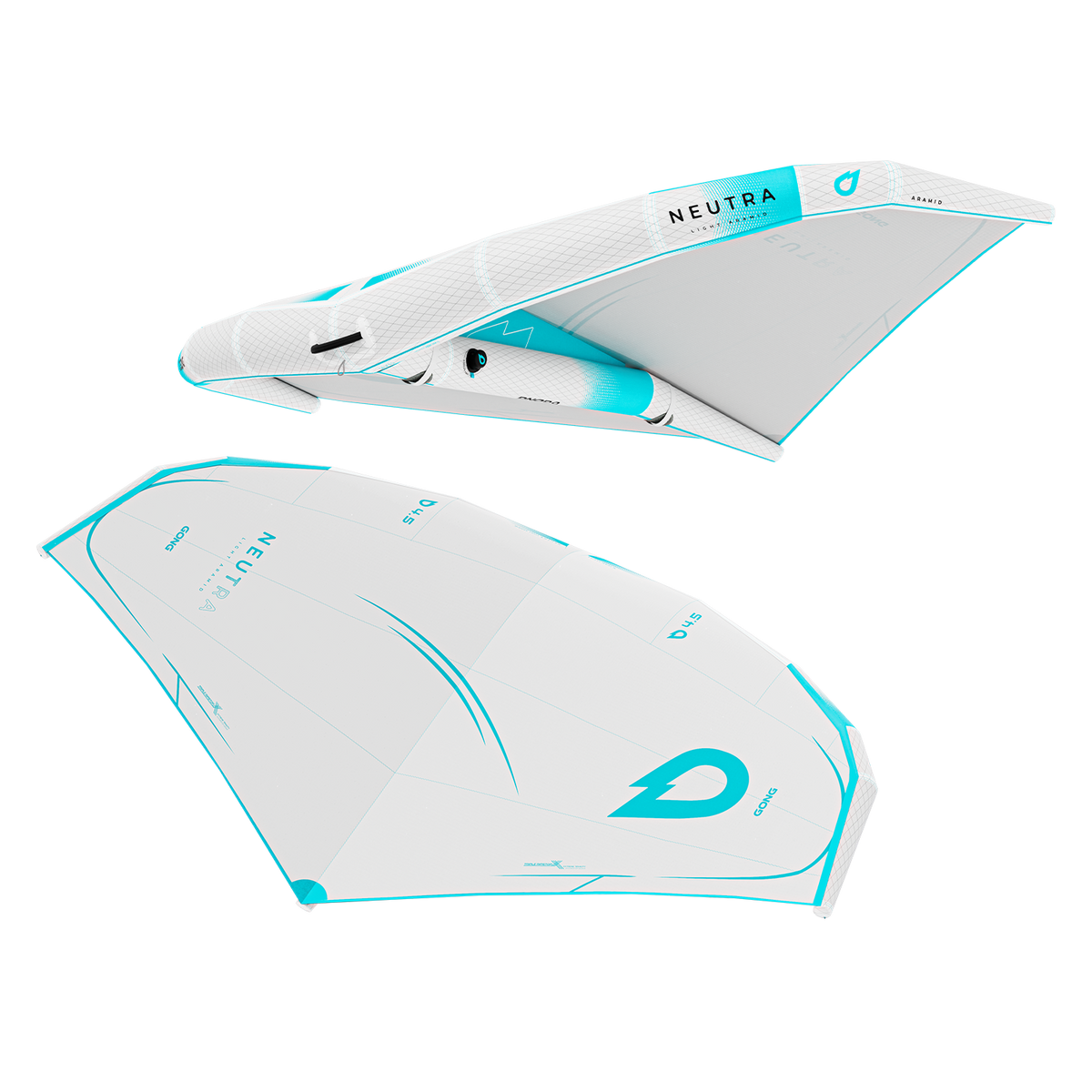
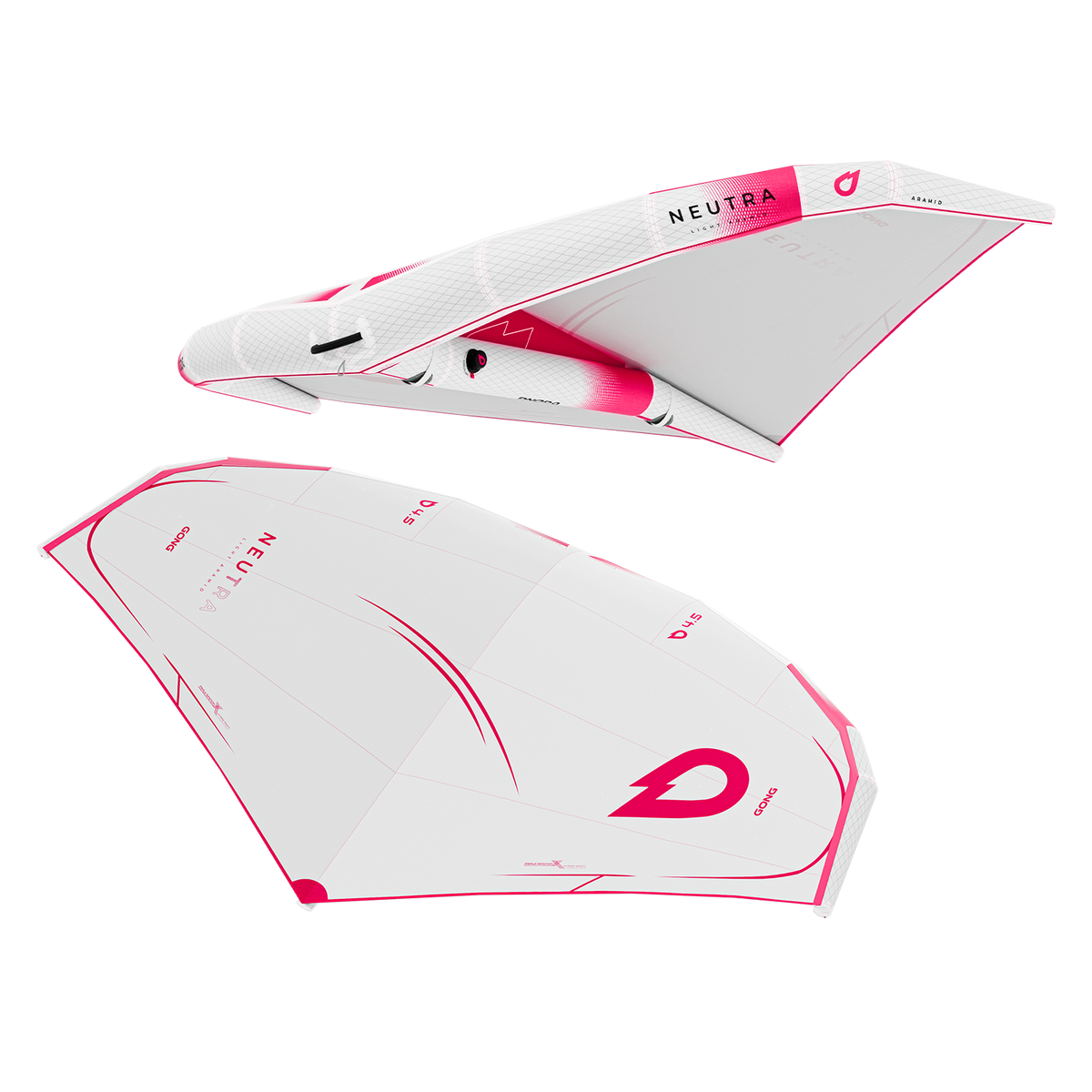
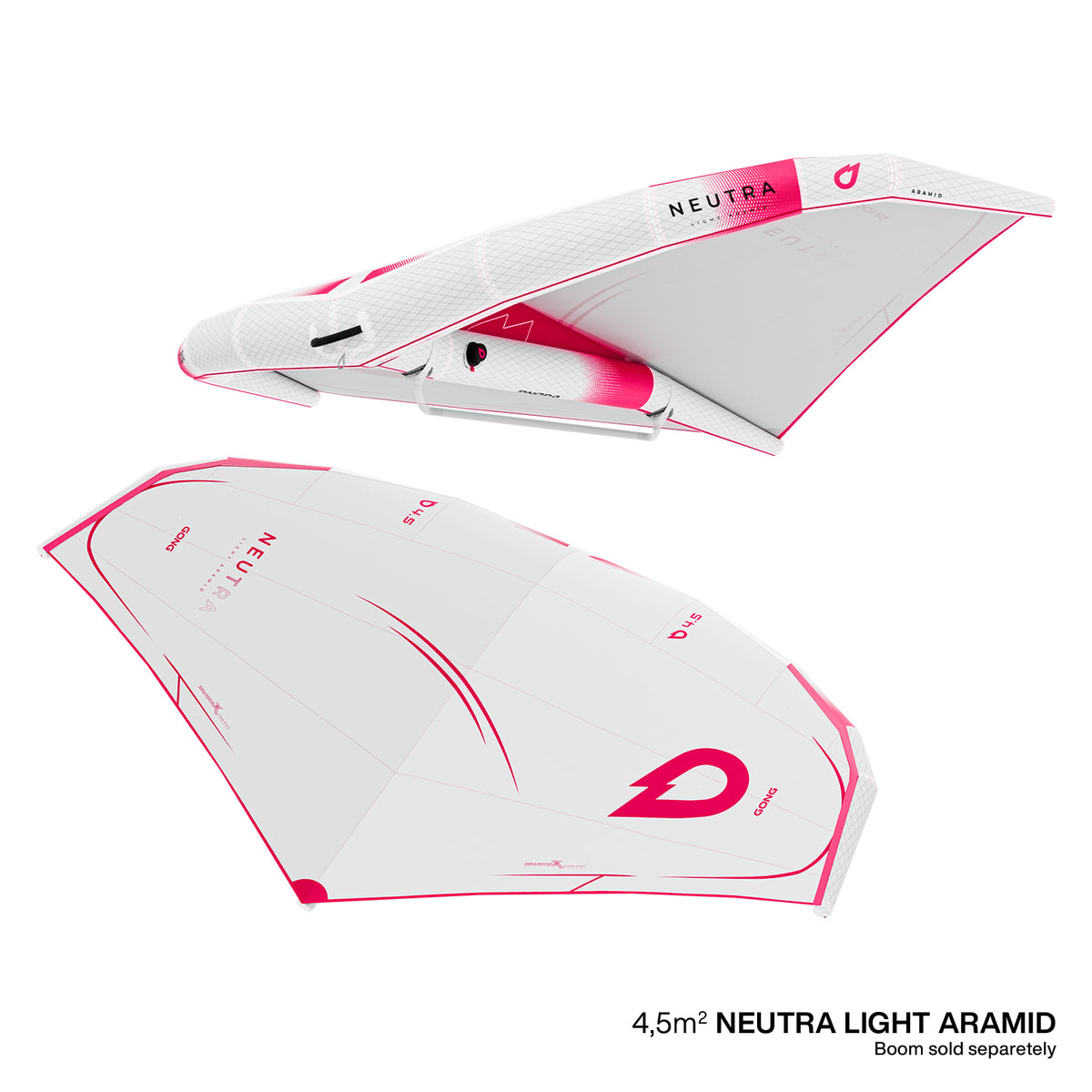
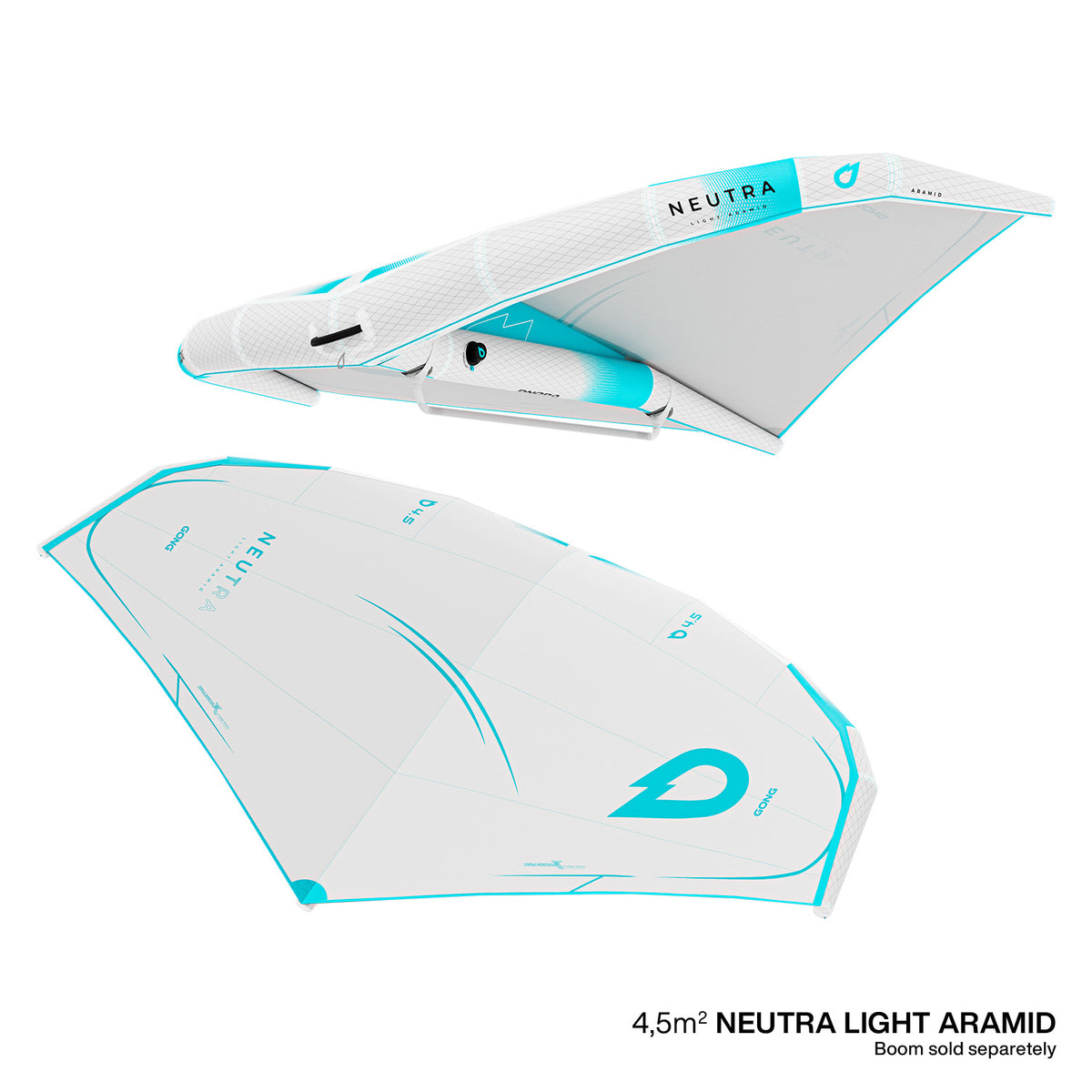
So why are our wings cheaper? It’s purely a matter of distribution. When we buy a wing for 100, we sell it for 200 + tax, roughly 250. In a classic distribution model, the brand buys it for 100, sells it to the distributor for 200, who sells it to the shop for 350–400, who sells it to the end customer for about double. In the end, the customer pays 600, 800, sometimes 1000 for the same product.
We, for a product bought at 100, sell it for 250. Competitors are between 600 and 1000. And when I say “the same product,” it’s strictly comparable in terms of components and material quality. Only the shapes differ mainly. And one thing needs to be said: our R&D costs are colossal. By unanimous opinion of our team riders, we are the brand that makes the most prototypes in the world. By far. No one makes as many prototypes as we do, whether for shapes, technologies, graphics, finishes, or durability. Because we want to make the best products out there, we give ourselves every possible means to do so.
So no, we are not “low cost.” We sell for less because we sell directly, with no middlemen. But we are among the brands that invest the most in quality and R&D. That’s why our wings are often world champions.