Your cart is empty!
It's flat around here...
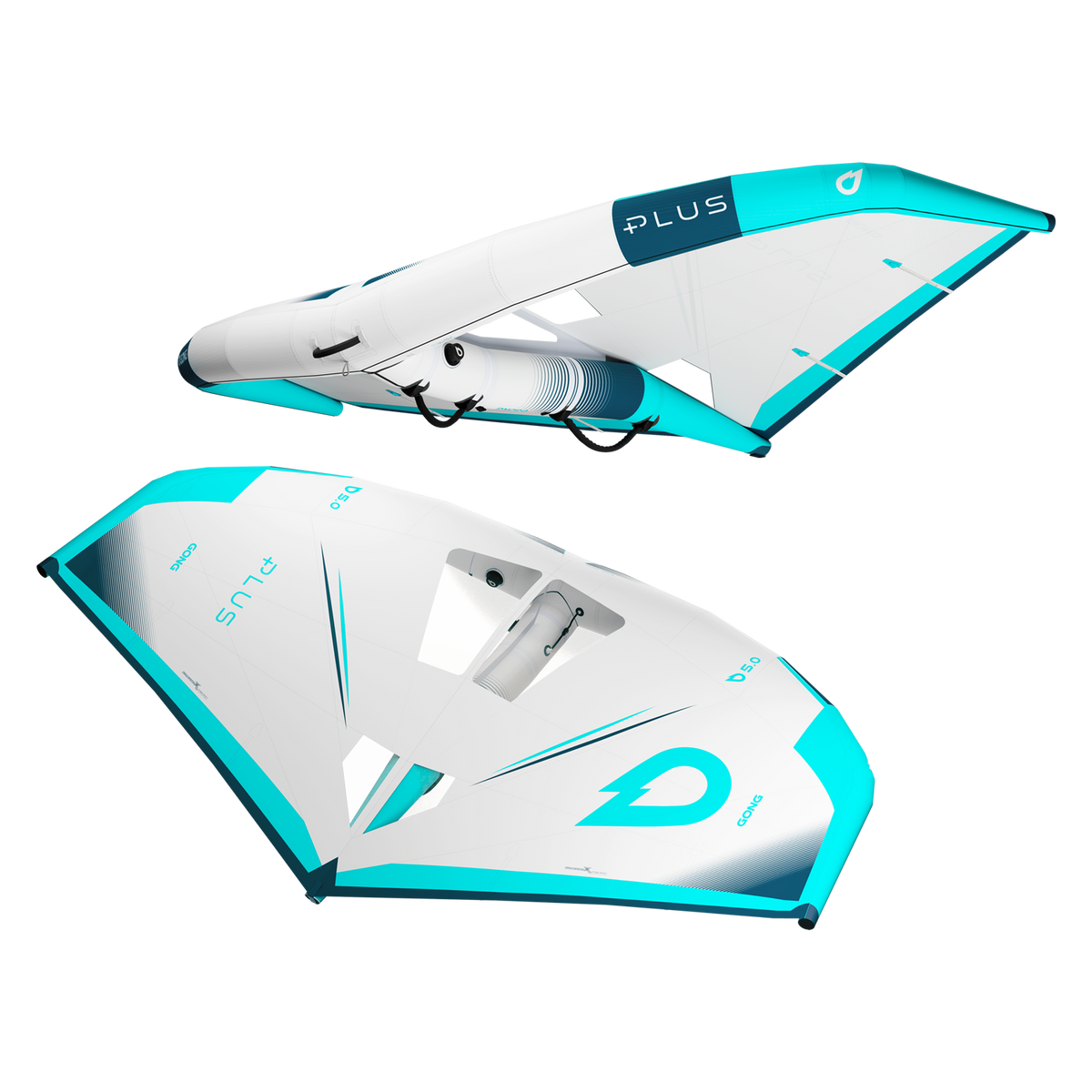
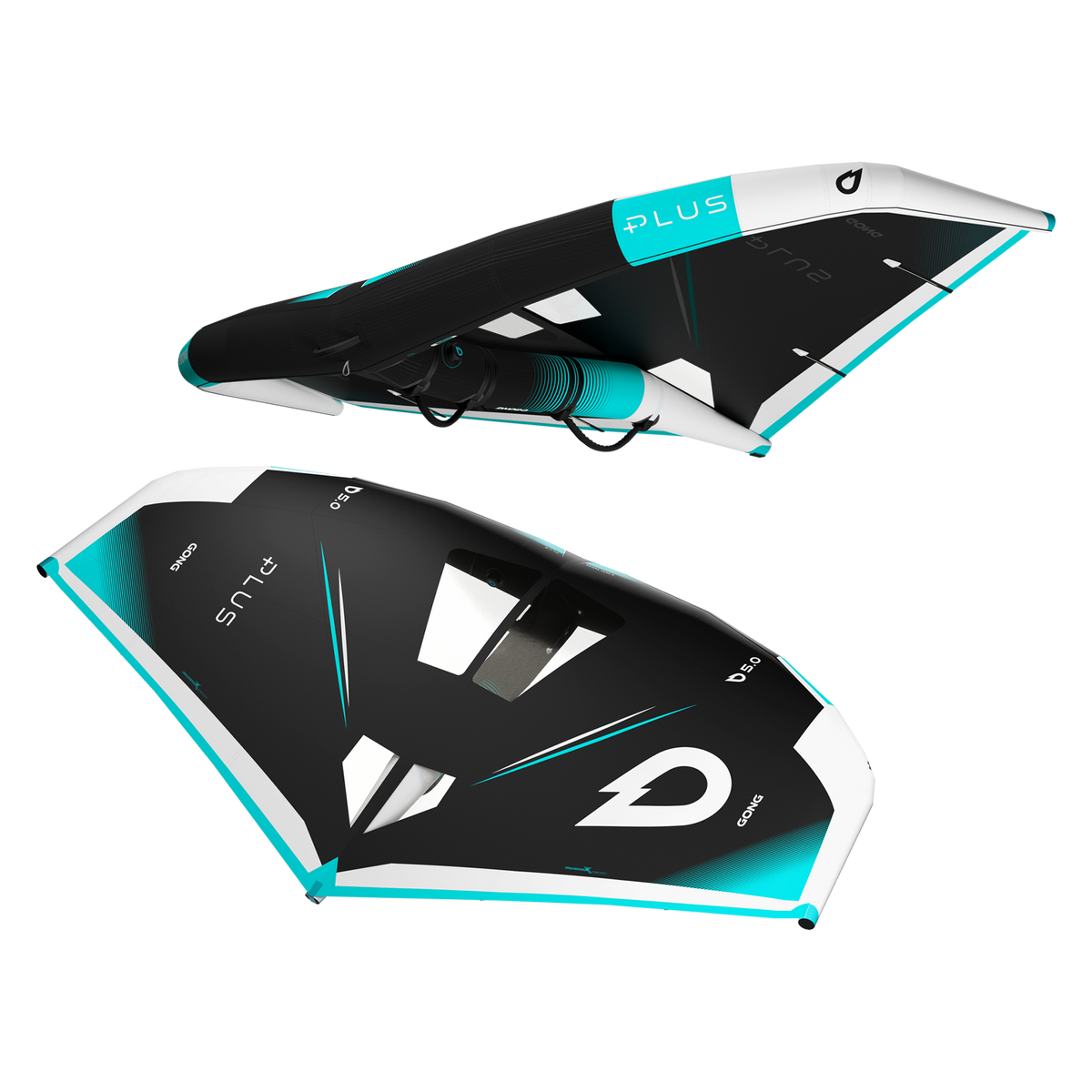
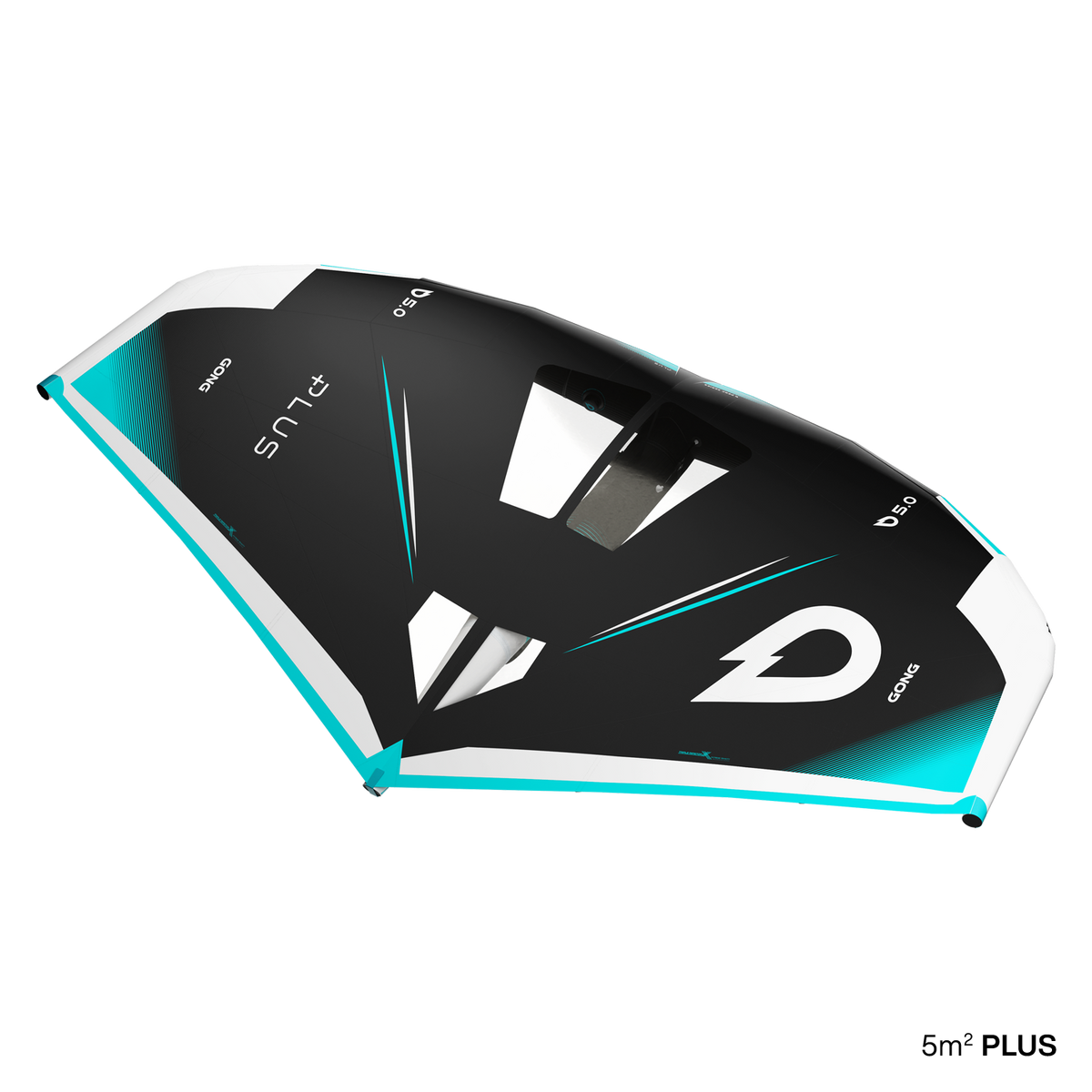
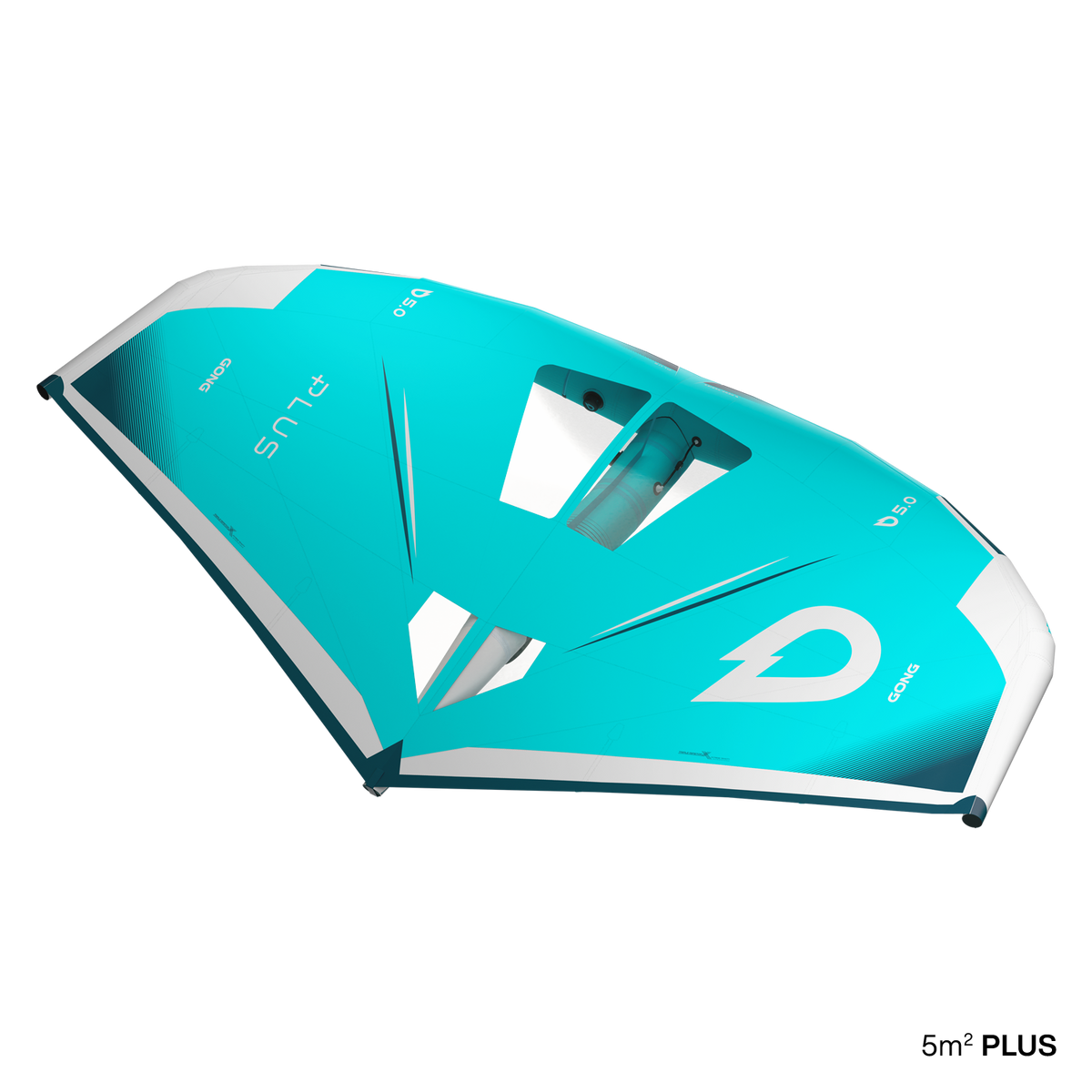
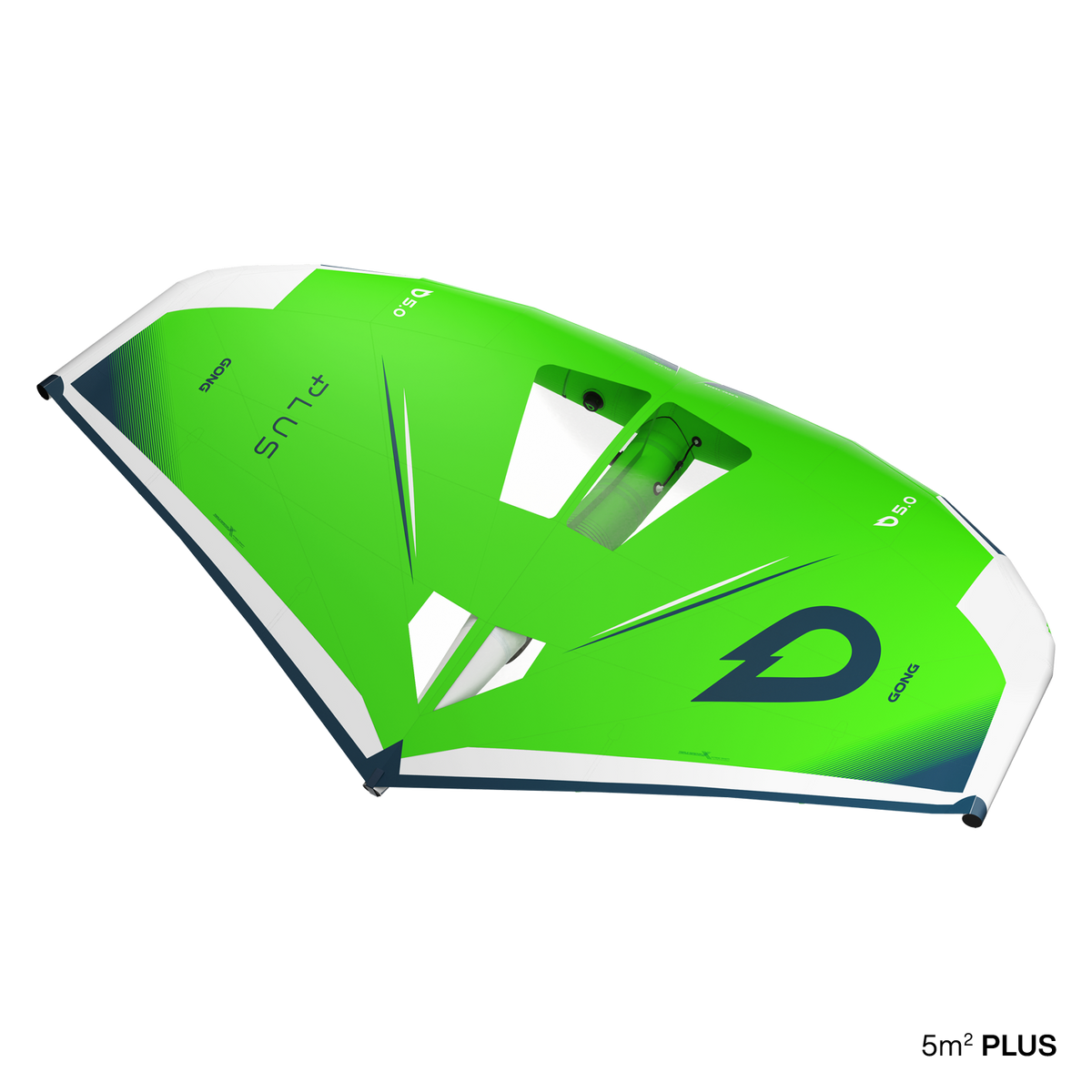
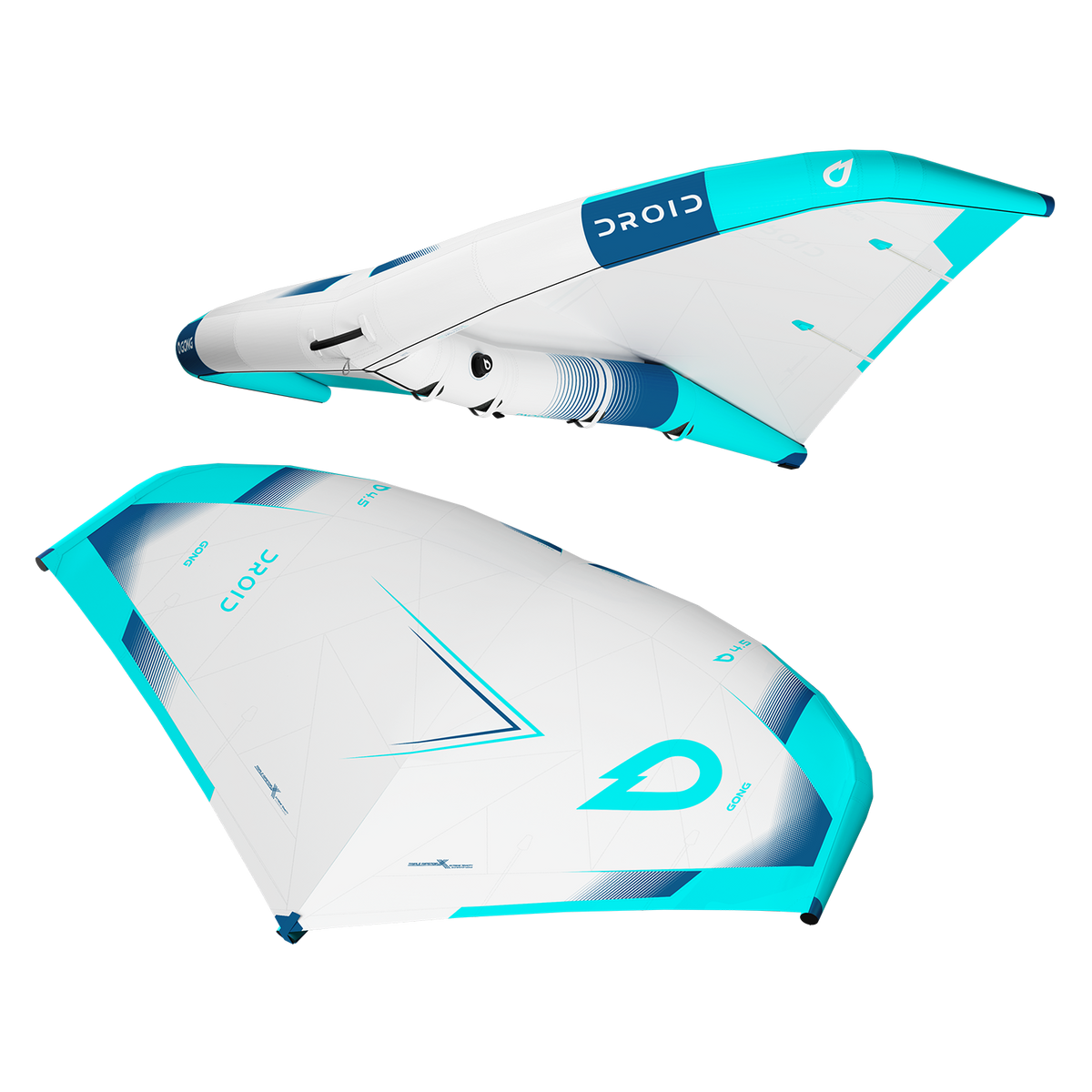
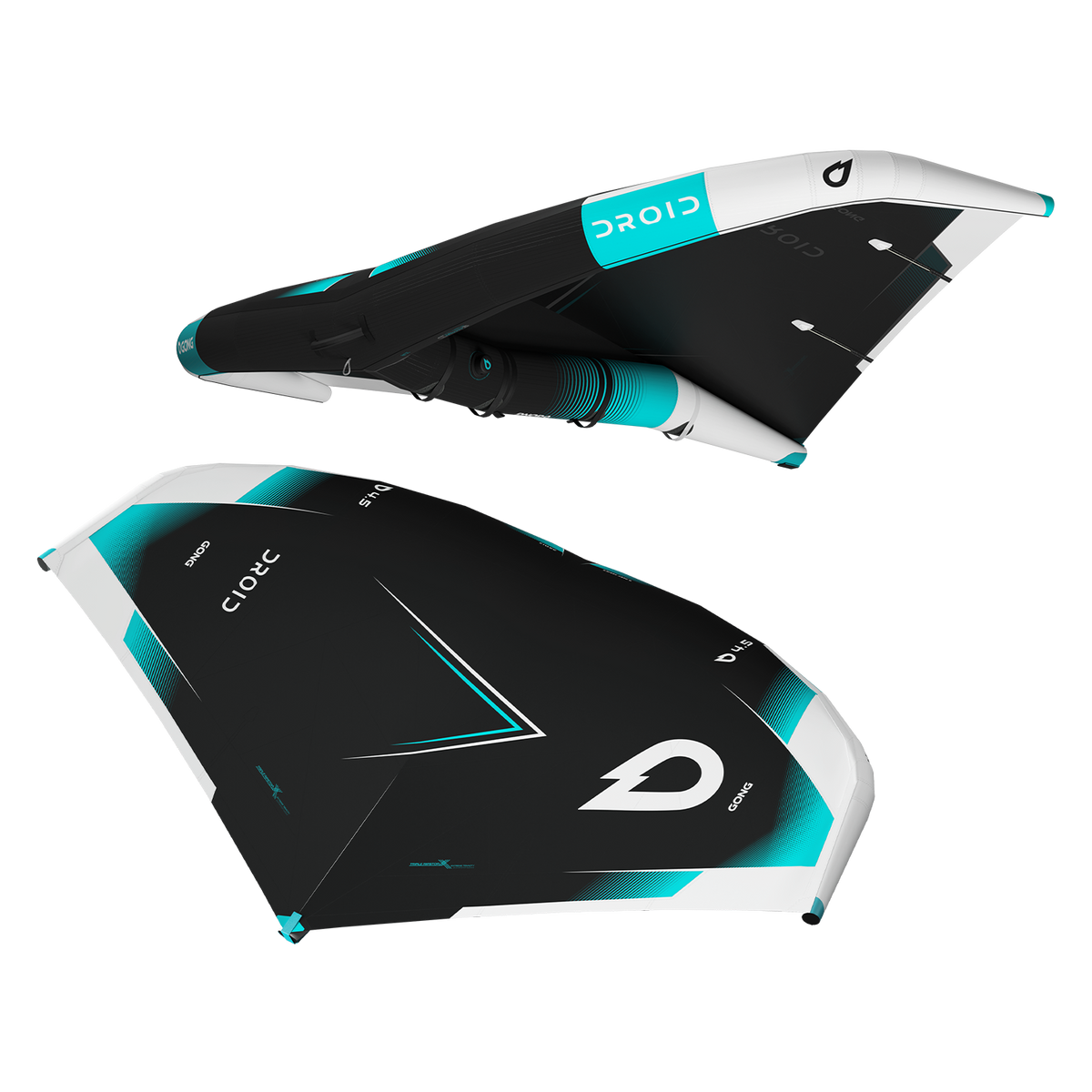
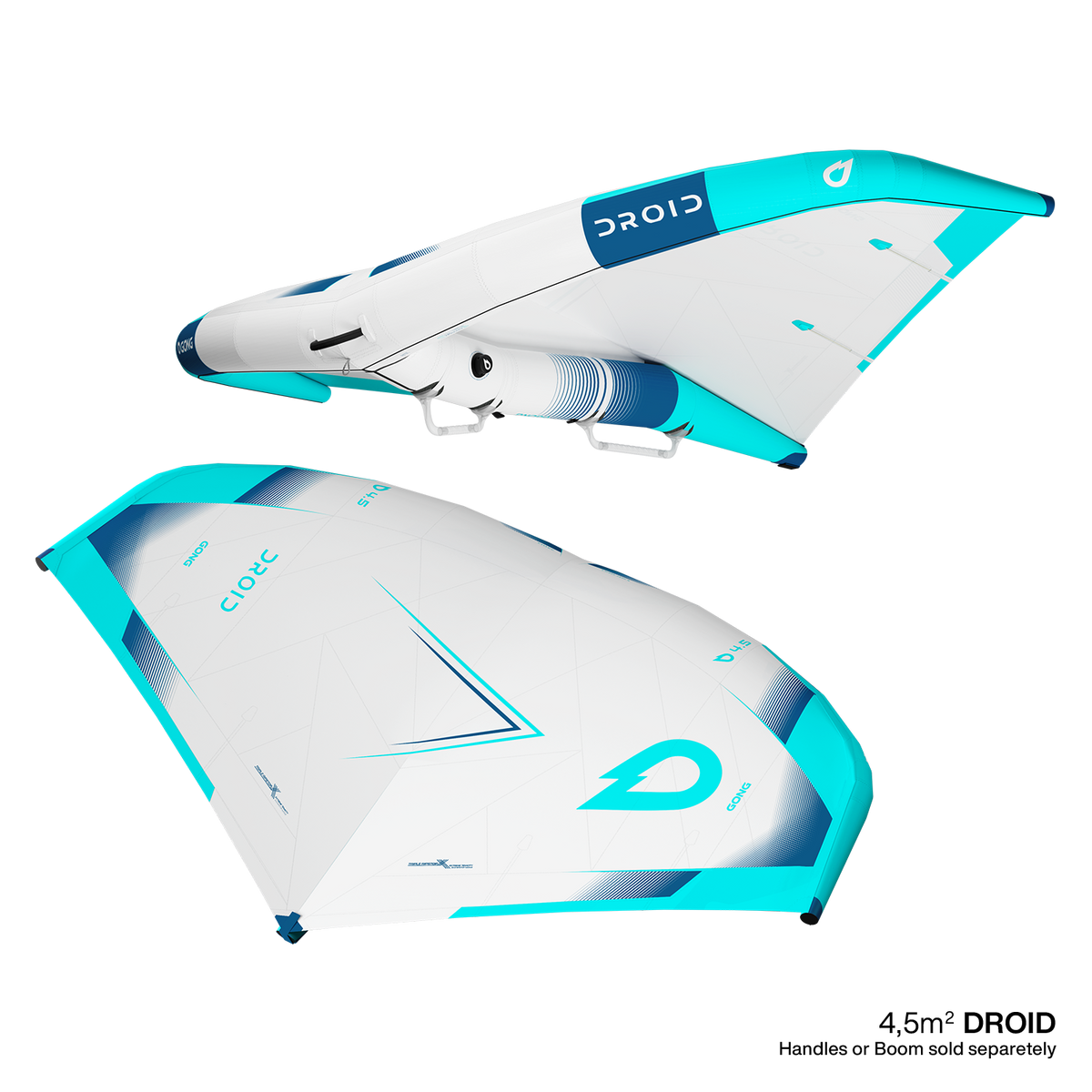
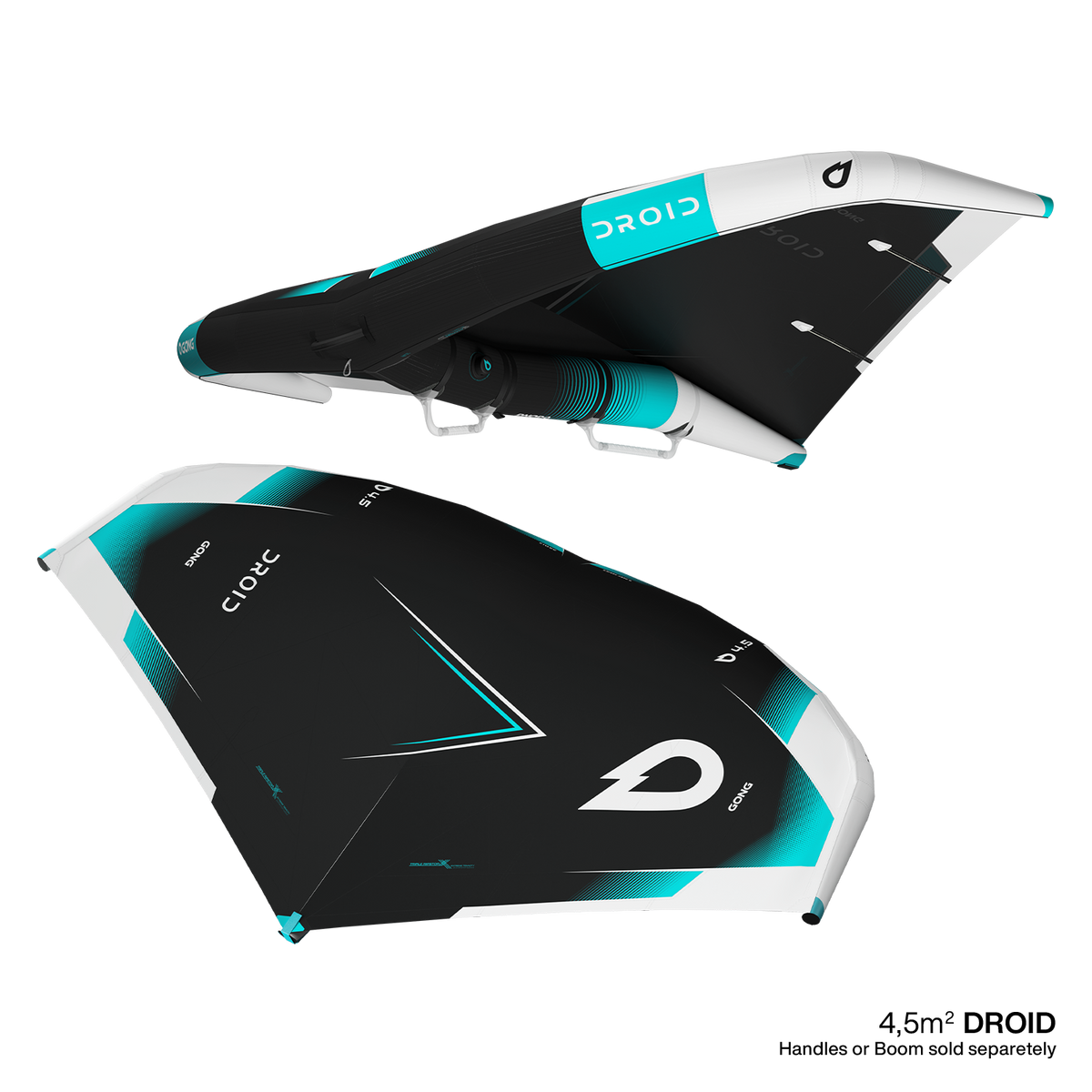
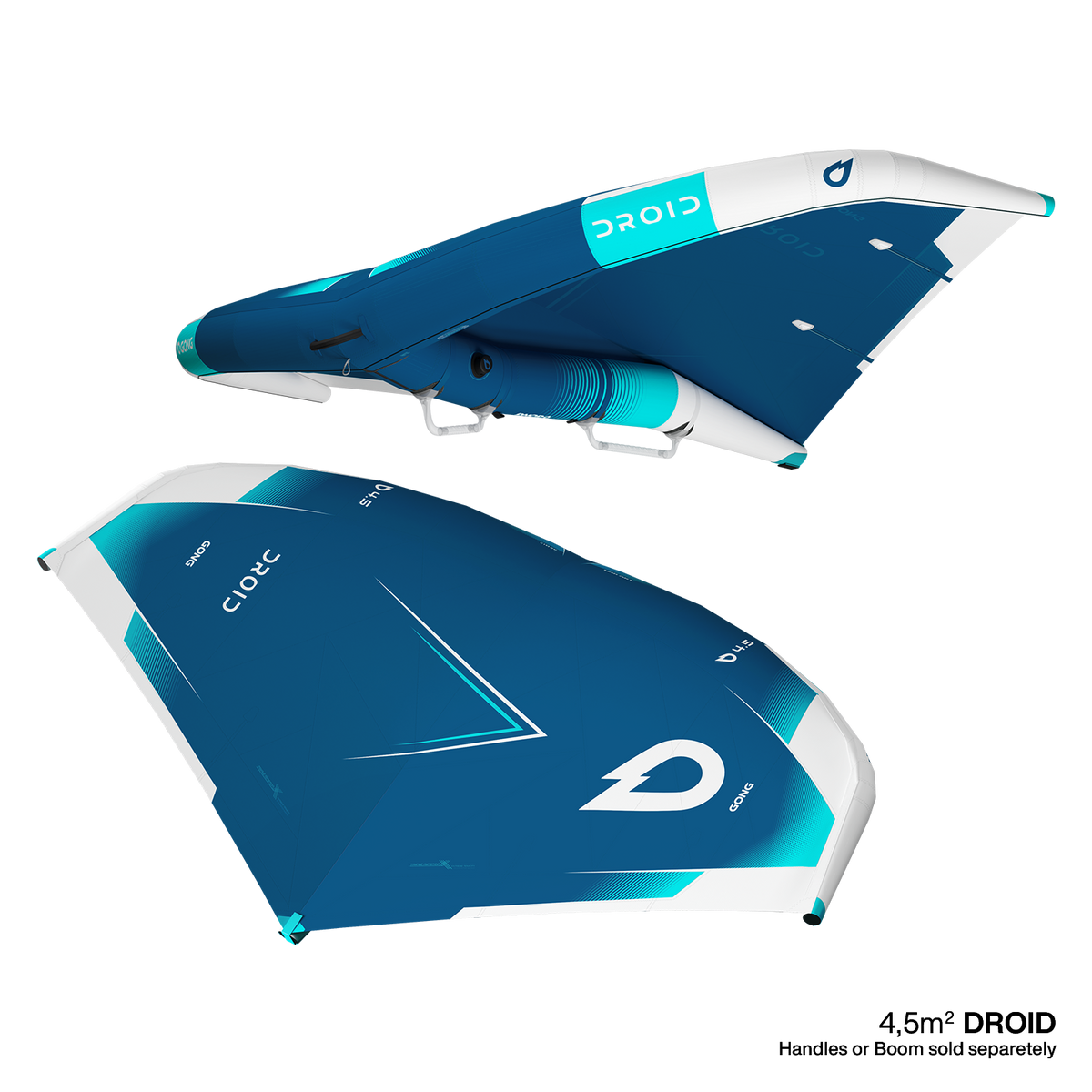
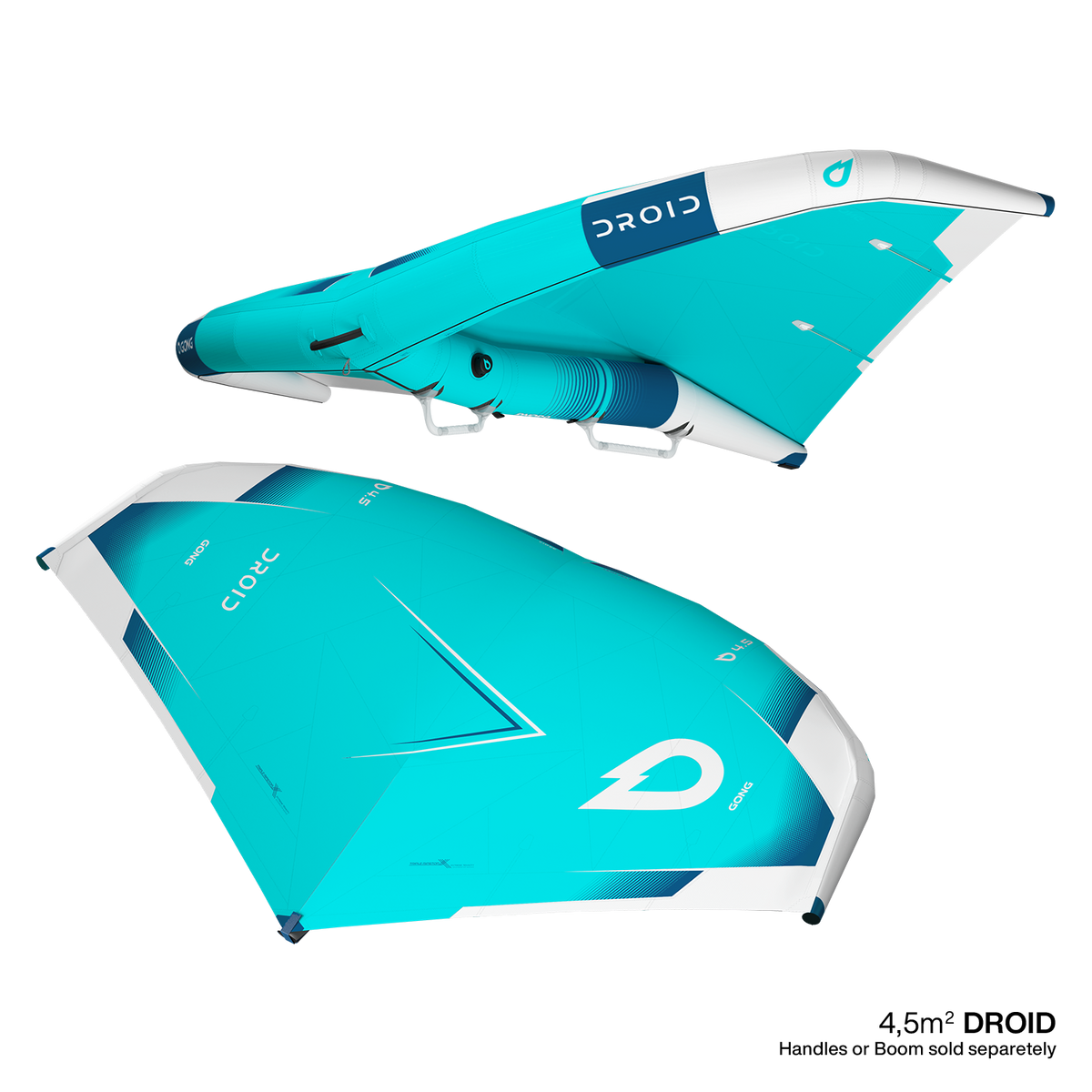
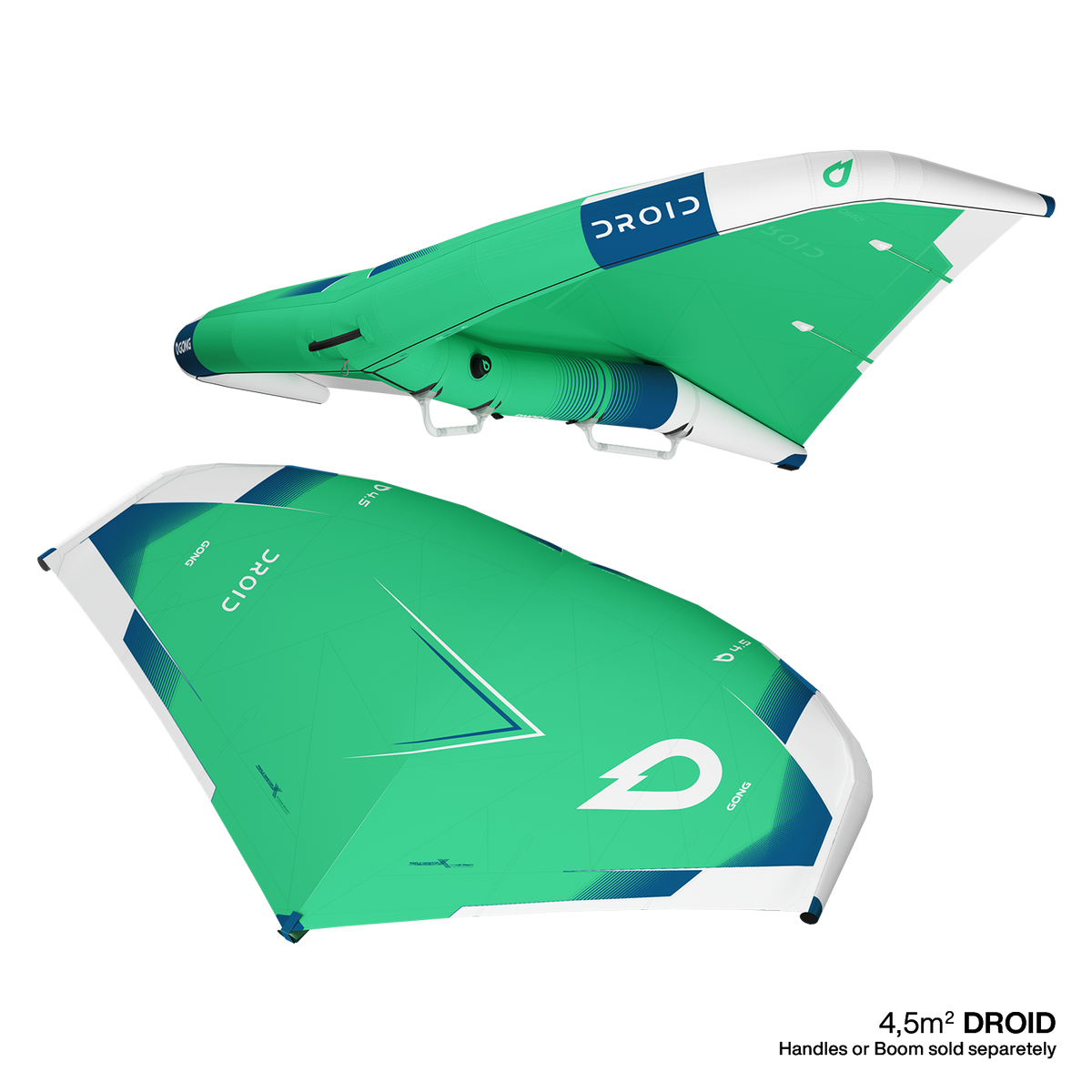
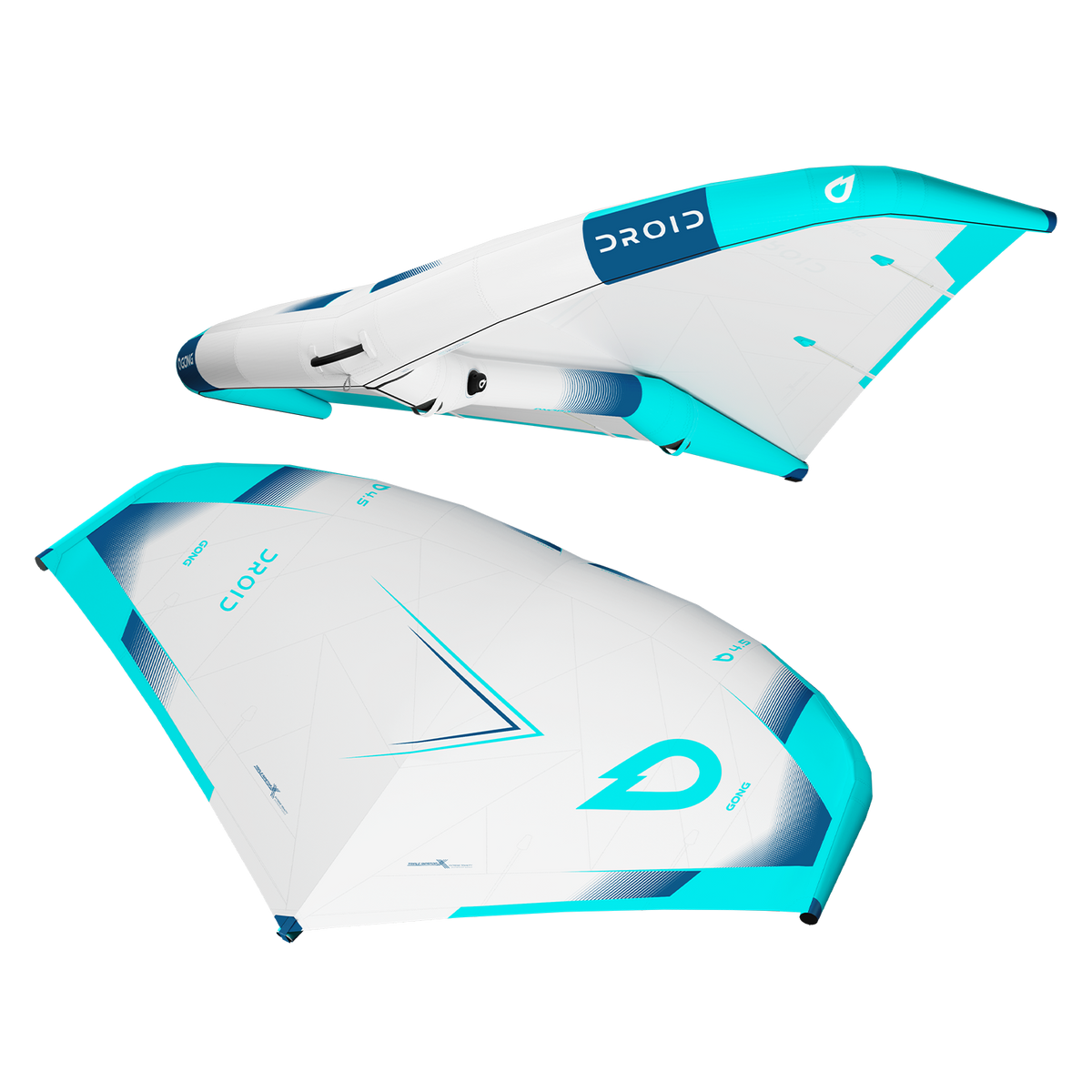
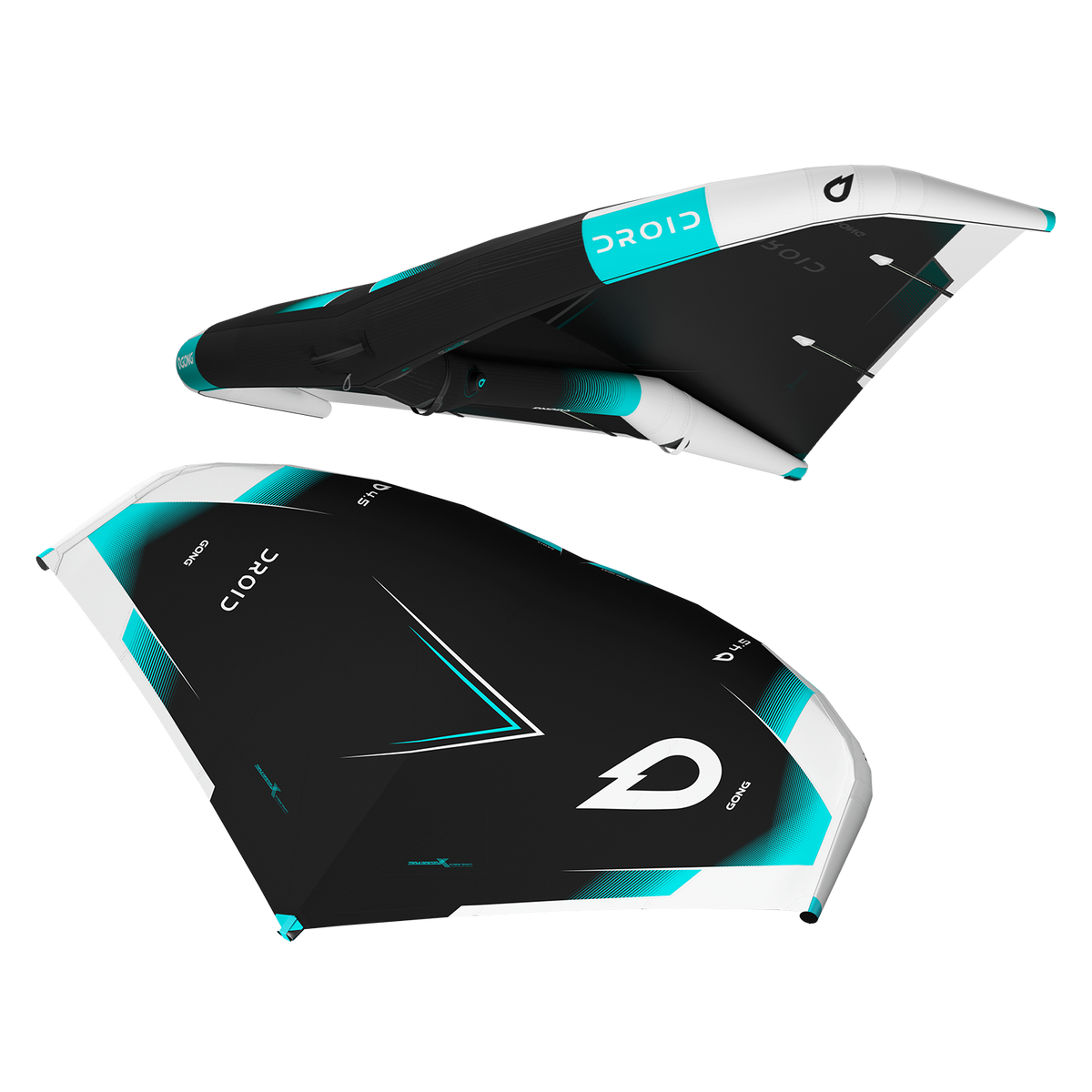
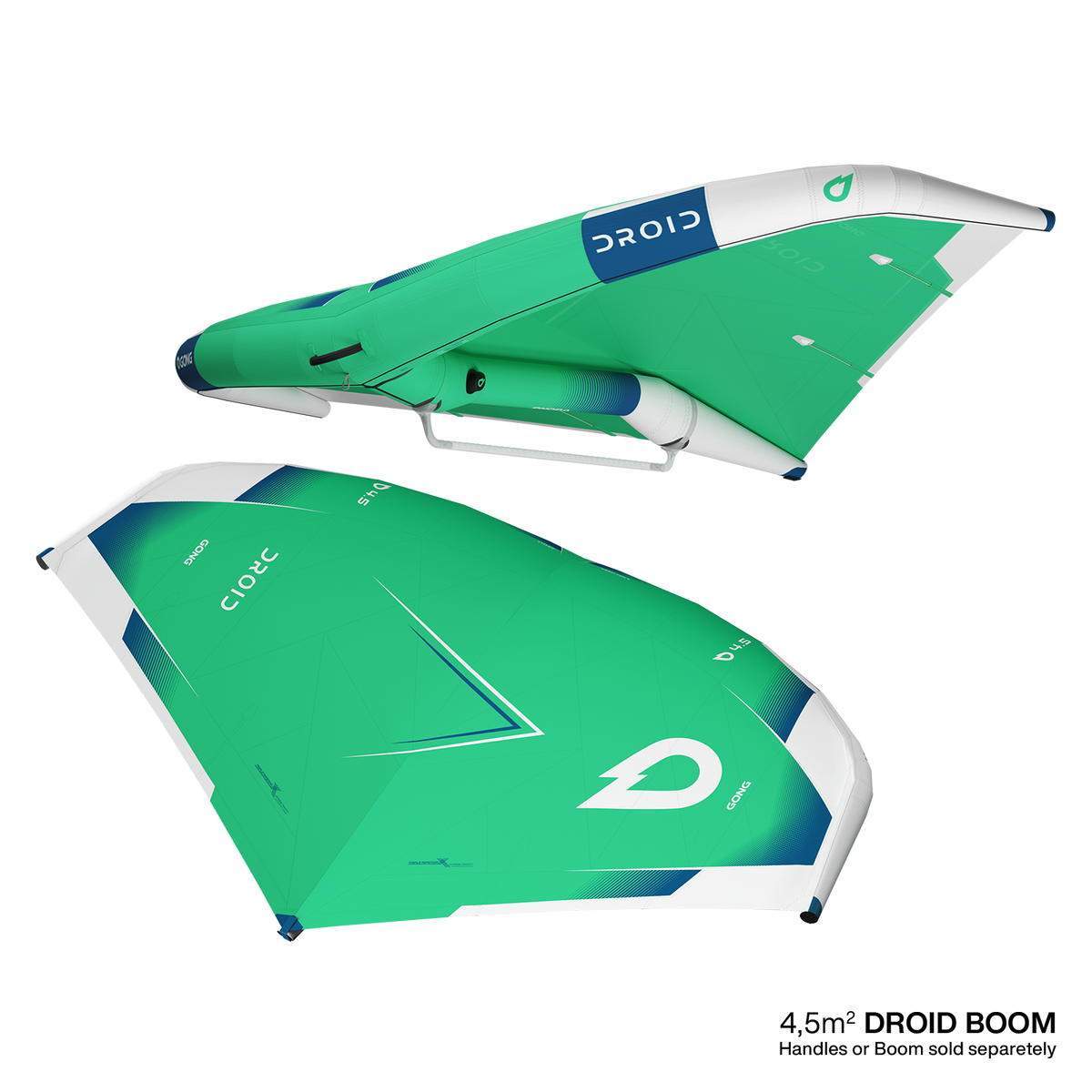
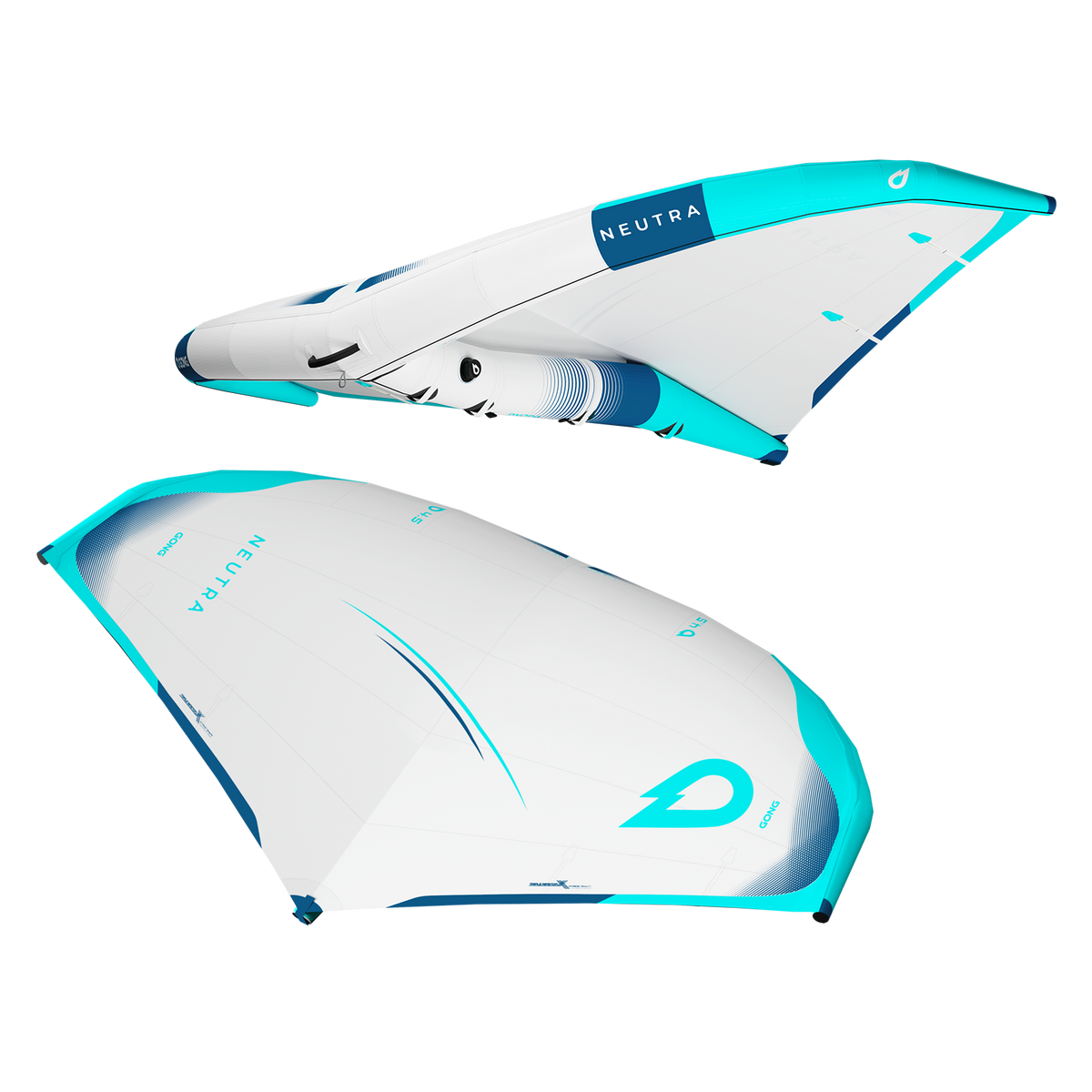
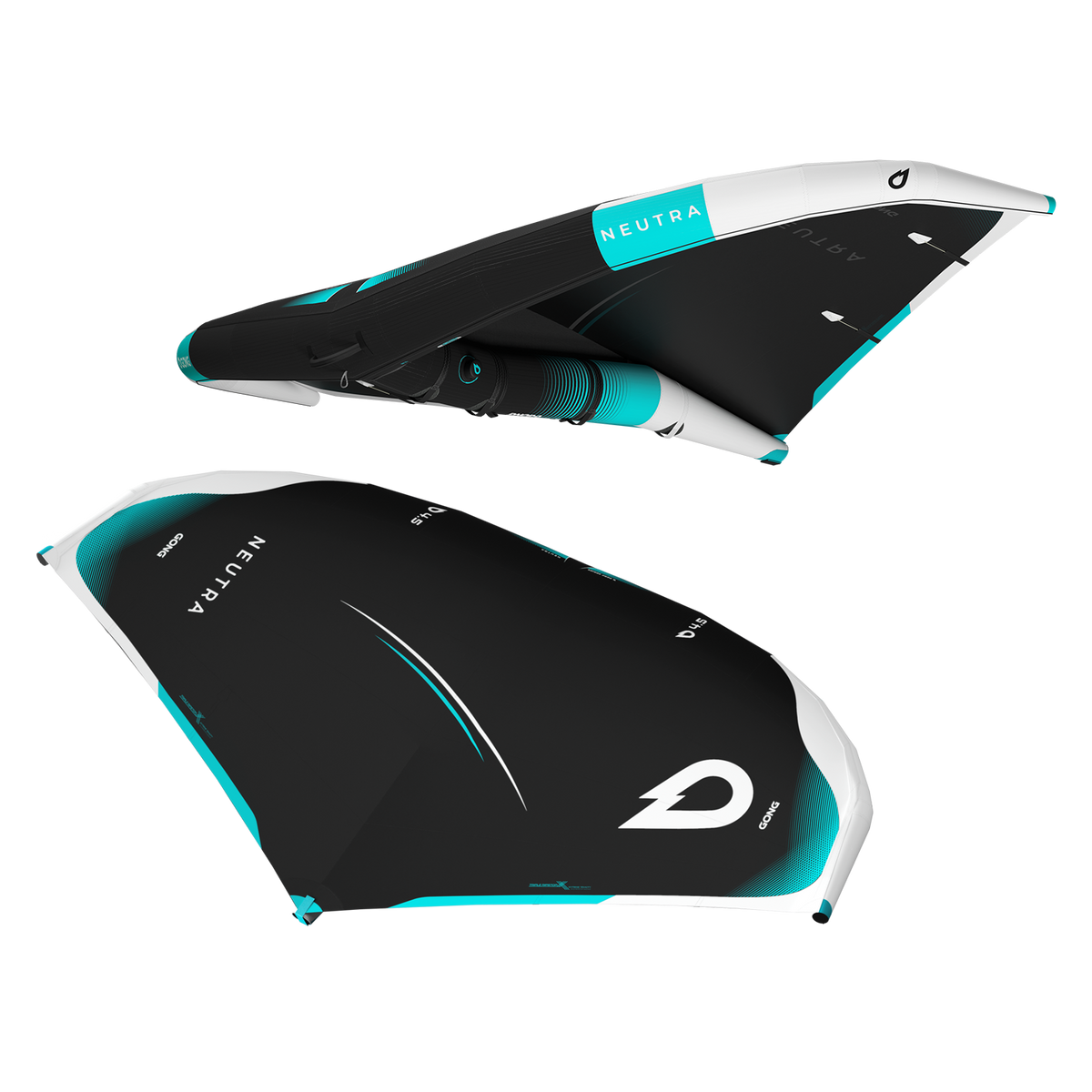
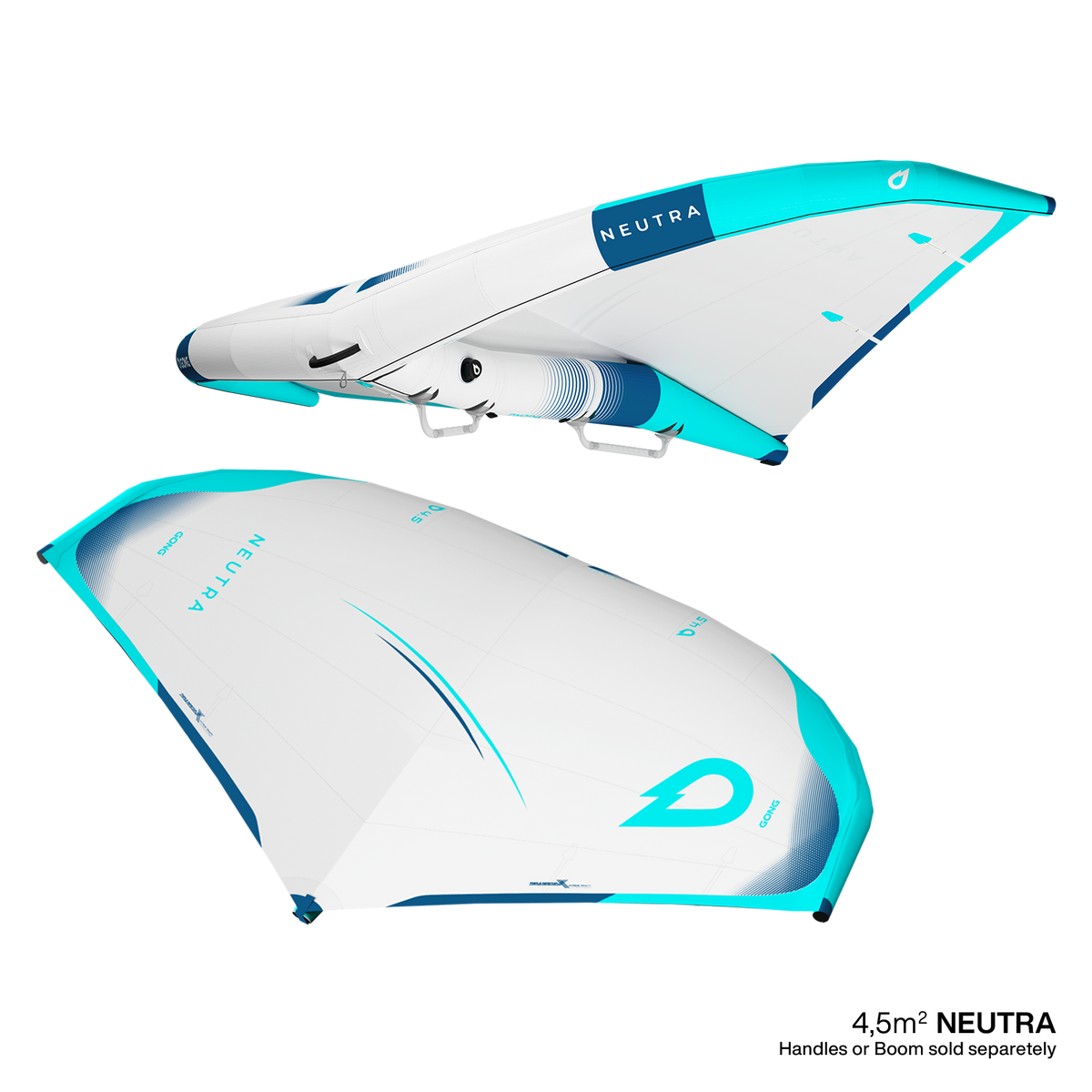
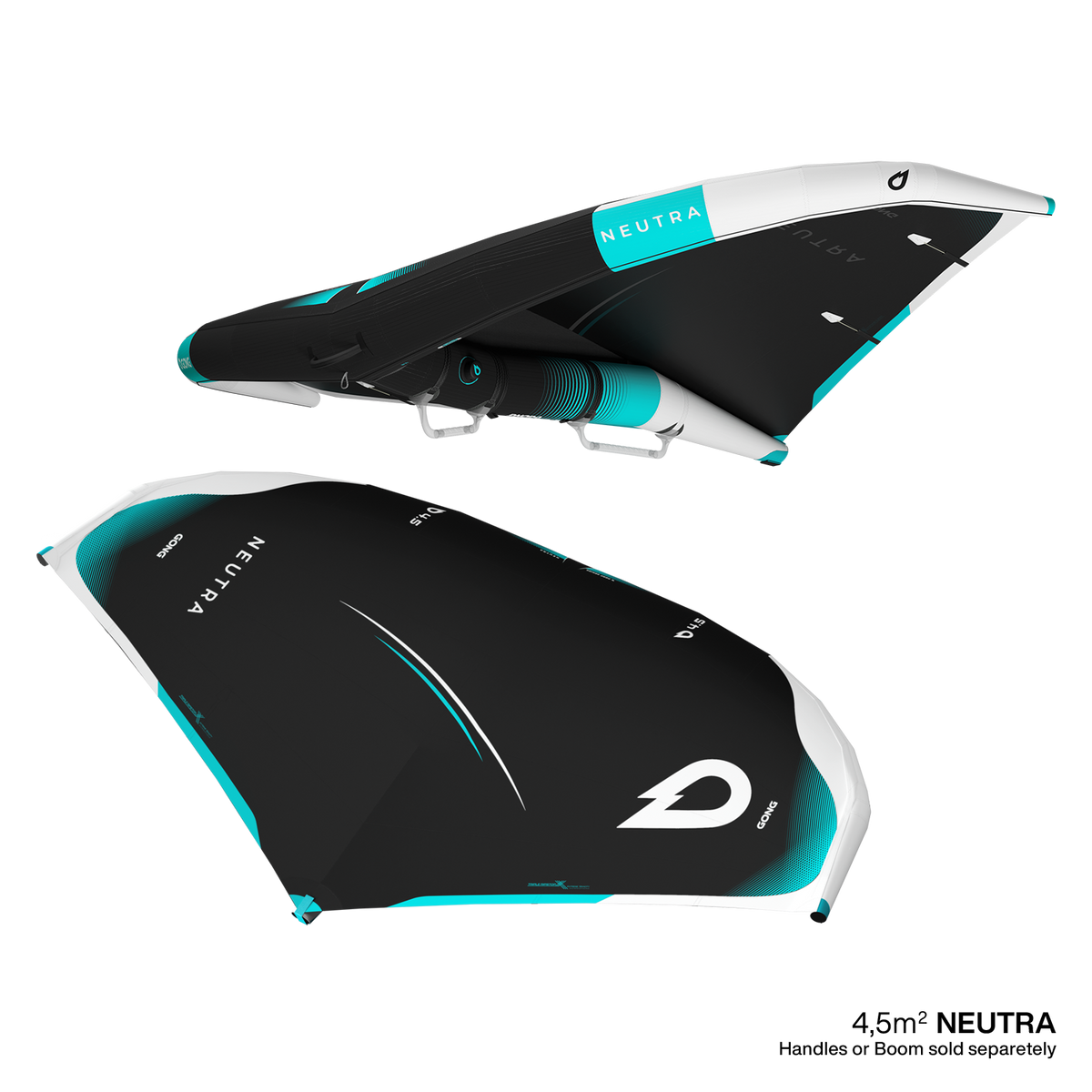
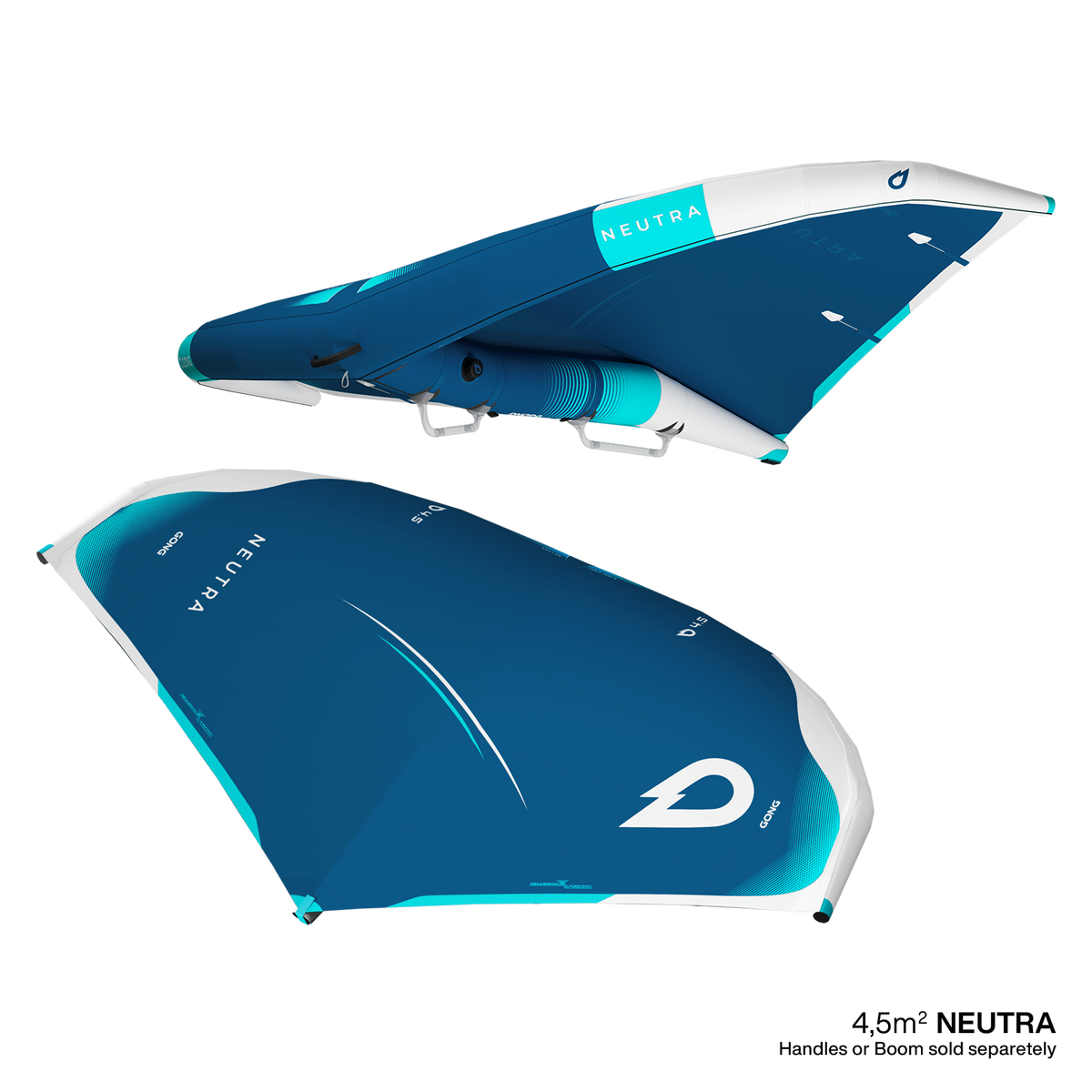
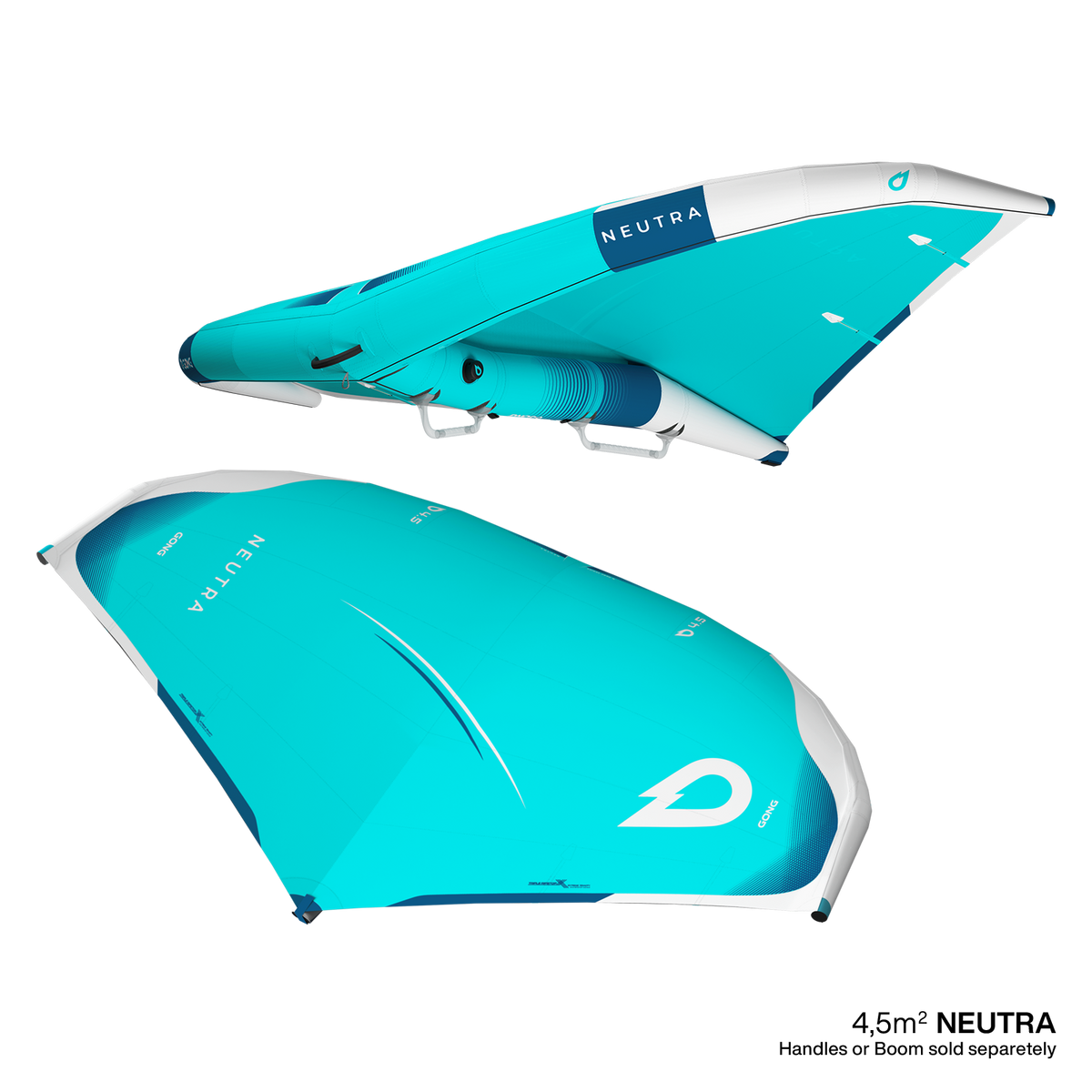
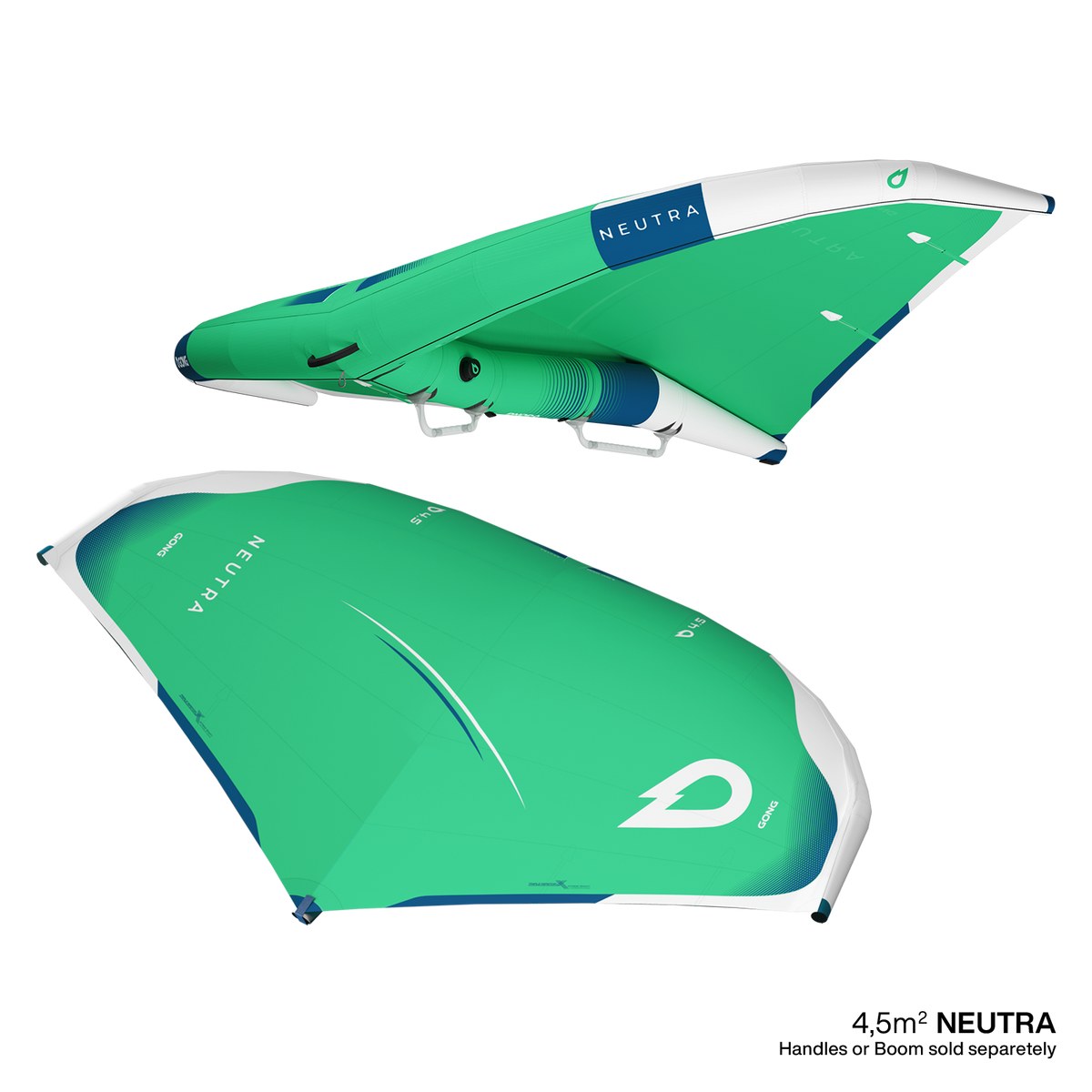
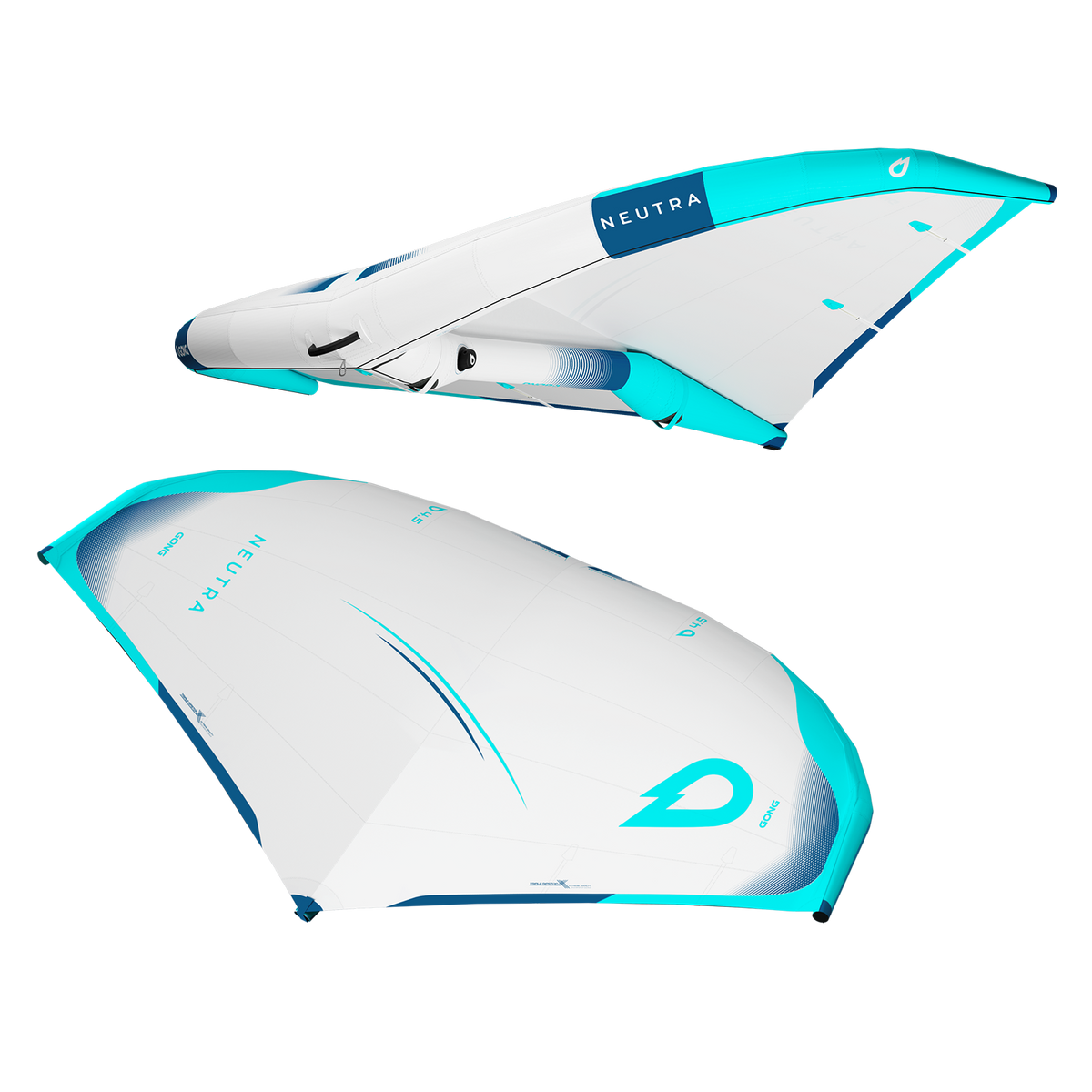
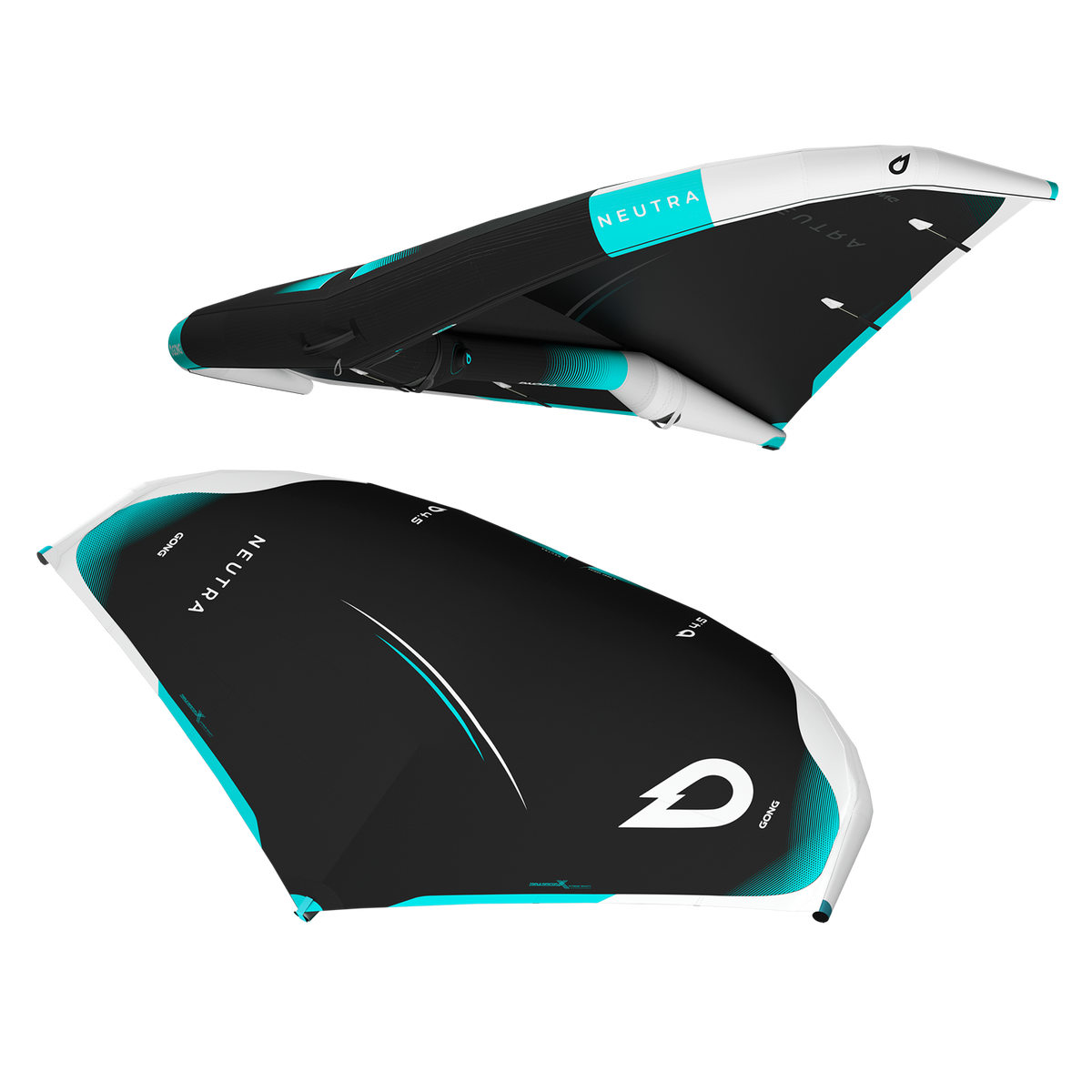
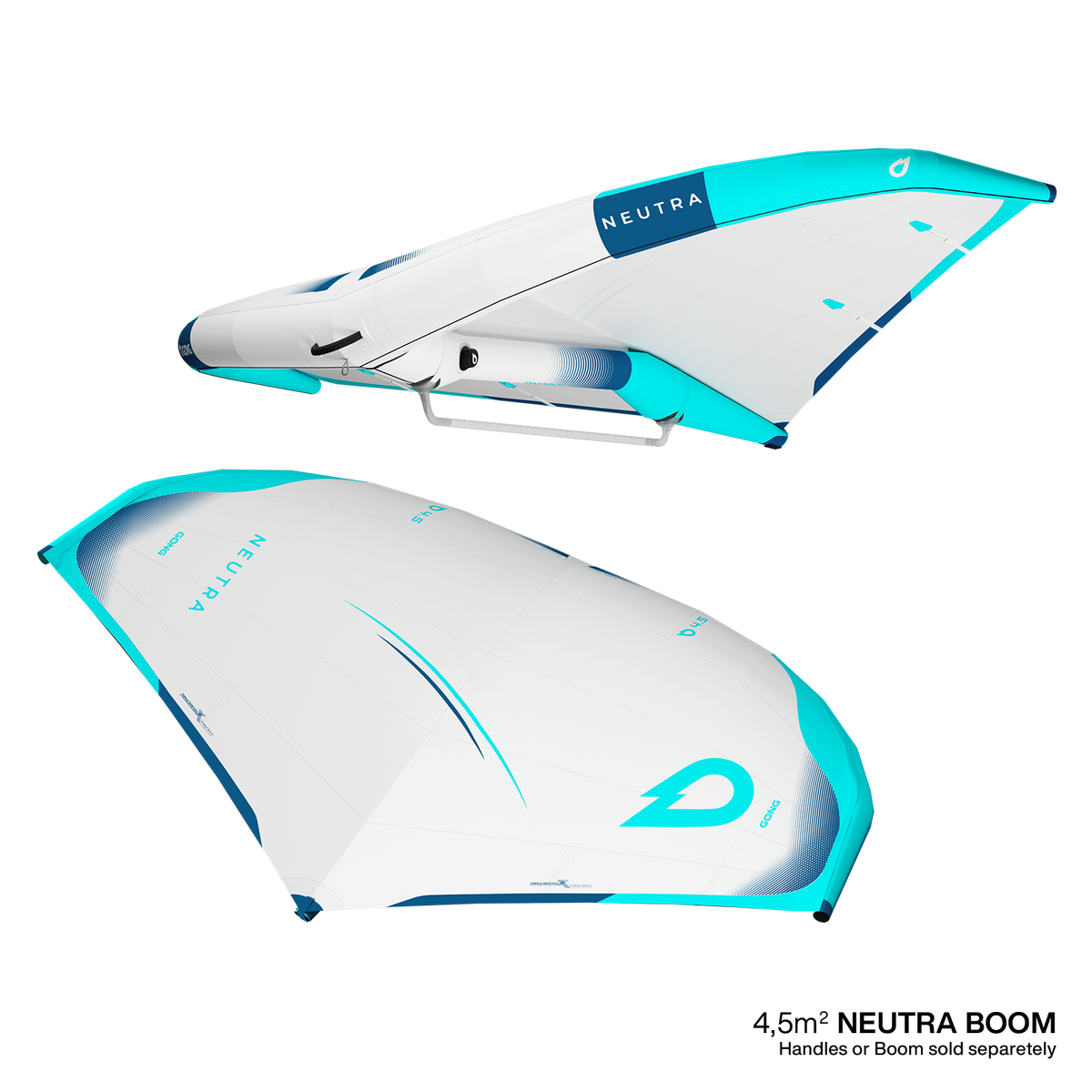
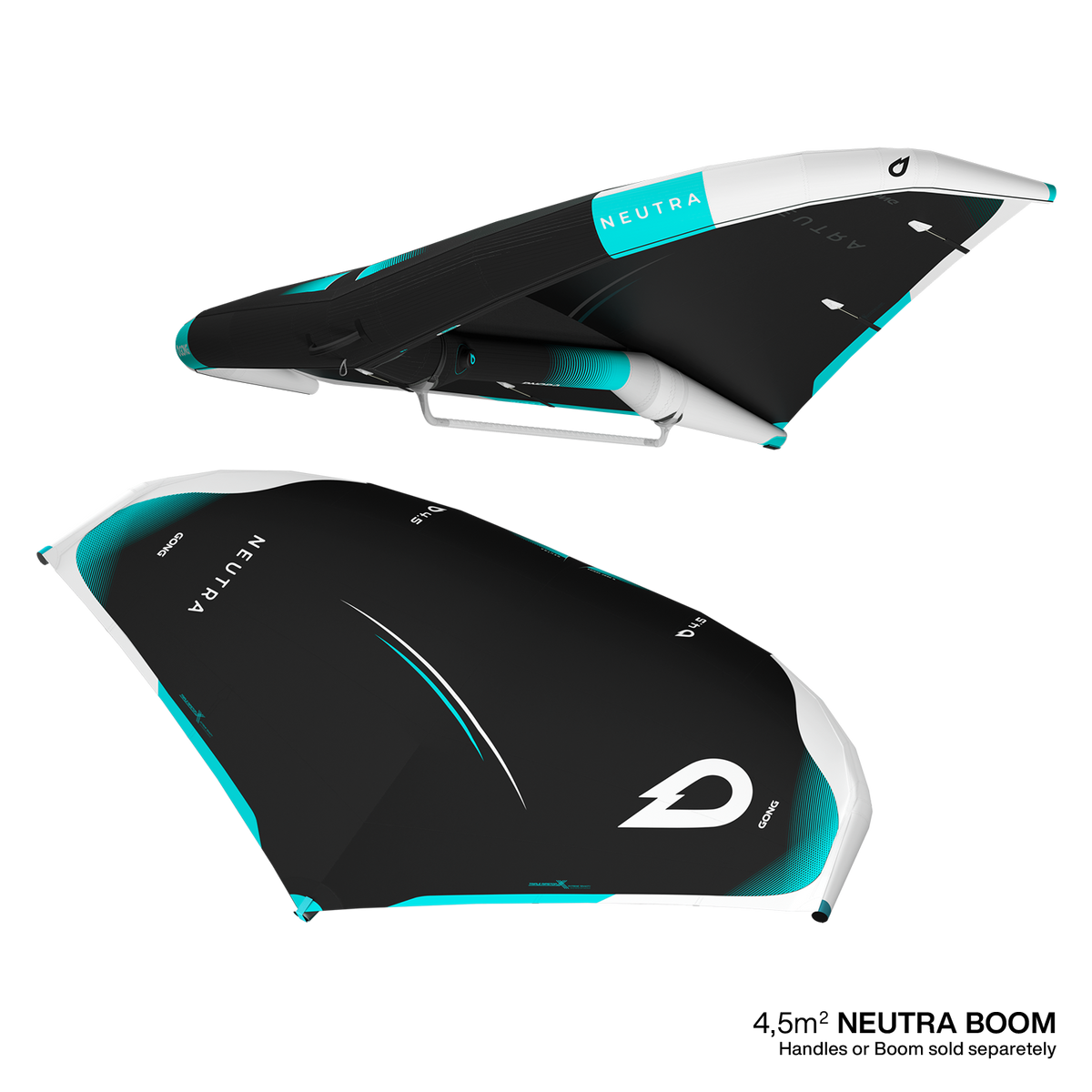
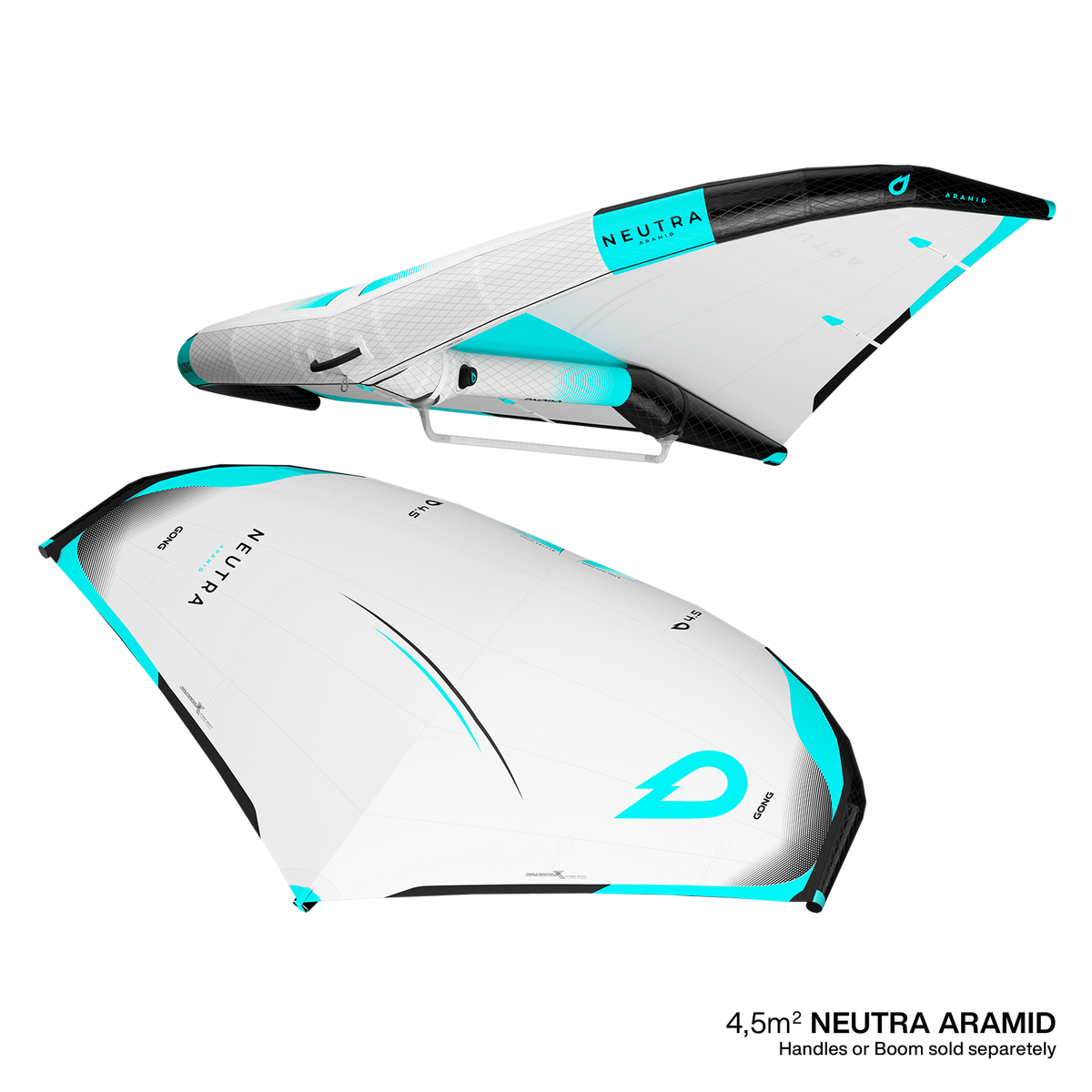
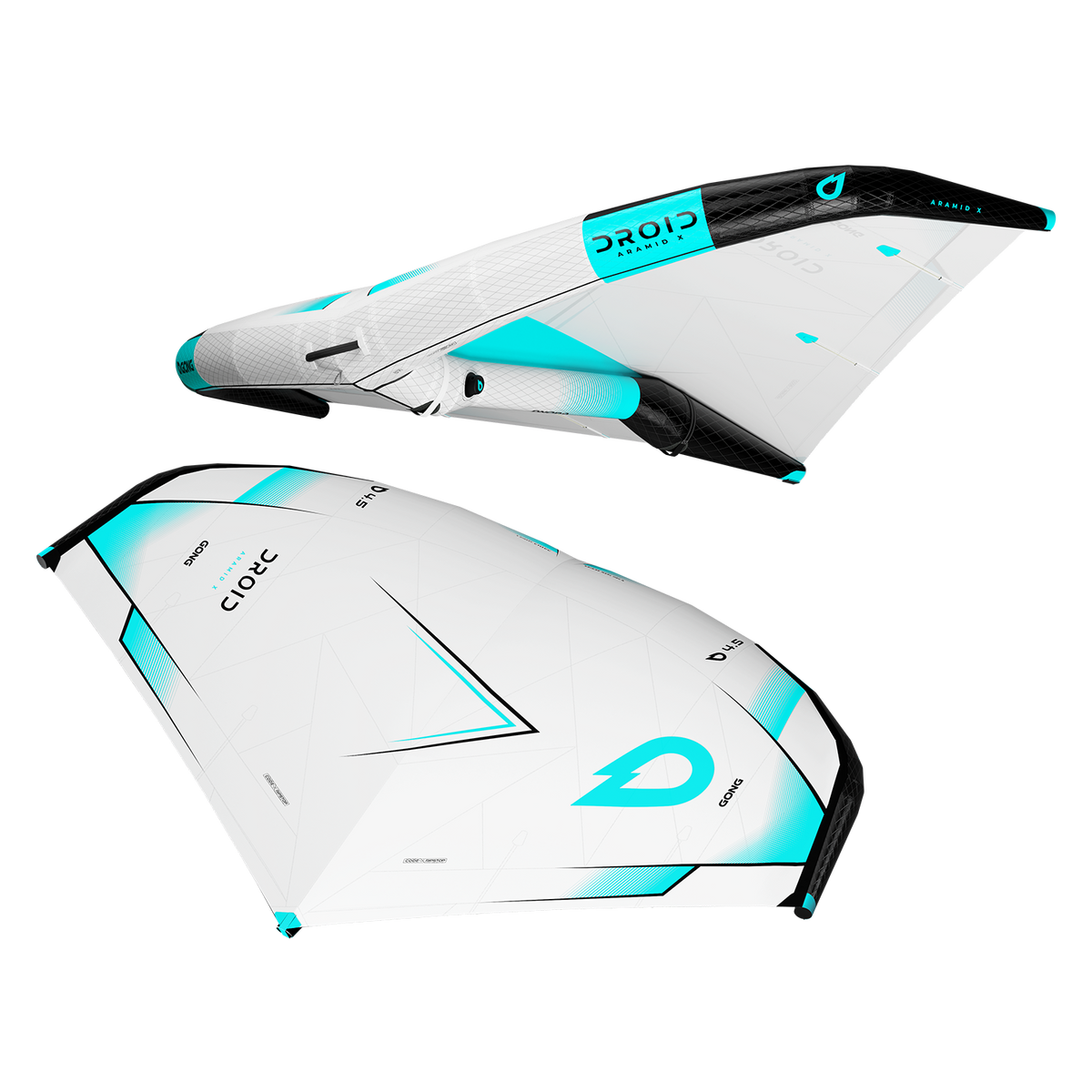
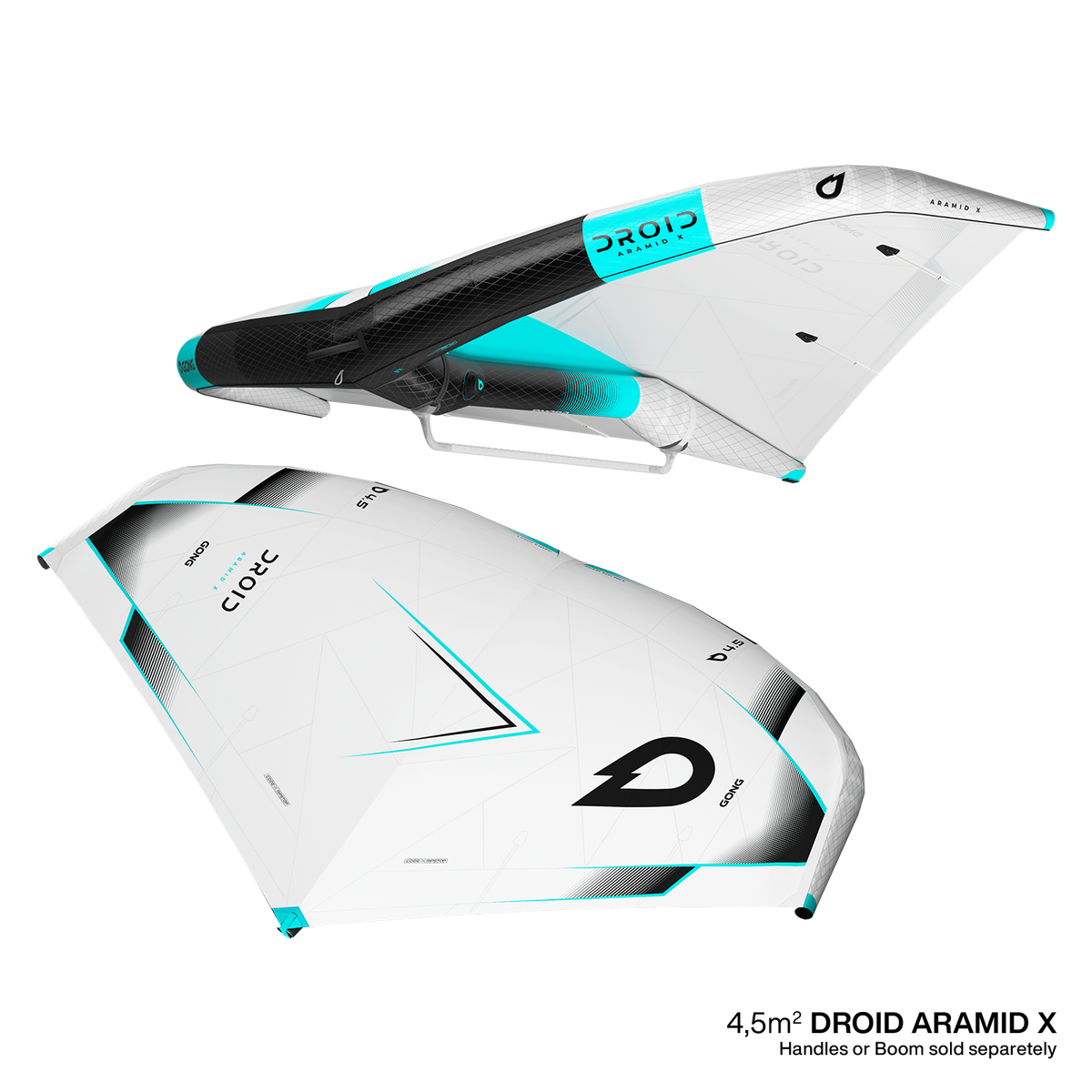
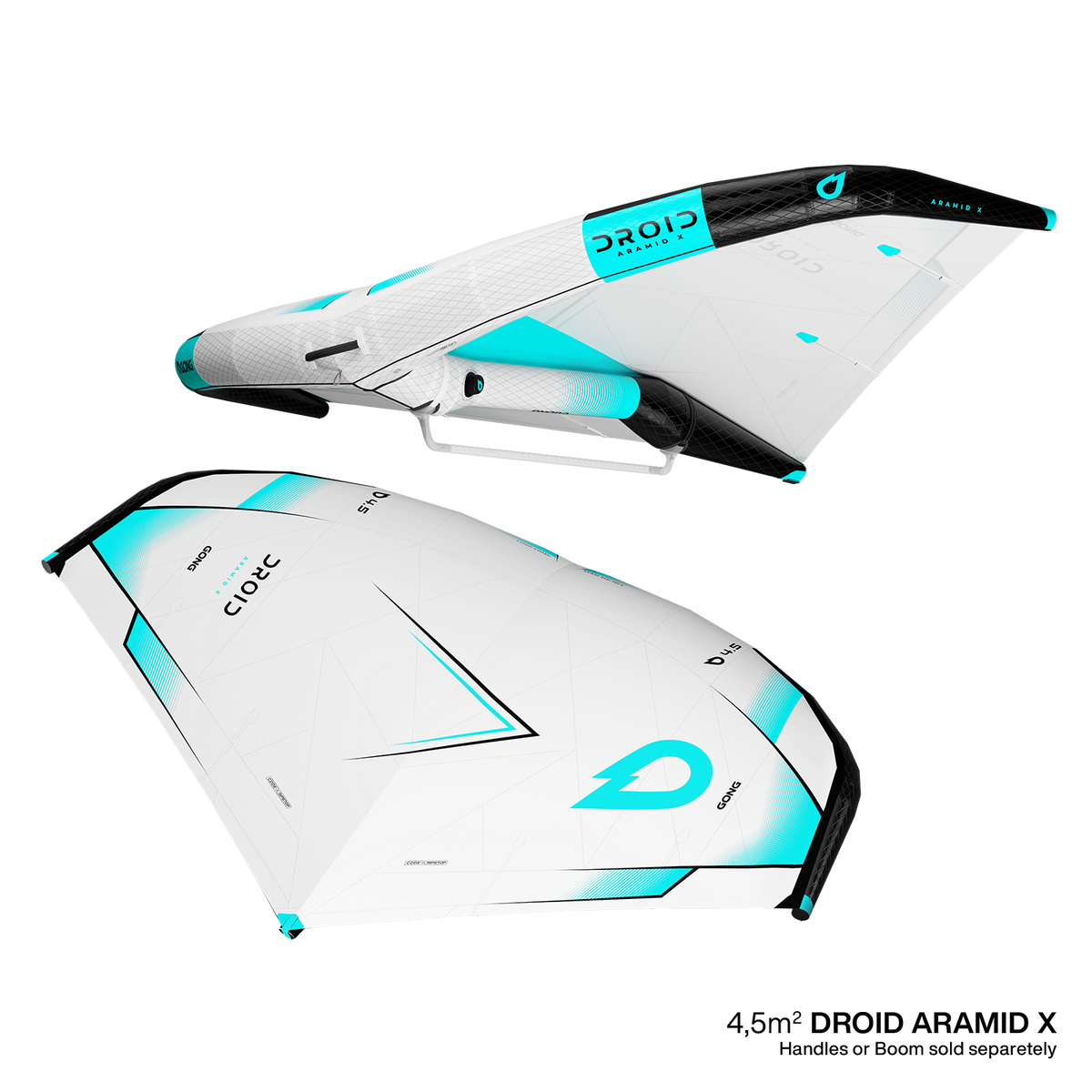
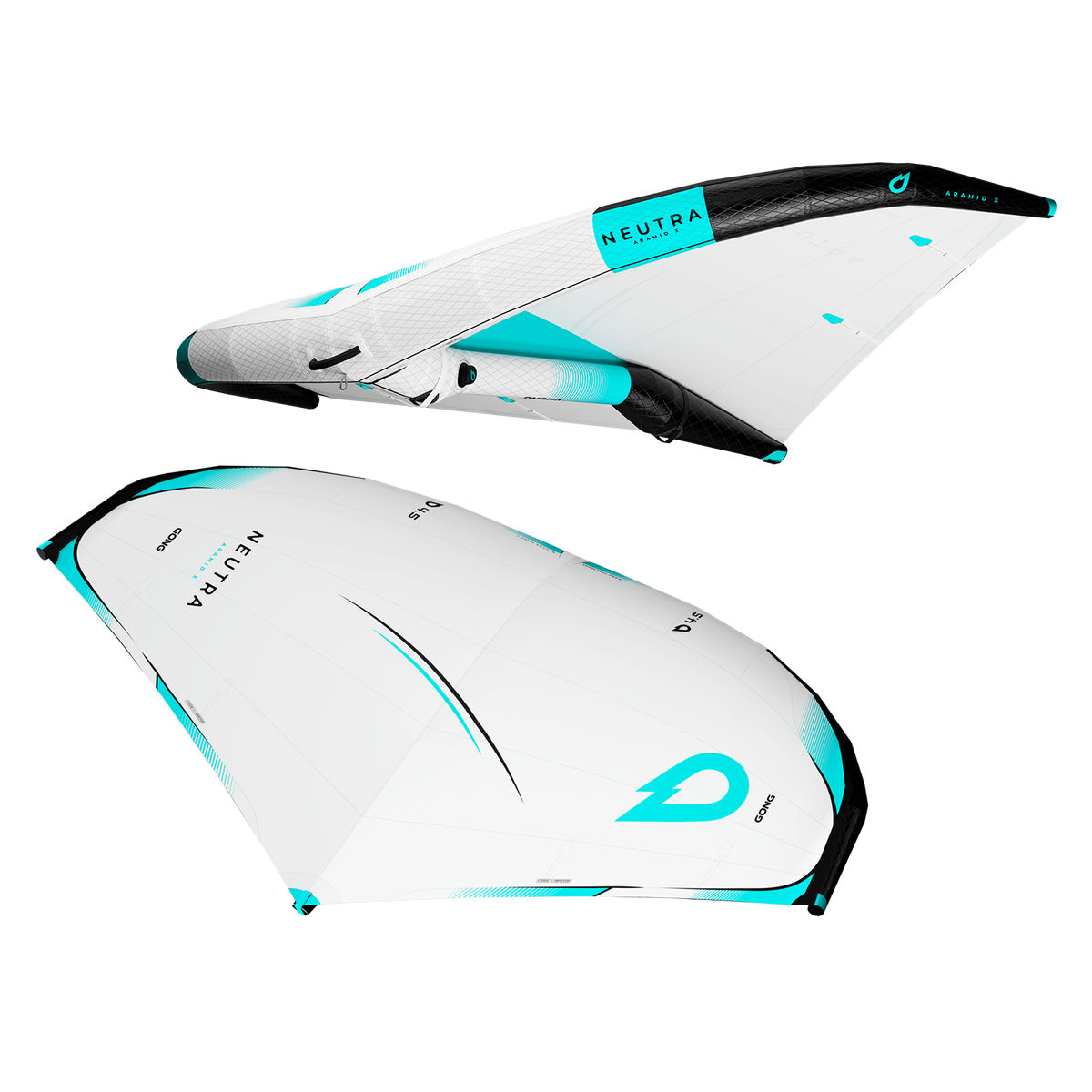
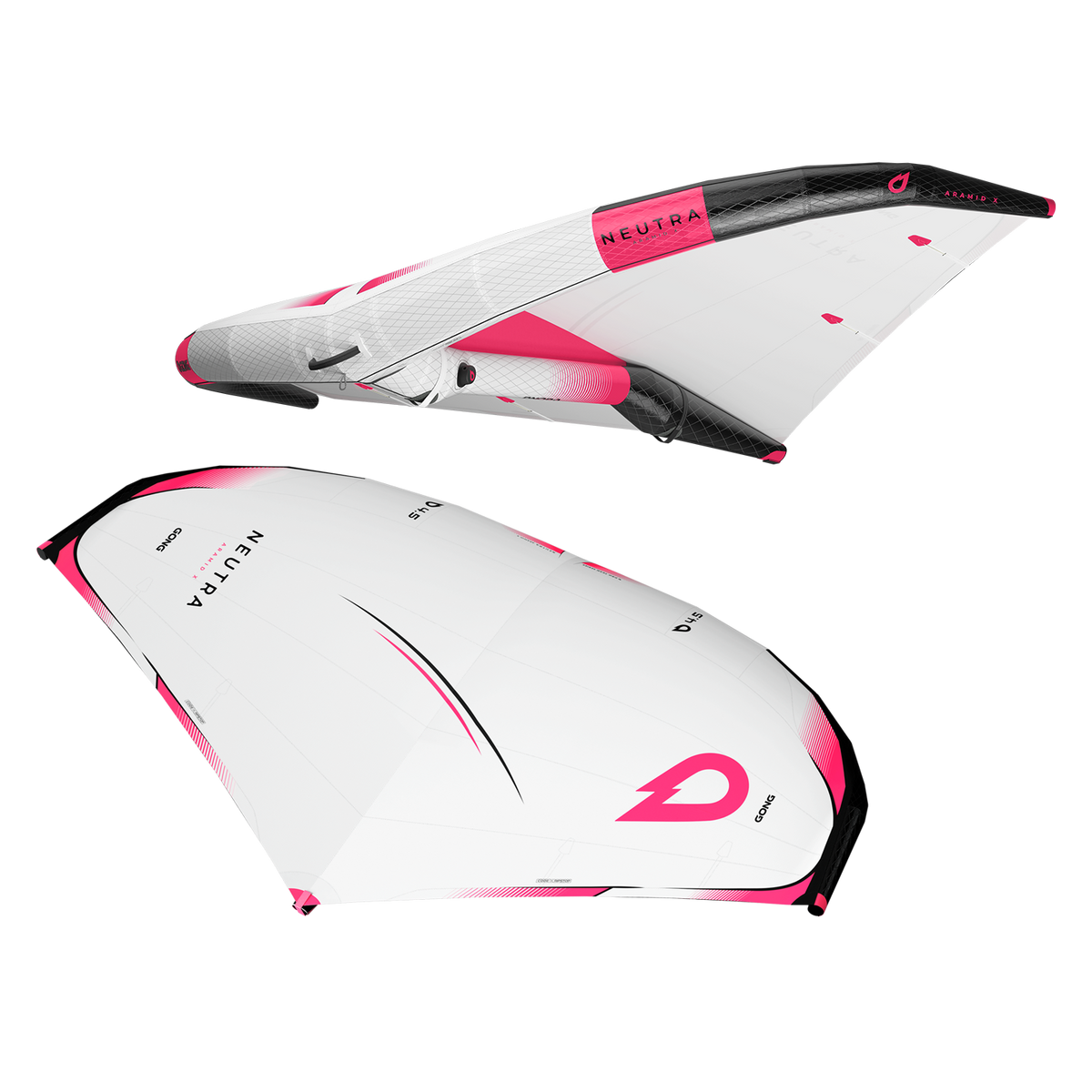
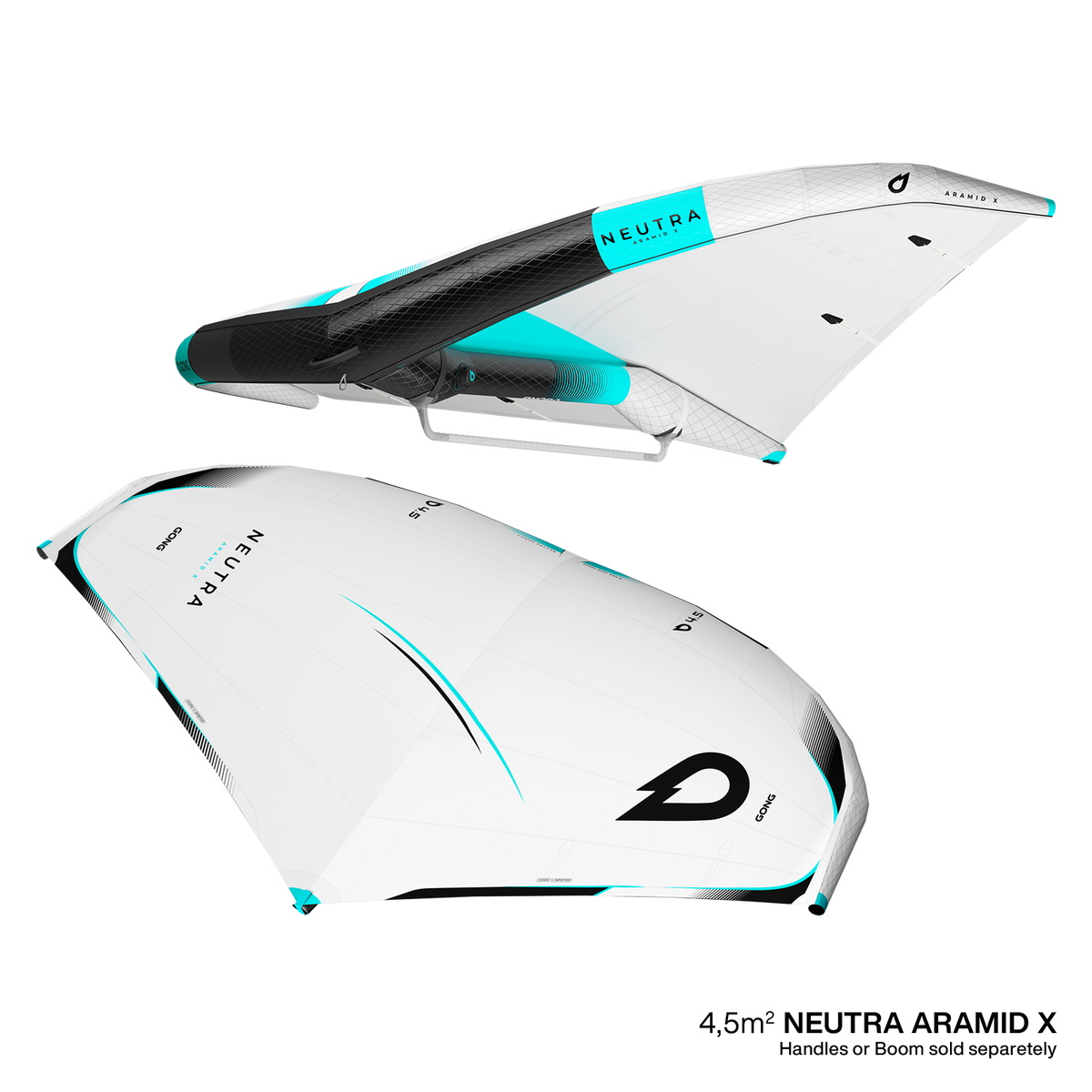
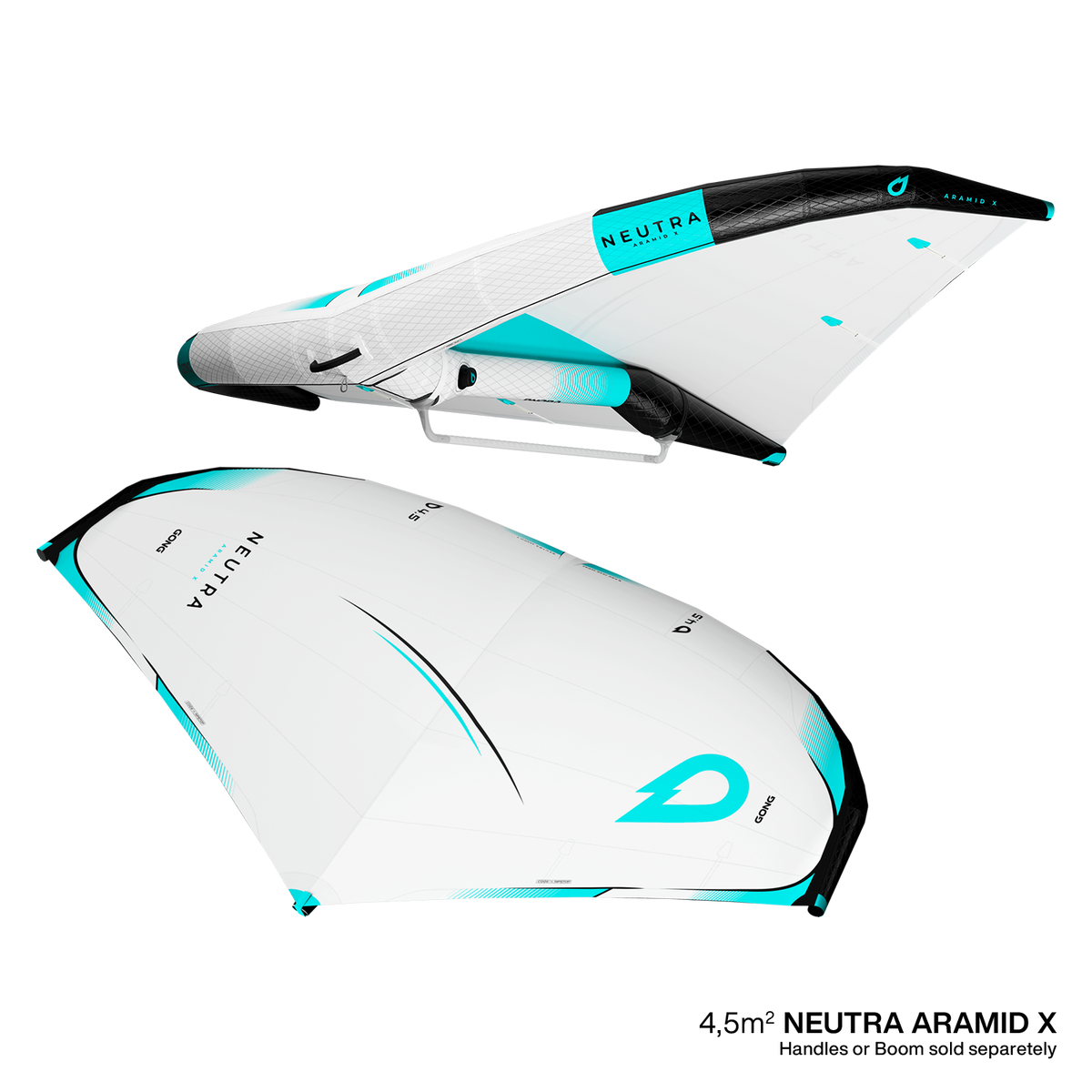
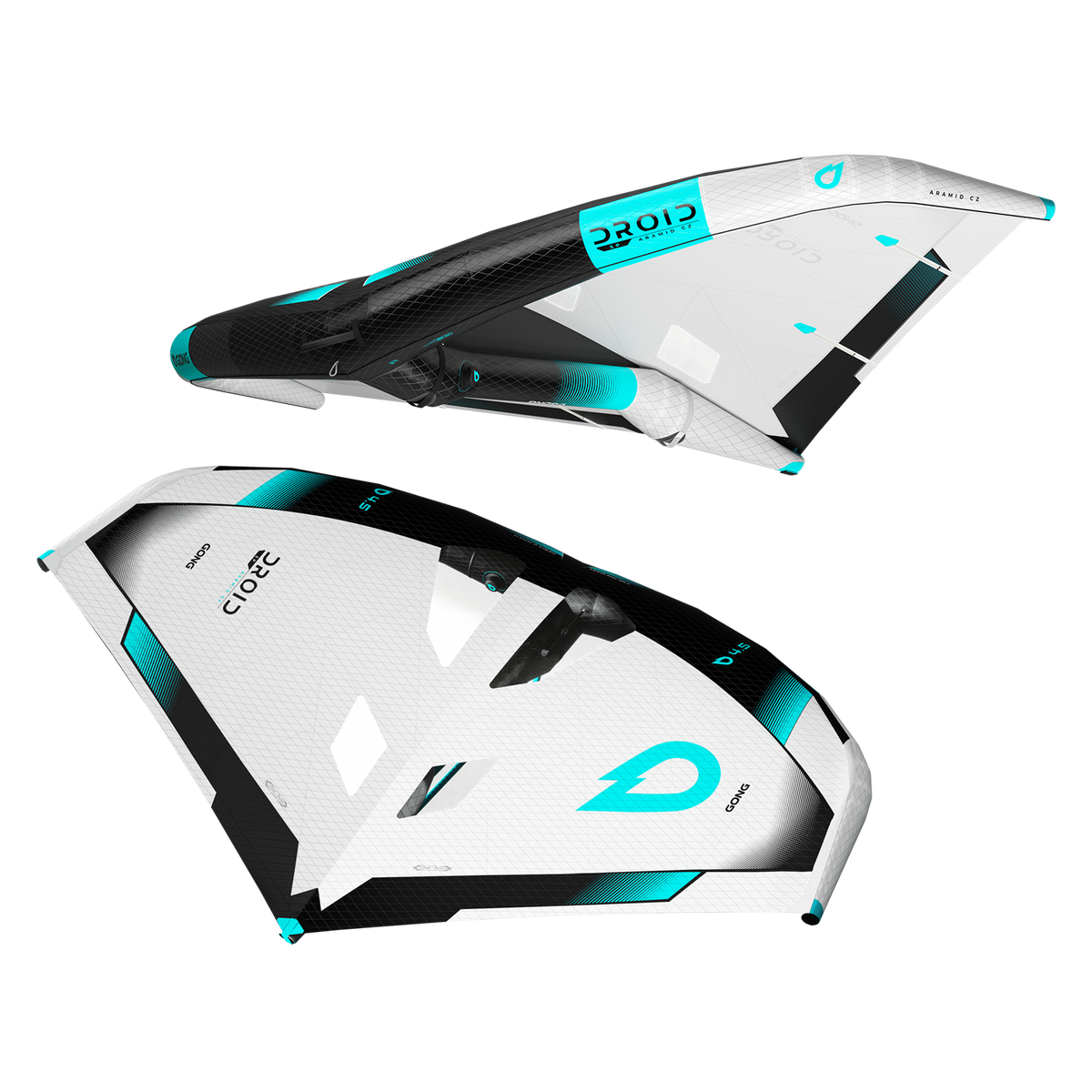
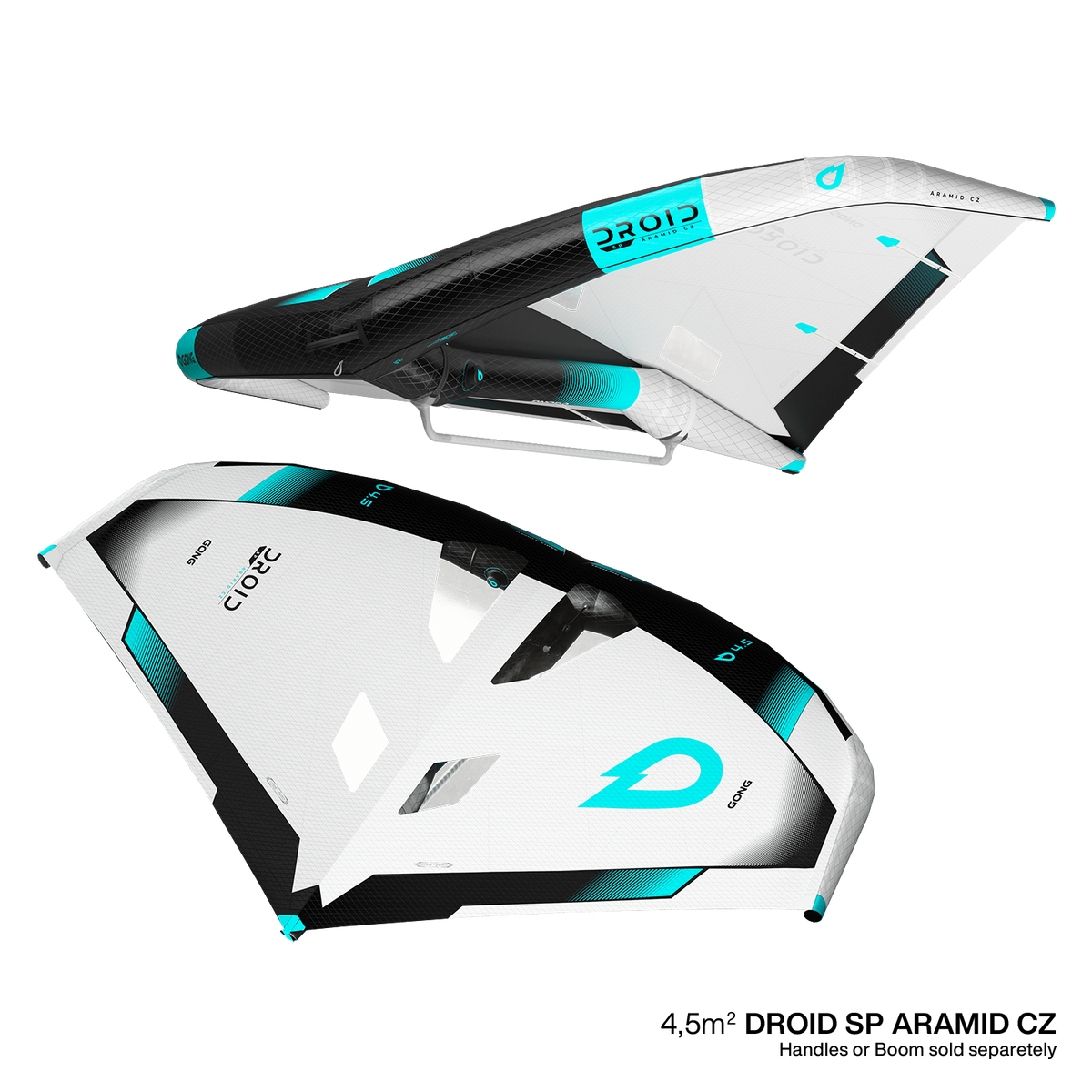
The dihedral refers to the angle formed between the two tips of the wing when viewed from the front. In other words, it’s the more or less pronounced “V” shape that the wing takes on when inflated.
The dihedral is a crucial design element that influences your wing’s stability, power, neutrality, and maneuverability. More dihedral stabilizes your wing; less dihedral makes it more powerful and responsive.
The challenge GONG has taken on is to make the 2026 wings even more performant while maintaining the control and stability that have defined our previous generations.
Here’s how👇
 Wing foilers: Benjamin and Malo, GONG team riders, on the Hyperloop FSP Pro, Droid Aramid X, HM85 mast, and Ypra Freestyle front wing and stabilizer.
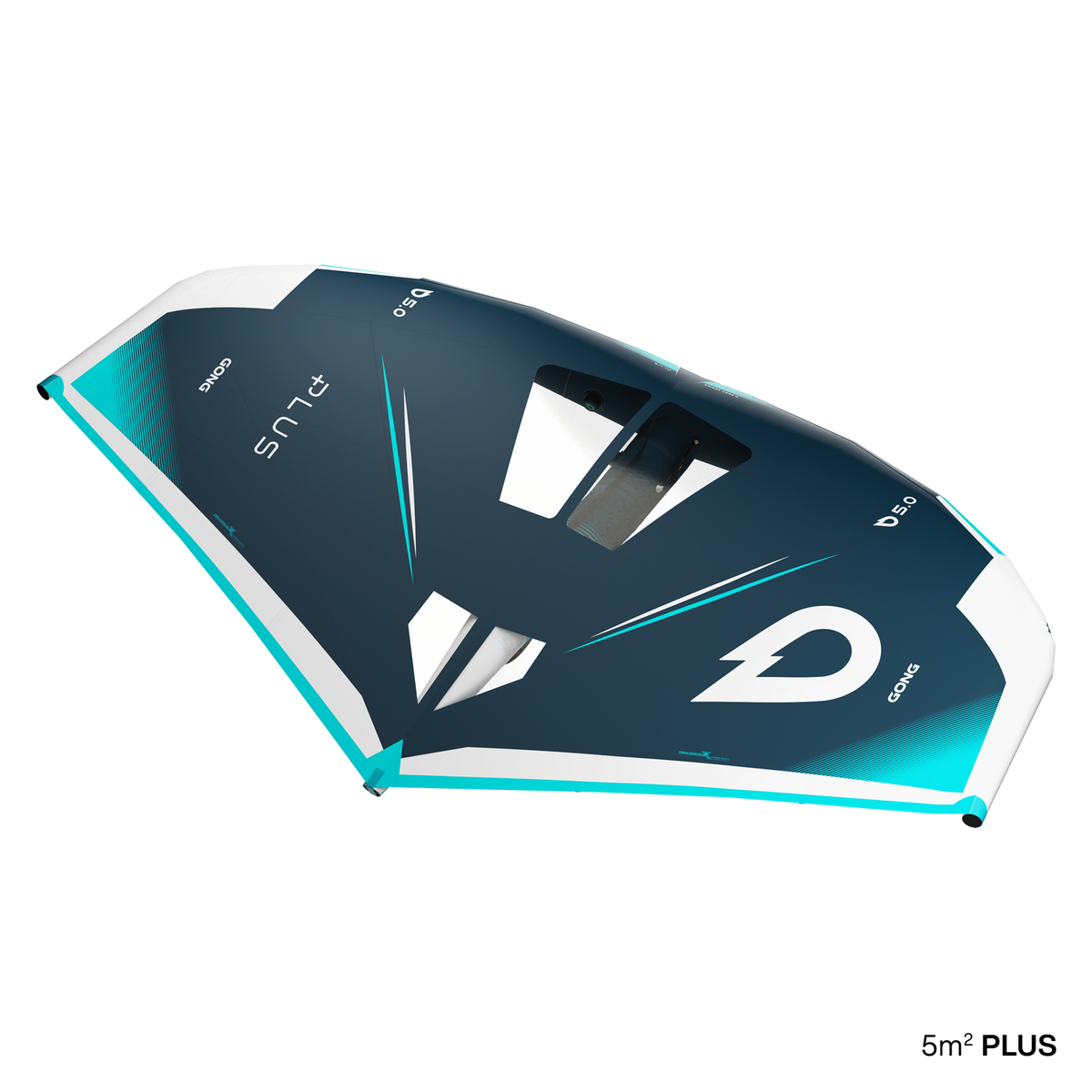
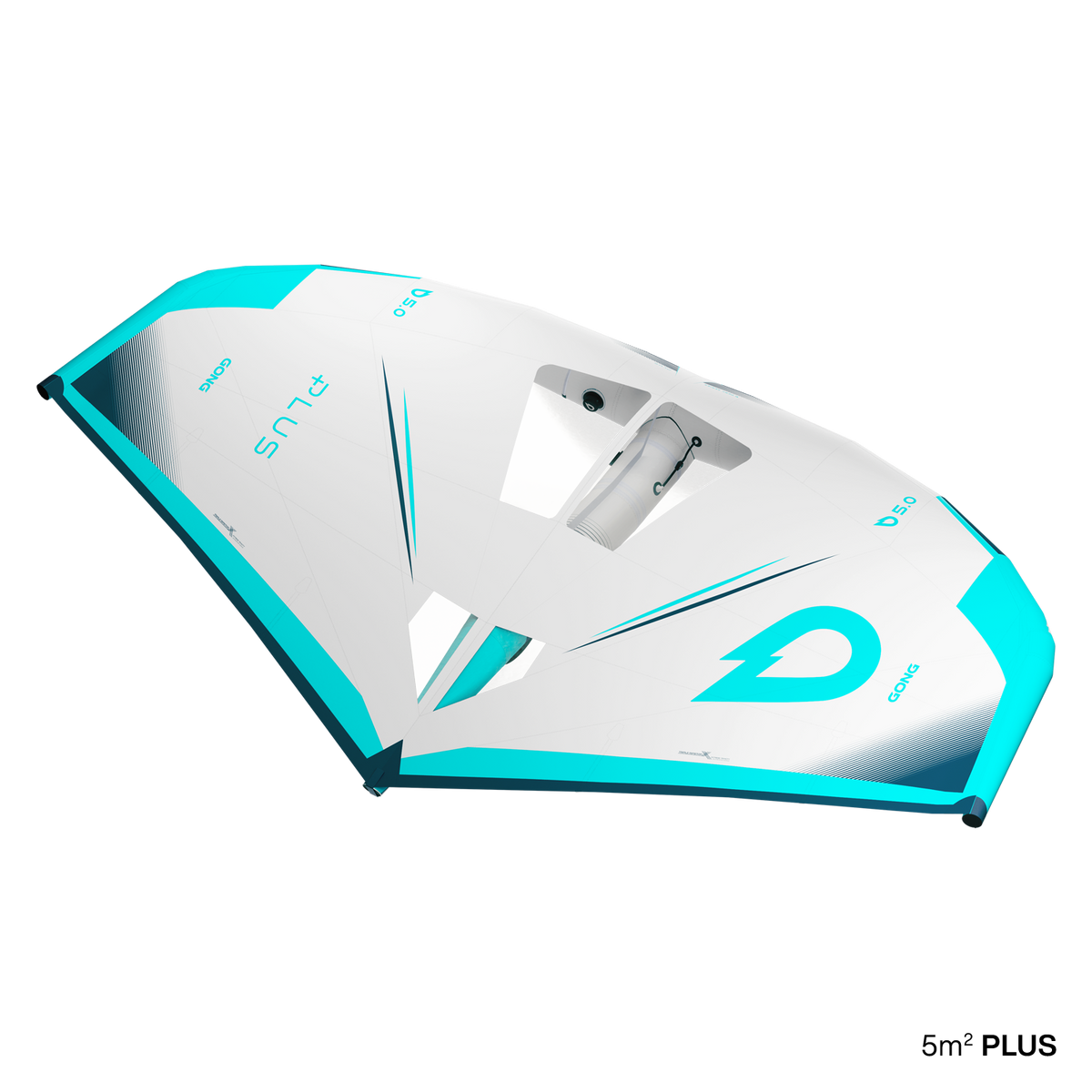
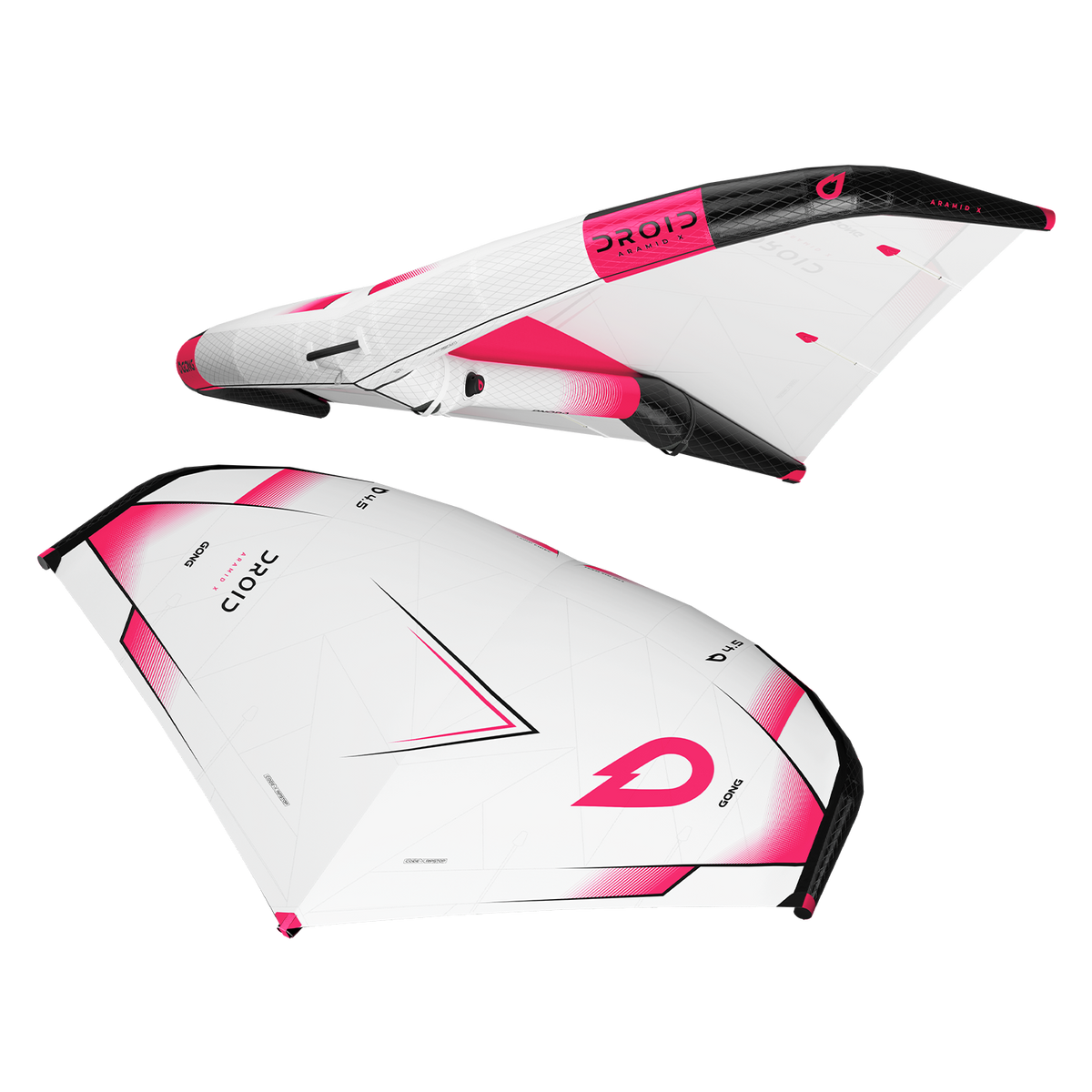
We believe that exaggerated, very pronounced dihedral angles harm performance. On the 2026 wings, it is therefore reduced to the strict minimum, but still present: just enough to create a straight line between the profile’s low point and the tips, ensuring the shape stays perfectly in place thanks to proper tension.

This choice keeps the wing lively, precise, and clear in the hands. No gimmicks to hide the power: the pull is direct, the power point perfectly readable, and the wing delivers its efficiency without dilution. Where other wings require a 5 m², our shapes can be ridden in 4 m² with all the useful power.
Minimizing dihedral also avoids the soft, washed-out feeling found on wings with exaggerated twist or overly open shapes. Here, the behavior is direct, precise, and predictable. On fast reaches, during tricks, or when riding locked-in with a harness, our wings remain stable and perfectly tensioned, ready to accelerate, rise, climb, and rotate, delivering unlimited performance.
Be careful not to fall into the opposite extreme with a seagull-wing dihedral that some brands adopted, seemingly to anticipate leeward deformation. GONG has never used these kinds of dihedral shapes because we prefer wings with minimal deformation for record-breaking responsiveness, solutions whose effectiveness we prove on world championship podiums every year.
 Wing foiler: Malo, GONG team rider, on the Stunt FSP Pro, Droid Aramid X, HM85 mast, and Ypra Freestyle front wing and stabilizer.
“It's always been our philosophy at GONG: we’ve never liked dihedral. To me, dihedral is a form of compensation, a way to hide a flaw rather than face it and solve it. A way to escape, to avoid confronting the real problem.
We like wings with efficiency. Wings that don’t force you to oversheet, or to use oversized boards or disproportionate foils. We want performance. We want minimalist, efficient gear that carries as little as possible. If I can ride with a 700 foil instead of an 800 or 900, I’m happy. And that directly comes from the technical choices made in the wing.
Dihedral can make certain situations easier, that’s true: it “sets” the wing in the air. But it comes at the cost of massive performance loss. Which is definitely not our vibe.
We’ve never been pro-dihedral; it’s really not our thing. And yet I pushed the concept to the extreme in R&D: I tested 90° dihedral angles. Honestly, the results were… let’s say “disappointing”. And that’s great too: having the ability to test everything, including the worst ideas. It creates a catalog of good and bad choices, a sort of dictionary of design and sensations, which we then use with method and precision. Nothing compares to clarifying a feeling to know where to go.
So yes, our wings do have a lower-section dihedral, but reduced to the strict minimum. Overall, it’s basically just the thickness of the profile. So the canopy is almost flat. That’s enough for the wing to remain perfectly tensioned, never flapping, and extremely stiff and efficient.
But above all, there’s no artificial compensation through dihedral, just as there’s no longer any through a twisted base. Those are gimmicks we’ve always refused.”
 Wing foiler: Benjamin, GONG team rider, on his Stunt FSP Pro, Droid Aramid X, HM85 mast, Fluid front wing and Ypra Surf-Freestyle stab.