



Your cart is empty !
It's flat around here...



The ultimate inflatable board for surfing, freefly and strapless freeride: a board for liberated gliding, equally at home in wing foiling as in lowkiting.
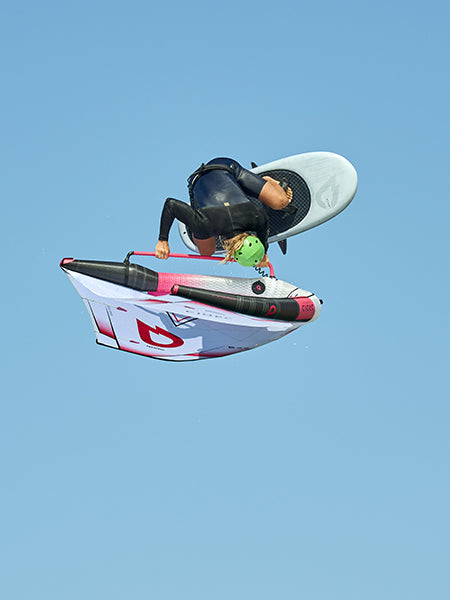
The HIPE Freefly 2026 is the strapless inflatable board that aims for pure gliding: from surfing to freefly, with a real freeride base, and lowkite compatibility at the same level.
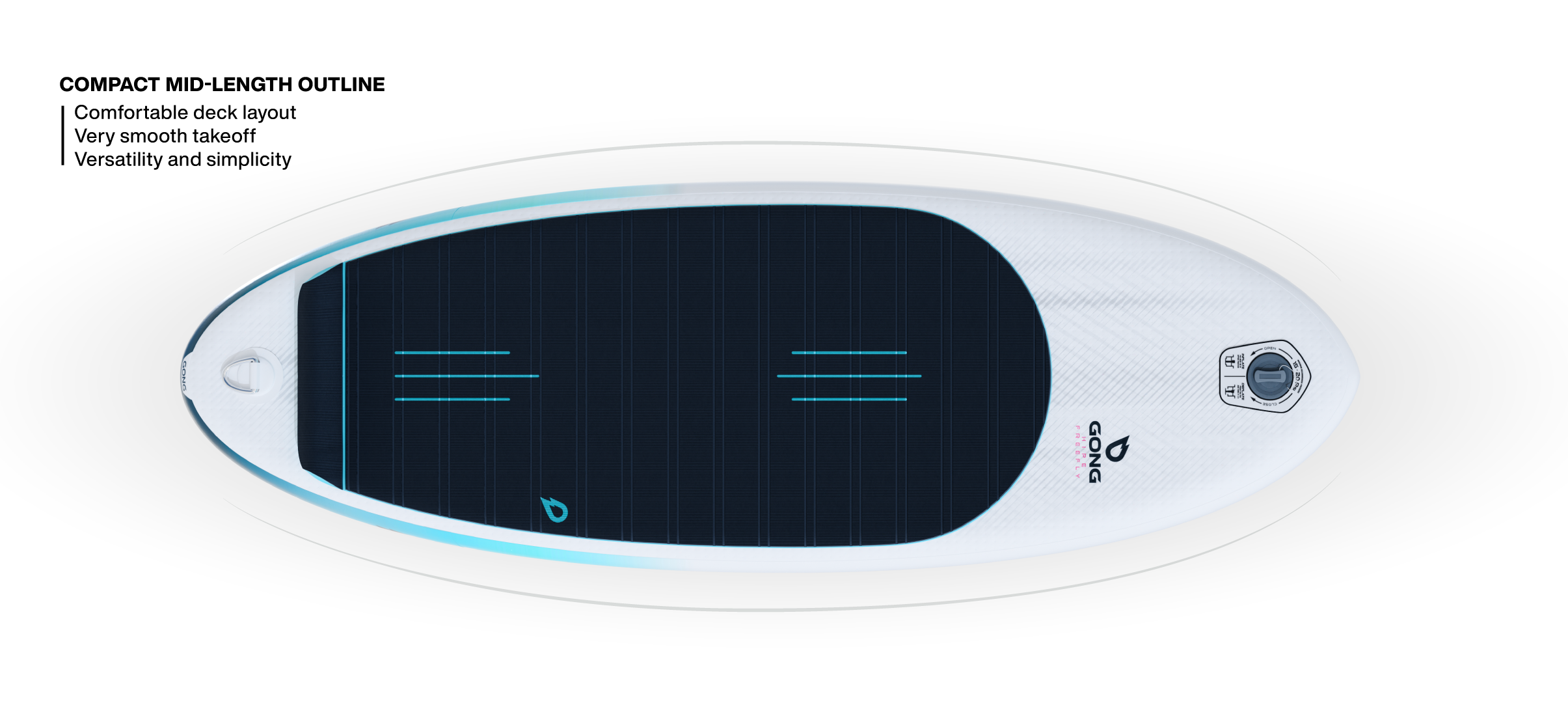
In 2026, it truly takes on a new dimension with a completely redesigned outline, directly inspired by the highly successful rigid Cruzader boards, and in particular the Cruzader Point. It retains that surf/downwind DNA, but condensed into a more compact, modern, and responsive mid-length format, designed for carving turns without the burden of a long board.
It was developed for those who want to ride without straps, with complete freedom of positioning. The deck remains clean and uncluttered, and the board is ridden "by feel." This strapless design also reflects a commitment to lightness: the HIPE Freefly is the lightest in the HIPE range, and this is immediately noticeable, both when carrying the board and on the water, when you need to transition quickly and cleanly from one rail to the other, or accelerate through the bumps.
On the water, everything is designed for easy acceleration before takeoff. The rocker, stretched all the way to the nose, provides a very efficient glide on flat water, and the board picks up speed effortlessly. In lowkiting, it's precisely this combination of compactness and glide that makes it so formidable: you can take off without tiring yourself out, and then the board becomes very responsive in flight, ideal for smooth riding and playing with the bumps.
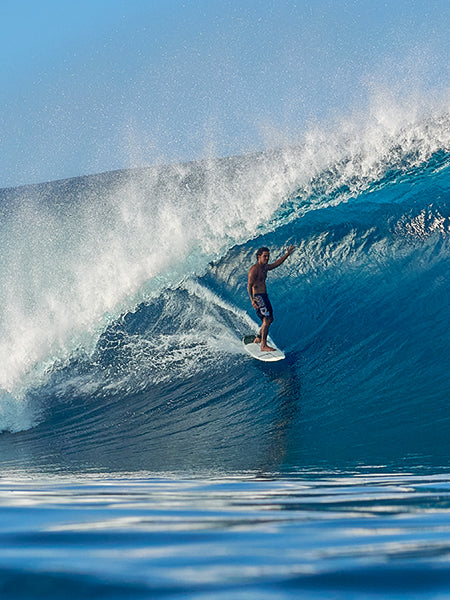
In surfing and freeflying, the volume distribution is centered and even, with a supportive nose for stability when moving on the deck. The narrower tail provides responsiveness and engagement in turns. The round tail has been redesigned to resemble a rigid board's flat round tail: less bulk in turns, a cleaner exit from the water, and a crisp repop when accelerating. The semi-rigid rail at the tail and the rounded plate minimize catching during touchdowns and make the ride more precise.
In freeriding, the wide deck provides reassurance and allows ample room to find your footing naturally. Whether kneeling, in choppy conditions, or during phases where you want to keep the board flat, the stability is excellent, and the usable length at the tail helps maintain speed and line.
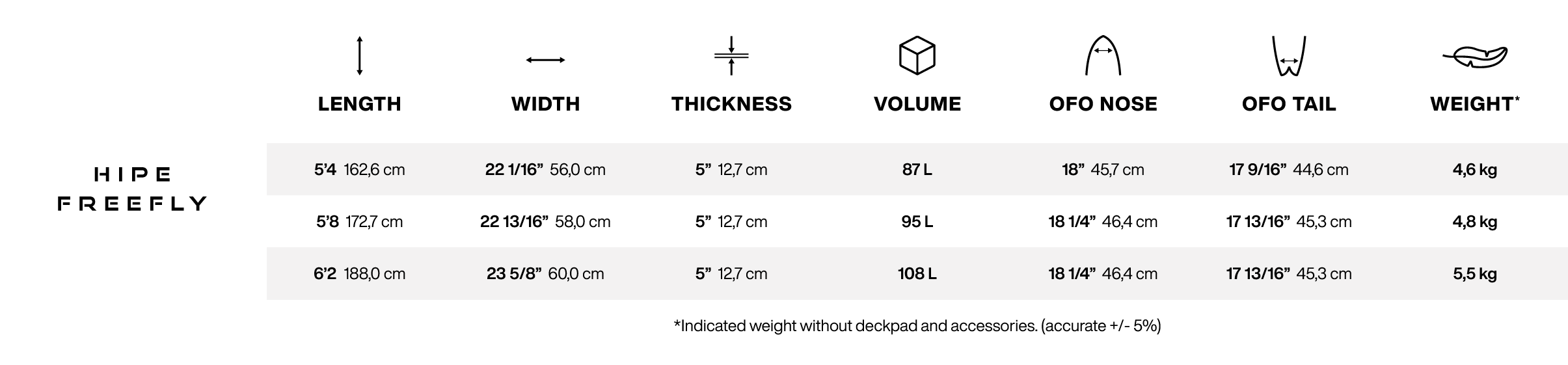
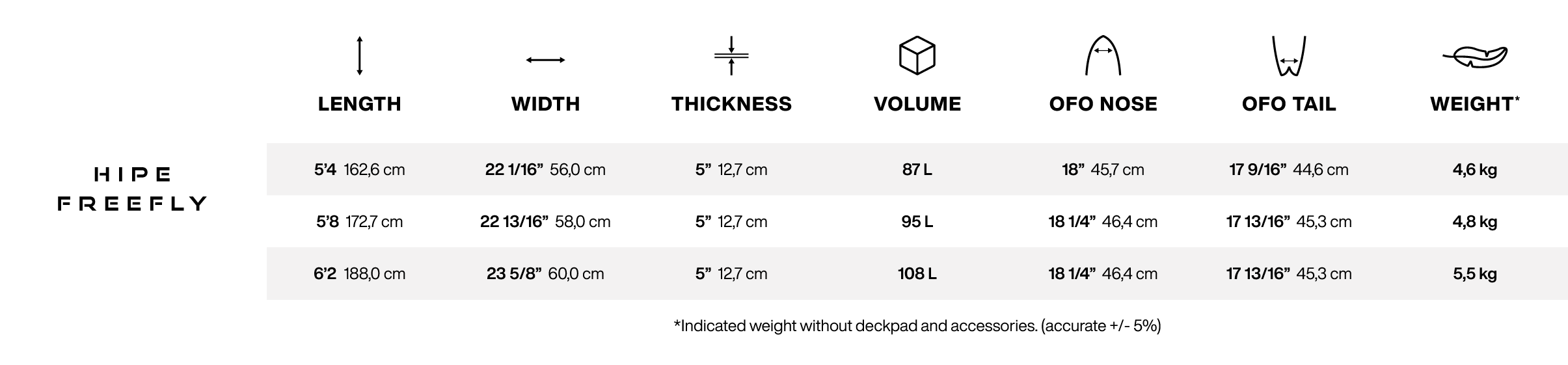
Available in three sizes, from 5'4" to 6'2", with volumes ranging from 87 to 108L , it's designed for experienced riders with at least an intermediate skill level. For example, a rider weighing around 75 kg at an intermediate level will be very comfortable on the 6'2" (108L), while an expert of the same weight might prefer a shorter size like the 5'8" (87L).
Like all HIPE boards, it combines the feel of a rigid board on the water with the tangible advantages of an inflatable. The hybrid drop-stitch construction with a molded rigid composite plate provides impressive stiffness, free from unwanted flex or twist, resulting in truly precise handling. It packs into a bag, inflates in minutes, and delivers performance that makes you forget it's an inflatable.
Extremely light, compact, high-performance and easy to transport, the HIPE Freefly 2026 is the board for a rider who already knows how to navigate cleanly in wing and lowkite, on a daily basis as well as on trips, without giving up the glide or the freedom of strapless.


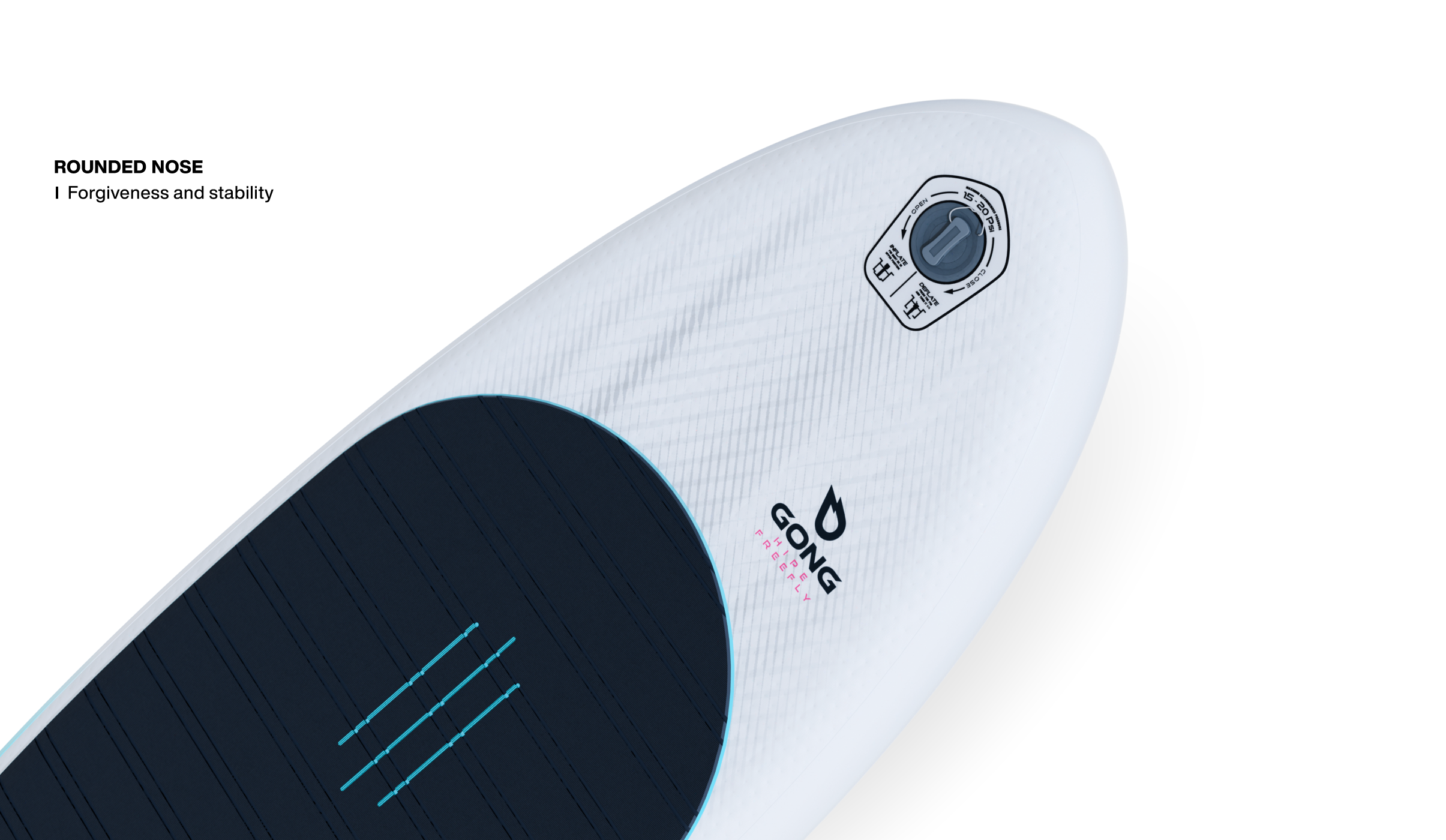
With an outline directly inherited from the hard Cruzader Point, this mid-length board is relatively compact, featuring a rounded point nose and a nice round tail. It's a very original board with incredible glide for its size and excellent comfort.
In surfing, it's flawless for attacking turns, pumping efficiently, and cruising in freeride. The responsiveness in the foot placement allows for constant control.
The HIPE Freefly is simply a high-sensation board, with magical glide and minimal bulk in front of the feet.
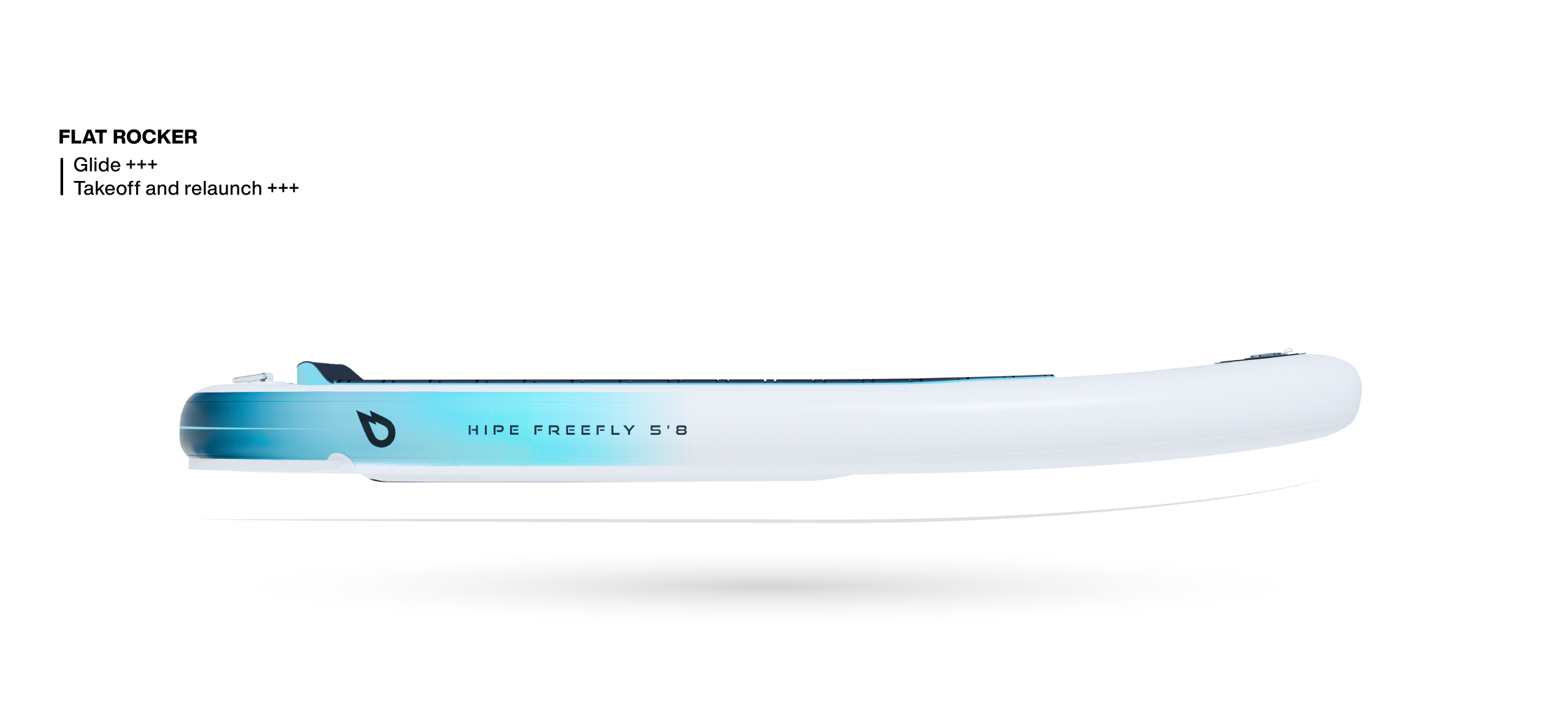
The taut rocker is ideal for boosting the takeoff phase.
The flat tail rocker promotes takeoff in light wind. In stronger conditions, it allows for a quick relaunch, enabling the board to get out of the water without being hindered by chop and waves.
The nose is slightly raised for a very soft contact and good glide before flight.
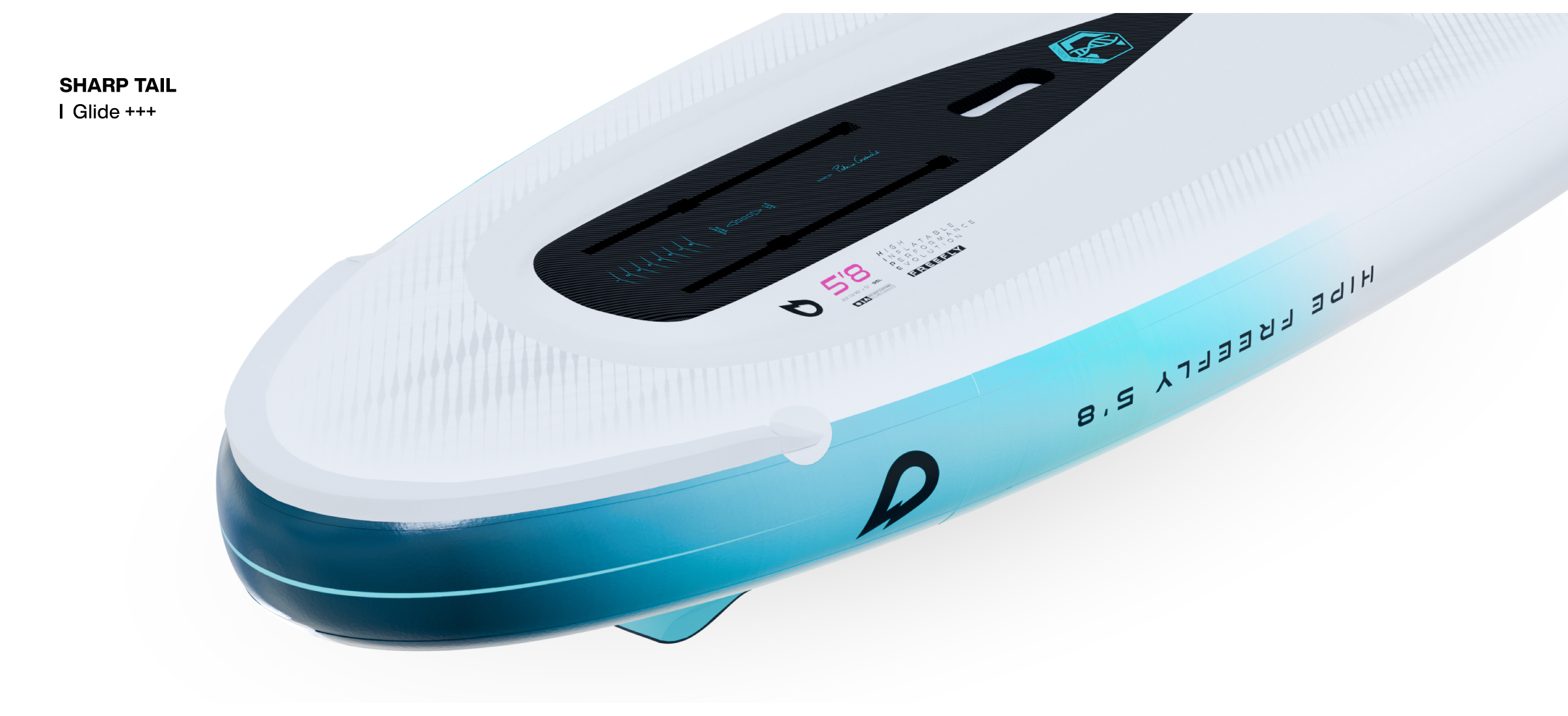
To improve takeoff, our designers developed a rigid rail at the tail of the board, directly inspired by the sharp edge at the tail of rigid wing boards. This allows for a clean separation of the water flow at the end of the hull, resulting in better glide before takeoff and boosting acceleration.
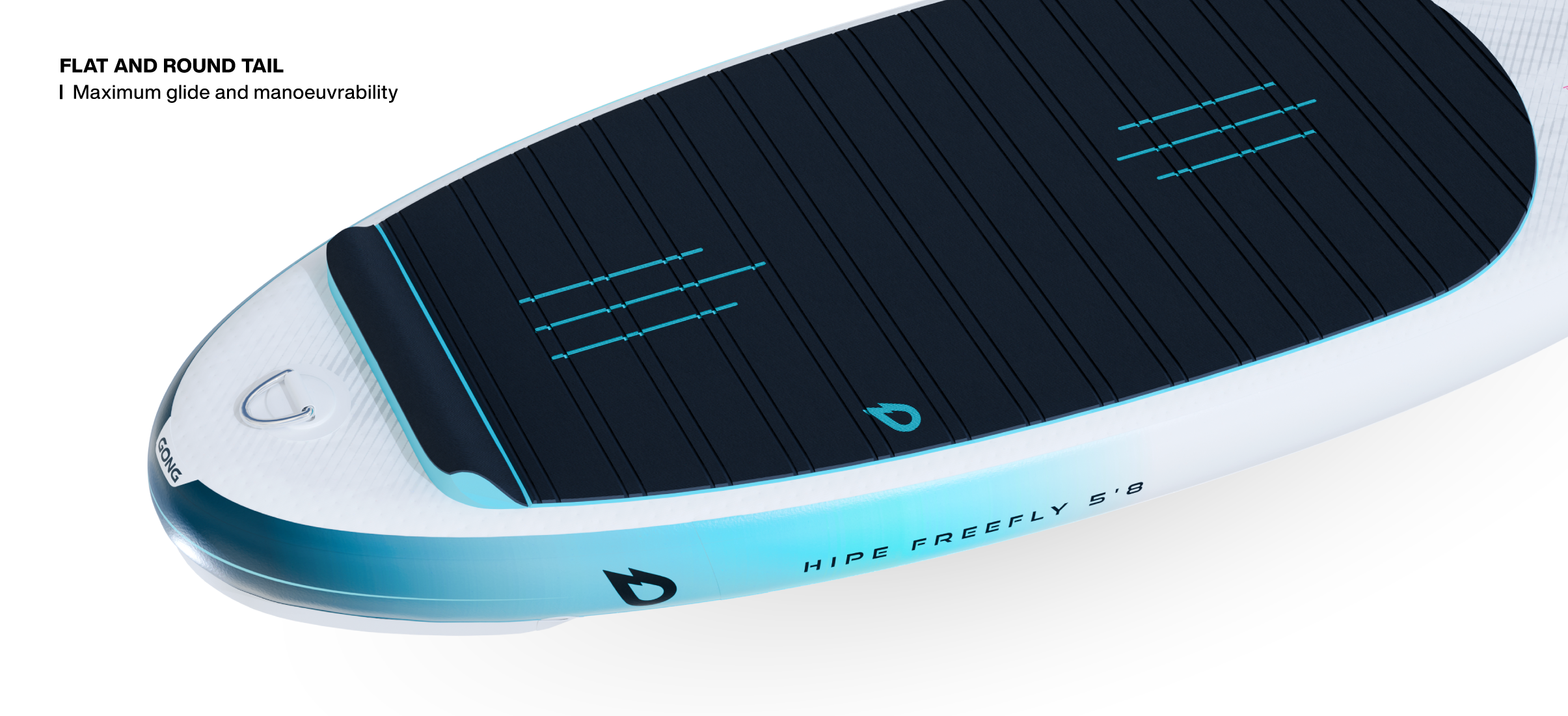
In 2026, its integration goes even further, bringing it even closer to rigid boards. The bottom flattens out to offer a beautiful flat round tail. The edge pinches for even more glide, minimal bulk in turns, and an explosive repop; you pump even less and get airborne even earlier.
A flat and round tail for even more glide, minimal bulk in turns and an explosive repop.
The ICS plate's outline perfectly matches the shape of the HIPE Freefly: it's both elegant and efficient. The tail is very smooth, which reduces drag before takeoff. You actually take off earlier, with less effort.
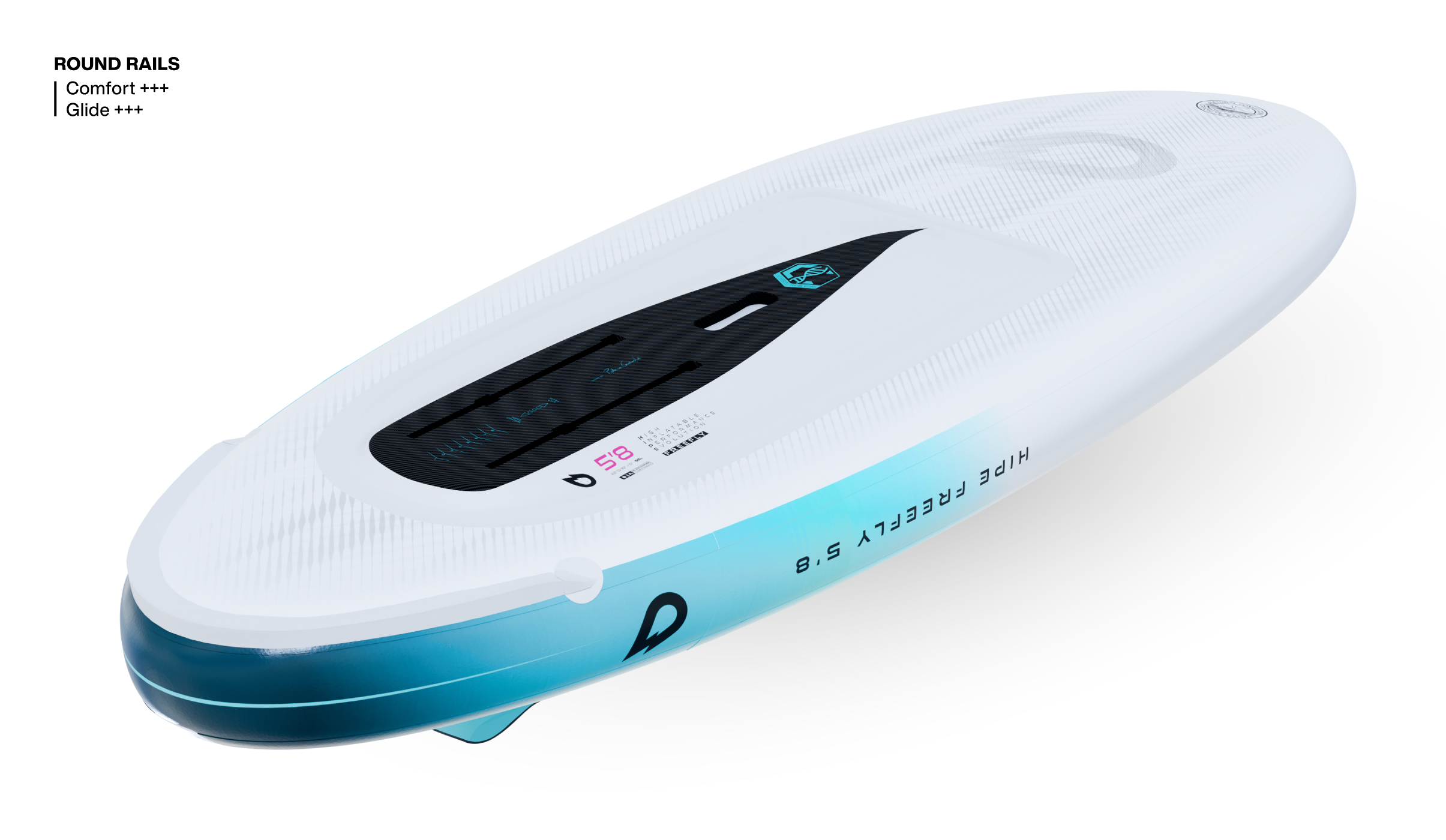
The rails are round, like on all inflatables. We used this natural shape to help the water glide over the board.
The thickness provides a lot of comfort before the flight and makes take-off easier.
The rounded point nose provides maximum responsiveness and that extra touch of security in turns. Takeoff is easier and touchdowns are painless!
Technical sheet
Buying guide
Looking for a strapless board that's simple, straightforward, and allows for complete freedom of foot placement? The HIPE Freefly is perfect for that. However, it's not a beginner's board: it's designed for riders who already know how to handle a wing and foil smoothly.
You must have a sufficient level of education:
Having some wing flight hours already helps… but the idea is the same: you need to have validated the basics on a training board before moving on to a Freefly.
It is necessary to know how to navigate with a first learning board before choosing the HIPE Freefly.
The HIPE Freefly is the ultimate board for progressing without overcomplicating things; it covers freeride/freefly, light wind, and waveriding. Fantastic for freeriding, easy for surfing, strapless only.
On land, it inflates and folds up in minutes and is shockproof. It's the ideal board for traveling!
In wing foiling, it's fantastic for harnessing the swell. The performance is top-notch for transitions, speed, upwind ability, turns, and surfing.
In lowkite mode after takeoff, it reveals its full potential! And once the lowkite is packed away, endless surfing awaits!
The HIPE Freefly is a high-performance board for wing and lowkite flying. But by adjusting the volume, it can be adapted to our needs:
The HIPE Freefly is truly the ultimate high-performance strapless inflatable foil board. It will therefore take up a significant portion of your sessions and a very small amount of space in your quiver.
You should of course complement it with a range of SUPs with or without foils, surfboards for days when the waves are there, etc… to enjoy every possible session.
The concepts behind each inflatable board in our range can be summarized very simply:
HIPE FIRST: the perfect inflatable foil board for beginners and progression, strapless.
HIPE LIKE: the alternative to the HIPE First designed to take off early and remain easy.
HIPE LEARN: the inflatable for learning: flat on the water, first flights and SUP foil compatible.
HIPE PERF: the inflatable with 95% of the performance of the rigid in an easy and progressive shape.
HIPE CRUZADER: the inflatable “downwinder” for the highest performance in Wing in lightwind and obviously in DW.
HIPE DIAMOND: the mid-length board with the glide of a downwinder and the agility of a compact board.
HIPE FREEFLY: the ultimate in strapless inflatable foil boarding.
HIPE PRO: the inflatable board for scoring in surfing / freestyle.
Our V3 foil range is now grouped into 3 families:
Perf Series for progression.
Team Series for performance.
Team Pro for competition.
For beginners:
In the Perf Series V3 range, our X-Over: the first ultra-easy and efficient wings at low speed:
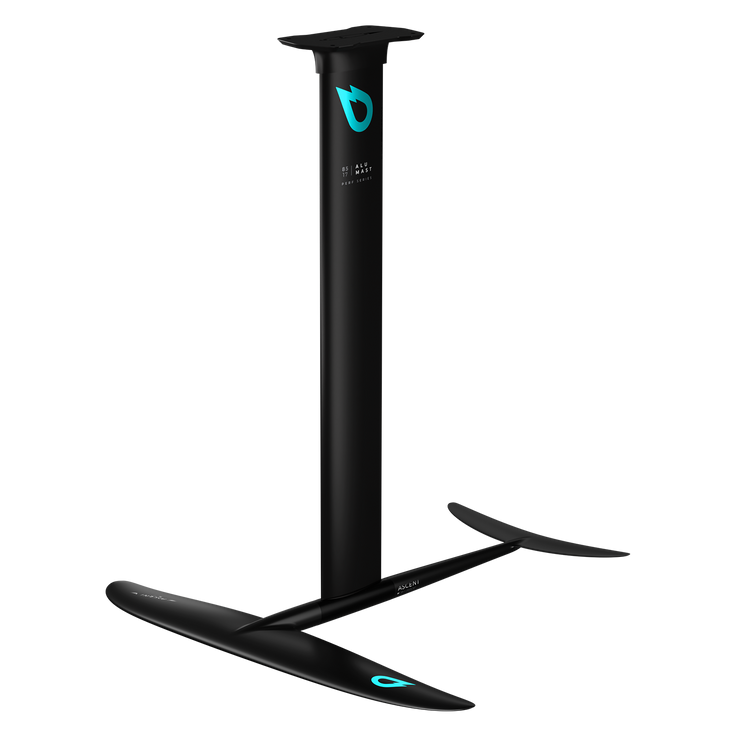
The Ascent foil: versatile and faster, for "all-terrain" performance:
For experienced users:
In the Team Series V3, here are our suggestions in line with the HIPE Freefly program:
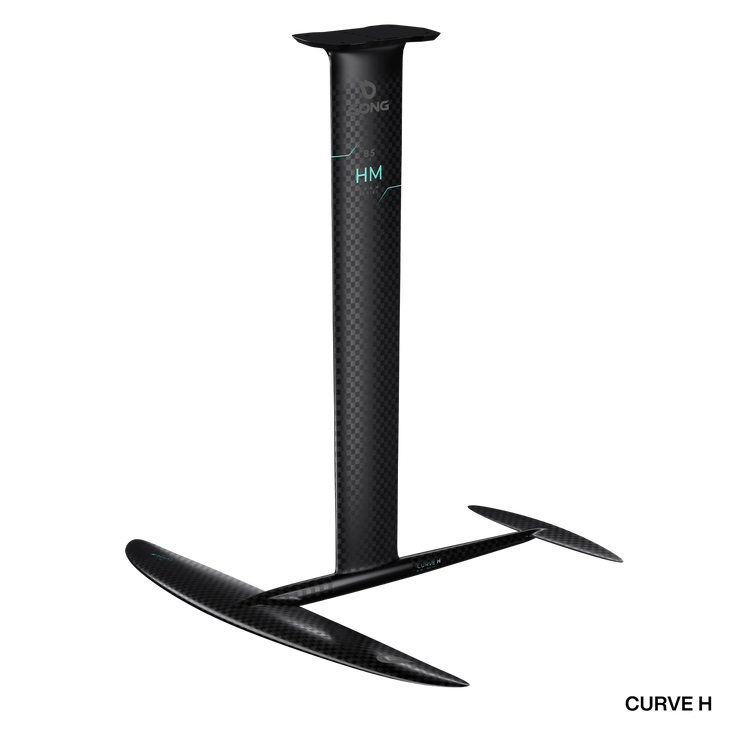
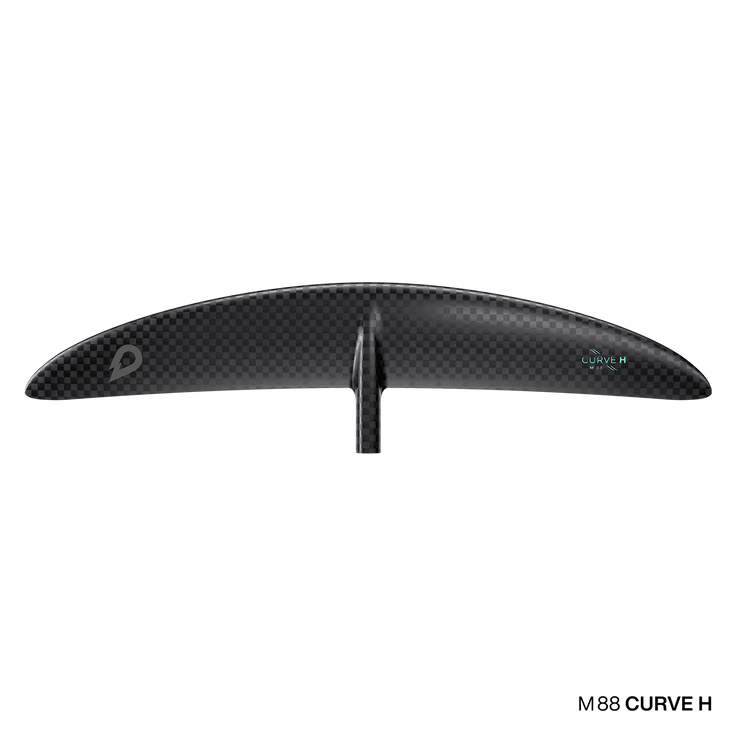
Curve H: Designed for turns, with a moderate+ aspect ratio and excellent control in all situations. Ideal for freeriding and waves, offering forgiveness and comfort.
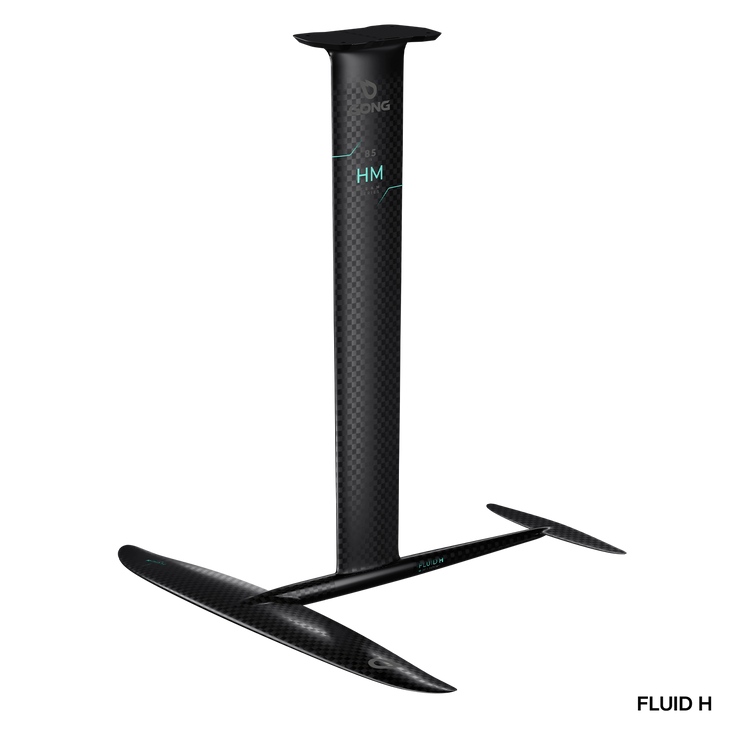
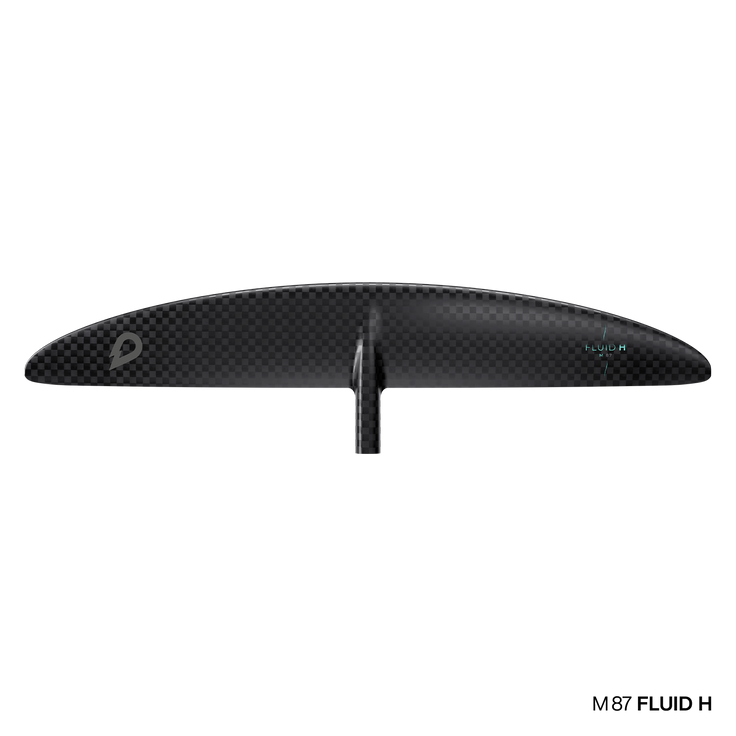
Fluid H: the cleanest and most efficient foil for linking turns at high or low speed, in a simple and constant glide.
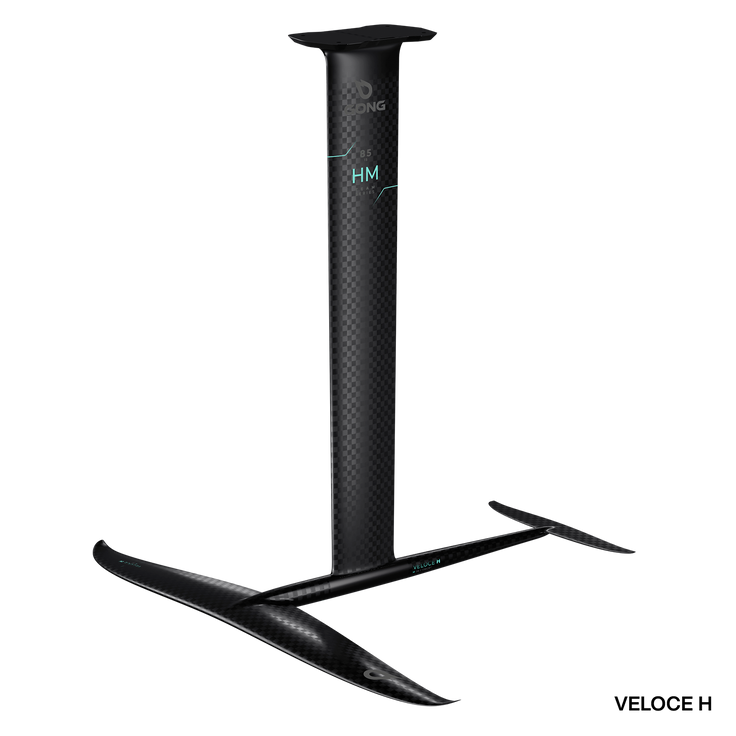
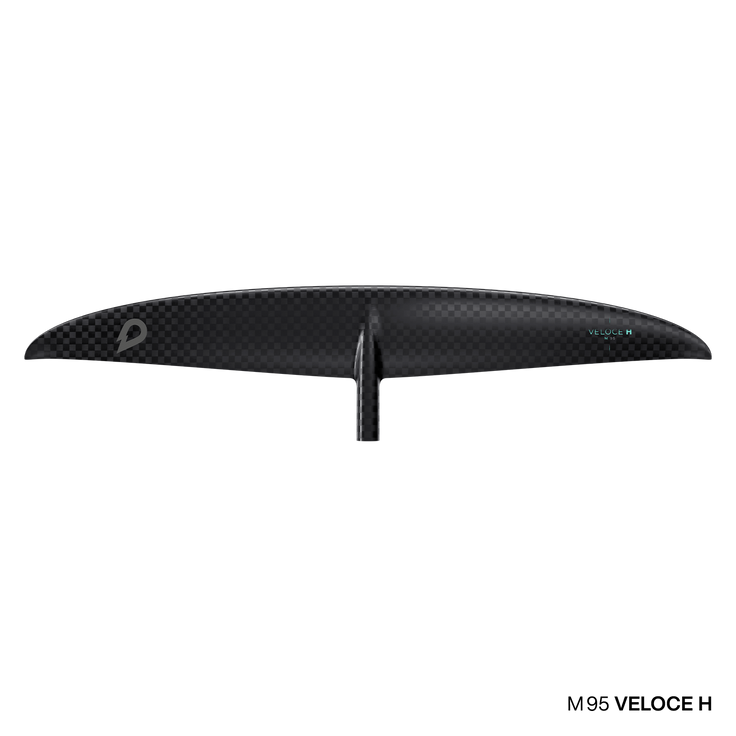
Veloce H: A foil designed for glide and speed, with a high aspect ratio for fantastic gliding while maintaining good rail-to-rail maneuverability. Perfect for freefly, surfing, and light wind conditions.
Veloce HDW: Downwind version of the Veloce, with an extreme ratio for sessions requiring infinite glide: downwind, freefly, pumping, smooth surf, light wind… very efficient with little energy.
Sirus: A foil with very high lift even at low speeds, for endless pumping and lightwind performance in marginal conditions. Its maneuverability in smaller sizes is perfect for small swells and slow bumps in downwind conditions.
For professionals :
In the Pro Team Series V3 range: ultimate, high-performance, and ultra-fast wings. The Ypra wings are simply the wings of our Pro Team in the World Cup.
At this level, everyone will know how to adapt their equipment to their needs. It's worth noting that wingspan is a key factor to consider when riding high aspect ratio boards. The glide is fantastic, but be careful not to sacrifice maneuverability and rail-to-rail precision by using larger sizes if you're looking for a very aggressive drive. That's why even pros don't necessarily ride high aspect ratio boards!
The size of the front wing, and in particular its surface area and volume, determines the speed-to-lift ratio. The smaller the wing, the faster you'll go, but the less stable you'll be at low speeds. The larger the wing, the earlier you'll get airborne, but you'll be penalized in terms of maneuverability and top speed.
General information on choosing stabilizer sizes:
The preferred size will depend on your equipment, your level, your weight, the conditions of your spot but also your front wing.
A larger stabilizer will facilitate takeoff because the foil will generate significant torque, which will tend to give it a steeper angle of attack. This also implies a more pronounced feedback under the front foot.
A smaller stabilizer will be more technically challenging to launch but will boost speed and maneuverability. You also lose some support on your front foot, which means you'll need to move the foil forward in the box to regain stability.
Always adjust the size of the stabilizer to the size of the front wing to achieve balanced flight and harmonious operation between these two components.
More information is available in the article on the V3 foil range, as well as a size guide specific to each foil on its product page. We also offer some advice below.
During your first sessions, you can feel more confident with a short mast (62cm). Falls during your first flights will be less dramatic. But apart from when launching, you will benefit greatly from a long mast (85cm and above).
More length = more margin = easier = better performance.
In choppy water, during transitions, in light winds, a long mast will be ten times more enjoyable. It will prevent you from touching the water and give you the necessary height margin in all your actions.
In pure racing, of course, the must-have is the 100 cm HM mast. Absolutely magical. But the 95 cm aluminium or 92 cm HM are also great.
In freerace, a long mast is also a must. It's no more difficult and it will make fast edges easier.
In freeride, we often look for simplicity and versatility. The 85 cm is the obvious choice. 92 cm for those who want more margin.
In freestyle, we recommend 85 cm to keep a dynamic and controllable rail to rail.
In Surf, we favour radicality and control, so 85 cm. But in solid waves, 92 cm will give you more margin to apply huge angles without dramatically ventilating at the bottom, for example.
Finally, note that a 1.5° rake wedge under an 85 cm mast will give you the nose up margin of a 92 cm. It's the ultimate trick.
In summary, for waves and freestyle, but also for beginners and those looking to improve, an 85 mast (V3 or HM depending on your budget) is ideal. Easy to launch, easy to switch from one rail to the other, it's perfect.
A 92 cm mast and above is designed for racing, offering more margin at high speed in choppy conditions but less manoeuvrability.
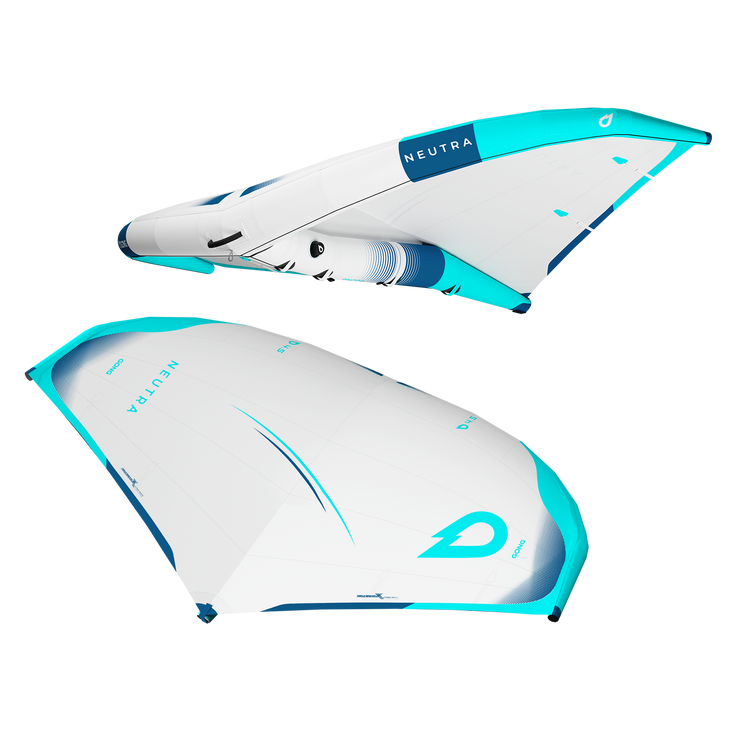
For GONG foils, place the plate in the center of the US rails to start and move it forward a few centimeters when you start transitions (sign of good progress).
The further forward you move it, the more the board rises. The further back you move it, the more the nose of the board dips.
Be careful not to move it too far forward. There's often a tendency to not let the back foot do the work, especially when coming from kitefoiling. However, moving the foil back a little forces you to put more weight on your back foot, resulting in a more balanced stance and reduced effort.
Safety is of paramount importance for the practice of board sports, and even more so when it comes to foil sports.
A wing leash is essential . Once released, if the wing is not held by its leash, it will immediately fly away several dozen meters from you, and it will only stop its course once it is blocked by an obstacle which will damage it in most cases.
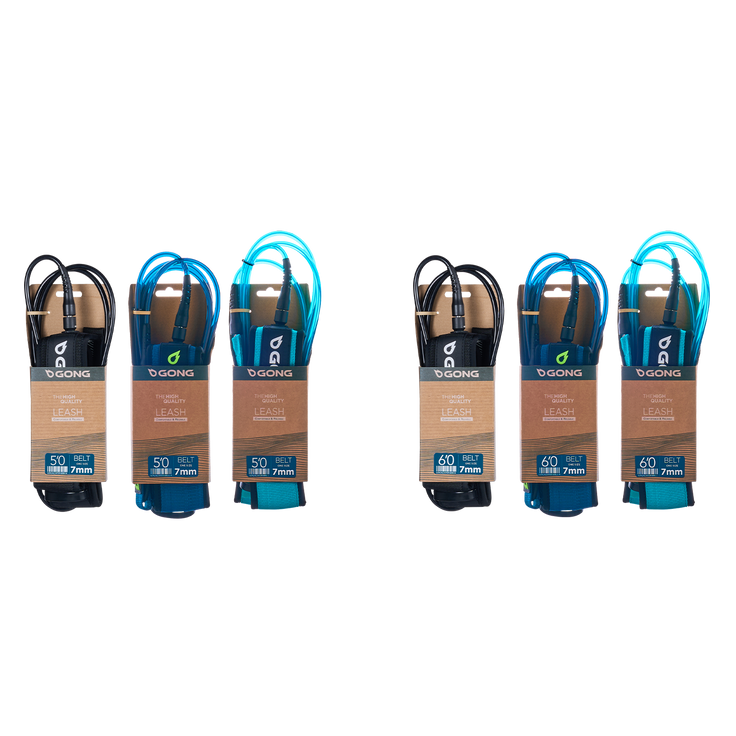
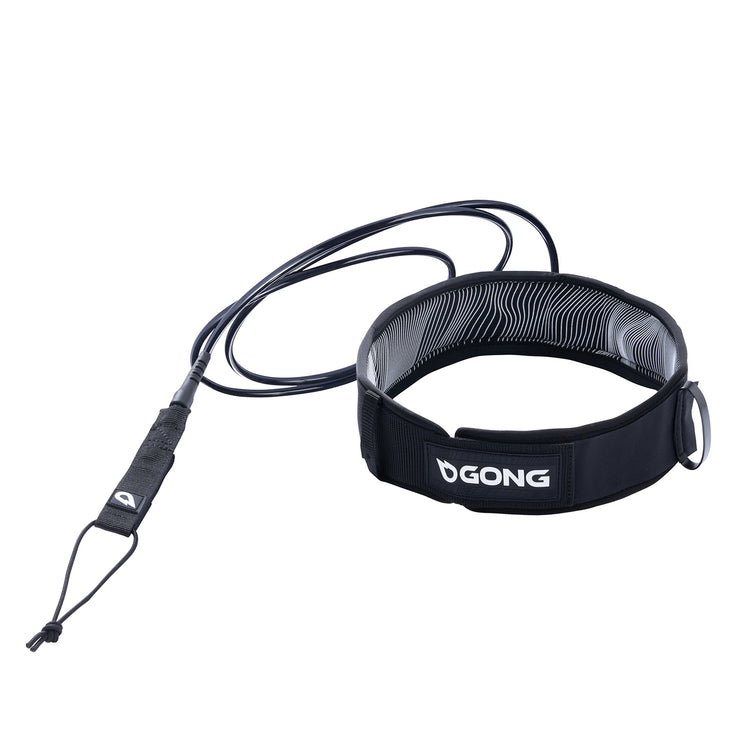
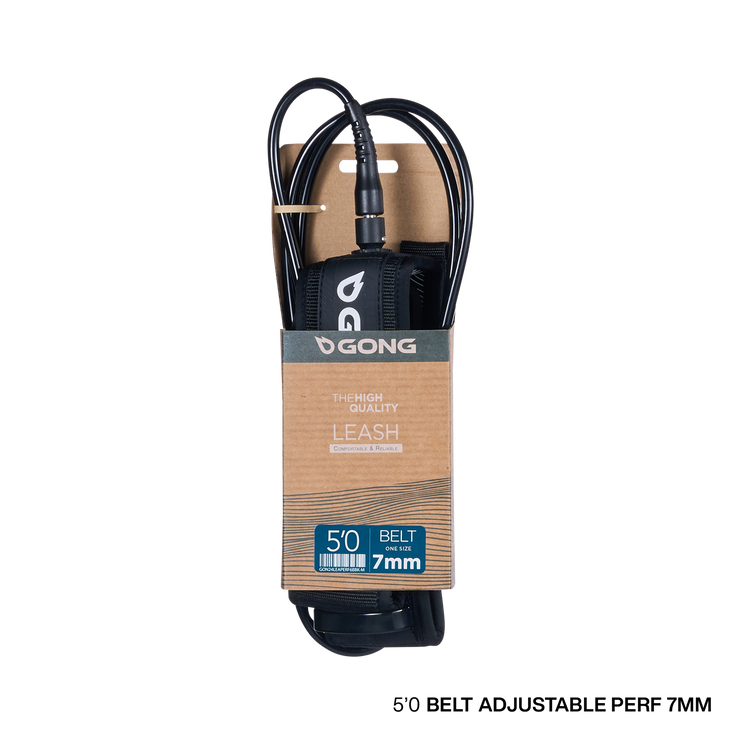
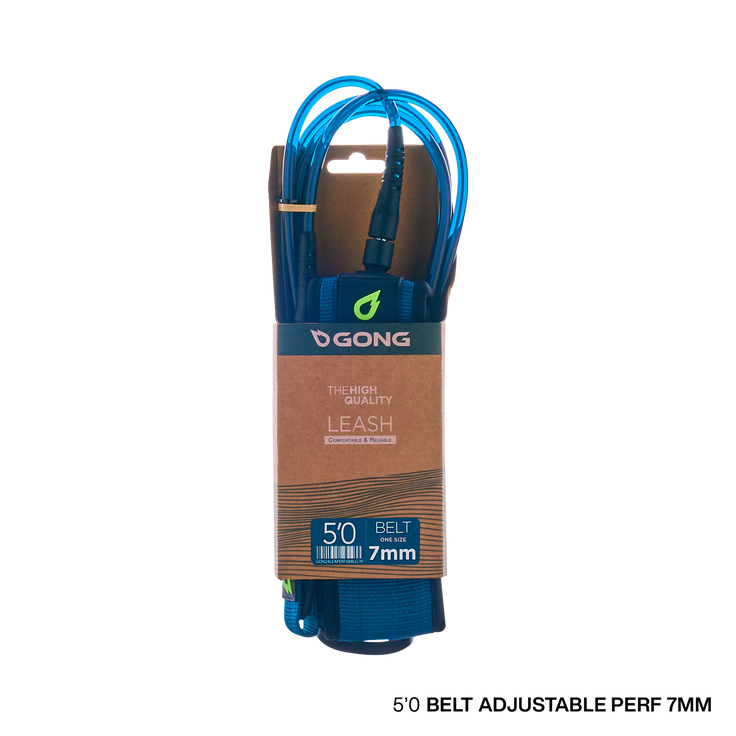
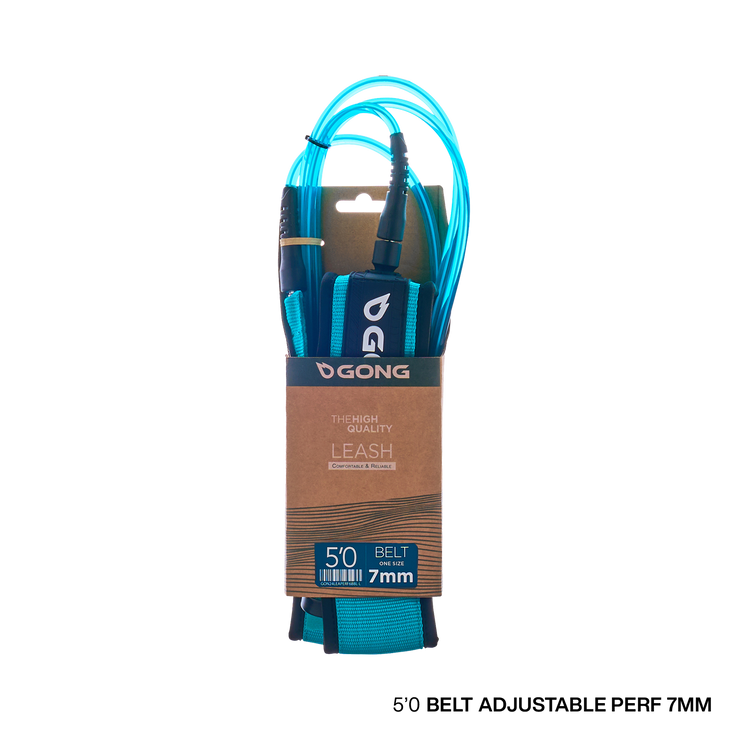
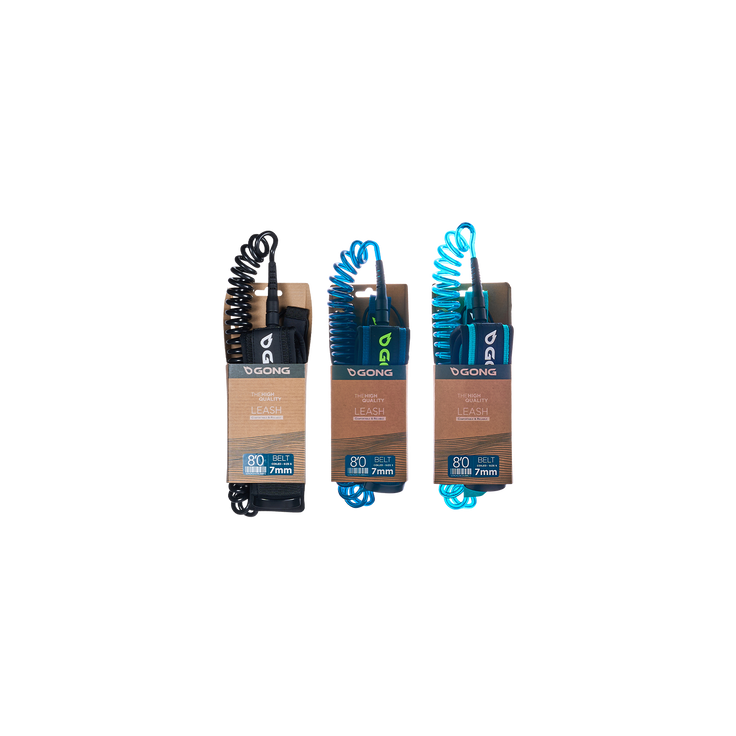
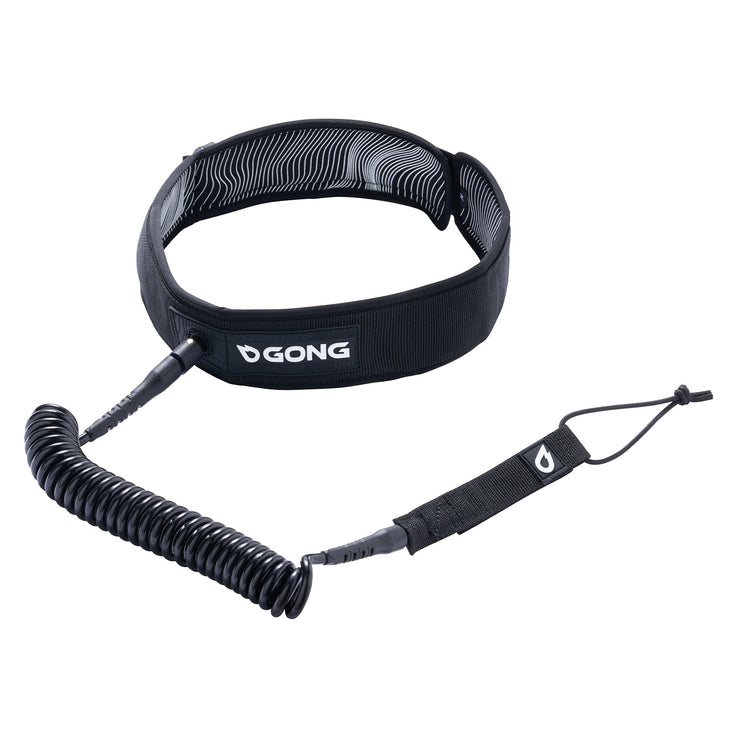
A board leash is also very important, especially when learning. It keeps your board close to you. You keep a safety float within easy reach and, most importantly, prevent it from injuring others. Choose a 6-foot leash with a minimum diameter of 7mm. Check its condition before each session and replace it annually. It's your life jacket.
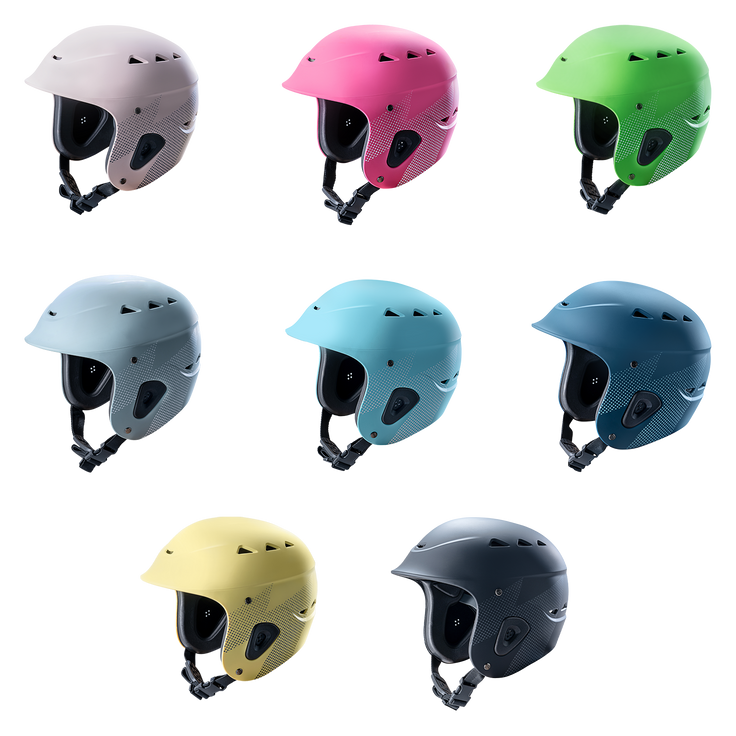
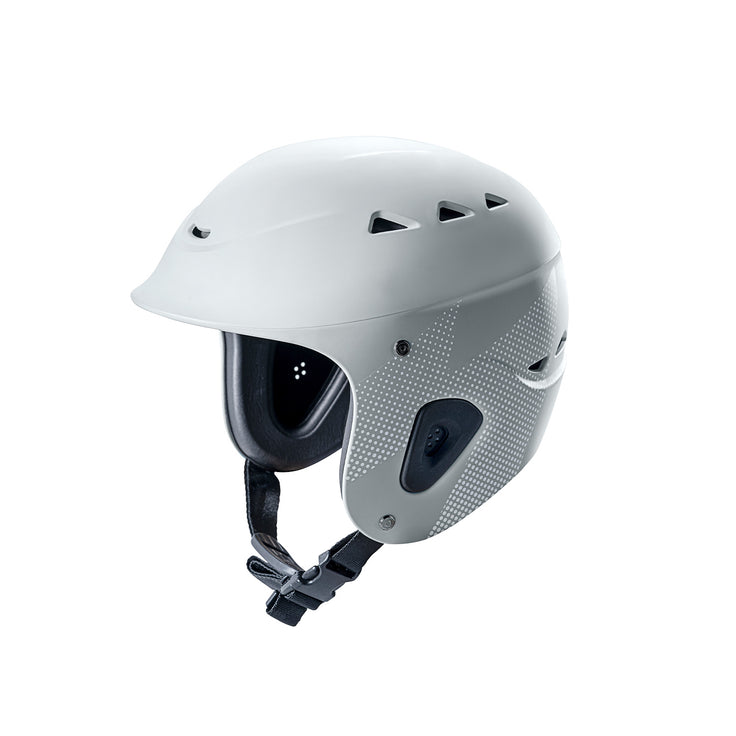
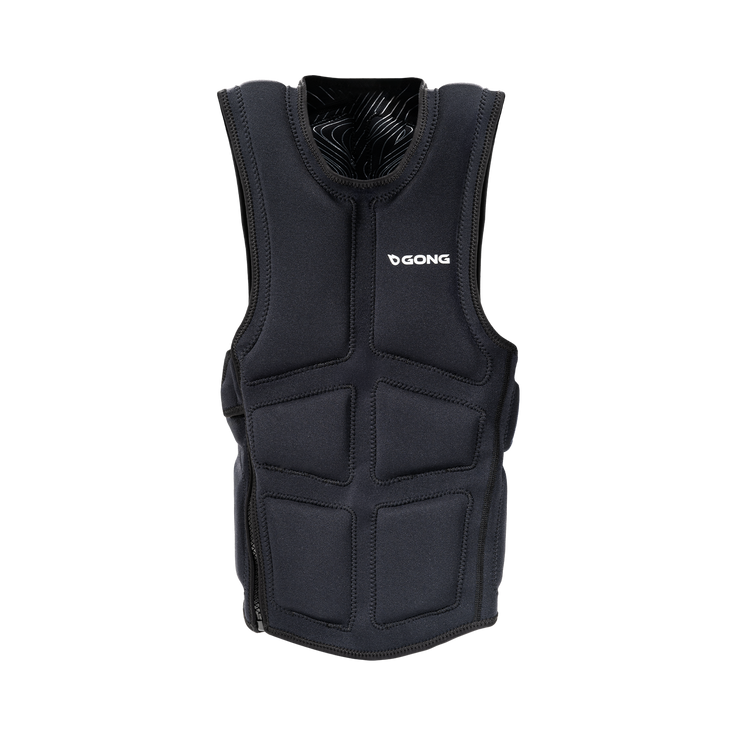
To practice in the best conditions, it is absolutely essential to wear a protective helmet and an impact vest.
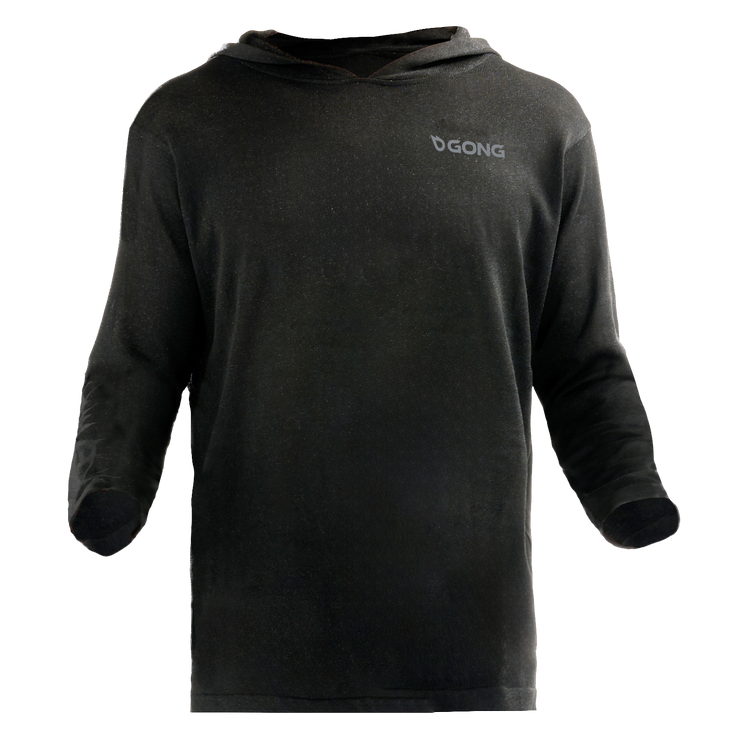
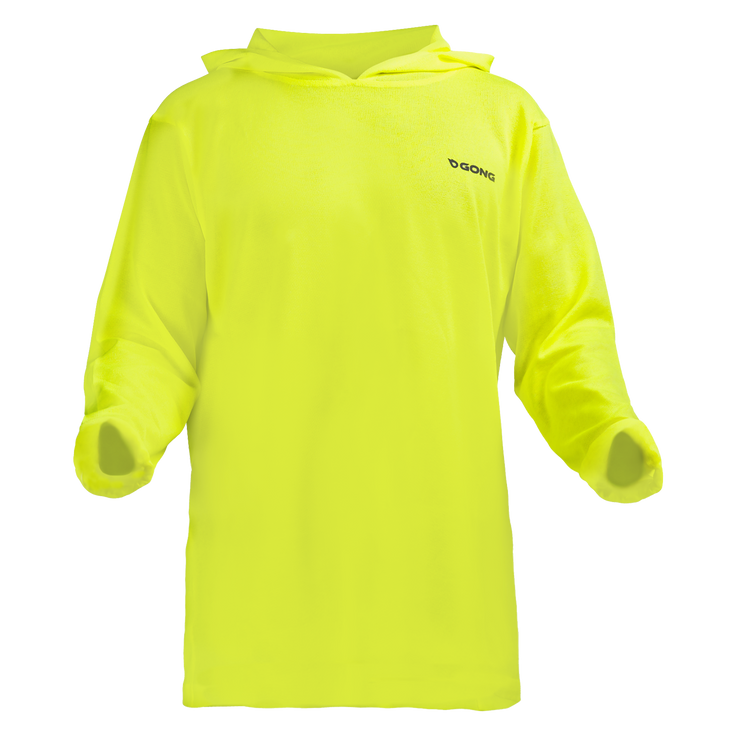
We have also developed a range of Bodyguard textiles , which provide additional protection against the risk of cuts associated with foiling. The risk is always present, but it is even greater during the learning phase.
We strongly recommend that you protect yourself as much as possible.
Never leave your board in the sun, especially an inflatable board, and even less so a black carbon fiber board, which will heat up very quickly. You risk it peeling off!
Don't screw in beyond the bottom of the box, or you'll end up inside the inflatable. We supply non-through US squares, but be careful.
Never let your foil board get tossed around in the waves, especially near the shore. You must protect it from major impacts. A wave that sweeps your board away and rolls it can cause serious damage.
Equipments
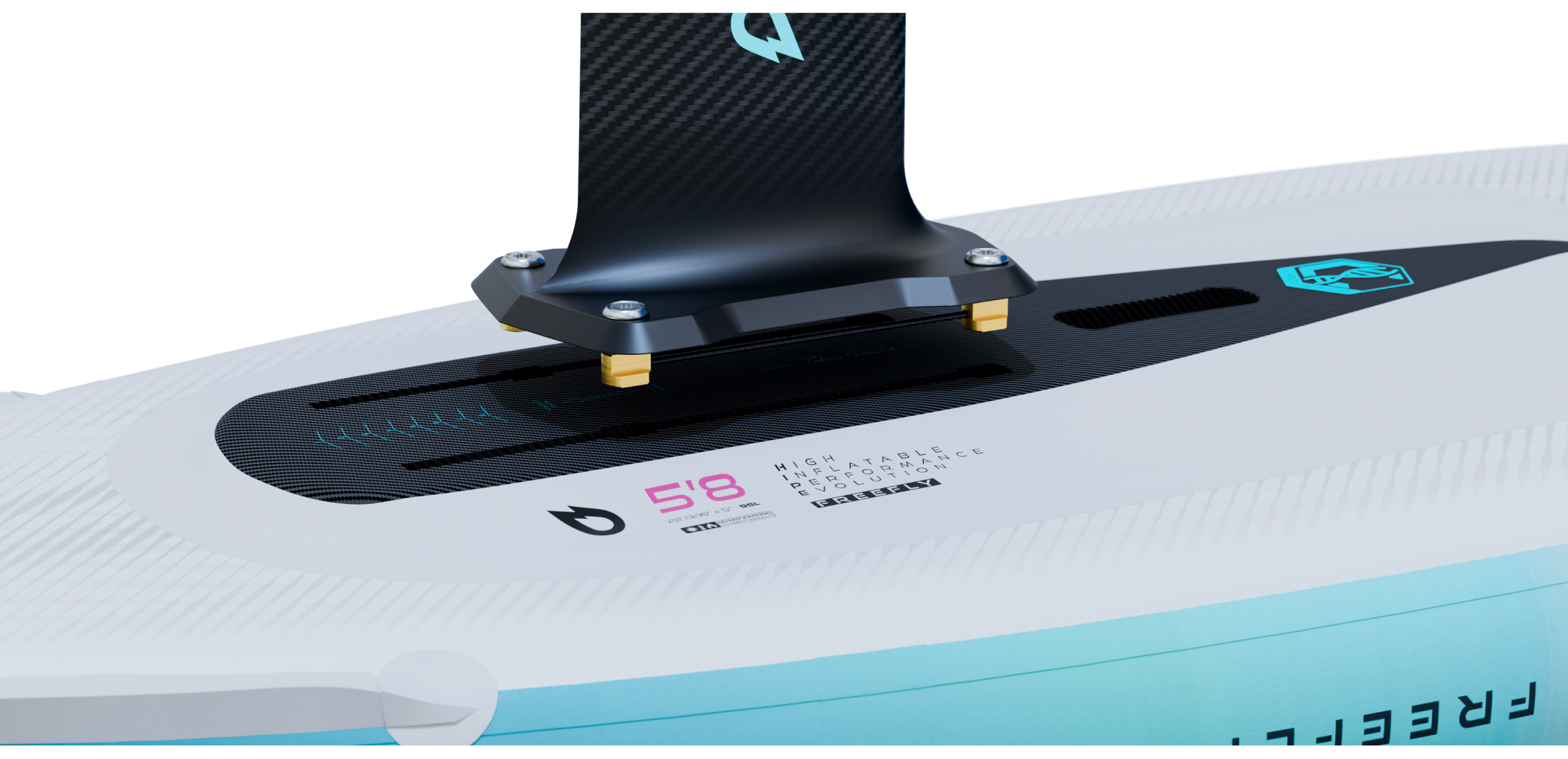
The composite plate is equipped with dual SCS (Smart Connection System) entry boxes for easy foil installation and adjustment. The double holes correspond to the stance of the holes on your GONG foil's mounting plate. The foil is presented with the squares already mounted on the plate, which slide into the rails without disassembly. Slide the foil in, tighten the four screws, and you're ready to ride.
To simplify foil assembly, our US mounting squares are connected by a carbon fiber rod and included with the board. This saves time during setup and ensures precise adjustments. No more risk of losing the squares: simply leave them screwed onto the plate and slide them into the US rails through the four insertion holes. No need to disassemble anything: just tighten the screws and you're good to go!
Adjusting the foil is also easier and more precise with the adjustment information written on the plate.
The handle integrated into the carbon plate on the hull significantly improves comfort when launching and carrying the boat over short distances. Furthermore, it has no impact on the rigidity and strength of our plate, which remain flawless.
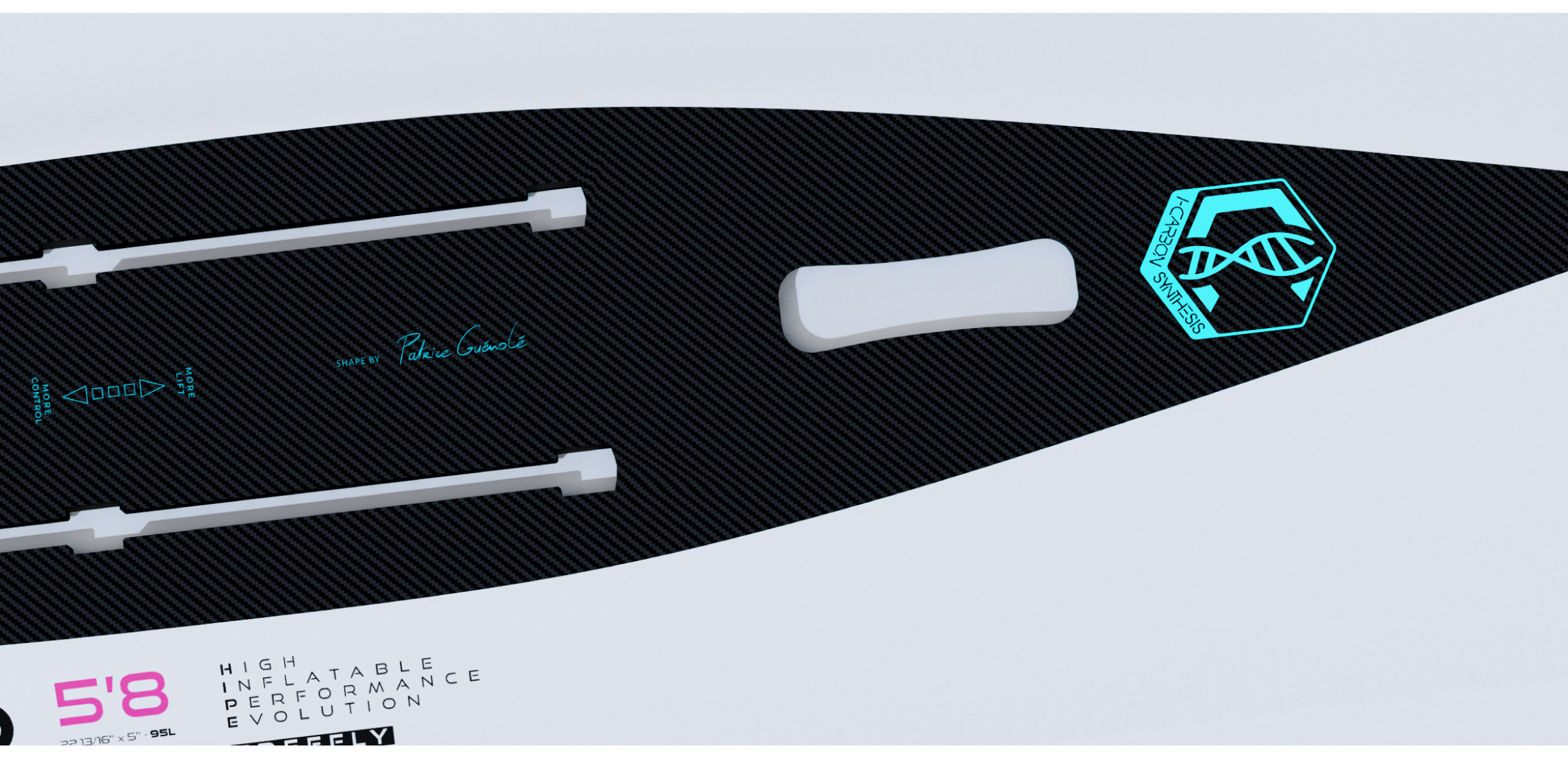
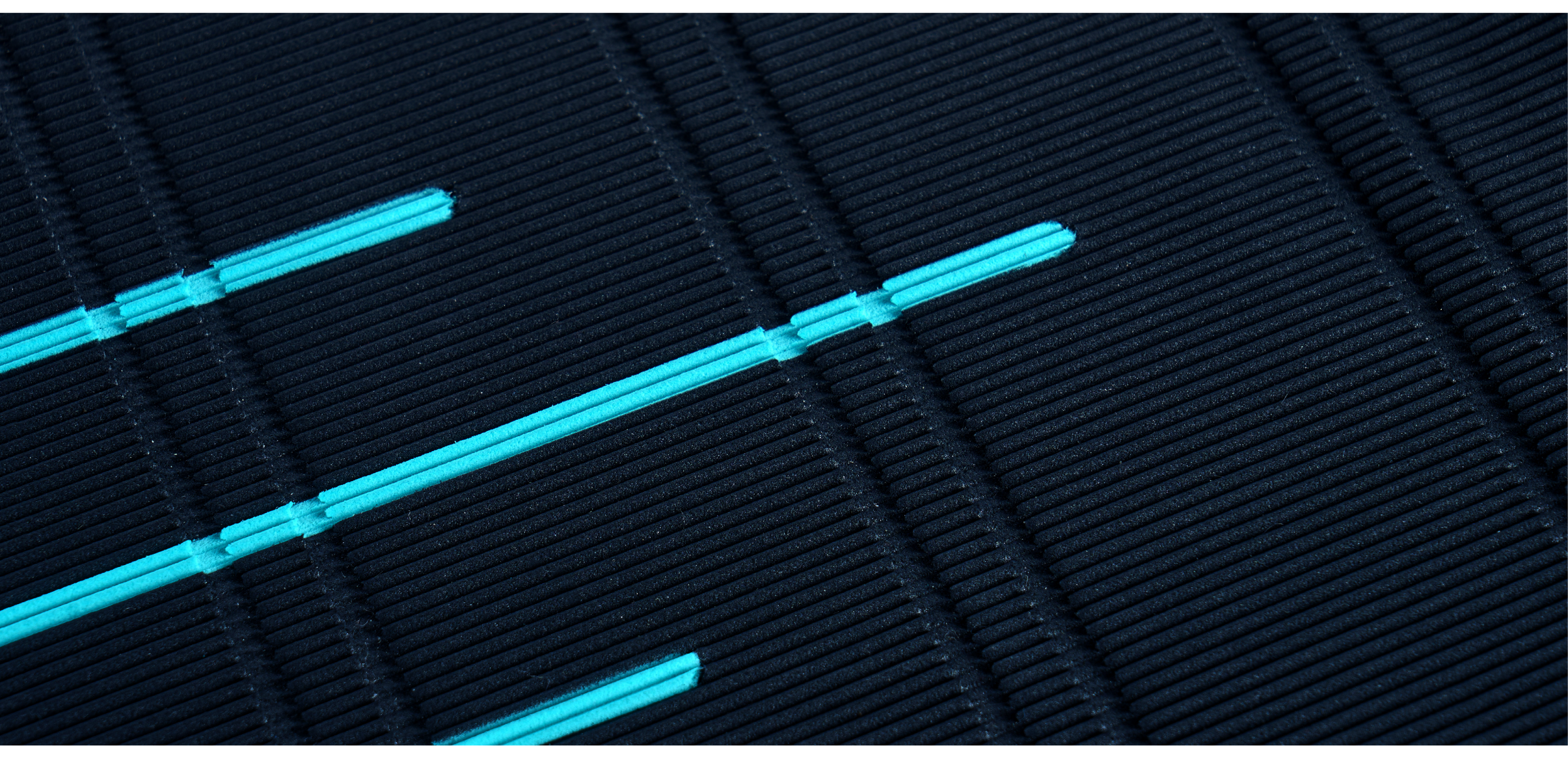
The premium 5mm thick full pad provides maximum grip and comfort while sailing.
Its grooving Ridge Traction rigid boards are the best in terms of comfort but especially in terms of anti-slip to provide maximum stability and secure support with maximum grip and comfort while riding.
Very different from the dropstitch coating of the board, you immediately feel if your foot is properly placed on the pad.
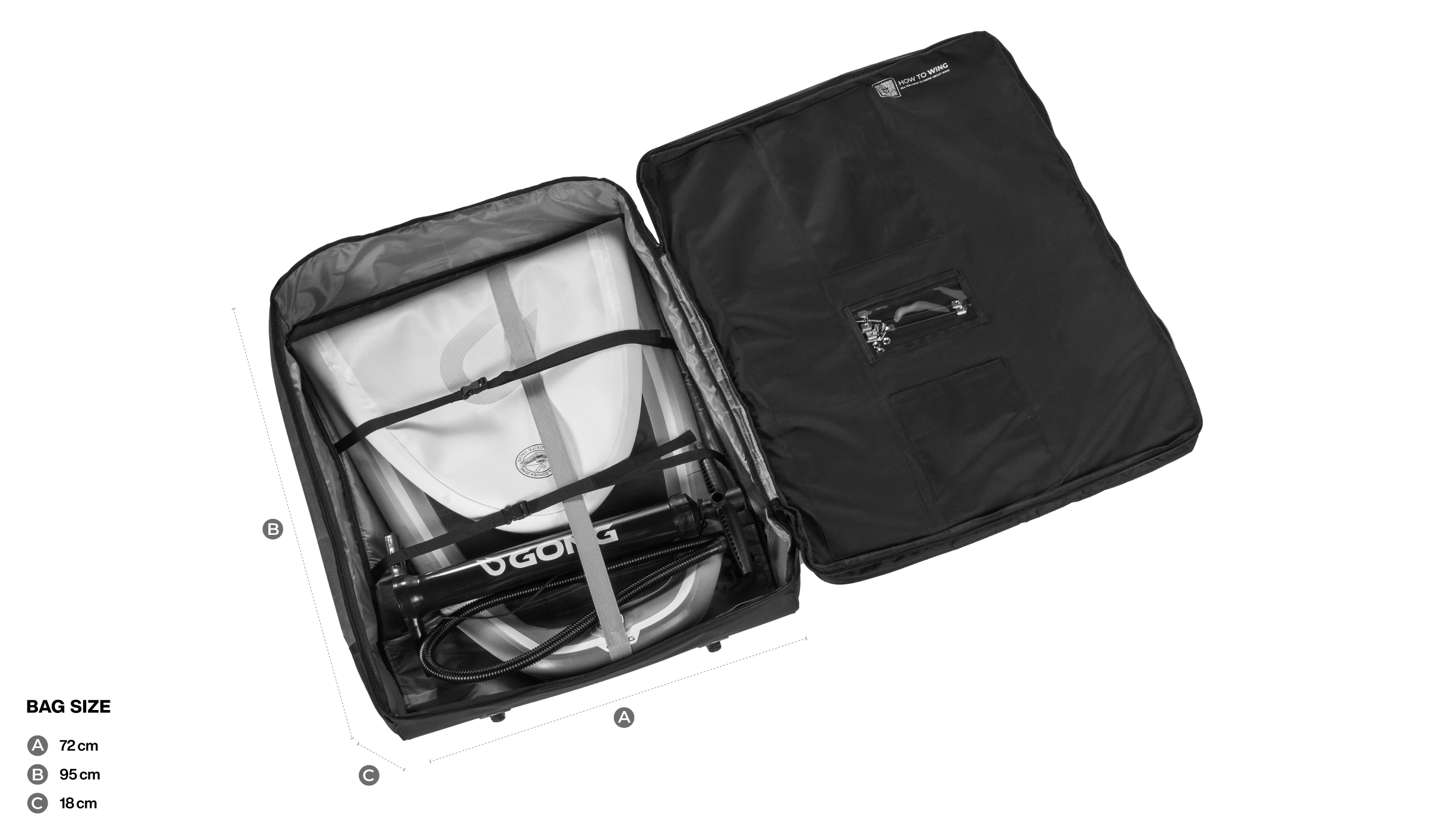
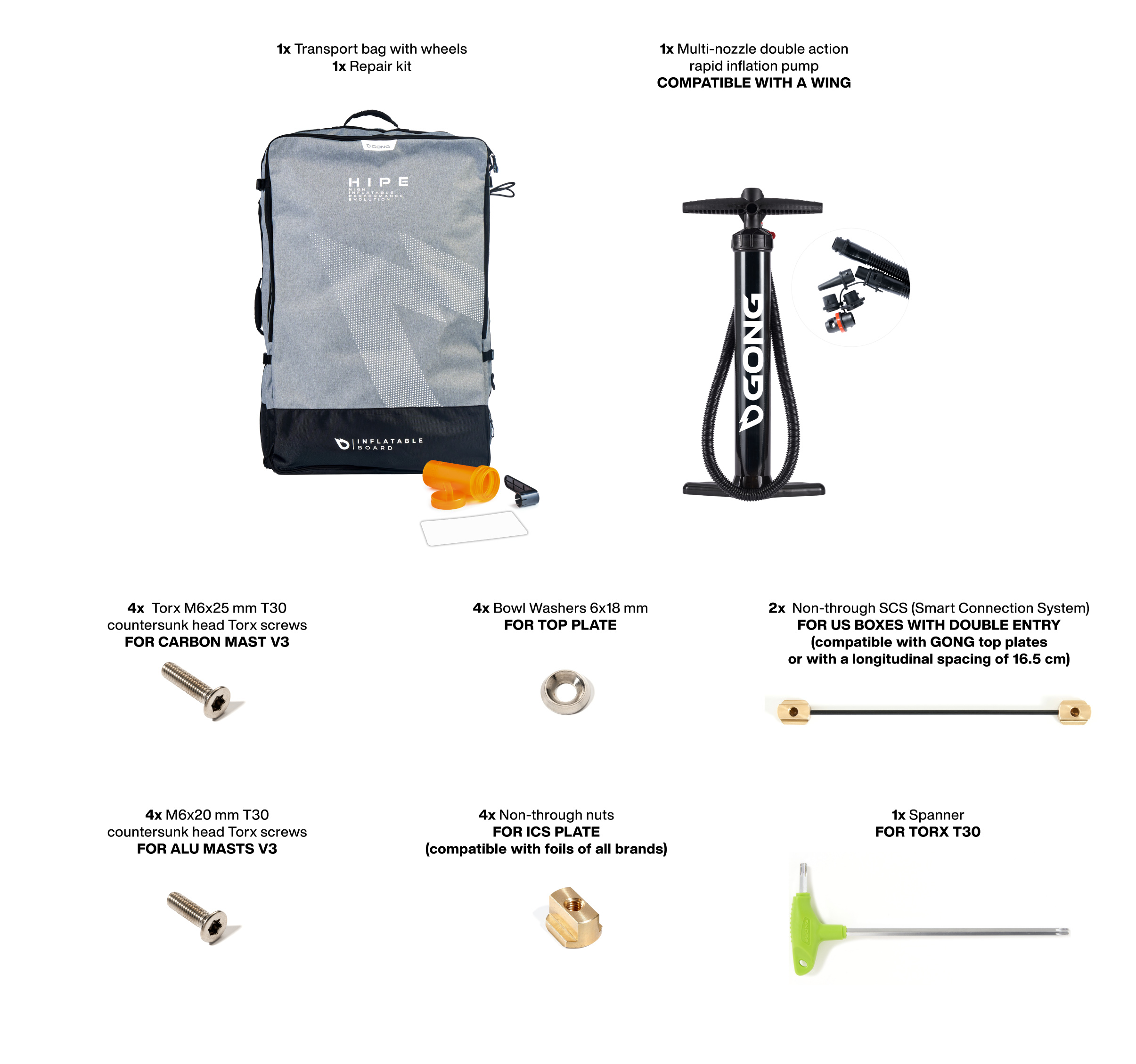
The HIPE Freefly comes in a super practical and robust wheeled carrying bag.
It's spacious enough to carry your HIPE, foil and wing.
It is designed for comfortable travel and without excess baggage fees on most airlines!
The large front pocket isolates the front wing and stabilizer to protect them. The backpack straps are very well padded and comfortable. The handles are super strong and comfortable.
Integrated compartments in the reverse side of the front panel allow you to securely and neatly store your foil components and screws. Compression straps reduce the bag's volume to a minimum.
The included dual-action rapid inflation pump is super efficient for being the first in the water.
All the screws for the foil top plate are supplied with the board.
A repair kit is also included in case of damage (please note that the kit does not include glue, which you can easily find at your local hardware store (PVC glue)). We also stock the components for your board so we can easily repair it. Everything on an inflatable board can be repaired.
Included equipment:
ICS carbon plate.
Ridge Traction 5mm integral deck pad: non-slip and durable deck covering.
2 non-through SCS inserts paired by a carbon fiber rod.
Screws for foil plate: TF M6 T30 screws x4 in 20mm and 25mm with 4 cup washers.
Leash plug at the tail so you never lose your board.
High-pressure inflation valve on the nose for easy deflation and rolling of the board.
Dual action rapid inflation pump with multiple nozzles (compatible with a wing).
Compartmented carrying bag.
Repair kit (glue not included).
Delivery
Orders are prepared and shipped quickly: most are dispatched within 24 to 48 business hours.
The delivery time, meaning the transit of the parcel to your address, then depends on the delivery location and the carrier.
Shipping costs are transparent and calculated based on weight, volume, and delivery address.
You have a 14-day right of withdrawal to return or exchange a new product that does not suit you.
We prioritize sustainable, recyclable, and reusable packaging solutions, minimizing single-use plastic as much as possible while ensuring optimal protection for products, including large items.