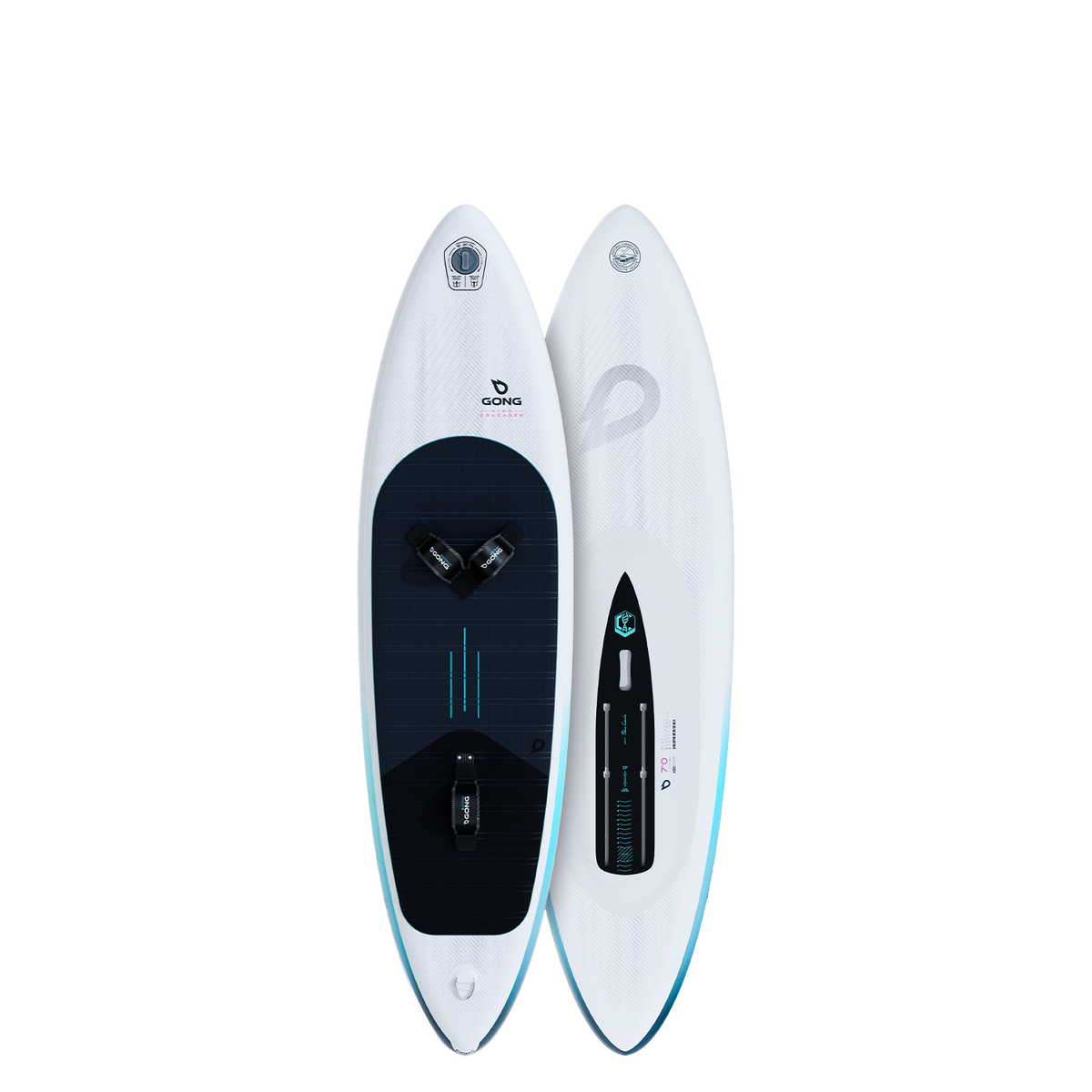
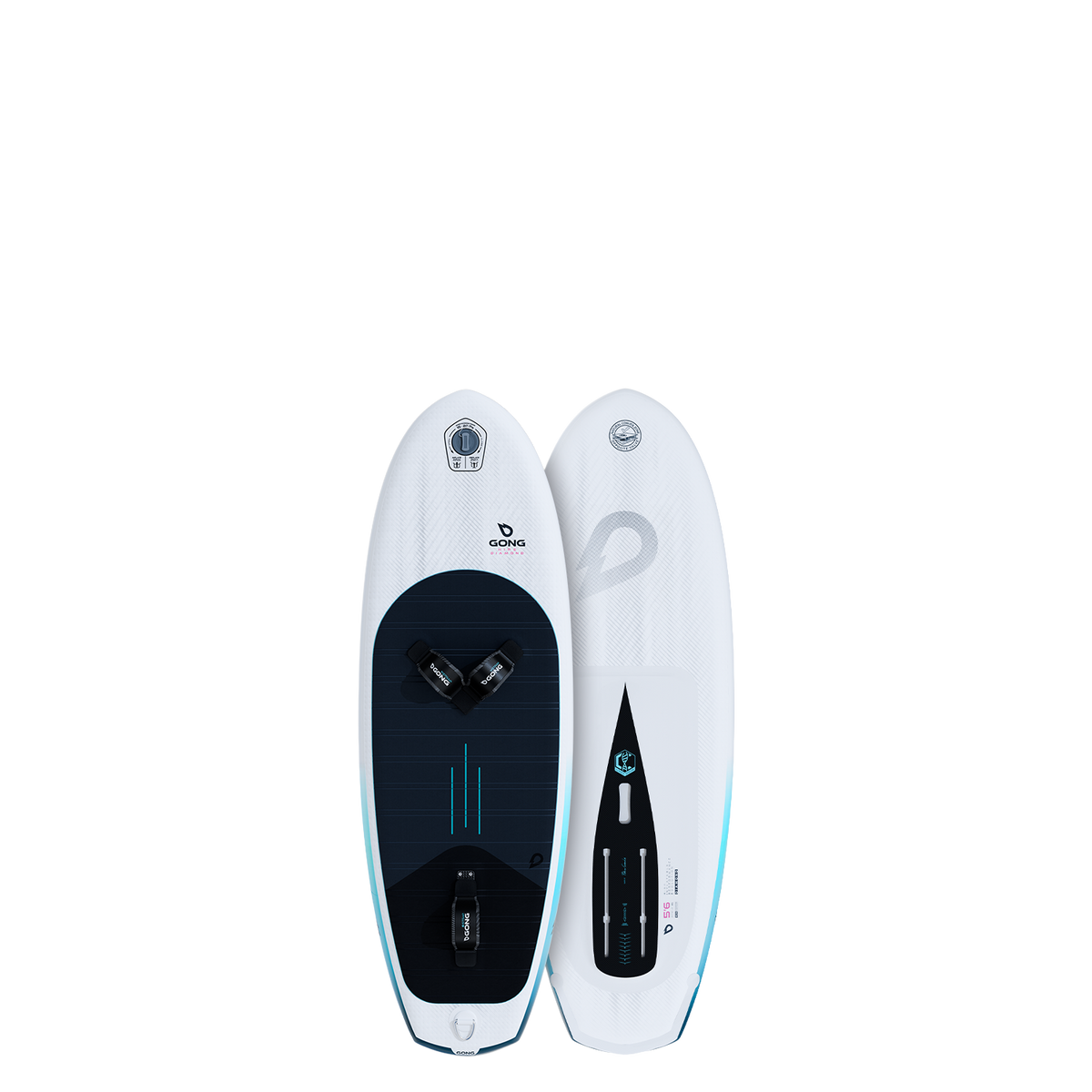
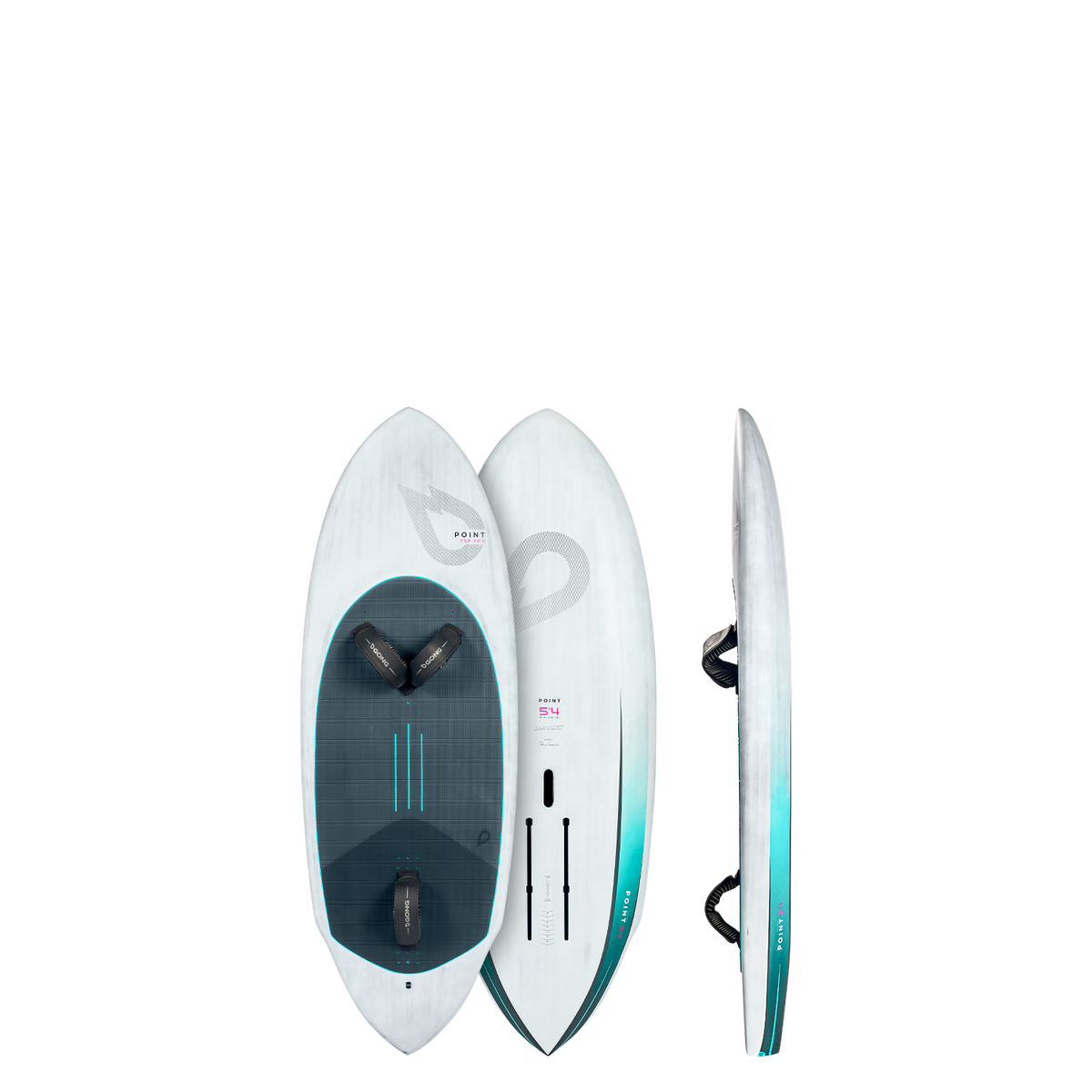
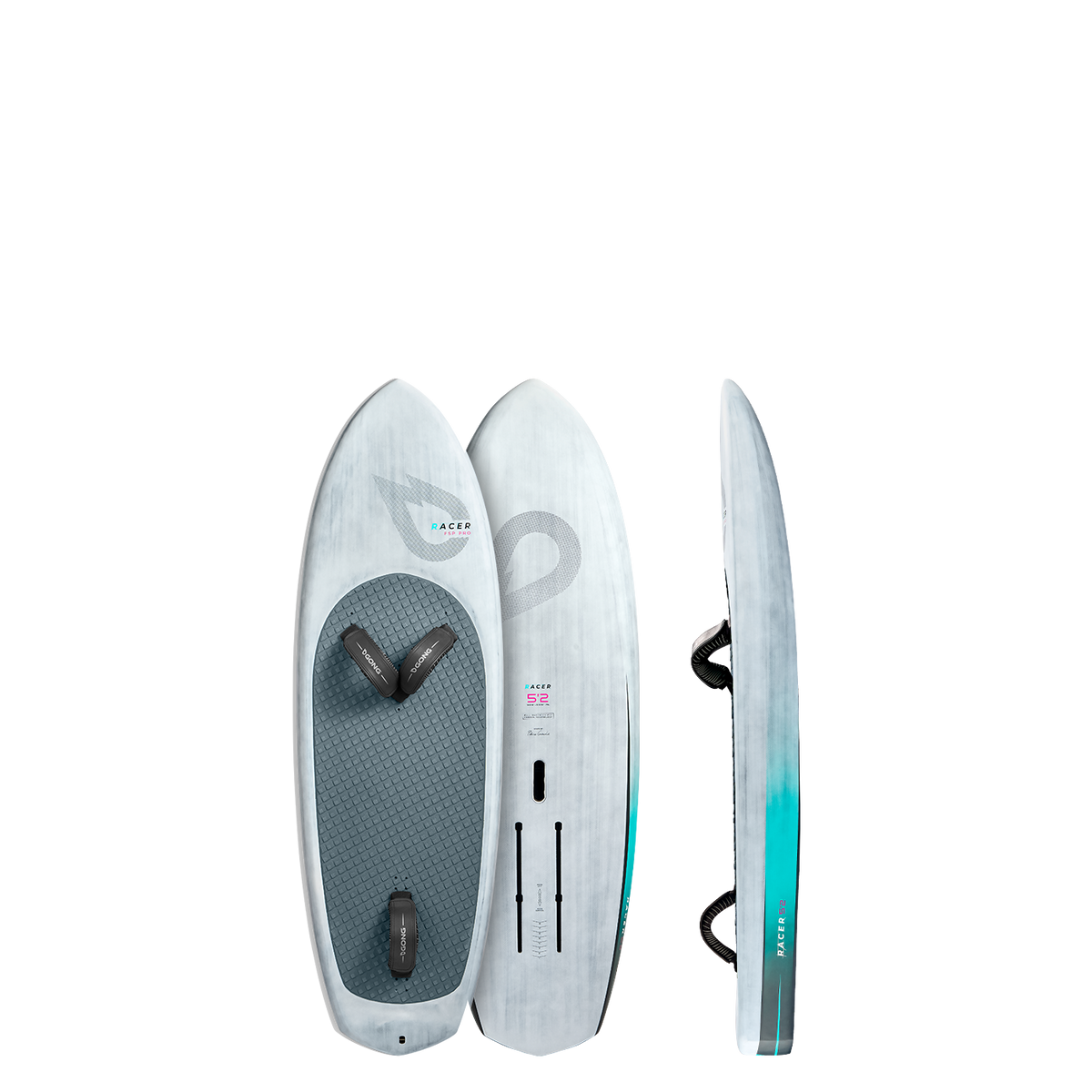
Advantages of an Inflatable Board:
Minimal Bulk:
An inflatable board folds up and fits into a transport bag that can easily be carried on your back! The HIPE Learn, FreeFly, Perf, Diamond, Cruzader, and Stunt models even come with roller bags, perfect for covering long distances with all your gear. These bags are designed to hold everything you need: pump, wing, complete foil, leashes, and wetsuit. This technology is ideal for traveling light, by plane, train, or even in a small car. You can take it anywhere!
Easy Storage:
No garage? No problem. The minimal bulk is a huge advantage for those living in apartments or with little space. Once folded, the inflatable board only requires a bag for transport and storage. Simple and compact storage!
Performance:
Contrary to some beliefs, inflatable boards have nothing to envy from rigid boards in terms of performance. Their technical construction integrates two structures: an ultra-rigid composite plate for immediate pressure transmission and an inflatable structure to provide volume and buoyancy. This hybrid design ensures high performance. The main difference with a rigid board lies in the more rounded rails, typical of inflatable models, which require compensating with slightly more volume for equivalent stability. We recommend choosing a board with +15L for an advanced rider, +25-30L for an intermediate level, and +40L for a beginner, compared to a rigid board.
Versatility for All Levels:
Inflatable boards are suitable for all levels. Models vary to meet specific needs, with, for example, wider boards for more stability for beginners or a narrow tail on the HIPE Lethal for quick take-offs and smooth wave touches. The HIPE Perf, Diamond, Cruzader, Stunt, and Lethal models are equipped with straps for optimal support.
Comfort in Navigation:
The surface of an inflatable board is softer to the touch, making falls less traumatic. The rounded rails add to this feeling of safety, providing a smoother ride, which is ideal for foilers seeking comfort.
Durability and Strength:
Inflatable boards are very resistant to shocks on the beach or in the trunk of a car. In case of puncture, the repair kit provided allows you to handle the situation quickly, just like fixing a bicycle tire, while a rigid board requires expertise in composite materials to be repaired. More autonomy for simplified maintenance!
Price:
Inflatable boards are less expensive to produce since their manufacturing is faster. Thanks to our direct sales model, we offer unbeatable prices on the HIPE range, especially the HIPE First, to make wing foiling accessible to everyone.
Advantages of a Rigid Board:
More Focused Shapes:
Rigidity allows for more specific shapes for each program. Rigid boards can be more pointed for racing or feature designs tailored for surfing.
Less Inertia:
At equivalent volume, a rigid board is slightly more stable when stationary, allowing for more compact and lighter models to reduce inertia while flying. This mainly improves glide sensations and responsiveness.
Precise Volume Distribution:
Rigid construction allows for optimized volume distribution, such as designs with bulbous noses for added stability when stationary. This type of ultra-precise shape makes each movement easier and makes the board more specialized for its purpose.
Aesthetic and Visual Enjoyment:
The appeal of rigid boards also lies in their aesthetics. Observing the curves of a shape, analyzing the concave of the hull, or the lines of a tail are part of the pleasure of the practice. A beautiful design on land often translates into equally enjoyable glide on the water.
Adaptability to Spot Conditions:
The choice between a rigid and inflatable board also depends on the type of spot. On a choppy body of water, the stability of a rigid board is an advantage.
Transport and Storage:
Transport and storage remain the main challenges of a rigid board. For those with the necessary space, the pleasure of the composite feel largely outweighs this drawback. It’s up to each individual to find what fits their needs and lifestyle.
How to Compare a Rigid Board and an Inflatable Board:
When choosing between a rigid board and an inflatable board, it is essential not to rely solely on volume. Unlike rigid boards, which vary in thickness between the tail, center, and nose, inflatable boards maintain a constant thickness throughout their length.
This uniform thickness results in less effective volume in terms of stability and takeoff, as it doesn’t contribute optimally to buoyancy or balance.
At the same volume, a rigid board and an inflatable board will have noticeable differences in length and/or width. The stability of a board depends mainly on its width, while its ability to take off early is influenced by its length. Therefore, it’s crucial to compare the dimensions (length and width) of a rigid board and an inflatable board, rather than relying solely on volume as an indicator.
For beginners and intermediate levels, choosing an inflatable board that is slightly more voluminous is often a good idea. This will provide more stability and better glide in light wind conditions.
To better understand parameters such as length, width, volume, hull, technology, and shape of a board, we explain all these concepts in detail in our guide: How To: Choose Your Wing Board.