To a beginner, all kitesurfing wings might look the same, but their exact shape, number of struts, or aspect ratio make a significant impact on their behavior and intended use. Visually, the differences might appear minimal, but in practice, they are fundamental.
Aspect Ratios:
The aspect ratio defines how stretched out your kite is, indicating whether it is more round or oval. This stretching directly influences how the kite flies and its performance level. Most of our kites feature “moderate” aspect ratios. Depending on specific needs and the intended use, we adjust the aspect ratio higher or lower.
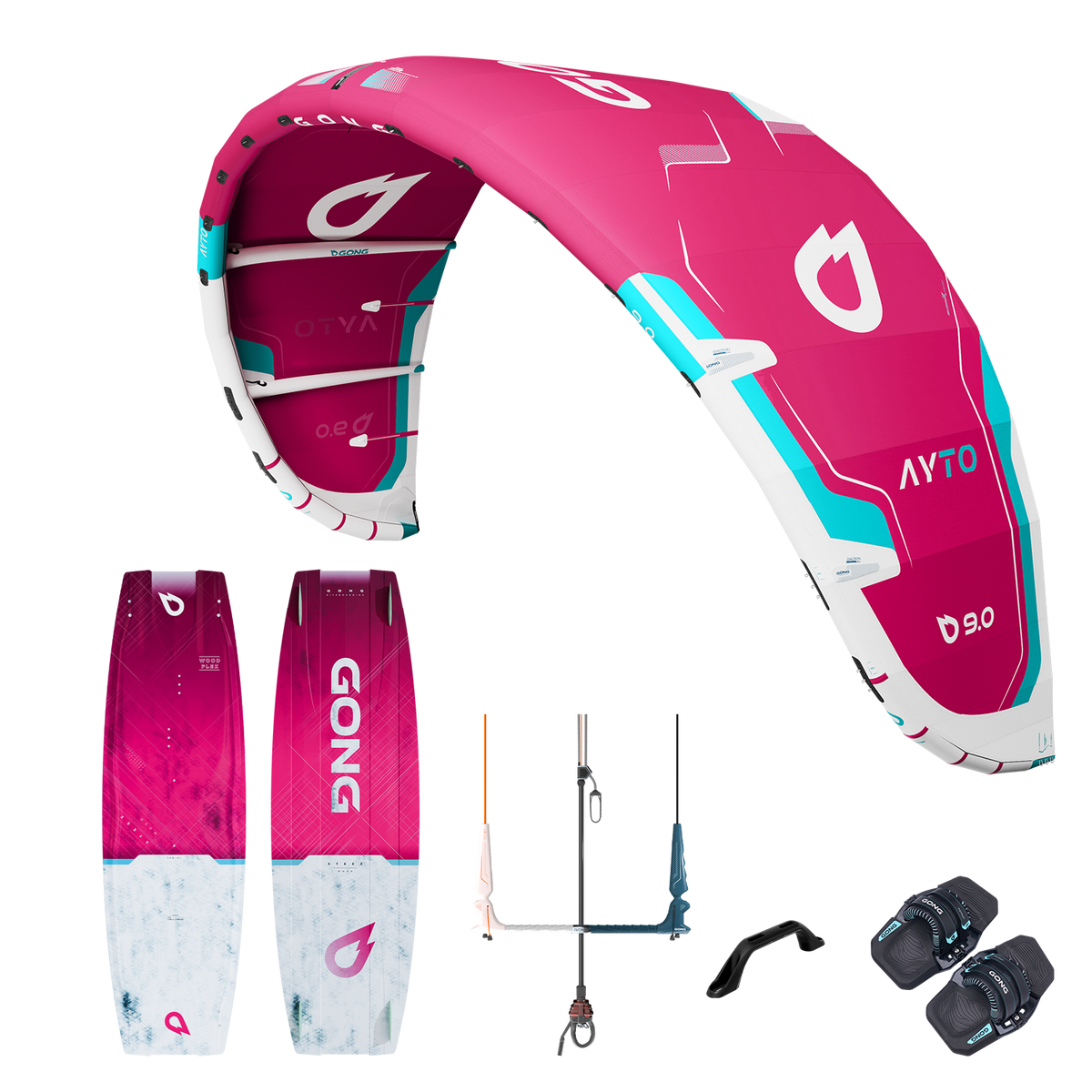
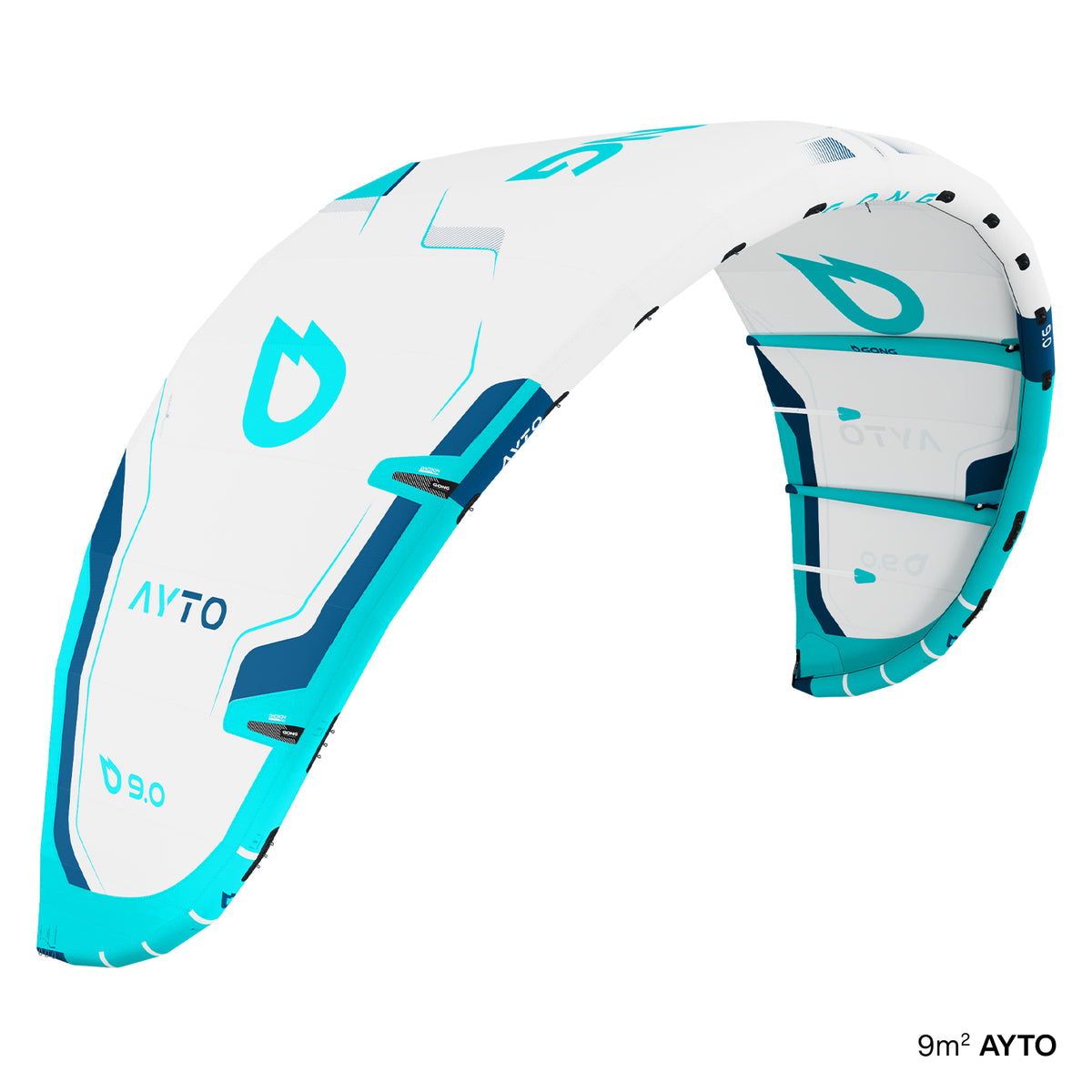
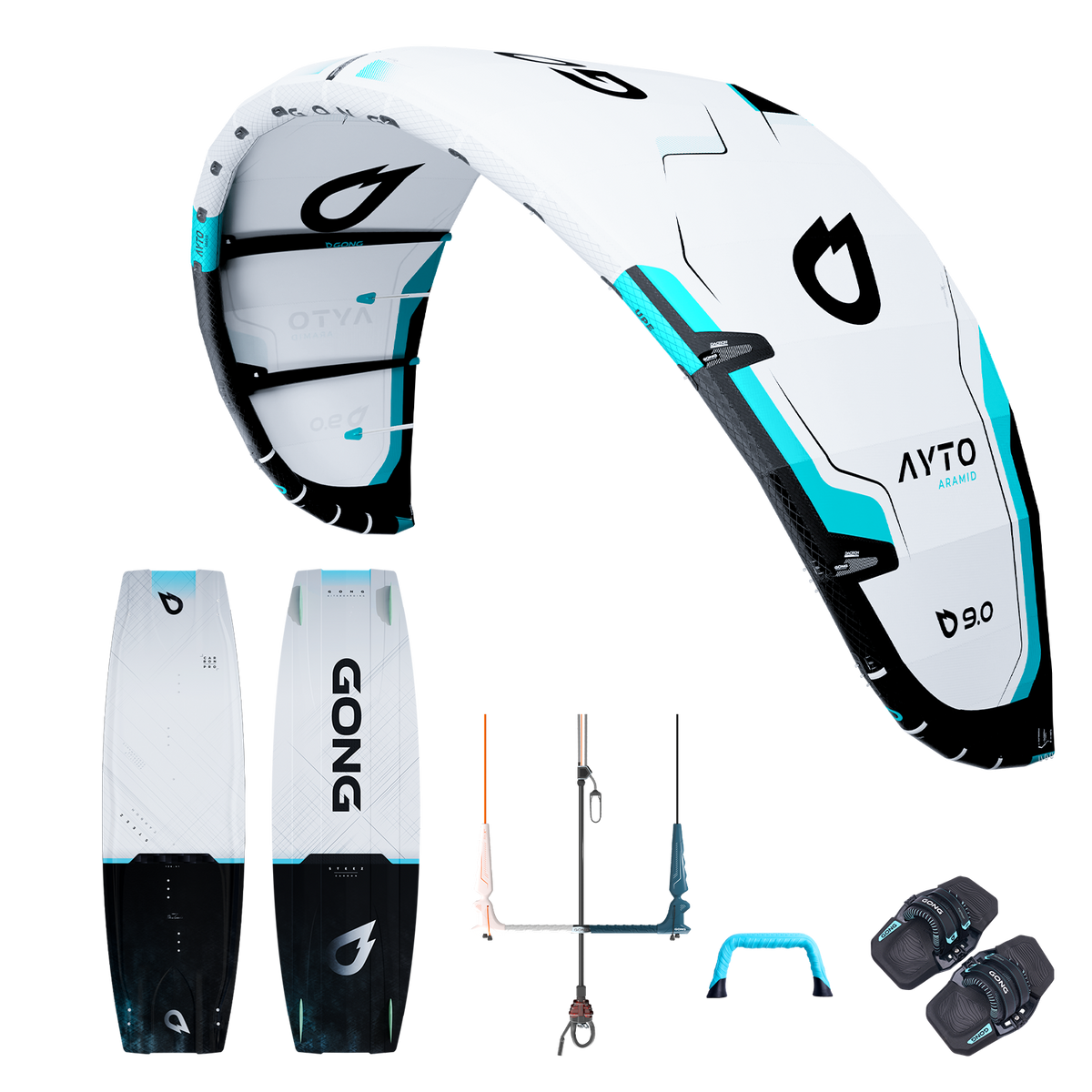
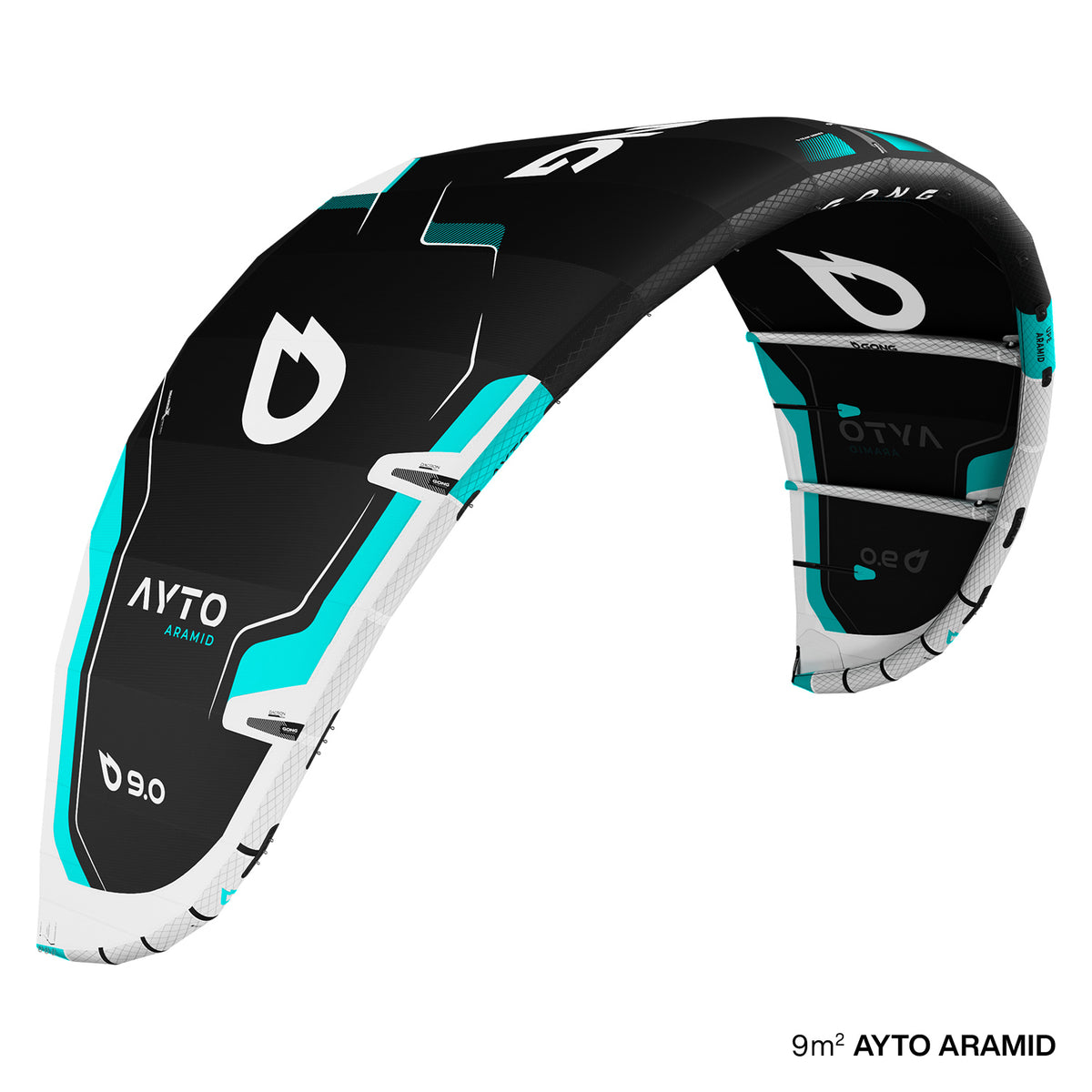
A higher-aspect kite has a wider wingspan and a narrower chord. Viewed from above (kite laid flat), it appears more elongated, like the Ayto. These kites have less baseline power but move more quickly and, as a result, generate more power per square meter once in motion. They’re responsive to handling, sometimes tricky, with a broad wind window and strong upwind capabilities. Historically used in racing, they are now popular for big air freestyle due to their superior lift and hang time. They are best suited for advanced riders.
While high-aspect ratios offer substantial performance benefits, they require more technical handling and demand good control and anticipation. They are less maneuverable and, depending on the shape, slower to pivot due to their wingspan (as with racing kites). Their large wind window makes them less stable in gusty conditions because they can fly far in the window and risk overshooting the zenith. They are also more challenging to relaunch than low-aspect kites in light wind.
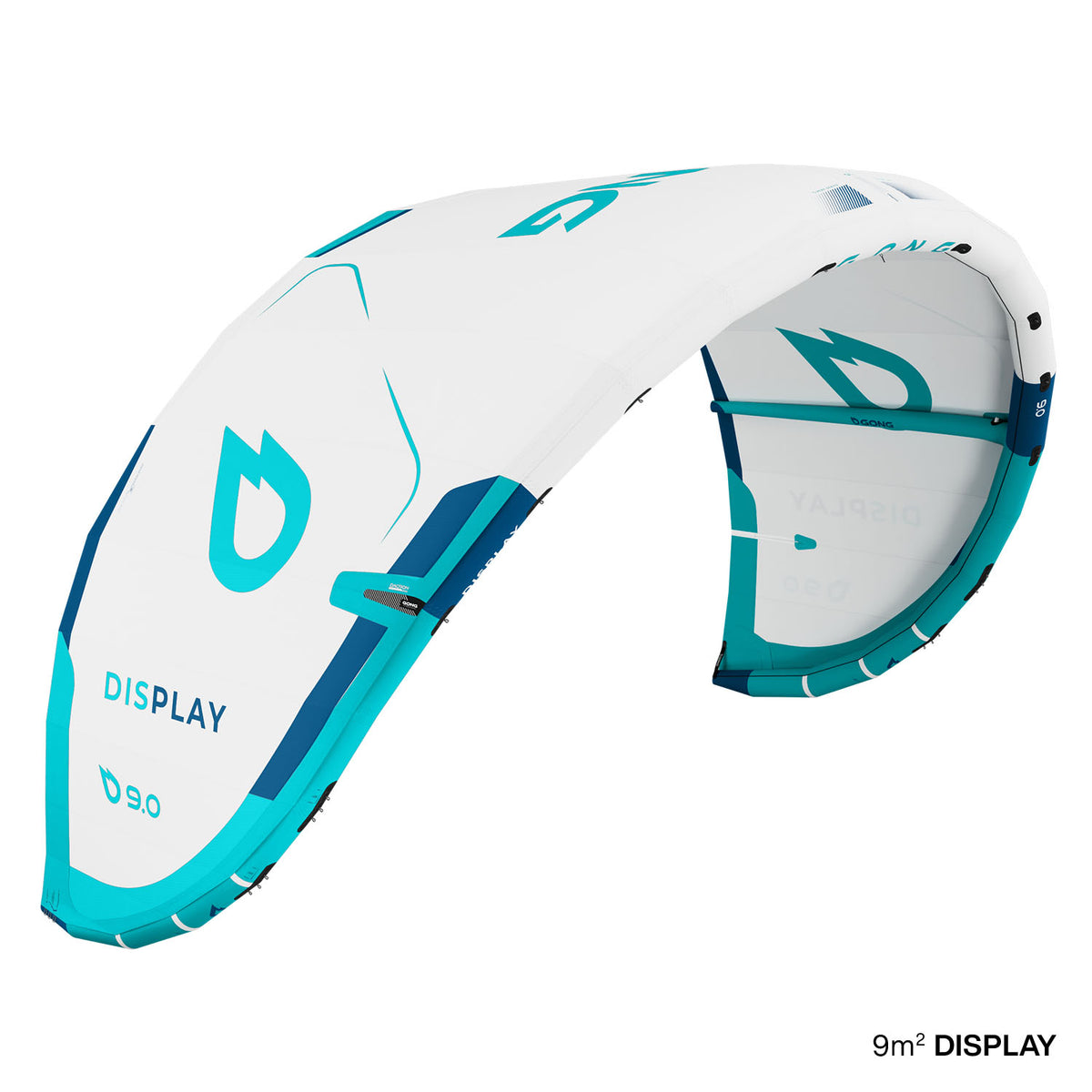
Low-aspect kites are more "stout." They have a more compact shape due to a smaller wingspan and a wider chord. Like our Display or Strutless Revo, these kites have solid baseline power, are very stable, and are easy to handle. They sit deeper in the wind window, giving excellent drift and stability. This type of kite is easier to control, making it ideal for all skill levels and great for freeride or wave riding. The drawbacks of this aspect ratio include lower speed/upwind performance and less lift and hang time.
For these reasons, most of our range revolves around variations with moderate aspect ratios, combining the benefits and minimizing the drawbacks. This factor is indicated in the product specs of each kite as the projection coefficient. The higher it is, the greater the aspect ratio.
To summarize:
- A stout kite (low aspect ratio) like the Strutless Revo is more maneuverable.
- An elongated kite (high aspect ratio) like the Ayto is faster and has excellent lift.
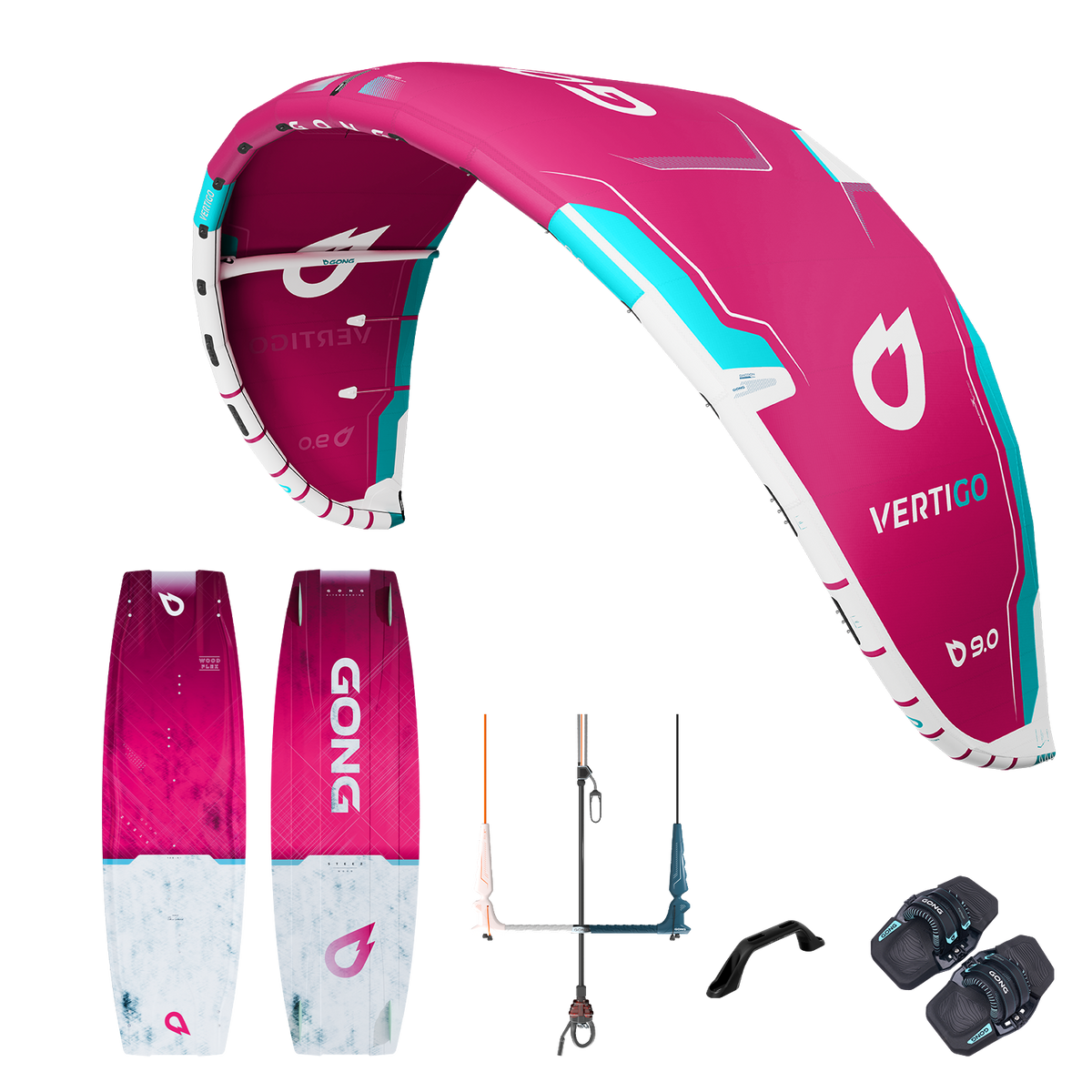
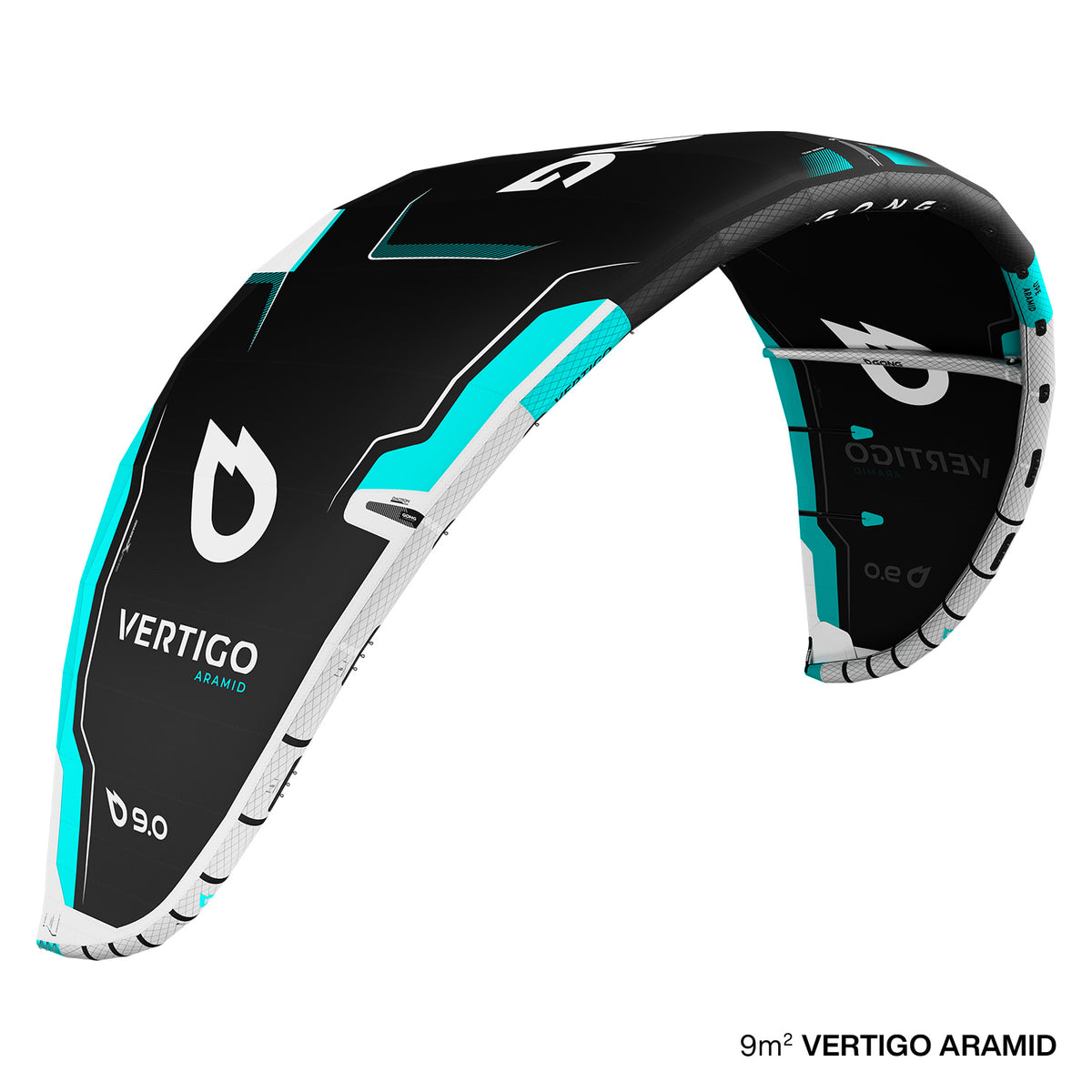
- A kite with a moderate-plus aspect ratio like the Vertigo balances performance and maneuverability well.
- A round kite like the Display or Elips is easy to relaunch.
- A kite with a lot of surface in the center, like the Unik, has more torque.
The number of struts:
Inflatable struts form the skeleton of your kite. Traditionally, more struts meant a "stiffer" kite. Today, with evolving practices and extensive work from designers on shape and bridle development, we've been able to modify the "classic" structures of our kites to reduce or even eliminate struts.
Five-strut kites: Kites like the Ayto generally feature a higher aspect ratio, targeting extreme performance in heavily powered or gusty conditions. That's why they require more struts to stabilize the profile. With these struts, the kite can withstand significant forces and handle aggressive riding.
Three-strut kites: A three-strut kite like the Vertigo has a stabilized profile that performs well even in challenging or overpowered conditions. It's perfect for freeride and strong winds. Three-strut kites offer the best balance between stiffness, weight, maneuverability, and versatility.
Single-strut kites: The Unik, with its single central strut, is lightweight and provides stable flight in light wind. This type of kite is versatile and easy to use for riders of all skill levels. The central strut helps maintain tension in the power zone and aids with relaunching. Ideal for light wind and all-terrain versatility!
Zero-strut kites: With the rise of kite foiling and the need to ride in the lightest wind possible, we developed zero-strut kites like the Strutless and Strutless Revo. The result is maximum weight reduction for a significant performance boost. With no inflatable struts, drag is reduced to a minimum. These kites are generally recommended for intermediate to advanced riders for kite foiling or surf kiting.
Bridles With or Without Pulleys?
To maximize the versatility of our kites, we've developed several types of bridles. Depending on the intended use and desired feel, we use anywhere from zero to three pulleys per side on the front lines.
Each setup caters to specific needs: depower, maneuverability, direct feel, etc.
If we're aiming for maximum versatility with ultra-precise, super-linear control and kite twist, like with the VERTIGO, the three-pulley system is fantastic! Your bridle maintains consistent tension regardless of the kite's position in the wind window. It delivers nearly instant, perfect control with linear power even when the kite is trimmed. Depower capability is at its peak.
For simplicity and forgiveness, a single-pulley bridle is the way to go. It offers significant depower while maintaining a decent kite response. On a kite like the DISPLAY, its simplicity provides reassurance, reduces wear, and significantly increases the sense of safety.
Extreme responsiveness? Zero pulleys! A pulley-less kite sacrifices some forgiveness and smooth handling but gains immense aggressiveness and performance. Our ELIPS and AYTO kites are unapologetically pulley-free, prioritizing responsiveness and reactivity. With fast turns and ultra-precise bar feel, this setup is a game-changer for this kind of program!