Your cart is empty!
It's flat around here...
High-modulus carbon is a cutting-edge technology, renowned for its tensile strength and stiffness. It allows us to offer the dynamism of a carbon mast with reduced thickness, while maintaining total reliability.
A direct and precise feel
Fewer parasitic movements
Greater confidence in your stance
More efficient pumping
Better control in turbulence
Responsiveness that becomes instinctive
Explanations 👇
 Wing foiler: Vilayta, GONG team rider, with an HM85 V3 mast and a Sirus V3 foil.
The term “high modulus” comes from the modulus of elasticity (or Young’s modulus), which measures the stiffness of a material. The higher the modulus, the less the material deforms when a force is applied.
That’s the key characteristic of high-modulus carbon: extreme stiffness. Why? Because HM carbon is obtained by stretching the fibers further and heating them to a higher temperature, which strongly aligns the carbon chains. This very ordered internal structure gives a high elastic modulus, and therefore greater stiffness. Conventional carbon is less stretched and less well aligned.

 SUP foiler: Mathieu, GONG team rider, on an Intruder EPS Pro, with an HM85 V3 mast and a Veloce V3 foil.
The TORAY M40J High Modulus carbon used in our HM masts delivers incredible stiffness. This is a premium-grade carbon that offers outstanding mechanical properties while remaining durable. It’s a carbon widely used in the aerospace industry as well as in high-end sporting equipment. Its superior mechanical characteristics, such as tensile strength and a high Young’s modulus, make it possible to achieve exceptional on-water performance.

In truth, it’s simply a matter of budget. There is no minimum skill level required to move to a high-modulus carbon mast. Quite the opposite: it helps intermediate foilers be more precise and stay in control. With a less rigid mast, small flexes can create steering deviations and lead to crashes. These effects are even more noticeable when your movements don’t yet have the precision of an experienced foiler.
So it’s never too early to switch to a high-modulus carbon mast. Above all, it’s an investment in your progression curve and a major comfort upgrade during sessions.
For experienced foilers, it’s the essential tool to push harder with total confidence. An HM mast ensures full, direct transmission of your input to the foil.
 Surf foiler: Malo, GONG team rider, on a Lemon FSP Pro, with an HM77 mast, Fluid front wing, and Surf-Freestyle stabilizer.
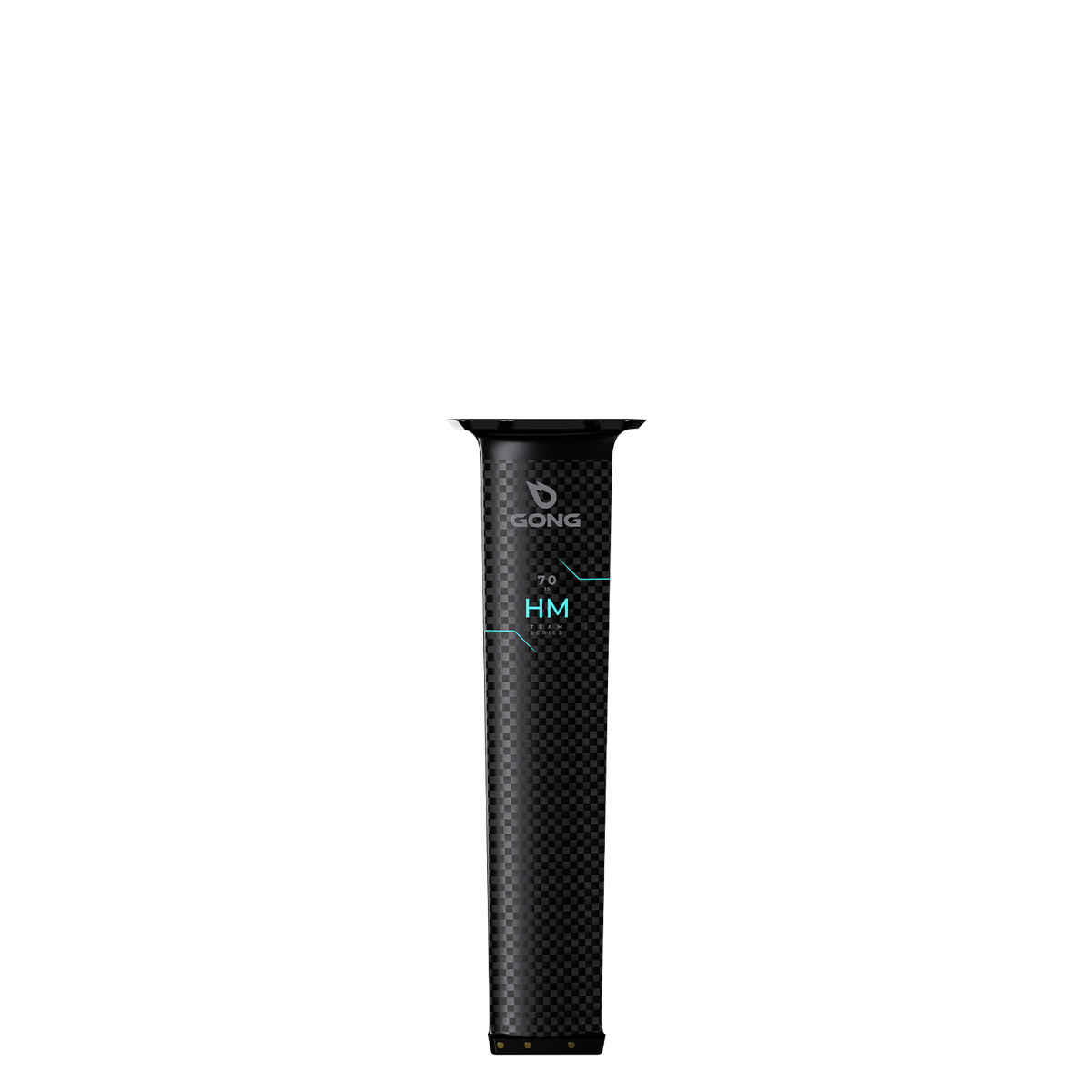
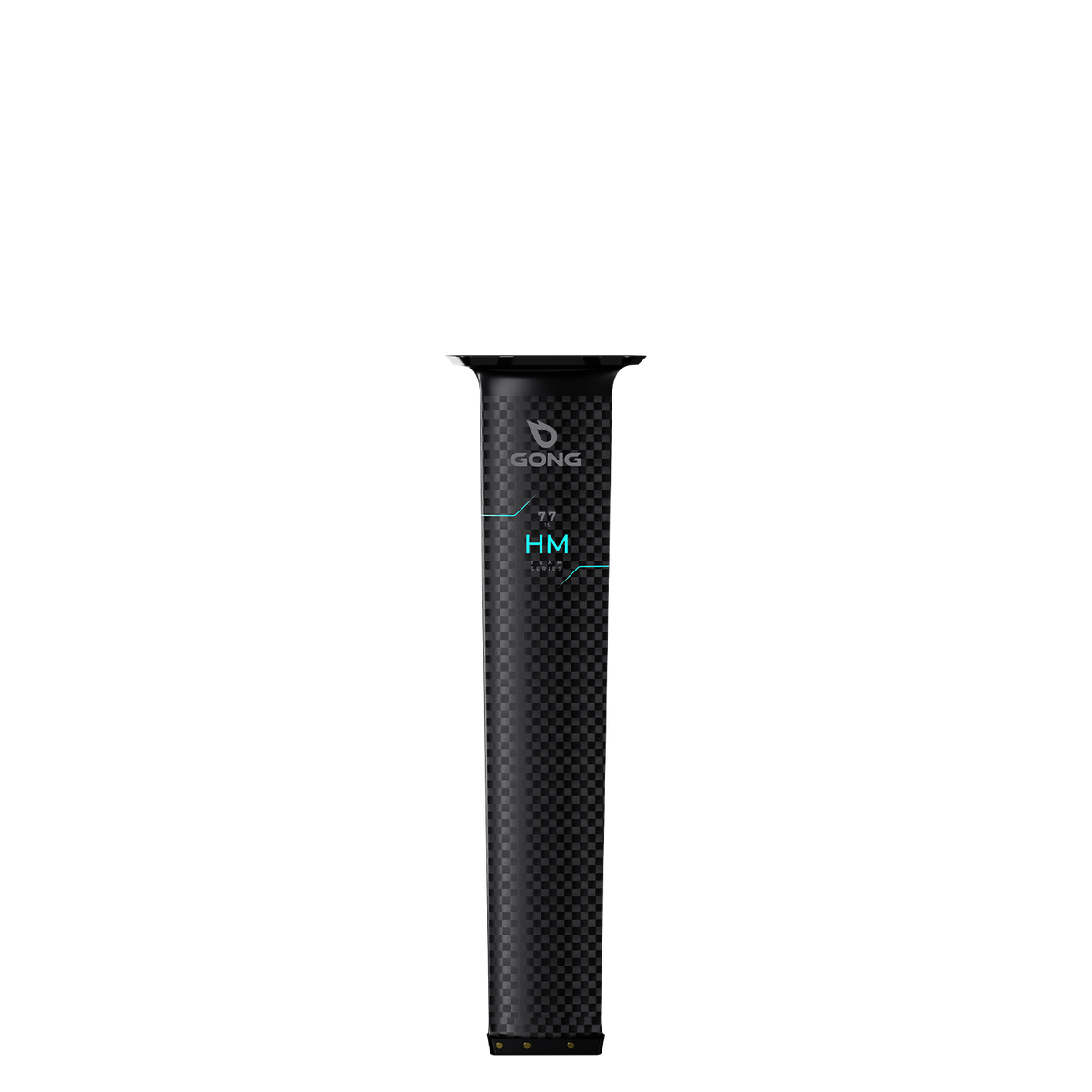
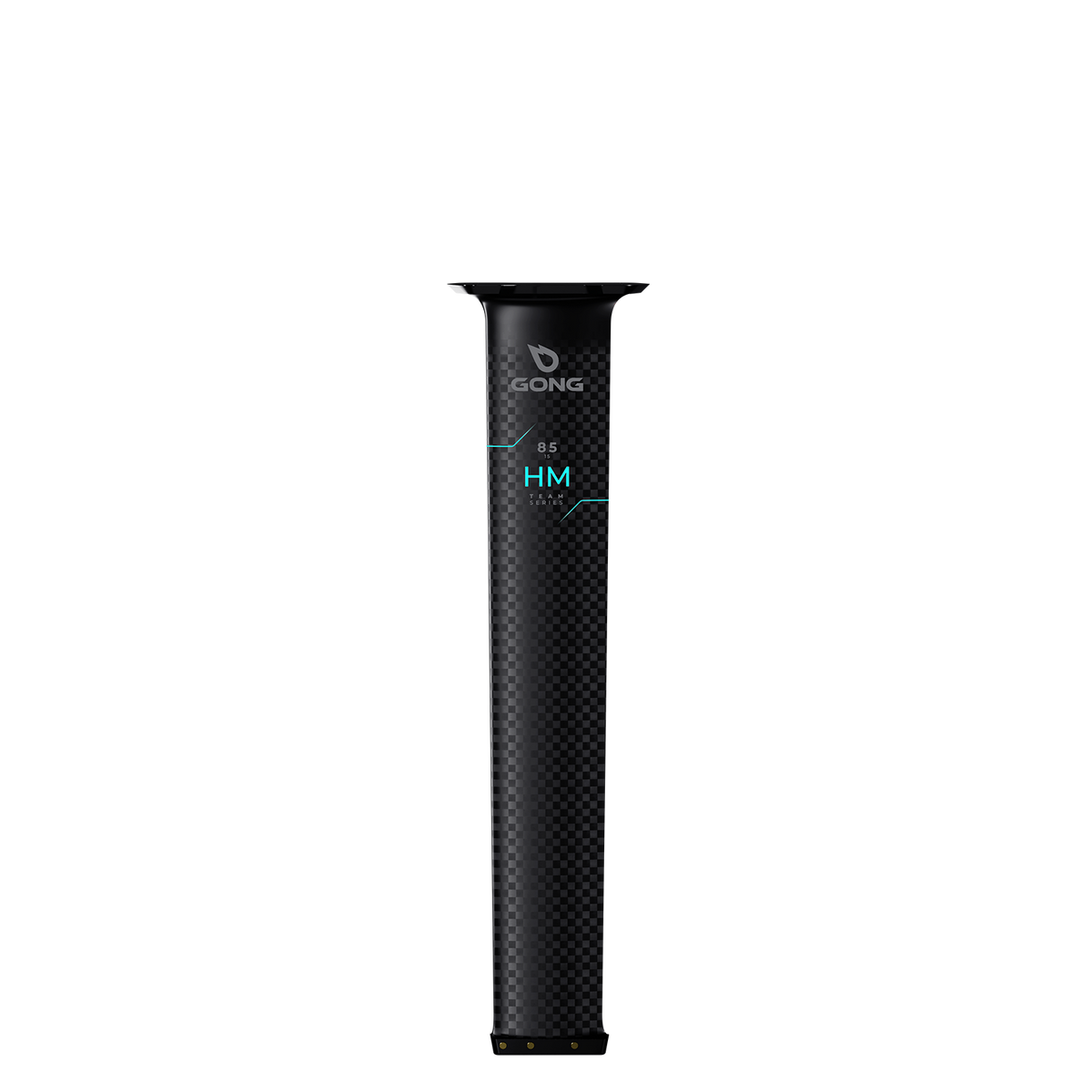
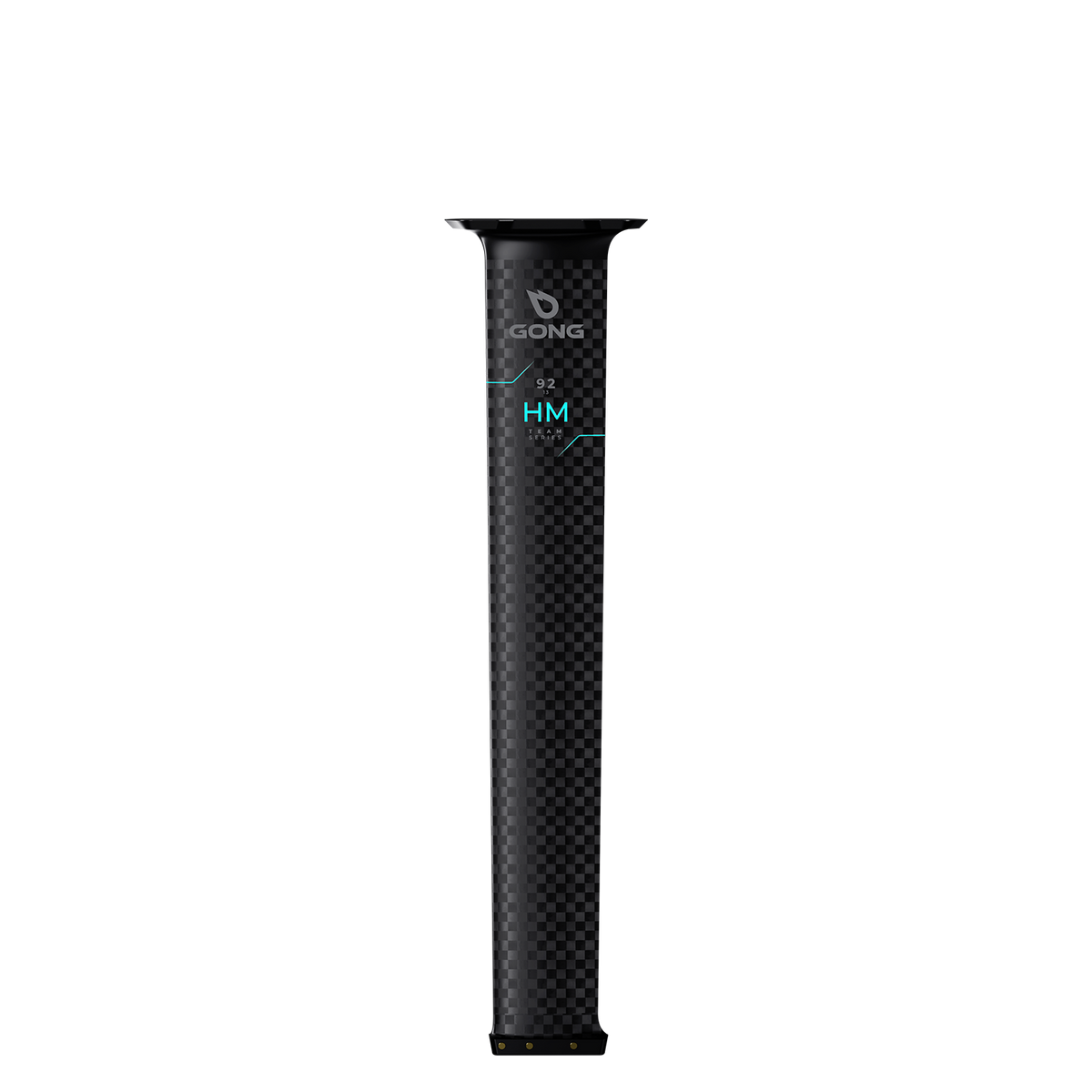
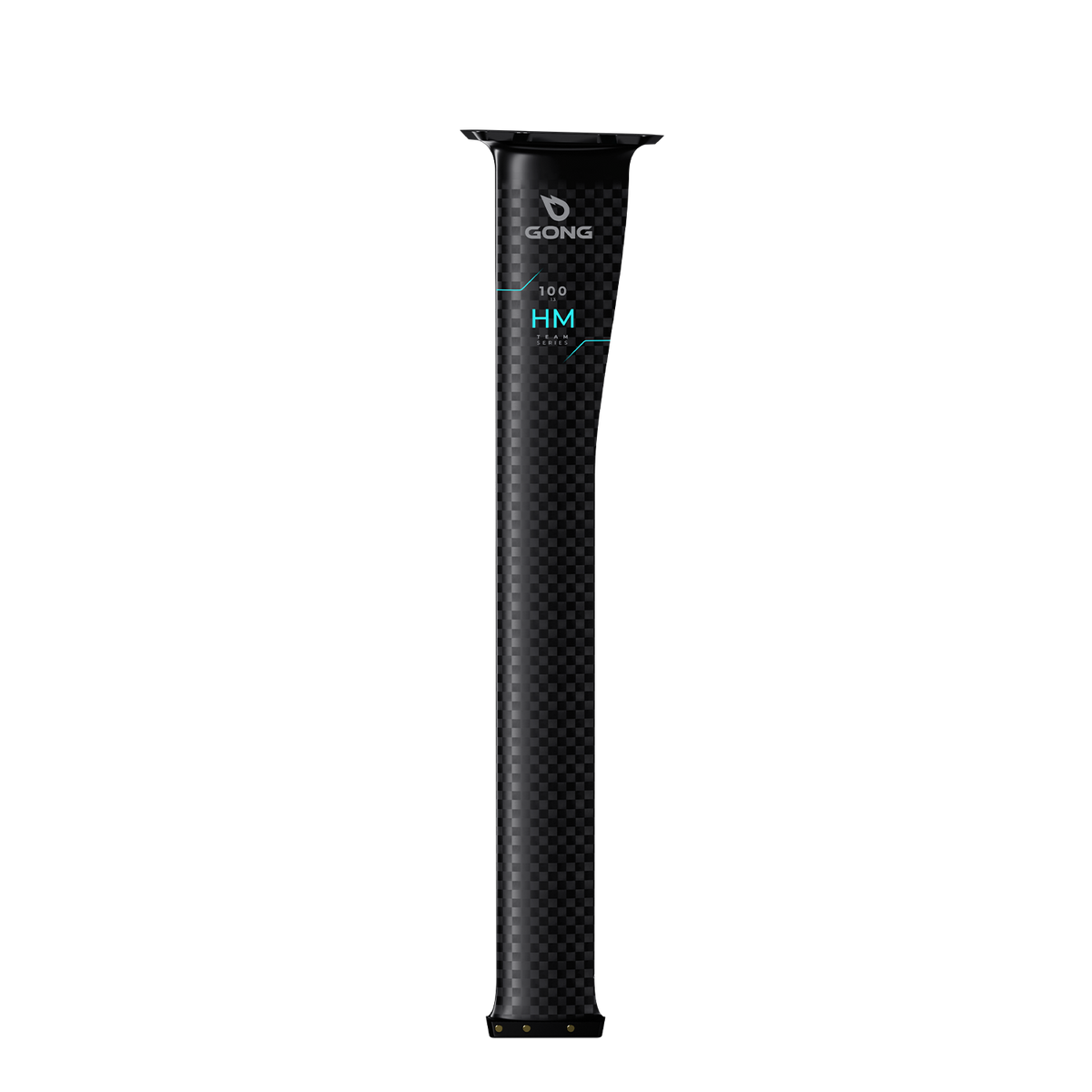
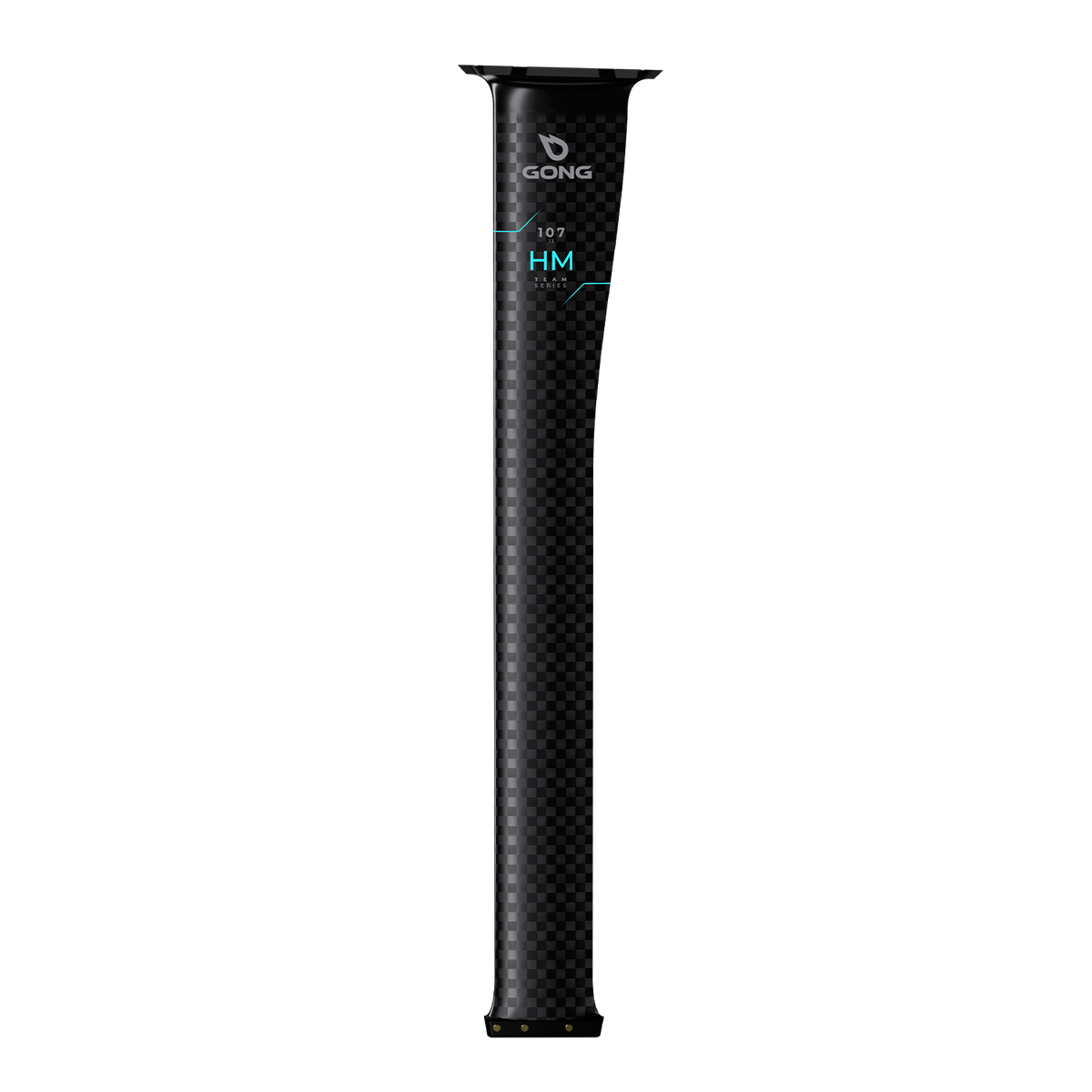
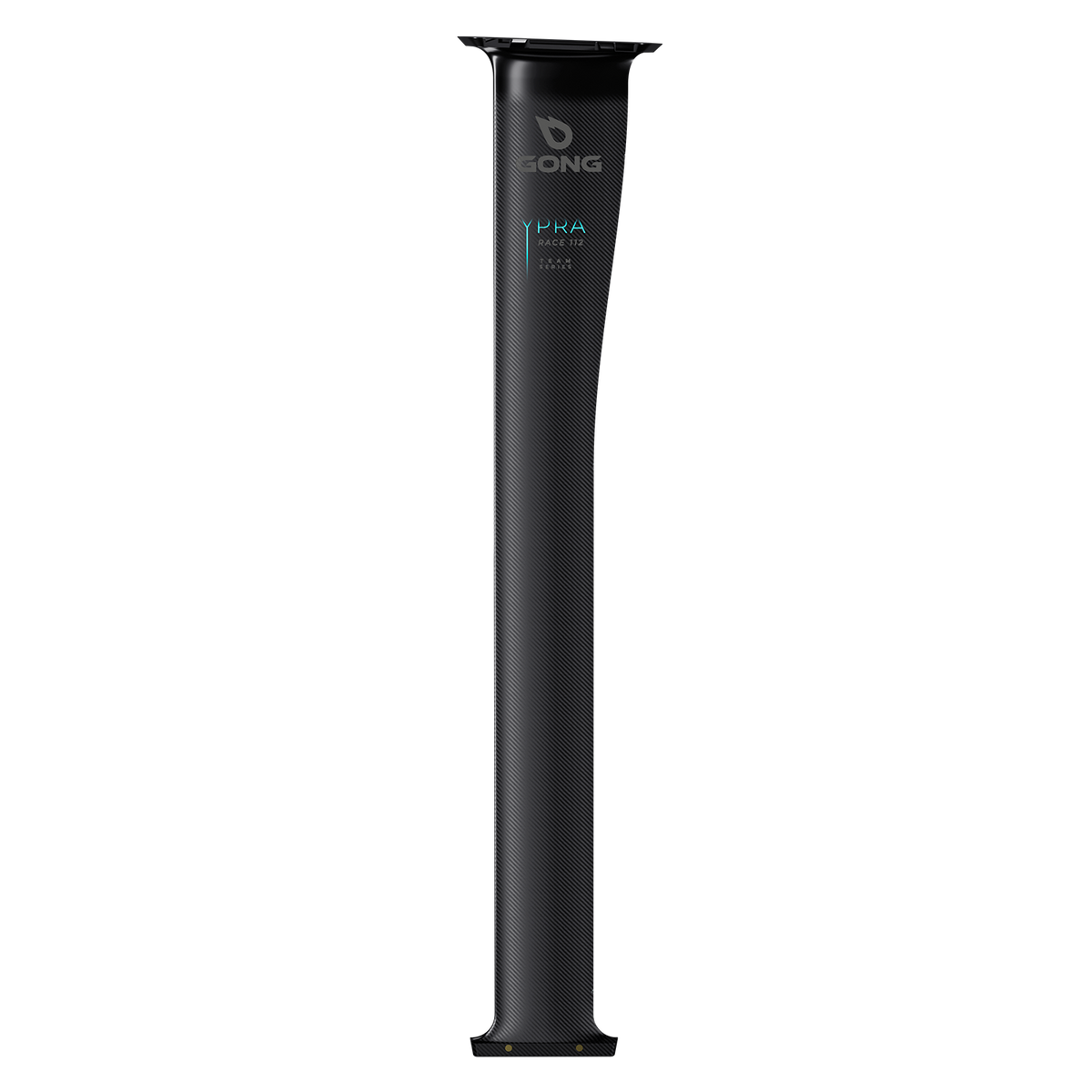
To cover all foiling disciplines (wing foil, surf/SUP foil, kite foil, pump foil, or wake foil), we offer the HM70, HM77, HM85, HM92, HM100, HM107 and Ypra Race 112 masts.

Ci-dessous nos recommandations en fonction du sport que vous pratiquez :

Using front wings with very large spans requires masts capable of handling the enormous mechanical loads they generate. For these giant wings (from 120 cm span and up), specific HM mast shapes have been developed. These include the 70HM/19 mm, 77HM/19 mm, and 85HM/16 mm masts.
Their use is strongly recommended to extract the full potential of these wings, which are magical in light conditions. Just like the Titanium Pro fuselage, which guarantees durability under the high stresses associated with this type of wing, especially during pumping.
On these specific shapes, the fillets at the top plate have been completely redesigned to distribute loads across the entire length. This geometry maximizes torsional stiffness.

Découvrez notre offre de mâts Alu, Carbone et Carbone HM.