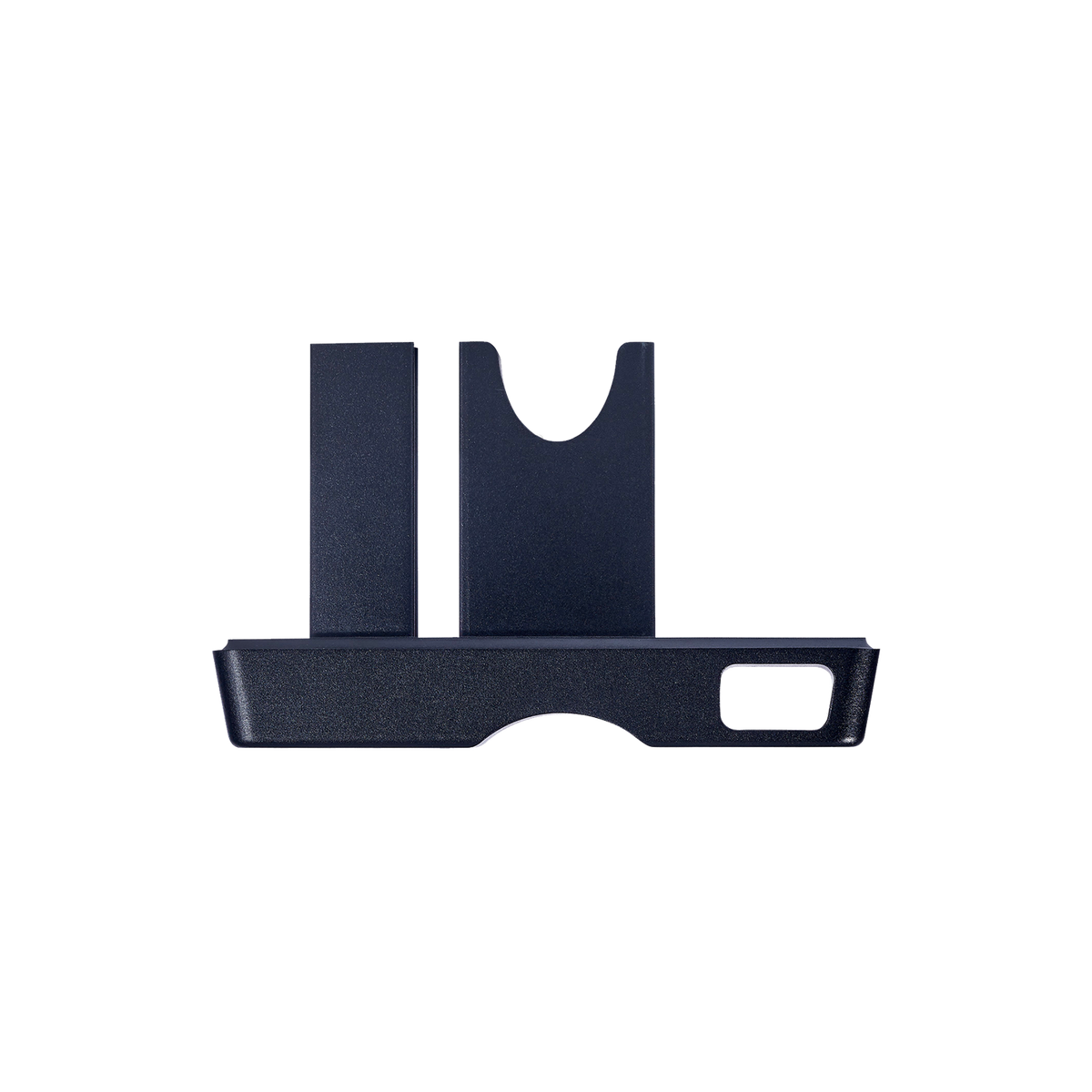
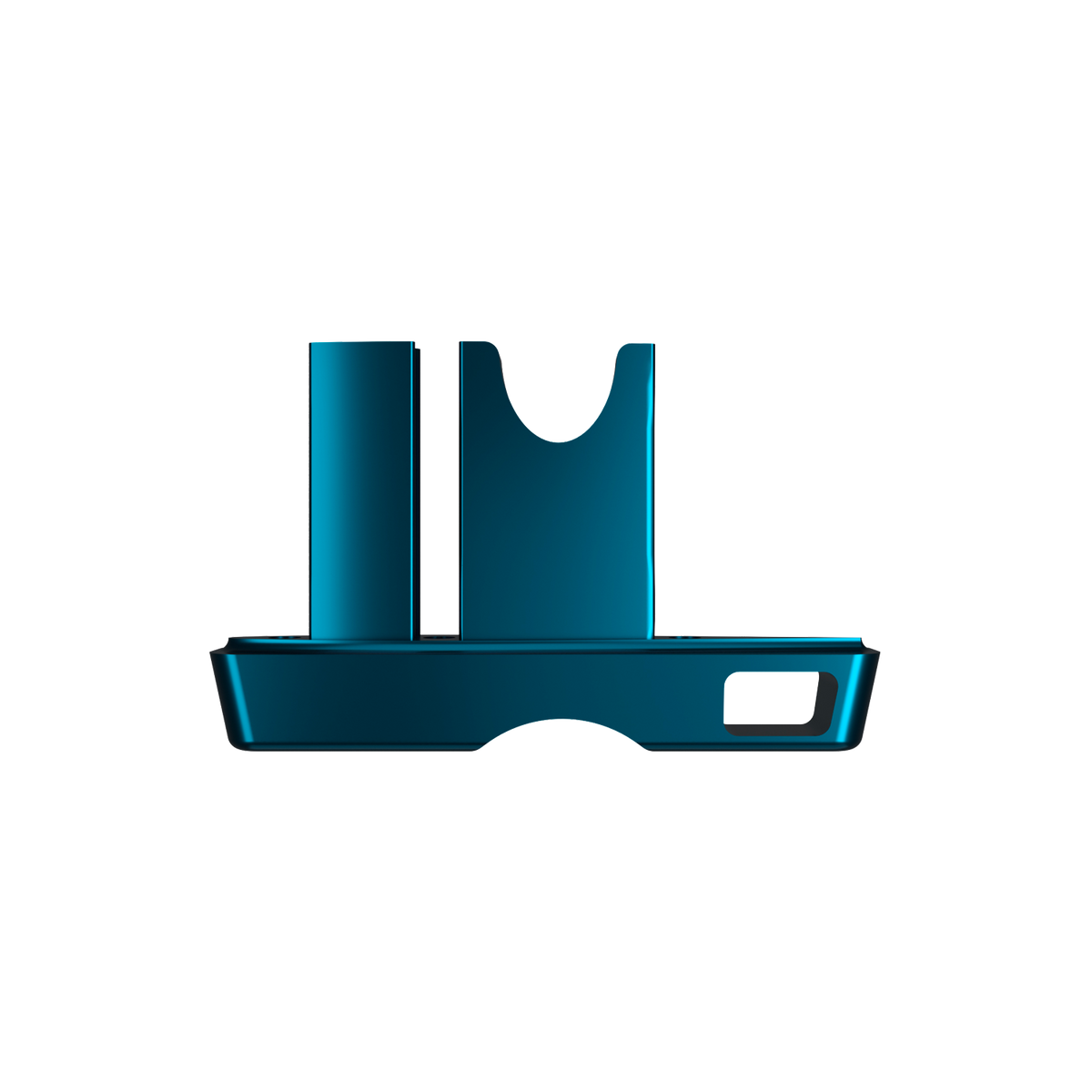
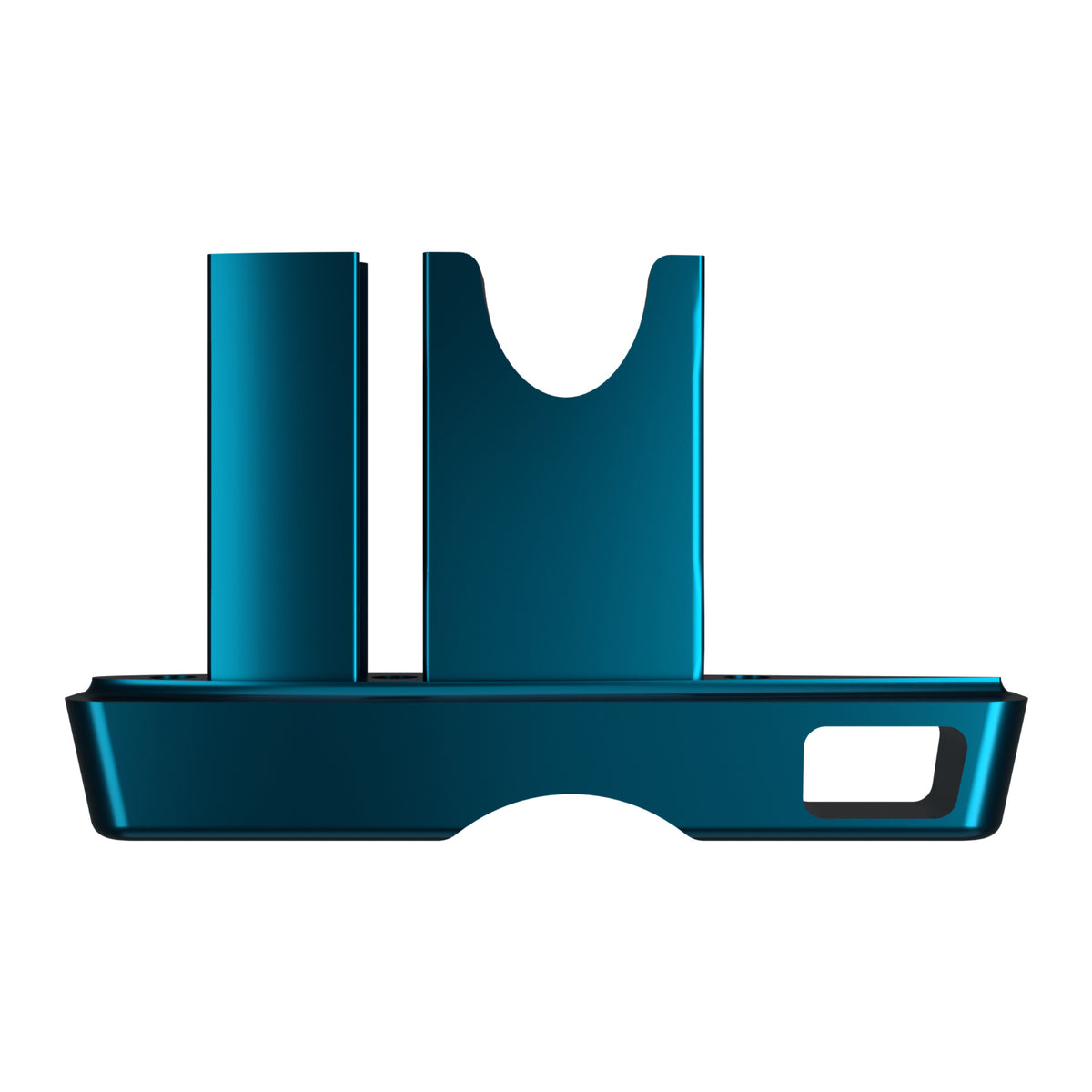
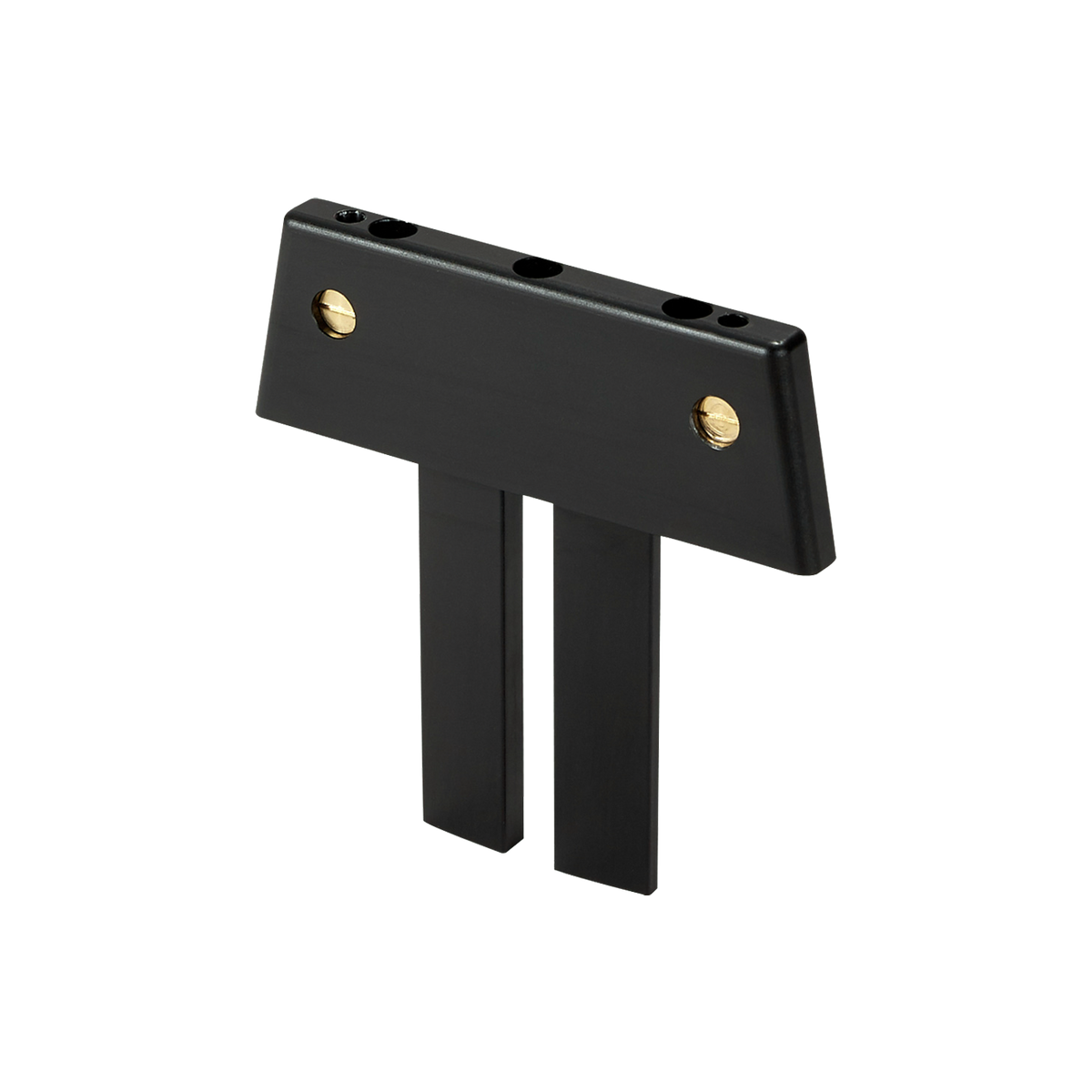
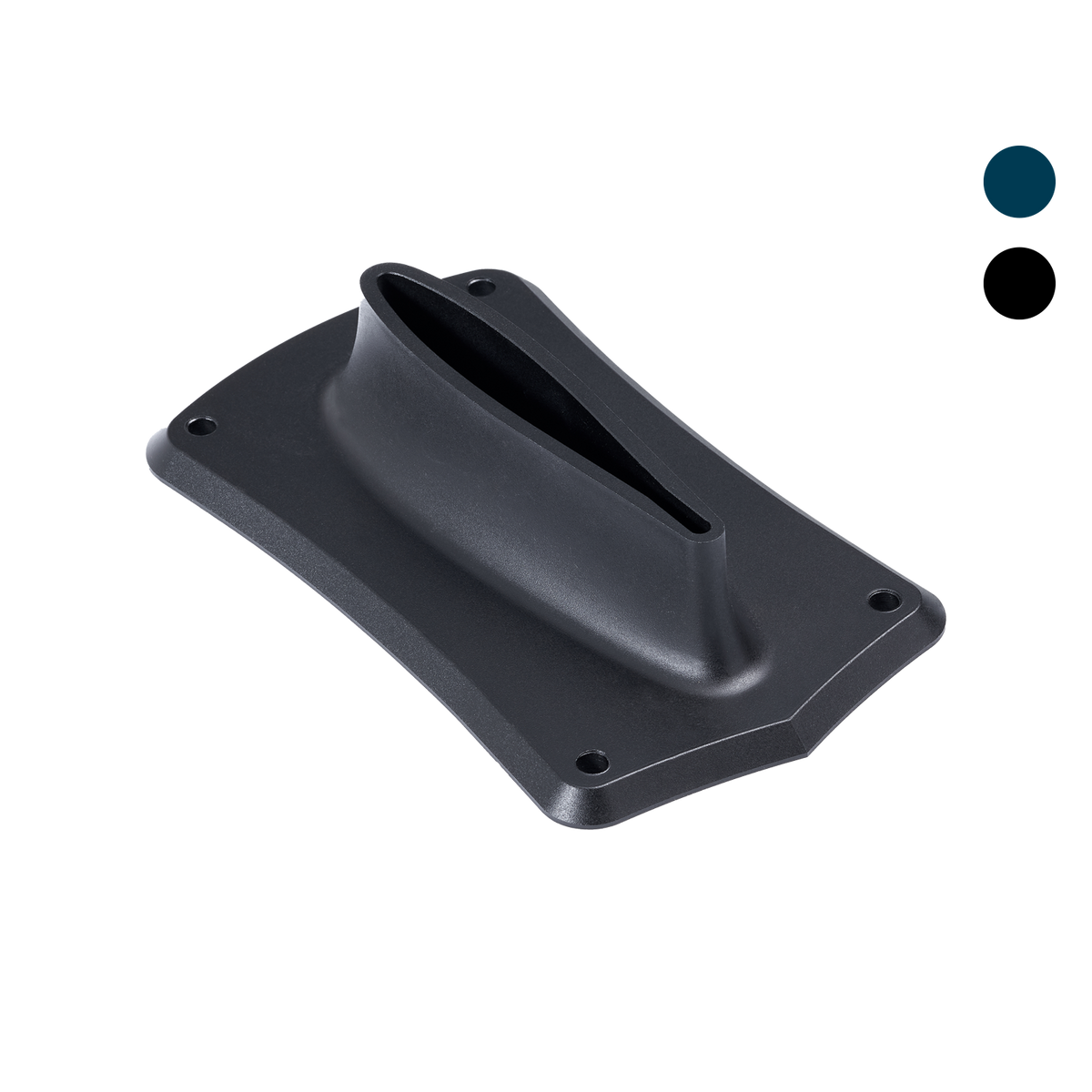
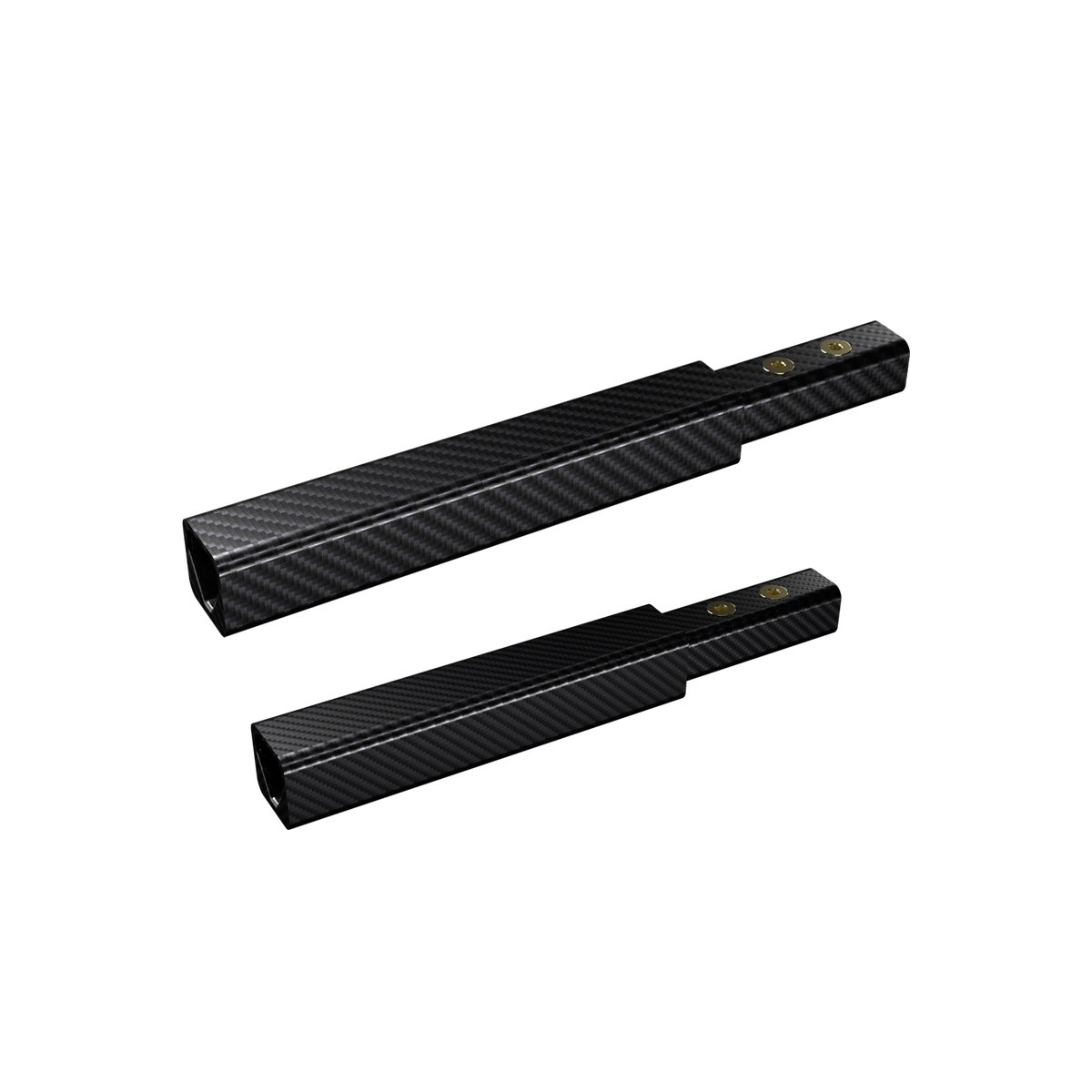
Here is a detailed guide to understanding the pairing principles between front wings and stabilizers in the GONG V3 range, aimed at optimizing the performance of each foil based on the program and user preferences. The goal is to enable effective customization of the foil according to expectations, whether it's to enhance the basic characteristics of a front wing or to attenuate certain aspects depending on specific needs.
Standard Pairings or Mixes?
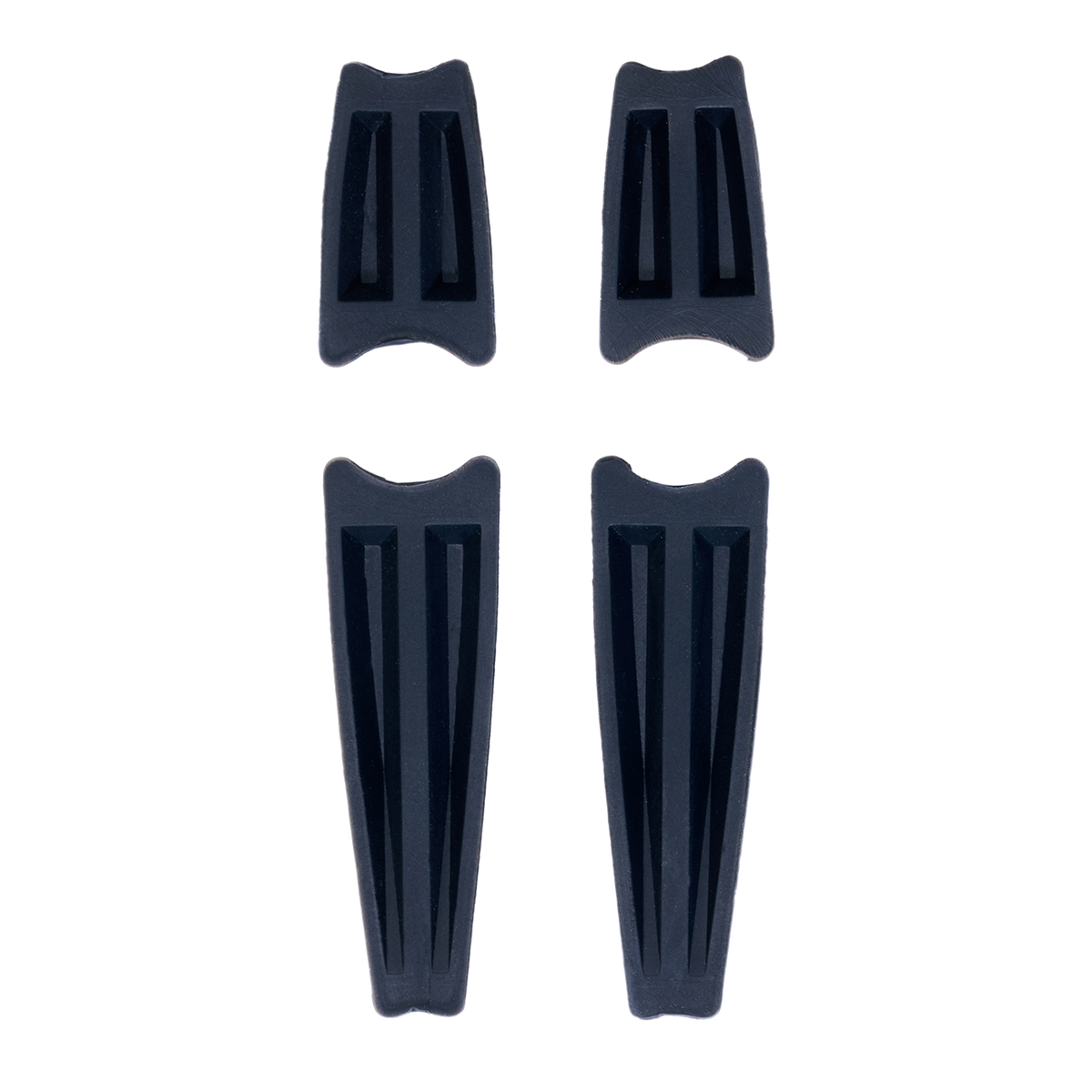
Traditionally, a front wing is paired with the stabilizer from the same program: for example, a Curve V3 with a Curve stabilizer for an optimal balance of stability and maneuverability, which aligns with the base performance intended for the Curve program. However, it is entirely possible to mix different stabilizers to modulate the characteristics of the front wing:
Performance Pairing for Surfing:
Pairing a Fluid V3 with a Fluid stabilizer is ideal for achieving fast glide, dynamic responsiveness, and a turning behavior that perfectly meets the demands of committed surfing. However, by choosing a Curve stabilizer for the Fluid, you enhance maneuverability by tightening turns while sacrificing a bit of top speed. This pairing would suit those seeking more control in surfing at the cost of a slightly reduced maximum speed.
Optimization for Freeride:
Using a Curve V3 with a Fluid stabilizer will increase speed and glide, perfect for those looking to extend the freeride performance of the Curve. This setup maintains enhanced glide while keeping the Curve’s tolerance, making it ideal for those who prefer faster riding without compromising stability.
Stabilizer Size: Adjustment and Influence
The choice of stabilizer size relative to the front wing plays a crucial role in the foil's overall behavior. Here are some general principles:
Size-Matched Pairing:
By following the standard pairing (for example, a size L front wing with a size L stabilizer), you ensure optimal balance. This pairing is the most intuitive for most riders, offering a good compromise between lift, stability, and maneuverability with self-stabilizing characteristics.
Reducing Stabilizer Size:
By choosing a smaller stabilizer (e.g., an M stabilizer with an L front wing), the foil becomes more technical and less stable. This reduces the influence of the front foot, offering increased maneuverability but requiring high technical skills for precise handling. This combination suits experienced riders looking for a more reactive foil for radical maneuvers.
Increasing Stabilizer Size:
Opting for a larger stabilizer (e.g., an XL stabilizer on an L front wing) makes the foil more stable, enhances front-foot lift, and improves self-stability. It can also compensate for slight handling errors by keeping the foil better aligned with the water flow. While this increases drag, this setup allows some riders to gain more control, especially to improve cruising speed while keeping the foil perfectly aligned.
Pairing Tips by Program
The choice of pairing between front wing and stabilizer depends on the desired program, and it is essential to take this into account to optimize performance:
Lightwind and Glide:
In lightwind conditions, front wings like the Sirus V3 or Veloce HDW paired with a stabilizer from the same program provide superior lift and glide, ideal for maintaining flight in low-energy conditions. However, if the goal is to gain maneuverability while maintaining good lift, a Curve stabilizer can be chosen with the Sirus or Veloce to balance lift and responsiveness.
Freeride and Surf:
For aggressive surfing, a Fluid V3 with a Fluid stabilizer ensures dynamic glide and carving responsiveness. Adding a Curve stabilizer to a Fluid tightens the turns, which may be desired for a more engaging surfing feel. For freeride, a Curve V3 paired with a Fluid stabilizer increases top speed, energizing performance without losing stability.
Racing and Downwind:
In racing configurations, larger, more streamlined stabilizers like the Ypra Race or Veloce stabilizers allow for maximum control in downwind conditions. Pairing a downwind front wing with a slightly larger stabilizer ensures smooth axis maintenance and continuous stabilization, beneficial for those looking for linear performance in races.