Your cart is empty !
It's flat around here...
Choosing the right board is key to learning surf foil (also called prone foil) smoothly. It is just as important as choosing the foil. A suitable board helps speed up progression, reduce fatigue, and avoid the frustrations of the first sessions.
allow you to paddle comfortably to easily generate speed and catch waves as early as possible
be stable at take off to make lift-off easier
allow you to take off in small conditions
be forgiving to touchdowns and positioning mistakes
The first sessions ideally take place in waves of 30 to 50 cm, with little energy. These are the conditions where learning is easiest and most effective. A forgiving and buoyant board, suited to small conditions, is therefore a major advantage.

For a beginner in surf foil, length and volume are the two most important criteria.
A longer board:
paddles faster
makes catching waves easier
offers more stability
More volume:
improves buoyancy
makes take off easier in small and weak conditions
forgives more mistakes
The easier the board, the more waves you will catch. The more waves you catch, the faster you will progress. And remember that paddling 300 m on a 5’3 is already demanding. So starting on a 4’2 would be a bad idea.
Unlike traditional surfing, once flying, the board no longer touches the water. Performance in surf foil therefore depends less on length than on the ability to take off easily. That is why a board is rarely too big or too voluminous for a beginner.
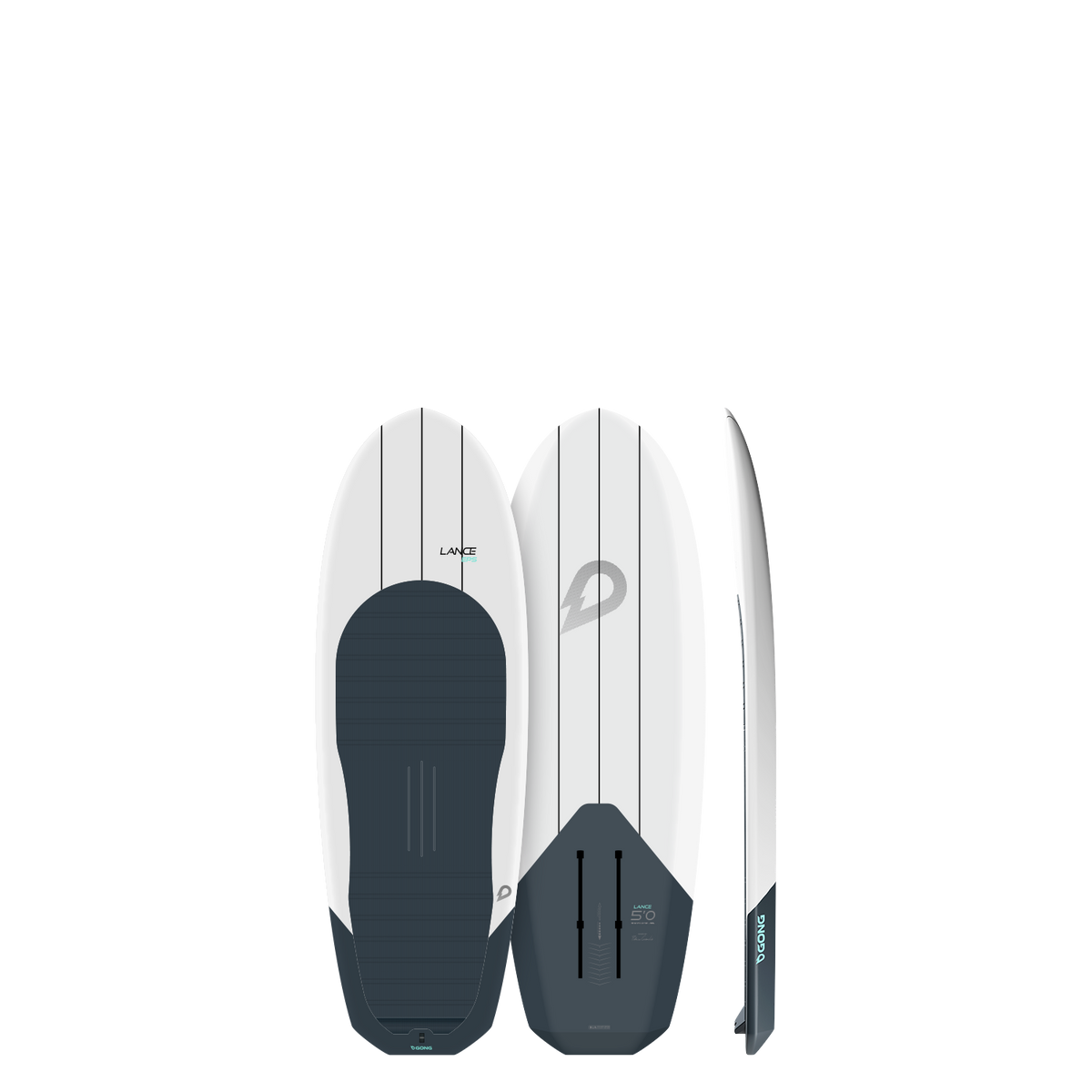
The Lance remains an excellent choice for its forgiveness and ease of use, here are our recommendations according to your size:
65 Kg → 5'0 / 40 L
65 > 80 kg → 5'3 / 45 L
80 kg → 5'6 / 51 L

Surf foiler: Ahiri, GONG team rider, on a Lance EPS.
It is not necessary to be a surfer to start surf foiling. However, your experience in traditional surfing influences the choice of your first board. If you are already used to riding performance shortboards, simply choose a volume around half your body weight.
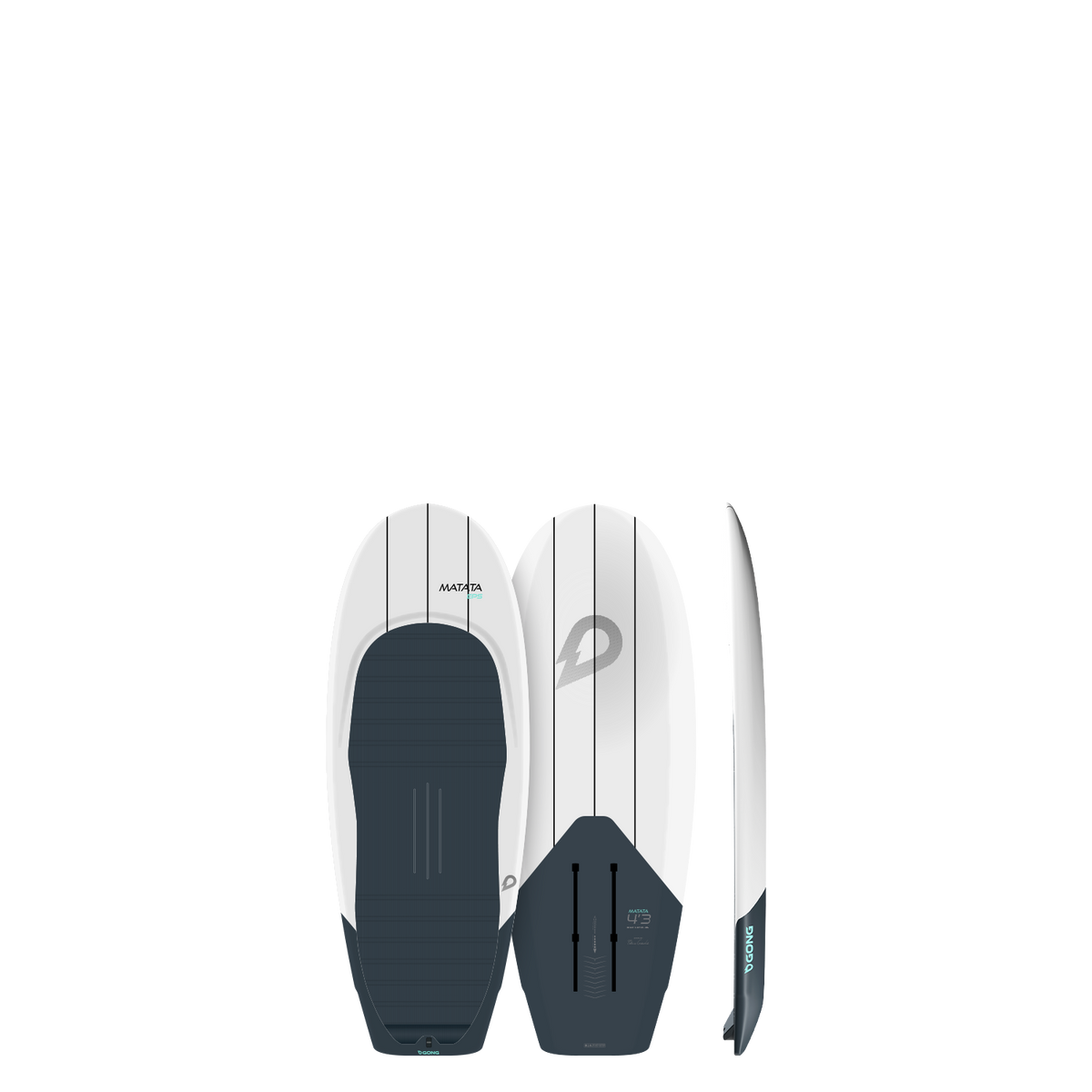
If you’re surfing regularly, you can also consider the Matata. A shorter and more dynamic shape in the GONG range, while remaining accessible at take off for an experienced rider. It will offer more performance once flying, especially in pumping and direction changes.
Having foil experience without being a surfer is also an advantage, but this will influence the choice of the foil rather than the board. If you have never had the opportunity to paddle and position yourself in a line up, we recommend choosing a Lance suited to your weight, stable and easy to paddle.
 Surf foiler: Mathieu, GONG team rider, on a Matata EPS.
Beyond shape and volume, the construction of the board influences weight, strength and intended use. With EPS construction and fiberglass lamination, you benefit from a light, lively and forgiving board. This type of construction absorbs small mistakes better and offers an excellent weight/strength ratio for a classic surf foil program. It is a consistent choice for starting and progressing confidently in the waves. It is therefore logically the one offered for the Lance.
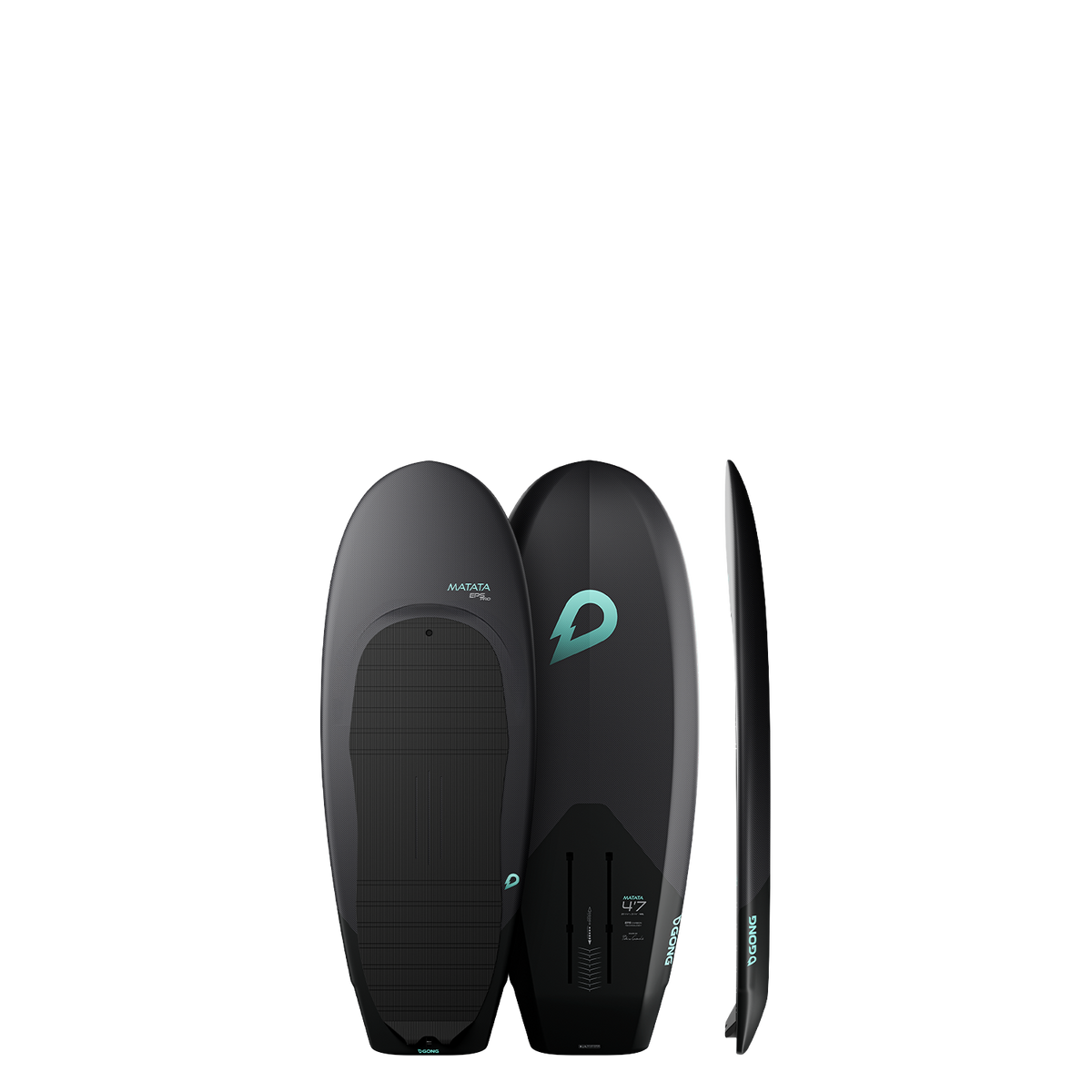
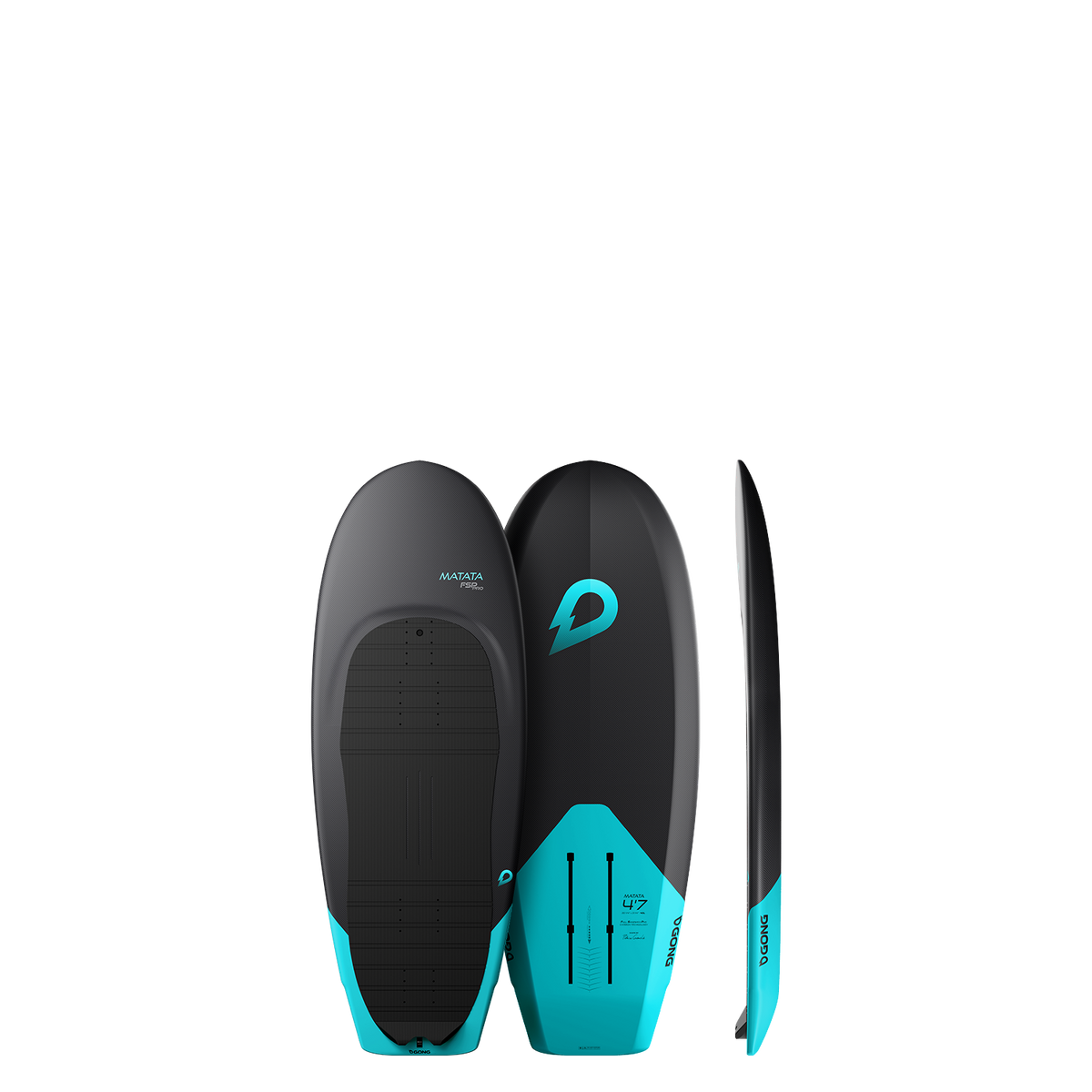
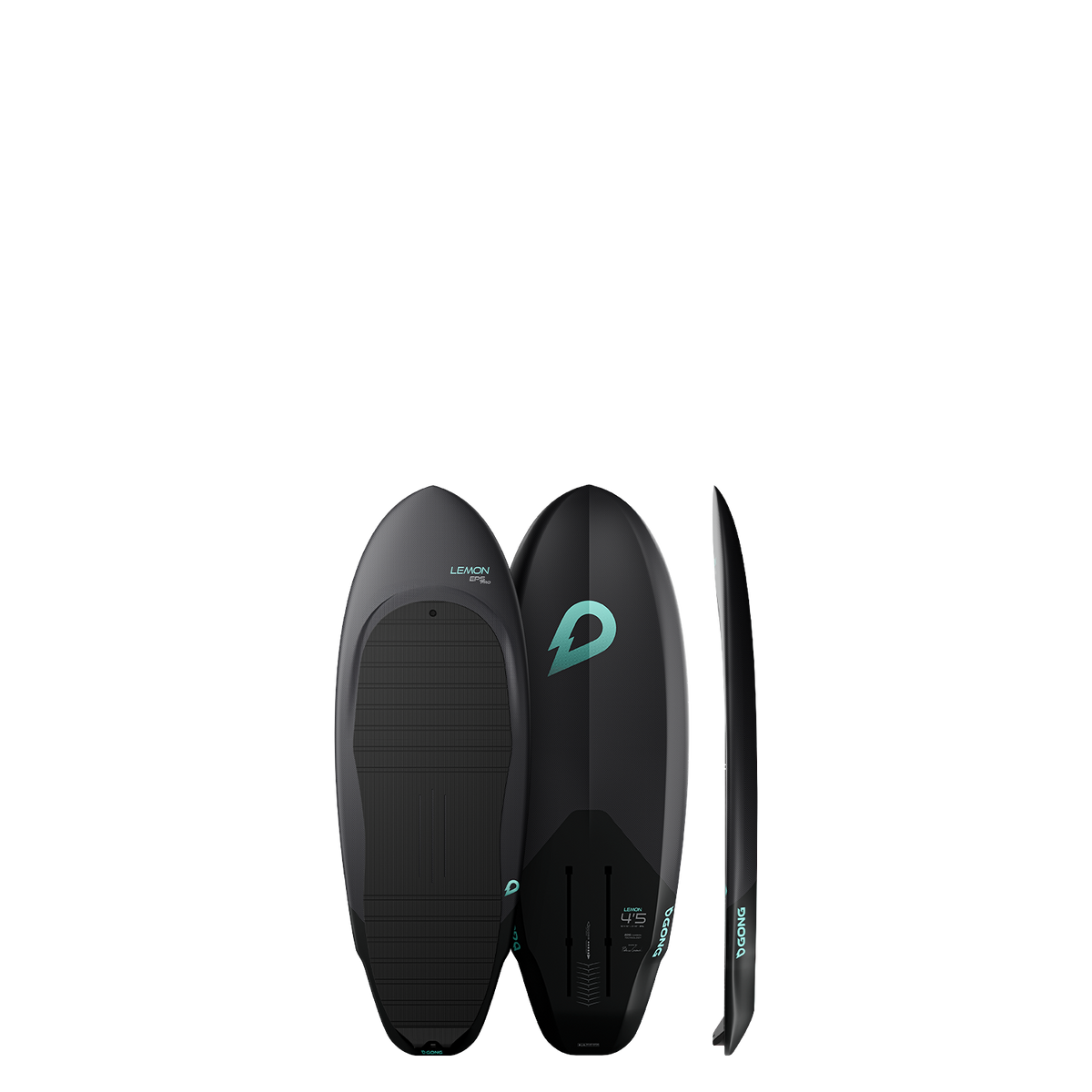
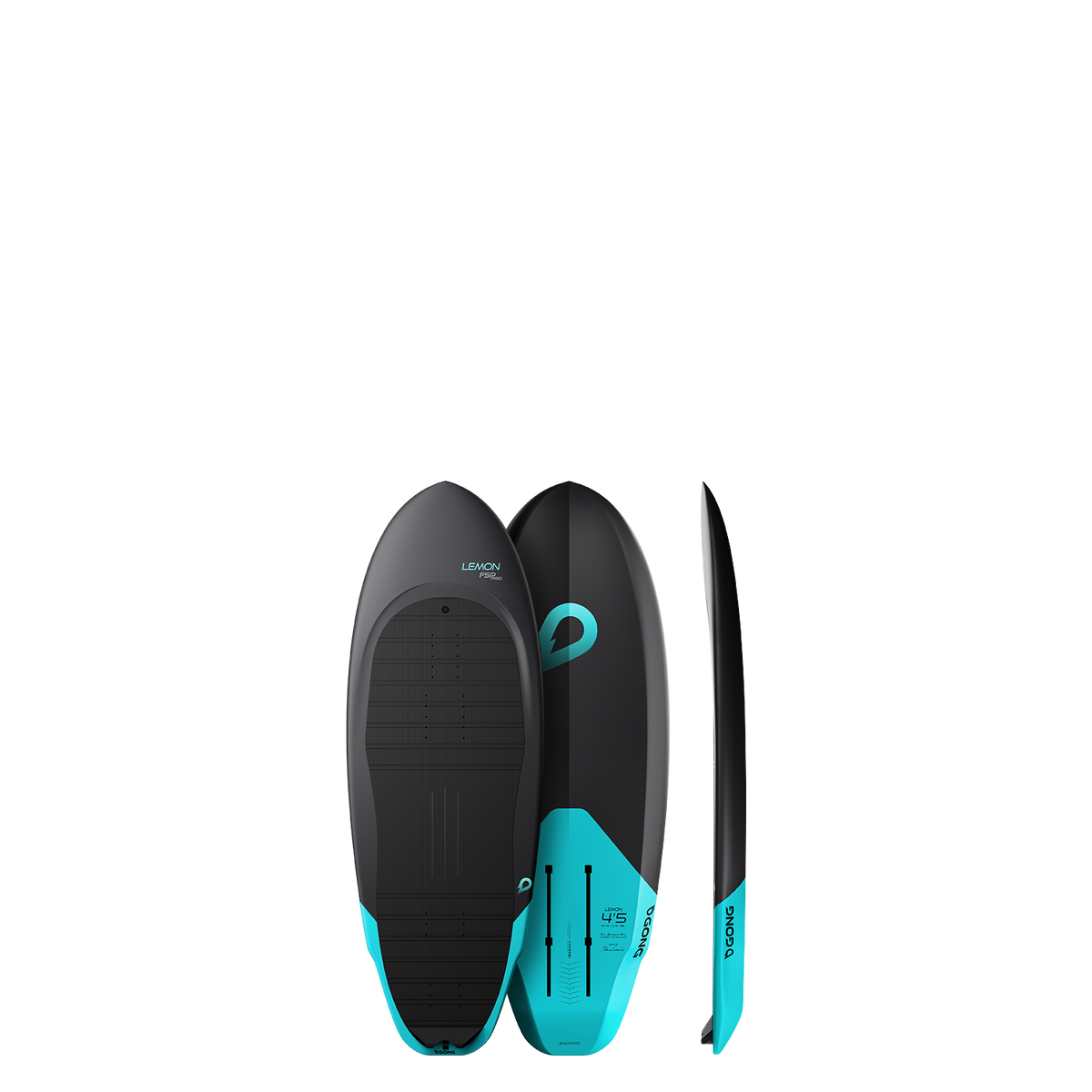
If your choice is a Matata, you also have the possibility to choose an EPS Pro construction, or even FSP Pro in full PVC carbon sandwich. More responsive and more resistant to mechanical stress, the latter notably allows the use of footstraps. An interesting element for learning to foil behind a boat.
 Surf foiler: Malo, GONG team rider, on a Matata FSP Pro.
Do not choose a board that is too technical for your beginnings. The ideal equipment is the one that matches your current level.
To learn surf foil effectively, prioritize a shape offering length and volume, this will translate into more stability and forgiveness.
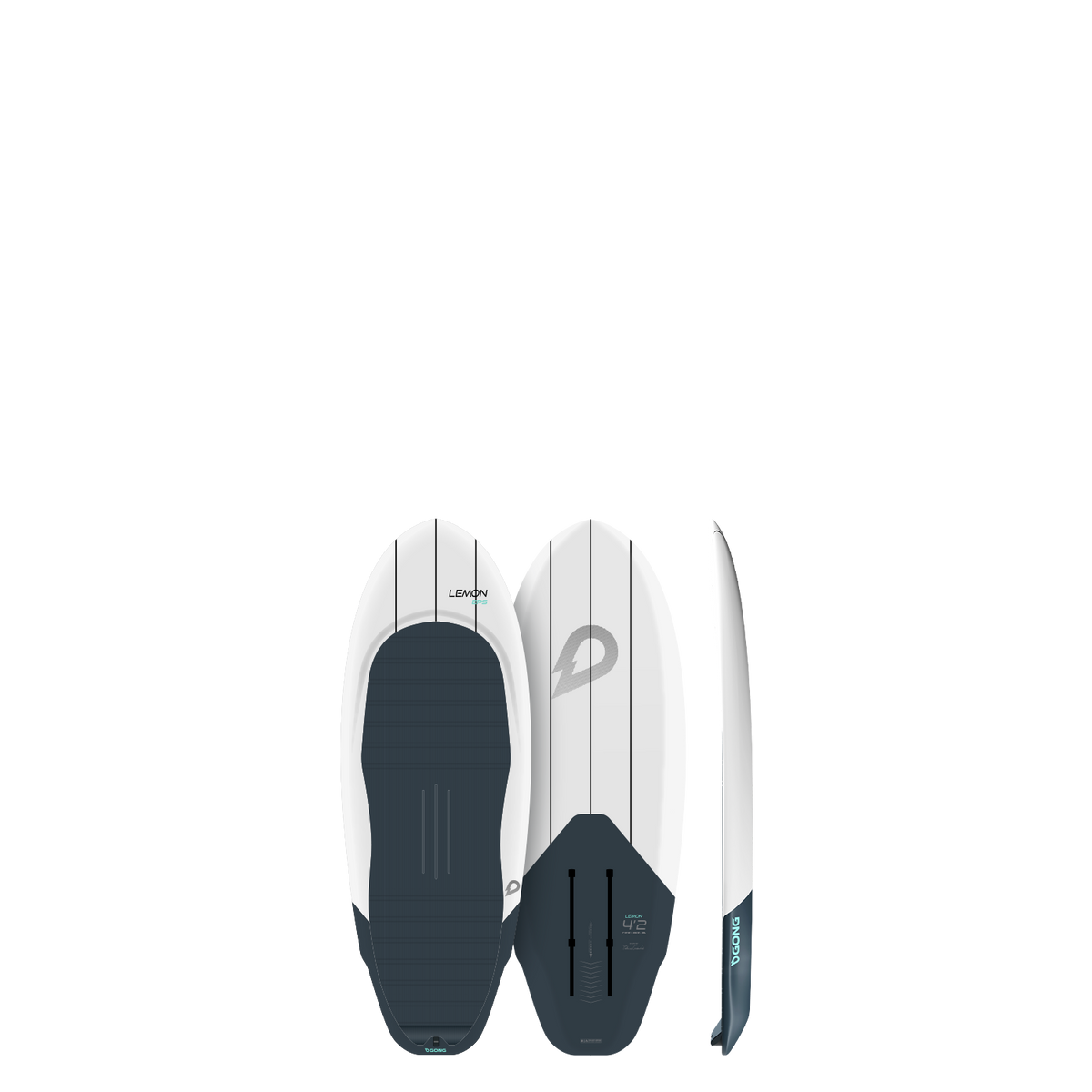
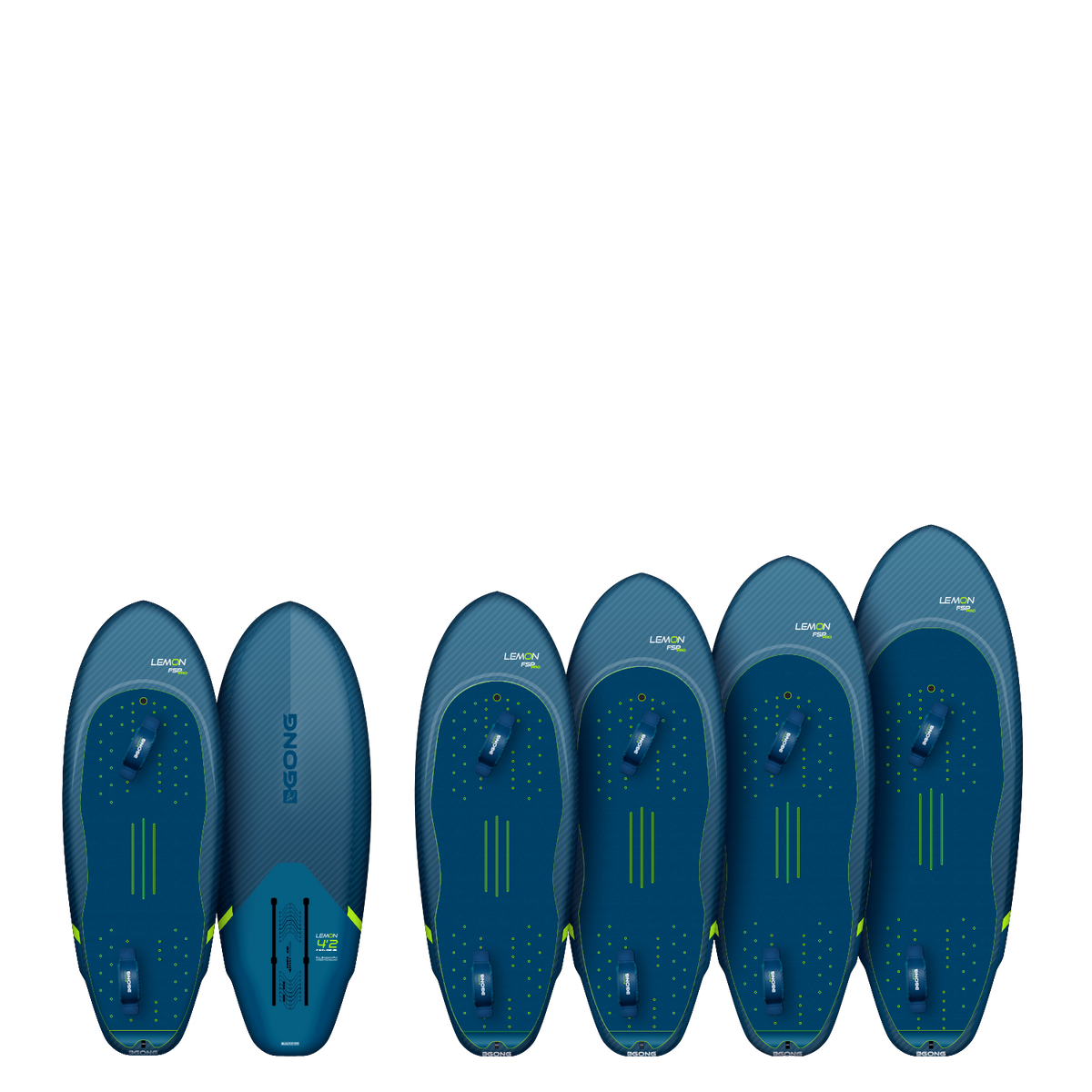
In the GONG range, the Lance is the reference for starting, the Lemon in large size can be a more performance-oriented alternative, and the Matata is aimed at more experienced surfers looking for greater performance.
A good board choice will help you progress faster, catch more waves and turn your first sessions into a real breakthrough.
After several dozen sessions, once you master take off and flight, you can move towards a more compact or higher performance model to push your turns further and improve your pumping.
Beginner equipment is highly sought after on the second-hand market. Thanks to GONG’s direct sales model, resale value remains attractive, which makes it easy to evolve within the range as your level progresses.
 Surf foiler: Ahiri, GONG team rider, on a Lance EPS.