



Your cart is empty !
It's flat around here...


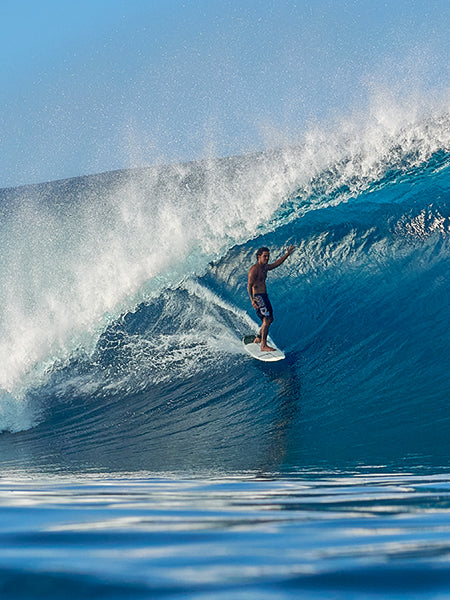
100% optimized performance for this fast and fun fish!
With its retro design and rich history, the fish is much more than just a board, it's a symbol of surf culture, totally iconic. Because owning a fish means asserting your style and your passion for surfing.
The shape of the J.Low retains the fundamentals, retro in its carves, with all the modernity going to the rails and hull. The channels add control and grip and increase the board's maneuverability for greater versatility. Stability and extra grip allow you to venture much further than the conditions usually intended for fish, to perform in hollower and faster waves. Because this ultra-elaborate shape inevitably makes for a more radical approach.
While the channels make it possible to do without the quad, the grip remains very close, while preserving the glide and unbeatable flow of a twin set-up. The emblematic style of this shape is a must: let it glide, go fast and draw beautiful lines. And as soon as you catch your first wave, you'll understand why this is the board to ride at least once in your surfing life.


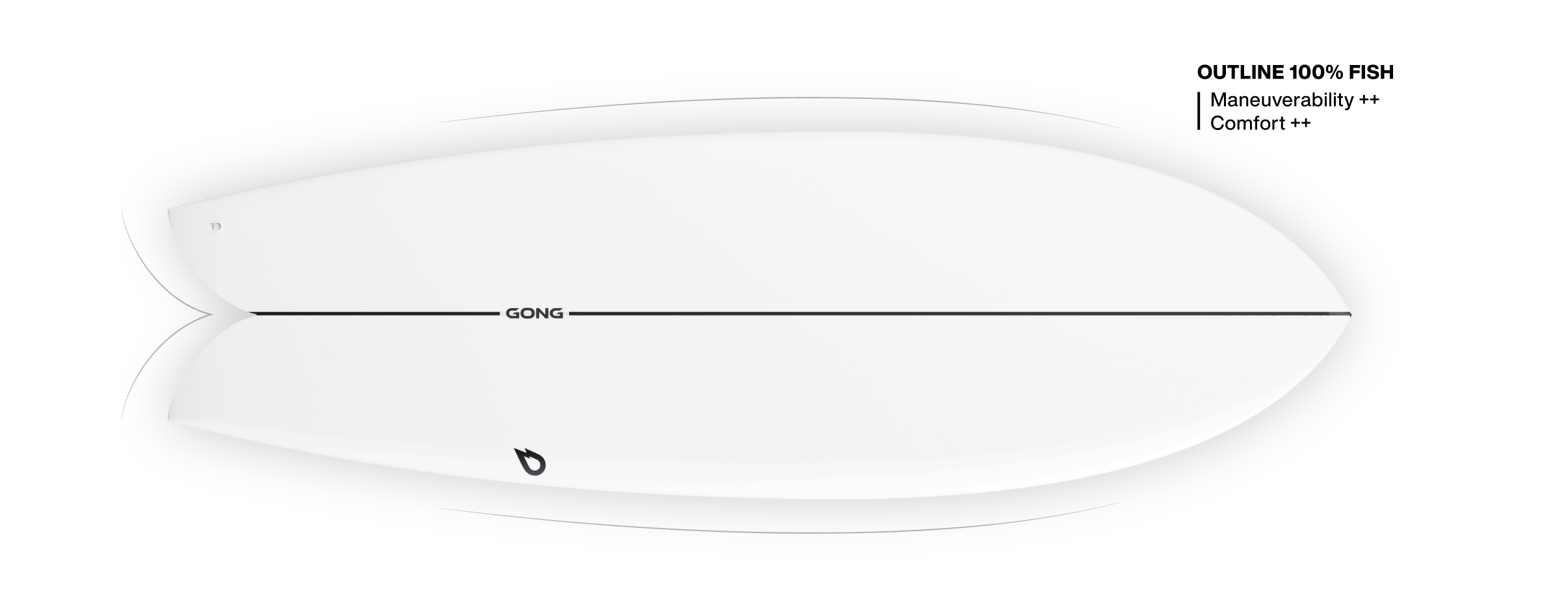
The outline of the J.Low is 100% fish, generous enough to be comfortable but not too wide. When paddling, the max width under the chest gives it great comfort. The shape is compact, with a relatively short length in relation to its volume, which is one of the reasons why it's so easy to control.
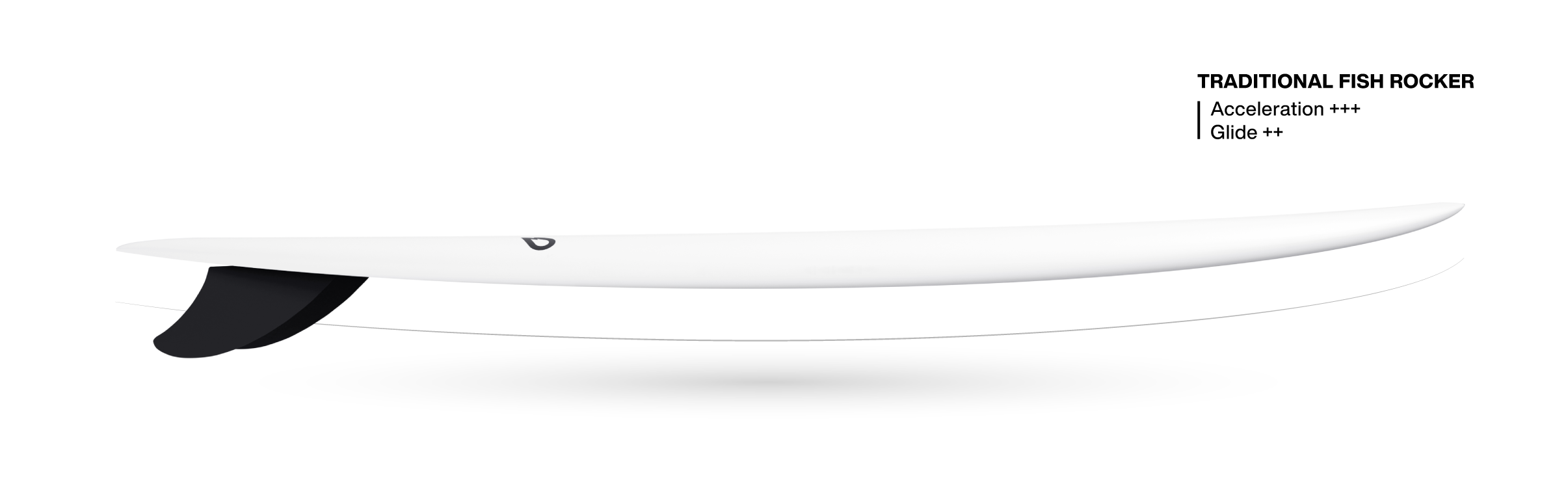
The fish's traditional approach is maintained, with a very conventional rocker. Low front and rear rocker for an overall rocker that is not very pronounced, allowing a fast water flow under the hull. The aim is to enhance speed and glide. The J.Low's rocker remains tight so as not to lose any of the glide of this legendary shape.
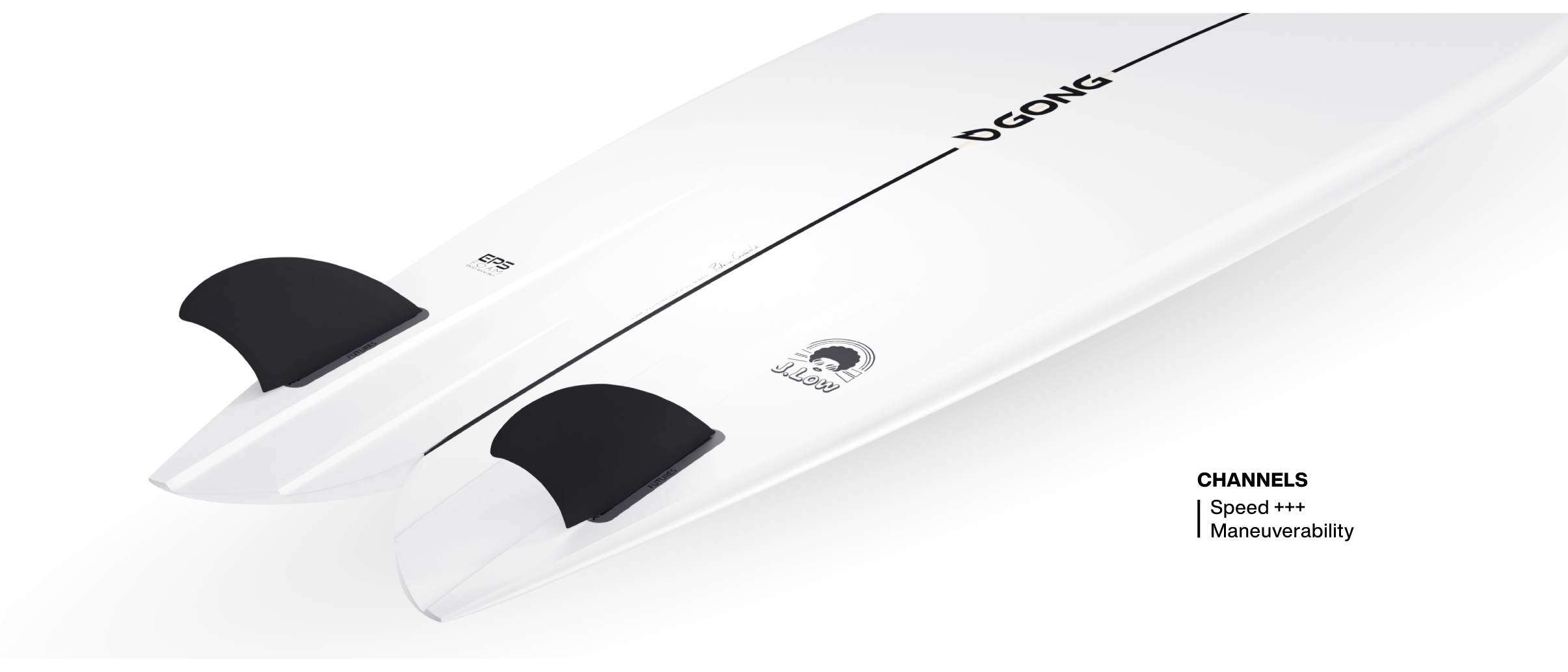
Although there are many different ways of shaping channels, two main ones emerge: either parallel to the central stringer, or following the angle of the fins. The first option leaves the water flow undisturbed, and allows you to achieve high-speed hold and control. This is particularly true for a board like the Fury. In the case of the J.Low, the channels follow the angle of the fins, because the aim is twofold. The first is to channel the water and increase speed thanks to the resulting venturi effect. The second effect is to increase maneuverability, with the channels supporting the action of the fins.
The J.Low's fish tail is relatively wide, but within traditional standards for a fish. Thanks to its planing surface, this tail will provide plenty of speed, drive and acceleration, but unlike a full tail, you'll retain plenty of control on the bottom turn and in the carves. We're going to lean on both this corner of the tail and the fin to pivot and turn easily.
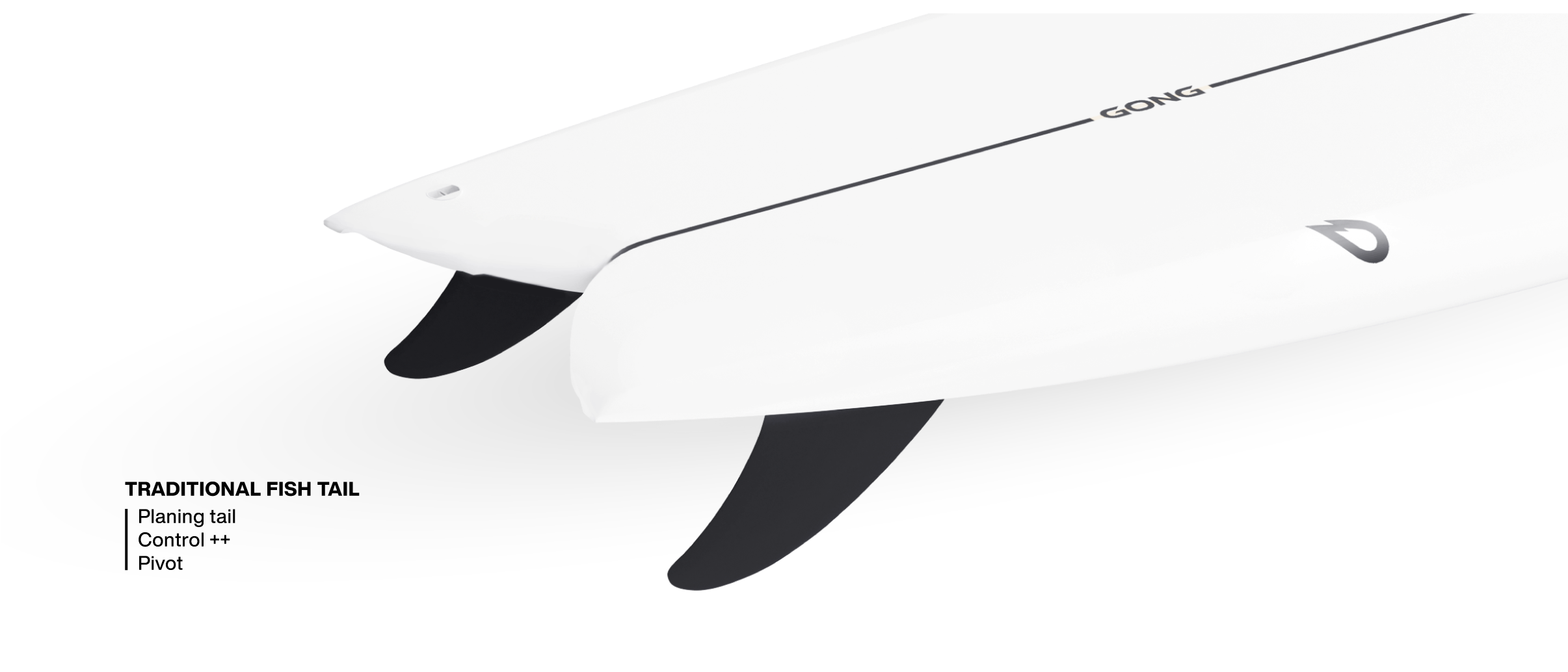
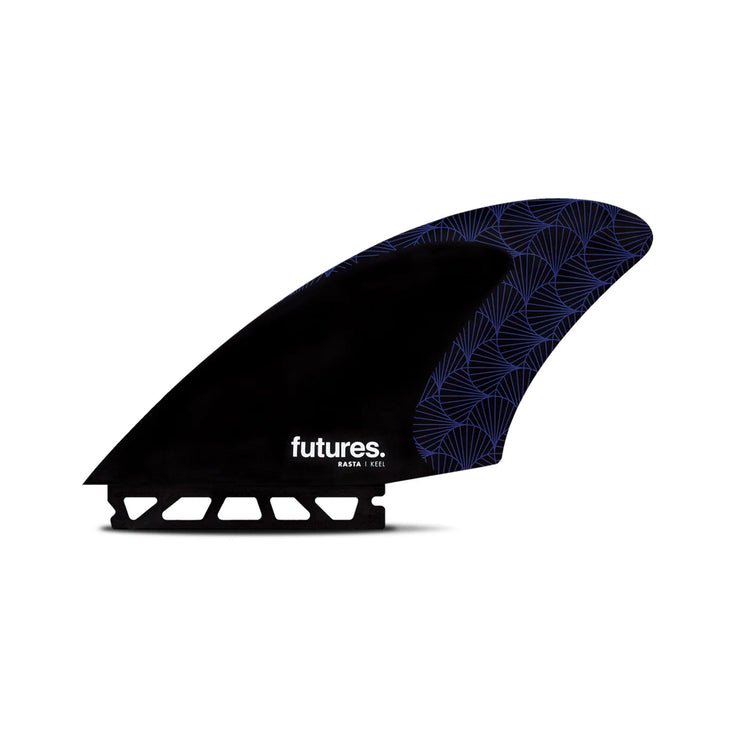
We keep the traditional thin Keels so as not to distort what works on this shape. This pair of fins limits friction to deliver maximum speed and that feeling of freedom underfoot. A “loose'' feel which is very specific to riding a fish. The long base of the fins gives amplitude to the carves but ensures control and stability. Our 50% nylon and 50% fiberglass fins won't bend. They give you control at high speed, ultra-precise drive and the ability to push to increase speed without limit.

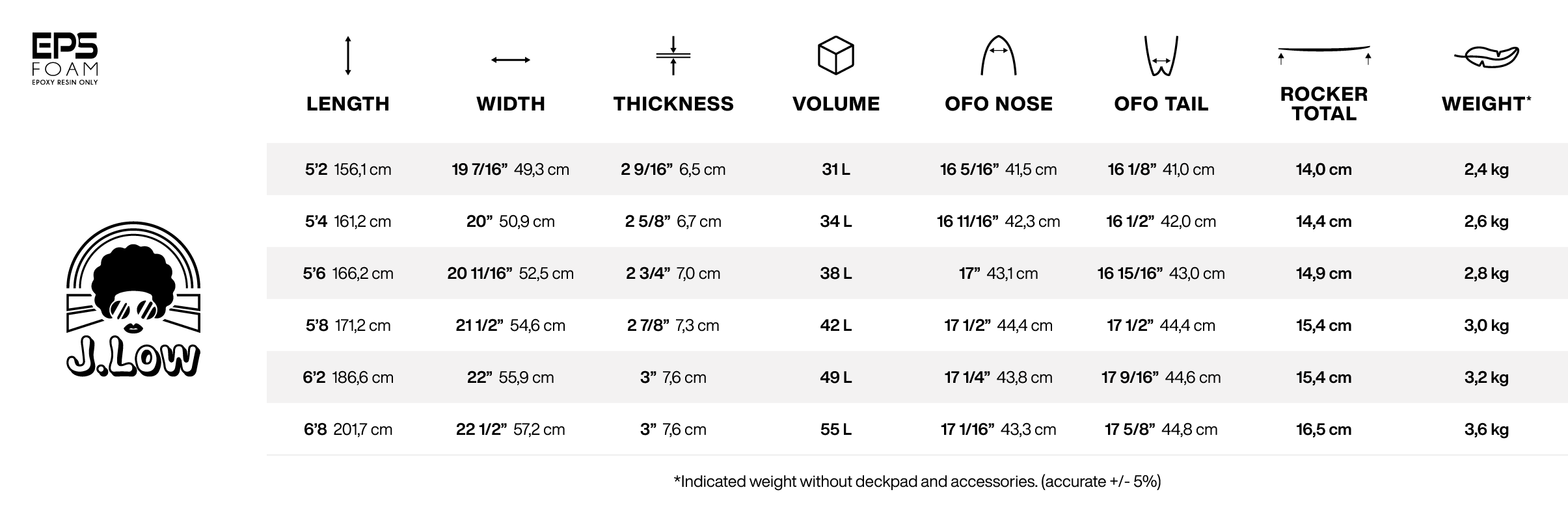
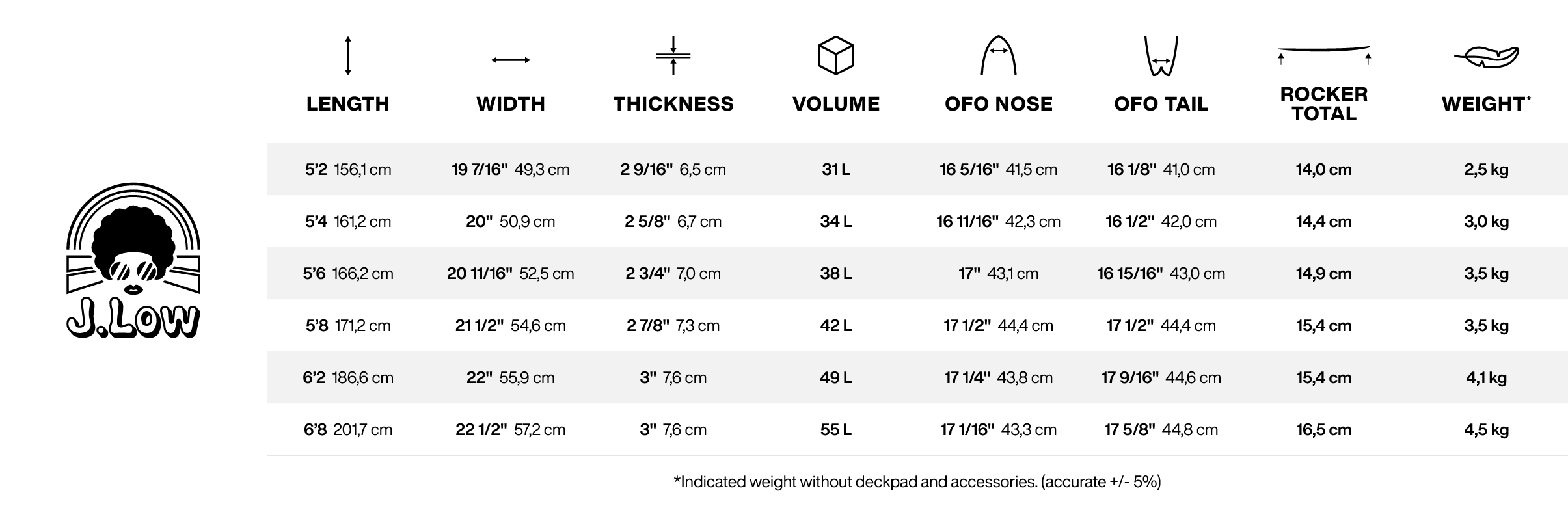
Technical sheet
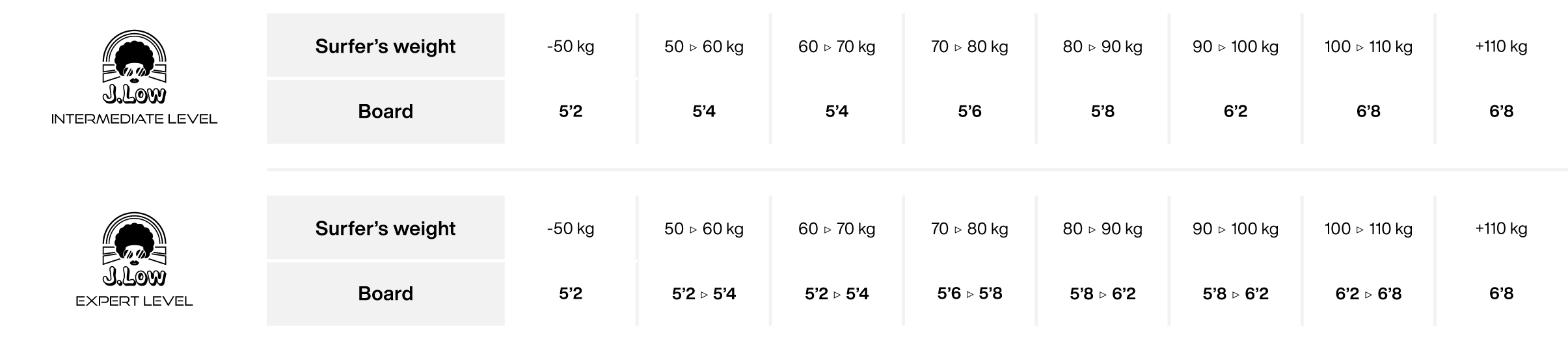
Buying guide
For fish lovers who don't want to be limited in their surfing. For those who want to be able to surf any wave they encounter, to explore, to push this iconic concept as far as possible.
For all demanding shortboarders who want verticality.
For those who want speed and nothing else. And for everyone else!
This board is designed for surfers with good skills and physical condition.
It's certainly no coincidence that this shape, which originated in the 70s, is still very much in vogue today, despite the plethora of fashions and trends in the surfing world. A timeless shape that keeps reinventing itself. The magical glide of this compact shape is just as magical. And thanks to its versatility, the J.Low is certainly the best "travel fish" there is.
As the J.Low's outline is relatively compact, it's not a shape that will suit beginners. A skilled surfer can aim for the larger sizes to maintain good paddle speed. A good surfer will shine in all conditions.
We offer different technologies on certain shapes to meet the program, conditions, and sometimes individual habits.
In the case of a PU board, there will be a different behavior from an EPS board of the same shape and weight. It’s the weight distribution in the board that generates a big difference in feeling. For two blanks with the same shape, one in PU and the other in EPS, the EPS blank will be lighter, as EPS foam is less dense.
In the case of a PU board, it’s the blank that provides solidity and concentrates weight in its core. The board thus has a very “central” inertia. This makes for a very smooth board, which forgives errors but is less dynamic. The PU blank will be heavier than the EPS blank.
In the case of an Epoxy board, the blank is very light, and solidity comes from the skins. So the inertia is “peripheral,” meaning the weight of the board is on the outside, making it more mobile, agile, and dynamic.
The best comparison to explain these differences would be to say that the inertia of PU naturally gives a single fin feeling (very centered, smooth and soft pressure), while EPS gives a thruster or even quad feeling (very external support, immediate rail to rail, maximum nervousness).
EPS is generally preferred for boards that need dynamism, usually in small to medium conditions, schematically in waves where speed generation is required. EPS is therefore preferred on shapes where reactivity is sought, as it’s easier to turn quickly, perfect for waves that require rapid transitions. For very good surfers, this further enhances the dynamism of their surfing. For progressing surfers, EPS adds this little boost of dynamism as the board can gain speed much more easily, an important point considering that in surfing, speed is the key to everything. PU is favored for high-performance shortboards, for boards where controlling speed is the main objective.
Different feelings : Surfers accustomed to PU will generally say that “EPS bounces and feels stiff.” While surfers used to EPS will say that “PU feels soft, lacks response, and struggles to accelerate.” These feelings often stem from habits, sometimes generalities, and often prejudices. Don’t hesitate to deviate from conventional wisdom to make your choice.
Our fiberglass and nylon fins offer excellent performance thanks to their rigidity, durability and responsiveness. But you can also take advantage of Future’s' immense catalog of fins by playing with the huge variety of templates on offer. Downsize to reduce drag and increase speed. Or increase the size for greater control. Or reduce the length of the base for greater maneuverability. It's up to you to refine your sensations and choose your style!
J.Low, Pie or Imperatrice?
The J.low is not a simple iteration of the Pie and the Imperatrice.
For the same volume, the Pie will have more length and be more streamlined. This will have a positive impact on paddling speed, and in the size of waves surfed. The Pie will also be very round and easy to drive. The tail and nose lines are pinched for a more docile grip. The Imperatrice, on the other hand, will show more character on the low end, in small sloppy waves, with more drive, and even easier to generate speed.
The Imperatrice is proportionally the most compact, meaning a lot of volume in a short length. It offers the most hull surface area for an equal length, making it the best in the smallest conditions. The J.Low offers dimensions halfway between these two shapes, which also makes it the most versatile.
In the high end, it's the Pie's streamlined shape that enables it to surf respectable-sized waves, while for the J.Low it's all the work on the hull that makes this possible, and allows you to surf beyond what seems possible for this type of shape.
J.Low or Fork?
The Fork is closer to riding a classic shortboard, but with a huge speed boost and incredible pop. This is not a retro fish! The low range and compactness of the J.Low are far superior, but in twin versus quad mode on the Fork you'll have a very progressive glide, smooth in the turns, whereas the Fork will be much more explosive.
J.Low or Fury?
The only thing these two shapes have in common is the number of fins and the furious desire to go fast. The J.Low remains a pure fish, while the Fury is a hybrid board that will appeal more to thruster enthusiasts. Two different approaches and two different styles: the Fury's extraordinary liveliness, while the J.Low is more stable underfoot.
Equipments
Delivery
Orders are prepared and shipped quickly: most are dispatched within 24 to 48 business hours.
The delivery time, meaning the transit of the parcel to your address, then depends on the delivery location and the carrier.
Shipping costs are transparent and calculated based on weight, volume, and delivery address.
You have a 14-day right of withdrawal to return or exchange a new product that does not suit you.
We prioritize sustainable, recyclable, and reusable packaging solutions, minimizing single-use plastic as much as possible while ensuring optimal protection for products, including large items.









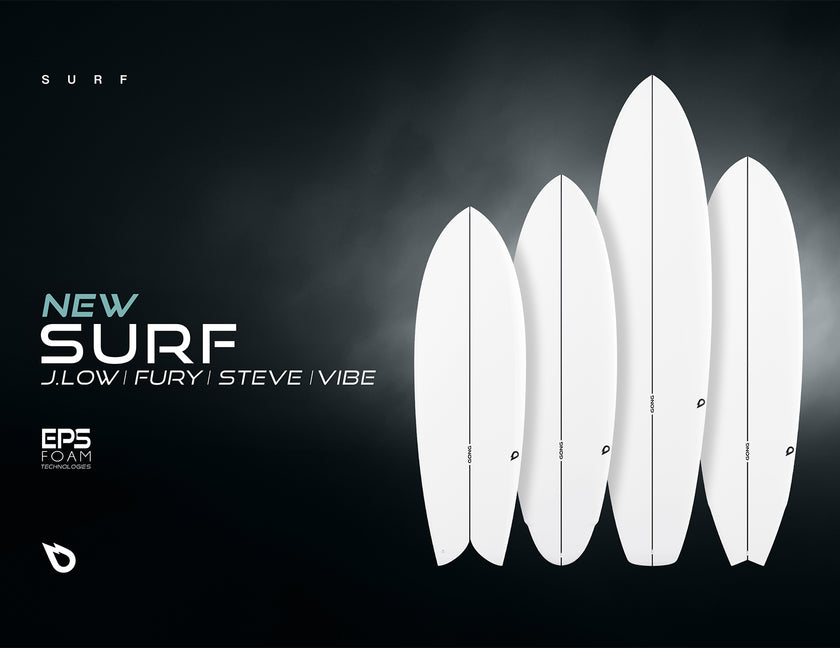
A performance fish, a short to mid twin fin, a single mid-length and a hybrid shortboard, the new additions to...
Mateia Hiquily answers the call of a rare forecast to score a surf trip for the books! There are rare...

The J-Low combines a unique blend of rapid acceleration and precise, on-the-spot turning! The J-Low is a fish that allows...

GONG shaper introduces a particularity of the deck of our new and radical fish shape! The J.Low combines the fundamentals...


