Your cart is empty!
It's flat around here...
During Sustainability Week, GONG rewards the actions that help protect, maintain and repair your gear by offering 10% cashback on products dedicated to these purposes.
Our foils are designed to be particularly durable and are very easy to maintain. Just a few simple steps are enough to preserve all their qualities. In this guide, we cover:
Galvanic corrosion
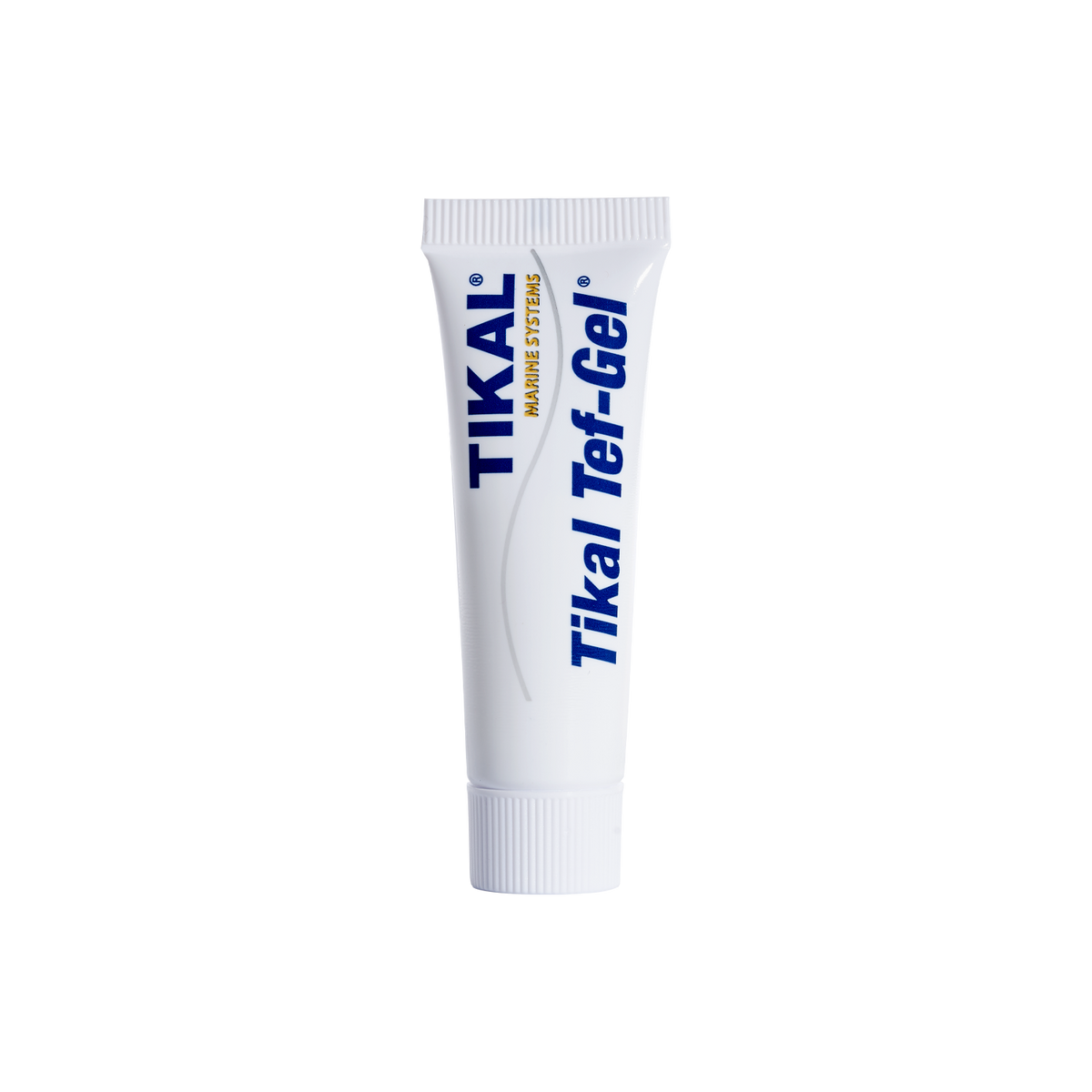
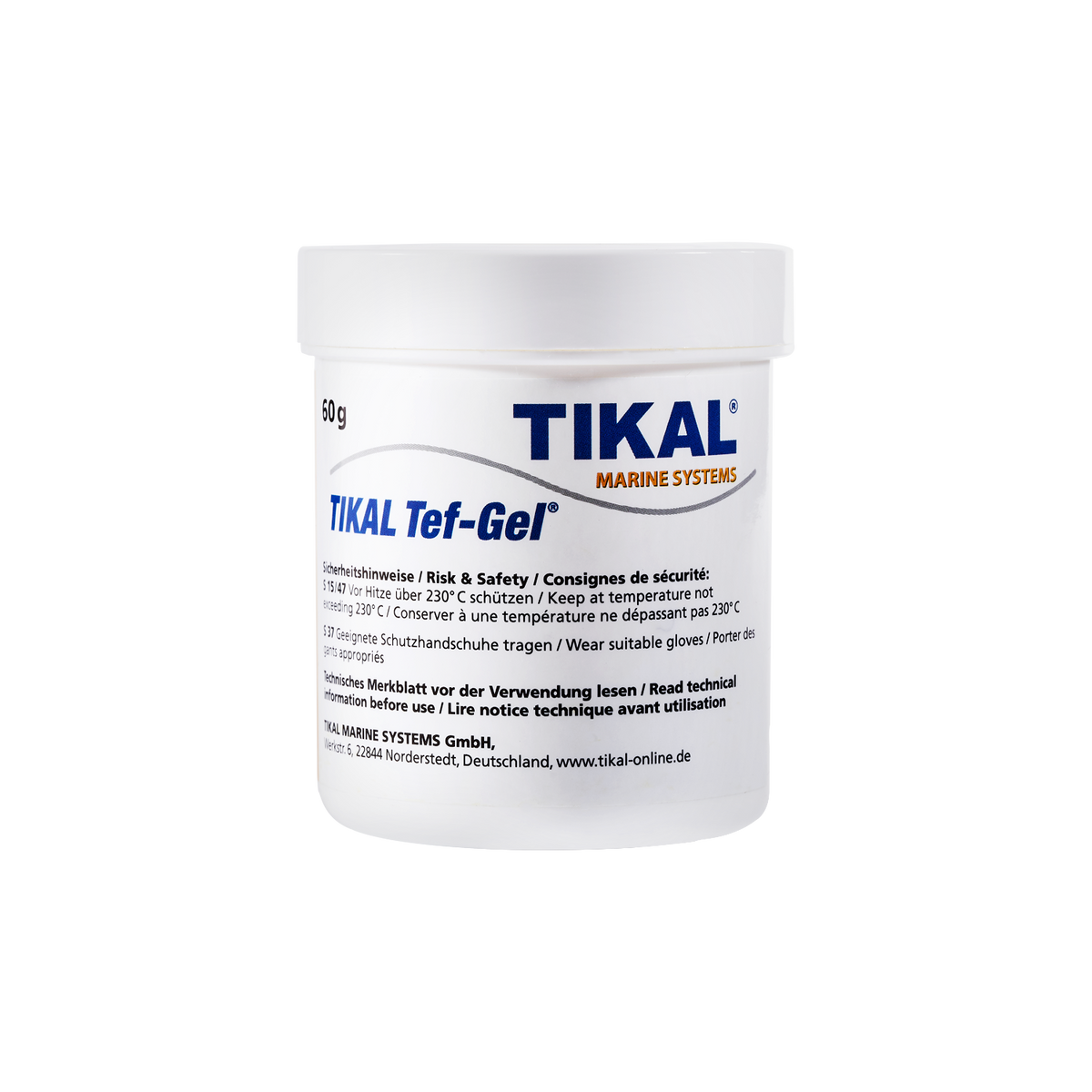
The role of Tef-Gel
Maintenance tips
Replacing your screws
The sacrificial anode
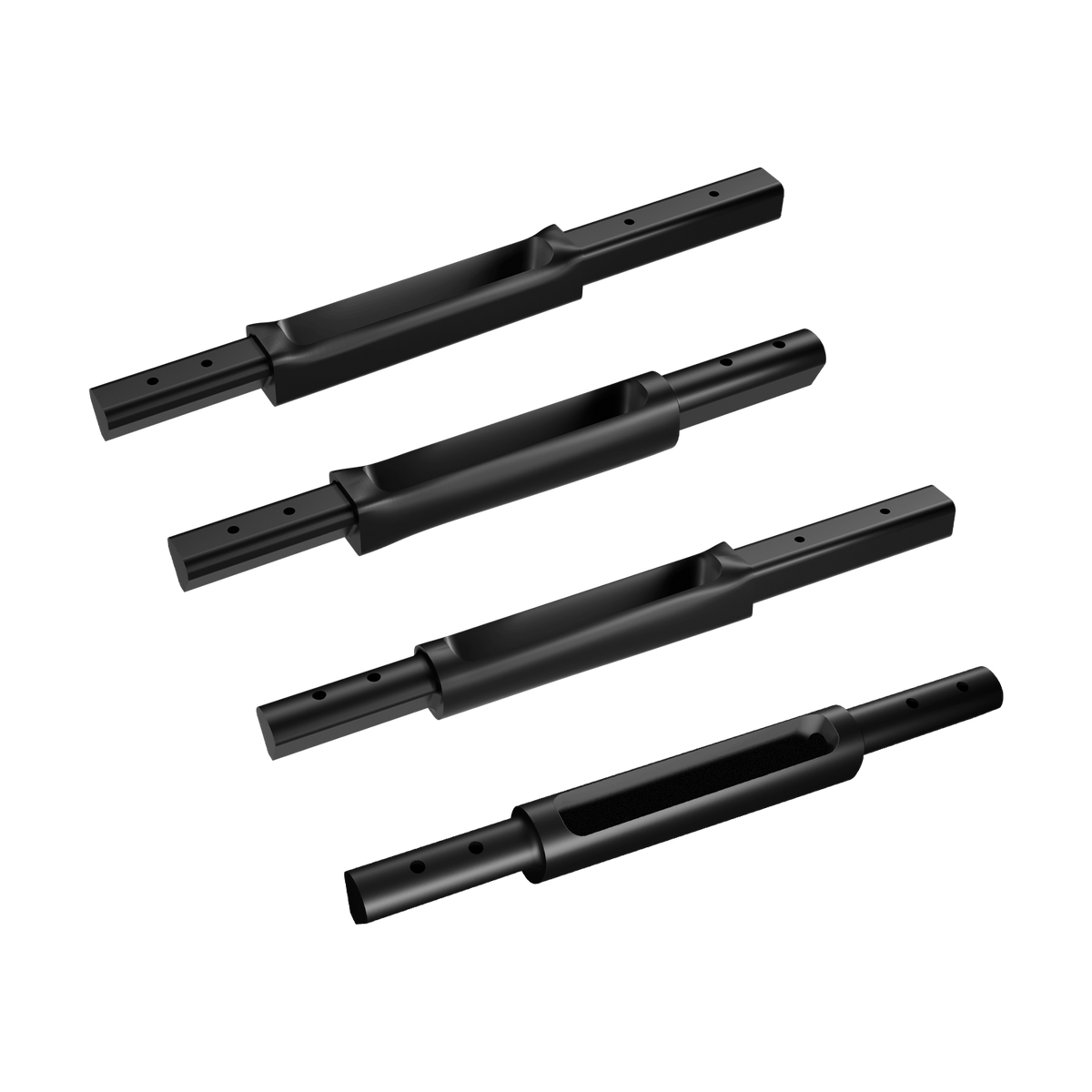
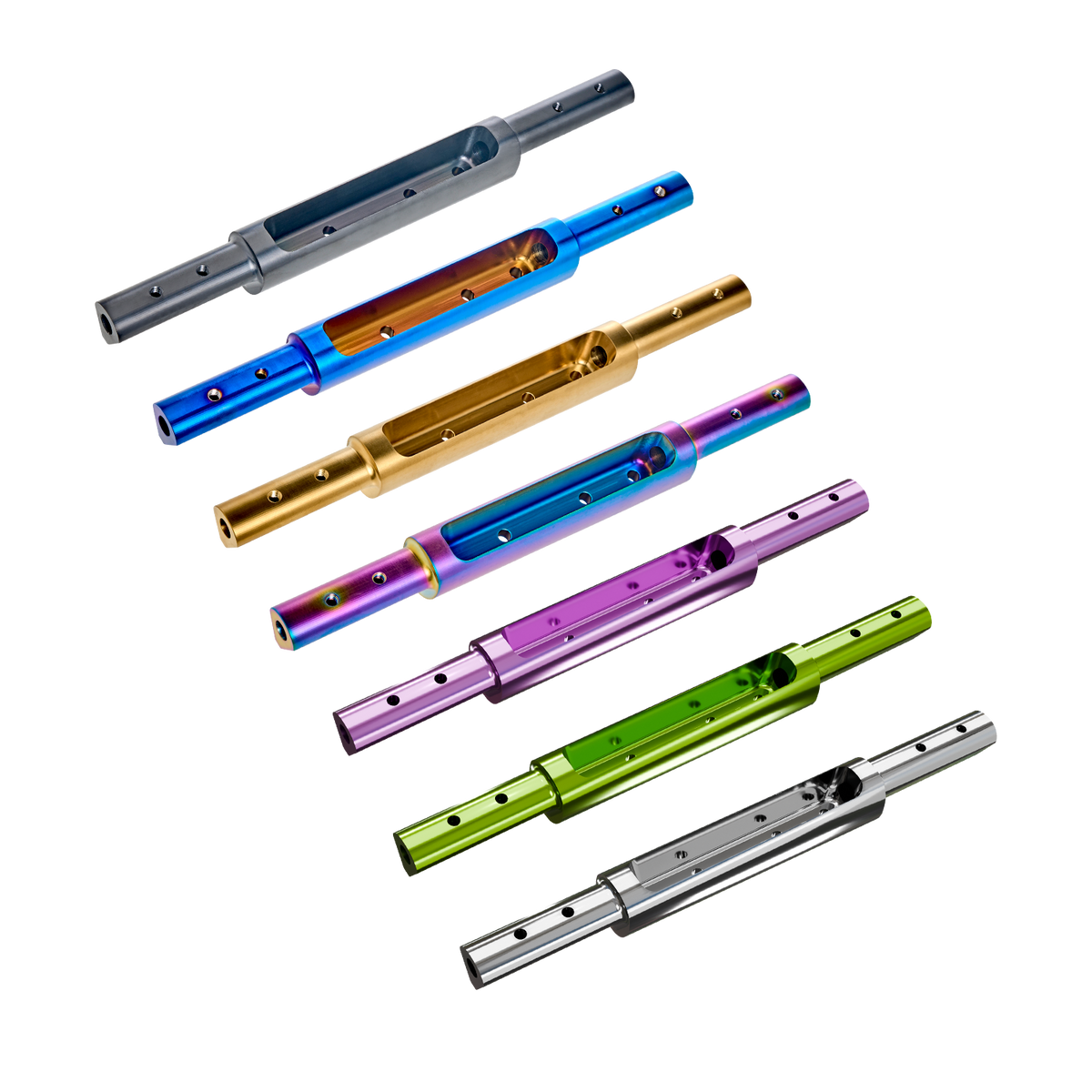
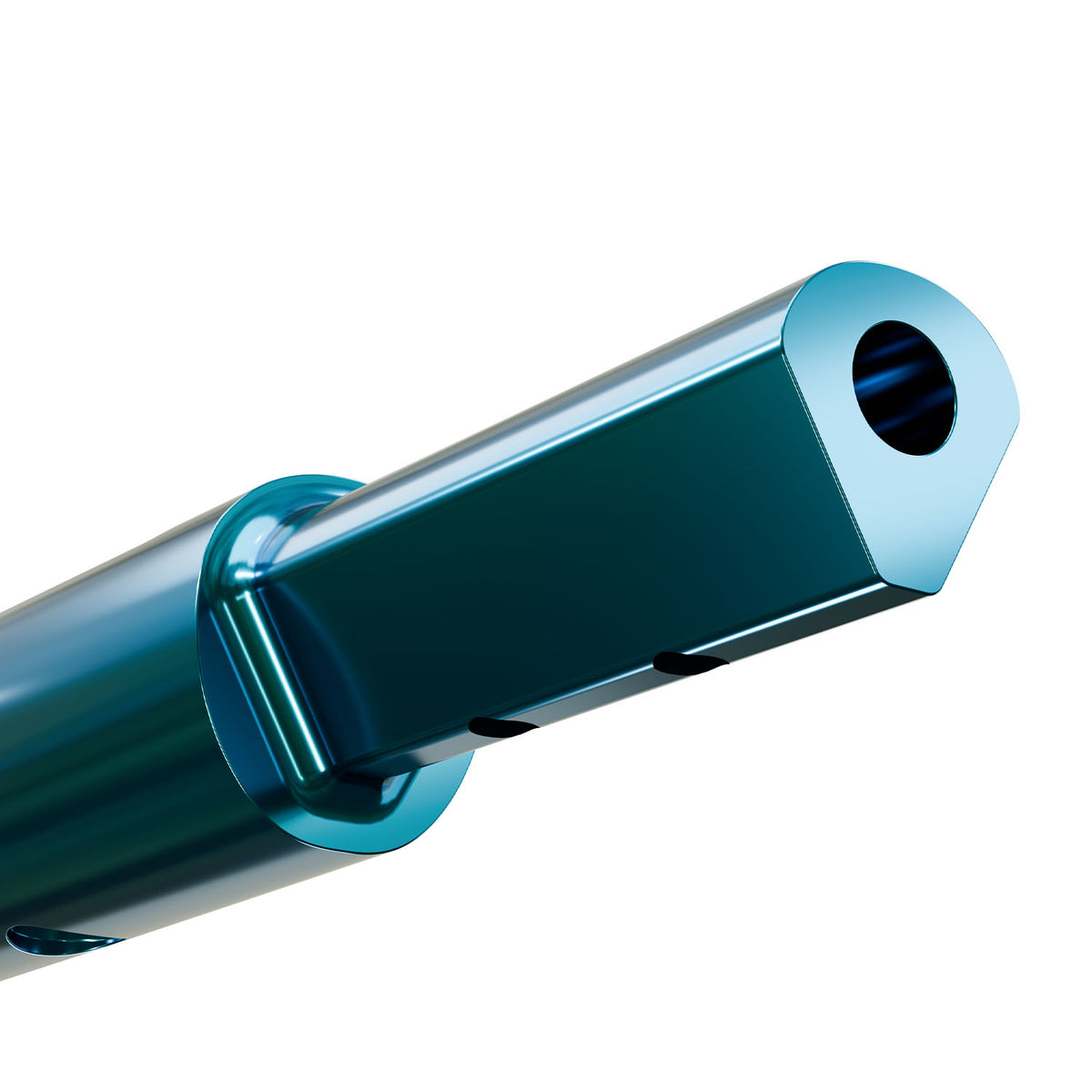
The titanium fuselage option
The carbon mast option

Galvanic corrosion is an electrochemical phenomenon that occurs when two different metals are in contact in the presence of an electrolyte (salt water, moisture, etc.). The less noble metal corrodes in favor of the more noble one.
A noble metal is a metal that naturally resists corrosion and oxidation, even when exposed to air, moisture or aggressive chemical environments. This resistance is due to its low chemical reactivity.
For example, your aluminum mast can corrode quickly when in contact with stainless steel screws if no precautions are taken. This is exactly what we want to avoid on a foil.
Tef-Gel is a thick PTFE (Teflon) paste used to electrically isolate metals and prevent galvanic corrosion, prevent screws from seizing (particularly stainless steel or titanium screws), and make disassembly easier, even after several months or years of exposure to marine environments.
Simply apply a thin layer to the threads, screw heads and contact areas between aluminum and stainless steel or titanium parts. Tef-Gel does not dry or harden and is highly resistant to salt water, heat and pressure.


To preserve your aluminum foil, we recommend following these simple steps after every session, especially in salt water.
After each use, completely disassemble your foil, including wings, fuselage, mast and screws, then thoroughly rinse each component with fresh water, paying particular attention to threads and connections. Dry everything before storing it in its cover to prevent salt water from remaining trapped and reduce the risk of corrosion.
In fresh water, rinsing is less essential but is still recommended when sand or mud is present. Regular disassembly also prevents components from seizing together and helps prevent premature wear of the foil.
Stainless steel screws are a common and economical choice. They offer a good balance between strength and cost, but should still be considered consumable parts. Stainless steel is a relatively soft alloy, so it is not uncommon to damage a screw head or thread. If a screw shows any sign of weakness, it is best to replace it immediately. We also recommend always keeping a spare set of screws on hand.
Stainless steel is also very easy to recycle, as it can be melted down and reused without losing its main properties.
For those looking for a more durable solution, titanium screws are an excellent alternative. More expensive initially, they offer exceptional corrosion resistance, will not seize when properly installed, and retain their mechanical properties over the long term, even with intensive use. Their environmental benefit comes from their longevity.
We opted for a simple, durable and economical solution. Adding a sacrificial anode to a small aluminum fuselage would unnecessarily complicate maintenance, particularly because its wear would need to be monitored and the anode regularly replaced.
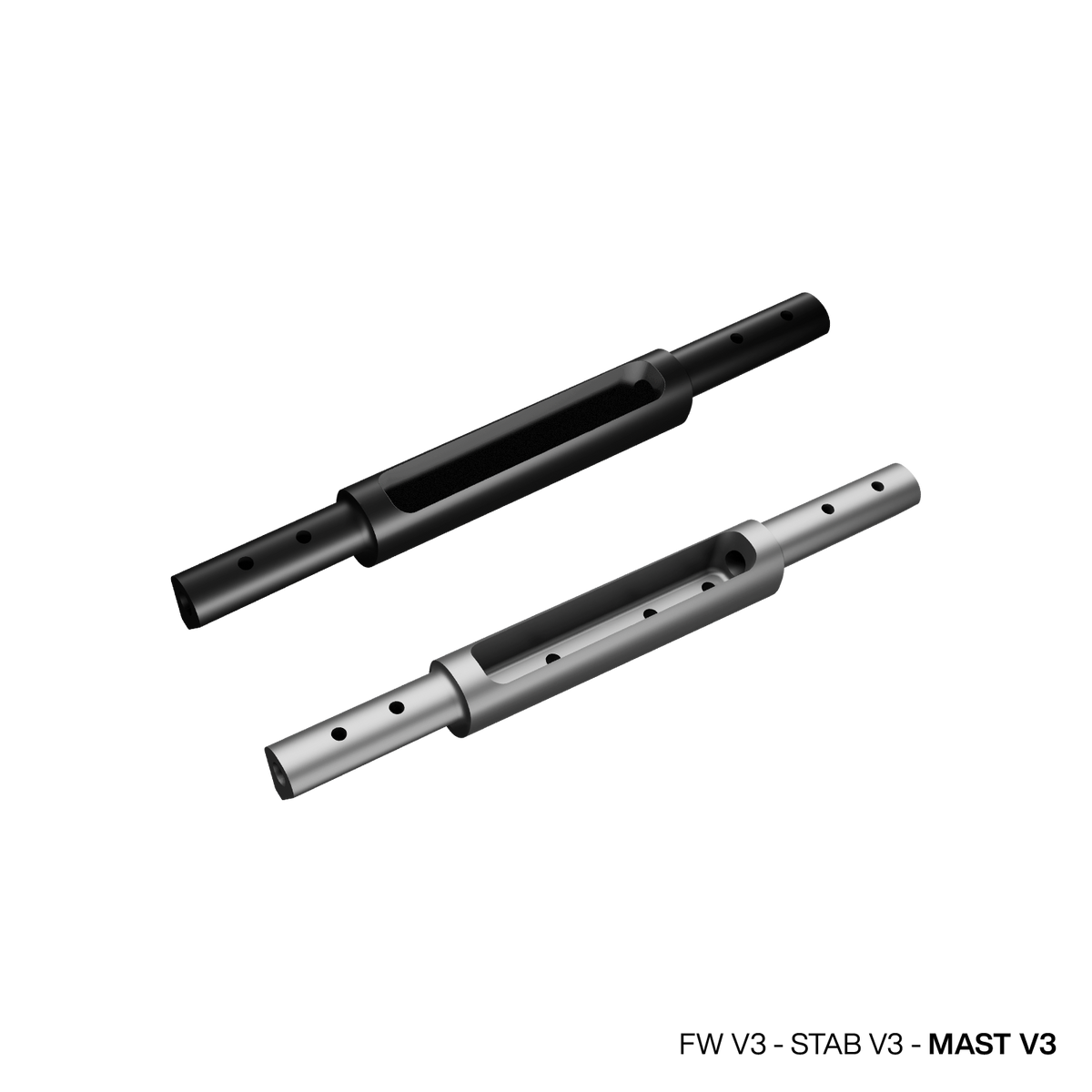
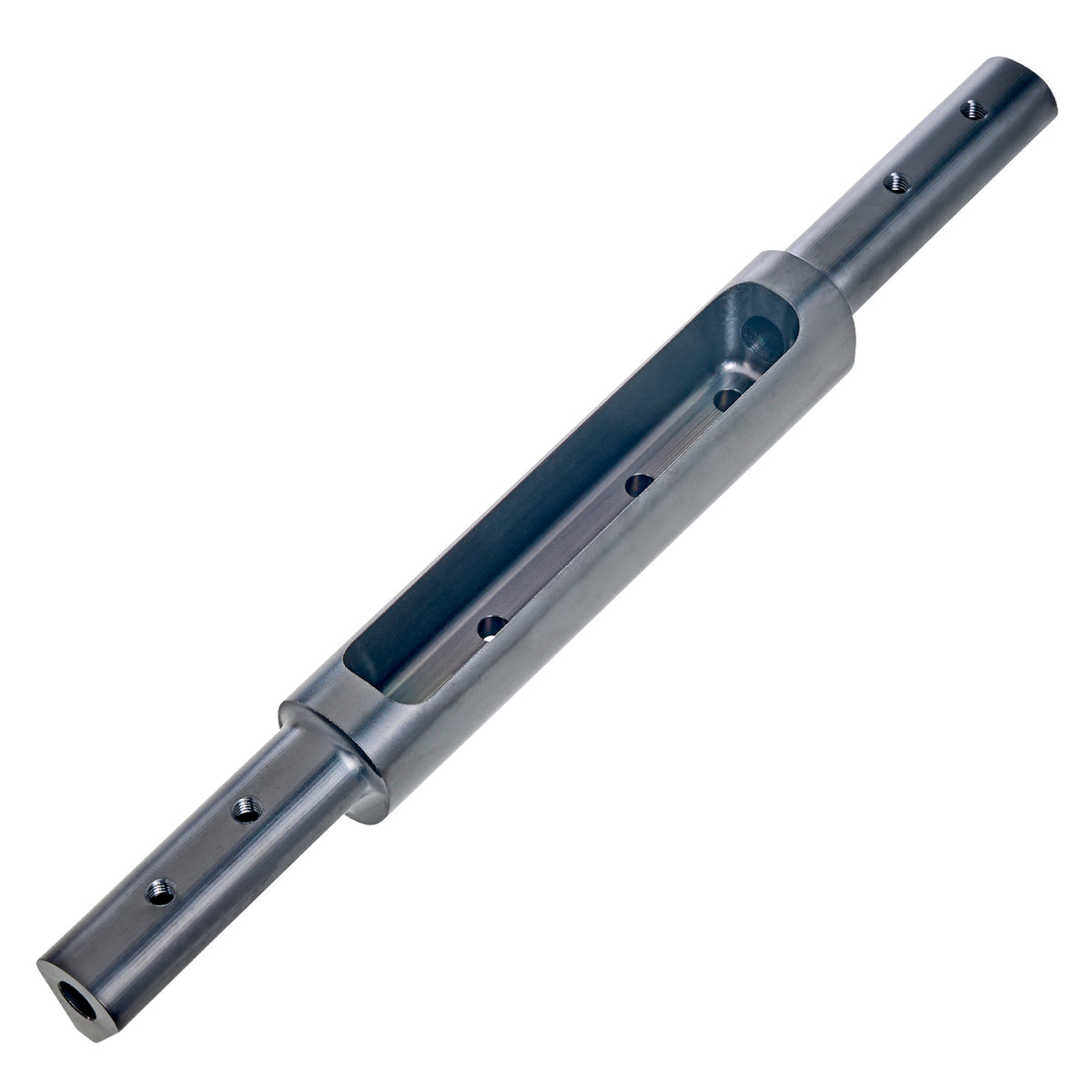
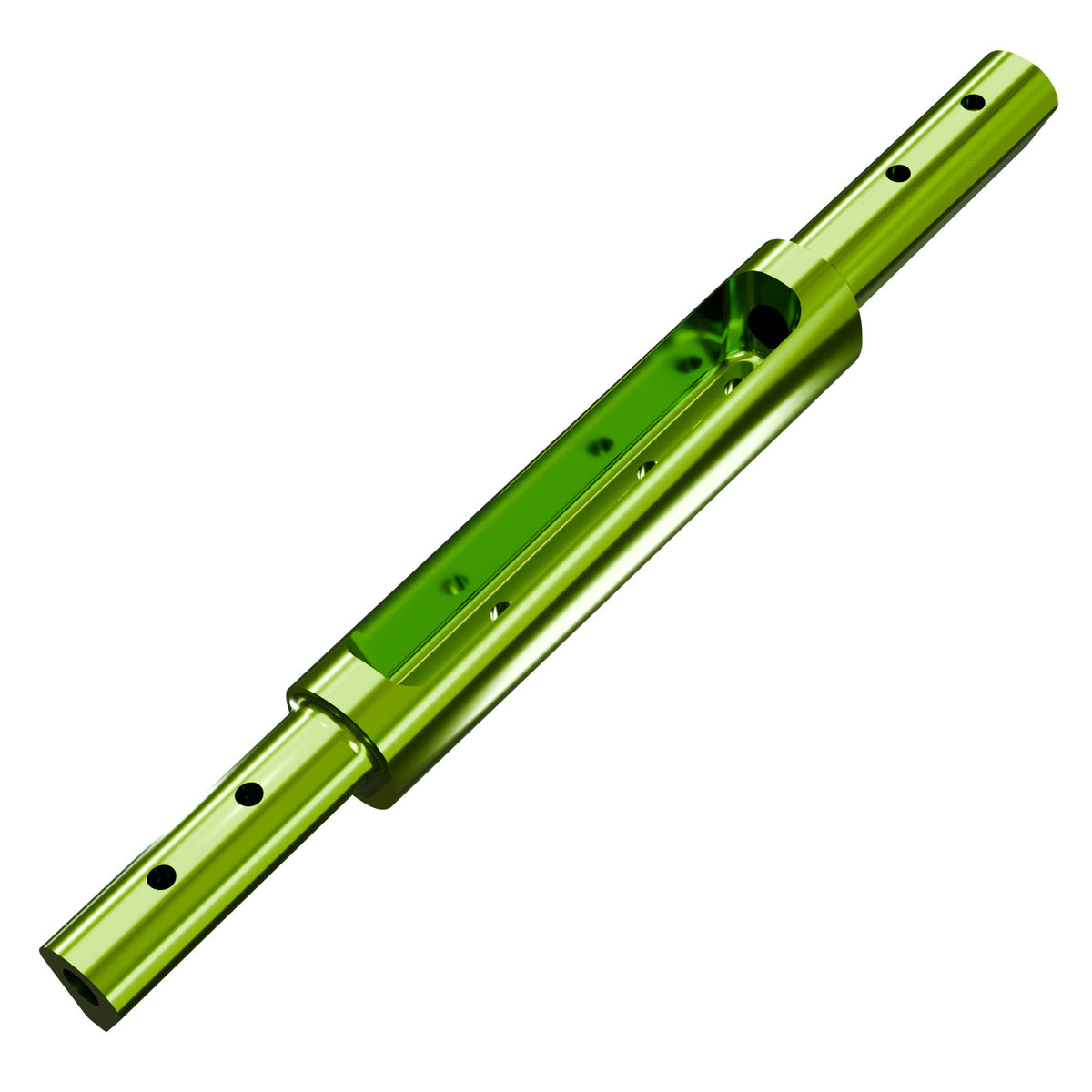
Our Alu fuselage, priced at €59, is designed to be:
Easy to maintain with simple rinsing and the application of Tef-Gel,
Extremely reliable when carefully assembled,
And fully recyclable at the end of its life.
This choice follows a smart approach to product use: a well-designed, affordable product that is easy to maintain and can be fully recycled once worn out.
Aluminum is one of the easiest materials to recycle. It retains all its mechanical properties after melting, and recycling it requires around 95% less energy than primary production. A worn or corroded fuselage can therefore be sent directly into a recycling stream without complex treatment. It is an ecological, economical and responsible choice.
 Alu V3 fuselage with Veloce V3 front wing on an HM85 mast.
Why titanium?
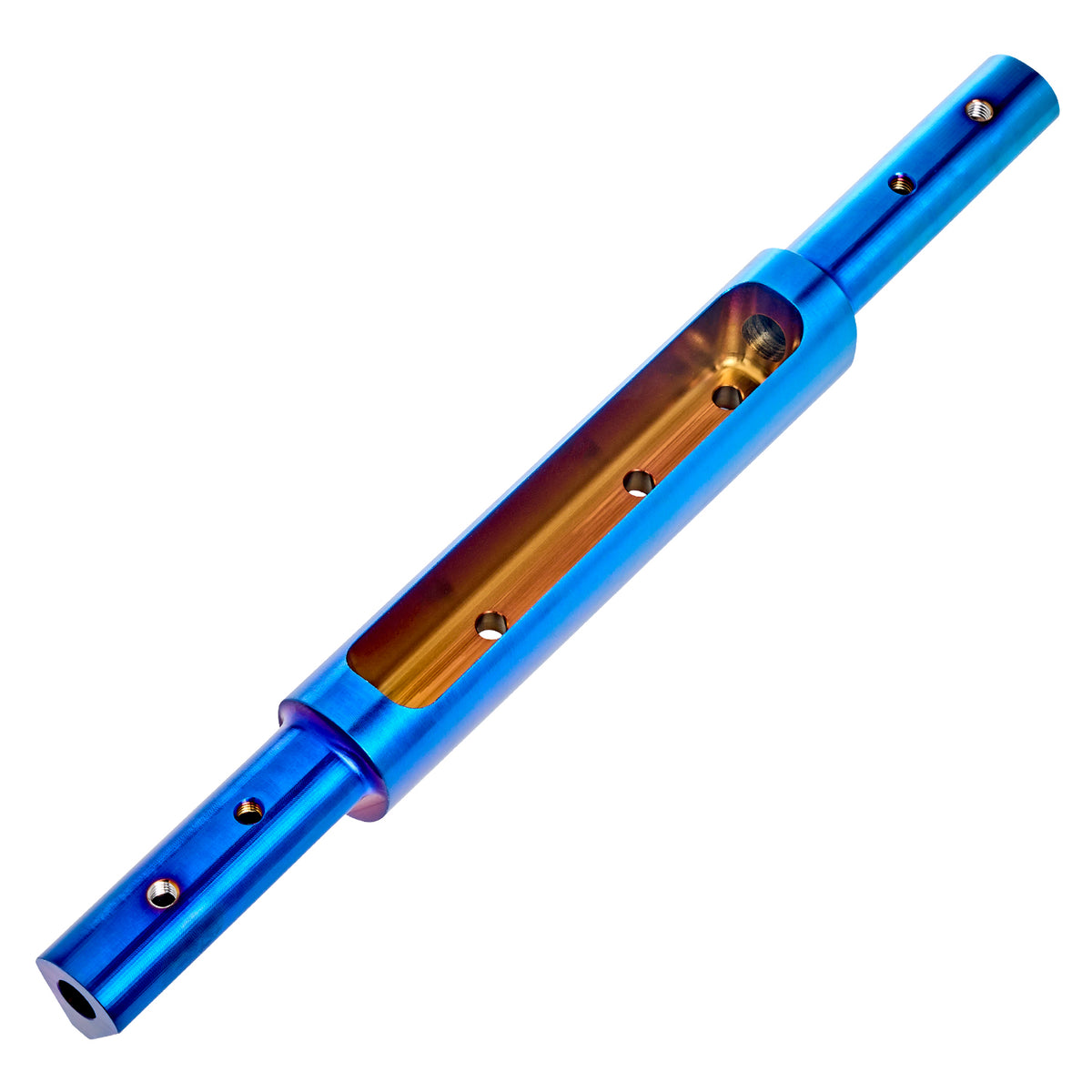
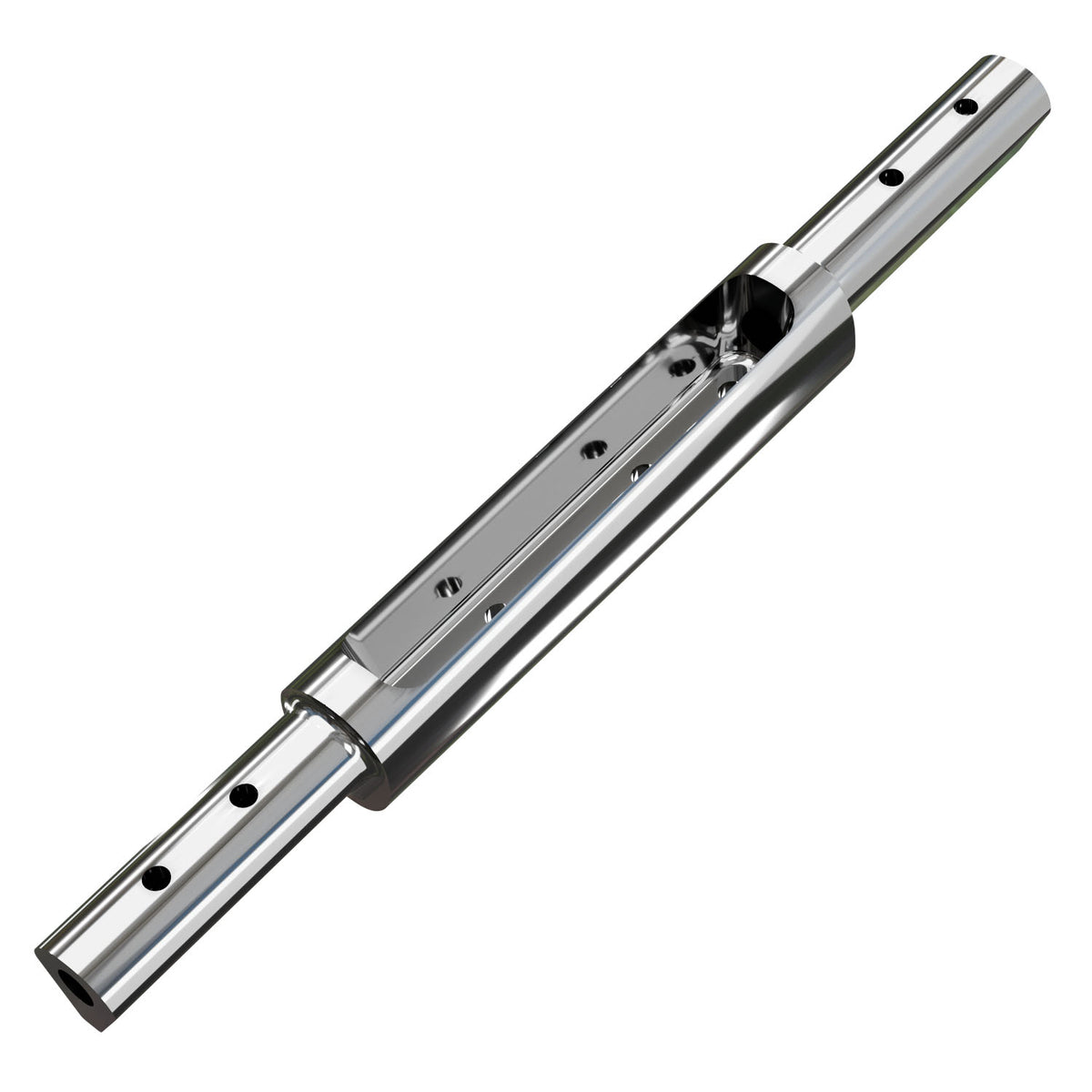
Titanium is a very noble metal that is extremely resistant to corrosion, even without a sacrificial anode. It is also very stiff, strong and virtually unaffected by time. Unlike aluminum, it does not visibly oxidize, is highly resistant to marine environments and does not require any specific galvanic protection.
Why doesn't it react like aluminum?
Titanium has a highly stable natural oxide layer that provides lasting protection. There is therefore no material loss or corrosive attack, even when assembled with stainless steel or carbon, provided the assembly is properly maintained.
 Titanium V3 fuselage with Fluid V3 wings on an HM85 mast.
With a titanium fuselage, whether you use stainless steel or titanium screws, applying Tef-Gel is essential. Titanium is particularly susceptible to galling (or cold welding), which can make disassembly extremely difficult or even impossible without damaging the threads. Applying Tef-Gel prevents this phenomenon, ensures secure tightening and allows clean disassembly.
This high-end configuration is lightweight, stiff and high-performing, delivering optimal efficiency. However, carbon is electrically conductive, and carbon/titanium or carbon/stainless steel combinations can also generate galvanic corrosion, particularly in humid environments.
Even though each material is highly resistant, maintenance is still necessary:
Apply Tef-Gel to all contact points.
Rinse with fresh water after every session.
Store in a dry place, away from standing moisture.
These simple precautions will ensure the longevity of your entire setup.
A well-maintained foil is a foil that lasts. With a little Tef-Gel, a fresh-water rinse after every session, and careful attention to material selection and assembly, you can ride with confidence season after season, whether your setup uses aluminum or titanium.

Foiler: Benjamin, GONG team rider, with his Fluid V3 Atmo front wing, Titanium V3 Color fuselage and Carbon HM85 mast.