
TECH HIGHLIGHT: A MORE ACCESSIBLE HOLLOW HYBRID CARBON TECHNOLOGY!
Following the Hollow Full Carbon SCC® wing boards, discover a new construction designed to bring the Hollow feel to more riders.
With 80% carbon fiber and 20% fiberglass, Hollow Hybrid Carbon SCC® combines high stiffness, precise transfer of rider input, and a slightly more progressive response. This sets it apart from Hollow Full Carbon, whose construction uses carbon fiber exclusively, including a significant proportion of premium high-modulus (HM) carbon fiber.
The launch of Hollow Full Carbon technology at GONG marked a major milestone. Honestly, we were not expecting such a success, with more than a hundred boards sold online in just a few hours. It is incredible, and we are truly grateful for your trust.
Today, Hollow Hybrid Carbon SCC® technology takes this ambition further with a clear goal: making the Hollow feel accessible to more riders.
The Hybrid retains all the key features of the Full Carbon construction: two molded half-shells connected by an internal structural skeleton that distributes loads from the rider and foil. A hollow architecture designed to deliver a direct connection to the foil and precise transfer of rider input.

A more relaxed way to experience Hollow
The difference lies in the choice and distribution of materials. While Hollow Full Carbon SCC® uses carbon fiber exclusively, including a significant proportion of first-grade HM carbon, Hollow Hybrid Carbon SCC® combines carbon and fiberglass to make the technology more affordable, greater forgiveness, and a slightly more progressive response.
The feel remains incredibly direct and ultra-light, with high stiffness and outstanding responsiveness. Takeoff genuinely amazes everyone who tries it.
 Wing foilers: Lou and Benjamin, GONG team riders, on Cruzader Point and Cruzader Diamond boards with Plus wings.
Precision engineering in every Hollow board
Every size of every model has dedicated molds and a specific internal skeleton panel layout developed in 3D. On models available in both constructions, the mold is shared, so the shape is exactly the same as Hollow Full Carbon: the same lines, the same volume distribution, the same intended use.
How much does Hollow Hybrid Carbon weigh?
When we use less carbon, we need to replace it with a greater amount of fiberglass to maintain the required properties, particularly strength. This additional material adds around 500 grams, while keeping it at least 20% lighter than a durable foam-core full carbon sandwich board. It really is light.
Remember that Hollow boards are not only very light: their weight is also concentrated between your feet and above the foil. The nose has almost no inertia. The board therefore feels even livelier than the weight saving on the scales might suggest. It is incredible.
How do you choose between Hybrid and Full?
The choice comes down to the board’s response and the feel you want. Hollow Full Carbon delivers an extremely precise, direct response. Hollow Hybrid Carbon offers a slightly more progressive, relaxed response while remaining extraordinarily light.
Can you jump on a Hollow board?
With Hollow Full Carbon, jumping is allowed on some models, such as the Stunt, Lethal, and Hyperloop, but not on others. With Hollow Hybrid Carbon, jumping is not allowed except on the Stunt, which is specifically reinforced for this purpose. Any board can break. Nothing lasts forever. You need to look after your equipment by landing cleanly and only jumping on models designed for it. If you disregard these rules, you do so at your own risk. The same applies in surfing, where boards pushed to their limits unfortunately have very short lifespans under professional use or when pushed beyond their intended limits.
That said, across all our testing, Hollow boards have proven as strong as, or stronger than, our previous constructions. We are not experimenting blindly, but riders must use these products reasonably and responsibly in return.
And the price?
We firmly believe Hollow is the future. We are therefore prepared to make considerable pricing efforts to keep this technology reasonably accessible.
Everything is relative, but right now the ex-factory cost is almost three times that of an FSP board. Our retail margins are therefore extremely tight. We are making this effort because production volume alone will take this technology from an experiment to the standard.
A more accessible price is therefore essential.
The goal is not to raise prices in the future, but to scale up production enough to bring costs down dramatically. Let us be realistic: this will happen gradually, one technological gain at a time, over at least a decade.

Hollow architecture, down to the details
Without an EPS foam core, Hollow Hybrid Carbon also retains the practical features of Hollow Full Carbon: drainage on land, automatic pressure relief on the water, and the ability to dry completely if water gets in, before repair.
With Hollow Hybrid Carbon SCC®, our wing foil range makes Hollow performance accessible to more riders: a predominantly carbon construction that is precise and more forgiving, bringing that game-changing feel to the water.
 Wing foiler: Lou, GONG team rider, on a Cruzader Squash 2PK with a Neutra Light, HM85 mast, Fluid front wing, and Ypra Surf-Freestyle stabilizer.
The Hollow Hybrid Carbon SCC® shapes

Learn more about hollow boards:
heart
heart-full


heart
heart-full
Wing Foil Board Lance Hollow Hybrid Carbon
The coolest, most compact board for progressing.
Regular Price
CHF 1,097
Sale Price
CHF 1,097Regular Price
heart
heart-full


heart
heart-full
Wing Foil Board Cruzader Point LW Hollow Hybrid Carbon
The light wind specialist that turns the slightest breeze into flight.
Regular Price
CHF 1,271
Sale Price
CHF 1,271Regular Price
heart
heart-full


heart
heart-full
Wing Foil Board Cruzader Diamond Hollow Hybrid Carbon
The board that combines the glide of a DW board with the responsiveness of a ...
Regular Price
CHF 1,234
Sale Price
CHF 1,234Regular Price
heart
heart-full


heart
heart-full
Wing Foil Board Cruzader Squash Hollow Hybrid Carbon
The versatile semi-compact board with the smoothest take-off and drive ever.
Regular Price
CHF 1,188
Sale Price
CHF 1,188Regular Price
heart
heart-full


heart
heart-full
Wing Foil Board Cruzader Squash 2PK Hollow Hybrid Carbon
To pack, to glide!
Regular Price
CHF 1,234
Sale Price
CHF 1,234Regular Price
heart
heart-full


heart
heart-full
Wing Foil Board Cruzader Point Hollow Hybrid Carbon
Glide, freefly and surf in a slim mid-length that's smooth, fluid and free th...
Regular Price
CHF 1,216
Sale Price
CHF 1,216Regular Price
heart
heart-full

heart
heart-full
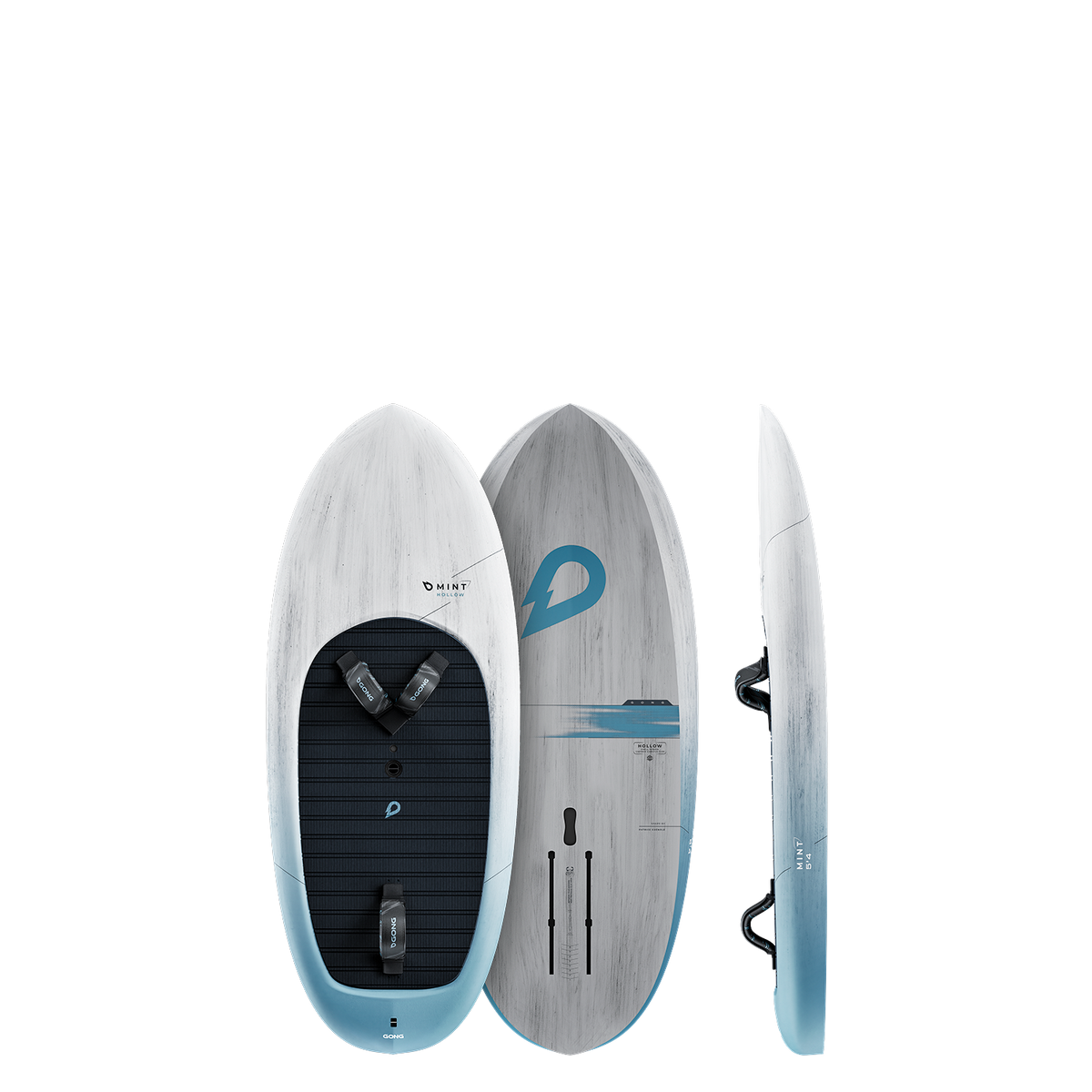
Wing Foil Board Mint Hollow Hybrid Carbon
The freeride, freefly and wave riding mix in a high-performance, accessible a...
Regular Price
CHF 1,188
Sale Price
CHF 1,188Regular Price
heart
heart-full


heart
heart-full
Wing Foil Board Lemon Hollow Hybrid Carbon
The easy-riding board that thrives on freeride, in a high-performance, elegan...
Regular Price
CHF 1,188
Sale Price
CHF 1,188Regular Price
heart
heart-full


heart
heart-full
Wing Foil Board Stunt Hollow Hybrid Carbon
The surf/freestyle board designed to throw tricks and carve with freedom.
Regular Price
CHF 1,188
Sale Price
CHF 1,188Regular Price

