In lowkite / parawing, a harness provides an immediate gain in comfort. It takes the load off your arms, stabilizes the pull and lets you ride for longer with a slightly larger lowkite / parawing without constantly having to handle its power.
Unlike kite or kite foiling, this discipline does not necessarily require a bulky harness. The level of pull means you can choose between several levels of support, from an almost imperceptible harness to a model integrated into an impact vest.
There is also a fourth option that is particularly interesting for downwind: a storage bag compatible with a harness hook.
The right choice depends on your program, the length of your sessions, the level of support you are looking for and whether you need to pack your lowkite / parawing on the water.
The minimalist harness: maximum freedom
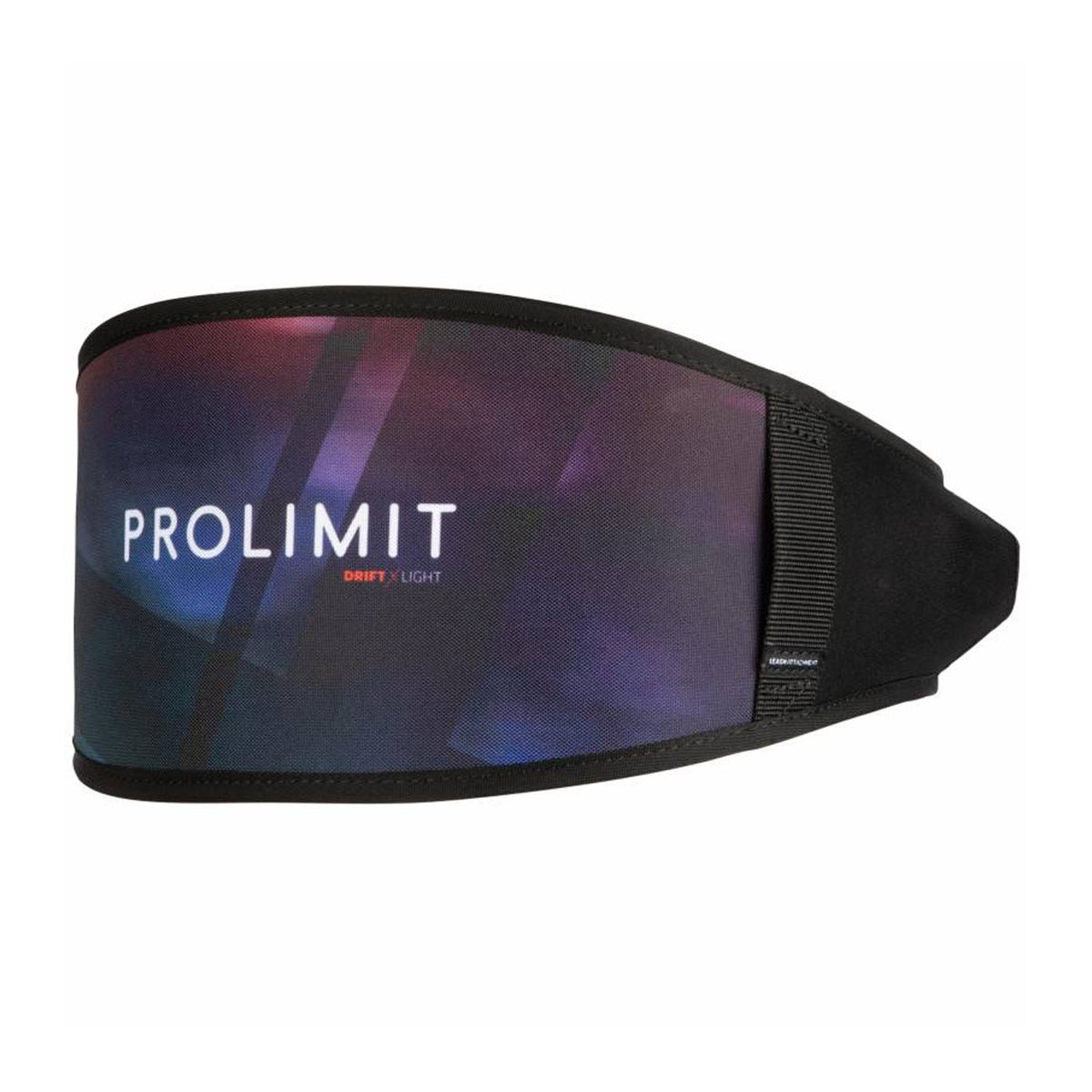
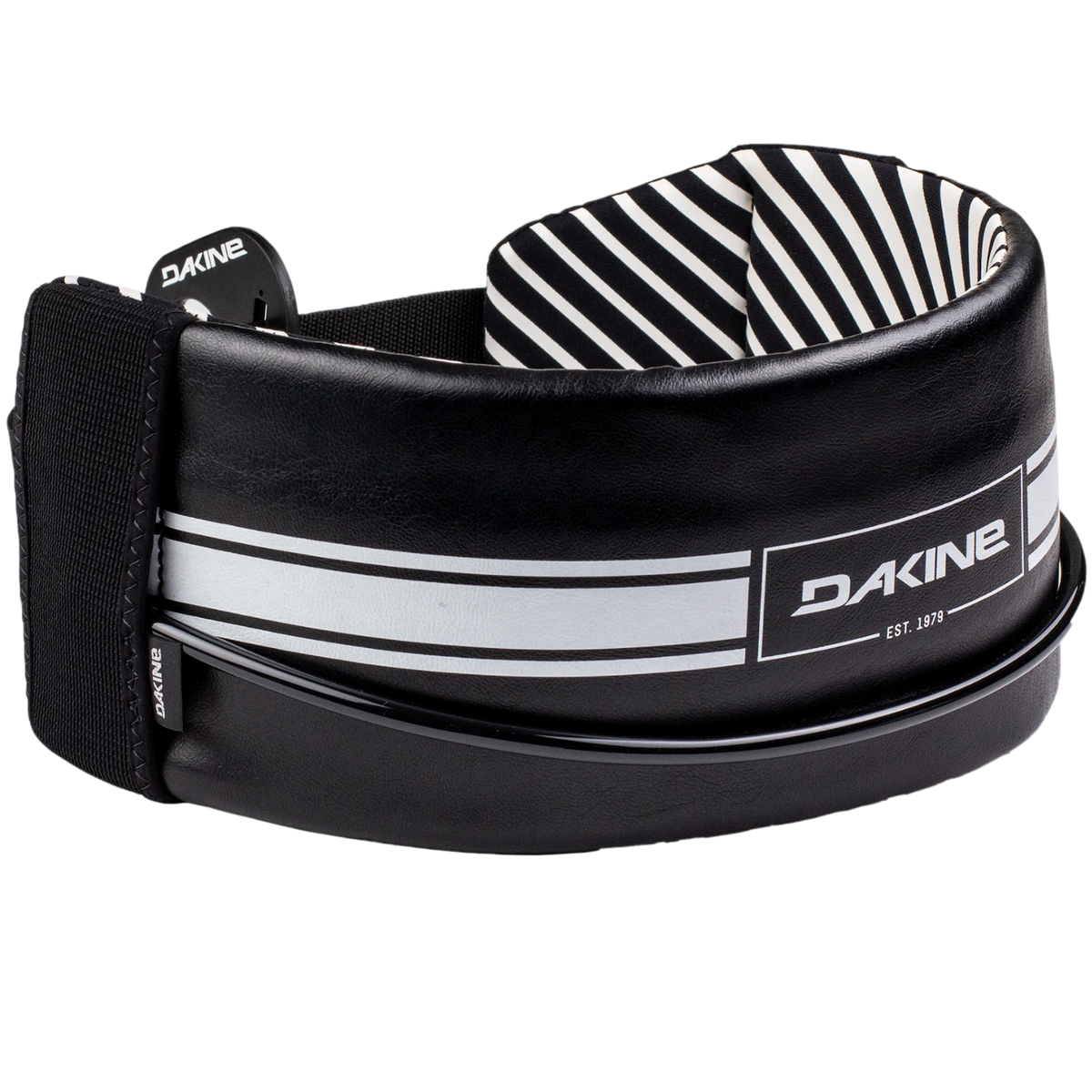
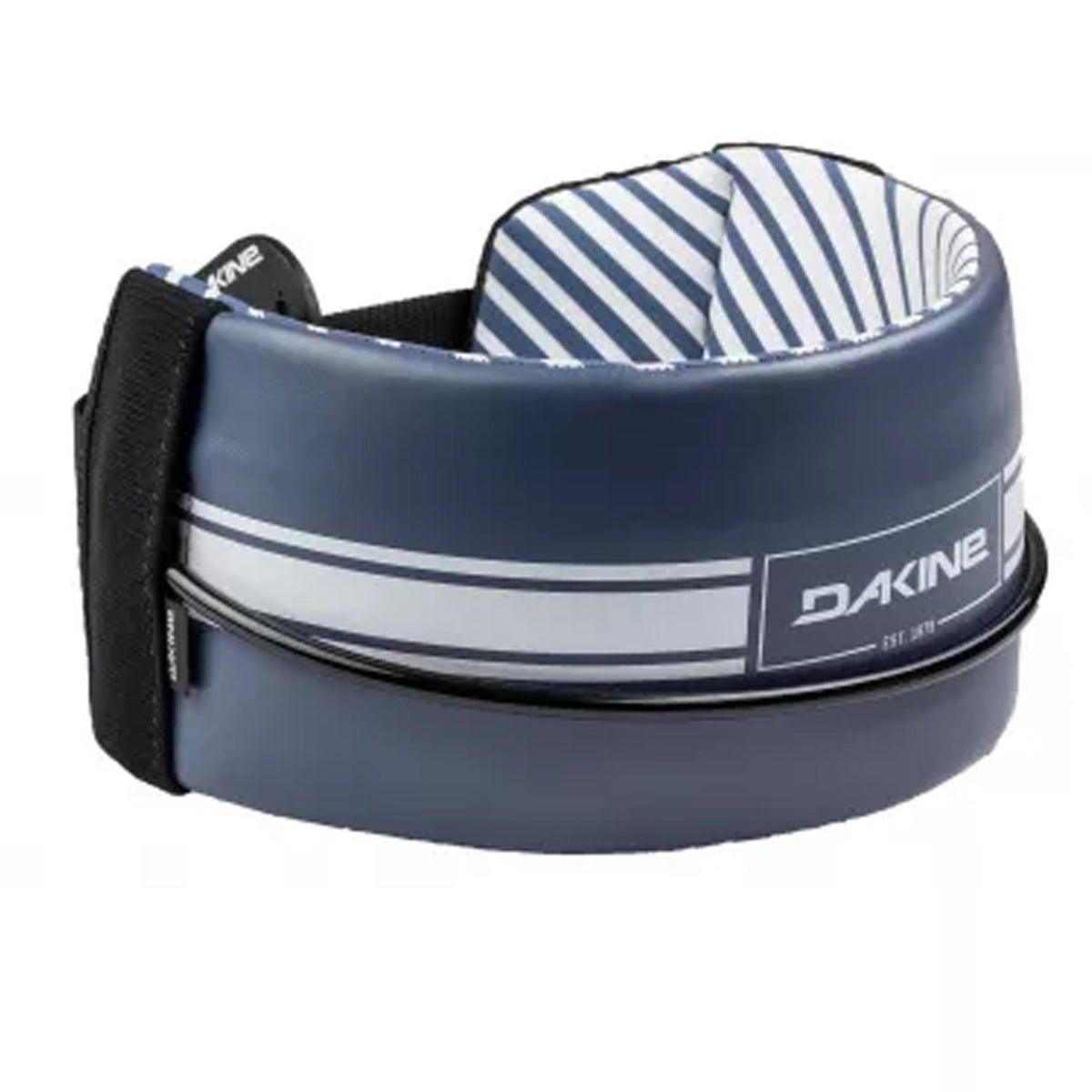
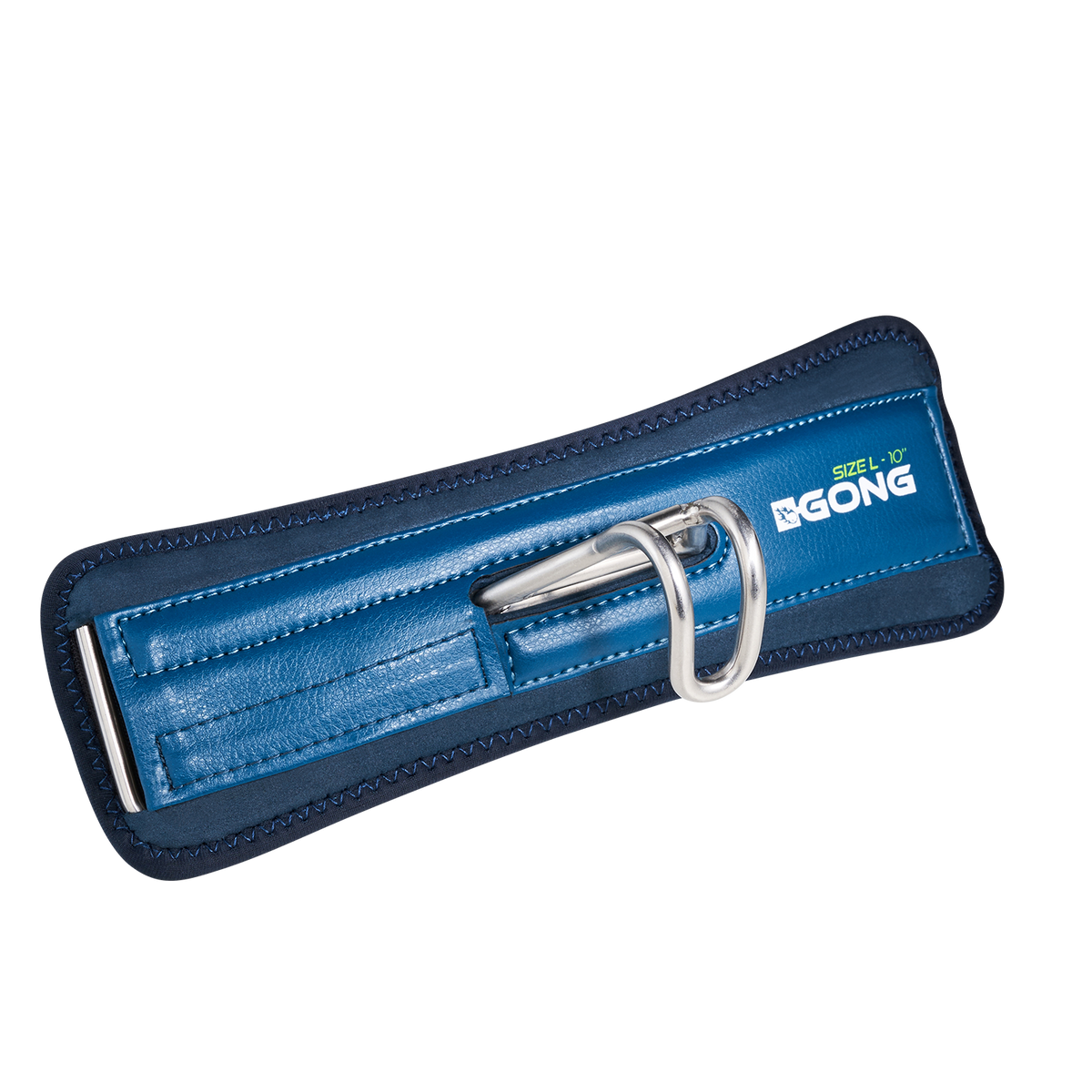
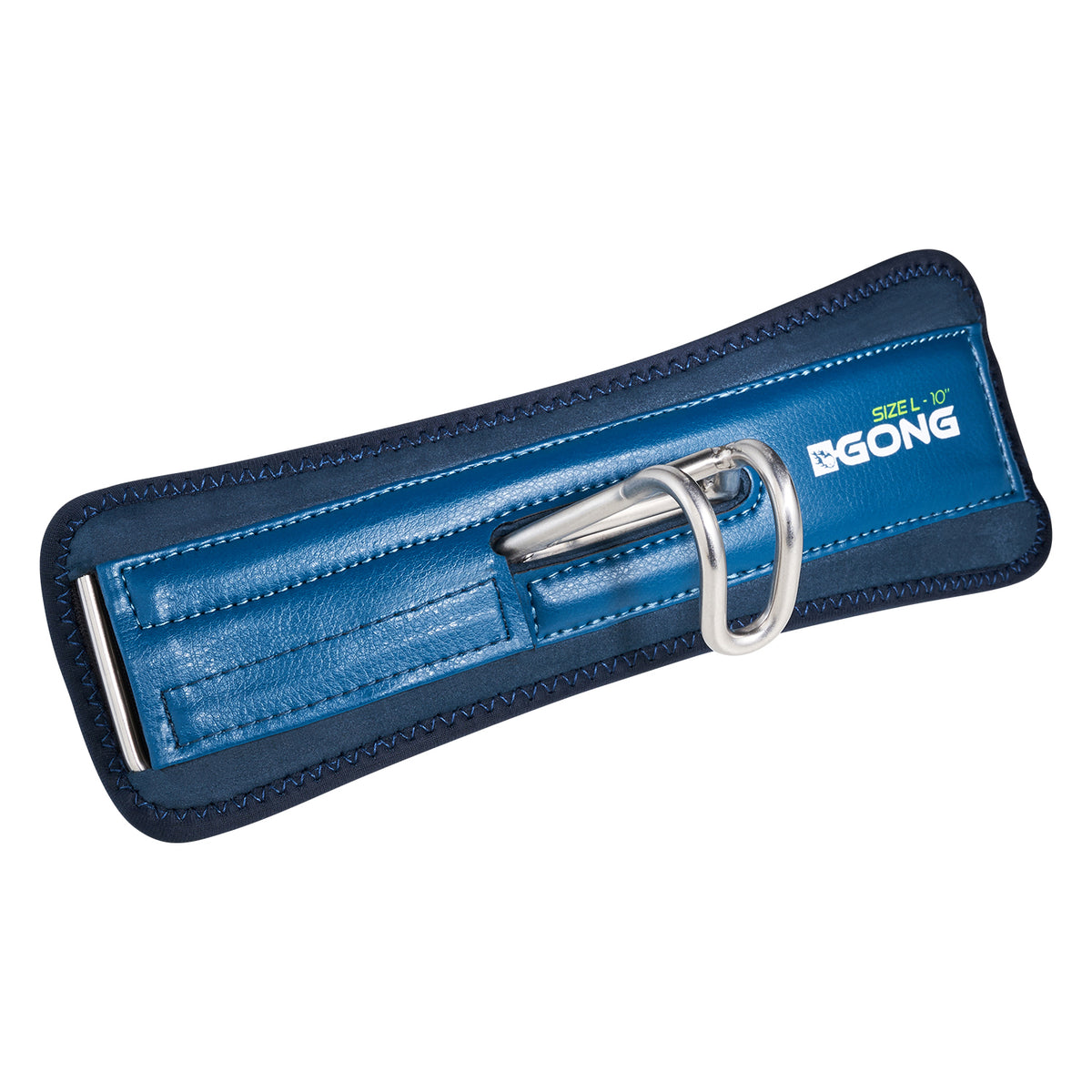
The minimalist harness is the lightest and most discreet solution. With very little coverage, it retains all the mobility you need to control the foil, pump, climb back onto the board or switch instantly into freefly.
Its low-profile design means you barely notice it once unhooked. It is particularly well suited to riders who want to preserve the feeling of freedom that defines lowkite / parawing, while still benefiting from a harness on long runs or during the most physical phases.
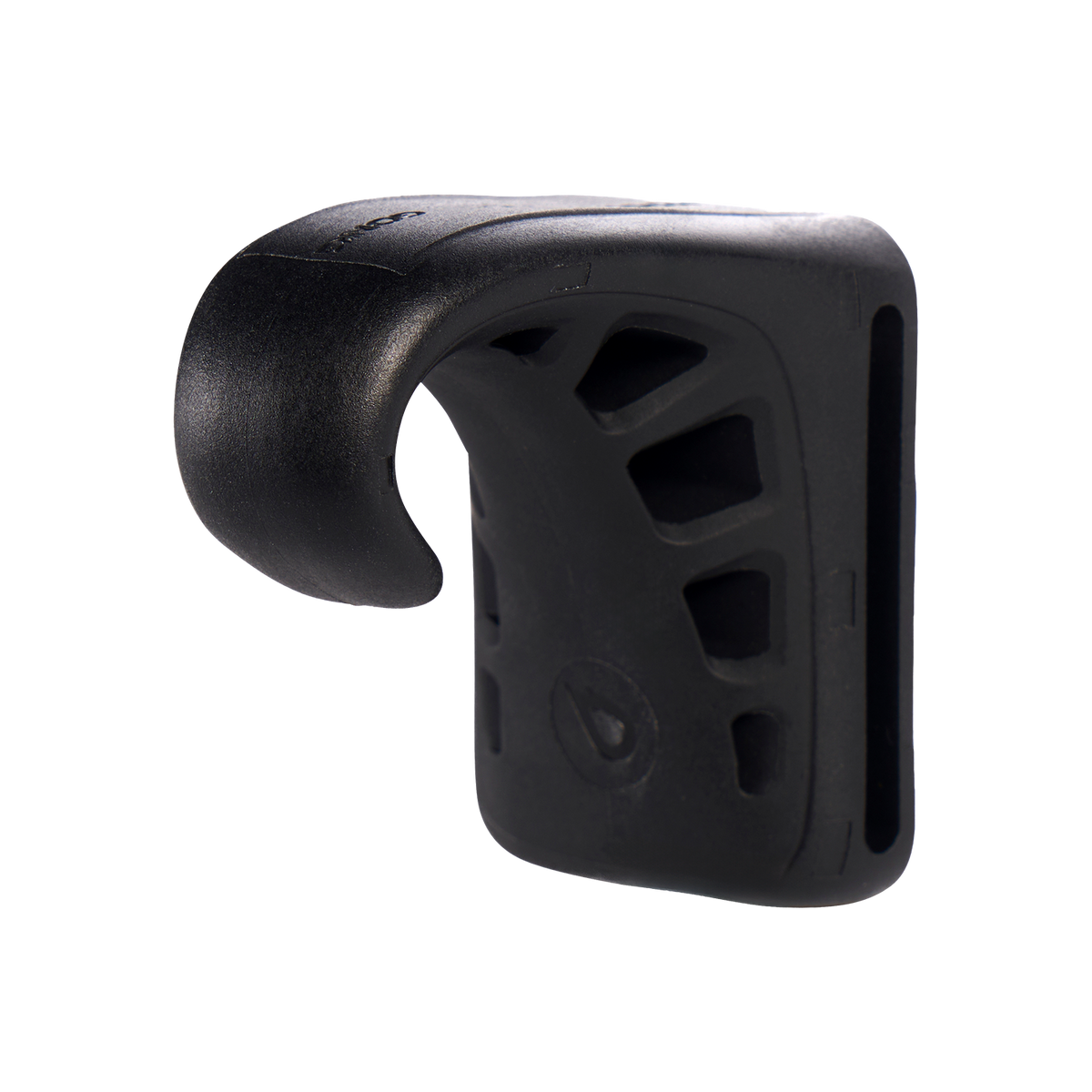
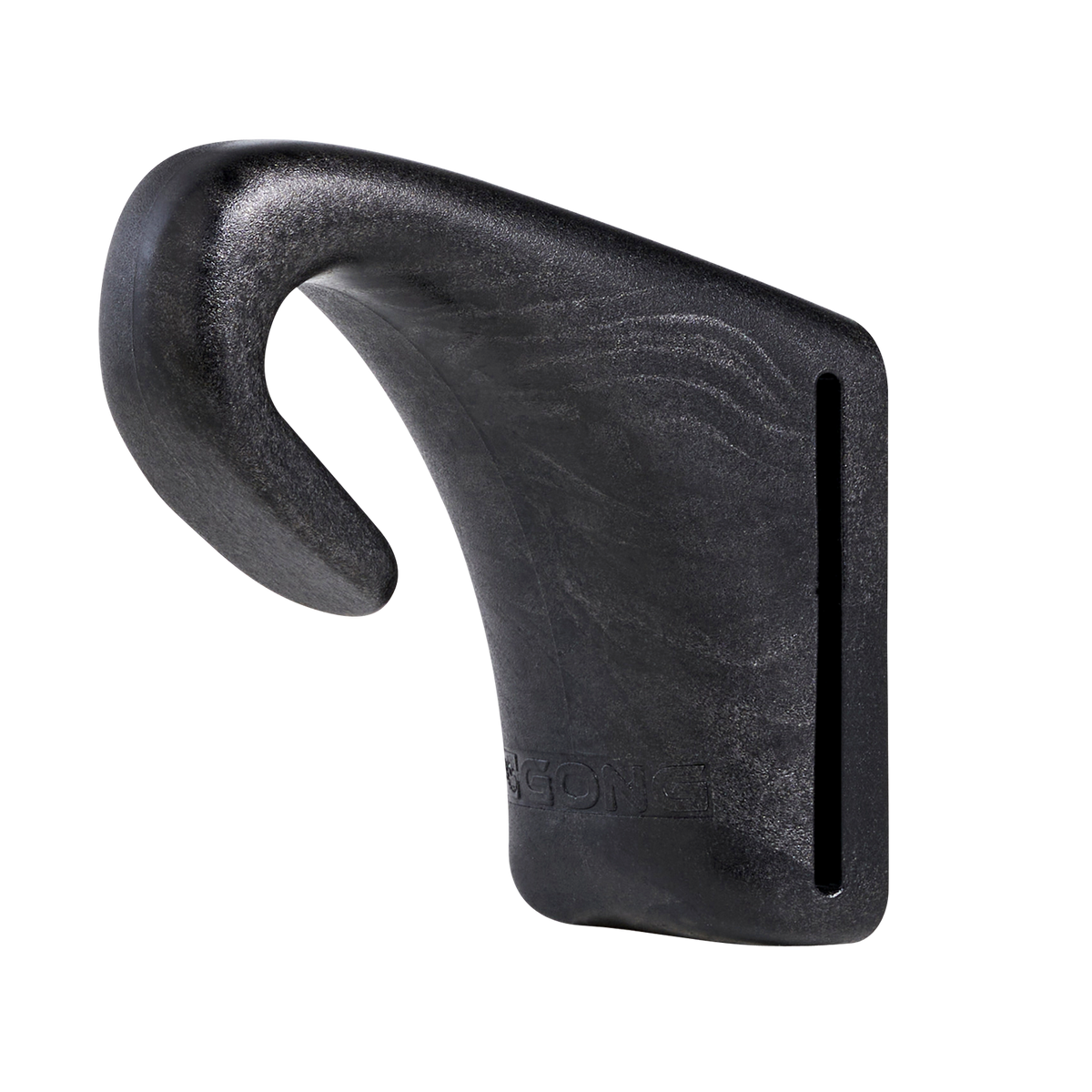
Paired with a small sliding or folding hook, it also makes getting back onto the board easier. Simply move the hook to the side to prevent any contact with the deck. The whole setup remains compact, lightweight to carry and very quick to put on.
It is the ideal choice for short to medium sessions, wave riding, freefly and anyone looking for effective support with minimal equipment.
The trade-off is that its small surface area distributes the load less effectively. For long sessions, stronger winds or when using a larger lowkite / parawing, a harness with more coverage will provide greater comfort.
The full-coverage harness: support and long-lasting comfort
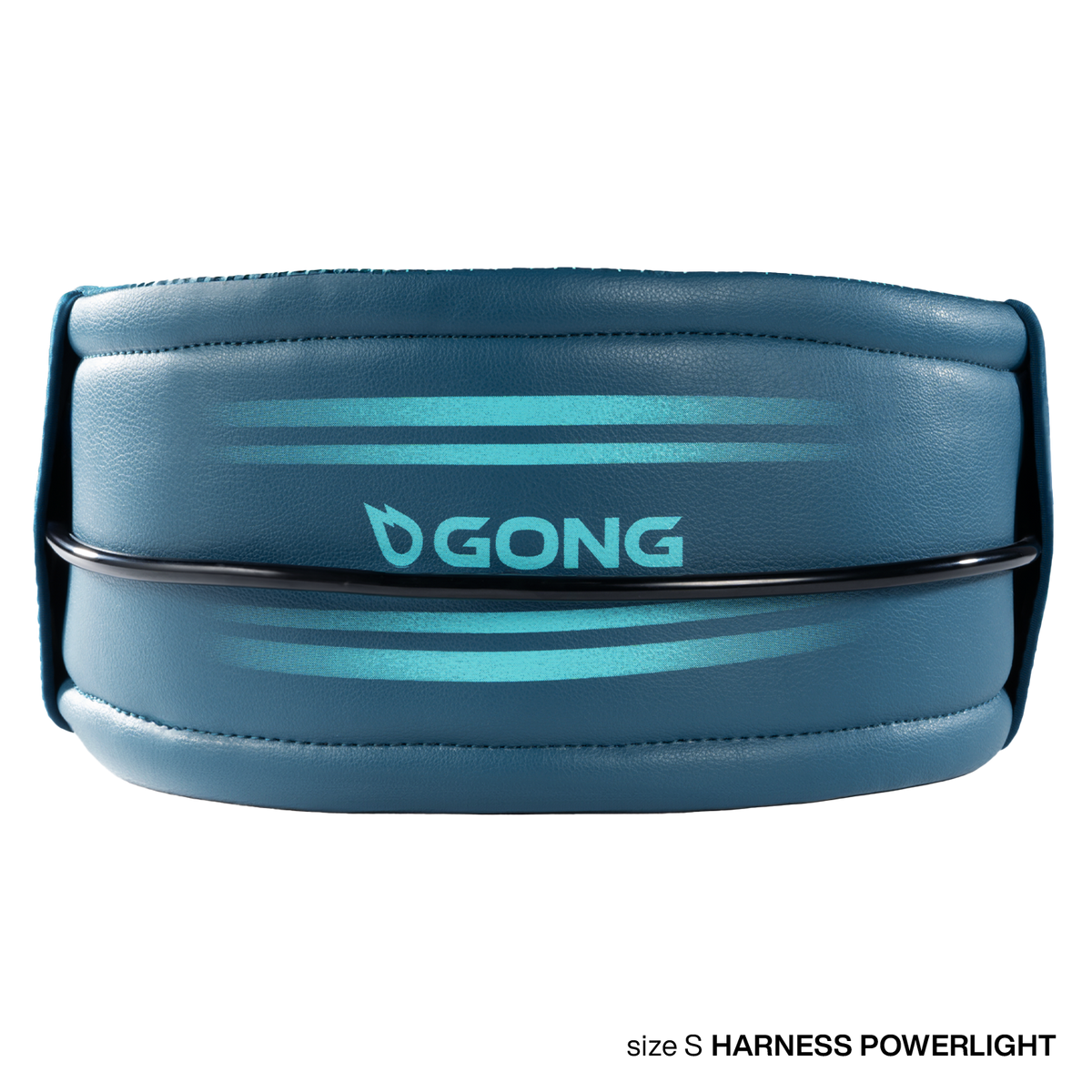
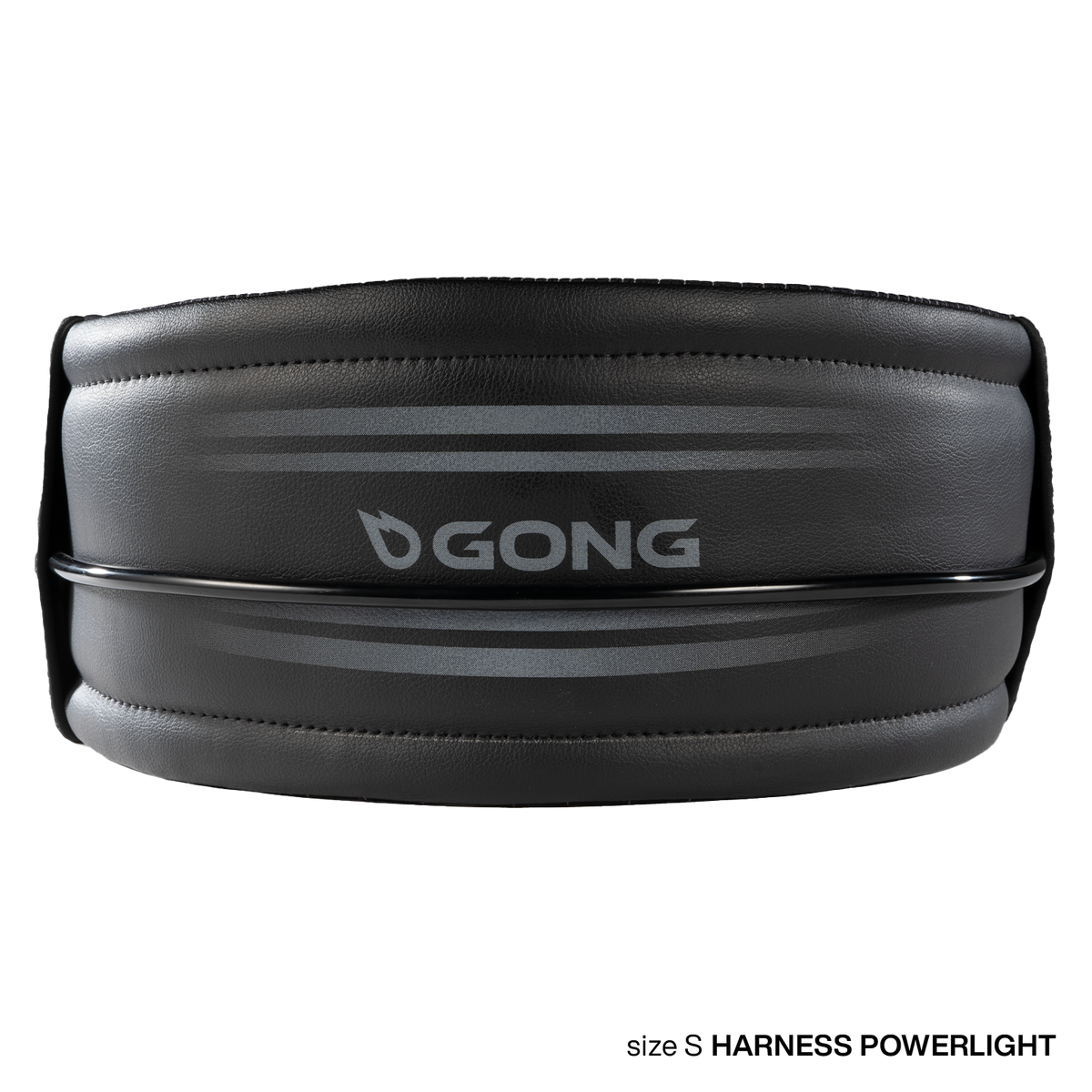
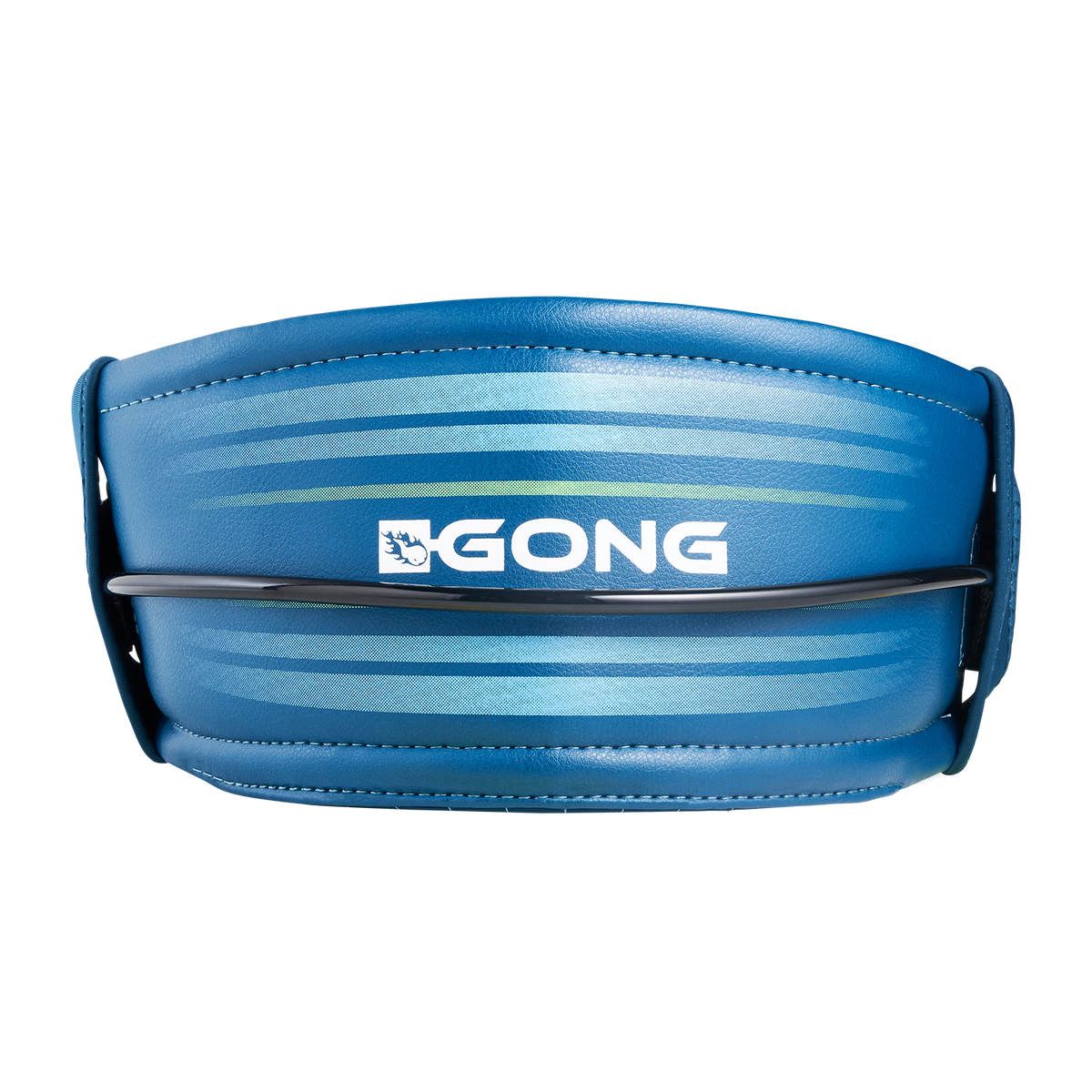
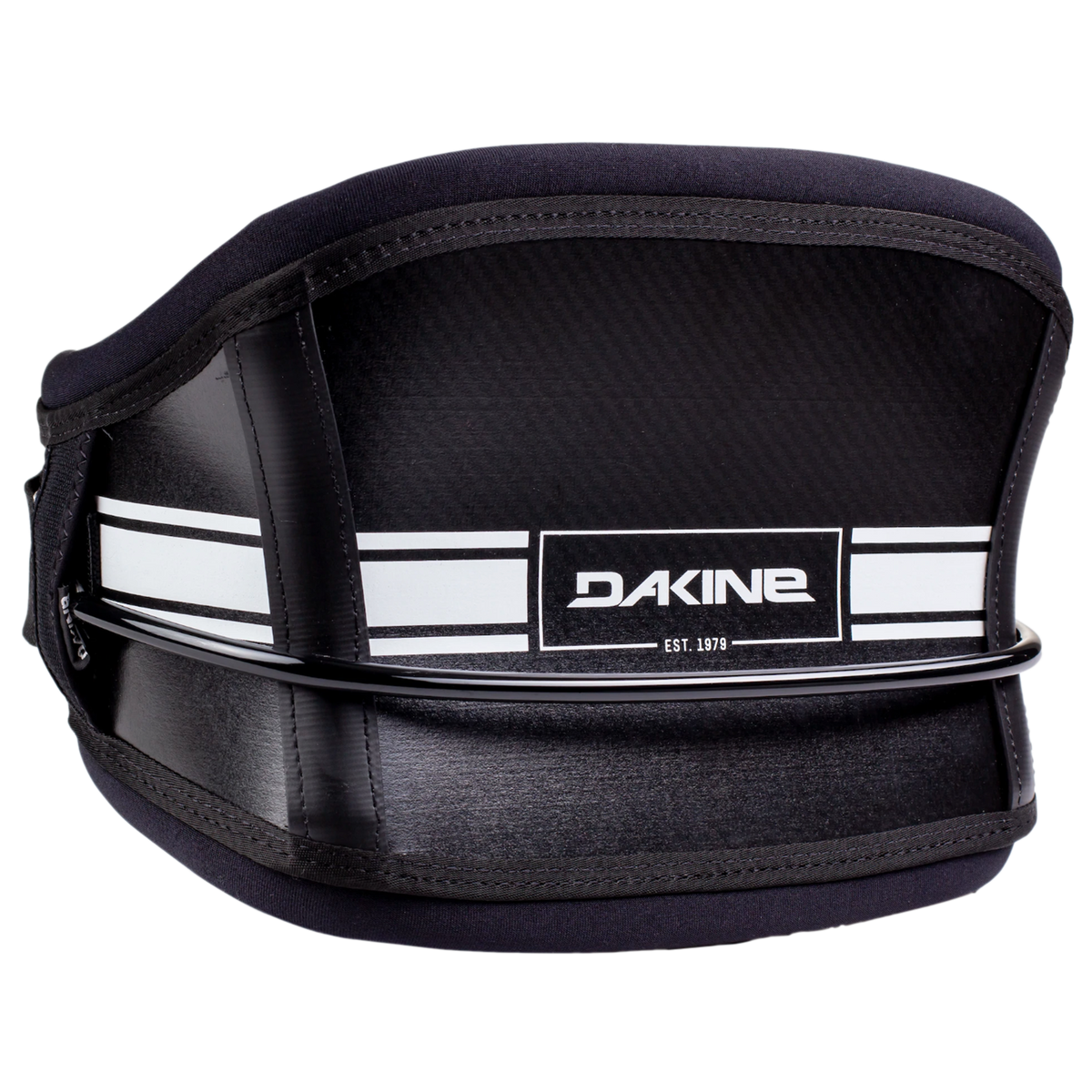
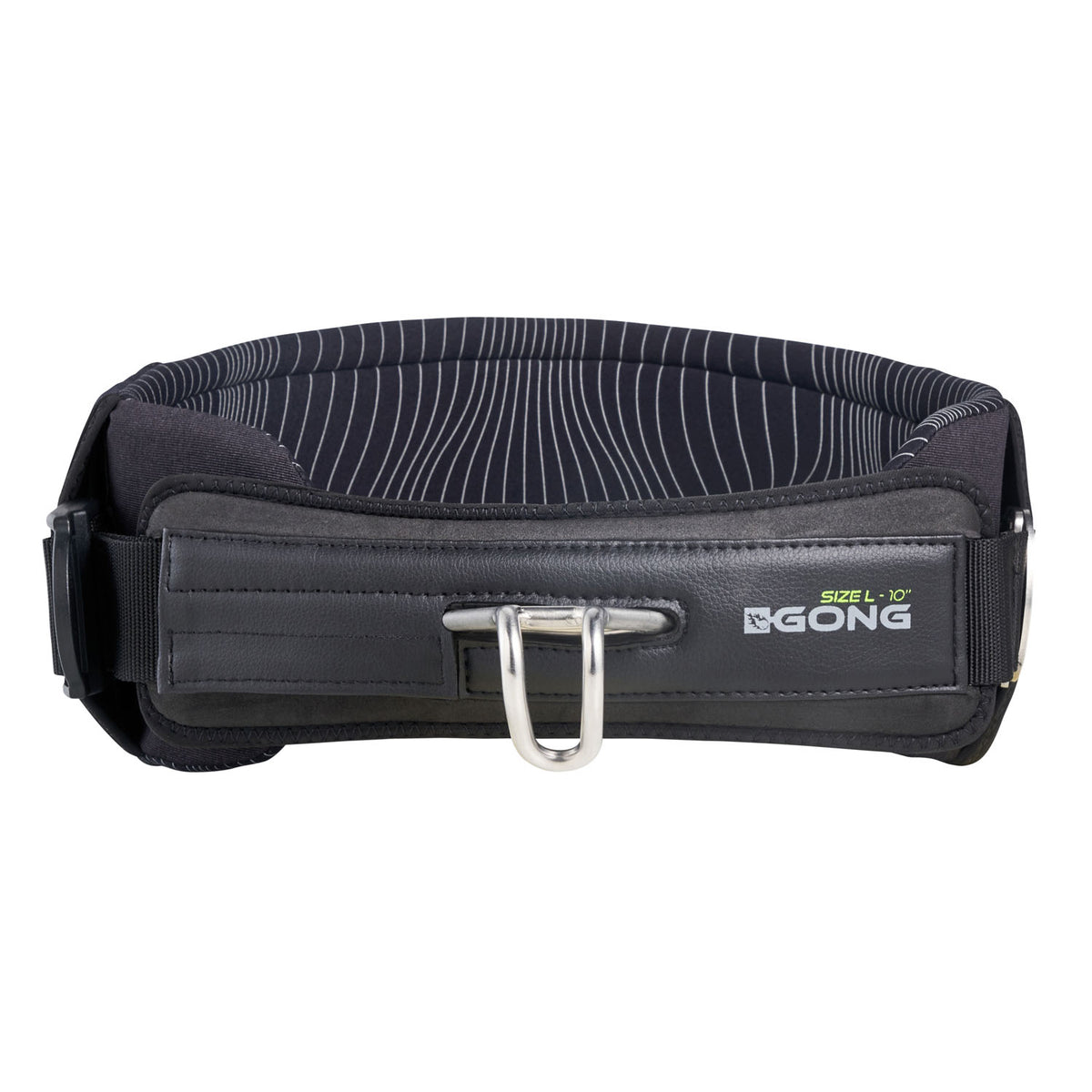
A harness with more coverage distributes the pull across a larger area of your back. It provides better lumbar support and reduces pressure points when you stay hooked in for long periods.
This difference becomes particularly noticeable on long runs, in chop, when pointing hard upwind or when using a slightly larger lowkite / parawing to make take-offs more reliable.
Your arms remain relaxed and your upper body can lean more firmly into the harness. This type of harness is particularly well suited to long sessions and riders who prioritize comfort over absolute minimalism.
It remains much lighter and more mobile than a traditional kite harness while providing significantly more support than a simple waist belt.
Its slightly greater bulk is more noticeable when swimming or climbing back onto the board. You also need to remember to move the hook to the side to protect the deck. These few precautions quickly become automatic.
Harness integrated into an impact vest: an all-in-one solution
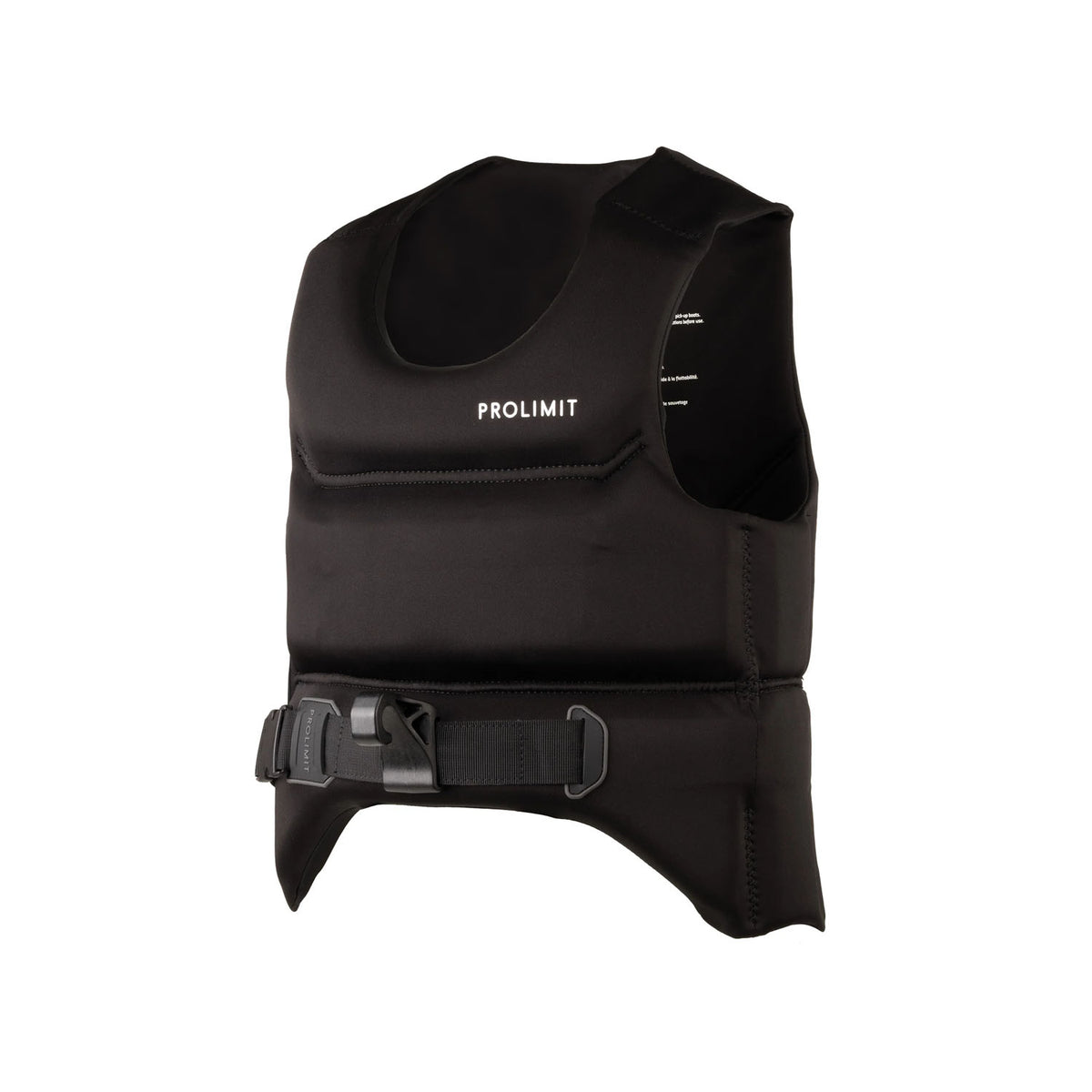
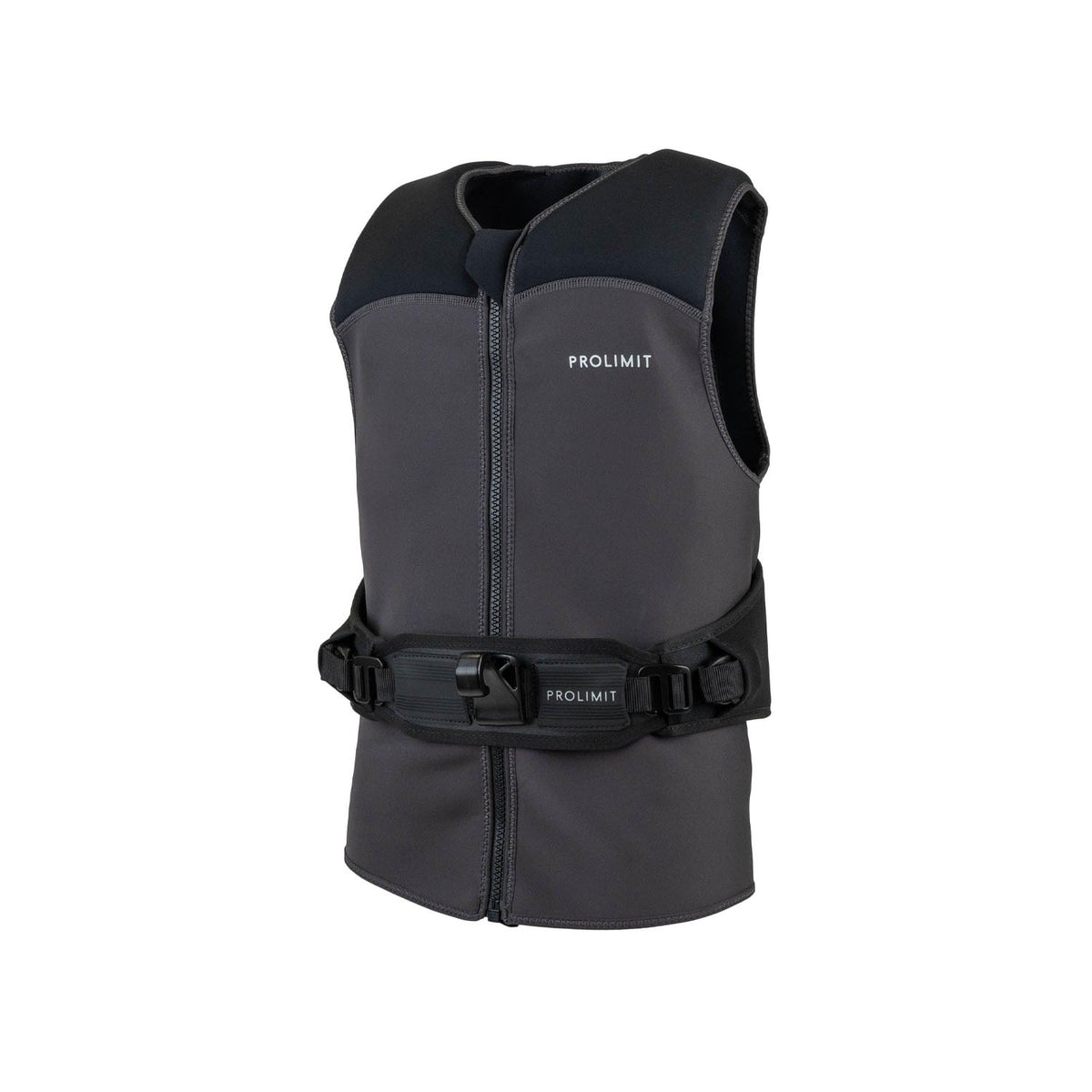
A harness integrated into an impact vest combines support, protection and, depending on the model, buoyancy assistance in a single piece of equipment.
The whole setup stays securely in place while riding. The harness does not ride up independently of the vest, and the different components do not move around your body. This stability improves comfort and makes movement easier in chop, during falls and when climbing back onto the board.
The vest also provides additional protection around the torso. Models designed as buoyancy aids offer extra peace of mind during sessions far from shore or in more challenging conditions.
However, you should always check the specifications and certifications of each model, as an impact vest is not necessarily a certified buoyancy aid.
This all-in-one solution is particularly interesting for long sessions, riding in rougher seas and riders who already wear a vest every time they go out. It avoids layering several pieces of equipment that could move independently.
It is naturally a little more covering and warmer than a minimalist harness. Choosing the right size is essential to maintain optimal freedom of movement and prevent the vest from riding up.
Hook-compatible bag: the multifunctional downwind solution
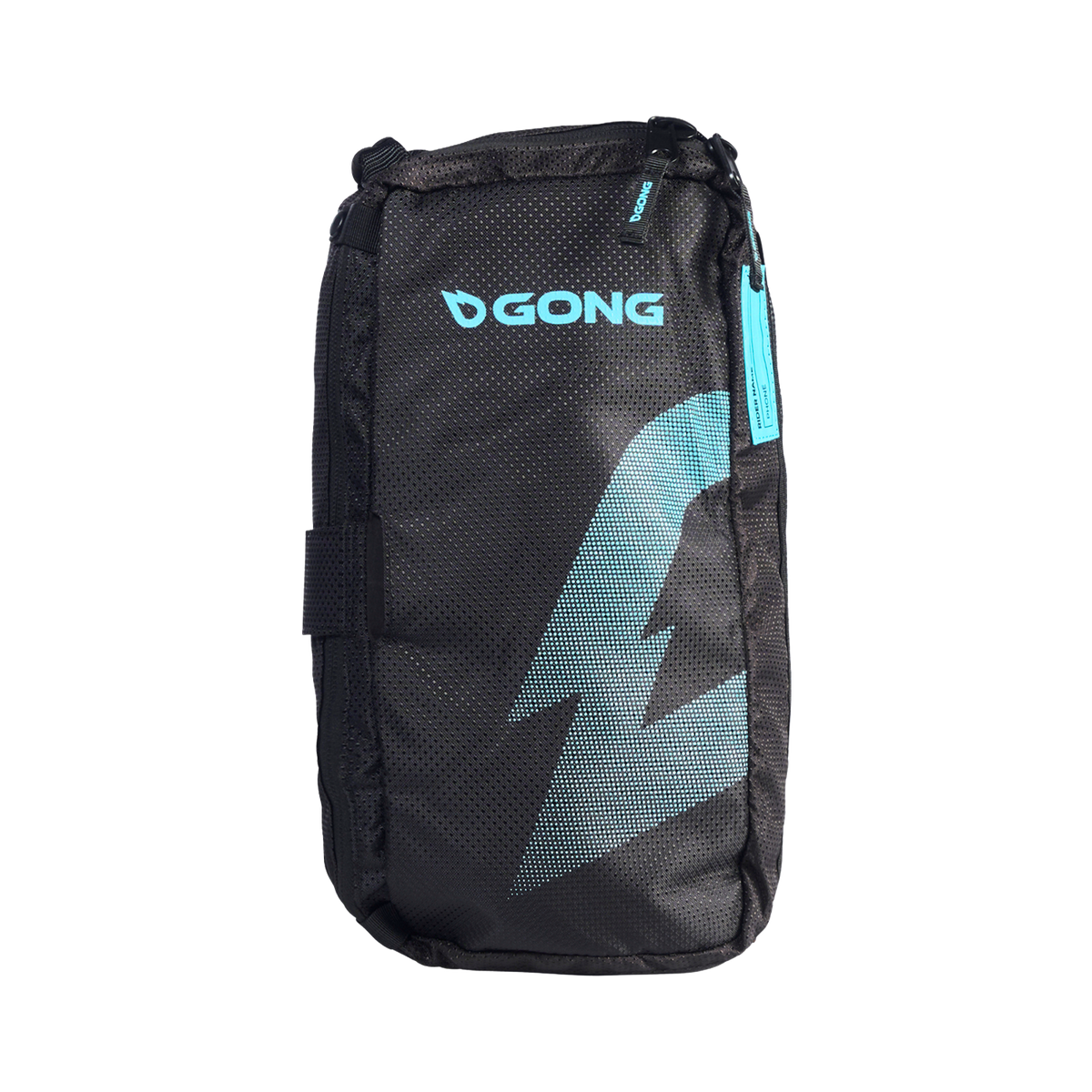
The lowkite / parawing bag is in a category of its own. It is not just designed to carry your equipment. On compatible models, its waist strap can accommodate a hook, turning the bag into a proper riding harness.
This solution really comes into its own for downwind. It allows you to set off with your lowkite / parawing, ride hooked in, then pack it directly on the water and continue downwind using only the foil. The lowkite / parawing remains available in the bag and can be redeployed if conditions change or if you need power to complete your run.
The Stash & Downwind Bag supplied with the Neutra and Neutra Light lowkites features a strap compatible with a harness hook. Its reinforced back and ergonomic cradle improve load distribution and comfort when riding hooked in.
When the lowkite / parawing is deployed, the empty bag sits on your back. Its waist strap then serves as the support for the hook. When it is time to pack, its wide opening allows you to quickly stow the lowkite / parawing on the water.
The main advantage of this system is its versatility. The same piece of equipment handles transport, harness support and on-water storage. It eliminates the need for a separate waist belt and simplifies downwind logistics.
It is also an excellent backup solution. The bag can carry a second lowkite / parawing, giving you another size option if the wind changes during your session.
A hook-compatible bag is therefore ideal for riders who want to alternate between powered riding, freefly, pure foiling and redeployment without multiplying their equipment.
Which system should you choose?
Choose a minimalist harness if your priorities are lightness, mobility and a very free feeling. It provides just enough support to take the load off your arms without changing the stripped-back character of lowkite / parawing.
Go for a harness with more coverage if you ride for long periods, regularly use a larger lowkite / parawing or want better back support. It offers the best compromise between mobility and long-lasting comfort.
Choose a harness integrated into an impact vest if you want support and protection combined in one stable, coherent piece of equipment. This solution is particularly well suited to long sessions and more challenging conditions.
Choose a hook-compatible bag if downwind, packing on the water and versatility are central to your riding. It can replace a separate harness while also carrying and storing your lowkite / parawing.
In every case, the best system is the one you forget you are wearing while riding. Whether it is a minimalist harness, a full-coverage model, an integrated vest or a multifunctional bag, each solution lets you enjoy lowkite / parawing for longer, with less fatigue and greater control.