Your cart is empty!
It's flat around here...
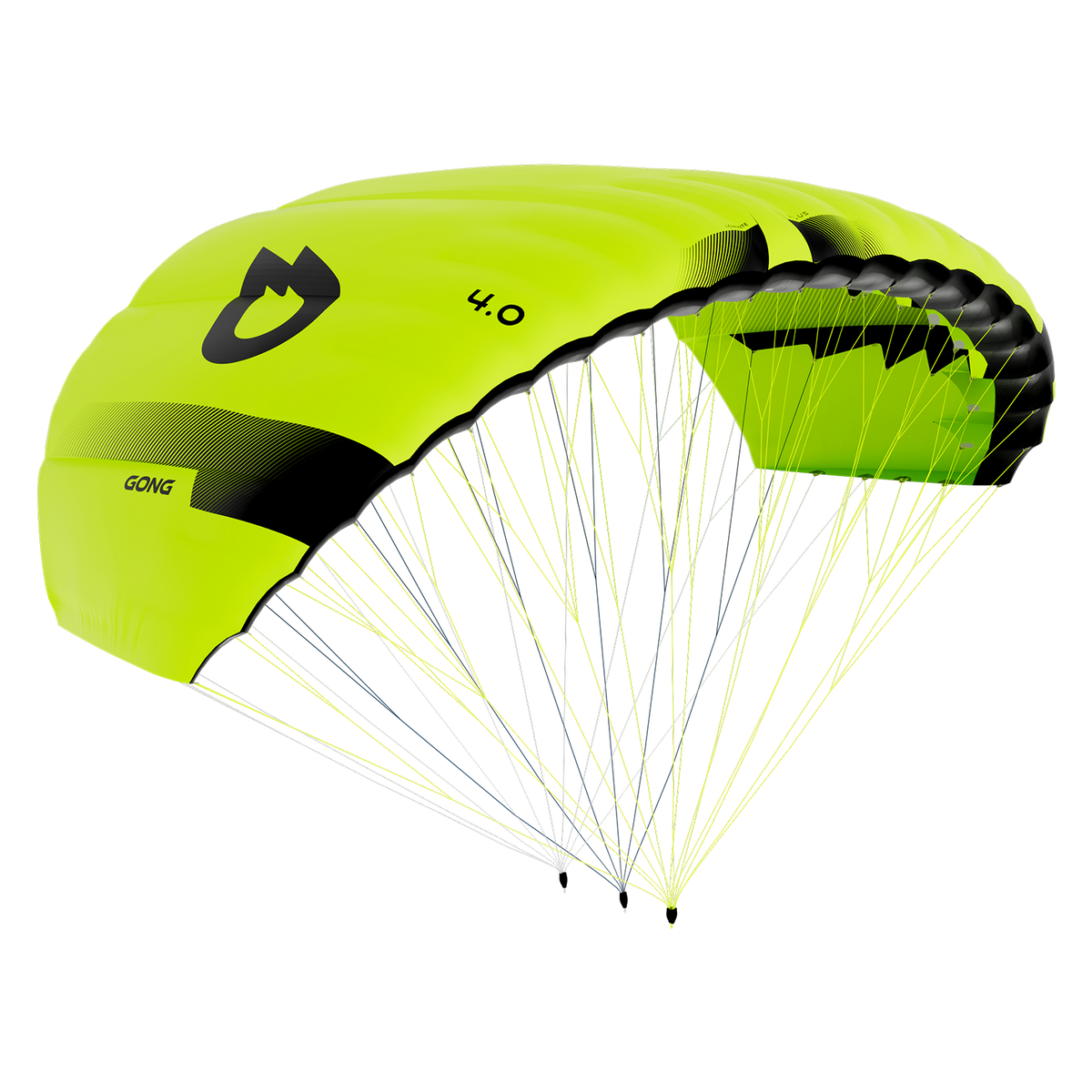
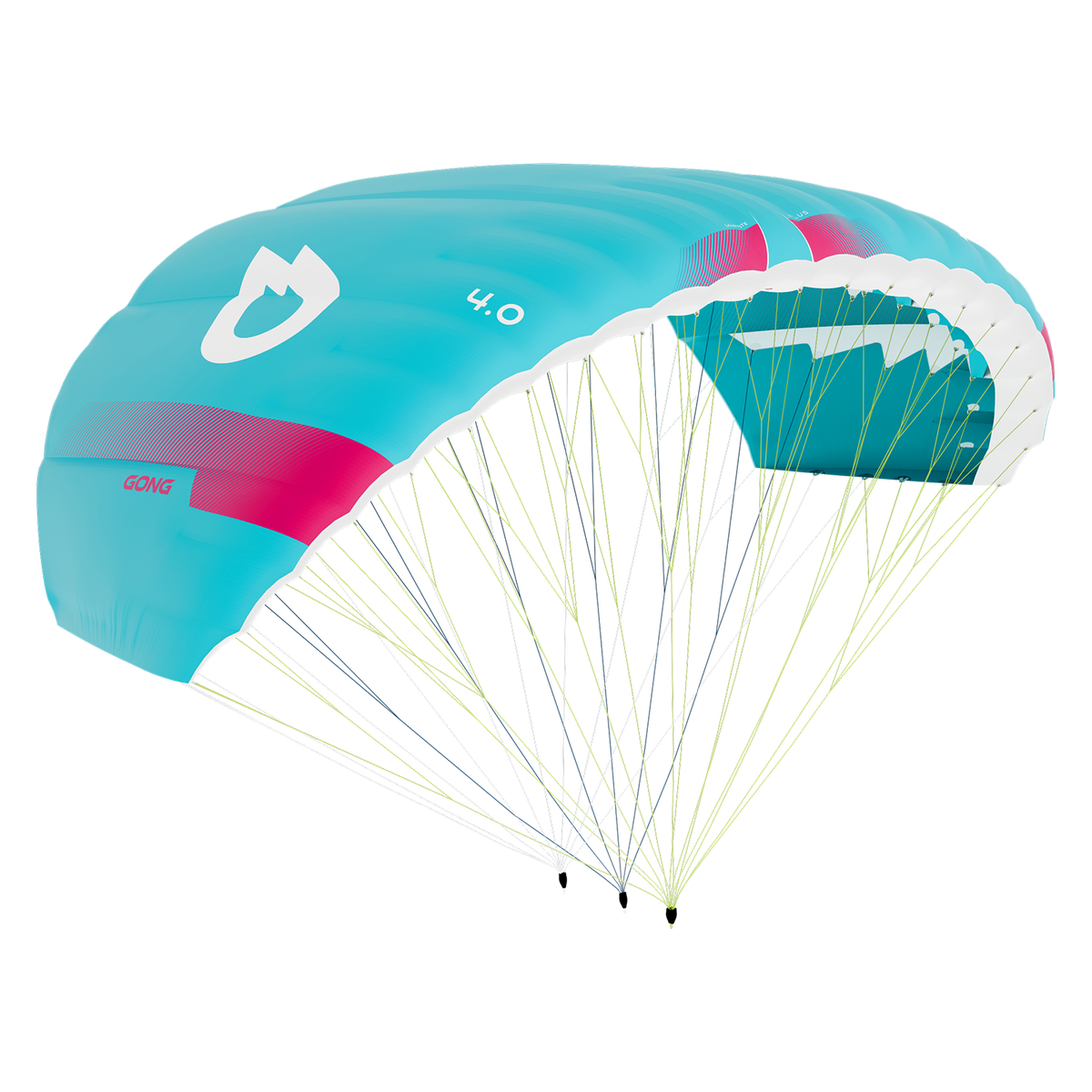
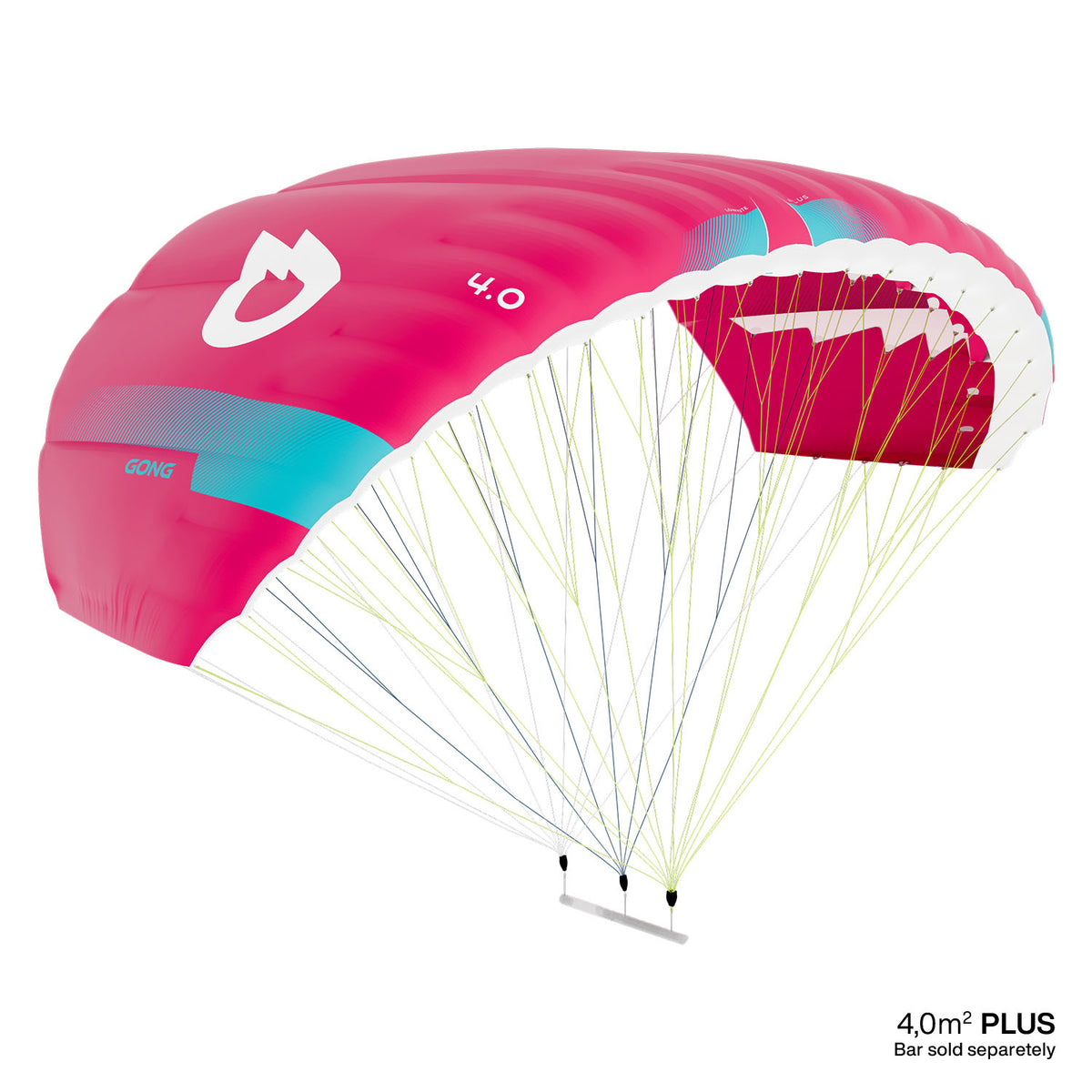
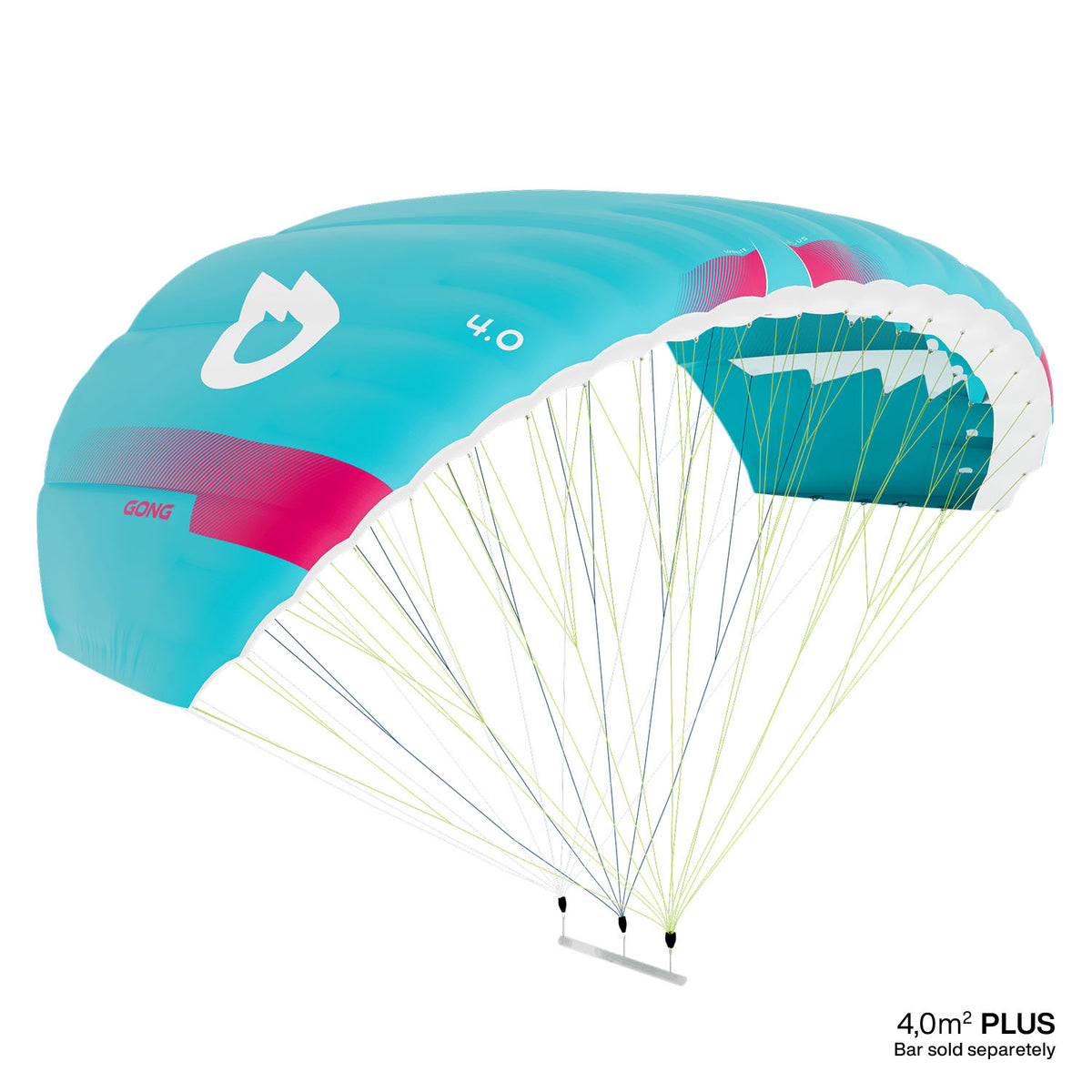
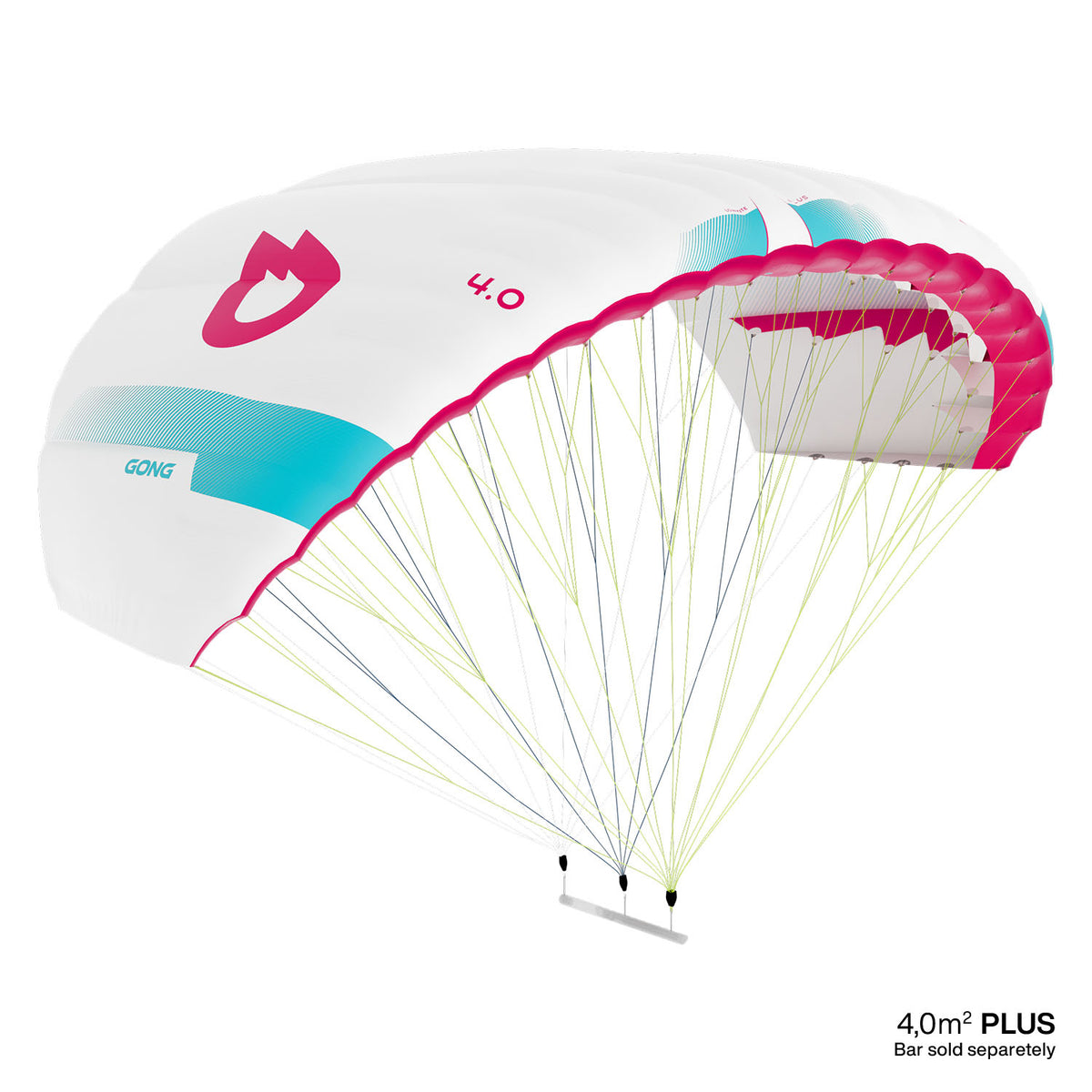
A compact, ready-to-fly wing. Take off, pack the lowkite away in seconds and surf freely. Then redeploy it just as easily to ride back upwind.
Of course, it makes you want to give it a go.
But between “I have to try this” and your first session, there are often a few questions: is it difficult? What gear do I need? What conditions should I choose? How do I manage the lowkite and the foil?
Good news: getting started is much easier than it looks. And if you’re already familiar with foiling, your first flights often come straight away.
Here’s everything you need to know to get started 👇

Because it brings something genuinely new to foiling.
Its first major advantage is an incredibly minimalist setup. No inflatable struts, no pump and a tiny packed volume. One or two lowkites fit easily into a boardbag, on a boat or in the trunk of a car.
Then there’s the freefly. You use your lowkite to ride and get back upwind, then pack it away to completely free up your ride on a wave or bump.
No more choosing between sailing and pure glide: both are part of the same session.
And contrary to what its strong freefly image might suggest, the lowkite isn’t just made for riding downwind with the swell. You can also go for freeride sessions and throw tricks.
 Foiler: Bastien, GONG team rider, on a Cruzader Diamond FSP Pro, Plus V3 lowkite, HM77 mast, Veloce DW V3 Atmo front wing and Veloce V3 Atmo monobloc stab.
As with all boardsports, if you start out in the right conditions, your learning curve will be smooth and rewarding. You need:
If your first sessions are frustrating, it simply means the conditions were too challenging, your equipment wasn’t suitable or you were missing a key technical tip. Here are the basics for stress-free progression:
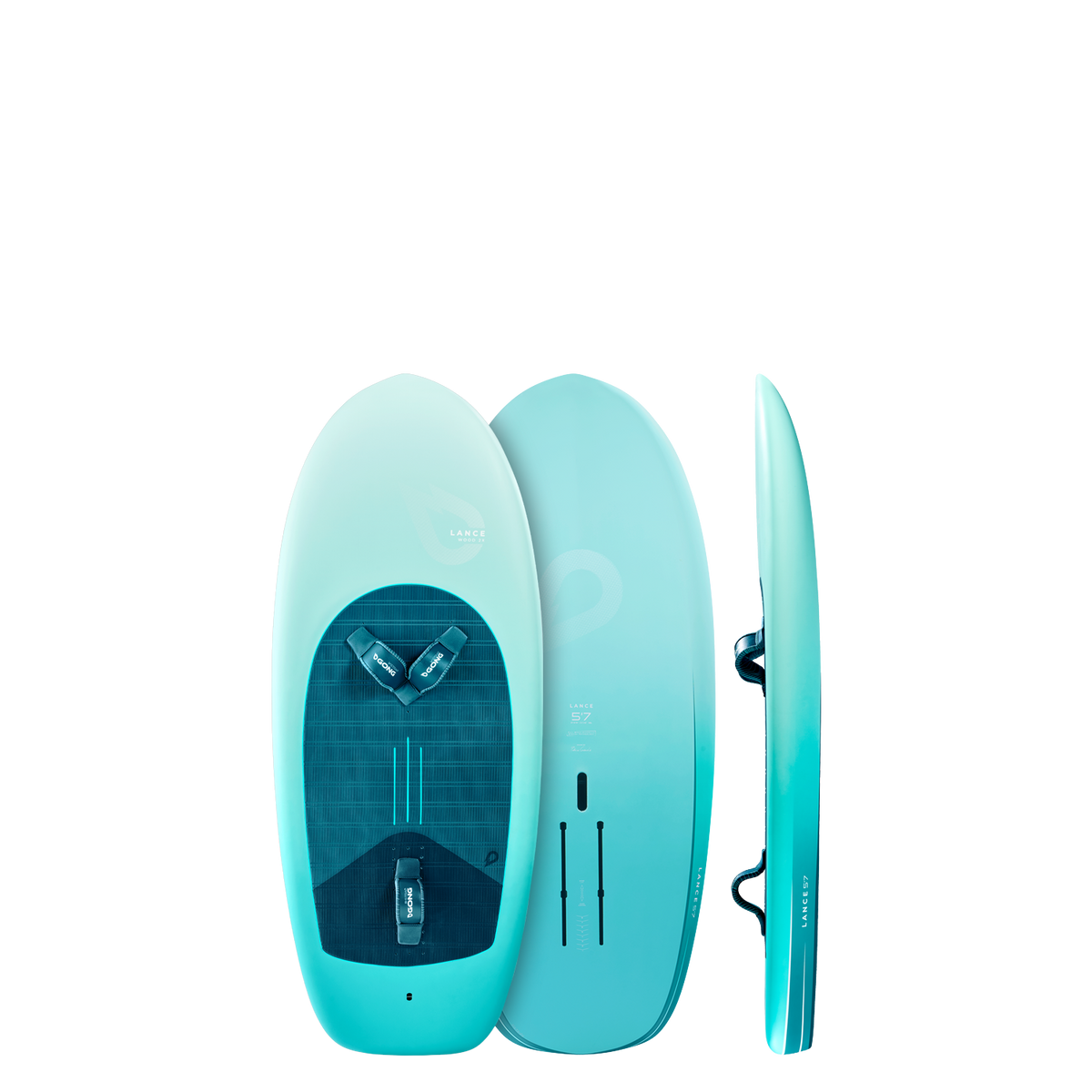
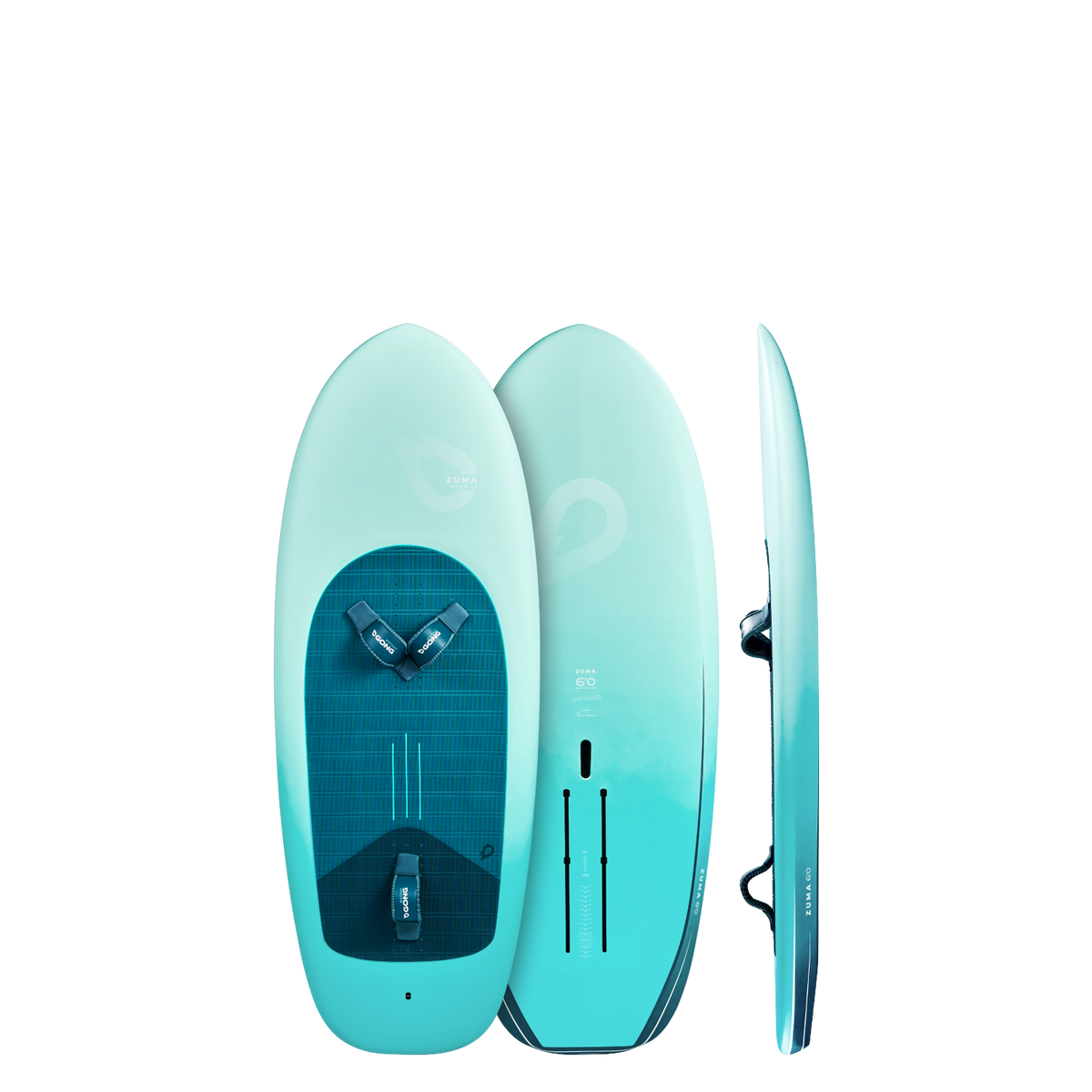
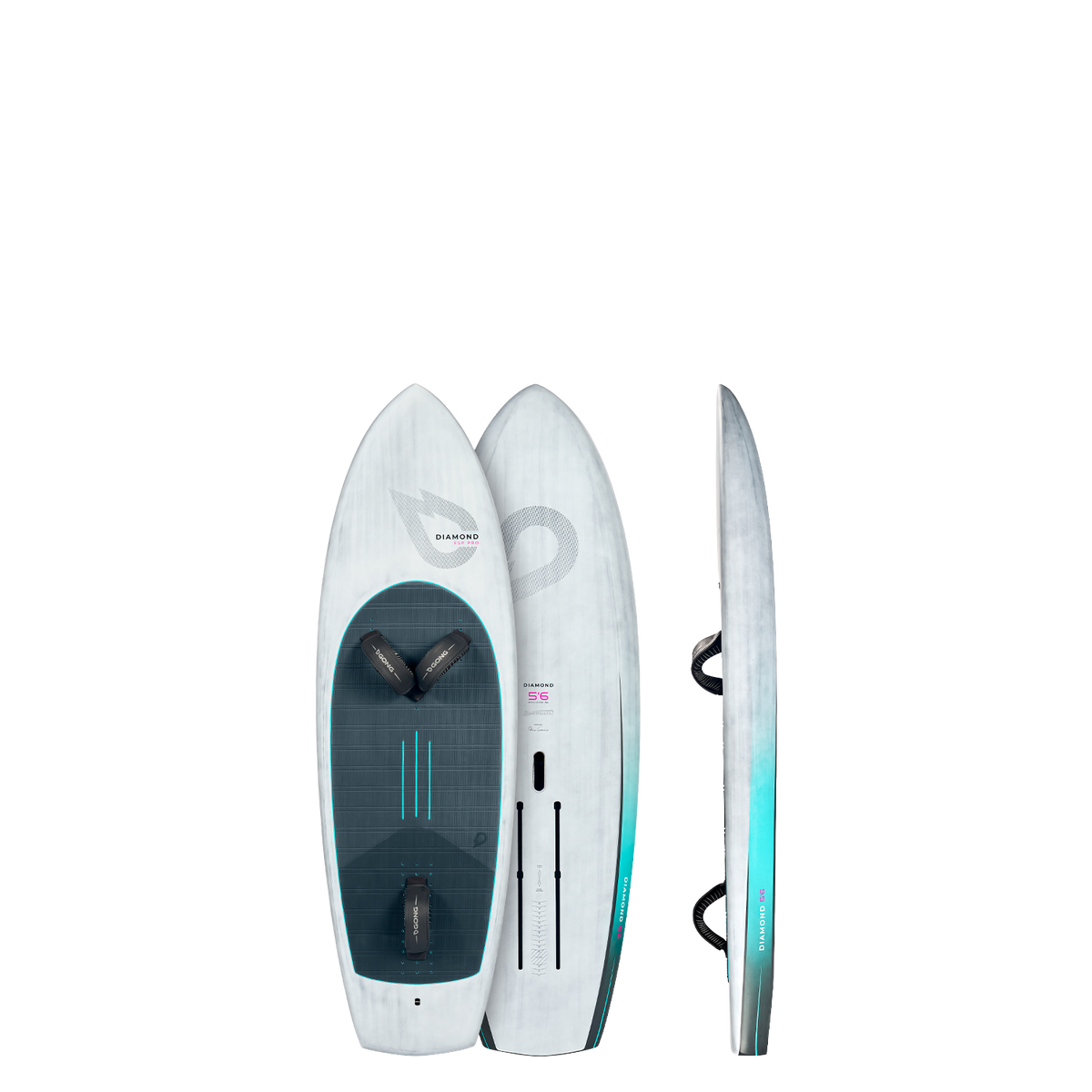
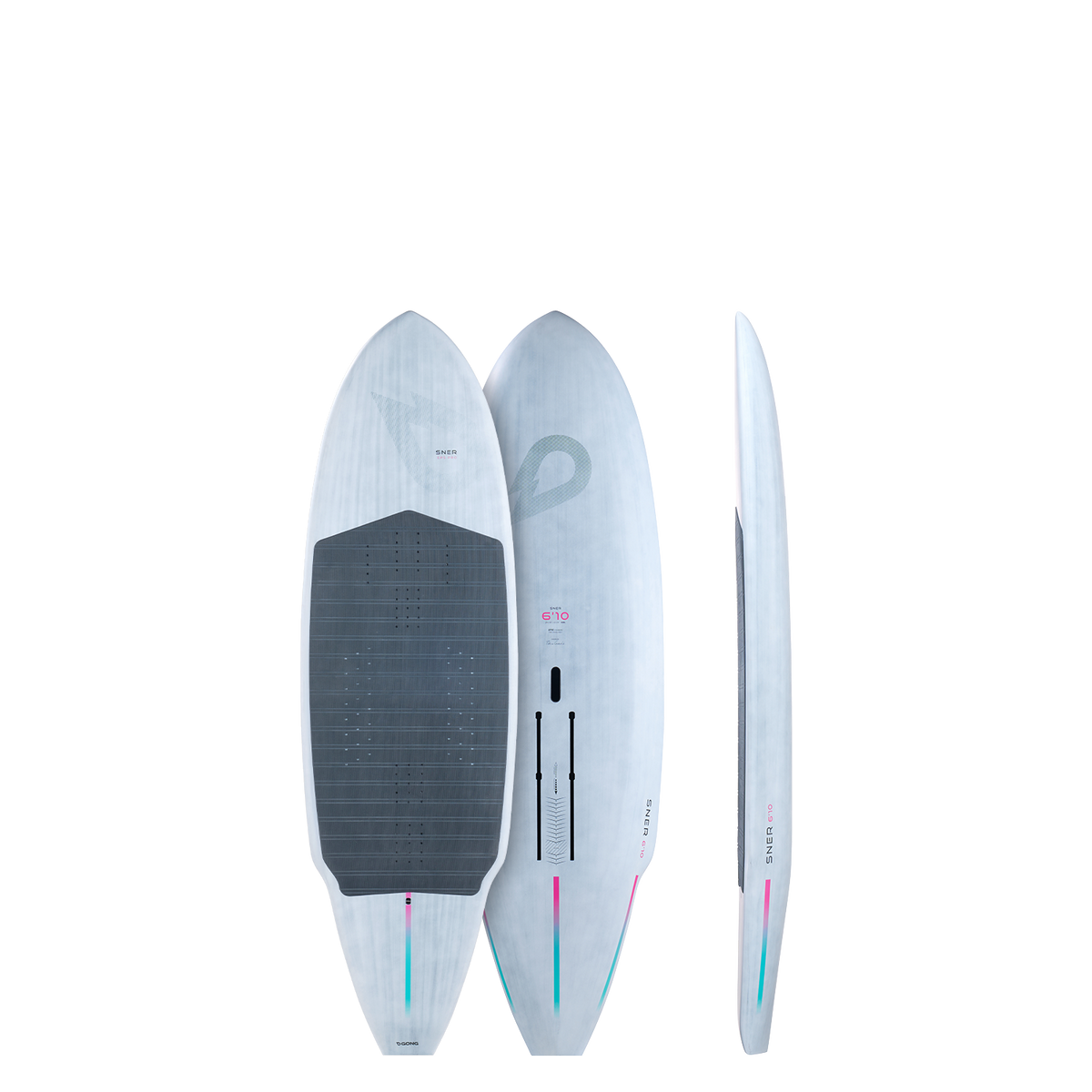
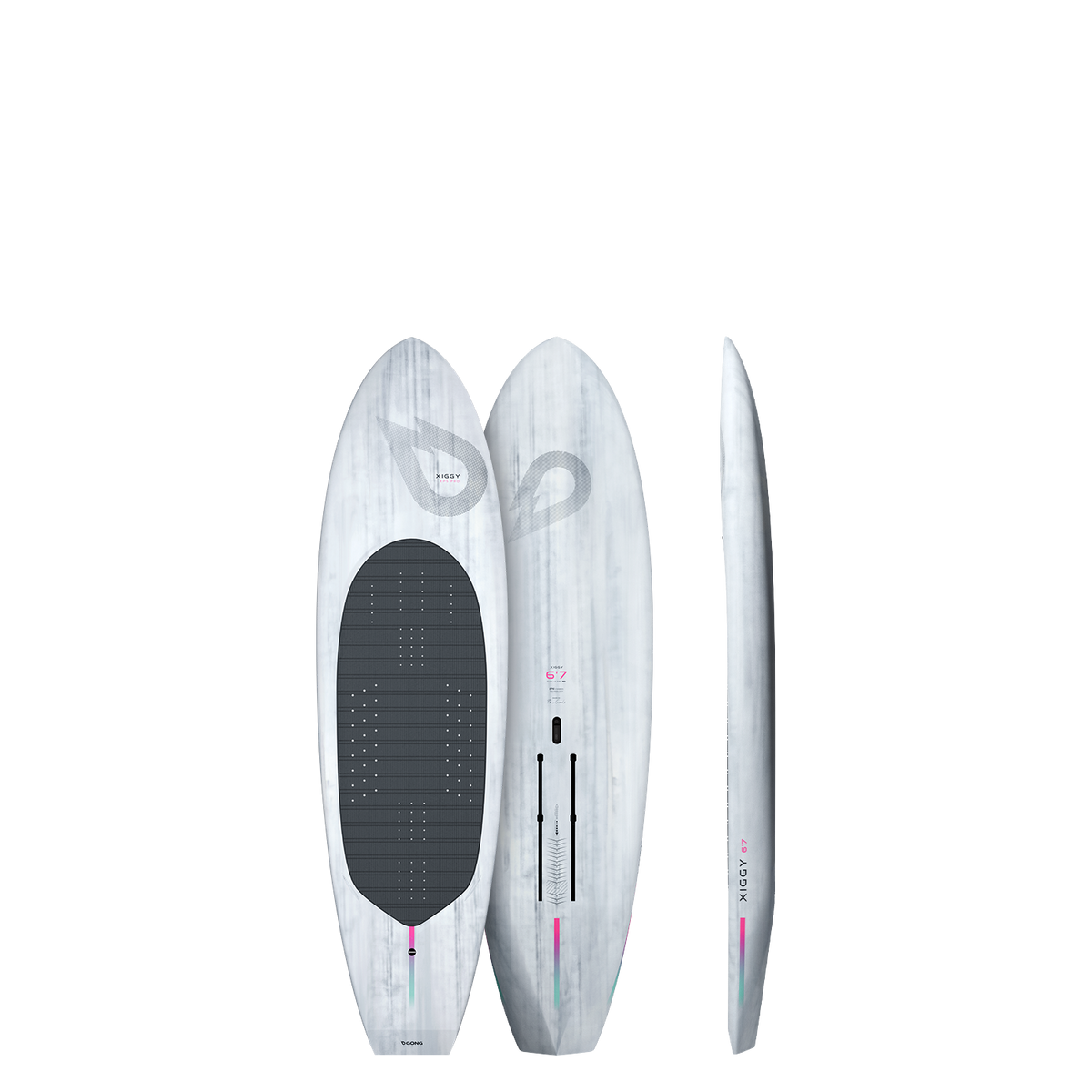
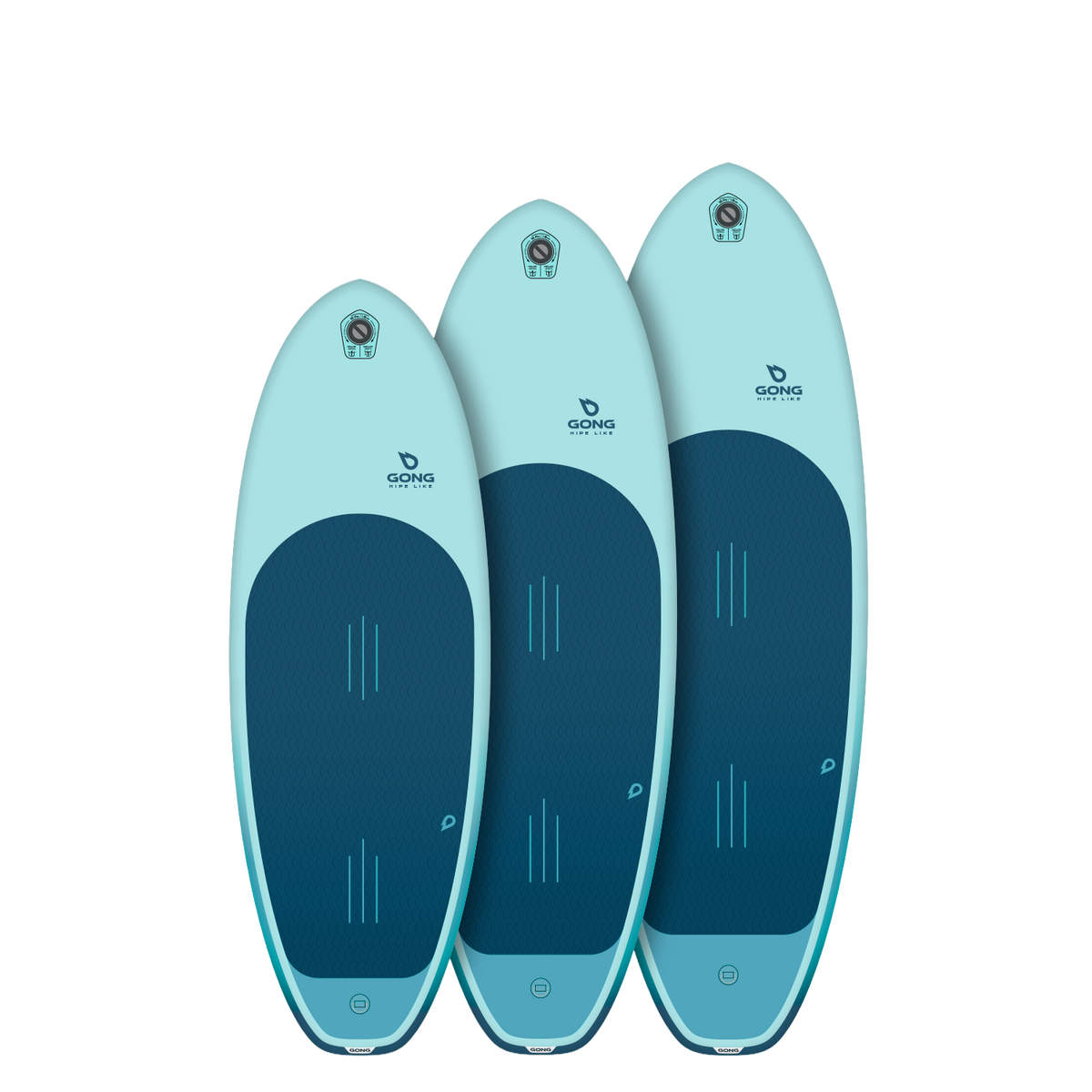
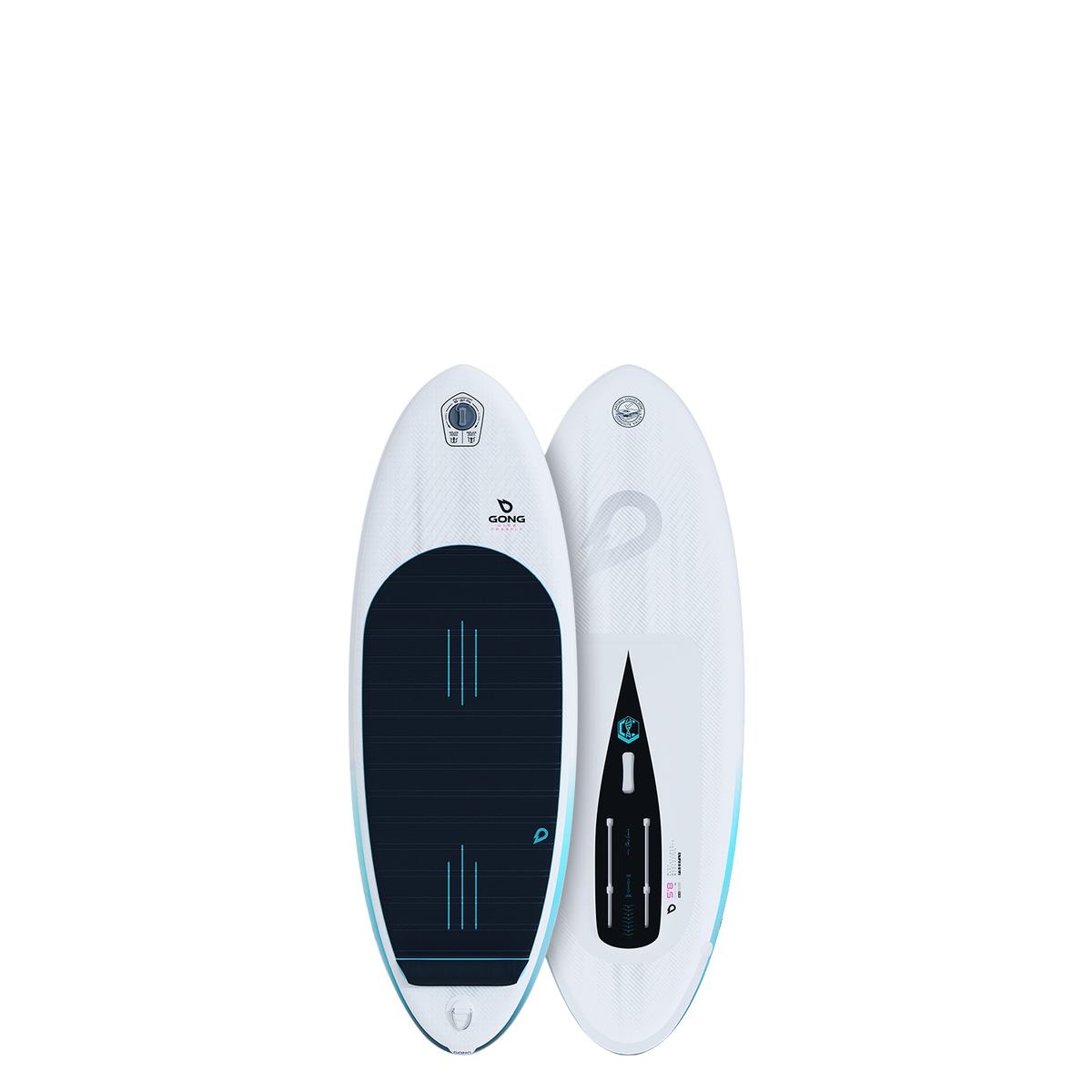
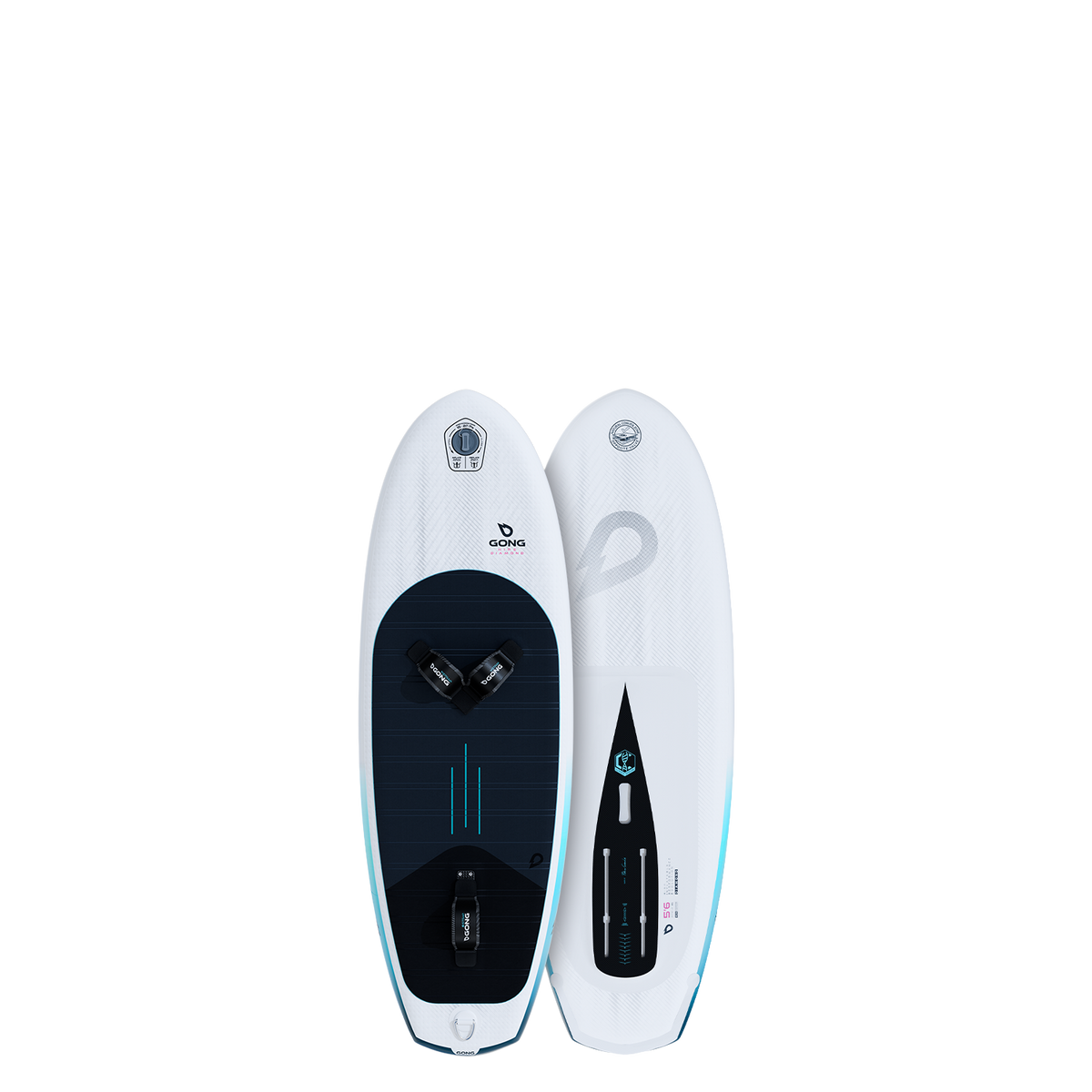
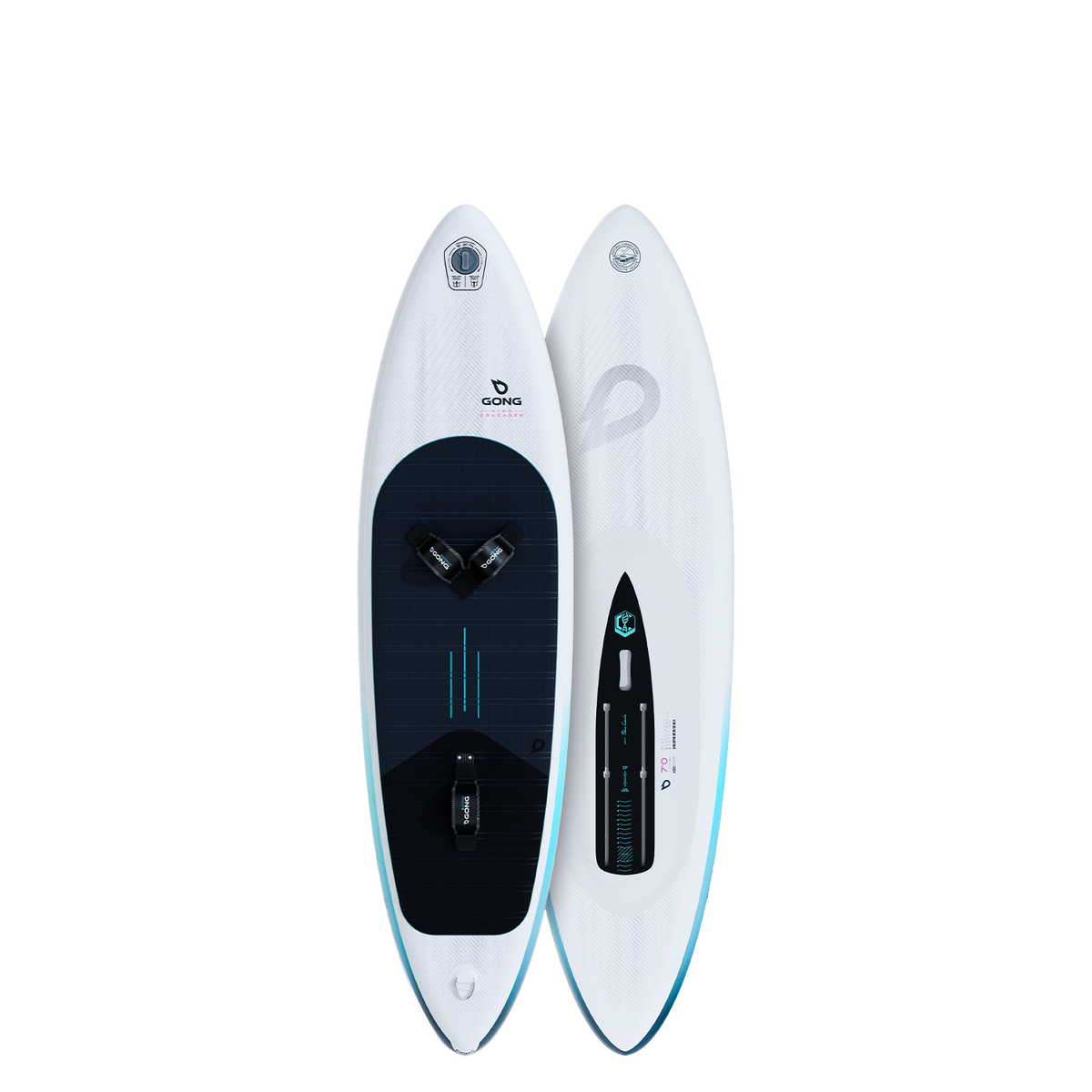
A board with enough stability and volume makes starting easier and gives you time to manage your lowkite.
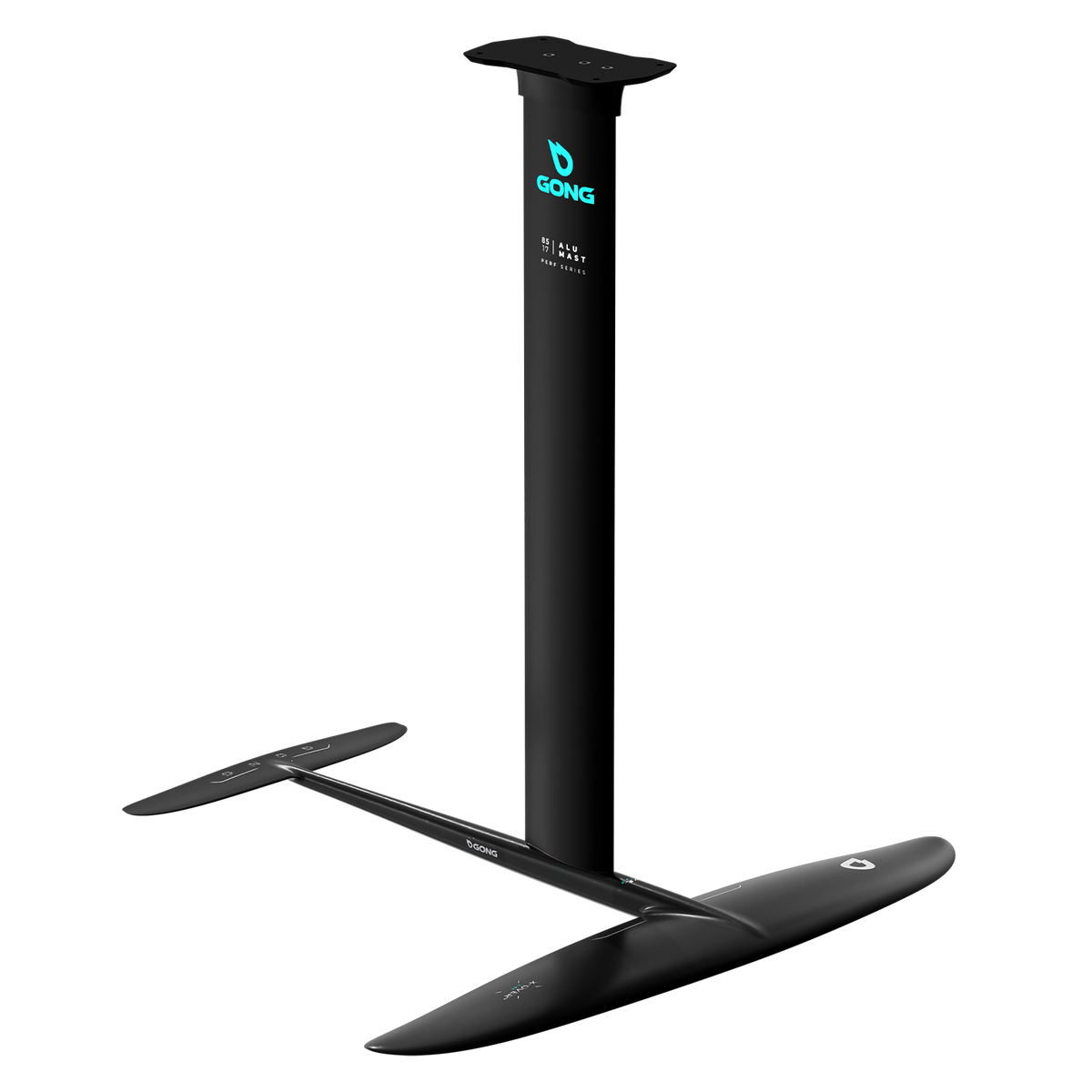
A foil that takes off early, glides easily and remains predictable lets you focus on the lowkite rather than fighting to stay on foil. An X-Over foil if you’re new to foiling. A foil with more glide for more experienced riders: Curve, Fluid or Veloce.
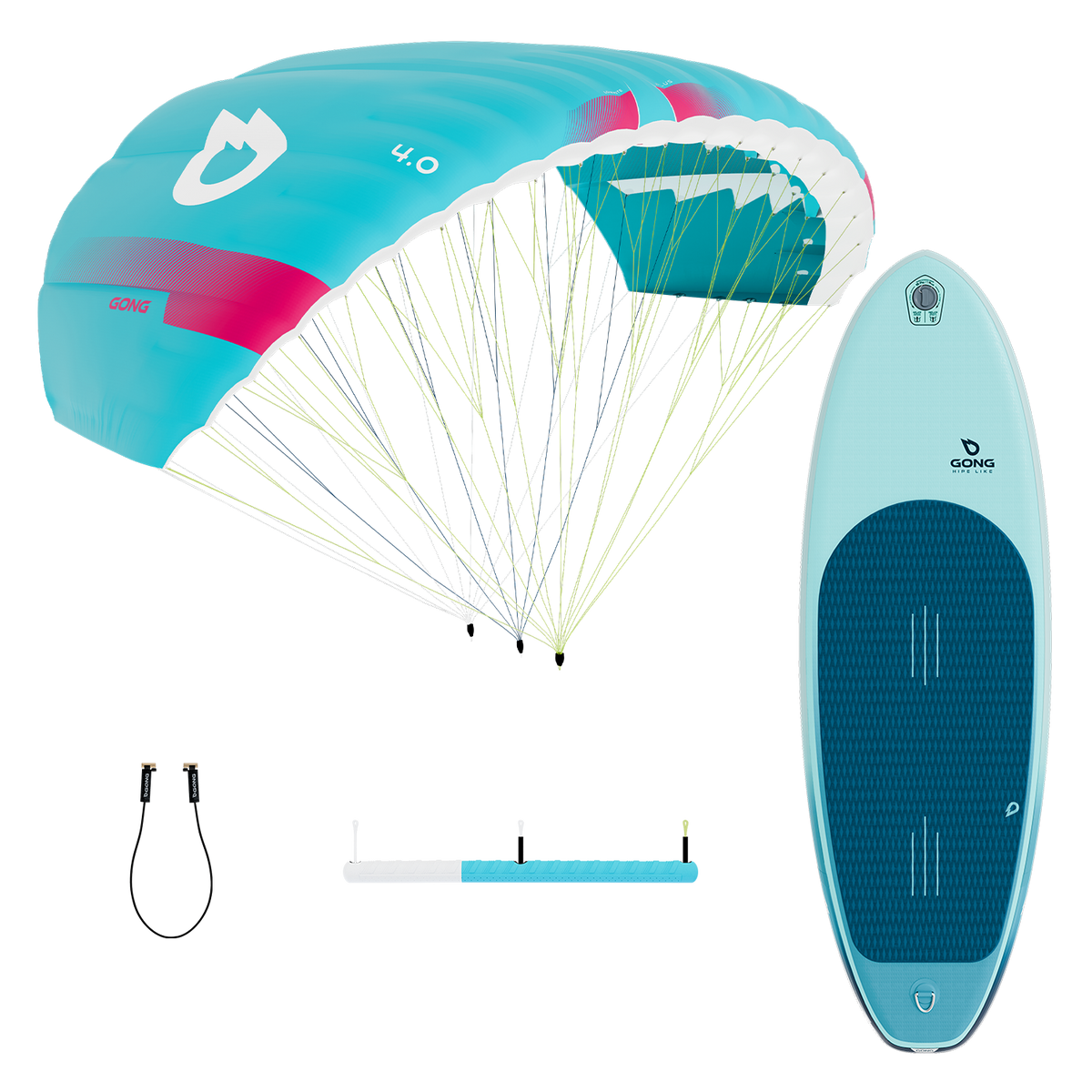
Finally, choose a lowkite that is stable, predictable and intuitive, like the Plus V3, whose progressive pull, easy-to-use power and effective depower make your first take-offs easier while maintaining control and comfort as the wind varies.
 Foilers: Louis, Valentin, Patrice and Loic on Plus V3 lowkites.
For the best possible learning conditions, look for:
These conditions allow you to focus on technique rather than fighting the elements. Flat water makes balancing easier, while side-shore wind provides maximum safety by allowing you to naturally make your way back towards the beach.
Conversely, choppy water or very gusty conditions make learning considerably more difficult. What feels hard in these conditions often becomes surprisingly simple when the wind is clean and the water is calm.
For your first sessions, keep things easy. It’s the best way to quickly build on your successes, gain confidence and discover the unique feeling of flight.
Absolutely avoid offshore wind, which can dangerously carry you away from the coast when you’re learning.
 Foiler: Loic, GONG staff, on a Cruzader Point LW FSP Pro, Plus V3 lowkite, HM85 mast, Veloce Free Fly front wing and Veloce stab.
Take some time to handle your lowkite on land. Learn how it reacts, how to generate or reduce power and how to move it around the wind window.
Building a few automatic reflexes on land immediately makes getting on the water much more intuitive.
Learn the basics of flying your lowkite in this tutorial:
Your first objective isn’t simply to learn how to ride, but also to manage everything that happens before you get on foil. Getting into the water is probably the step that raises the most questions before a first session.
How do you carry your gear?
What do you do with the kite while entering the water?
How do you manage the board and lowkite at the same time?
How do you generate power for take-off?
Once you understand the sequence, everything becomes much clearer.
In this tutorial, we explain how to get into the water and take off:
This is where the playground really starts to open up. Once you’re comfortable with your lowkite, you can gradually learn to change tack, improve your upwind performance and start exploring freefly.
Learn the jibe and tack with our How Tos:
Right now.
Because riding out to a bump, folding your kite away and switching into freefly opens up some incredible possibilities.
Because a lowkite lets you get on the water at all kinds of spots.
Because there’s always room for a lowkite in a boardbag.
And above all, because nothing beats discovering new sensations.
 Foiler: Malo, GONG team rider, on a Cruzader Diamond FSP Pro, Neutra V3 lowkite, HM85 mast, Fluid V3 Atmo front wing and stab.