Your cart is empty!
It's flat around here...
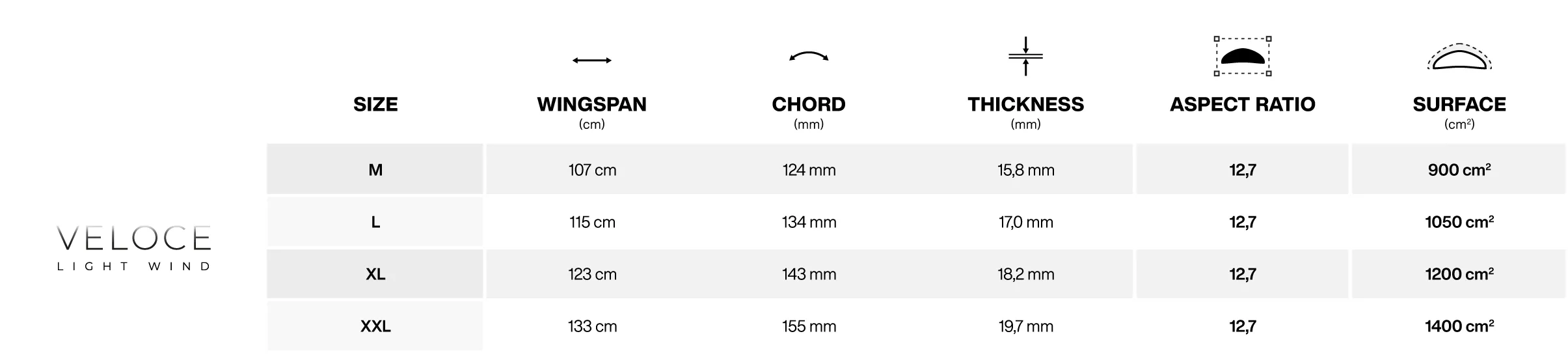
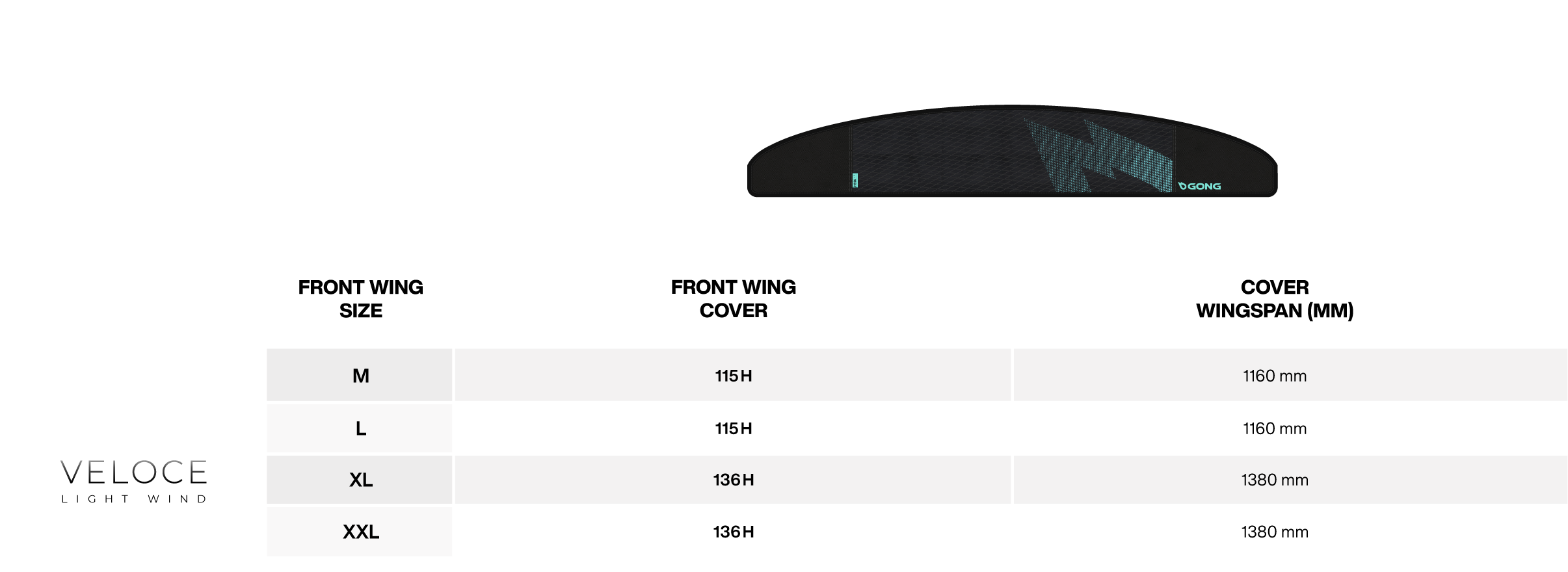


The high aspect carbon front wing for early take-off, maintaining flight in low energy, gliding for a long time, and exploiting light winds, soft bumps, and small waves, while keeping good speed and manoeuvrability.
The Veloce LW V3 Atmo Team Series is the high aspect carbon wing dedicated to light wind. LW stands for Light Wind: take off very early, fly in low energy, maintain speed in flatter areas, and turn borderline sessions into truly effective and fun ones.
It retains the Veloce DNA: glide, significant speed, planing, long trajectories, and beautiful carves. But its V3 Atmo LW shape pushes the boundaries towards the lower wind range. Compared to a Veloce FF, it takes off earlier, requires half the pumps to fly, and provides much more comfort when the available energy is low, especially in lulls but also at the end of transitions.
It's the wing that bridges two worlds: almost the ease of take-off of a Sirus, but with the glide, speed, and carves of a modern high aspect Veloce. It lifts early without giving a slow or bulky feeling. It remains smooth, pleasant, manoeuvrable, and capable of accelerating.
Its aspect ratio of 12.7 places it in the high aspect ratio category focused on efficiency. It gains in planing, speed retention, and effectiveness in light wind. The Veloce FF will maintain more top speed and pure manoeuvrability, but the LW offers incomparable take-off comfort and lower wind range.
Its outline concentrates the surface at the heart of the wing. The significant curve of the trailing edge places the lift under the supports, with thin tips and a central pivot point that is very readable from rail to rail. Despite its ratio, the Veloce LW remains surprisingly manoeuvrable and doesn't get carried away in an endless carve.
In wing foiling and lowkite, it allows for early take-off and then accelerates to create apparent wind without exhausting oneself in pumping. In transitions, it gives time. It's ideal for managing a lowkite in the light, working on tacks, or crossing areas where the wind drops.
In downwind, it's a magical wing that offers an incredible low wind range while its shape gives it all the qualities to glide and carve.
In waves, it will glide in albatross mode and connect everything connectable. It is stable in large carves and easy in foam sections with its low wind range qualities. You can fly endlessly on the spot.
The soft and forgiving leading edge facilitates take-offs and delays stalls. The profile generates lift very early, maintains support in slow phases, and then lets the wing glide with a high average speed. It really feels like being on a glider.
The Veloce LW V3 Atmo Team Series is the wing to boost the number of good sessions: light wind, lowkite, SUP foiling, easy downwind, small waves, efficient pumping, and long trajectories with a smooth, high-performing, and delightful foil.

With its aspect ratio of 12.7, the Veloce LW clearly pushes the Veloce program towards a high ratio focused on performance. It maximises glide, energy conservation, and efficiency in light conditions.
This higher ratio compared to the Veloce FF provides more glide, a better low-end range, and more comfort during takeoff. The wing continues to move forward with minimal energy, maintains flight in flatter areas, and allows for the exploitation of soft bumps or weak waves.
The Veloce FF retains more top speed and pure manoeuvrability. The Veloce LW gains significantly in ease of takeoff, flight maintenance, and comfort in light wind conditions.
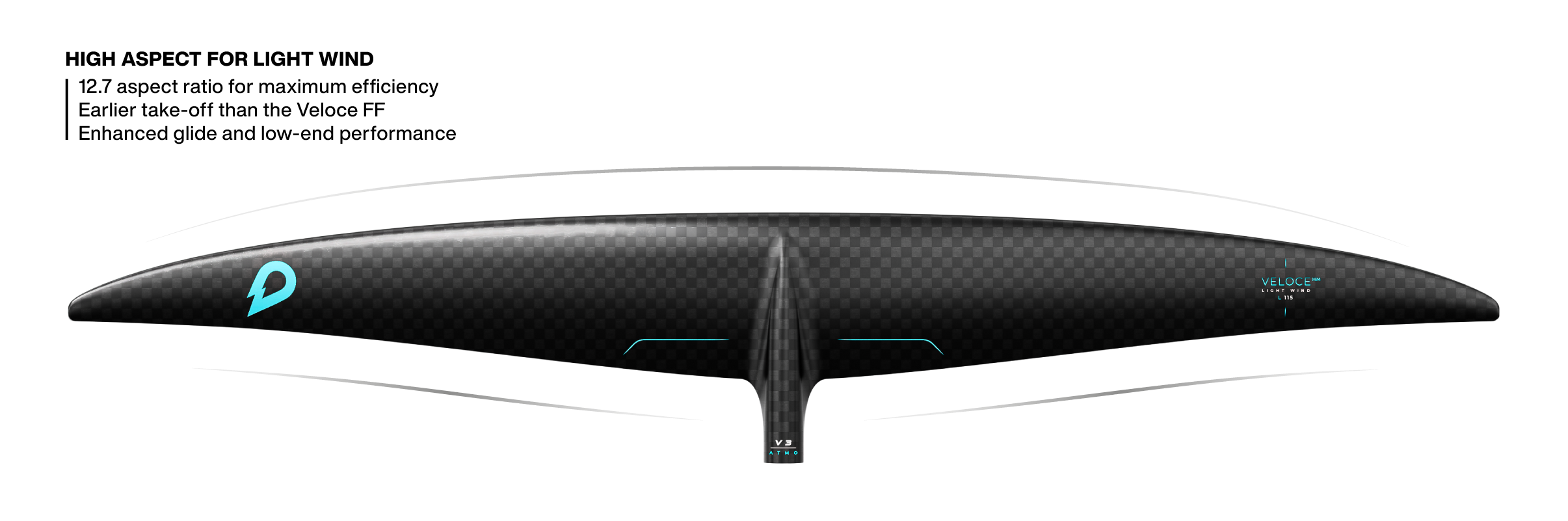
The outline of the Veloce LW concentrates a lot of surface at the heart of the wing. The significant curve of the trailing edge places the lift where it is most useful: under the rider's stance, with an efficient centre of lift and a clear rail-to-rail pivot point.
This centred surface is essential on a high aspect ratio wing. It avoids the cumbersome feeling of an overly spread wing, facilitates weight shifts, and keeps the foil easy to reposition despite the wingspan.
The thin tips free the wing at the end of the span. You maintain glide and efficiency, but with surprising manoeuvrability for such a gliding wing.
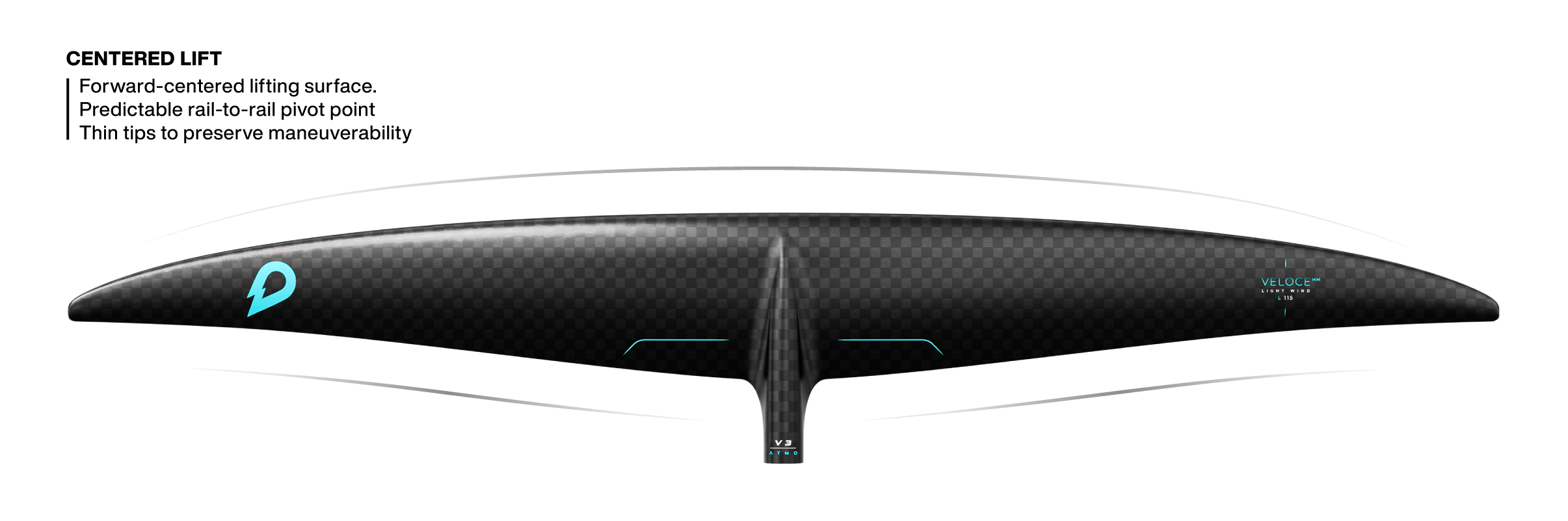
The Veloce LW profile is designed for light wind. It is crafted to extract maximum energy from weak conditions, generate smooth and efficient lift, and maintain lift during slow phases.
At takeoff, the wing lifts very early and requires much less energy than a Veloce FF. It helps to get out of the water, establish flight with a few pumps, and gradually accelerate to create apparent wind in wing foiling or lowkite.
Once launched, it maintains a good average speed thanks to the high aspect ratio. This is its strength: it helps to take off, then continues to glide without giving the slow feeling of a massive wing.
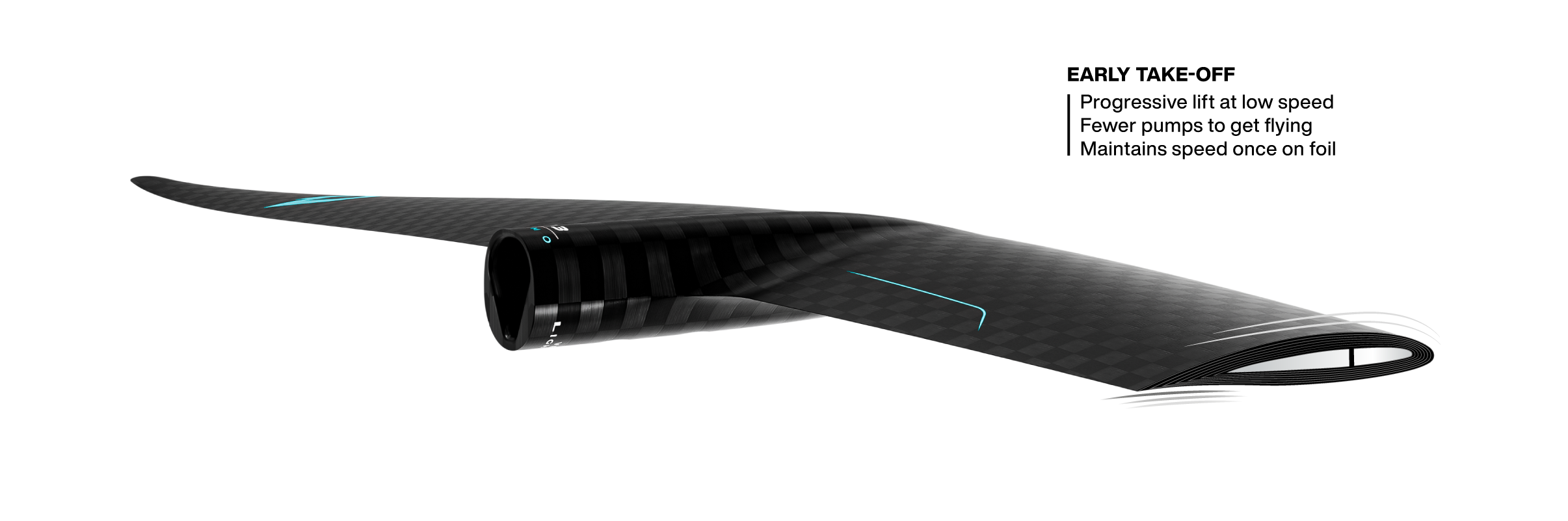
The leading edge of the Veloce LW is smooth and forgiving to ease critical phases: takeoff, repop, slow pumping, end of transitions, and support errors in low energy.
This tolerance significantly changes the feeling. The wing softens the management of the foil's angles of attack, better accepts slow phases, and allows for easier recovery of flight. In light wind, where every mistake is costly, this softness is a real advantage.
This leading edge helps maintain a healthy behavior when the foil flies very slowly. The Veloce LW remains easy to operate, even with a high ratio very oriented towards efficiency.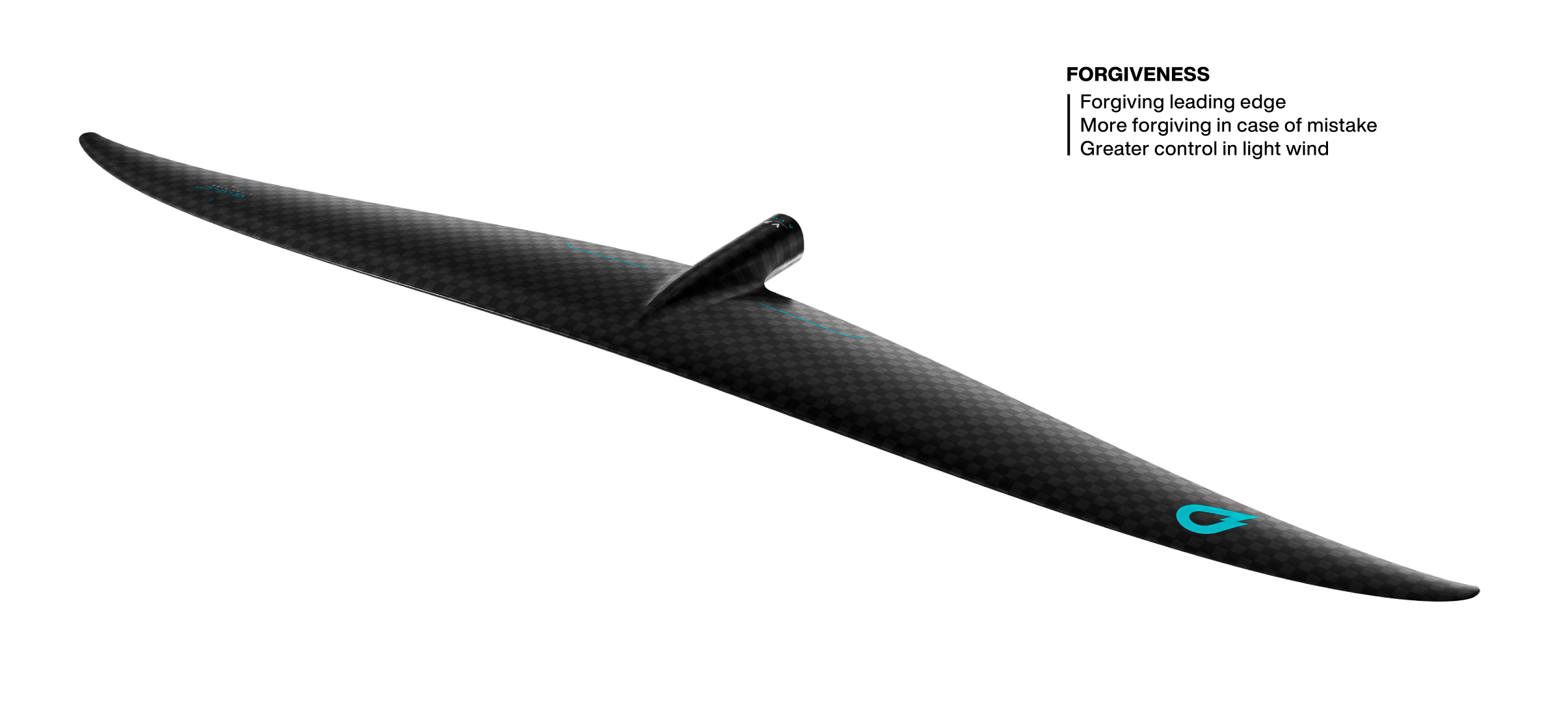
The Veloce LW offers high longitudinal stability. It maintains a comfortable trim in long trajectories, bump descents, prolonged freefly, and pumping phases in low energy.
This stability allows for easier downsizing of stabilizer surfaces or increasing its ratio, as the front wing already provides part of the balance. The foil remains predictable, calm, and efficient.
This is an important point for freefly, easy downwind, and lowkite: less nose up during acceleration with small stabilizers, more speed management, and more liveliness to improve your line.
In light wind wing conditions, for example, a more lifting, upward-pitching stabilizer will be retained to generate nose up during acceleration, allowing opposition to the rig and extending this acceleration that creates apparent wind as much as possible. Eliminating drag with a micro stabilizer is not advantageous in this configuration, which requires, to some extent, opposition rather than elimination.
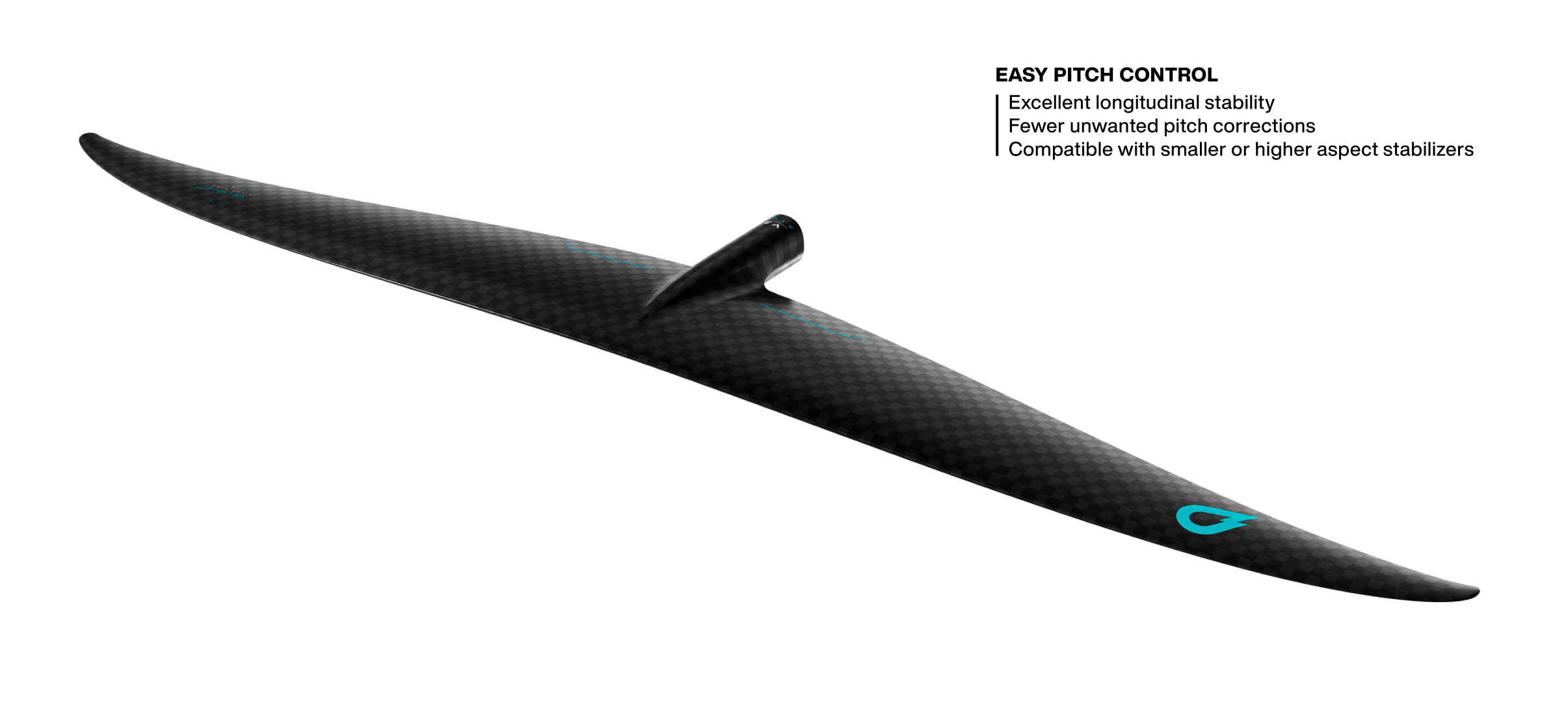
The anhedral of the Veloce LW is designed to provide stability, control, and manoeuvrability despite its high aspect ratio. The wing remains easy to position and enjoyable during transitions.
The tips return to horizontal to maximise efficiency and make tip outs completely inconsequential to the flight. You can fly high, utilise the slope of a bump or wave, carve hard, extend the tip for a long time, and maintain a calm feeling.
Thanks to the centred surface, dihedral, and carbon rigidity, the rail to rail remains surprisingly natural for such a gliding wing. You can glide for a long time without experiencing a locked-in ride.
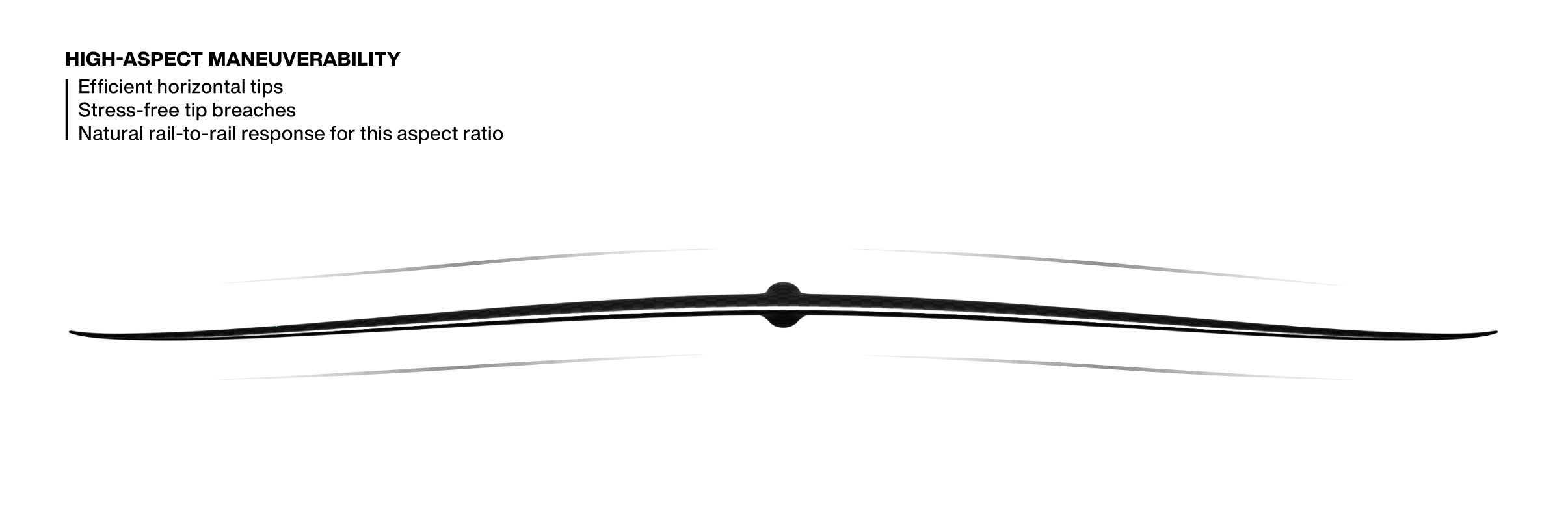
The Veloce LW V3 Atmo Team Series is designed for experienced riders who want to maximise their low-end range, take off earlier, fly with less energy, and significantly increase the number of successful sessions.
In wing foiling and lowkite, it is perfect for those who ride in light or irregular winds, on lakes, gusty spots, with large glide boards, small wings, or minimalist lowkites. It allows you to ride instead of waiting in the parking lot or bobbing around.
It also appeals to riders who love the Veloce FF but want easier take-offs, more comfort in light winds, more time in transitions, and a simpler wing when available energy is low. The FF retains more top speed and pure manoeuvrability; the LW offers much more low-end range.
In SUP foiling, it is aimed at practitioners who want to feel the lift very early when paddling, take off before the wave breaks, and exploit weak swells, soft bumps, or mushy waves with a foil that glides for a long time.
In surf foiling, it suits those who want to extend flight time in small waves, wind waves, mellow rolling waves, and soft shoulders. It is not a wing for short snaps, but a wing for glide, beautiful carves, and easy reconnections.
In downwind, it is for riders who want to make the programme more accessible: easier take-offs, more margin in flatter areas, maintained speed on inconsistent bumps, and a gentler behaviour than a highly specialised Pro Team wing.
The Veloce LW is not the right choice for starting in classic foiling. For learning the first flights, stabilising your stance, and progressing without stress, the X-Over or the Ascent are more suitable.
It is also not the ideal wing if the main goal is top speed, very fast trajectories, or powerful conditions. In this area, the Veloce FF will be faster and more manoeuvrable, with a better high-end range.
It is not designed for short snaps, radical riding, or seeking a very responsive foil underfoot. For this programme, the Fluid will be much more suitable.
If the main goal is easy flat starts, pure dock starts, or very low-speed pumping, the Sirus or the Trail will be more coherent. The Veloce LW can take off in flat starts depending on the level and setup, but its main programme remains light wind, glide, and low-end range in motion.
If the goal is high-performance downwind or long, fast trajectories with an ultra-specialised foil, a dedicated Pro Team wing will go even further. The Veloce LW is more accessible, gentler, and more versatile.
The Veloce LW V3 Atmo Team Series is made to take off early, fly with little energy, and turn light conditions into fun sessions. Its job is to provide more glide, more low-end range, more comfort, and more flight time.
In wing foiling and lowkite, it excels in light wind, irregular wind, long transitions, tacks in light wind, and sessions where you need to create apparent wind to stay airborne. It gives time to steer, relaunch, and maintain the flow.
In light wind, it combines early take-off with the ability to accelerate. You take off with much less effort than with a Veloce FF, then you can gain speed and exploit the water without exhausting yourself.
In SUP foiling, it allows for very early take-offs when paddling, often well before the wave breaks, and to exploit mushy waves, small swells, or weak bumps. It gives a real sense of ease without becoming massive or slow.
In surf foiling, it is made for small rolling waves, wind waves, weak swells, and sessions where you want to glide, carve cleanly, and connect easily. It almost infinitely extends flight time.
In downwind, it helps to take off early, maintain speed in flatter areas, and glide over weak bumps. It makes the programme more accessible without becoming a slow or overly specialised wing.
In pumping, it is effective if you have good dock start skills as it requires a bit of speed to launch. Then the flight is easy and rather fast. It transforms each push into distance with less effort, but it is not a pure low-speed pumping wing like a Trail or a hybrid wing like the Sirus.


The choice of size depends on weight, level, support, wind, spot, and objective: wing foiling light wind, lowkite, SUP foiling, surf foiling, downwind, pumping, or flat starts.
Choosing a larger size allows for maximising low-end range, early take-off, comfort in light winds, and ease in flatter areas. It's the logical choice for heavier riders, lakes, irregular winds, small waves, and weak swells.
Choosing an intermediate size gives the best Veloce LW balance: low-end range, glide, average speed, manoeuvrability, easy downwind, early SUP foiling, and multi-sport use. It's often the most coherent choice for a light wind wing in the quiver.
Choosing a smaller size allows for gaining speed, control, and manoeuvrability when conditions are more demanding, without completely sacrificing low-end range compared to other models. It's the choice for lighter riders, advanced levels, or those who want to maintain a freer feeling in wing foiling, lowkite, or downwind.
In wing foiling and lowkite, the weaker or more irregular the wind, the larger the size needed. The higher the level and the more exciting the spot, the smaller you can go to gain top speed and manoeuvrability.
In SUP foiling, choose a size that allows you to feel the lift early when paddling without blocking the carves. Larger sizes facilitate very early take-offs; smaller sizes retain more speed and freedom in trajectories. Generally, stick to larger sizes.
In surf foiling, you need to keep enough surface area to take off early and connect easily, but avoid oversizing if the goal is to carve a bit. The right size is the one that provides low-end range without making the foil cumbersome. Often large.
In downwind, you need to find the right compromise between easy take-off, average speed, and control on bumps. Too small makes flatter areas difficult to negotiate. Too large can limit speed and control when the swell accelerates.
If hesitating between two sizes, choose the larger one for light wind, comfort, small waves, and irregular spots. Choose the smaller one only if the level, weight, and conditions justify more speed and manoeuvrability.
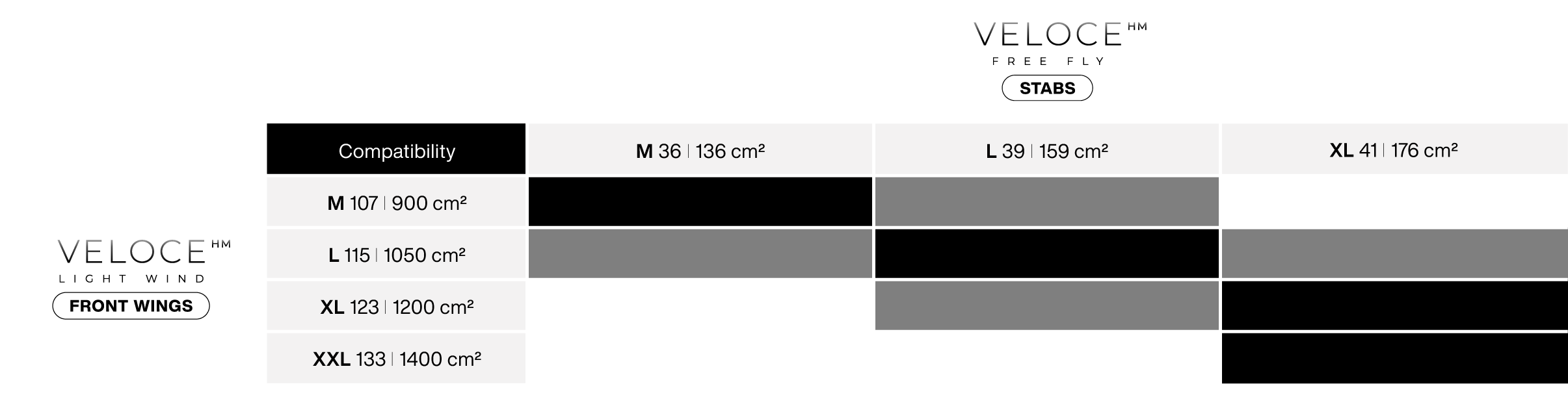
The Veloce LW V3 Atmo Team Series works very well with a Veloce FF V3 Atmo Team Series stabiliser, as both components share the same DNA of glide, efficiency, freefly, and control.
A larger stabiliser provides more longitudinal stability, more front foot pressure, and more comfort during take-off. It's the logical choice for discovering the Veloce LW, for larger front wing sizes, light winds, irregular water conditions, or heavier riders.
You'll keep a more supportive, lifting stabiliser in wing foiling in light wind, for example, to generate nose up during acceleration, allowing opposition to the rig and maximising this acceleration that creates apparent wind. Removing drag with a micro stabiliser is not beneficial in this configuration, which requires, to some extent, opposition rather than elimination.
A smaller stabiliser frees up the foil. It reduces drag, increases speed, improves fast pumping, and gives a freer feeling. It's often the choice of experienced riders who want to fully exploit the Veloce LW's efficiency. This is an important point for freefly, easy downwind, and lowkite: less nose up during acceleration with small stabilisers, more speed management, more liveliness to improve your line.
The Veloce LW accepts minimalist or higher aspect ratio stabilisers very well, as its longitudinal stability and very balanced profile reduce the need for rear surface area. This is an important lever to transform its efficiency into real speed on the water.
For more downwind or pure glide-oriented practices, it is possible to use a tail shaft with a Hyper Trail tail wing. This combination further frees up the foil's glide but makes the whole setup more technical.
The right setting always depends on the front wing/stabiliser pair, but also on the foil's position in the boxes. If the stabiliser is smaller and the front foot pressure decreases, you will often need to slightly move the foil forward to regain a natural balance.
If in doubt, start with a comfortable stabiliser to secure take-off and balance, then gradually reduce to free up speed, glide, and pumping. The Veloce LW is very sensitive to good settings: well-tuned, it transforms light sessions into magical ones.
The range

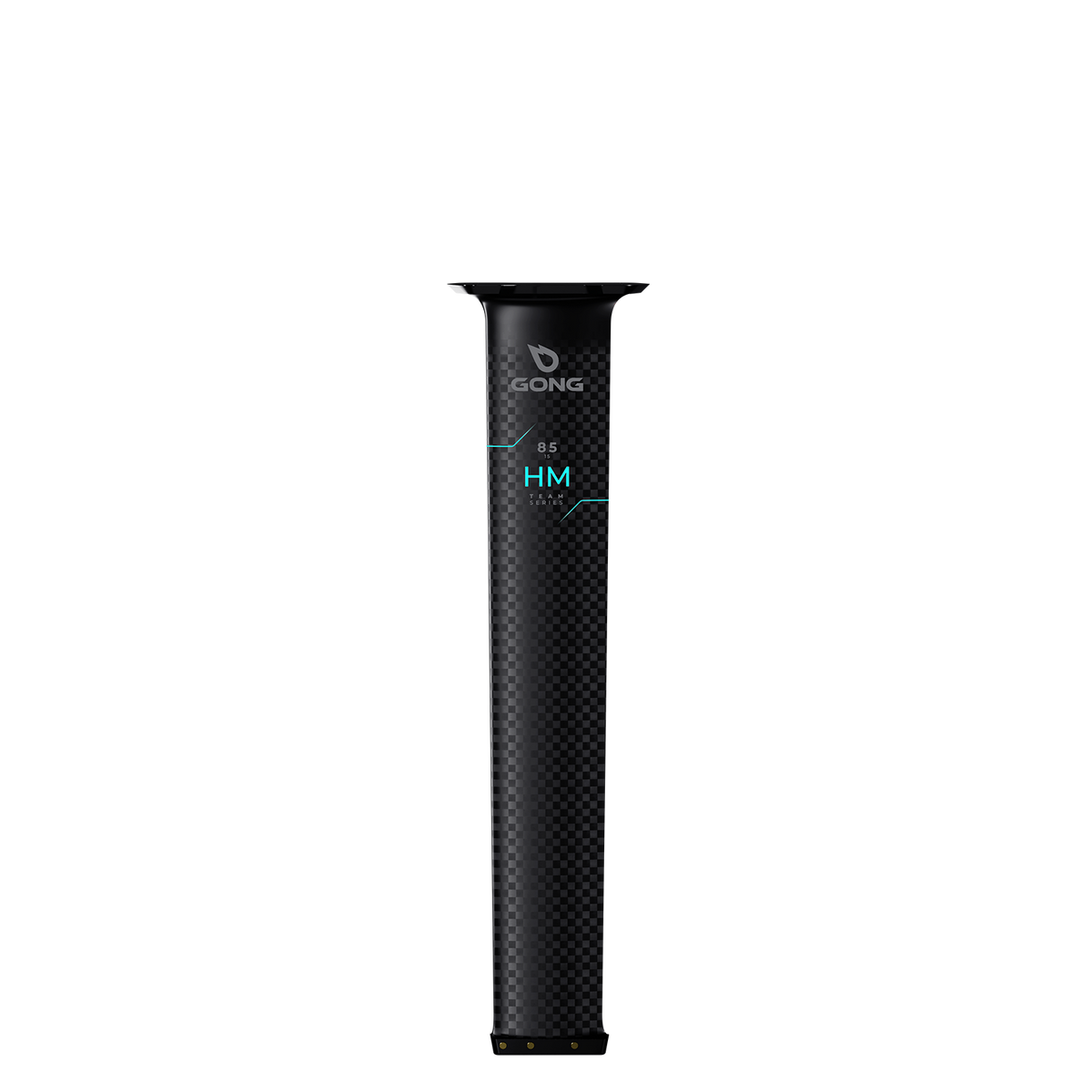
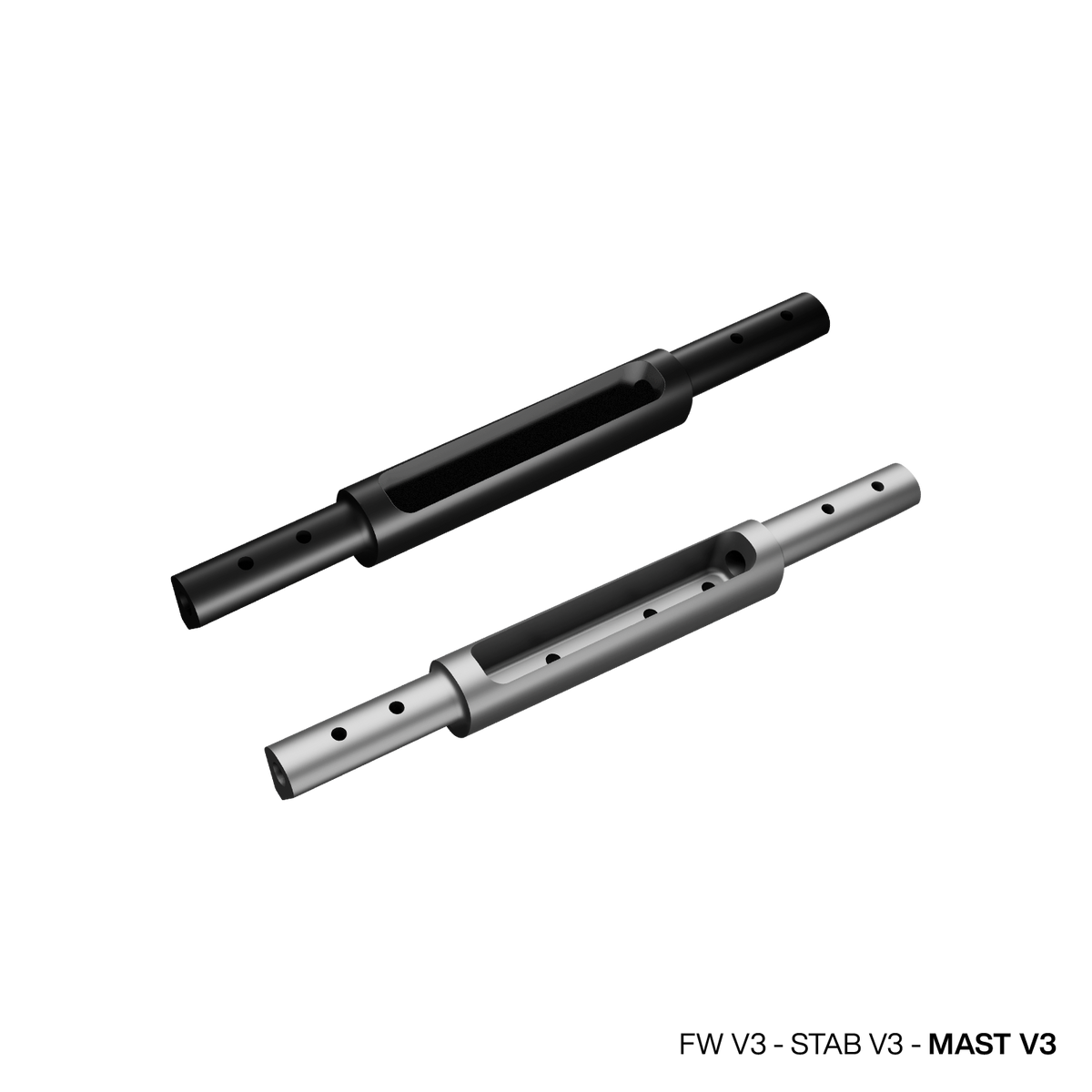
The front wing comes with all the necessary screws for mounting on the fuselage.





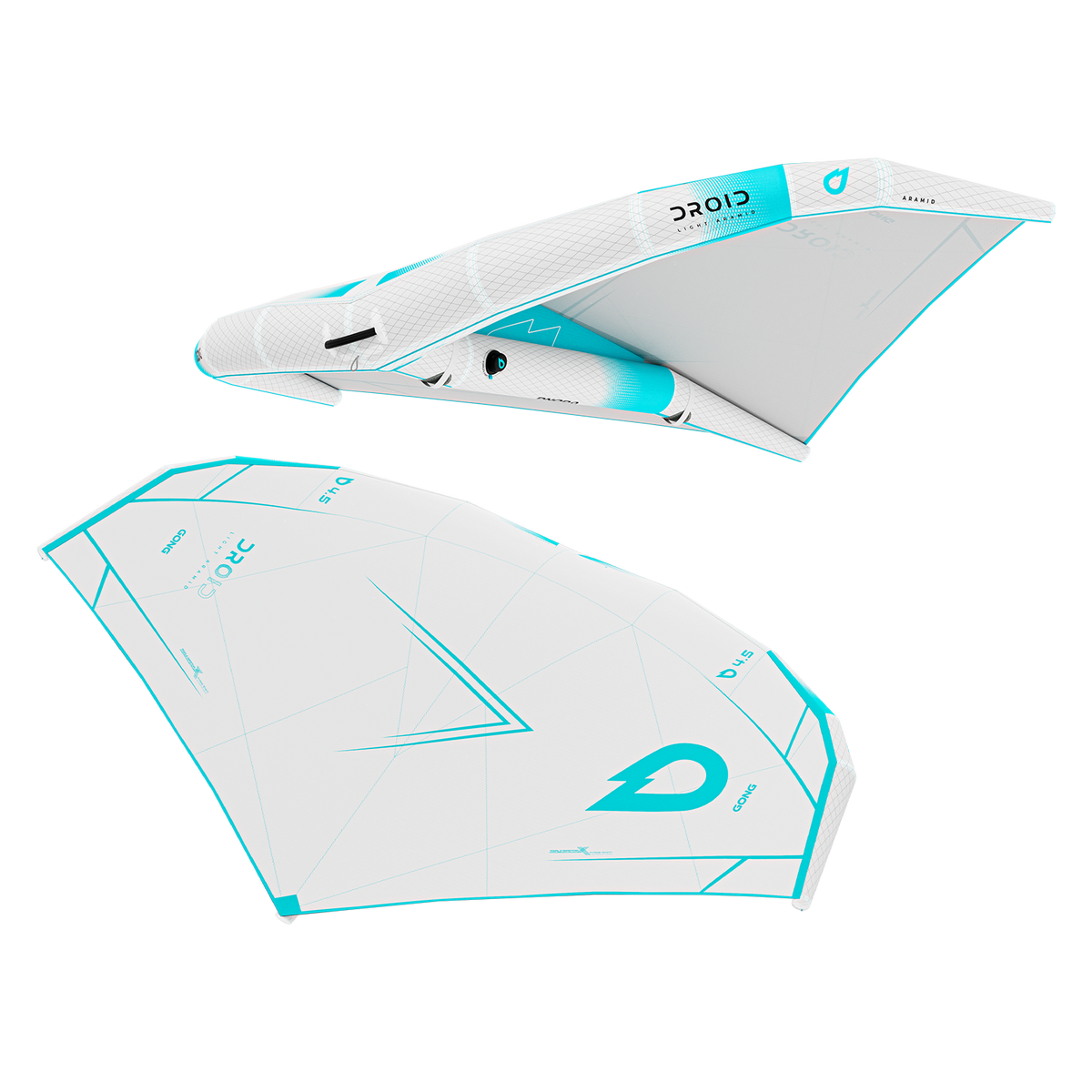
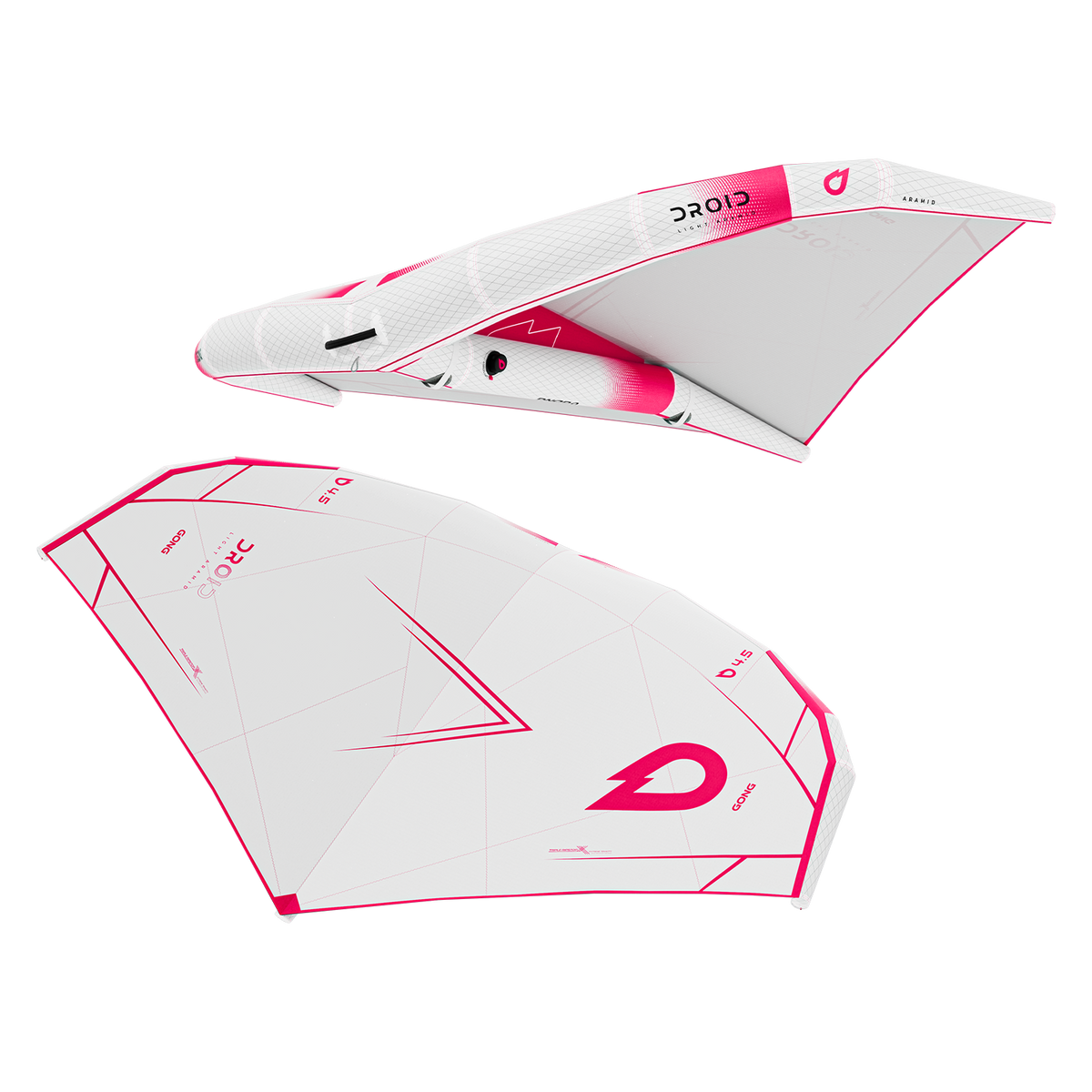
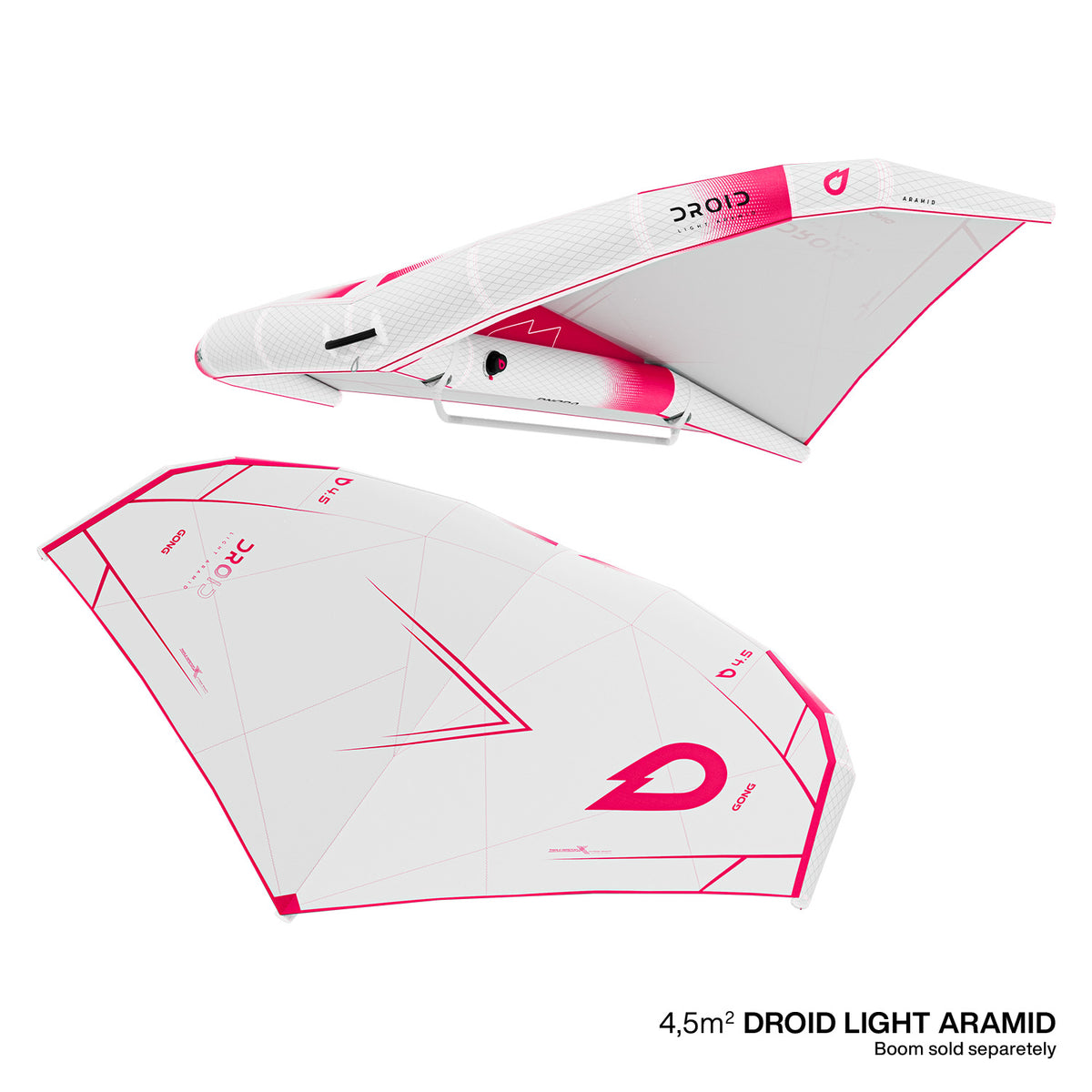
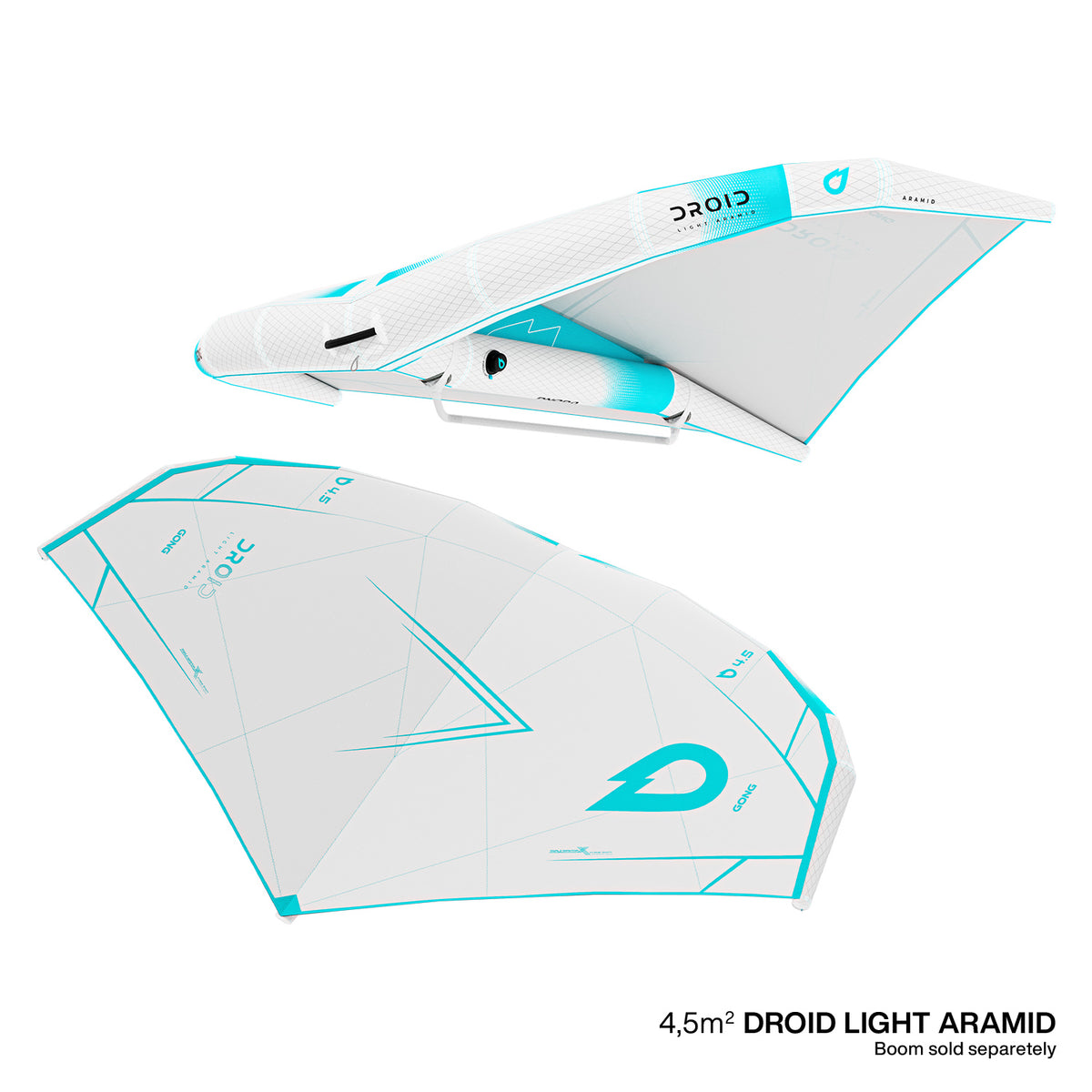









GEAR: V3 ATMO FOILS: BUILD YOUR GLIDE
A completely redesigned range, all-new models and revolutionary tail shafts! V3 Atmo is a complete redesign of our foils, from...

GEAR: WHICH VELOCE SHOULD YOU CHOOSE?
Focus on the shape and construction differences across the Veloce range! The Veloce V3 you love is now available in...
LW stands for Light Wind. This is the core of the program: take off very early, fly with minimal energy, maintain glide in light winds, flatter areas, soft bumps, and small waves.
The Veloce FF is faster, more playful, and more maneuverable in high wind ranges. The Veloce LW takes off much earlier, requires fewer pumps, and maintains flight better in light wind conditions. FF = versatile freefly. LW = low wind range, light wind, and comfort.
The Sirus provides even more lift at very low speeds and remains better suited for slow pumping, flat start or dockstart. The Veloce LW offers almost the take-off ease of a Sirus in wind sports, but with more glide, average speed, and the feel of a modern Veloce.
Yes, it's one of its best programs. It allows you to take off early, accelerate to create apparent wind, pass through lulls, extend transitions, and ride in light or irregular winds with much less effort.
Yes, especially in small waves, wind waves, mellow waves that peel, and weak swells. It's not made for short snaps like a Fluid, but it excels at gliding, gentle carves, and easy connections.
Yes, especially to make downwind more accessible. It helps to take off early, maintain speed in flatter areas, and exploit inconsistent bumps. For an extreme and fast downwind program, a dedicated Pro Team wing will go further.
Yes, with a focus on efficiency and light wind. It converts pressure into distance with little effort and maintains flight very well. For very low-speed pumping or easy dockstart, a Trail or a Sirus would be more suitable.
The Veloce FF V3 Atmo Team Series stabilizer is the most consistent choice for maintaining the balance of glide, freefly, average speed, and comfort in wind sports. A smaller or higher aspect ratio stabilizer enhances performance in descent (thus in freefly and downwind); a larger stabilizer provides more stability and ease, and especially more ability to accelerate against a rig by delaying the nose up.


