Your cart is empty!
It's flat around here...
The thruster is now the most widely used fin setup in modern surfing. Although the first three-fin configuration appeared on the Campbell brothers' bonzer shape, it was truly introduced in its current form in the early 1980s by Simon Anderson. It is based on a simple principle: three fins of the same size positioned under the tail to combine speed, pivot and control.
Unlike a single fin, which prioritises linear glide, or a twin fin, which favours freedom and natural speed, the thruster structures the water flow under the board. The two side fins generate lift when the board is on rail, while the centre fin stabilises the setup and acts as a pivot point through turns.
This setup makes it possible to commit to manoeuvres with precision and retain control even in powerful waves. That's why it has become the benchmark on shortboards, performance mid-lengths and modern longboards designed for radical surfing.


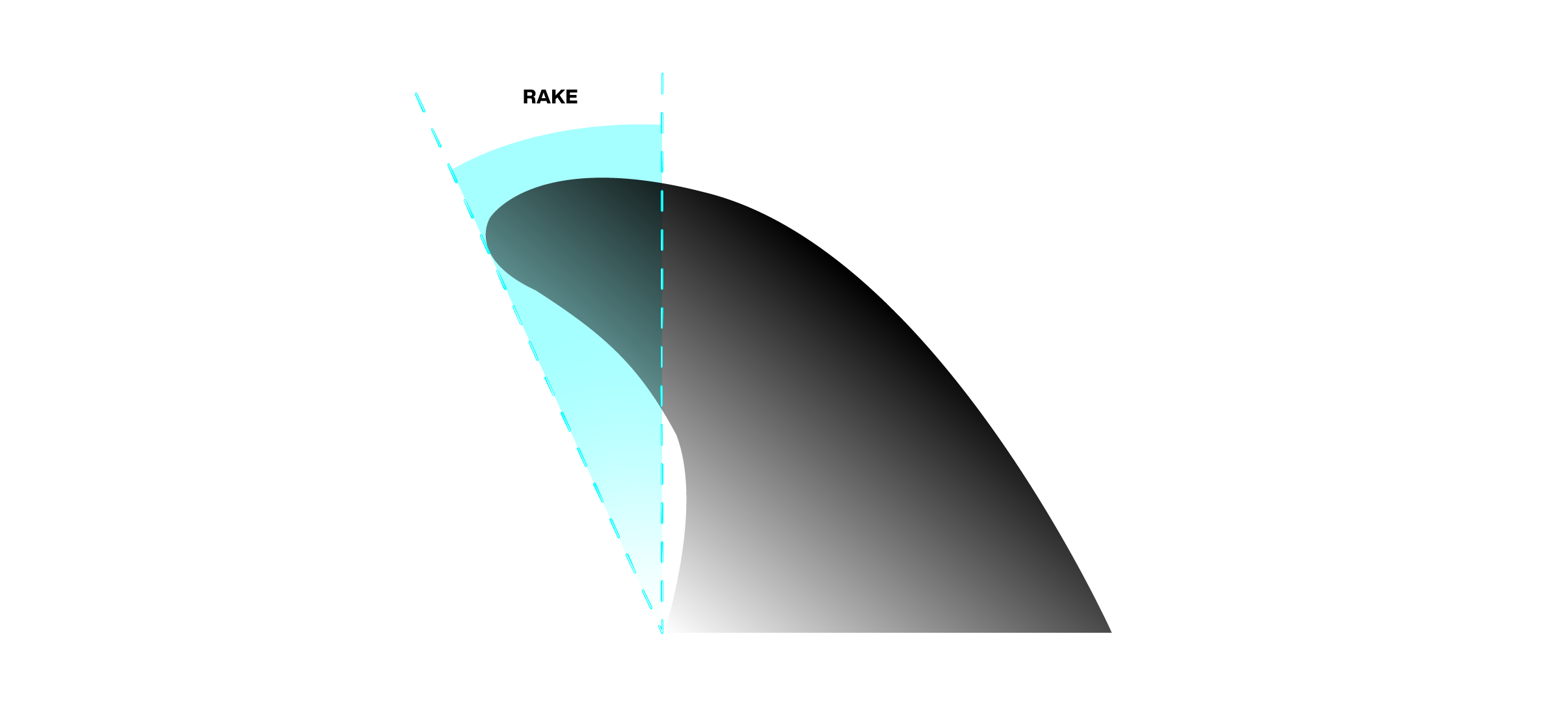
Rake refers to the backward sweep of the fin. In a thruster setup, it directly influences the way the board draws its lines.
A fin with less rake is more upright. It promotes pivot and tight turns. The board reacts quickly under the back foot and makes it easier to link short, fast turns, which is particularly suited to vertical surfing in the pocket.
Conversely, a fin with more rake favours longer lines and projection. The board holds its line better and retains more speed as the turn opens up.
Rake therefore helps define whether a fin is more focused on pivot and radical surfing, or drive and projection.
The base refers to the width of the fin at its mounting point. A wider base generates more drive and stability. It transfers the surfer's power more efficiently through turns. A narrower base frees up the board and makes quick transitions easier.
On a thruster, the base plays an essential role in the feeling of projection coming out of a bottom turn, for example.

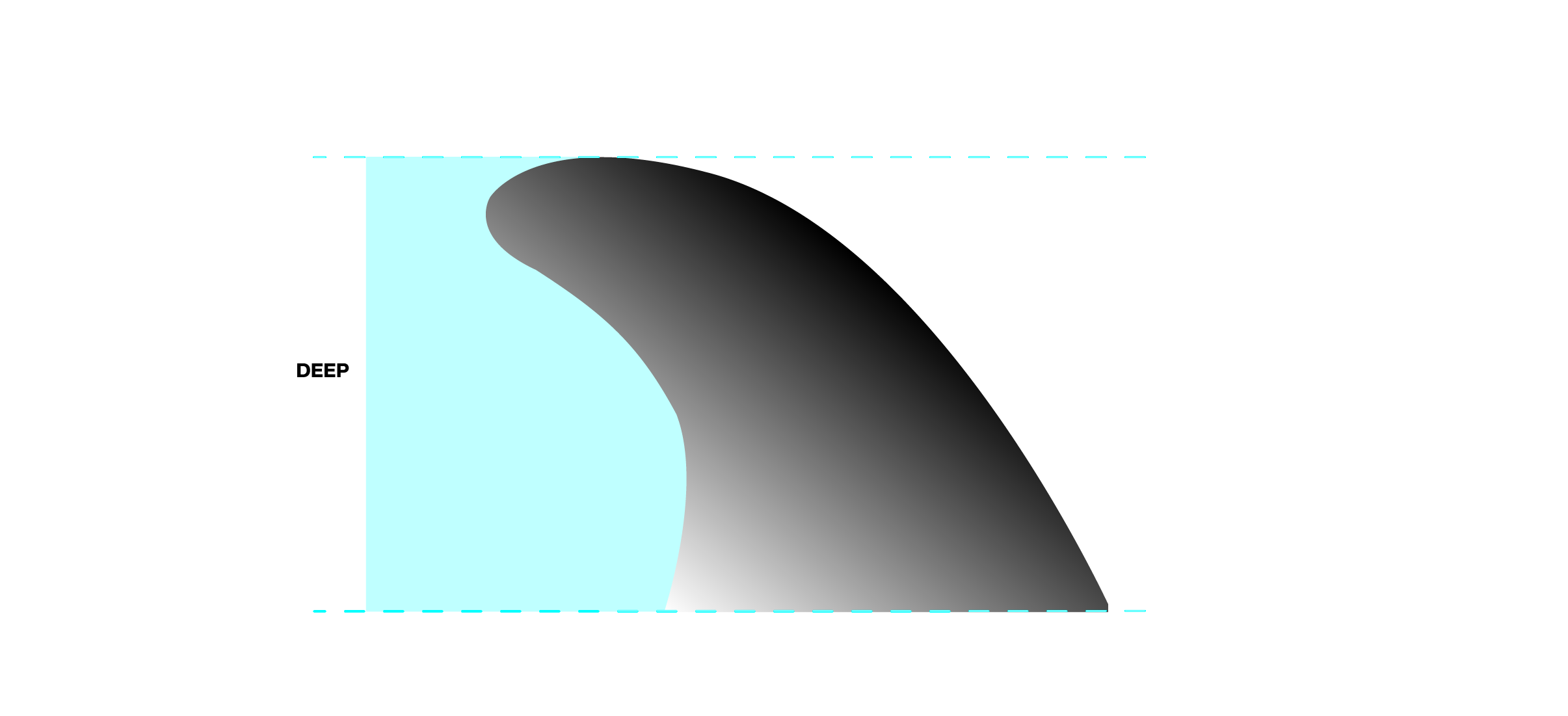
Depth refers to the height between the base and the tip. A deeper fin increases hold and stability as speed builds. It helps maintain control in powerful waves. A shallower fin reduces drag and makes the board livelier, but with slightly less control when pushing very hard through your turns.
The total surface area determines the amount of contact between the fin and the water.
A larger surface area increases hold and stability, which is particularly useful in powerful waves or for surfers who push hard.
A smaller surface area reduces drag and promotes speed and manoeuvrability, making it better suited to smaller conditions or lighter surfers.
The way the surface area is distributed also matters: more area concentrated towards the tip promotes lift and acceleration through turns, while more area at the base increases drive.

Flex influences the feeling under the back foot.
A stiff fin offers immediate response and precise control under powerful pressure.
A fin with more flex stores energy through the turn and releases it on exit, which can create a more dynamic feeling of projection.

The side fins of a thruster generally use a flat or cambered foil to generate lift when the board is on rail.
The centre fin remains symmetrical to maintain balanced and stable behaviour.
The thruster prioritises control and pivot.
The twin prioritises speed and freedom.
The quad prioritises speed and long lines.
The models presented here follow a logical progression, from the most pivot-oriented template to the one with the most drive.

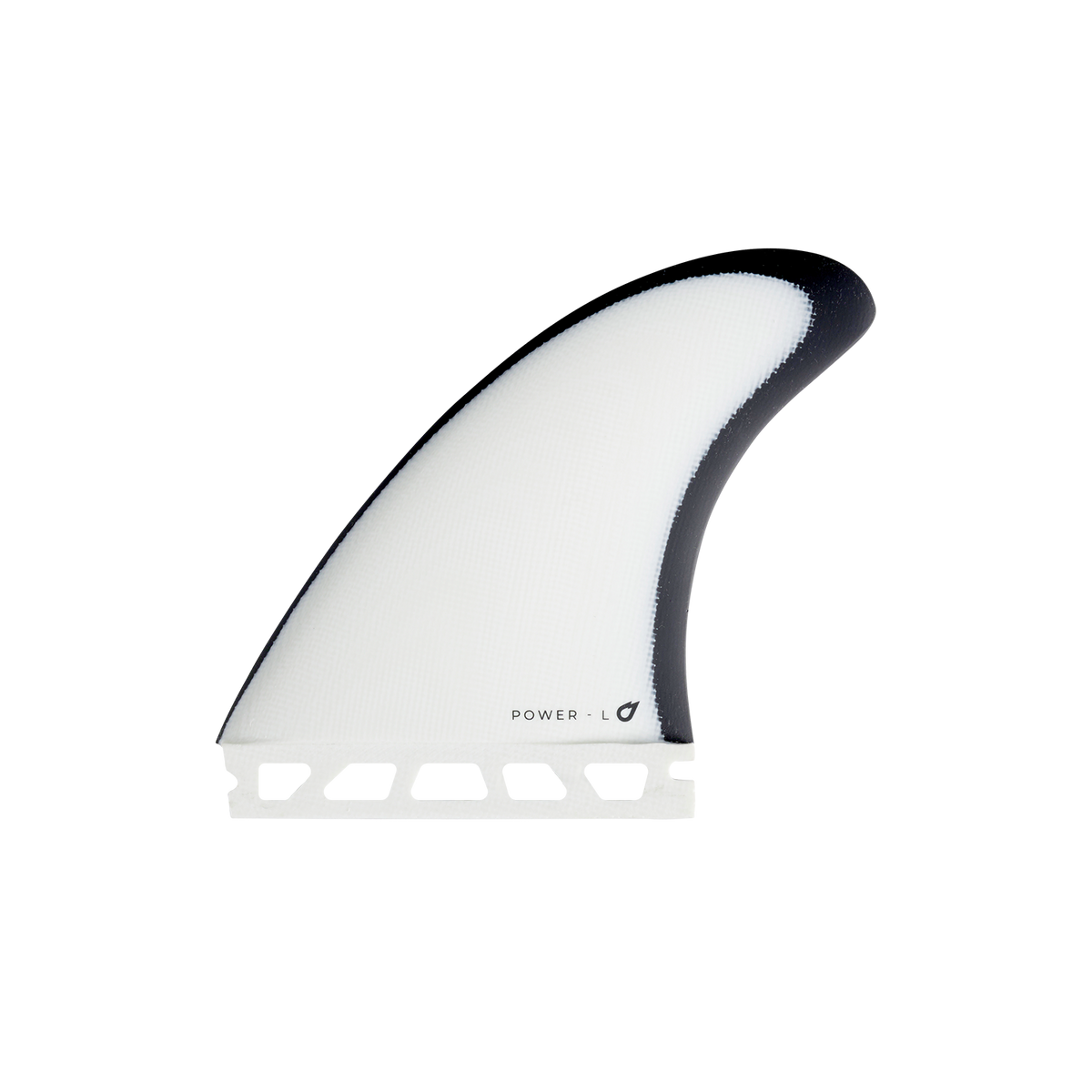
The Power is the most upright, most pivot-oriented model. Its template is inspired by competition fins, with direct response under the back foot and instant feedback as soon as you engage the rail. It's a fin for radical, vertical surfing, demanding but extremely effective for riders who like to attack.

Board type: performance shortboards and boards designed for radical surfing.
Wave type: fast beach breaks and hollow waves.
Surfing style: vertical surfing, fast snaps, tight turns.
 Surfer: Mateia, GONG team rider, on the Chemical EPS.
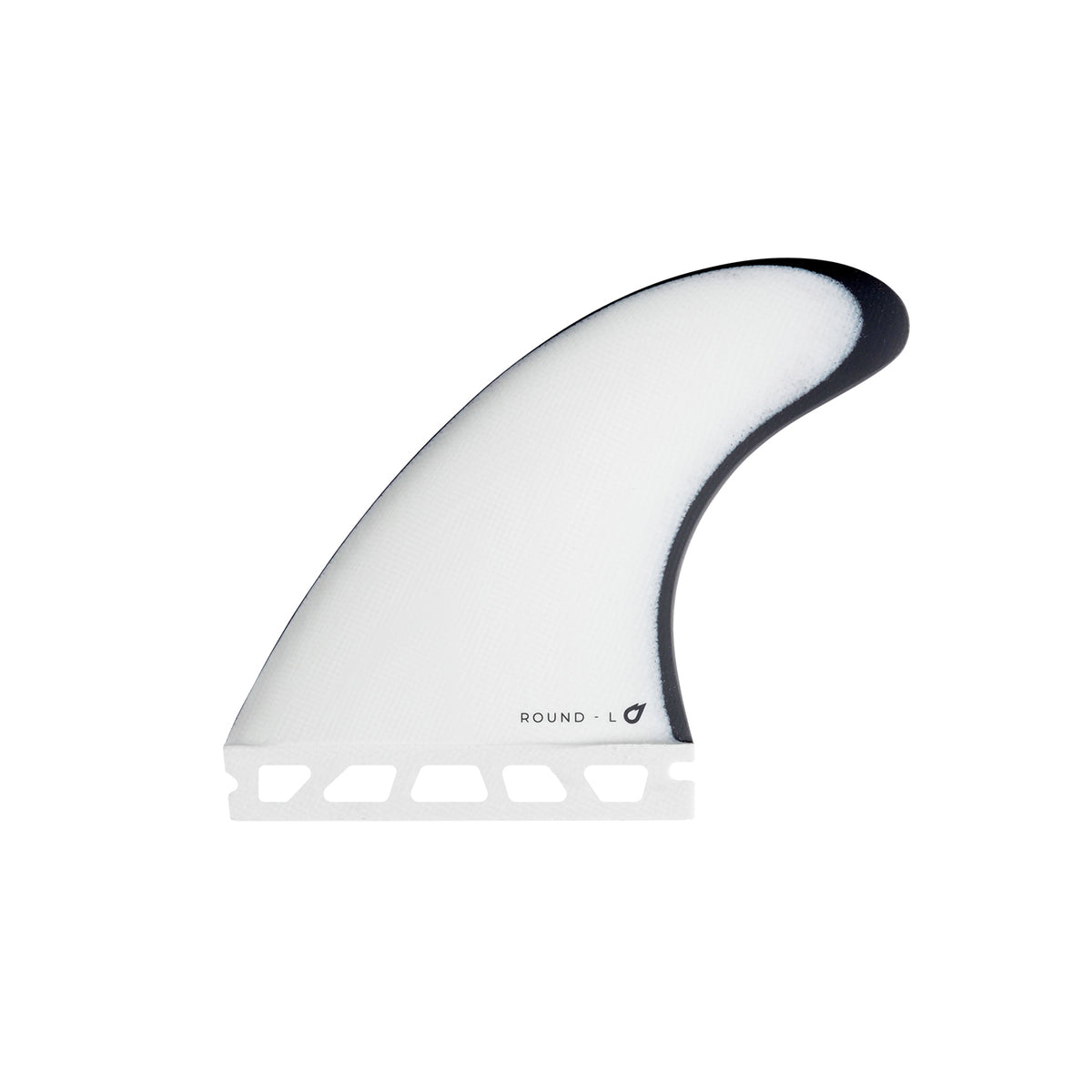
The Round is the most versatile fin in the performance range. Neutral template, moderate rake, well-balanced surface area with a little extra material retained at the tip to generate lift through turns. It doesn't push the board towards any extreme behaviour. It works with almost every setup and in almost every condition, from beach breaks to point breaks. It's the fin to have if you only want one.

Board type: versatile shortboards and mid-lengths.
Wave type: a wide range of conditions.
Surfing style: flowing turns and quick transitions.
 Surfer: Mateia, GONG team rider, on the Vibe EPS.
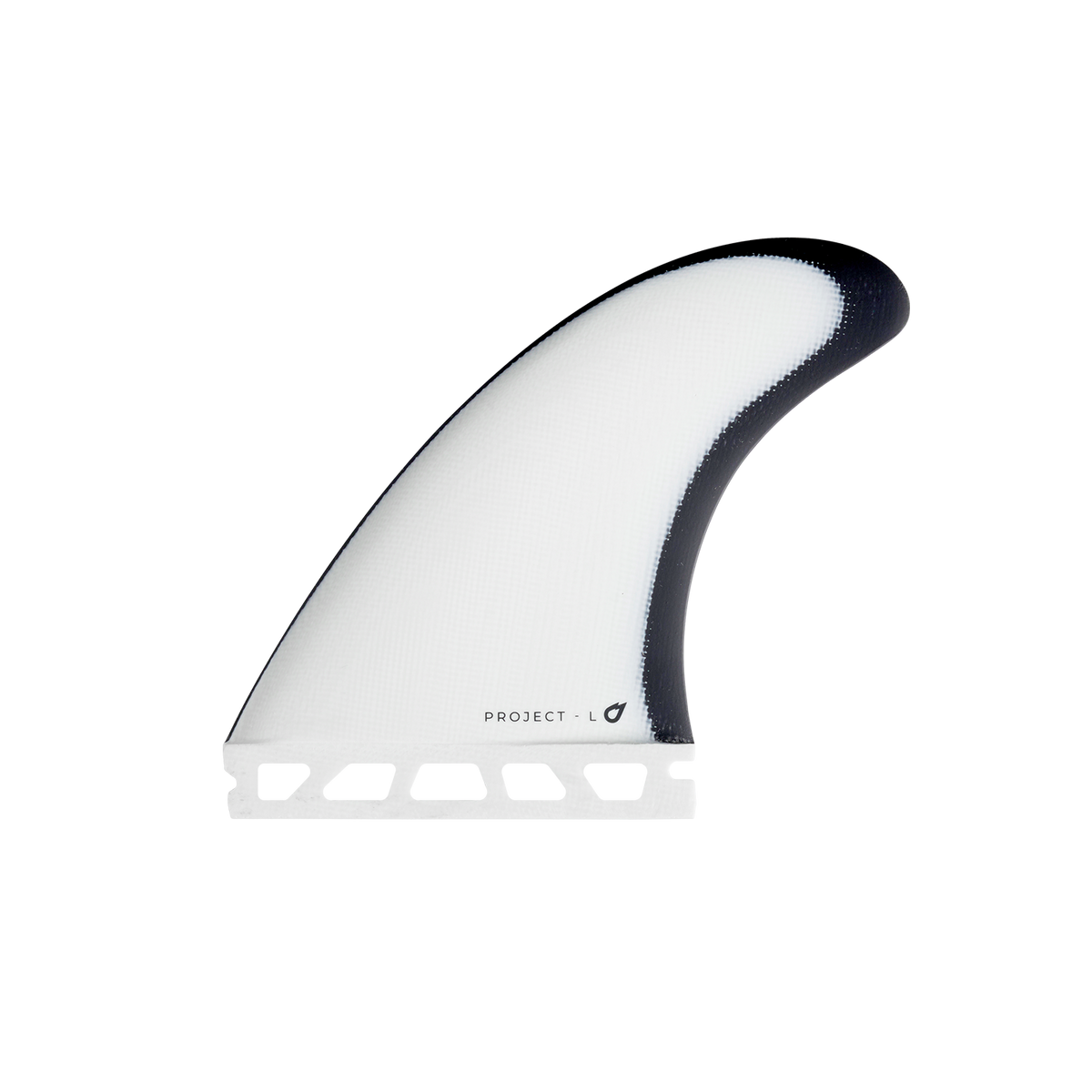
The Project is focused on control and power. With more depth than the other models and a well-structured surface area, it handles heavy pressure and stabilises your line in fast, hollow waves. For surfers who like to load up their turns.

Board type: powerful shortboards and boards designed for solid waves.
Wave type: fast, hollow waves.
Surfing style: committed, powerful surfing.
 Surfer: Mateia, GONG team rider, on the Chemical EPS.
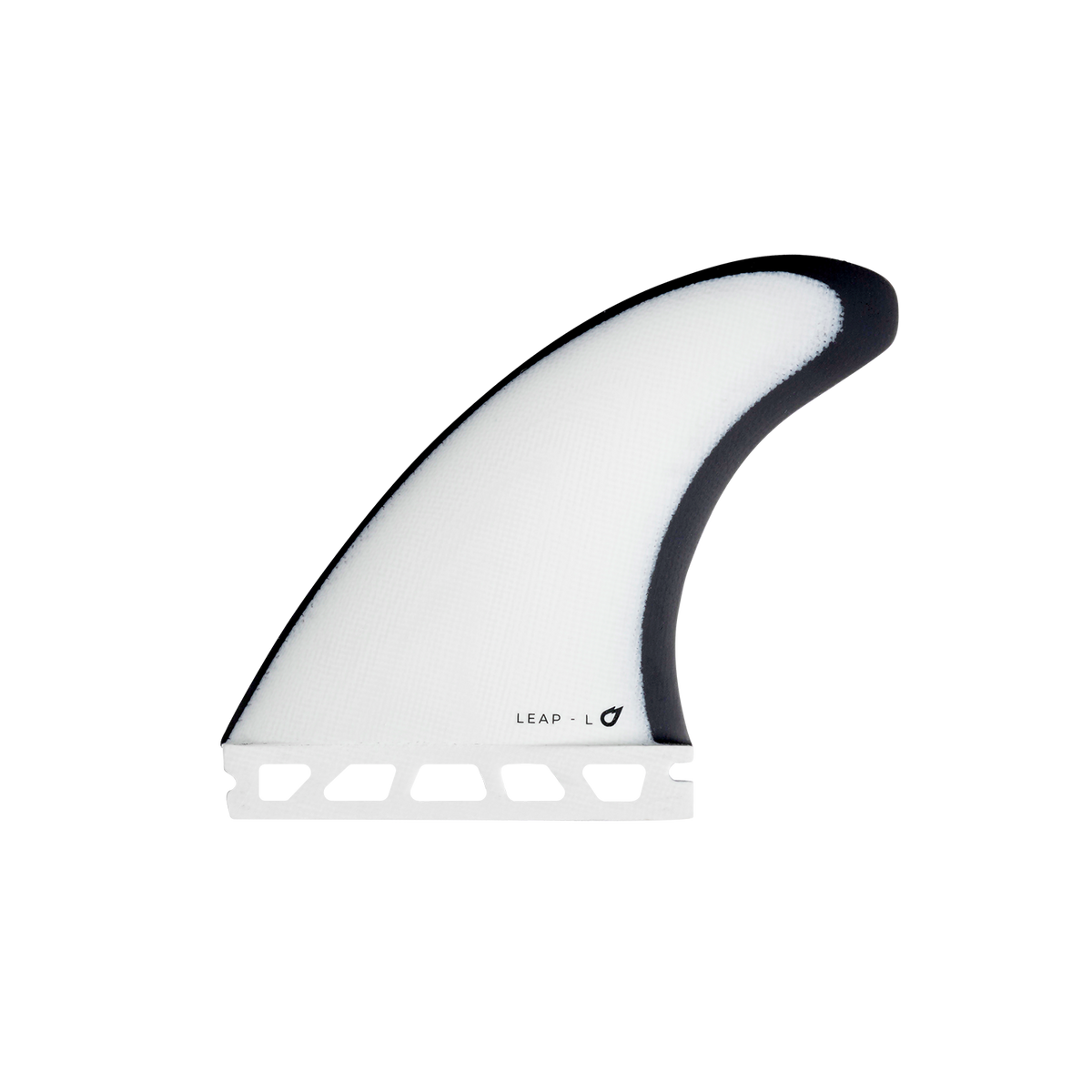
The Leap aims for the most natural balance possible. Its neutral template makes it highly accessible without sacrificing feel. It's forgiving, it performs, and works equally well in relaxed sessions and more serious waves.

Board type: versatile shortboards and mid-lengths.
Wave type: varied conditions.
Surfing style: balanced, versatile surfing.

Surfer: Mateia, GONG team rider, on the Atomic EPS.
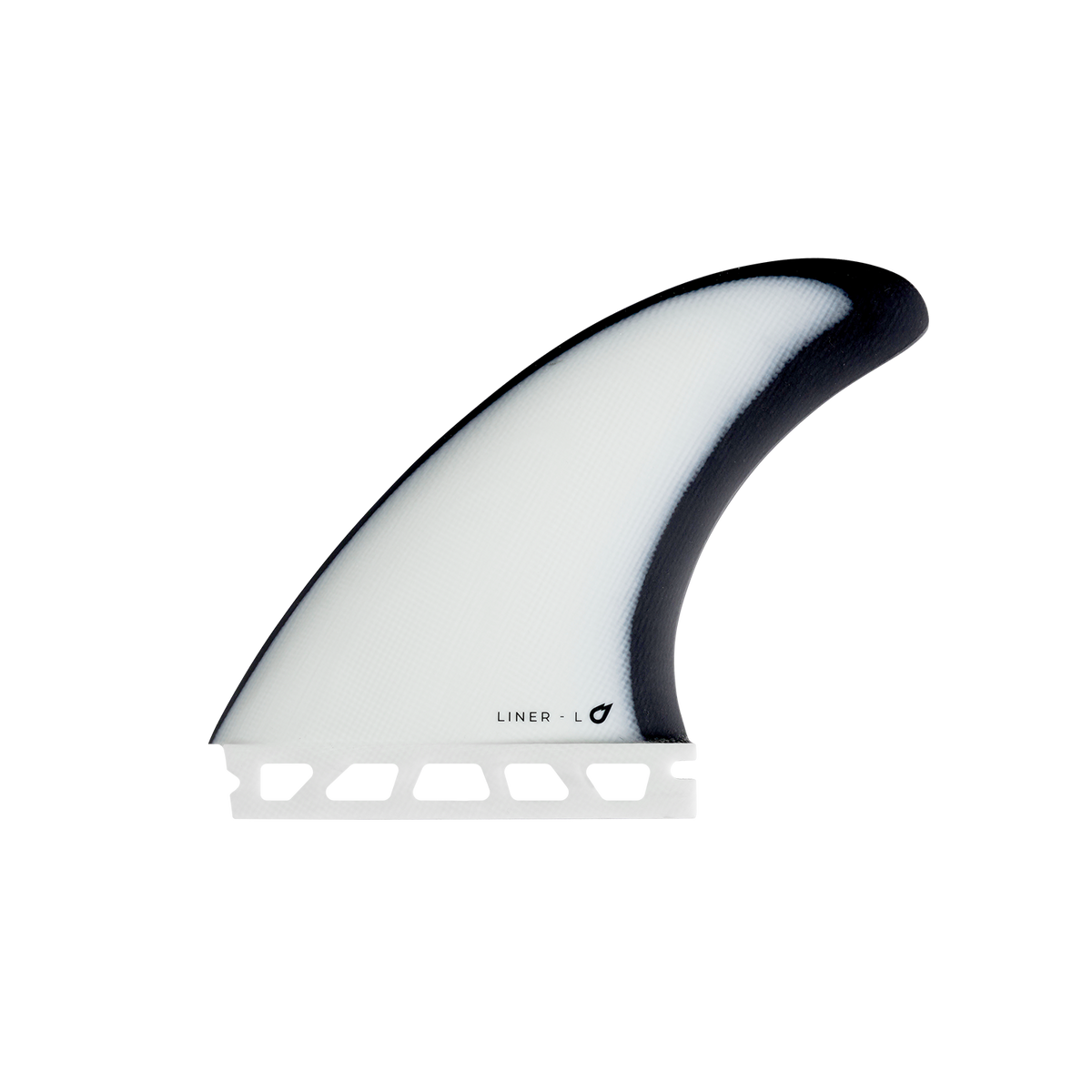
The Liner is designed for surfers looking for drive, projection and a lively feel under the back foot. Its raked template naturally favours long, committed lines, but its defining feature is its flex, which adds another dimension to acceleration out of turns.

Board type: shortboards and performance boards.
Wave type: fast waves with open faces.
Surfing style: flowing surfing with powerful projection.

Surfer: Mateia, GONG team rider, on the Atomic EPS.
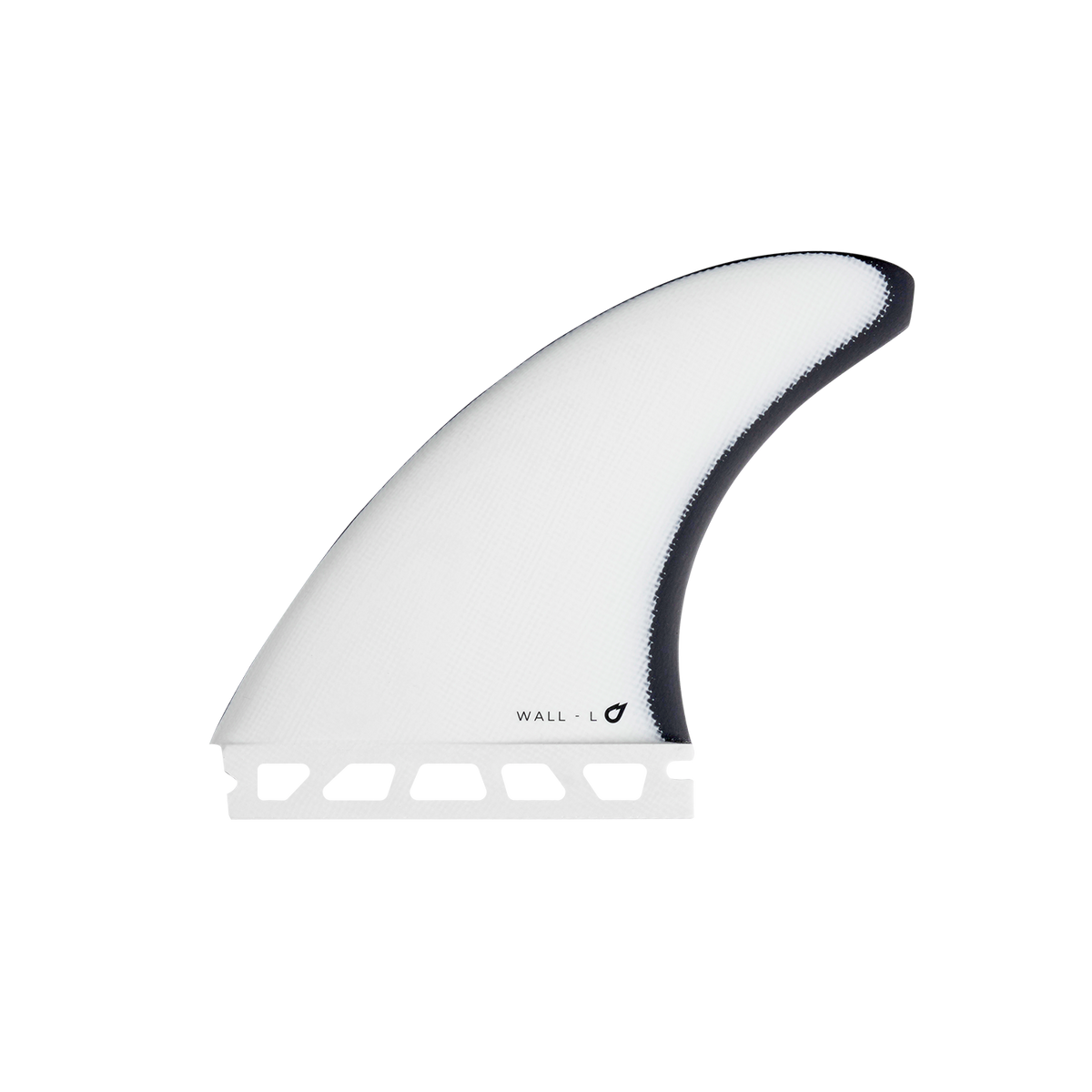
The Wall is clearly focused on drive. Its pronounced rake favours long lines and directional stability. It isn't designed for tight pivots. It's built to draw lines, hold your trajectory and make the most of the wave's natural speed through fast sections.

Board type: powerful shortboards and boards designed for bigger conditions.
Wave type: fast reef breaks and point breaks.
Surfing style: long, powerful turns.

Surfer: Malo, GONG team rider, on the Evolt EPS.
Radical pivot → Power
Balanced versatility → Round
Control and power → Project
All-round → Leap
Drive and stability → Wall
Dynamic projection → Liner
Fin size mainly depends on the following factors:
A heavier or more powerful surfer will need larger fins to maintain enough surface area in the water for sufficient hold and control.
A lighter surfer can use smaller fins to reduce drag and make the board more manoeuvrable.
Surfing style also plays an important role. A surfer who favours fast turns and short transitions may choose a slightly smaller fin for added responsiveness. A surfer who pushes hard through turns or surfs powerful waves will benefit from larger fins for greater stability and projection.
As a general rule:
The more volume the board has, the more fin area is required to control it.
Finally, conditions also influence your choice. In small or weak waves, slightly less fin area will help generate more speed.
Whereas in fast or hollow waves, a larger fin provides more hold and confidence through critical sections.
In short, the right size is the one that gives you the best balance between speed, control and manoeuvrability, depending on the surfer, the board and the waves being surfed.