Your cart is empty!
It's flat around here...
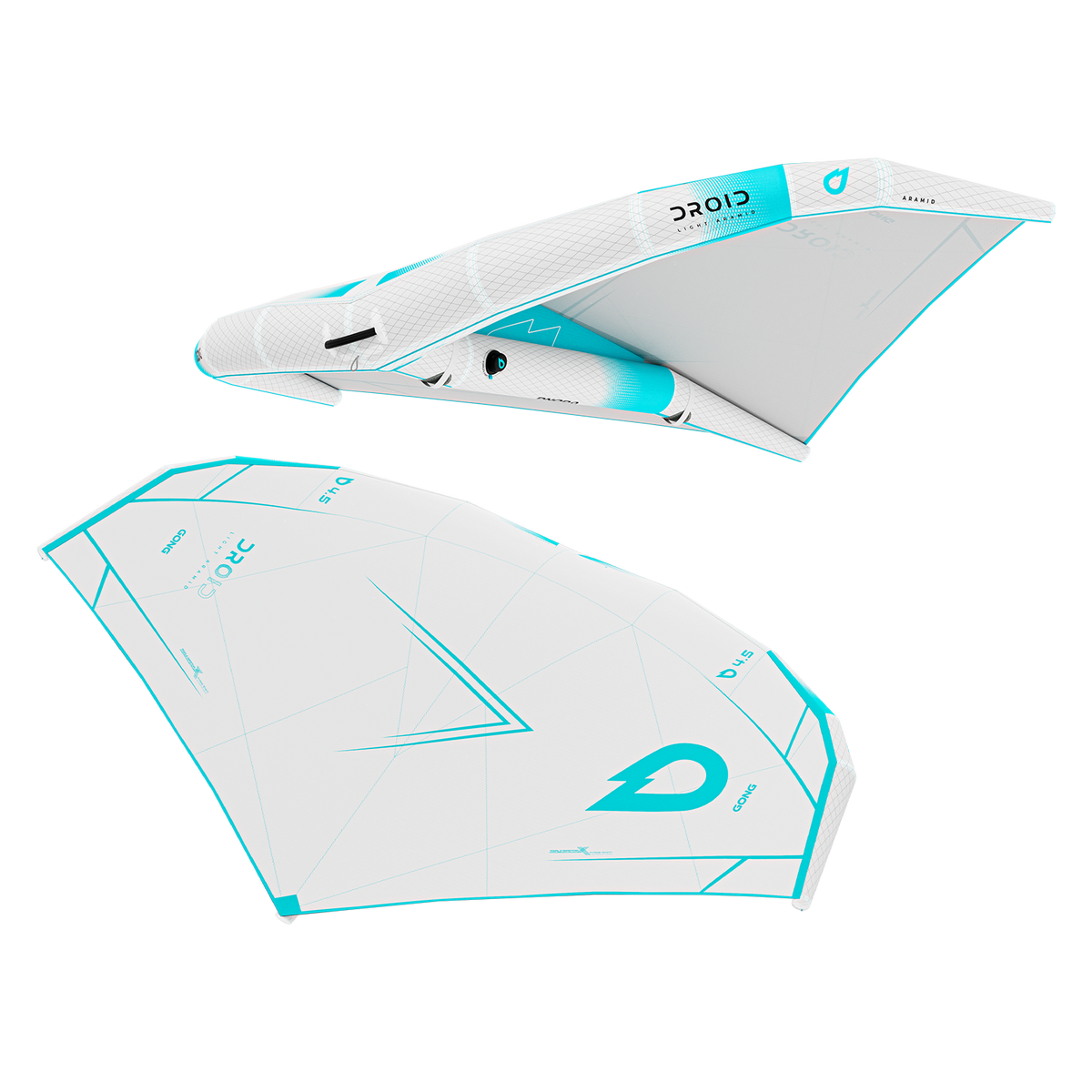
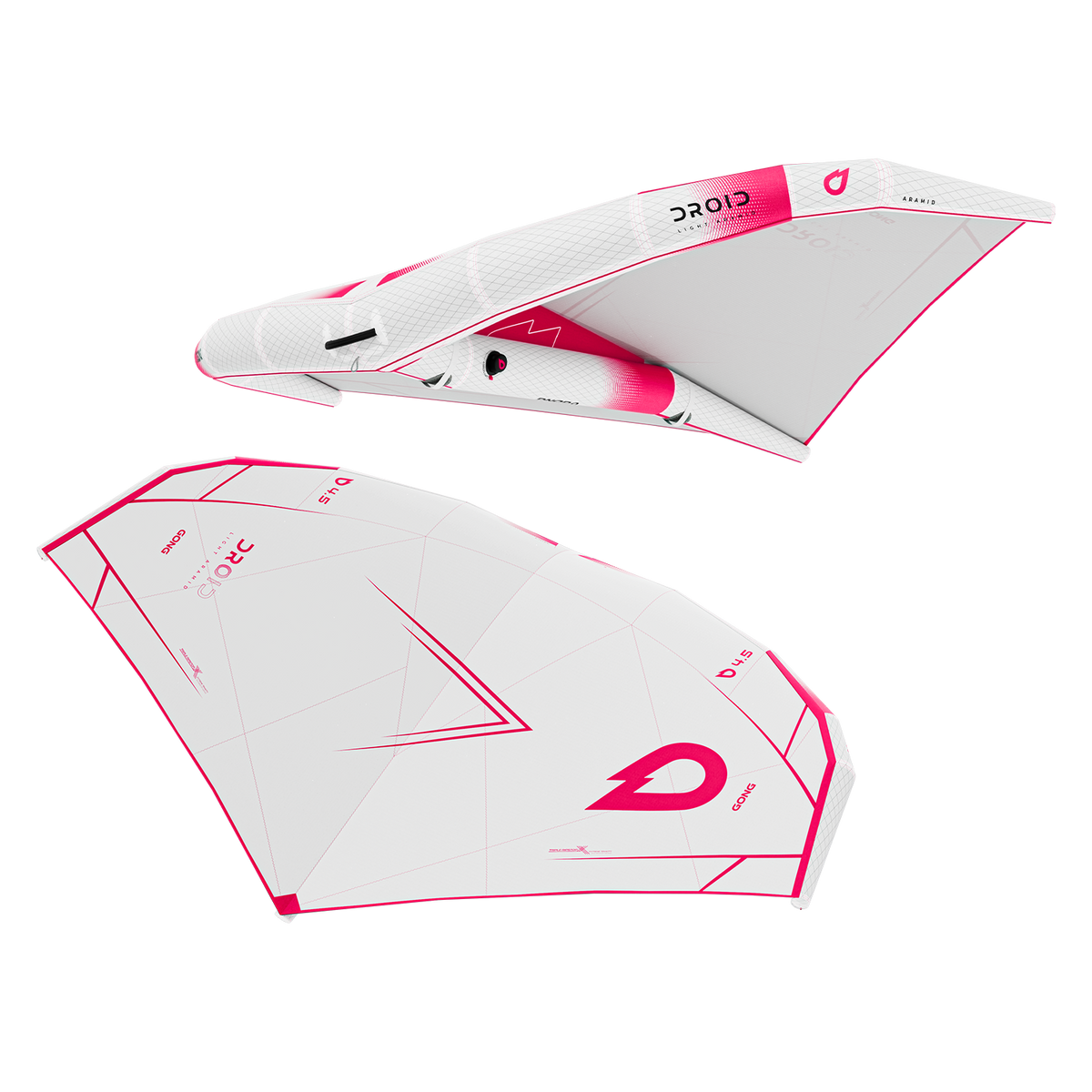
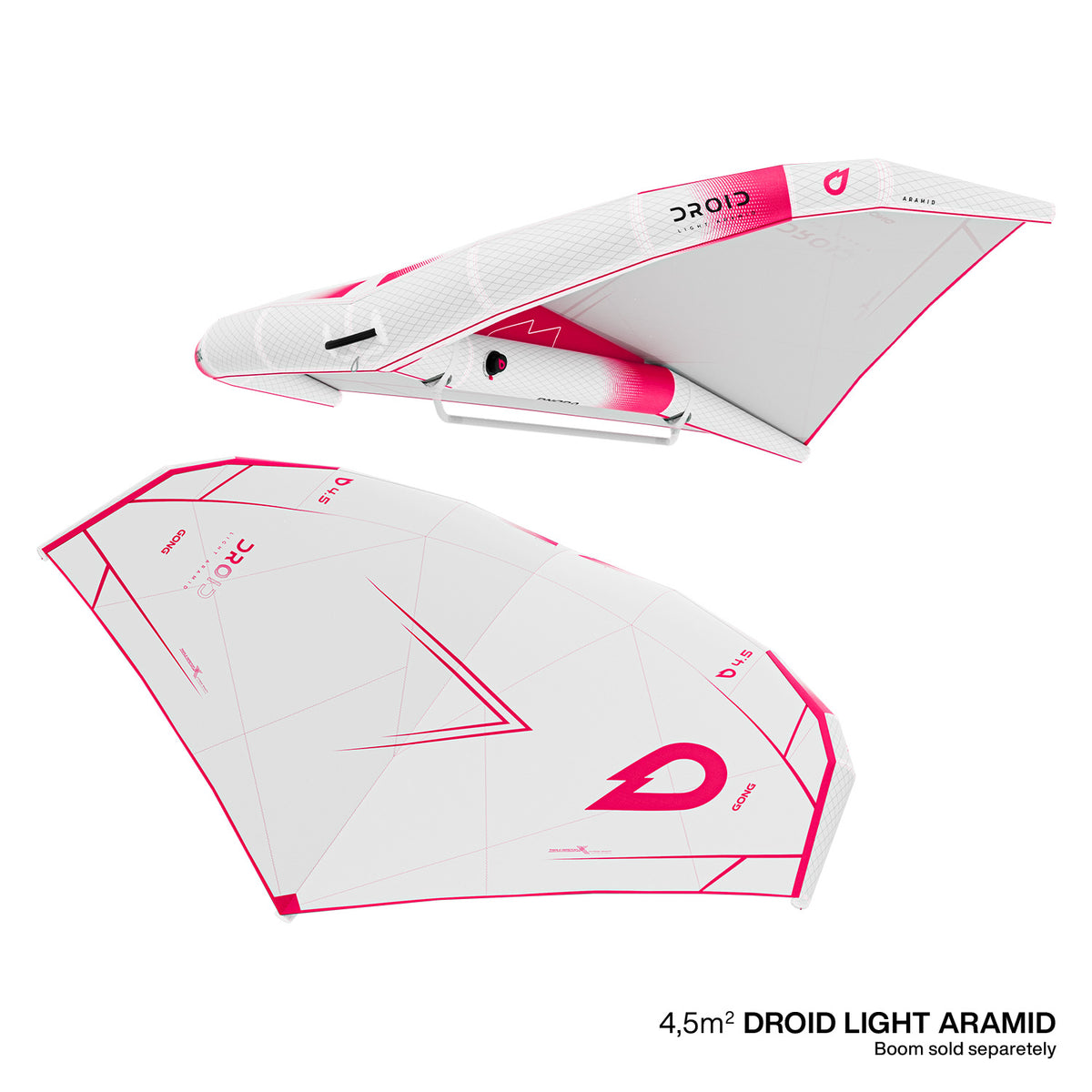
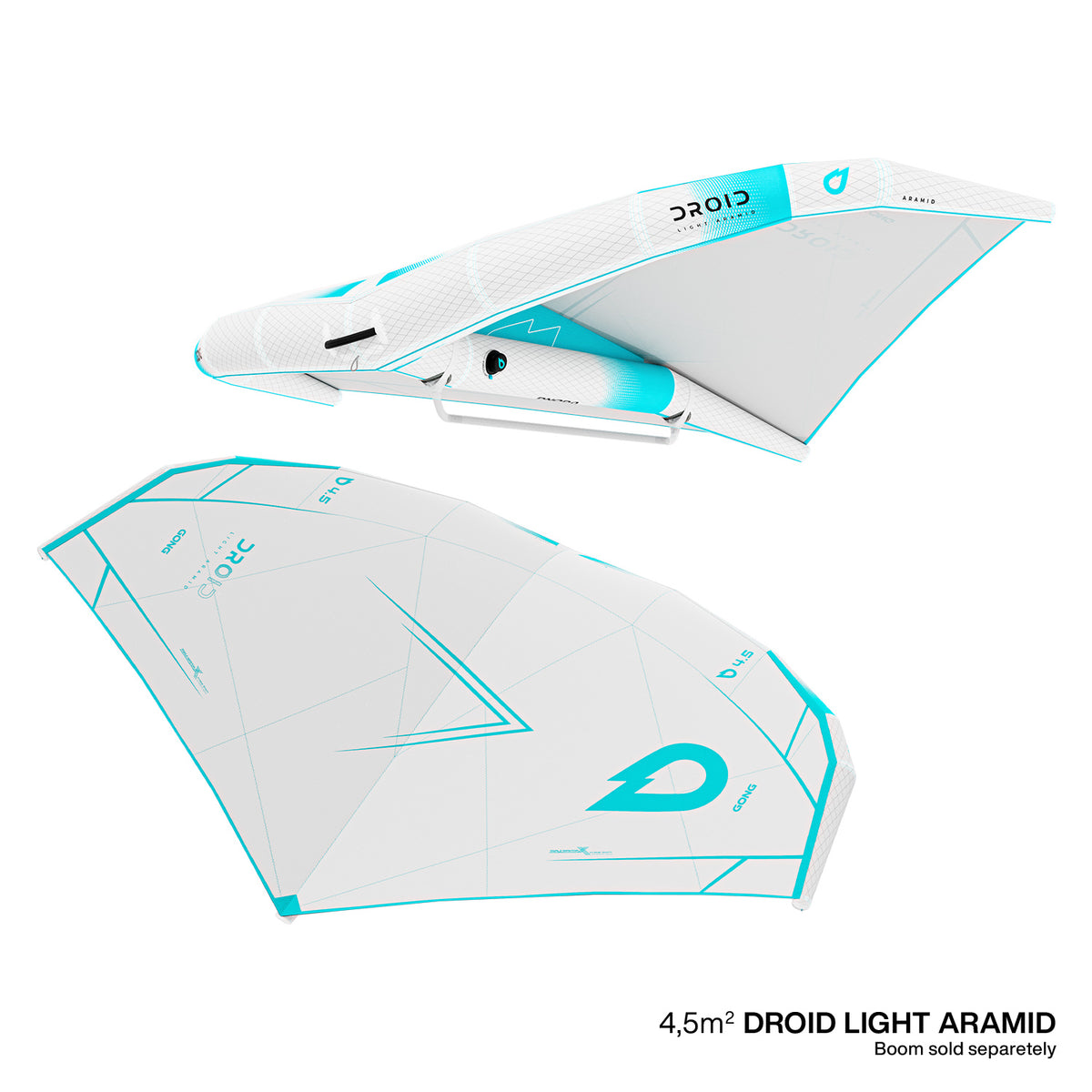
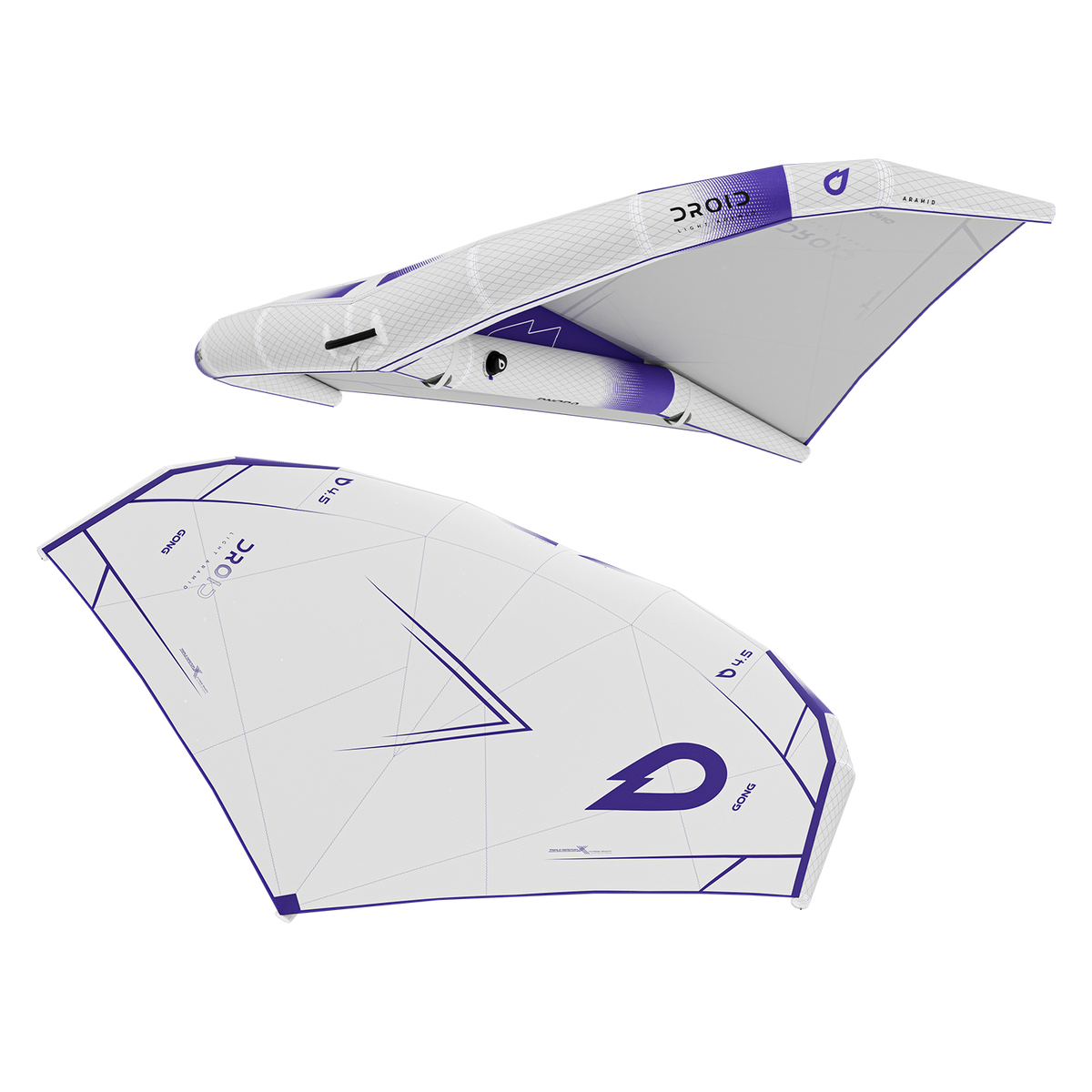
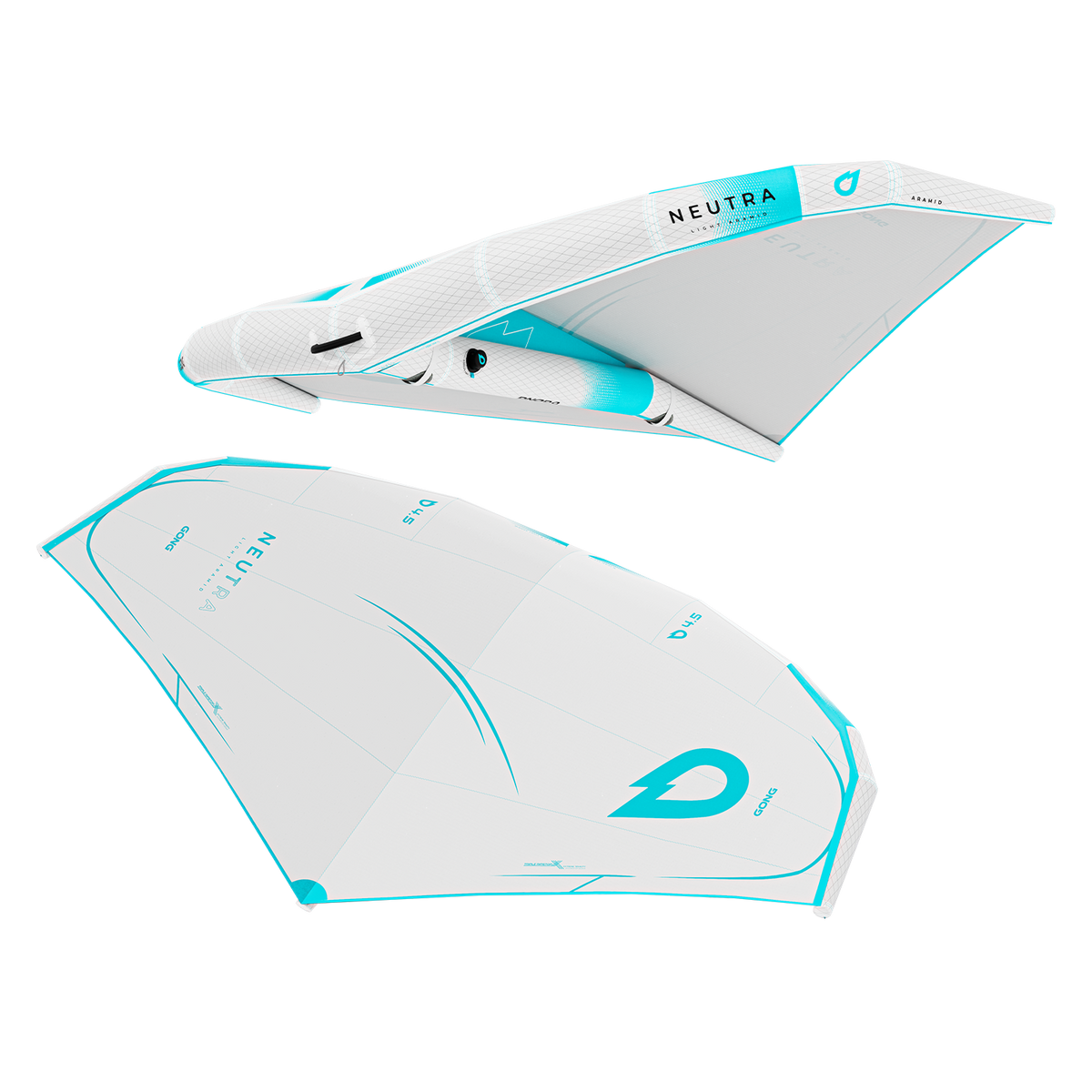
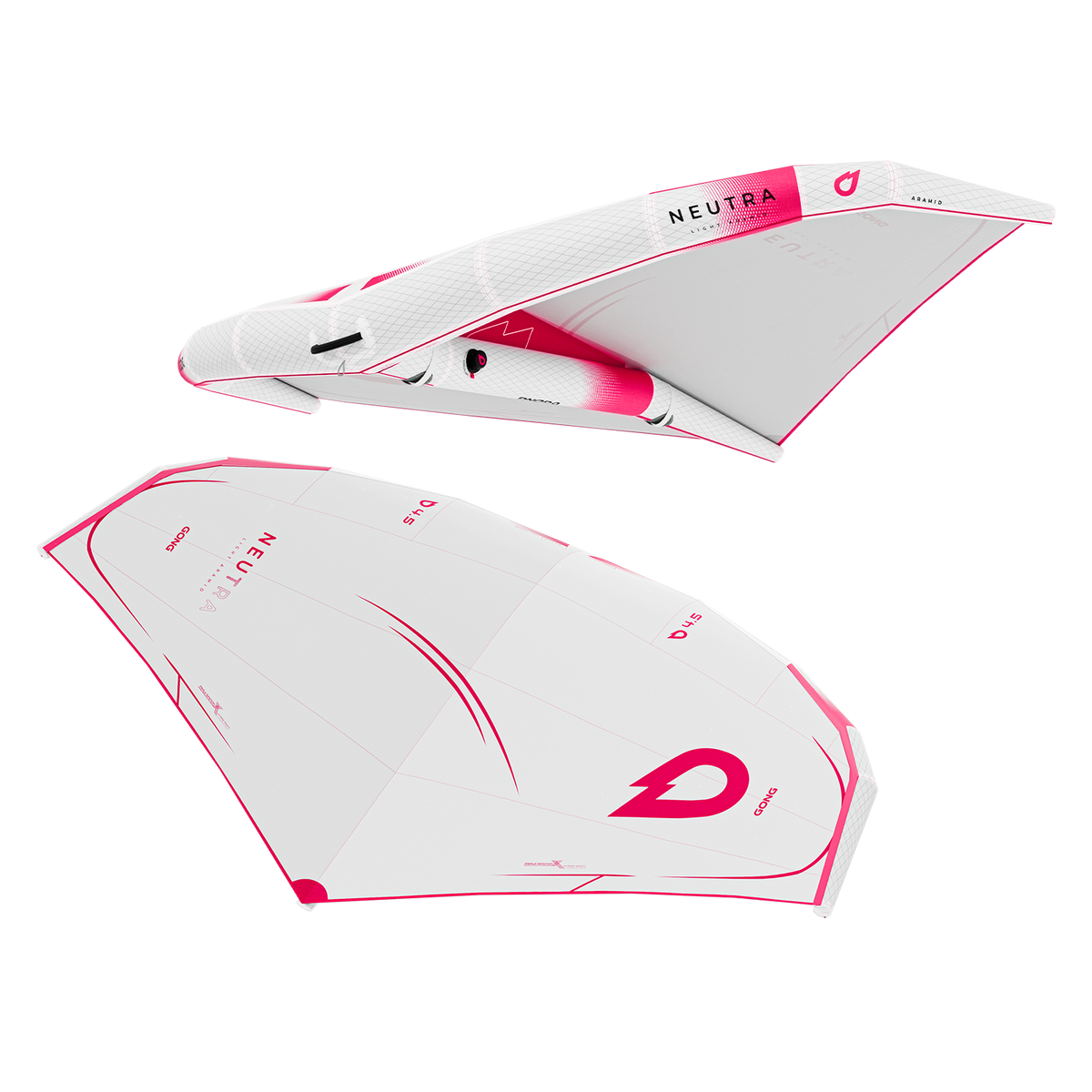
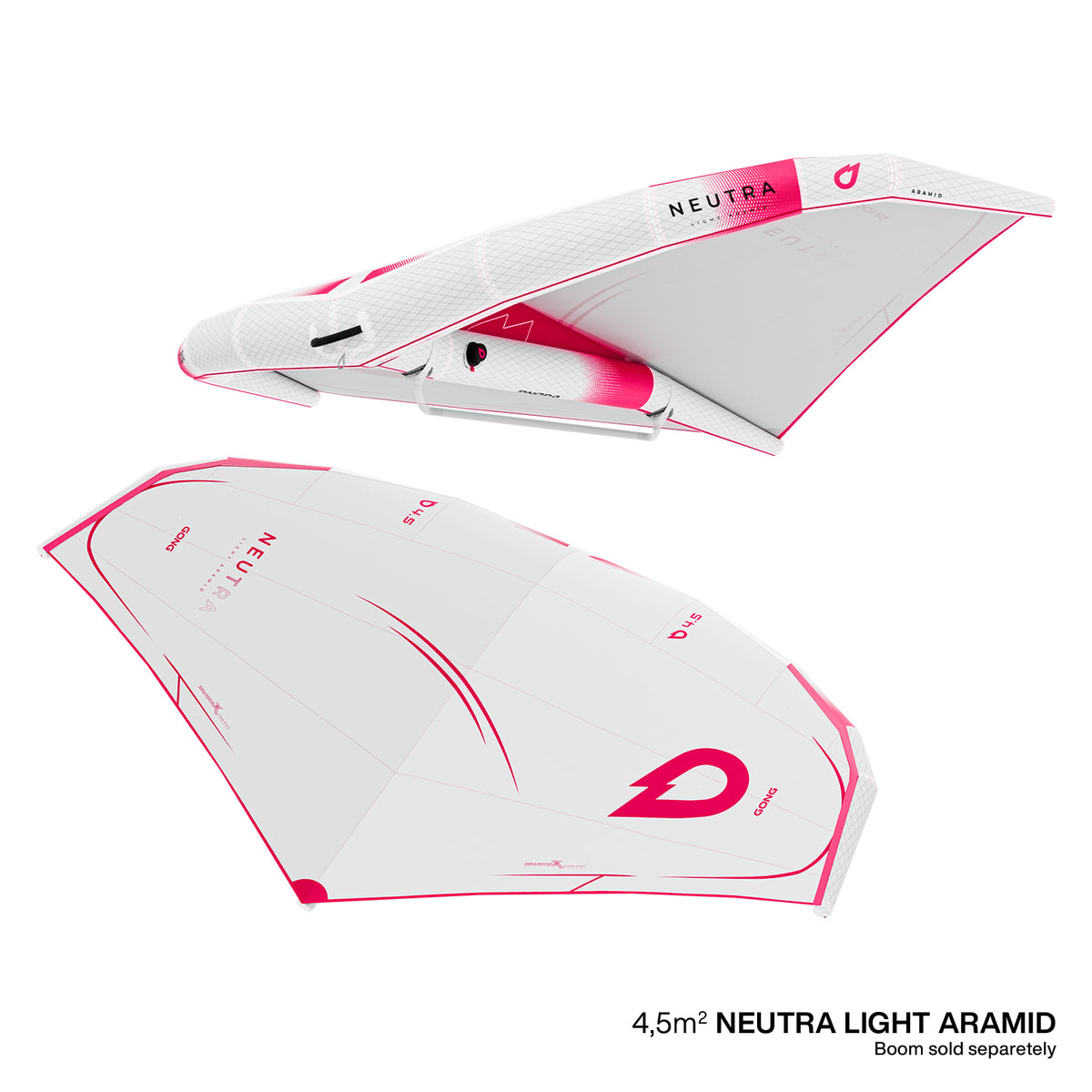
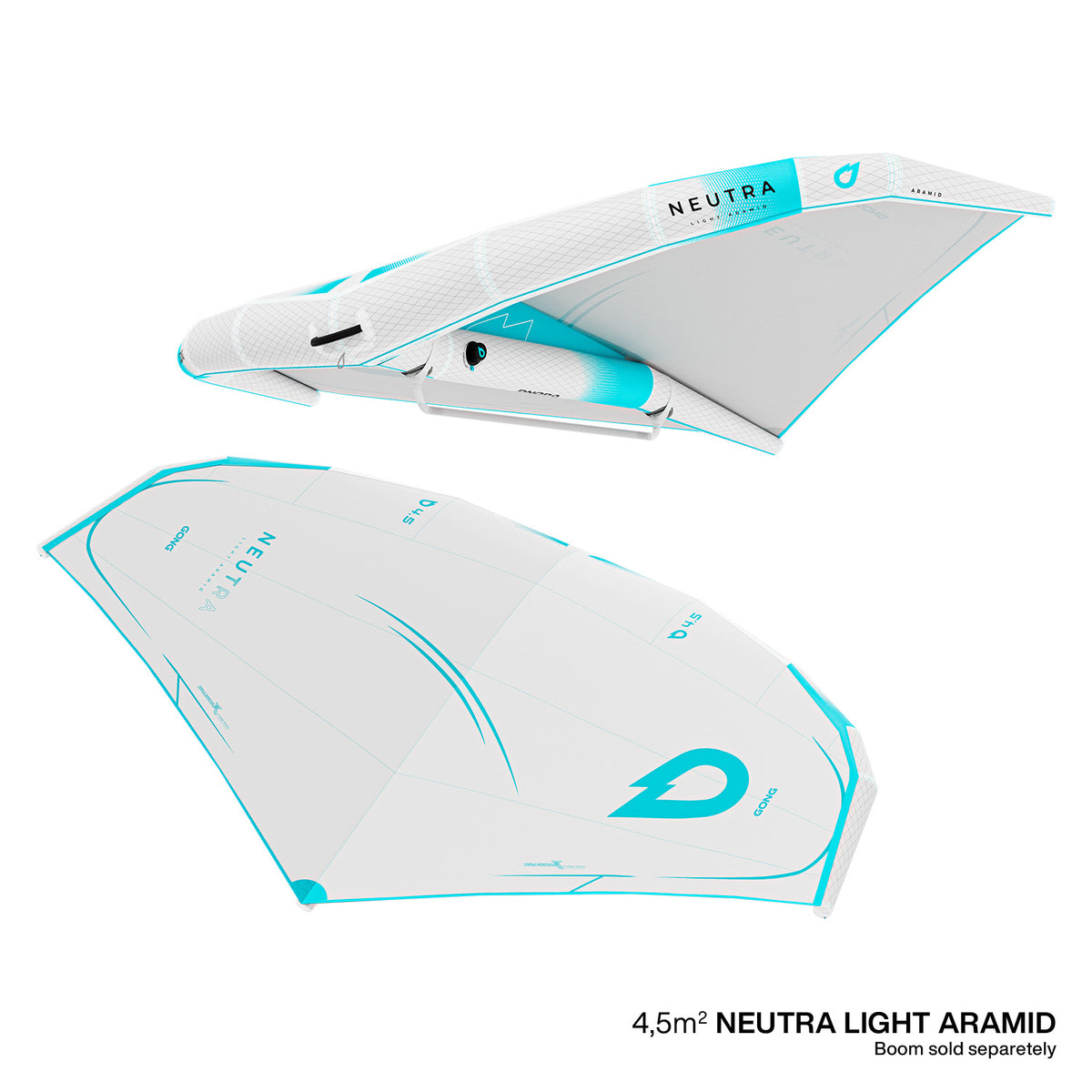
Not in terms of construction. The weight savings of the Droid Light and Neutra Light do not come from cutting corners on stitching quality, reinforcements, or assembly zones.
Critical areas maintain the same level of standards and specifications as our high-end Aramid wings: leading-edge seams, section junctions, leading-edge/strut connections, leading-edge closure, inflatable structure assemblies, and canopy-to-structure connections. Build quality is not reduced. The wing is designed to last over time.
 Wing foiler: Malo, GONG team rider, on a Cruzader Point LW FSP Pro and Neutra Light.
The weight difference comes from a simplified architecture: fewer sections, fewer assemblies, fewer total seams, fewer accessories, and fewer unnecessary reinforcements at the tips. The wing is lighter because it is built with fewer components, not because the stitched areas are less reinforced.
This is a key point: we could have saved another 200–300 g by reducing reinforcement fabrics, lightening stitching zones, or removing important structural protections. That was not our choice, as it would have resulted in a wing that is too fragile, almost disposable, which goes against our philosophy.
Bladders are the only real specific aspect of the Aramid Light construction: they use 60-micron material to reduce weight. They are high quality and reinforced where needed, but they require more care than thicker bladders, especially in very hard impacts or overinflation.
An Aramid Light wing is therefore lighter and more sensitive to misuse outside its intended program, but it is not cheaply built. Its structural durability remains at the level expected from a high-end wing, with a true focus on weight reduction without compromising stitching quality or essential structural areas.
 Wing foiler: Benjamin, GONG team rider, on Cruzader Point LW FSP Pro and Droid Light.