Your cart is empty!
It's flat around here...
When the wind drops, reaching for a bigger wing seems like the obvious solution. More surface area, more power, easier takeoffs… But if your foil needs too much speed to take off and stay airborne, that extra power won't always be enough to transform your session.
A foil designed for light winds should generally be your first priority, provided you already have a wing powerful enough for your weight. If your foil already performs well in light winds, upgrading your wing becomes the more relevant option.
To make the right choice, start by identifying what's holding you back on the water.

You manage to get airborne, but gradually lose speed as soon as the wind drops. You constantly have to pump to keep going, and every transition threatens to bring your flight to an end.
In this situation, prioritize a foil designed for light winds. A front wing that generates more lift at low speeds while maintaining excellent glide will help you take off, but also keep your momentum when the power drops. By maintaining your speed, you preserve the apparent wind that continues to power your wing.
So it's not simply a matter of adding more cm²: the profile, wingspan and efficiency also play a major role. The goal is to find a front wing that provides enough lift for your weight while maintaining efficient glide.
To compare the different models and their performance characteristics, check out our guide: Which V3 Atmo foil should you choose for light winds?

Wingfoiler: Benjamin, GONG team rider, on the Cruzader Point LW FSP Pro, Droid Boom, with a Veloce Freefly V3 Atmo front wing and stabilizer.
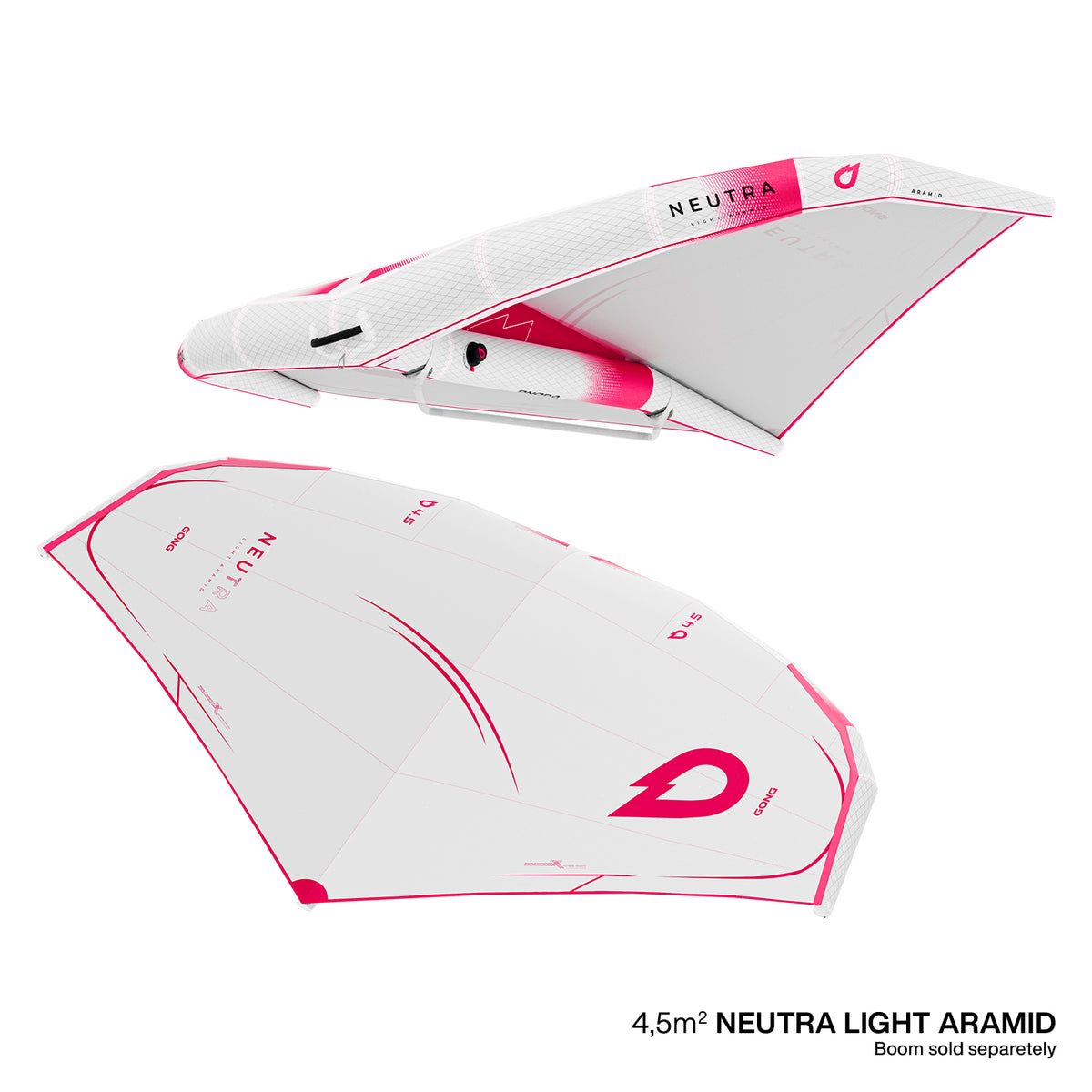
If your foil allows you to fly comfortably at low speeds, but your current wing struggles to get you going, a bigger wing or one with better low-end performance could be the most useful upgrade.
More surface area means more power, but that power needs to remain easy to use. A wing that you can accelerate, pump and reposition efficiently will perform better than an oversized wing that restricts your movements. In ultra-light conditions, low weight and maneuverability become especially important: a very large wing isn't automatically the best solution, as explained in this article.
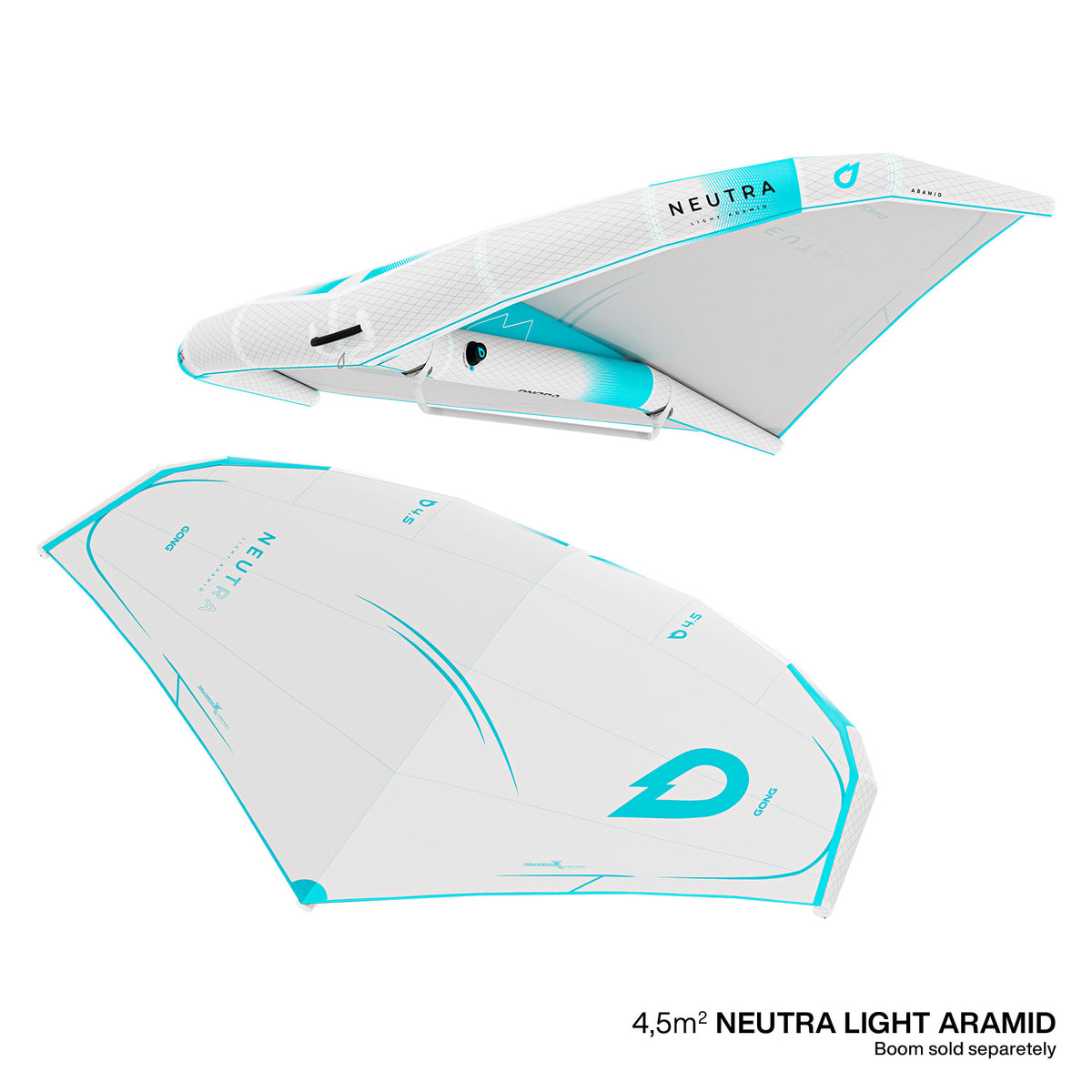
A lightweight construction also reduces the effort required to move the wing and makes it easier to generate power when pumping. It improves comfort, even when increasing the surface area. To explore this further: The revolution of ultra-lightweight wings.

Wingfoiler: Malo, GONG team rider, on the Cruzader Diamond Hollow Full Carbon, Neutra Light wing and Veloce Freefly V3 Atmo foil setup.
If your current gear is mainly designed for steady winds, generally start with the foil. You'll improve both your ability to take off at low speeds and your chances of staying airborne through the lulls. You can then adjust your wing based on how much additional power you actually need.
If you already own a light-wind foil, focus on the wing: its low-end power, surface area, weight and compactness.
These two upgrades complement each other. To really push your low-wind limit, having a well-balanced setup is essential, with equipment suited to your weight, technique and local conditions. Our article How to make light-wind riding fun and accessible? explores this approach in more detail.
The best investment is the one that removes your biggest limitation: generating enough power to take off, or making better use of that power to keep flying.