Your cart is empty!
It's flat around here...



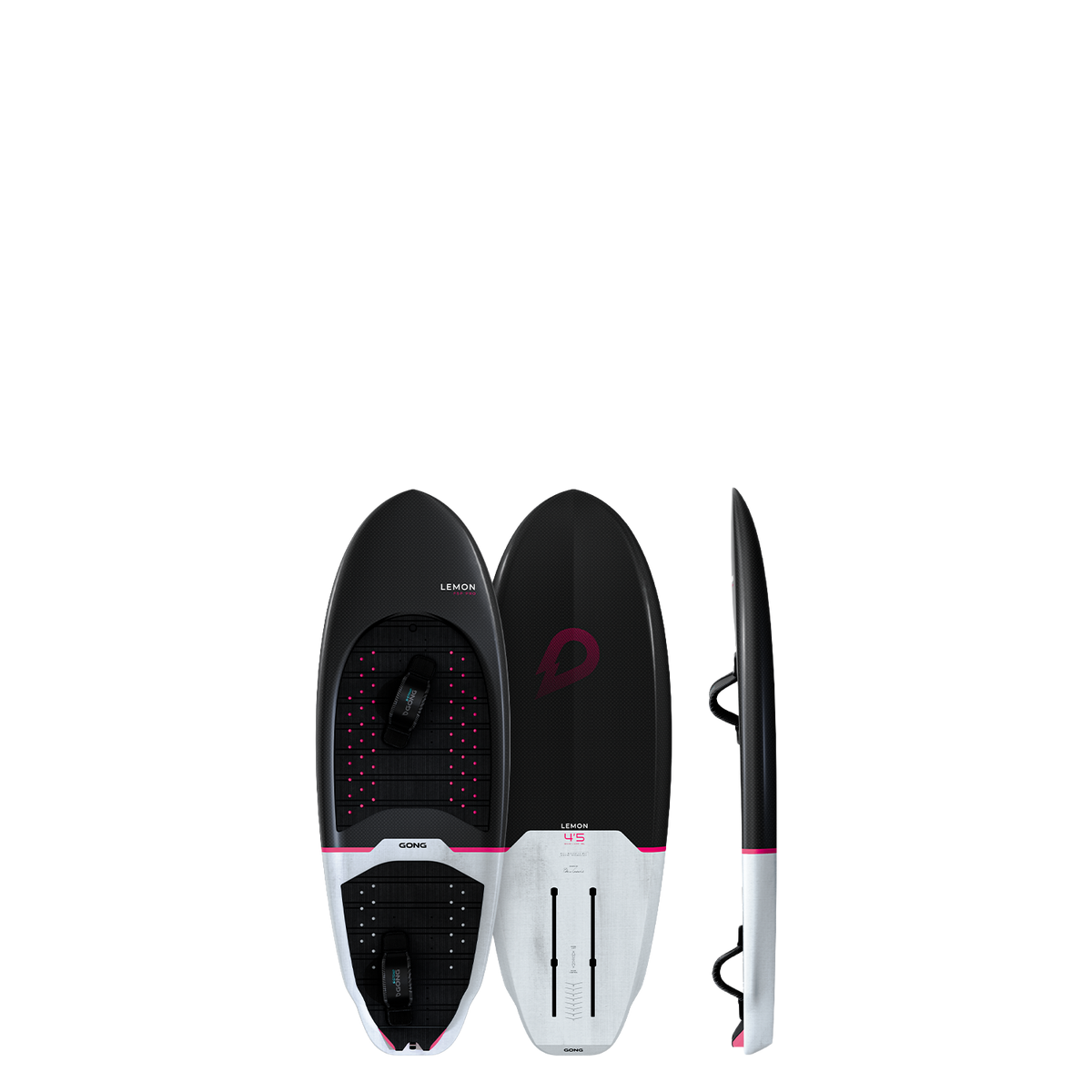
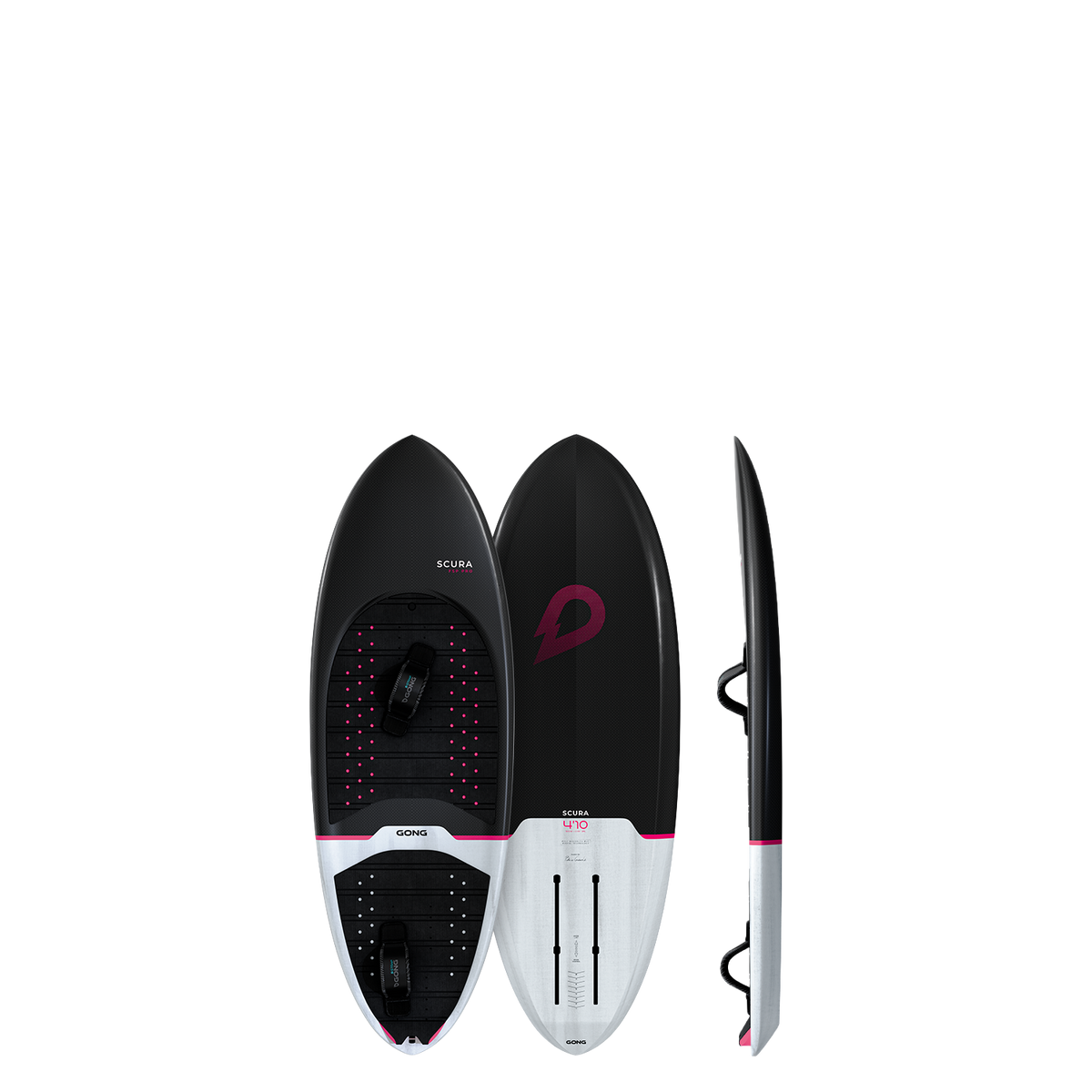
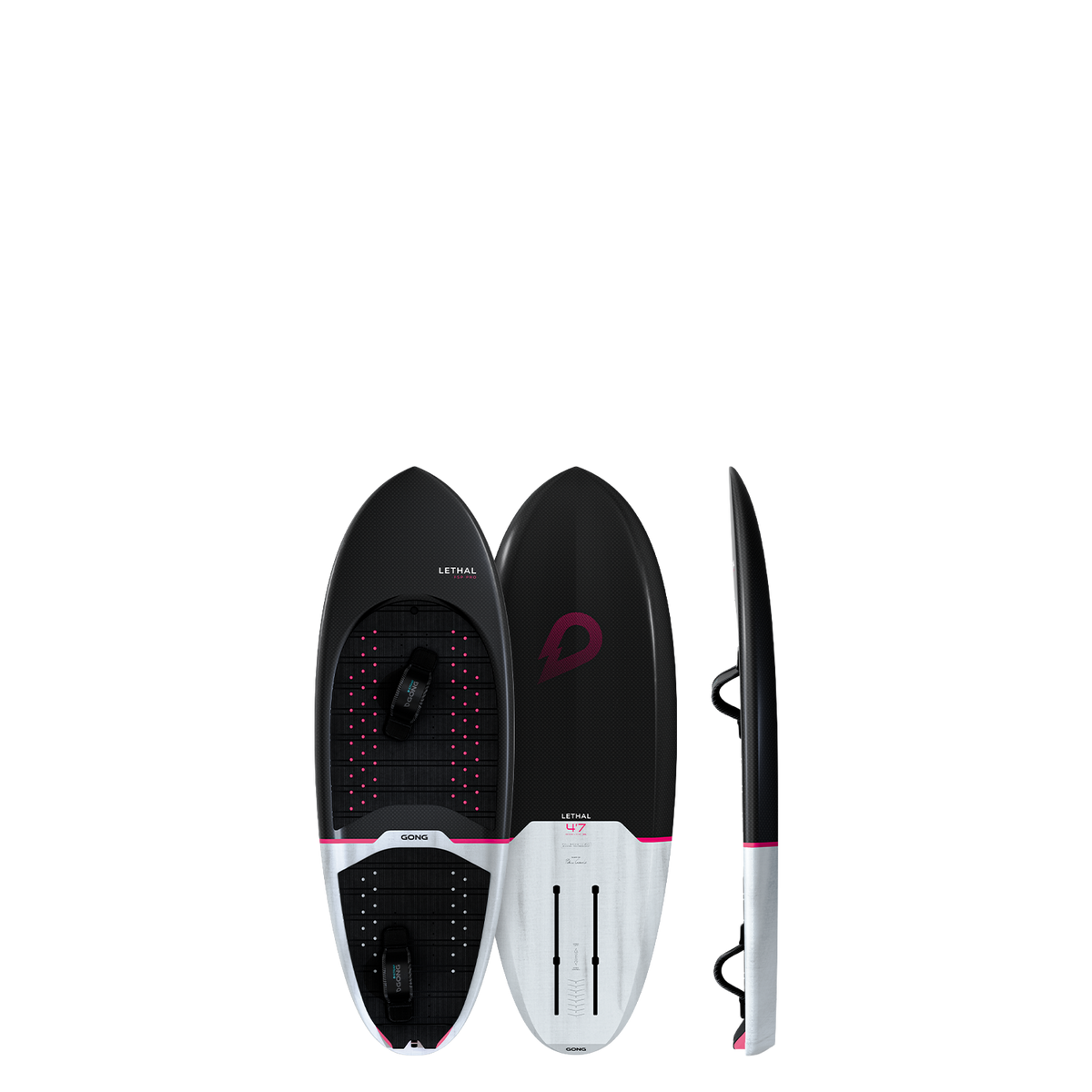
The compact full sandwich foil surfboard with straps to maximise manoeuvrability, dynamism, and pumping, especially in sluggish waves.
The Matata FSP Pro encapsulates the essence of modern foil surfing in a compact, responsive, and ultra-lively shape, with technology and equipment designed to push this shape to its limits. A board made to maximise the connection with the foil, trigger every movement instantly, and transform the slightest impulse into a direct response underfoot.
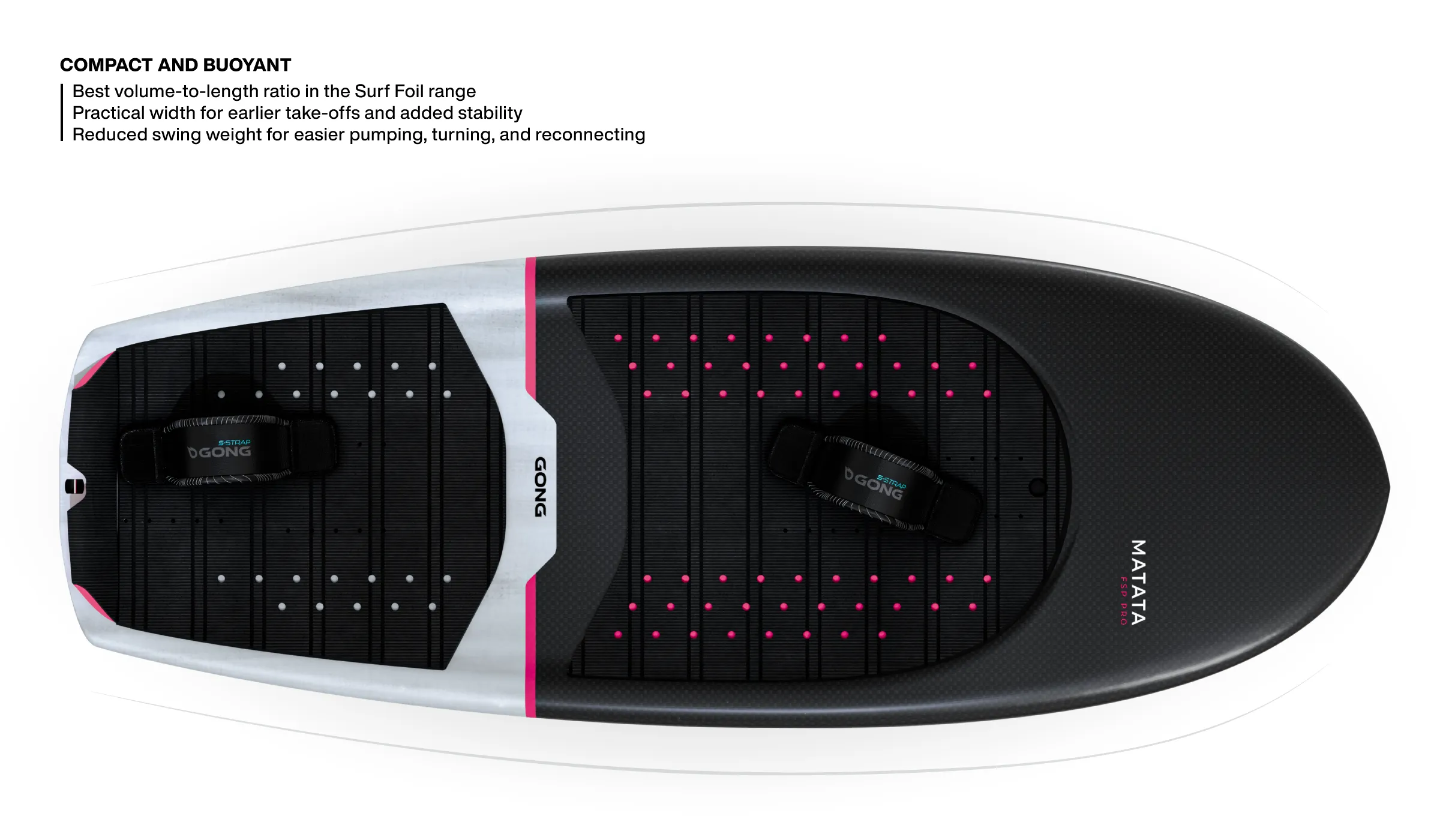
With its perfectly balanced volume-to-length ratio, the Matata is the most compact in the foil surf range. Its short outline minimises inertia and completely frees up the ride. Weight shifts become quicker, turns more instinctive, and the board responds immediately to every intention.
This compactness does not come at the expense of take-off. Its width and condensed volume provide stability under the chest, support when paddling, and very effective pop at take-off. For its length, the Matata starts early, even in medium or low-power waves, with an easy pop up thanks to its wide and voluminous tail.
Its shape excels in small conditions and mushy waves, where pumping, efficiency, and precision make all the difference. The Matata allows for easy relaunching, connecting sections with less effort, and maintaining a fluid rhythm between each shift.
The overall width also facilitates more committed take-offs, especially in foam or very late. Short, wide, and easy to hold, the Matata allows for control at the start, managing potential rebounds, and positioning perfectly in tight situations without the bulk of a longer board.
The recessed deck brings the feet closer to the foil to enhance control and feel. Strapless, the significant width at the rear foot allows for a marked offset position, ideal for pushing hard in turns with precise, powerful, and committed riding.
In the FSP Pro version, dedicated strap inserts for foil surf stance add a huge level of control. It's no longer just about pushing on the board: you can also pull on the straps, lock in your stance, charge harder, control landings, and open up a real aerial repertoire. Backflips, 360s, airs, committed re-entries: the manoeuvre potential changes dimension.
The strapped stance is asymmetrical, regular or goofy, with two straps provided. The rear foot is positioned firmly toeside to maintain offset and power, while the front foot angled at 30° provides a natural and very solid support. The front inserts of the rear strap are slightly closer to the rail to create an open angle forward, facilitating surf stances, knee tucks, and the entry/exit of the rear foot during cool or pumping phases.
Under the board, the shorter, vertical kick tail limits drag when a touch occurs. The Matata quickly releases from the water and facilitates re-pop, allowing you to regain flight easily and chain the next manoeuvre without breaking rhythm.
This ability to glide cleanly on contact also changes the level of commitment. A touch, an imperfect landing, or a very low stance does not immediately result in a penalty. The board continues, glides, releases, and allows you to keep going without fearing a touch that sticks to the water indefinitely.
Constructed in FSP Pro full sandwich carbon/glass under vacuum with high-density PVC foam on the deck, hull, and rails, the Matata gains in rigidity, responsiveness, and durability. This construction is made to withstand the demands of strapped use, landings, aerial tricks, and towing, where straps and structural solidity become essential.
Its new 5 mm Ridge Traction Pad provides very secure grip on essential support areas, with firm traction and real comfort underfoot. The Matata comes with a front pad and a tail pad glued on, while the intermediate boomerang pad, offered separately, allows these two areas to be connected for those who want a continuous grip surface.
Finally, its compactness is also a real advantage in everyday life. In a trunk, on a plane, on a boat, or on a jet, the Matata is easy to transport. It's not the main argument of its shape, but it's often this kind of detail that makes a board as easy to use as it is effective on the water.

The outline of the Matata concentrates maximum volume in a minimal length. This is the core of its design: a short, wide board that is stable under the chest and very compact under the feet. It maintains the necessary support for paddling, catching waves early, and popping efficiently at take-off, even in small or mushy waves.
The width is placed where it truly matters: under the chest, under the front foot, and at the rear foot. The nose remains round but tapered at the tip, with width at the shoulders without overloading the front. The result: useful buoyancy, very little inertia, and ultra-free manoeuvrability in flight.
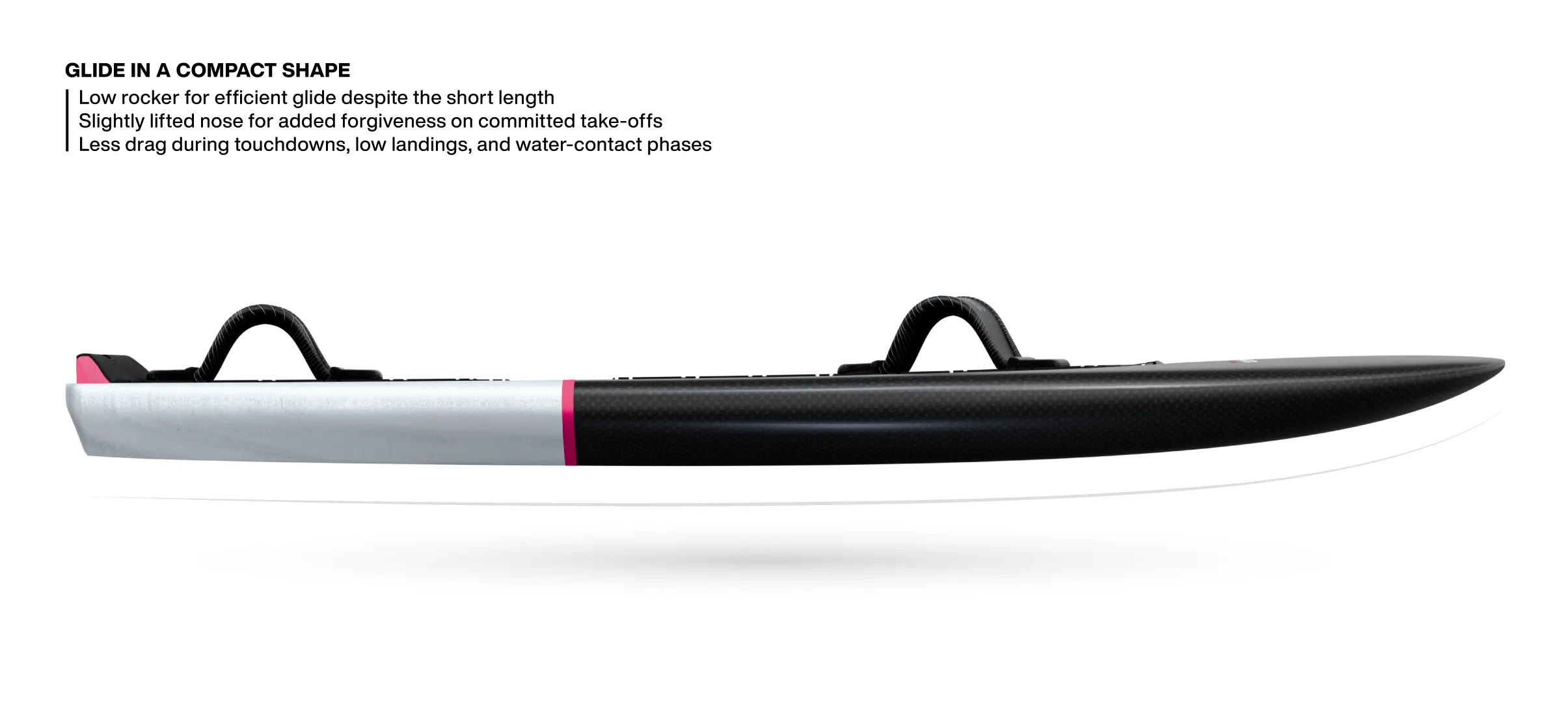
The rocker of the Matata is designed to maximise glide in such a short length. It remains a very short board, so the goal is not to compete in paddling speed with a longer board, but to get the best performance possible from its ultra-compact format.
Its slightly raised nose maintains tolerance in committed take-offs, whitewater, or tricky situations. The board remains easy to position and control, without the bulk of a longer board that can dig in, nose dive, or become difficult to manage when the wave pushes from behind.
This rocker also comes into its own during touchdowns, low landings, or when you need to settle the board before taking off again. The Matata glides on contact instead of braking abruptly, allowing you to maintain momentum, re-pop more easily, and keep sending it without being penalised at every water contact.
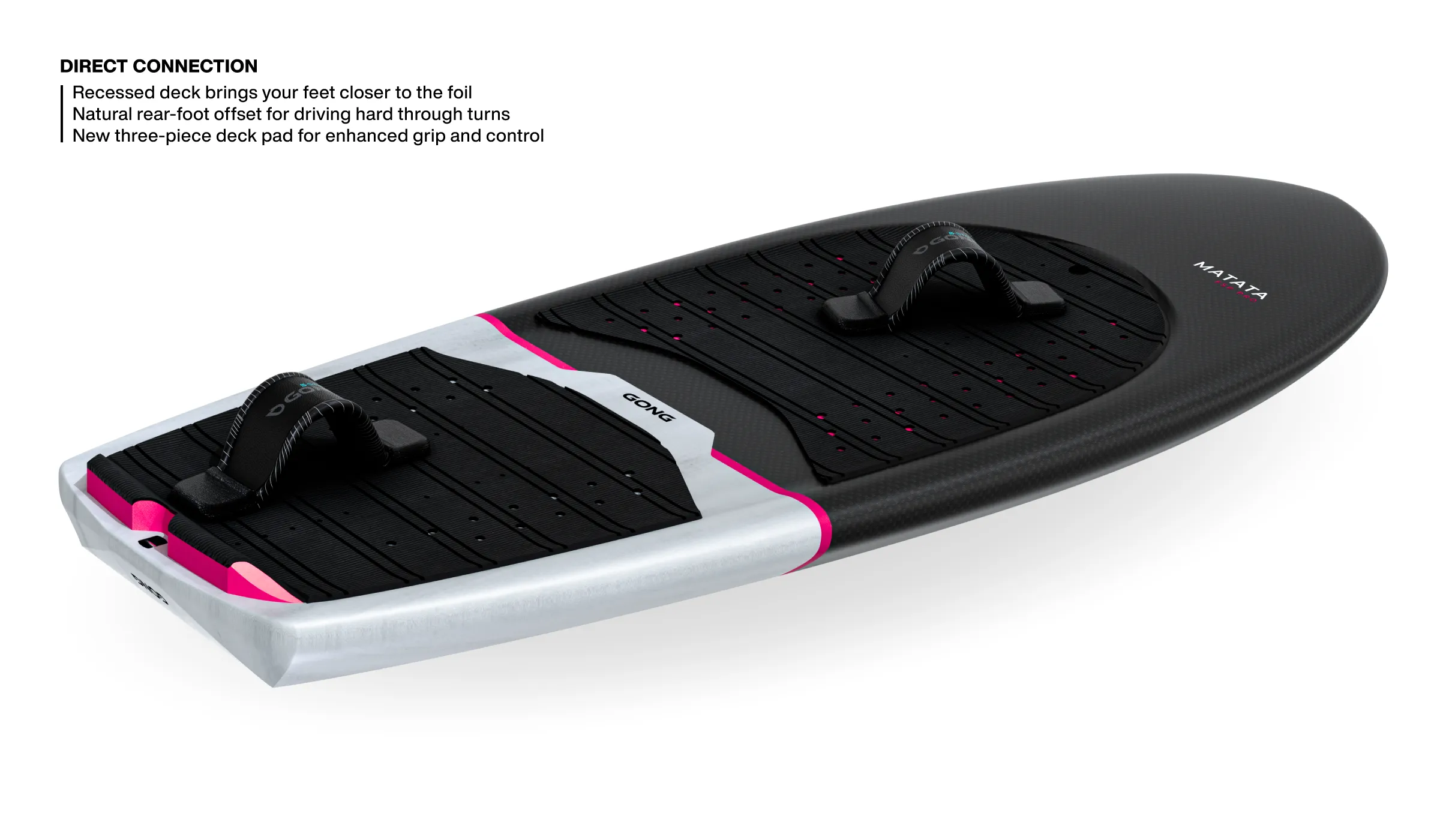
The lowered deck creates a concave cockpit in the stance area. The feet are closer to the foil, the stance is more readable, and the handling gains in precision. You feel the foil better, fine-tune the pressure, and each movement is transmitted directly.
The significant width at the rear foot allows for a marked offset position, ideal for strapless riding. You can load the turns, shift your stance, and handle large-span foils without being confined to the board's axis. The new three-part ridge traction pad enhances this connection with more grip, comfort, and control across the entire stance area.
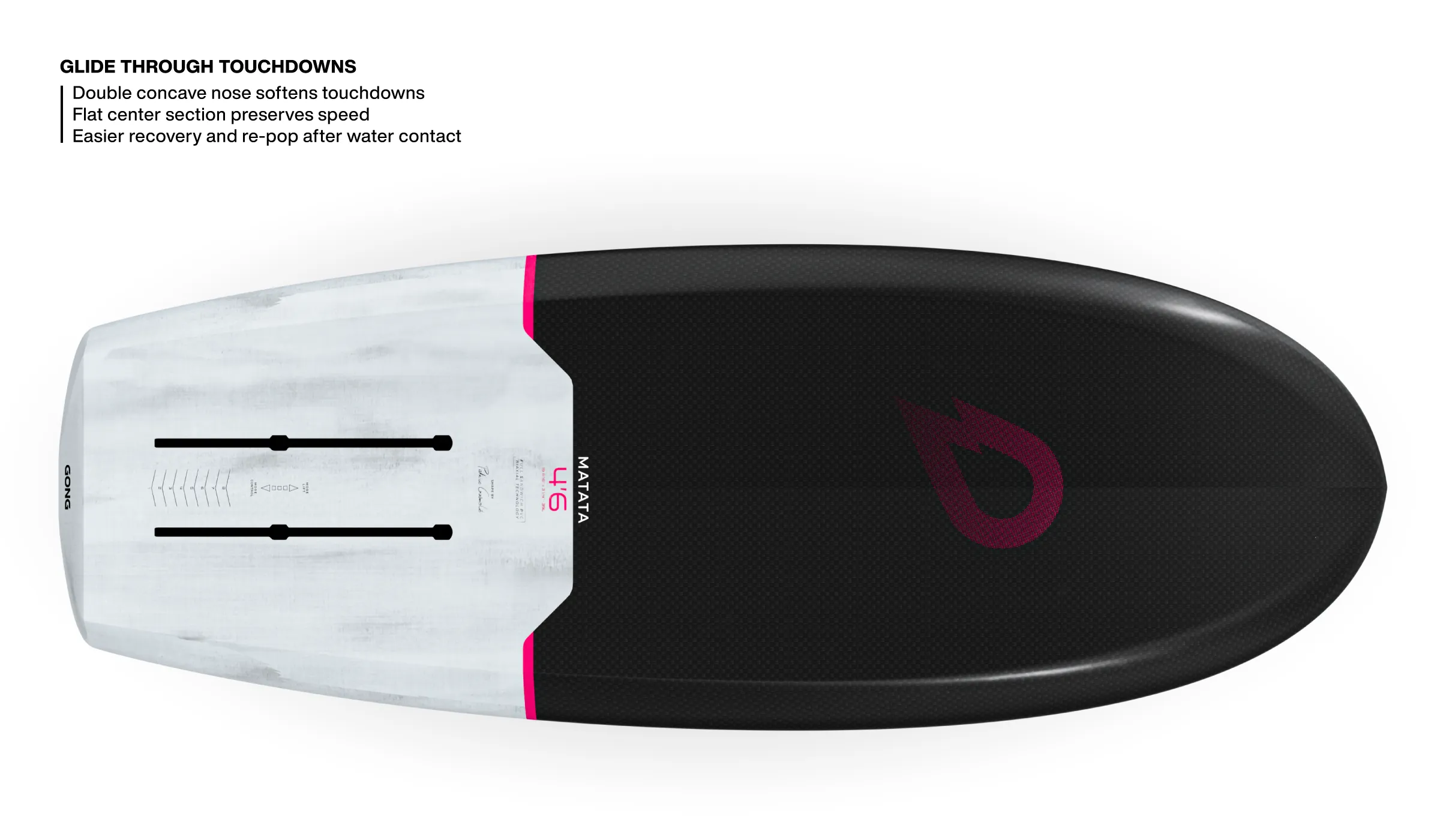
The hull of the Matata is designed to glide quickly before takeoff and remain stable during water contact. The double concave at the nose channels the flow, softens touchdowns, and prevents harsh stops when the board reconnects with the water.
Around the foil, the hull's core remains perfectly flat to maximise glide and maintain speed. This combination allows for efficient takeoff, tolerates touchdowns, and quickly regains speed without feeling like the board is sticking or dragging in the water.
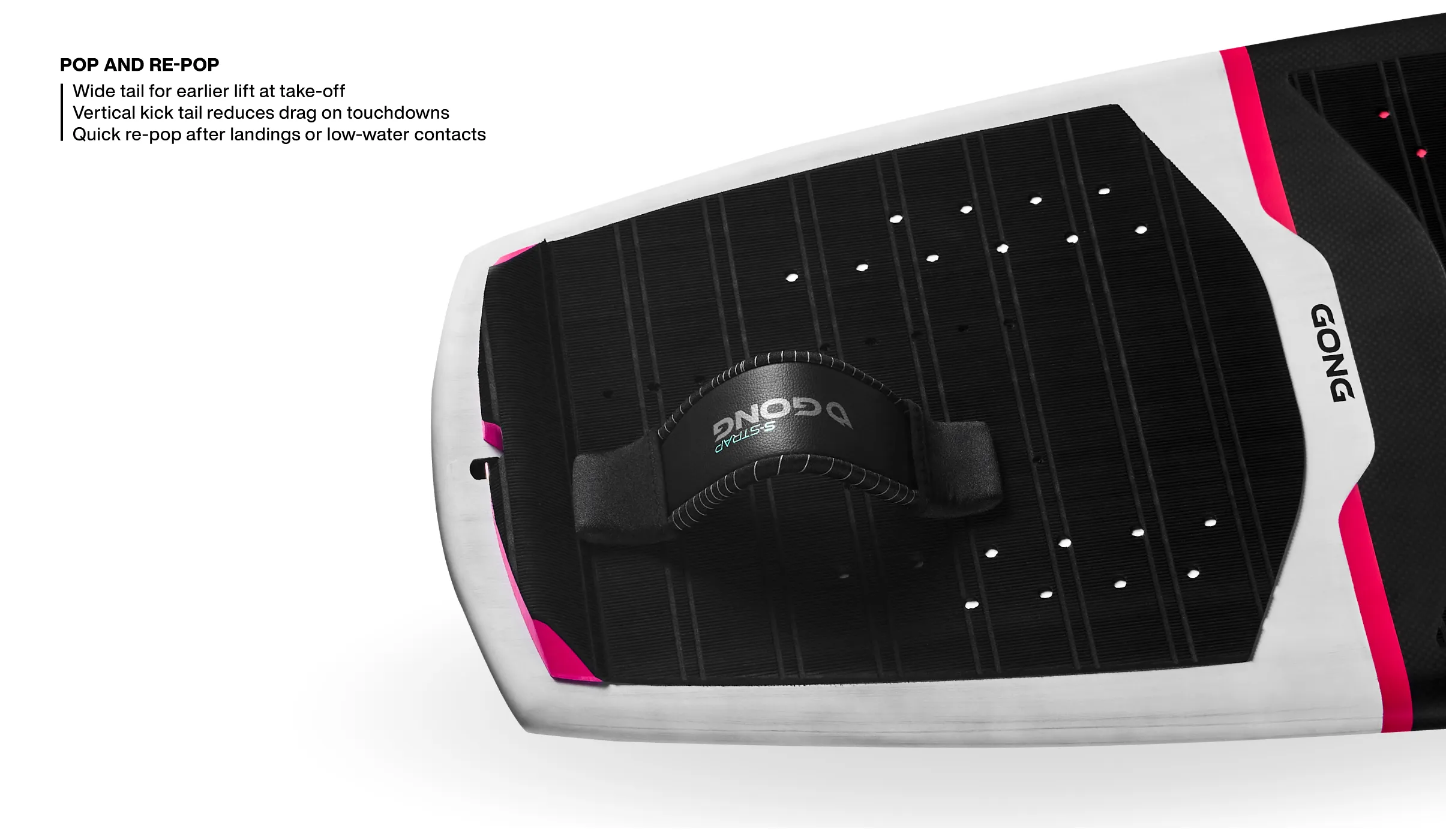
The wide and voluminous tail provides a real cork effect during take-off. It helps the board to pop decisively, especially in short starts, foam, or less powerful waves. This rear lift provides support without lengthening the board.
The kick tail is short, set back, and very vertical to reduce the surface that slows down when the board touches the water. The Matata quickly frees itself, maintains its momentum, and facilitates re-pop after a touch, a low landing, or an engaged manoeuvre. This is a key point for sending it without fearing contact.
The rails of the Matata evolve significantly from the front to the back. At the nose, they are softened, with pronounced chines and gentle edges to facilitate water contact, channel the glide, and avoid abrupt reactions.
At the tail, the rails become more vertical, with less planing chines and sharper edges. This area releases water more quickly, limits disturbances in tight turns, and reduces braking during touchdowns. The transition remains smooth throughout the length to maintain a consistent, efficient, and clean board underfoot.
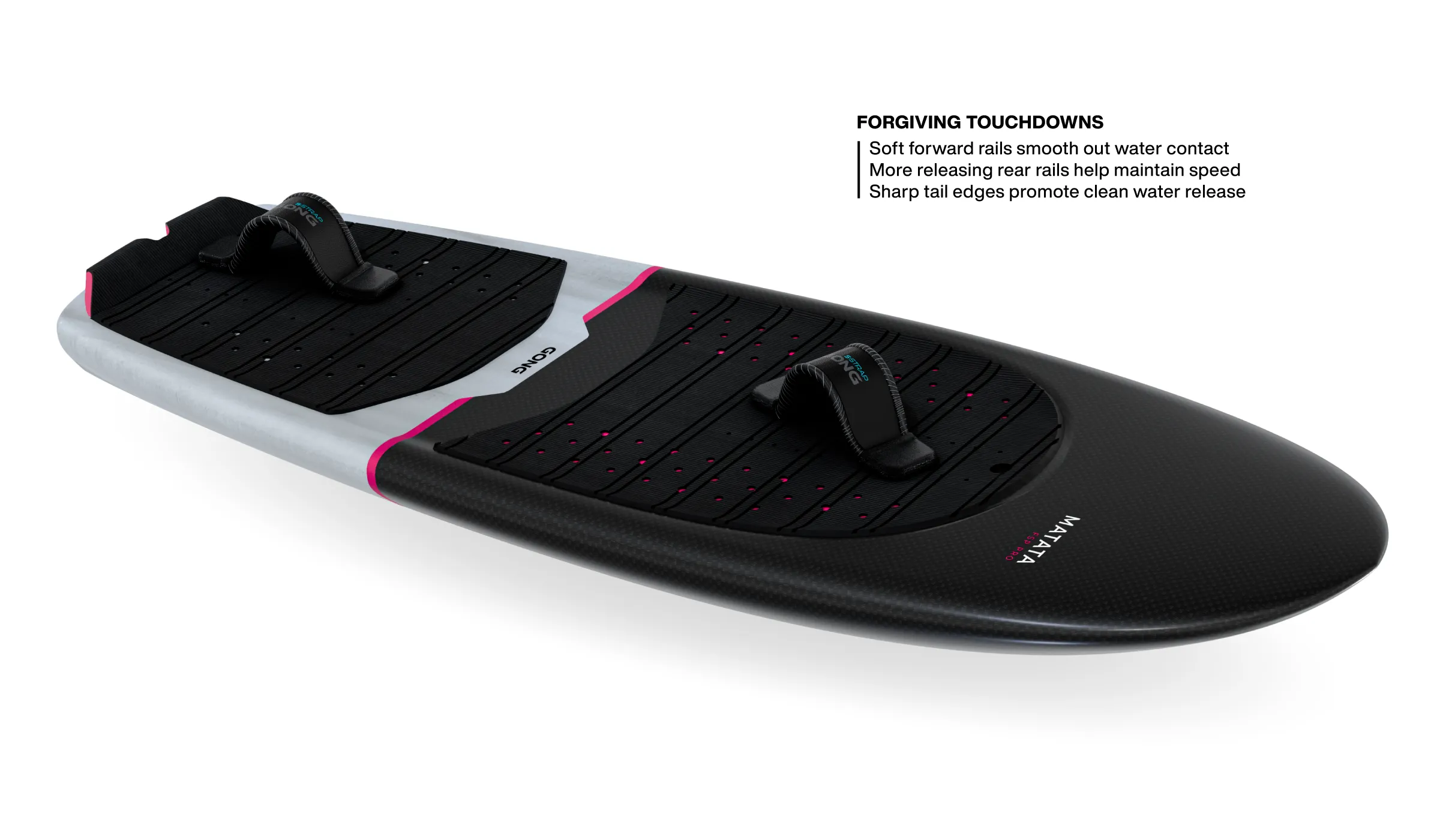


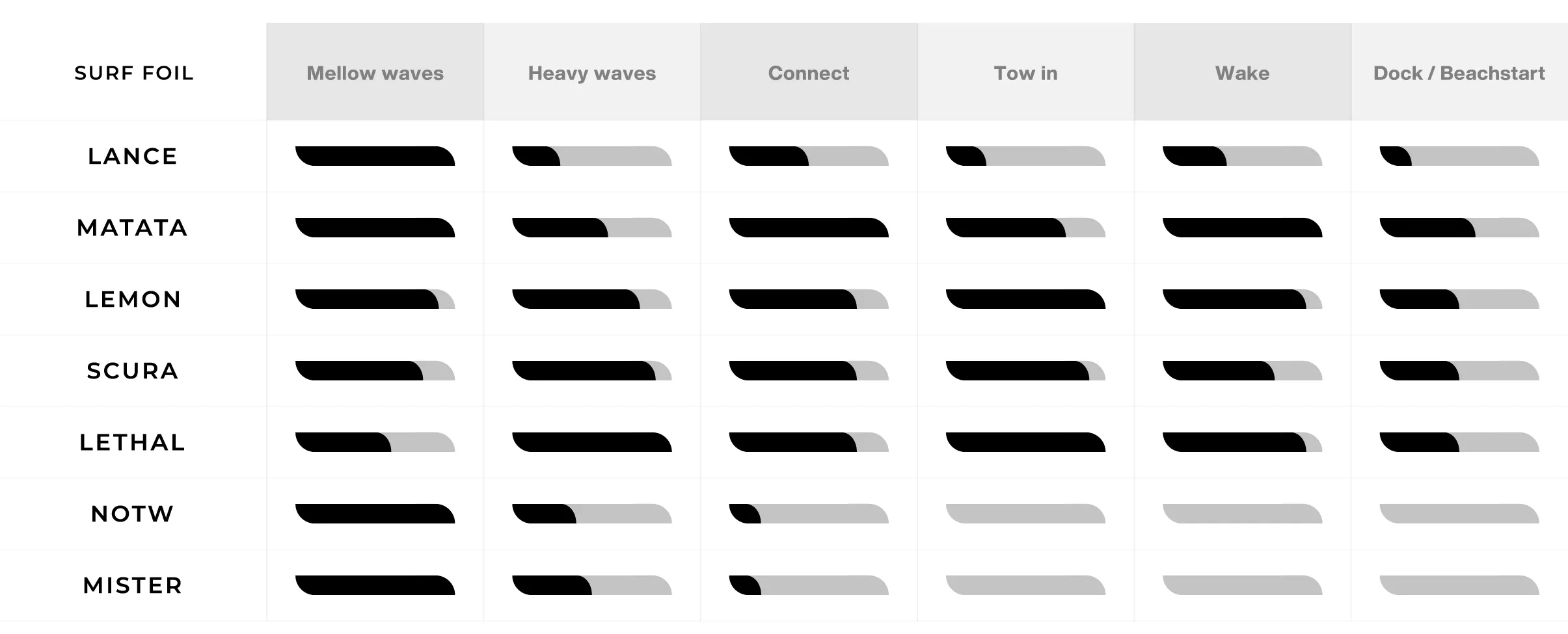
The Matata FSP Pro is aimed at advanced to pro riders who want to push surf foiling to its limits with more controlled, radical, and aerial drive. It has the same ultra-compact shape as the Matata EPS Pro, but with an added full carbon/glass sandwich construction for more structure and dedicated strap inserts for surf foil stance.
It can be used strapless or strapped. Strapless, its major advantage is the strength and mechanical integrity of the FSP Pro construction: a more robust board to withstand impacts, hard landings, high stress around the foil, intensive use, and riders who push hard. For those who want the Matata shape with maximum durability, it's a real choice criterion, even without mounting the straps.
The straps, on the other hand, provide a huge gain in control once in flight. They lock the foot placement but allow you to push and pull on the board, improve pumping, limit stance errors, and make it easier to recover from certain mistakes. Control is more precise, more powerful, and the range of maneuvers expands significantly without having to grab or pray ;-).
Paradoxically, surfing strapped in foil can be simpler and safer once in flight, as you keep the board with you and limit some dangerous wallet falls on the foil. But when paddling, the straps require a real level: they get in the way under the chest, require managing the timing of putting them on, and don't easily forgive hesitation at take-off.
The Matata FSP Pro is therefore also particularly relevant for towed, tow, or wake use. In these uses, you put on the straps before the rope tension and thus before the actual start, making their use very simple and immediately beneficial. The straps and FSP Pro construction then allow you to fully exploit control, aerials, landings, and aggressive carves.
When paddling, it is mainly aimed at experts and pros. Putting on the straps during take-off is not an absolute given: depending on the situation, you can stand on your arms, rails in hand, put them on while standing up, or wait a few moments to do it at the safest time. When the gesture is mastered, it's very natural. Without this mastery, it's clearly not recommended.
The Matata FSP Pro is not the best choice if the main goal is to paddle comfortably, catch waves early when paddling, cover a lot of distance when paddling, or drop early and from afar in powerful and fast conditions.
It's also not ideal if pumping isn't solid yet. Its program remains opportunistic: catching a small piece of foam or an imperfect but supportive section, popping instantly, then using pumping to reach the wave or section you really want to surf.
In surf foil paddling, the straps add a real constraint at the start. They become incredible once in flight, but you need to know how to put them on properly, stay calm during the take-off phase, and accept a more technical gesture at the start than strapless. For a rider who primarily wants ease in paddling, strapless freedom, and a board that's easier to manage under the chest, the Matata EPS Pro might be more suitable.
Conversely, if the priority is strength, durability, towed use, solid landings, tricks, strapped pumping, or absolute control of stance, the FSP Pro makes perfect sense, even if it requires more skill when paddling.
The Matata FSP Pro is designed to maximise flight time, pumping, connections, and radical maneuvers, with a superior level of control thanks to the straps and a more robust construction to withstand the most intensive uses.
In strapless surf foil, it retains all the benefits of the Matata shape: starting on a small piece of foam, popping quickly, pumping efficiently, reconnecting, returning to the peak, carving, and then continuing. Its compactness frees up pumping, facilitates stance changes, and allows for very short carves without the inertia of a longer board.
In strapped surf foil, the straps change the board's feel. Foot placement is imposed in the "right" place, eliminating the number one error in surf foil: taking off with poorly placed stance. In flight, you can pump harder, cleaner, correct a stance error, pull on the straps, control landings with contact, and engage in much more difficult tricks than strapless.
Backflips, 360°, airs, powerful foams to dodge, full send re-entries, rotations, and brute landings: the FSP Pro is made to withstand this level of constraint and allow for repeating these maneuvers with superior control.
In towed use, its program becomes even more evident. Starting with the straps on before tensioning is simpler, control is immediate, and the full carbon/glass sandwich construction allows you to load the board, chain landings, and repeat maneuvers, with much superior durability during impacts.
It's the most logical version of Matata for those who want to go hard, for a long time, and push the shape to its limits.
 `
`
The choice of size depends on technical level, weight, type of start, and the level of commitment desired.
For surf foil paddling, you need to retain enough volume to maintain stability under the chest, succeed in take-offs despite the presence of straps, and not lose too much energy before flight. A board that's too small quickly becomes a pain to paddle, harder to position, and more demanding when putting on the straps.
For strapless use, the volume choice is identical to that of the Matata EPS Pro: enough volume to start effectively, little inertia to fully enjoy the compact shape. The difference mainly lies in the strength, structural integrity, and durability of the FSP Pro construction.
For towed use, you can choose more radically, as paddling is no longer the issue. The volume can be more oriented towards control in flight, maneuverability, landings, and tricks, provided you keep a size consistent with your weight and level. Remember that these shapes also like to glide on water, so keeping volume will facilitate relaunching after contact phases, eliminating the natural psychological barrier to engaging in a situation that causes contact for fear of being stopped. You go for it without hesitation, like in surfing.
An expert or pro rider can reduce volume to gain radicality, further reduce inertia, and maximise sensations underfoot. But don't choose the Matata too small out of a desire for unbridled radicality: the right volume is the one that allows you to fly directly, then fully exploit the compactness, straps, and FSP Pro construction.
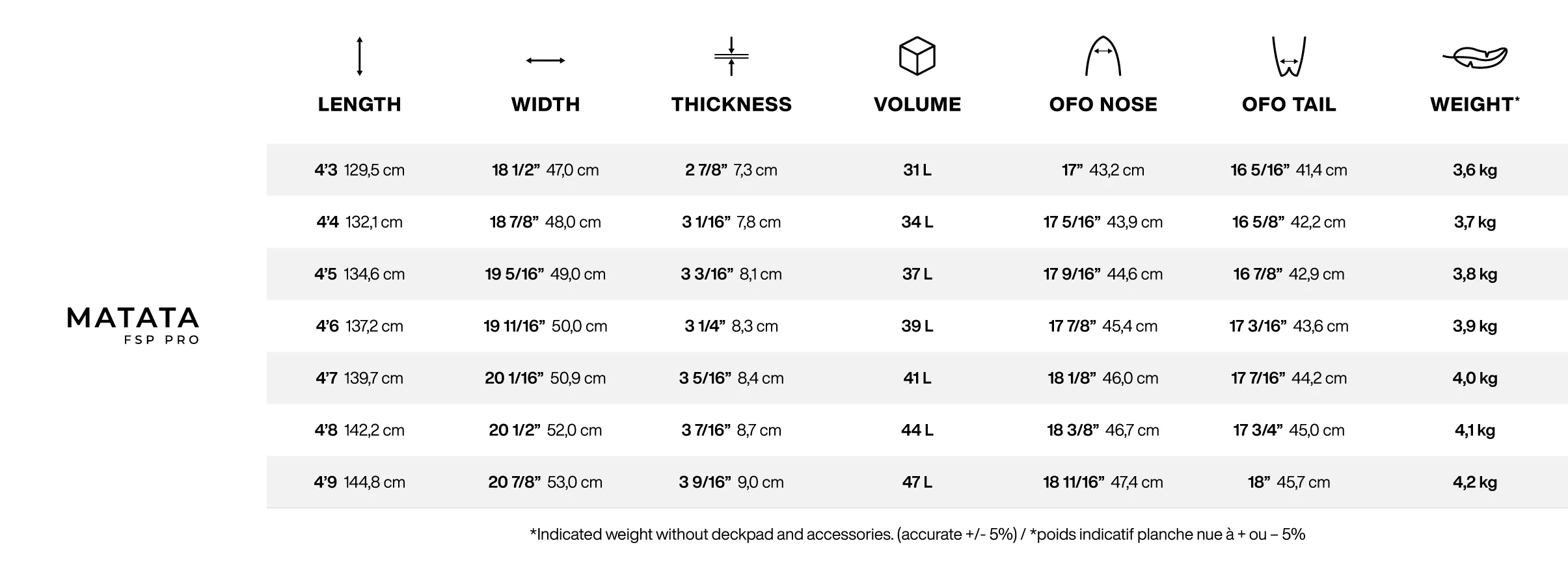
Refer to the size chart to choose the appropriate volume based on weight, level, and main use.
In surf foil paddling, if hesitating between two sizes, opt for the larger one to facilitate starts, compensate for the inconvenience of straps under the chest, and gain consistency.
In strapless, the choice can remain close to that of the EPS Pro, with the FSP Pro as a more solid and durable option for riders who push hard or heavily use their equipment.
In towed use, the most radical size can be more easily justified if the technical level follows, as the start is assisted and the program focuses more on control, aerials, landings, and maneuvers.
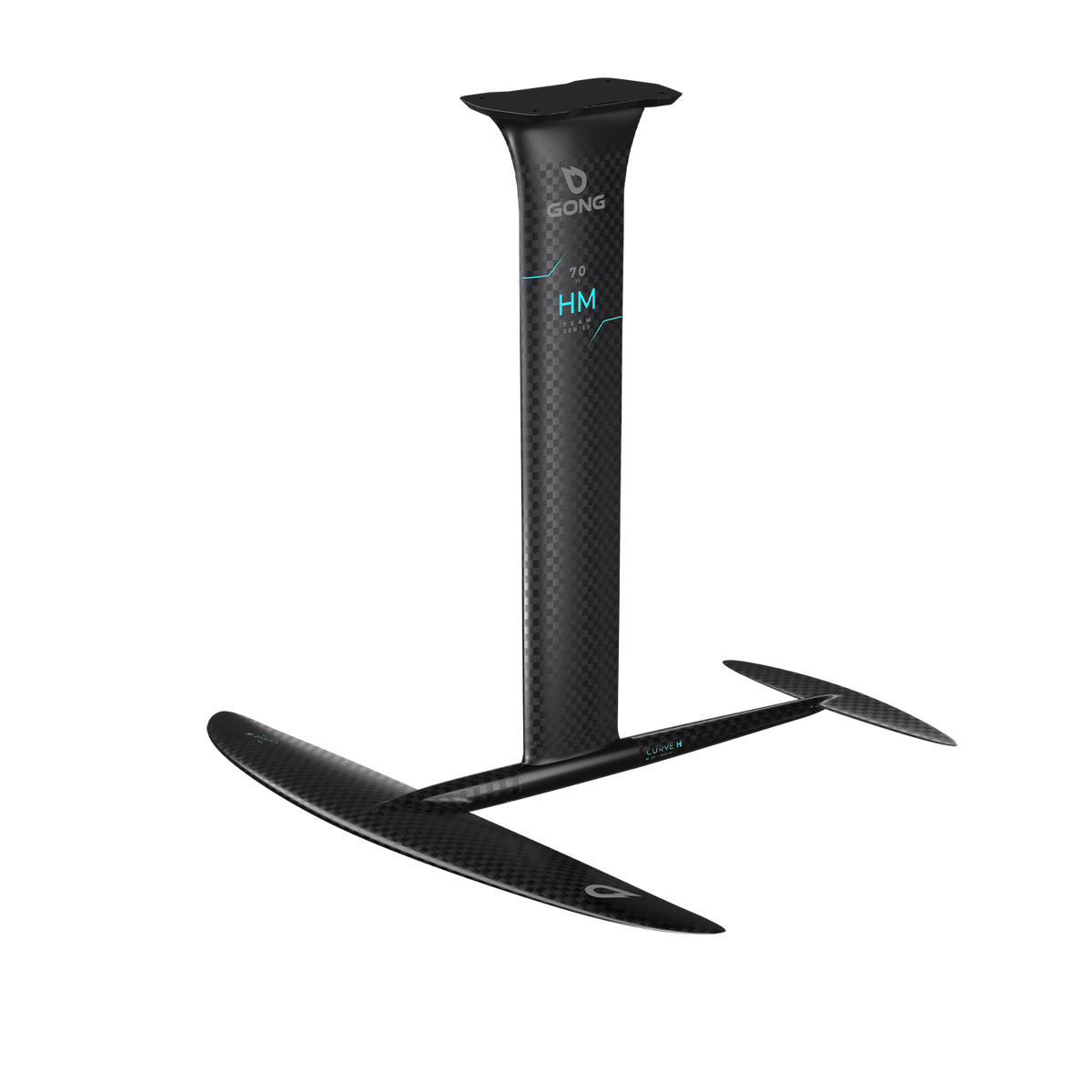
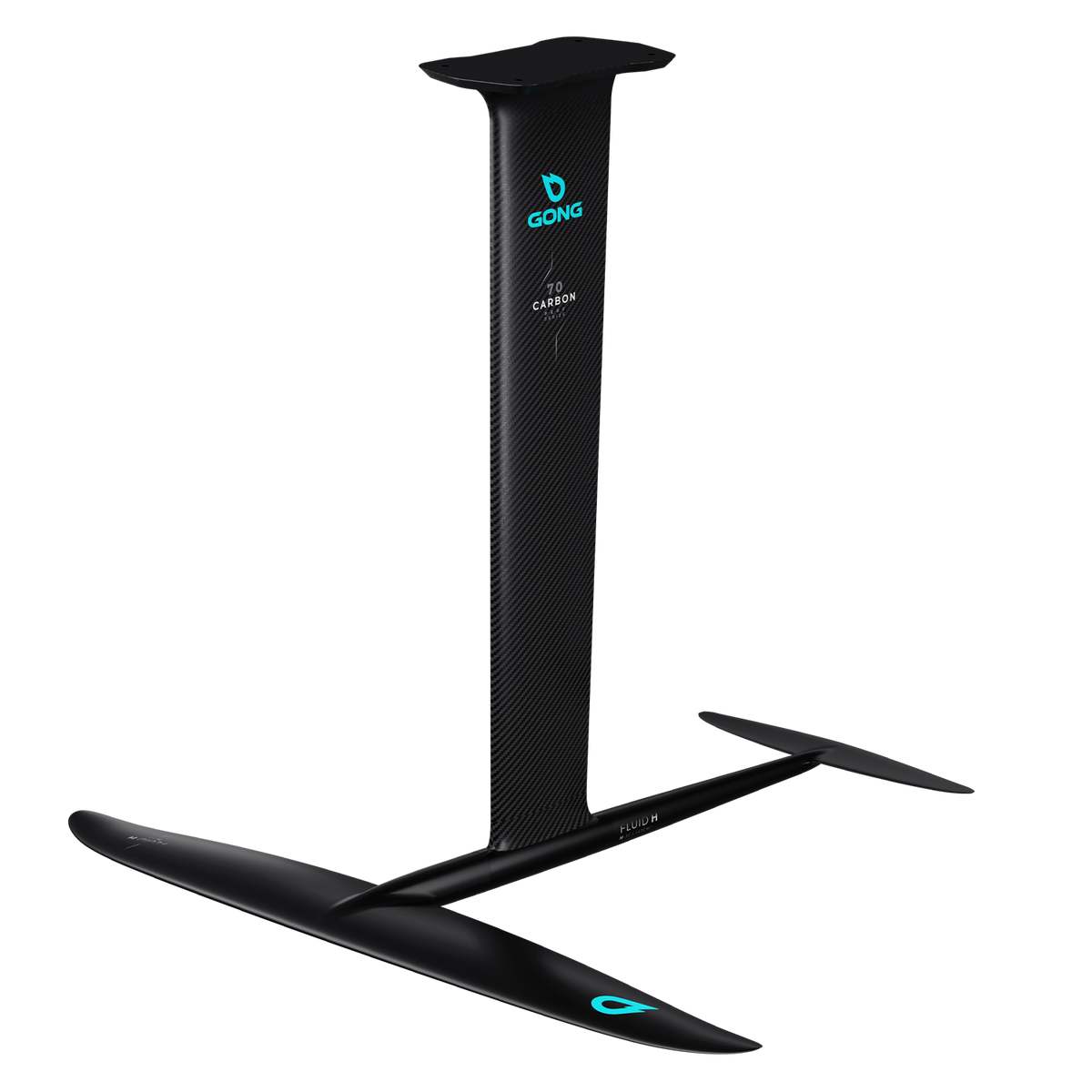
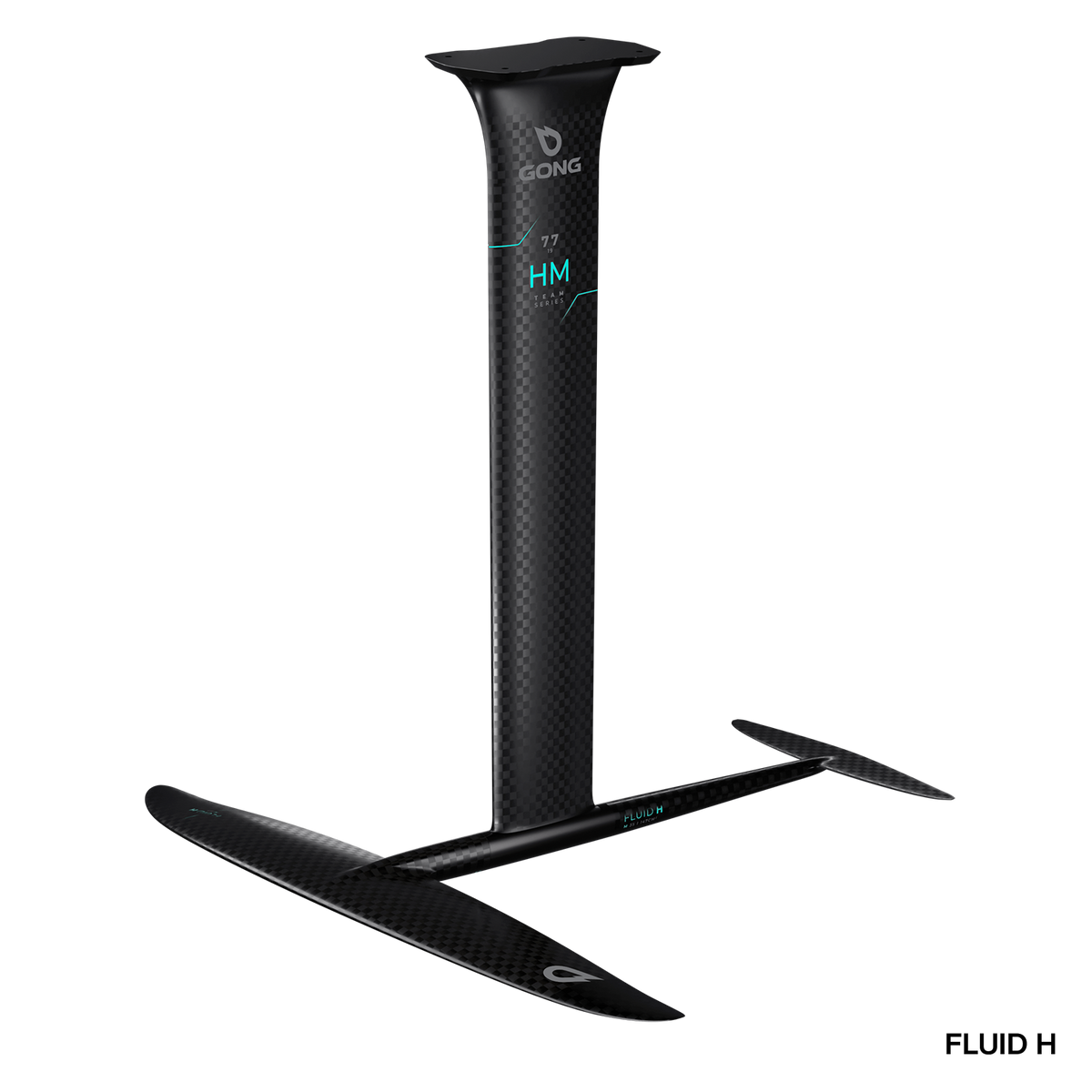
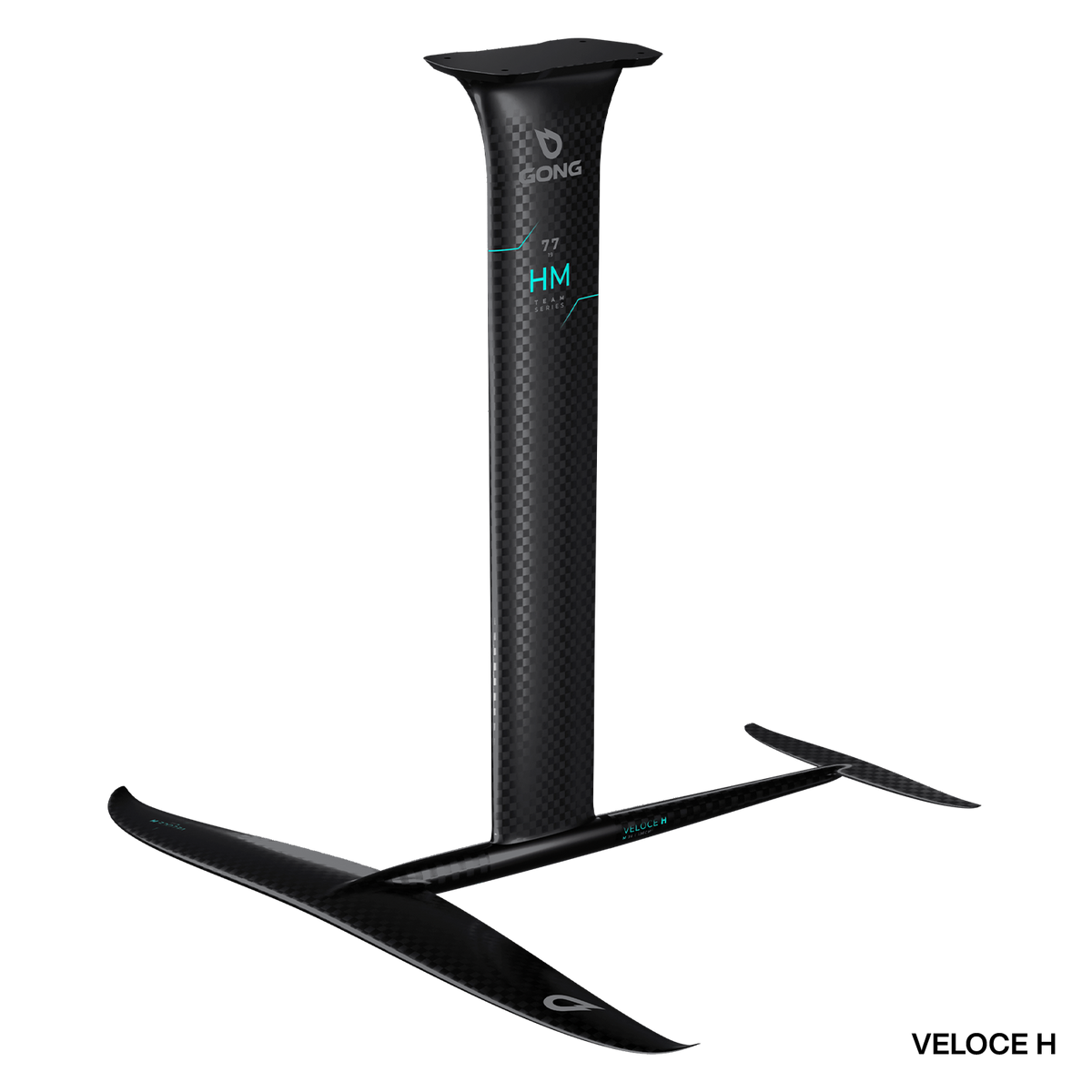
The Matata will be perfect with the Curve H, Fluid H, and Veloce H ranges.
Each of these high-performance wings has its strengths on which development has been particularly focused:
The Curve H: the combo of maneuverability and lift.
It is the queen of carving and low range (which doesn't mean it can't rev up!). It's also the most comfortable for pumping, allowing for numerous connections without burning your thighs.
The Fluid H: the combo of maneuverability and speed.
Perfect for very tight turns, going fast, gliding, and having a very responsive ride. Add to that a very powerful pop, and it's a foil that truly goes wherever you want, in water or air!
The Veloce H: the combo of glide and versatility.
It's a freefly and downwind machine. With it, you glide and connect bumps without limit with unparalleled fluidity. It has great acceleration capacity on the wave and a very low stall speed, making flight easy in any circumstance.
The Veloce HDW: 100% glide.
To be even more focused on the infinite glide program, the Veloce HDW. The queen of downwind.
The Sirus: wings with the ultimate ratio to fly longer than anyone else in marginal conditions and dock start.
Example: Preferably, we recommend pairing a Curve H stabiliser with your Curve H front wing, as these two components are designed for the same program and optimised to work in perfect harmony.
General guidelines on choosing stabiliser sizes:
The preferred size will depend on your support, level, weight, conditions of your spot, and also your front wing.