Your cart is empty!
It's flat around here...
Just one degree more or less of incidence under your Tail Wing can significantly affect the behavior of your foil. Let's see how to find the balance that suits you best!

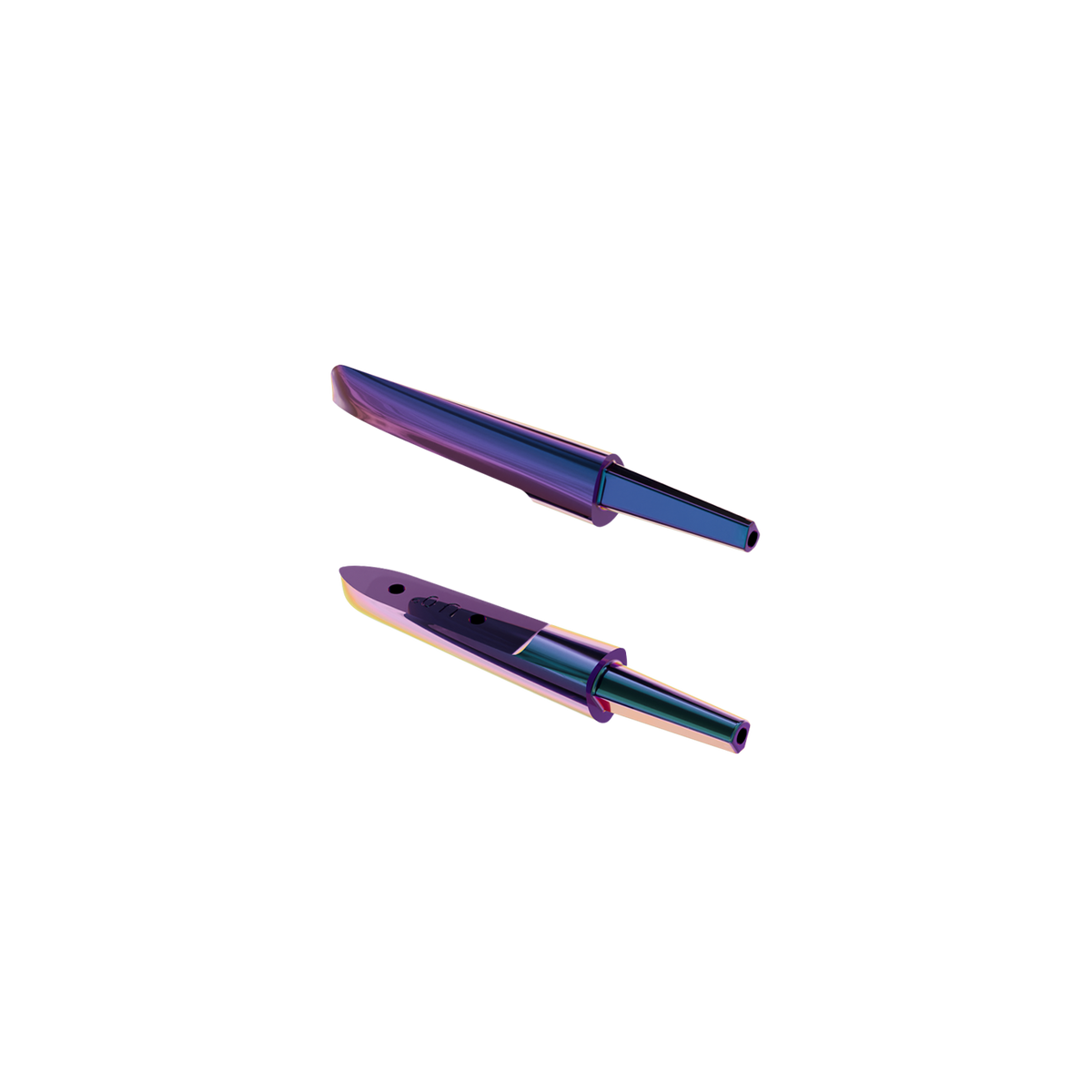
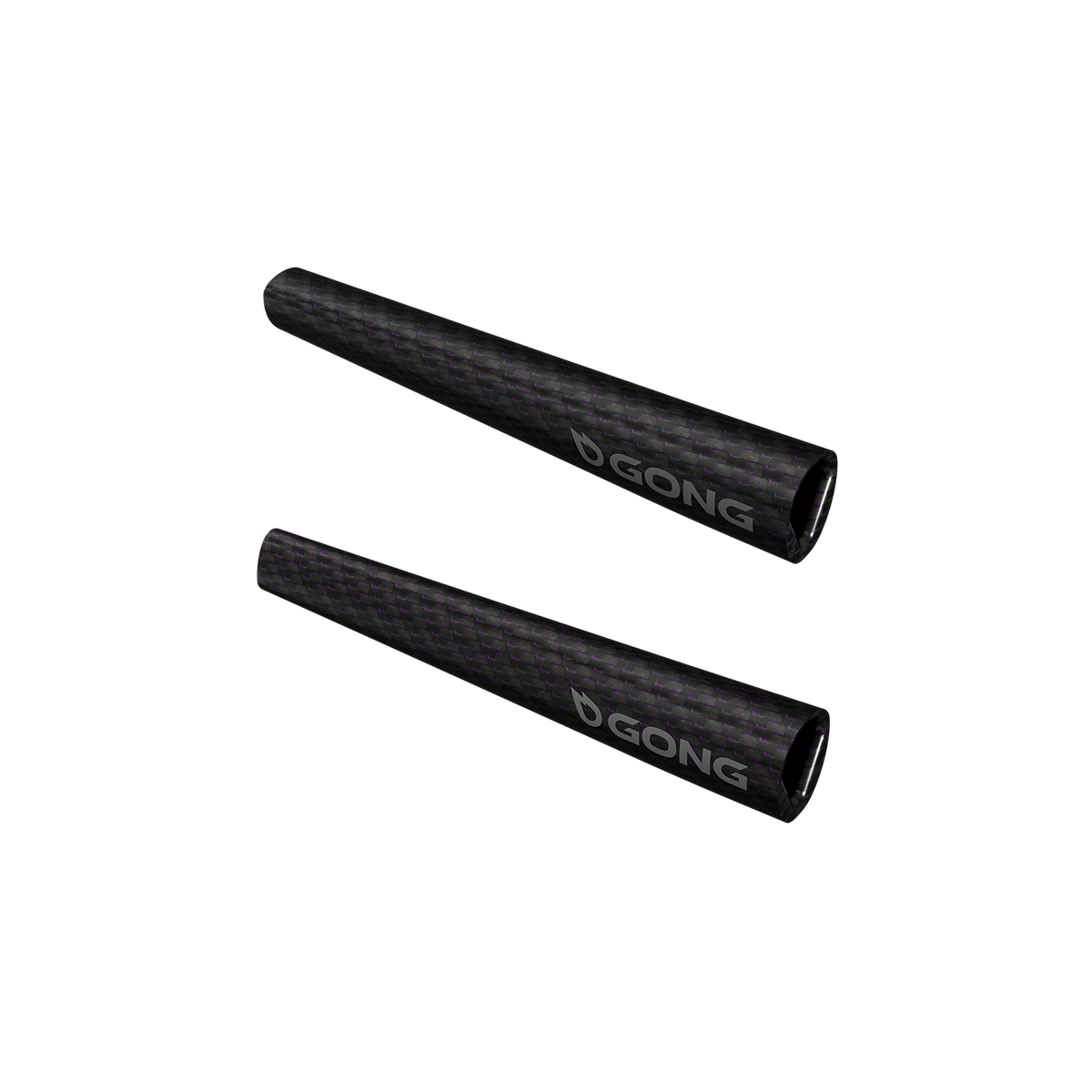
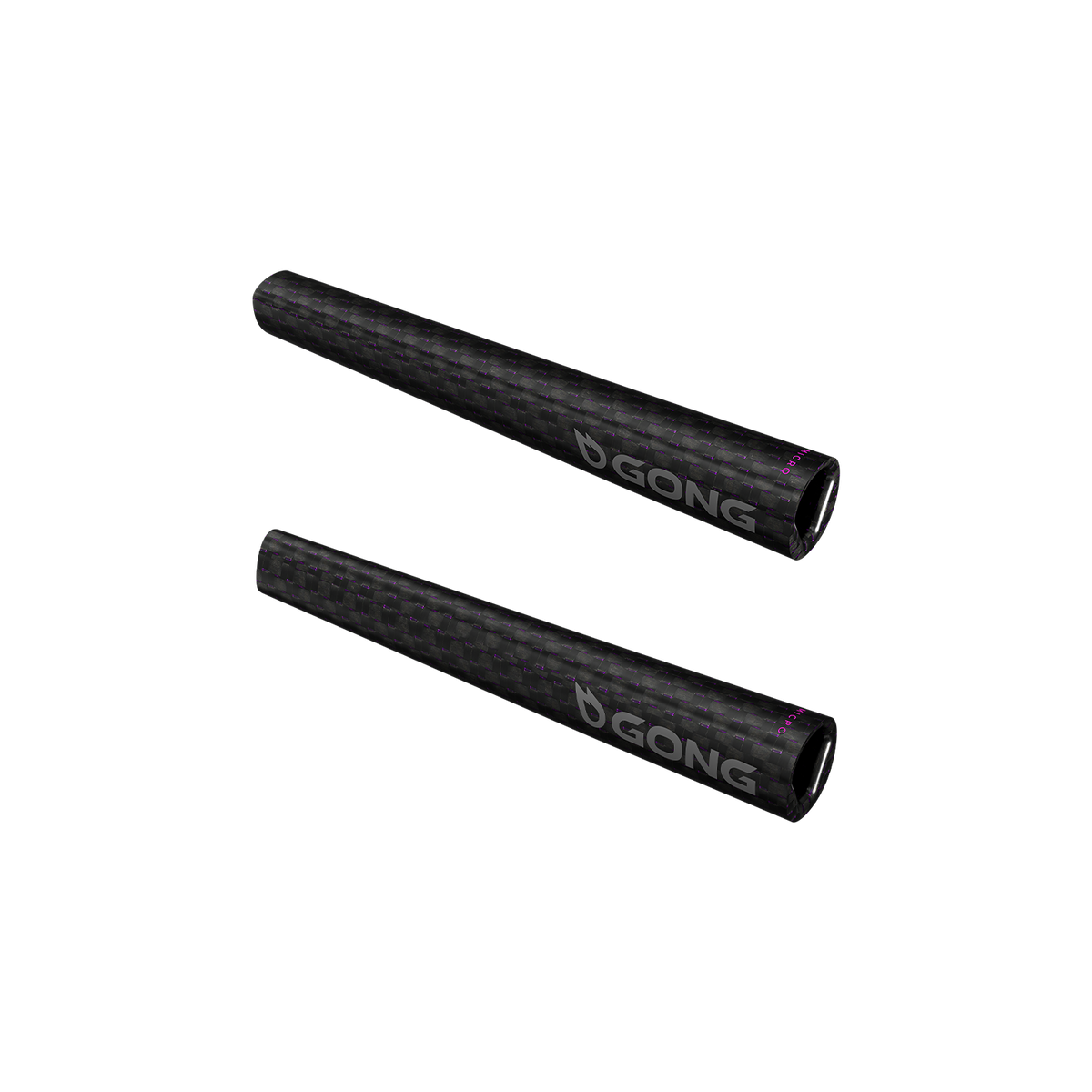
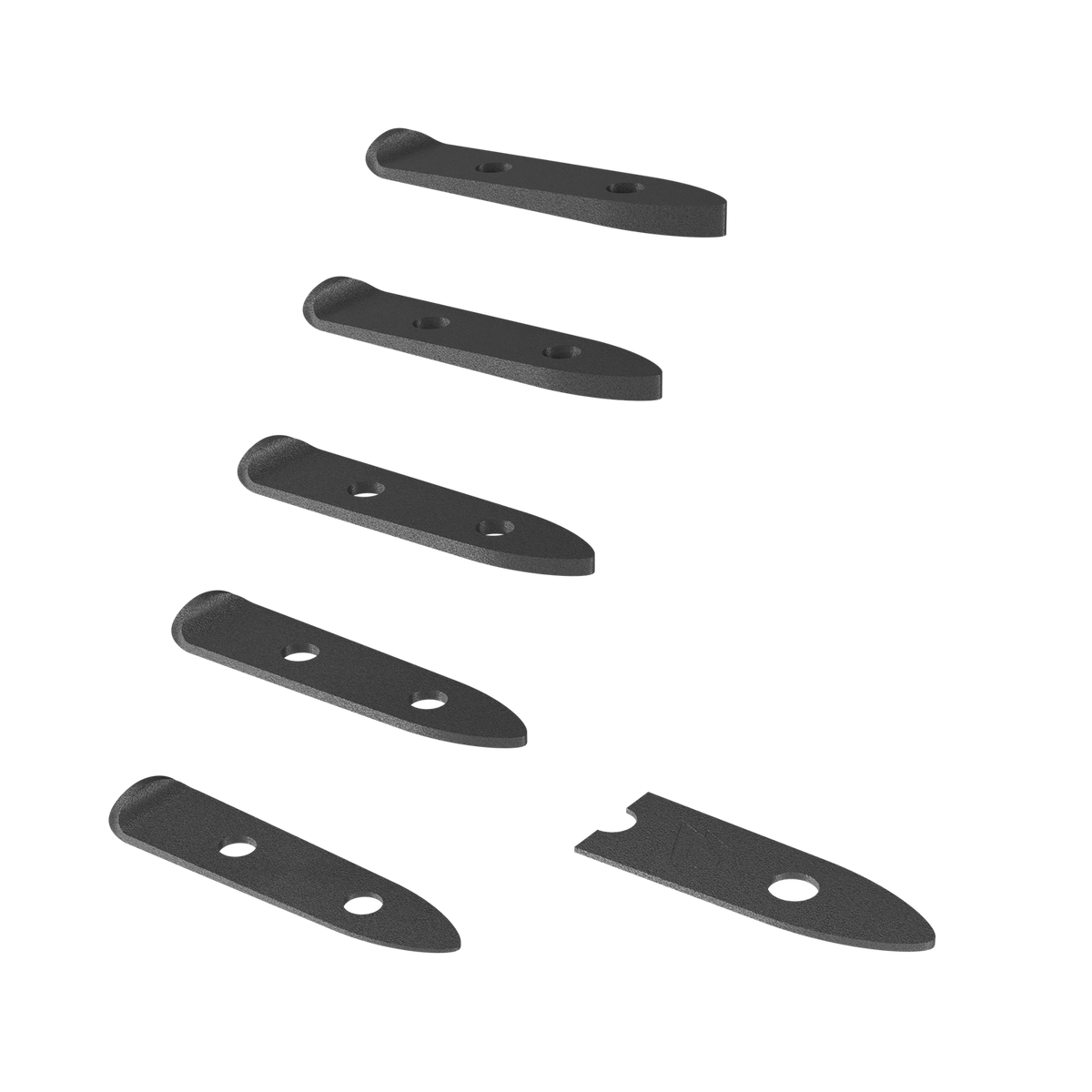
We offer two options for adjusting the incidence of your Tail Wing:

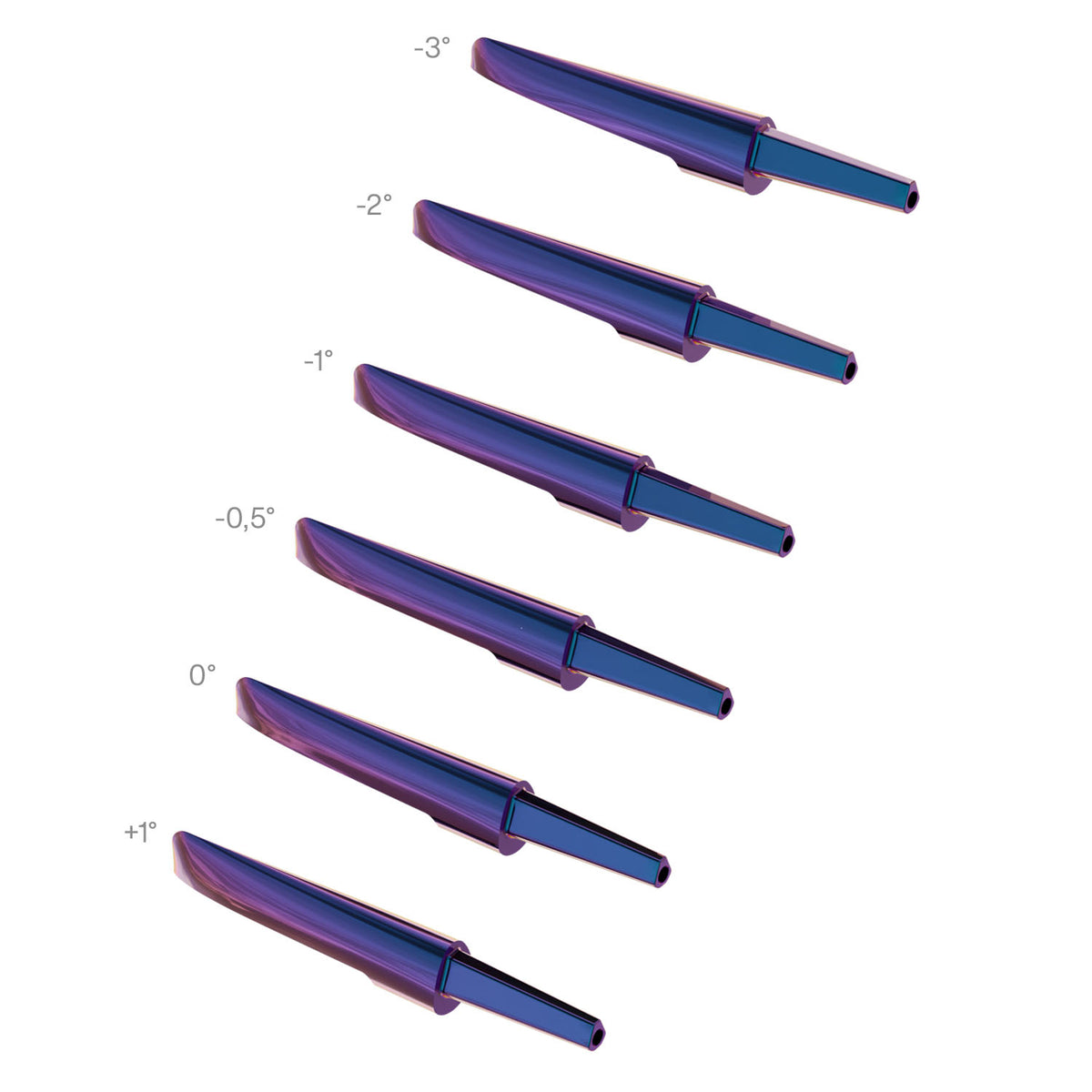
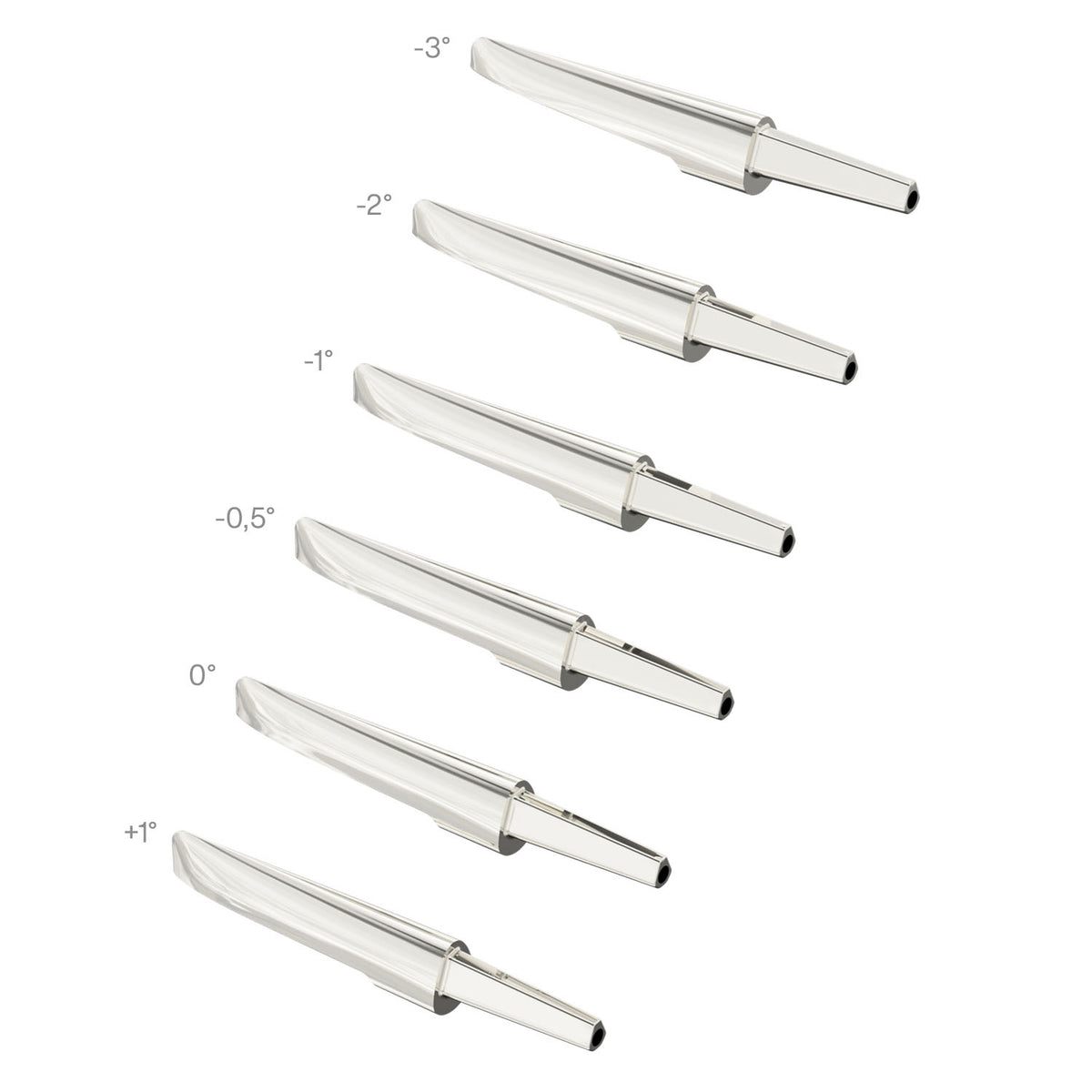
Both solutions allow you to adjust the incidence from +1° to -3°. They differ in ease of assembly, stiffness and hydrodynamic performance.
The Shim Tail sets the incidence while ensuring perfect continuity of the profiles, with no steps, cavities, overhangs or breaks in shape. Fine-tuning your setup therefore does not come at the expense of glide.
In addition, its metal structure allows the profile of the Tail Shaft to be refined for optimized hydrodynamics, while reducing flow disturbance around the Tail Wing.
Finally, adjustment is quicker and cleaner than stacking the three separate components: Carbon Shaft, Tuning Shim and Tail Wing.
 Surf foiler: Malo, GONG team rider, on a Scura FSP Pro, HM77 mast, Fluid V3 Atmo front wing (Team Series), Titanium Color V3 fuselage, Upper M Tail Shaft, 0° Titanium Tail Shim and Ypra Surf Carve V3 Atmo Tail Wing.
To understand the numbers correctly, remember that they indicate how the shim changes the position of the Tail Wing's leading edge relative to its reference incidence.
A +1° raises the leading edge of the Tail Wing by 1°. A -3° lowers it by 3°. So the more the Tail Wing points nose-down with a negative number, the more it forces the nose of the board upward.

A negative angle number lowers the leading edge of the Tail Wing and increases its nose-up effect on the foil. It provides more front-foot pressure, makes take-off easier, increases pop and repop, creates a more rhythmic and powerful pumping feel and tightens turn radii.
With a wing, lowkite or kite, this additional front-foot pressure also allows you to counter the pull of the rig more effectively.
A neutral 0° shim retains the balanced behavior calculated for the model, equivalent to what we would build into a monobloc stab. This does not necessarily mean that the Tail Wing is horizontal relative to the fuselage.
A positive angle number raises the leading edge of the Tail Wing and reduces its nose-up effect. A +1° shim therefore reduces front-foot pressure, requires more rear-foot pressure during acceleration, increases turn radii and promotes glide when there is no pull in your hands. Take-off happens later, but it limits strong nose-up reactions when descending bumps.
The exact effects always depend on the Tail Wing, its size, the Front Wing and the Tail Shaft length.
 SUP foiler: Louis, GONG staff, on a Fner EPS Pro, HM77 mast, Veloce XTR V3 Atmo front wing, Lower L Tail Shaft, 0° Lower Titanium Tail Shim and Veloce XTR V3 Atmo Tail Wing.
Always start with the 0° Shim Tail recommended for the Tail Wing. The 0° setting corresponds to the reference incidence defined by our calculations and the behavior we would integrate into an equivalent monobloc stab. It does not mean that the Tail Wing sits horizontally at 0° relative to the fuselage.
Change only one parameter at a time. Test each change several times before drawing a conclusion. Extreme settings are not necessarily the most effective: the best setting is the one that suits your stance, your discipline and the way you ride. Keep in mind that there are two types of tuning: tuning to match your current feel, and tuning to evolve your feel. The first should quickly make you more comfortable. The second should challenge you and help evolve your habits towards the next level. Don't confuse the two in terms of your goals, sensations and conclusions. Sometimes a setup you hate on Monday will be a game changer by Friday. And sometimes you'll still hate it. The important thing is to find what works, which means experimenting. Questioning things is part of the passion.
The pull in your hands draws you forward and changes the way your weight acts on the foil's natural balance. A negative setting provides more front-foot pressure and allows you to counter the rig more effectively. The rider can sheet in and accelerate without the foil collapsing nose-down and having to compensate with rear-foot pressure, which would also require moving the hips backward. These forward and backward movements are complex, uncomfortable and reduce control at high speed by adding another highly sensitive parameter to manage. Moving your center of gravity at high speed creates a significant risk of error and falling, compared with the alternative of progressively increasing front-foot pressure and transferring the pull of the rig through the front leg. A negative setting is more physical, but safer and more consistent in terms of rider input.
Without any pull in your hands, too much front-foot pressure can unnecessarily lift the nose when descending bumps. A more positive angle reduces this effect, allows the foil to glide more freely and limits strong nose-up reactions during acceleration.
When taken too far, a positive angle can require excessive rear-foot pressure, delay take-off and reduce control as speed increases.
Yes and no, because this system is designed to last, and the components will circulate on the second-hand market, create connections between riders who are passionate enough to become experts in the subject, and build everyone's knowledge. Ultimately, depreciation should remain relatively low because riders will quickly know what they need, within one degree at most. So the three million possible setup combinations may seem crazy, but within this huge range of choices, only a handful of options will suit each rider across the different lengths, angles and colors.
No. A monobloc stab remains the simplest solution for riders who just want to assemble their foil and ride without thinking about settings. Tail Wings are designed for those who enjoy understanding, testing, comparing and fine-tuning their feel until they achieve an extremely personalized setup.