Your cart is empty!
It's flat around here...
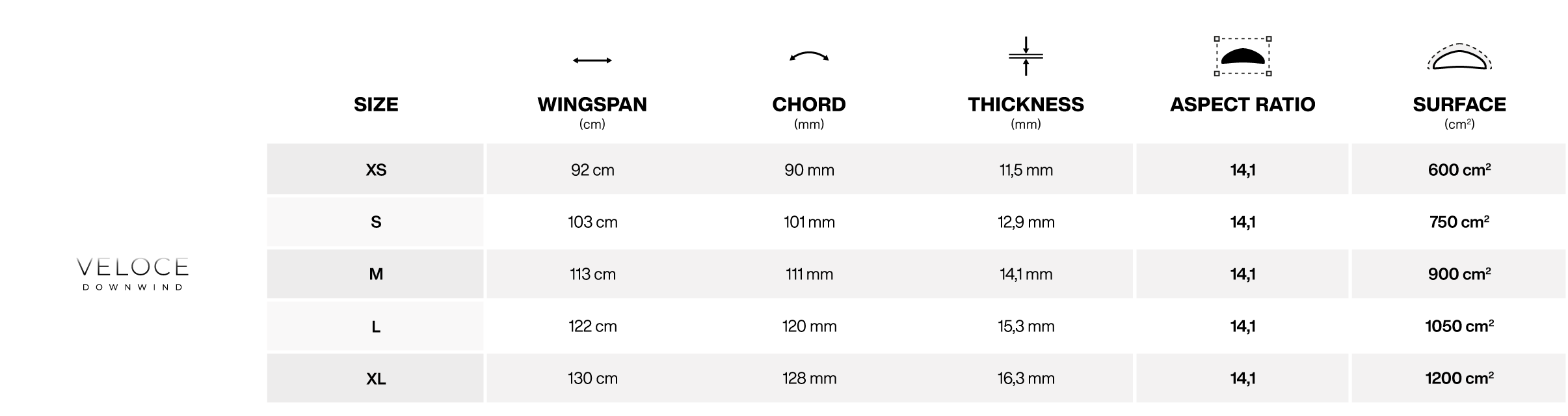
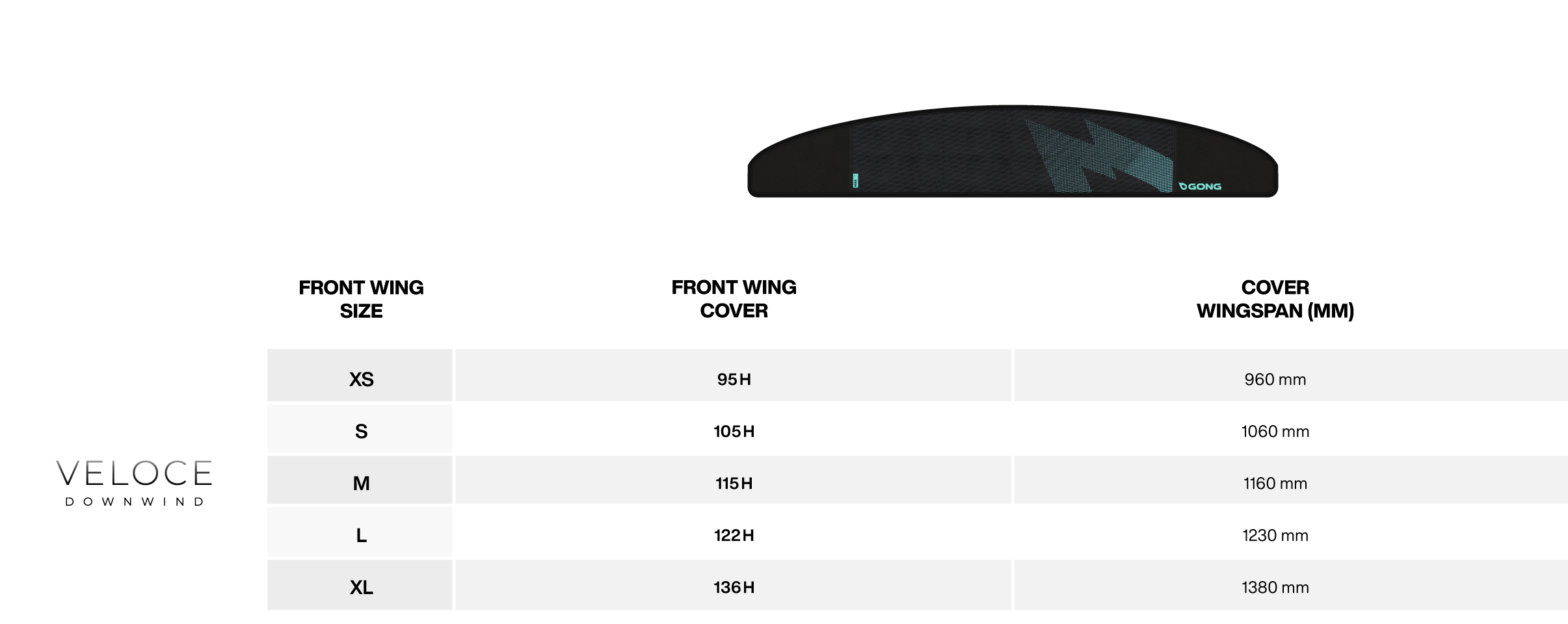


The high aspect carbon front wing for high-performance downwind and fast freefly: more glide, higher average speed, more connections, while still maintaining maneuverability to truly exploit the water surface.
The Veloce Downwind V3 Atmo Pro Team Series is the high aspect carbon front wing dedicated to high-performance downwind and fast freefly. It maximizes glide, average speed, and connections between bumps, while retaining more maneuverability, forgiveness, and simplicity than a Veloce XTR.
It replaces and boosts the Veloce DW V3. We keep the Veloce DNA: glide, speed, freefly, long lines, and efficiency. But the V3 Atmo Pro Team shape pushes everything further: increased ratio, recentered surface, more efficient profile, more direct feeling, and better inertia retention.
Its aspect ratio increases from 13.3 to 14.1. This very high ratio reduces drag, extends flight phases, and allows connections with fewer relaunches. The rider maintains more speed between bumps, crosses flatter areas better, and keeps a high speed.
The recentered surface keeps lift close to the supports despite the elongation. The foil remains more intuitive, more stable underfoot, and easier to reposition in changes of slope, course, or rhythm. You benefit from the glide without losing drive. Trajectories are optimized.
The downwind profile is optimized to accelerate easily, maintain speed in flatter areas, and remain predictable in irregular conditions. The Veloce DW remains stable when the water surface is choppy, when speed varies, or when a trajectory needs correction.
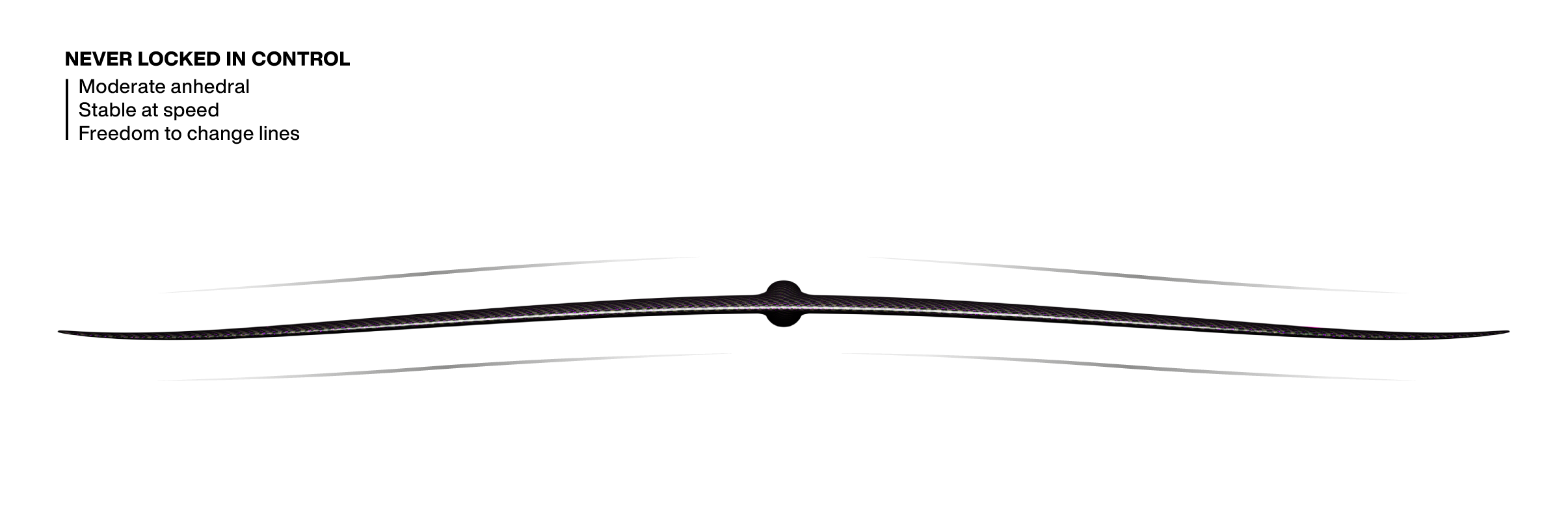
Its moderate anhedral preserves glide while providing the necessary control for long trajectories. The wing remains stable in fast phases but retains enough freedom to change lines and send the foil towards the next bump.
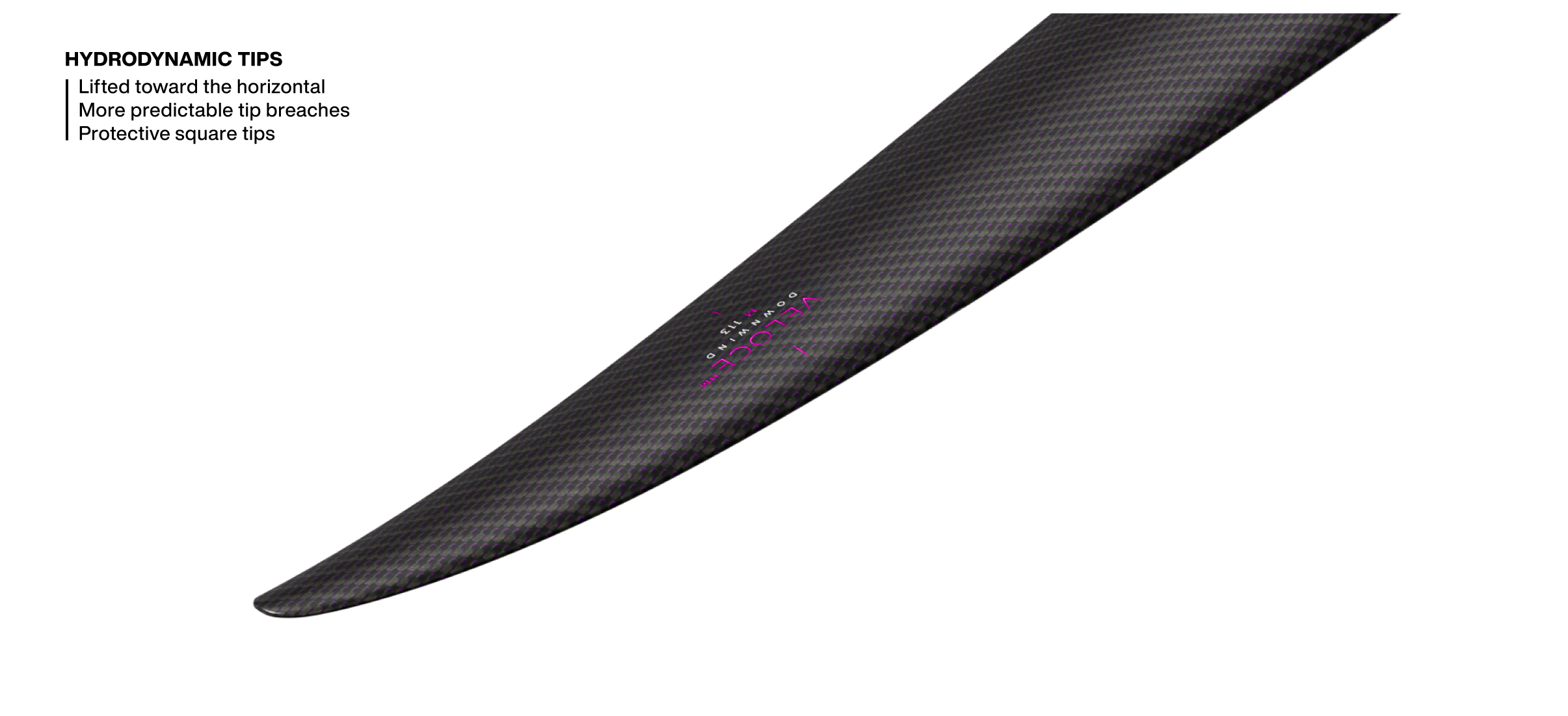
The tips take on the work of the Veloce FF and Veloce LW: they are raised towards the horizontal, with a more protective square end, while remaining very hydrodynamic. They maintain efficiency at the wingtip, improve readability in tip out, and provide valuable margin in contacts, handling, or take-offs.
The Veloce Downwind is not the XTR. If the goal is to trace as quickly as possible, double the bumps, and seek records on very committed runs, the XTR will take over. The DW retains more margin, more maneuverability, and more tolerance to exploit a truly dynamic water surface.

The Veloce Downwind increases from 13.3 to 14.1 aspect ratio to enhance glide, efficiency, and average speed. This very high ratio reduces drag and allows for longer flight between bumps.
The wing extends the gliding phases, maintains its inertia better, and crosses flatter areas more easily. The rider needs to relaunch less often, retains more useful speed, and connects further.
This ratio remains less radical than that of the XTR. The Veloce DW strongly boosts efficiency but retains more leeway to change lines, correct positioning, and make the most of dynamic water conditions.
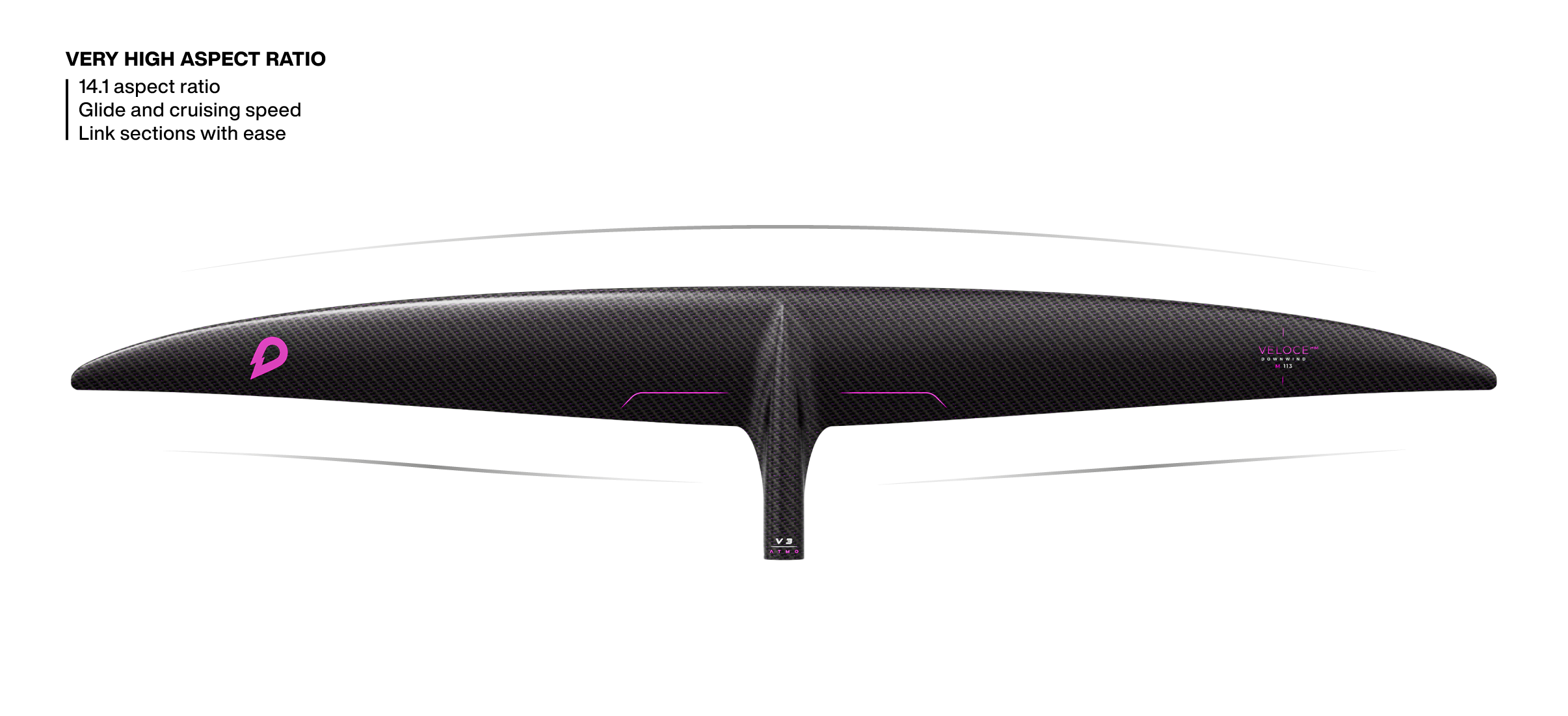
The sleek Veloce outline transforms the slightest energy from the water surface into useful speed. It harnesses bumps, soft swells, light winds, and long lines with smooth and continuous glide.
The V3 Atmo Pro Team shape supercharges the Veloce DW V3: more efficiency, higher average speed, more direct feel, and better inertia retention between lines.
The Veloce DW is positioned below the XTR in the Pro Team logic: it remains highly performant but retains more tolerance, more maneuverability, and more simplicity in real conditions.
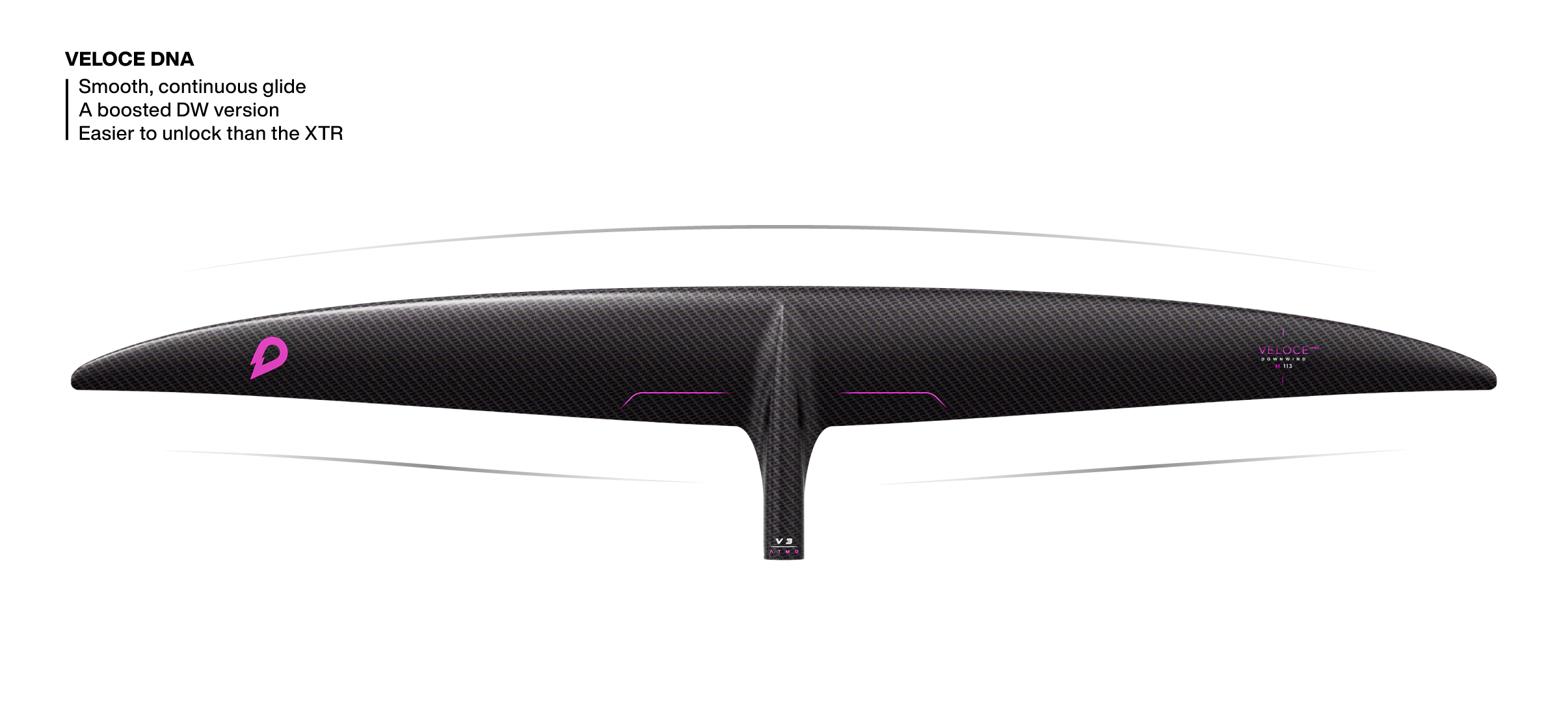
The centred surface keeps the lift close to the supports despite the very high aspect ratio. The foil remains more intuitive, more stable underfoot, and easier to relaunch when speed varies.
This placement provides drive. The rider does not suffer from a wing too spread out across its span: they maintain a real presence underfoot and a better ability to reposition the wing.
In changes of slope, course, or pace, this lift close to the mast helps keep the foil readable. Control is maintained without disrupting the glide.
The downwind profile is optimized for easy acceleration, maintaining speed in flatter areas, and remaining predictable in slope or trajectory variations.
It combines performance, forgiveness, and control for downwind: irregular bumps, crossing swells, transitions, course changes, and reading errors.
The Veloce DW allows you to focus on the water rather than constantly managing the foil. It offers strong glide but remains stable and readable for its level of performance.
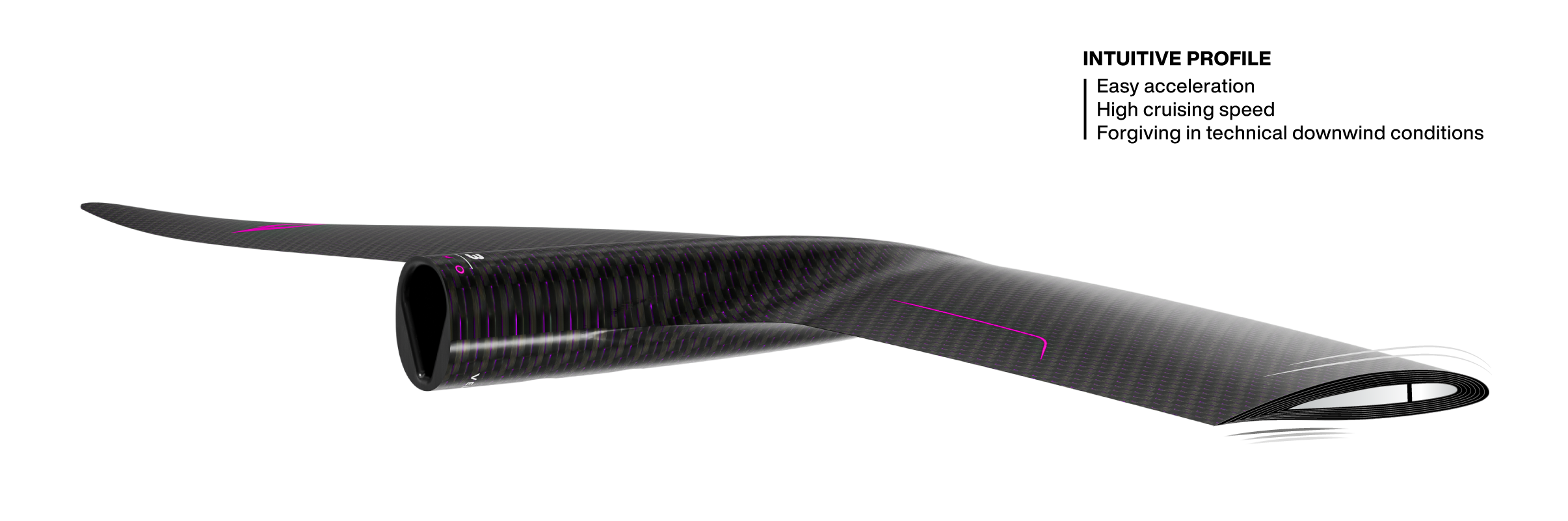
The moderate anhedral maintains glide while providing the necessary control for long trajectories. It allows for stable trim during fast phases.
This geometry offers enough freedom to change lines, correct a trajectory, and send the wing towards the next bump. You maintain control without locking the foil.
This is a key balance of the Veloce DW: enough stability to go fast, enough freedom to exploit a lively water surface and continue carving.
The tips of the Veloce DW embody the spirit of the Veloce FF and Veloce LW: they are angled towards the horizontal to maintain maximum efficiency at the wingtip, while retaining a more protective square end.
This design helps limit hydrodynamic losses at the tips and keeps the wing stable when operating high in the water. The tip-out behaviour becomes more predictable, more manageable, and less abrupt, even though a very high aspect ratio wing remains technical in these phases.
These square tips also better protect the wing and the rider during handling, take-offs, or potential contacts. You retain a high-performing tip, sleek in the water, but less fragile and more reassuring than an ultra-pointed end.
The Veloce DW V3 Atmo Pro Team Series is designed for experienced to expert riders who already know how to read the water, manage their speed, positioning, and trajectories in downwind.
It's perfect for those who want more glide, higher average speed, and better efficiency than a more accessible wing, without moving into the extreme demands of the Veloce XTR.
It appeals to riders who want to connect further, cross flatter areas, maintain more inertia, and reposition cleanly from one line to another, while still retaining maneuverability to exploit a truly dynamic water surface.
The Veloce DW is not designed for learning downwind. To build the basics, you need a more accessible wing, with more lift and simpler at low speeds.
It is also not the most extreme wing in the Veloce Pro Team range. If your goal is to race from point A to point B, overtake bumps, and seek records on highly committed runs, the Veloce XTR would be more logical.
It is not made for pure pumping, but it works under the feet of a pro. If your program is dockstart, slalom pumping, or flat distance, you should look at the Hyper Trail, Supra Trail, or Ultra Trail.
It is not designed as a versatile freeride wing. Its program is fast downwind and freefly, with a real level of piloting.
The Veloce DW V3 Atmo Pro Team Series is made for high-performance downwind. It allows you to capture the energy of the bumps, maintain speed, cross flatter areas, reposition from one line to another, and connect further with less effort.
In freefly, whether in wing or lowkite/parawing, it provides long, fast, and efficient glides. The rider releases traction, exploits the water surface, maintains inertia, and enjoys a foil that remains lively without becoming radically exclusive. And upwind is a breeze with such glide.
It excels on water surfaces where you need to glide fast, pump efficiently, change lines, and maintain speed in transitions. It retains more margin than an XTR, making it more usable in irregular conditions.
The choice of size depends on weight, level, support, starting speed, bump power, and the type of downwind sought.
Choosing a larger size provides more lift, more comfort in soft or spaced bumps, and more margin in flatter areas. It's the logical choice for weak conditions, light wind, heavier riders, or long lines where you want to maintain flight with little energy.
Choosing an intermediate size gives the best balance between glide, average speed, acceleration, and maneuverability. It's often the most coherent choice to fully exploit the Veloce DW in varied conditions, especially for those who want this front wing in lowkite/parawing.
Choosing a smaller size allows for more speed, efficiency, and freedom of trajectory. It requires more skill, higher starting speed, and better reading of the water, but it allows for pushing harder in the carves.
If hesitating between two sizes, choose larger to secure the start and connect more easily. Choose smaller only if your skill level, build, and conditions allow you to maintain more speed.
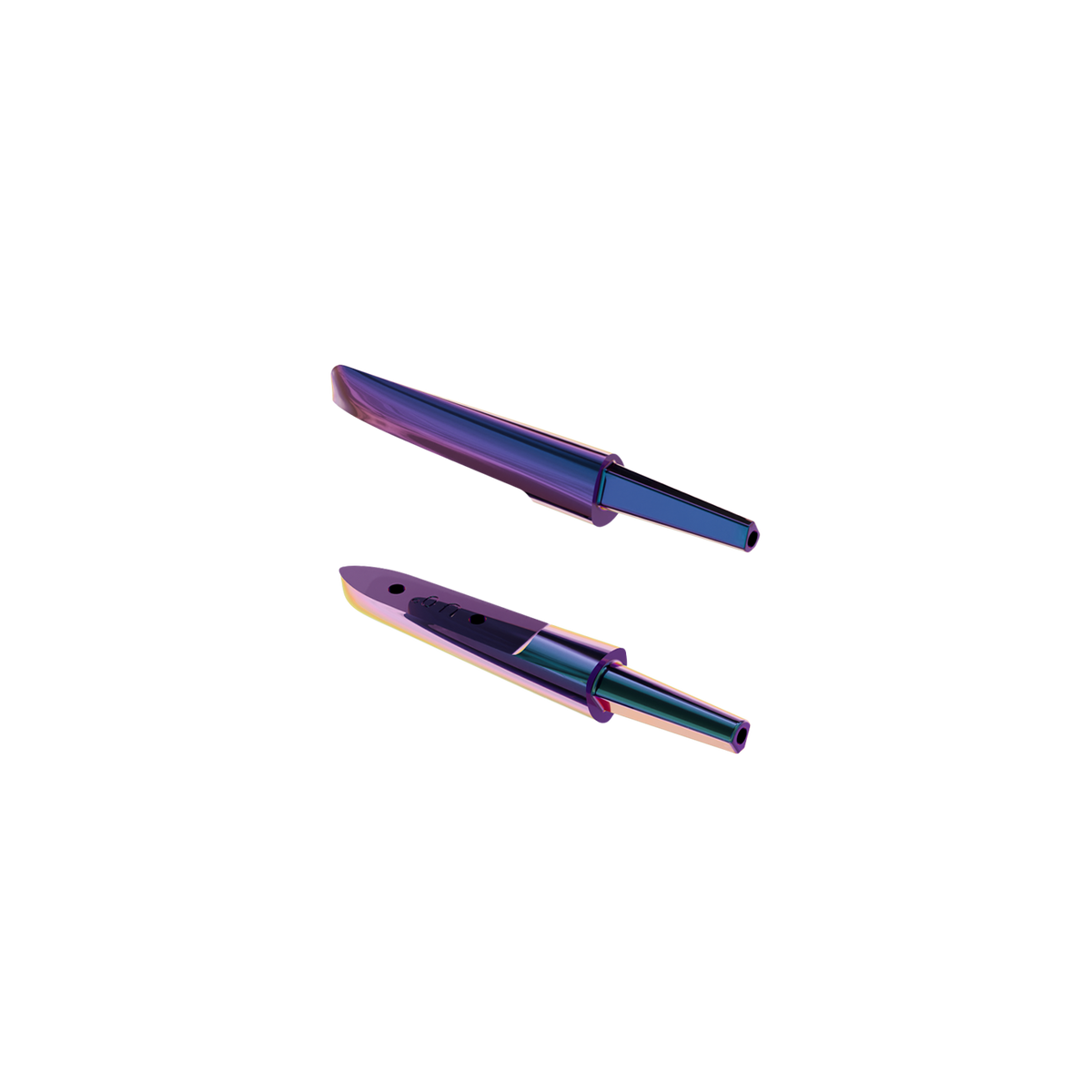
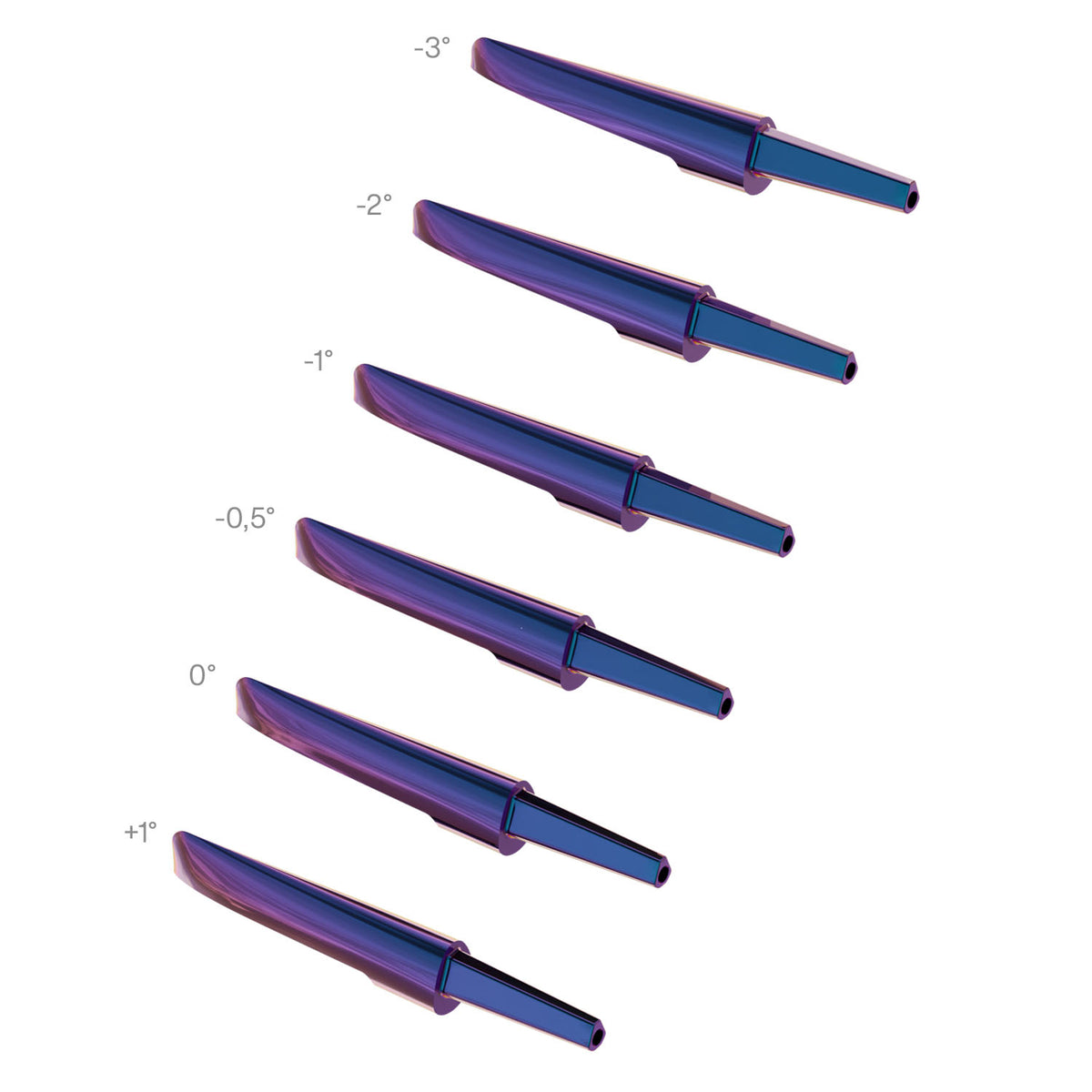
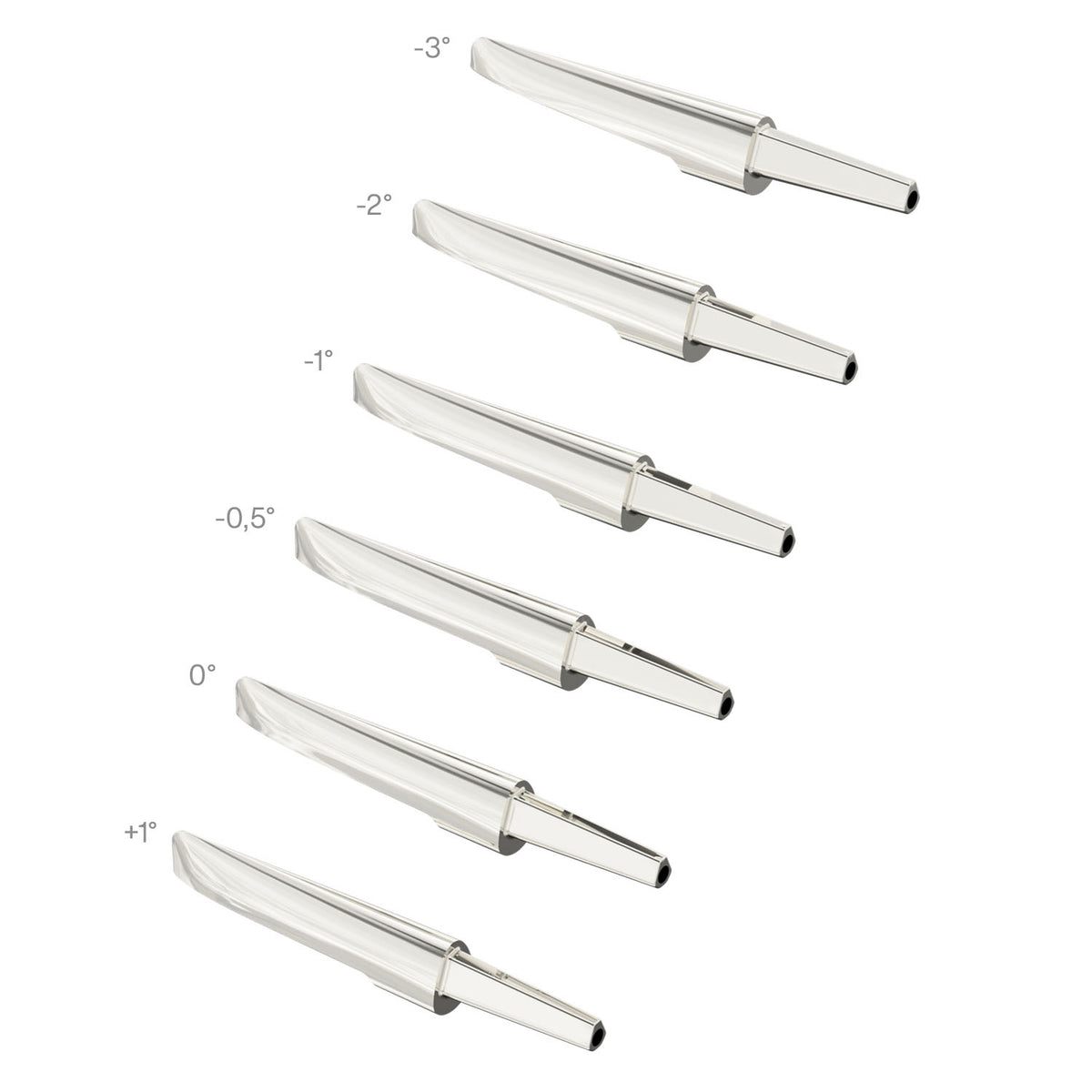
The Veloce DW works with its dedicated Veloce DW Lower tail wings, available in S, M, L, and XL. They are placed under the fuselage to reduce drag and free the lower part of the profile.
The S further releases speed, glide, and fast trajectories.
The M offers the best compromise between speed, control, and maneuverability.
The L provides more support, stability, and comfort.
The XL maximizes lift, comfort, and hold in weak conditions or with large front wings.
These Lower tail wings are dedicated to this architecture. They are not mounted like classic upper tail wings and must be chosen in coherence with the front wing, build, and program.
The right Veloce DW setup is the one that allows you to stay in the glide, maintain inertia, and connect further without losing control.
Downwind is a committed practice that often takes place far from shore, with wind, current, swell, and long trajectories. Before setting off, always check that the conditions are suitable for your level, equipment, and physical condition.
These tips are given as an indication and never replace your judgment, local regulations, or the recommendations of competent authorities. Each spot is different: find out about the weather, currents, prohibited areas, tide times, exit possibilities, and specific risks of the route.
Before each run, carefully check your equipment: foil condition, screw tightness, leash condition, foil attachment to the board, condition of the wing, lowkite, or paddle, communication device autonomy, and accessibility of safety equipment.
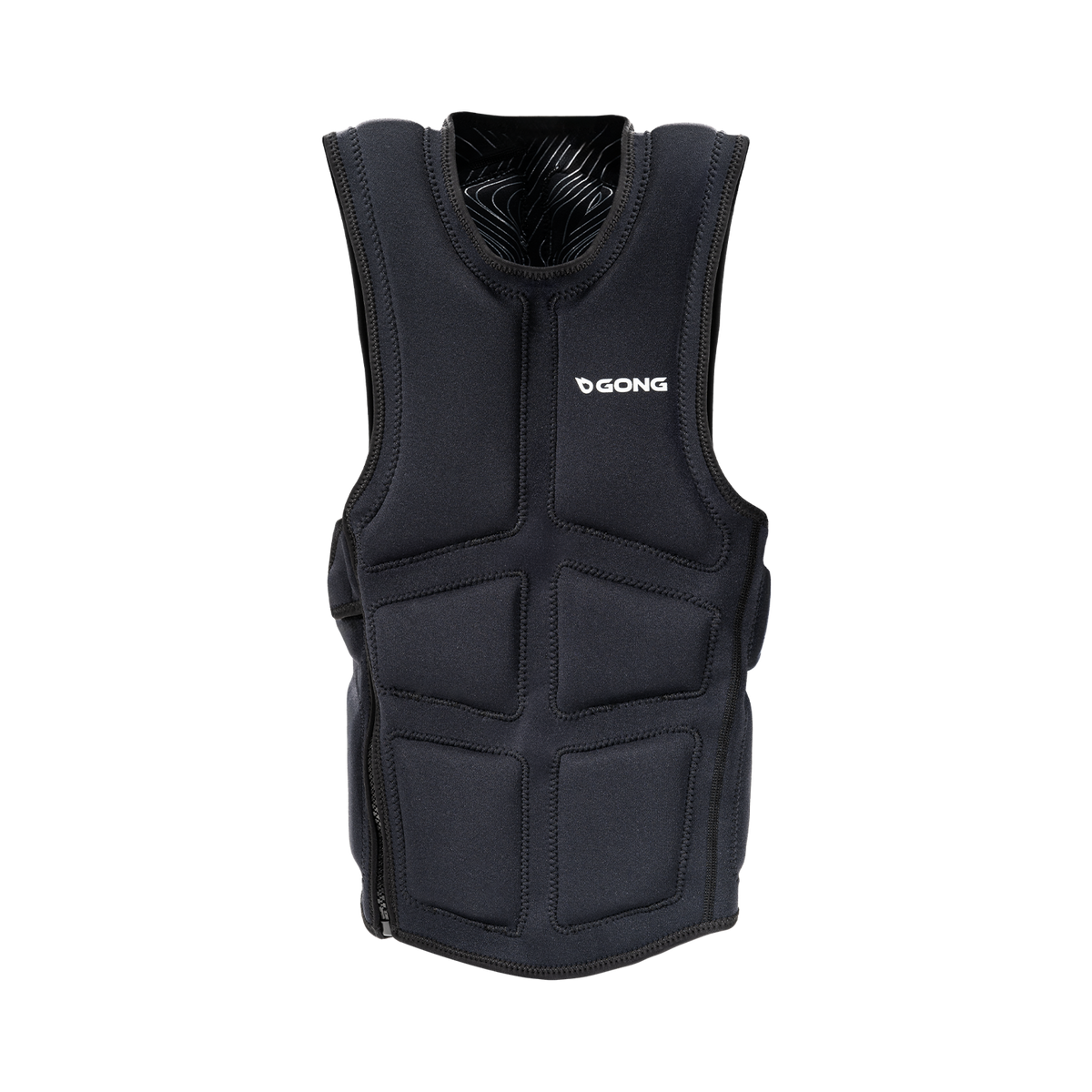
Never set off without suitable safety equipment: impact vest or buoyancy aid, reliable leash, waterproof and charged communication device, visible tracking system, water, appropriate thermal protection, distress flare, line cutter, and possibly a helmet depending on the conditions. Get trained in first aid, it's essential for you and your partners.
Your equipment should also be clearly identified with your name and phone number. In case of loss or separation from your board, this facilitates reporting, return, and avoids unnecessary sea searches.
Always inform someone on land of your itinerary, departure time, and estimated arrival time. Avoid going alone, especially on a new route. Sail with riders of equivalent level, never alone, maintain regular visual contact, and plan a plan B in case of breakage, fatigue, weather change, or inability to reach the arrival point.
In downwind, the best equipment is the one that allows you to return safely. Prepare your run, stay humble in the face of the water, and always keep some margin.
The front wing comes with all the necessary screws for mounting on the fuselage.
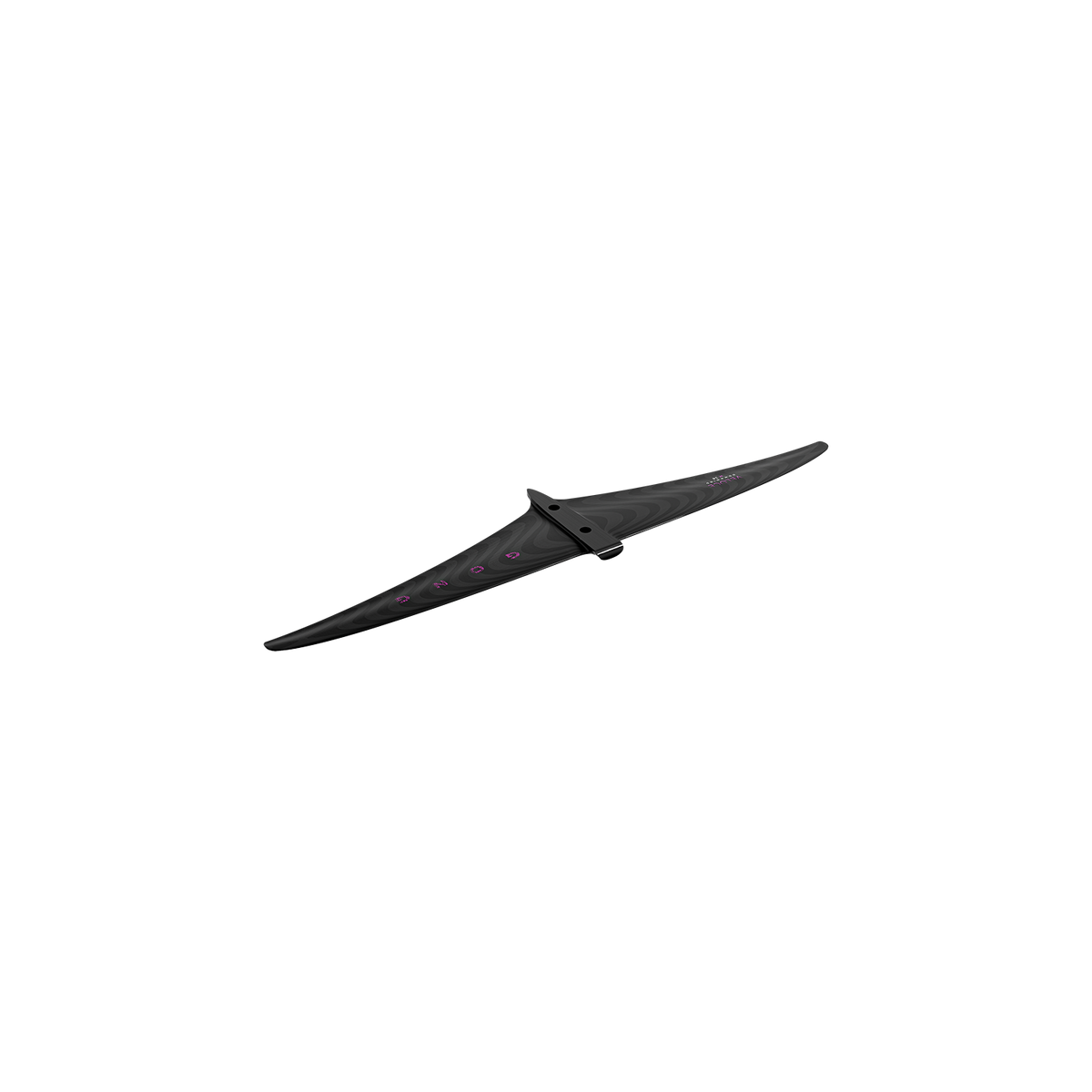

















The Veloce DW is more maneuverable, more forgiving, and more usable in real water conditions. The XTR is more extreme, faster, more rigid, and geared towards records or very committed runs. DW = fast, usable downwind. XTR = pure speed and extreme performance.


