Your cart is empty!
It's flat around here...


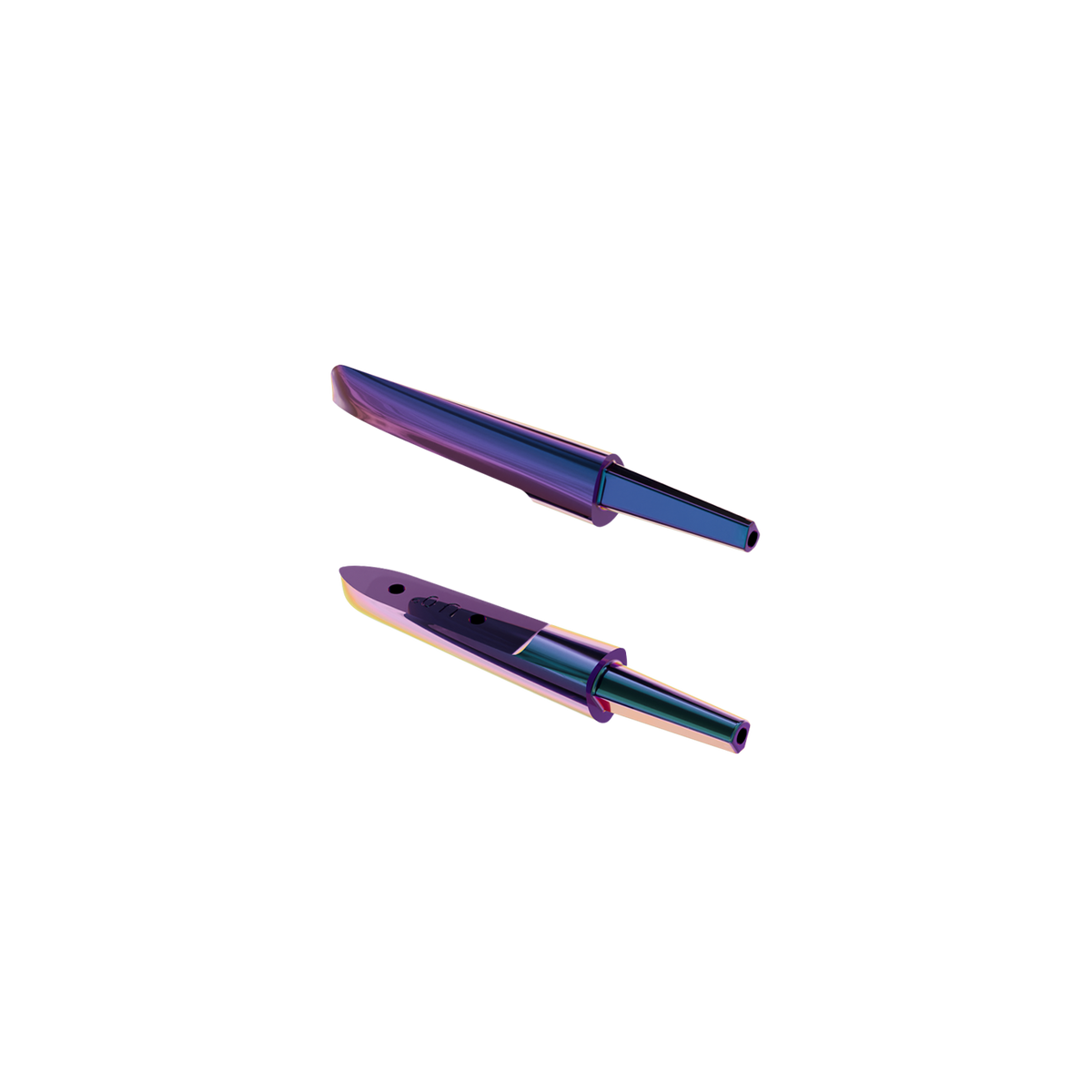
The 3K Purple composite beam designed for the Micro V3 Atmo fuselage, to fine-tune the wheelbase, incidence and architecture of your Tail Wing with precision.
The Tail Shaft Micro V3 Atmo Pro Team Series is the central component of the adjustable rear system designed for the Micro V3 Atmo fuselage.
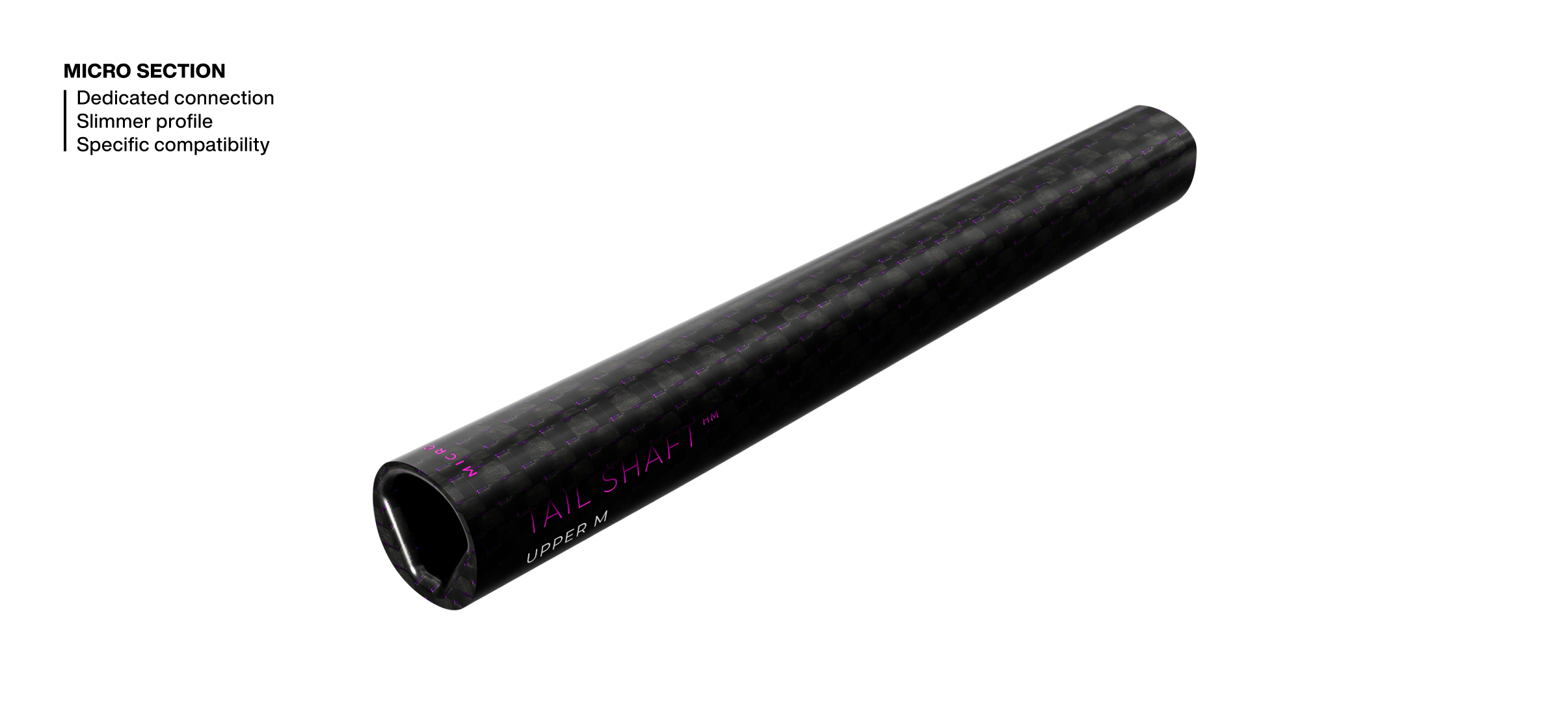
Its front connection is specifically sized for the reduced section of the Micro fuselage. It extends this slimmer architecture through to the rear system to preserve its hydrodynamic consistency and level of performance.
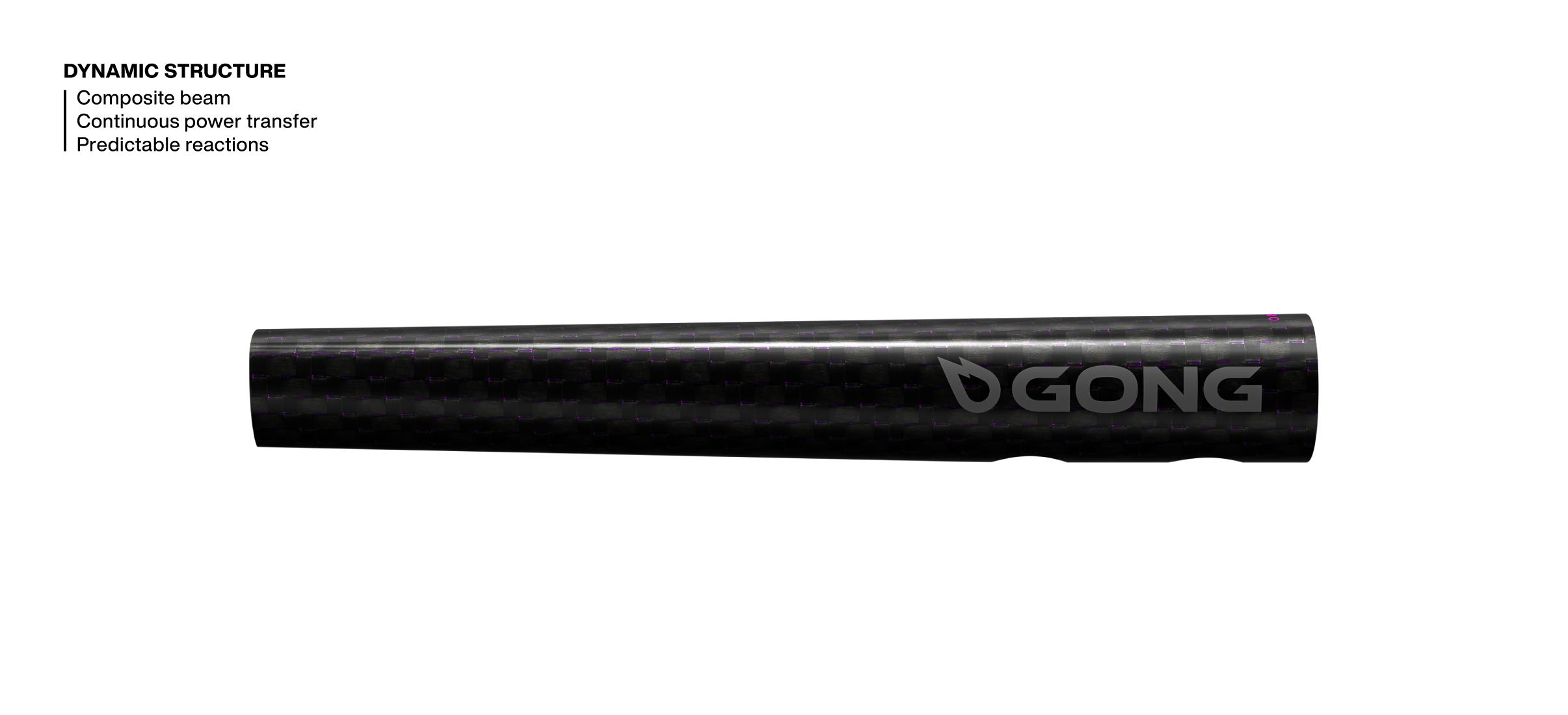
A true structural composite beam, it connects the Micro V3 Atmo fuselage to the Shim Tail Micro and transfers loads over a significant length. It plays a direct role in the aircraft's longitudinal stiffness, steering precision and the foil's faithful response.
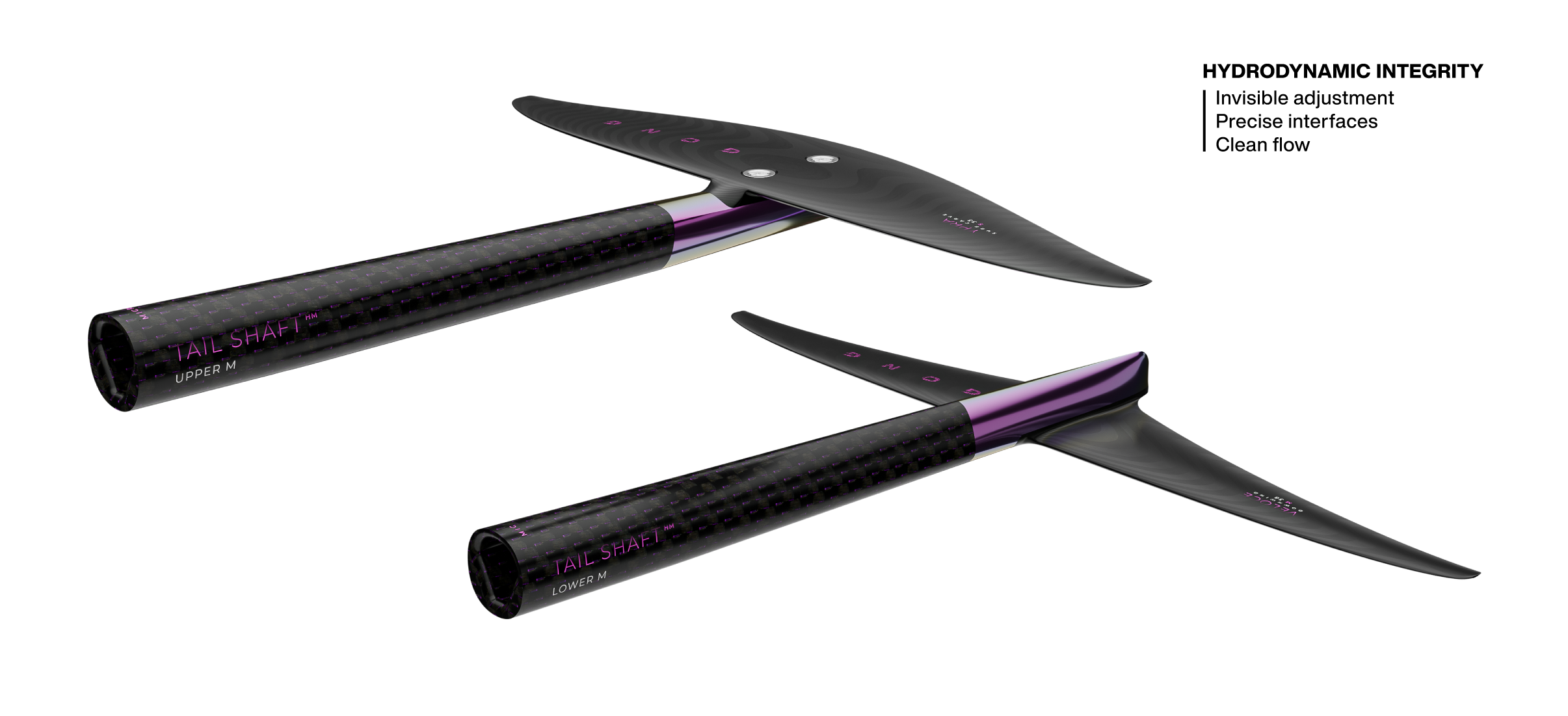
Its strength lies in combining extremely fine adjustment with flawless hydrodynamics. The Tail Shaft Micro, the Shim Tail Micro and the Tail Wing are designed as one continuous assembly. Incidence adjustment is integrated into a rigid, profiled part, with no step, cavity, excess thickness or semi-flexible part likely to disturb flow.
Available in Upper and Lower versions, and in Short, Medium and Long, the Tail Shaft Micro lets you adapt the foil's behaviour to your setup, your programme and your Tail Wing. Each configuration can be paired with a dedicated Shim Tail Micro, with several angles available to fine-tune the foil's trim precisely.
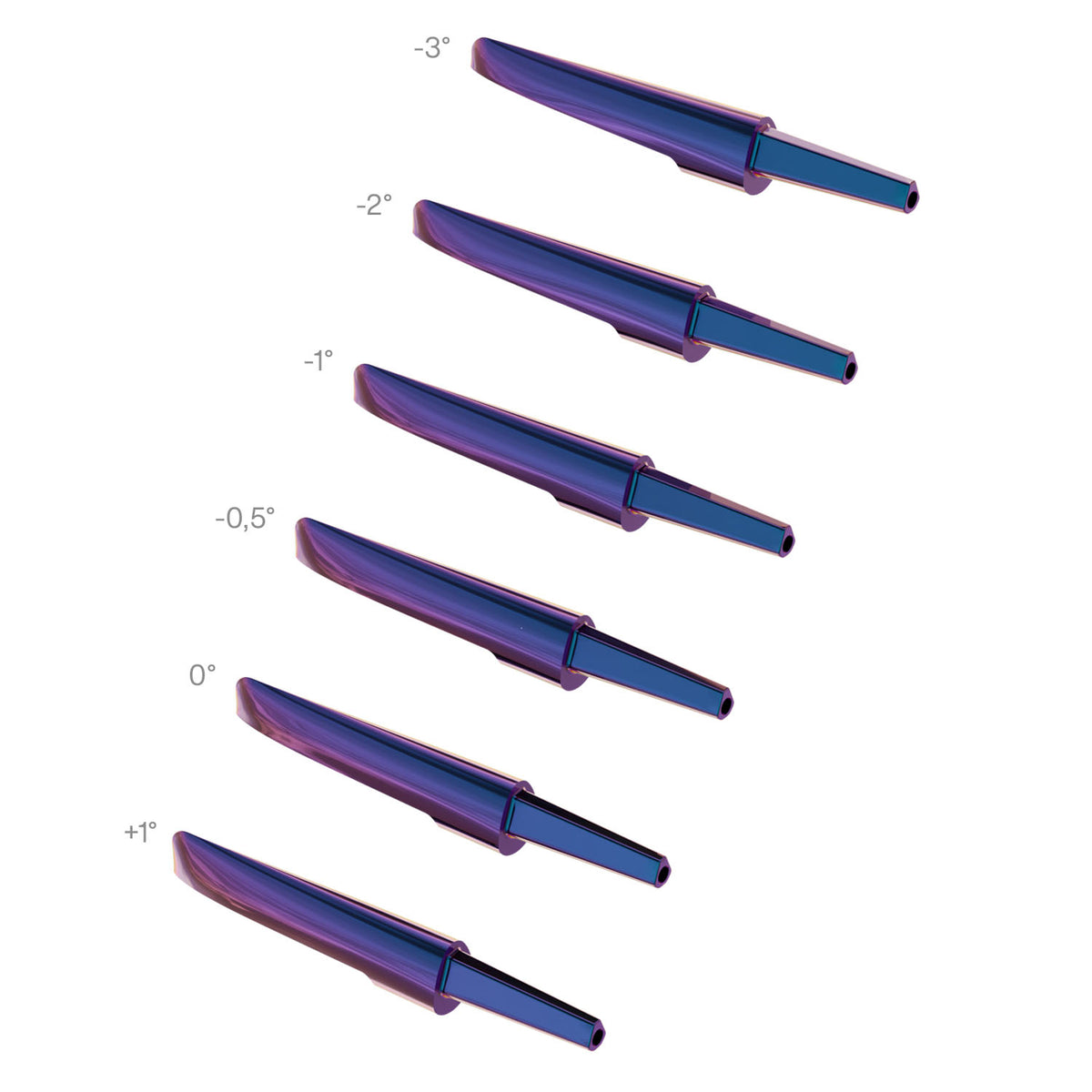
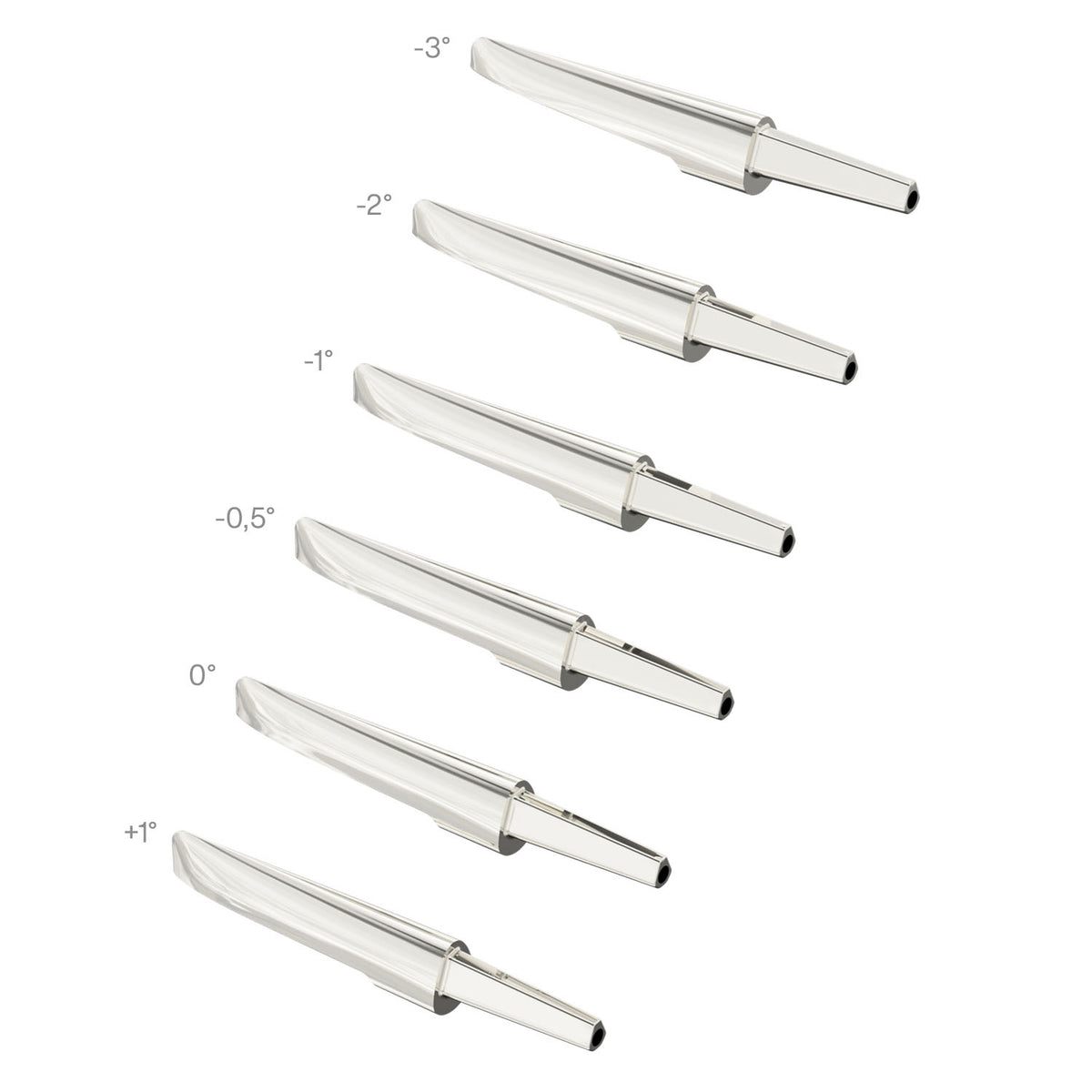
With +1°, 0°, -0.5°, -1°, -2° and -3° shims, you can refine your setup to suit your needs: more front foot pressure, a reference balance, or a freer aircraft with no pull in your hands.
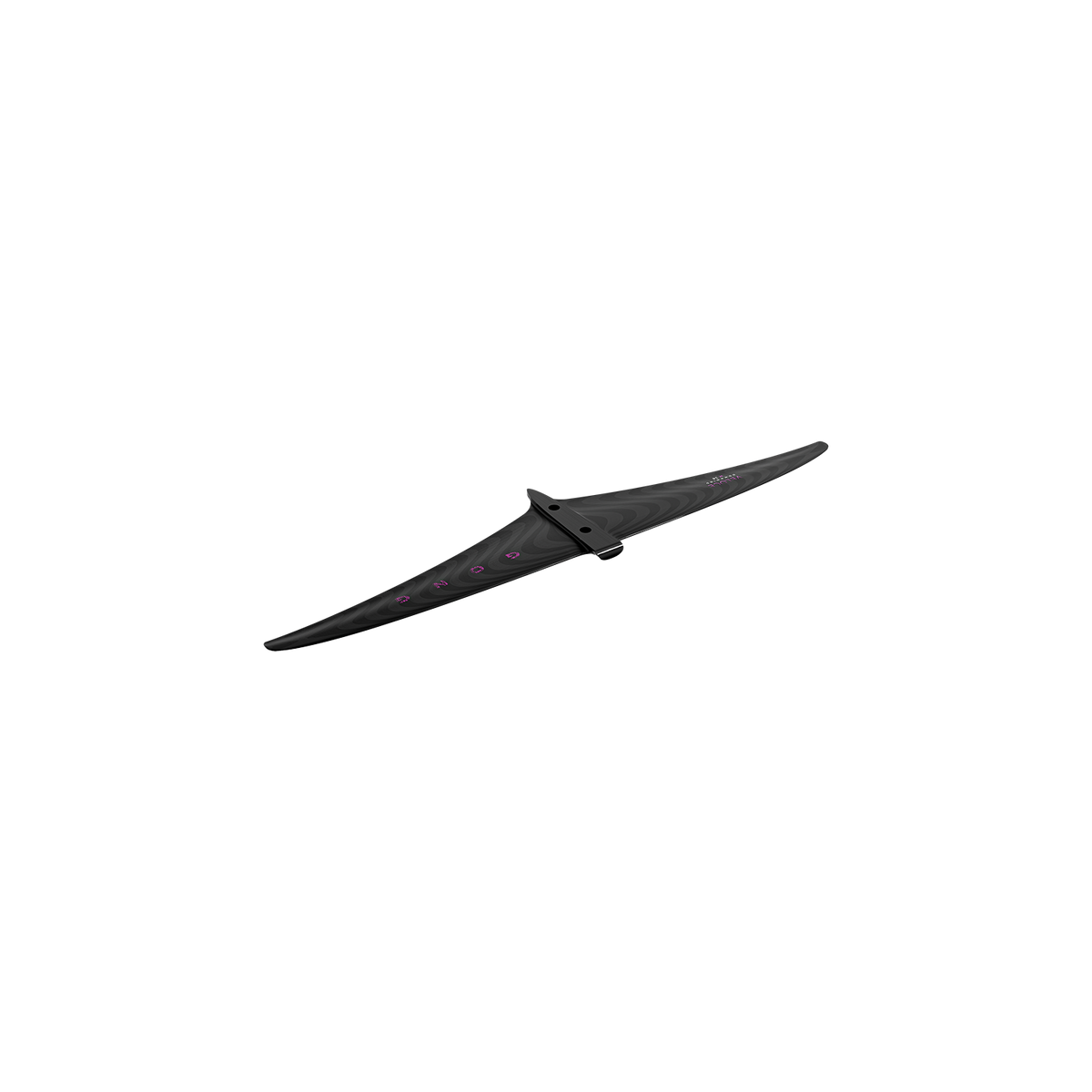
The Tail Wings keep the same footprint on V3 and Micro V3 Atmo platforms. However, you must use the Tail Shaft and Shim Tail that match the diameter of the chosen fuselage.
Its full prepreg carbon construction and hydrodynamic integration deliver a direct response underfoot. The foil reacts cleanly, pressure is transmitted faithfully, and glide becomes purer.
This Pro Team Series version features a 3K Purple carbon finish, consistent with the Front Wings and Tail Wings in the Pro Team Series range.
The Tail Shaft Micro V3 Atmo Pro Team Series is the structural and adjustable foundation of the most demanding Micro aircraft.
The Micro Tail Shaft is a true structural composite beam, not just a simple adapter between the fuselage and the Tail Wing.
The composite ensures mechanical continuity between the Micro V3 Atmo fuselage and the Micro Tail Shim over a significant length. It transfers the bending and torsional loads generated by the Tail Wing and directly contributes to the aircraft's longitudinal stiffness.
This architecture delivers an excellent balance of stiffness, strength and weight. The foil keeps crisp, true reactions when the rider pumps, carves, accelerates or loads up hard through their stance.
The front connection of the Micro Tail Shaft is sized specifically for the Micro V3 Atmo fuselage.
Its reduced section extends the fuselage's finer line and preserves the hydrodynamic consistency of an aircraft developed to minimise drag.
This interface is not compatible with the standard V3 fuselage. The two diameters use dedicated Tail Shafts and Shim Tails, even though the Tail Wing footprint remains the same.
The Tail Shaft Micro, Shim Tail Micro and Tail Wing system is designed as a complete hydrodynamic package.
The Shim Tail Micro is not just a simple flat shim inserted between two surfaces. Its geometry sets the angle of incidence while precisely blending the volumes of the Tail Shaft and the Tail Wing.
The rear line therefore remains continuous in every configuration, with no step, cavity, excess thickness or exposed edge likely to disturb the flow. The rider can adjust the setup without sacrificing glide or the foil's performance.
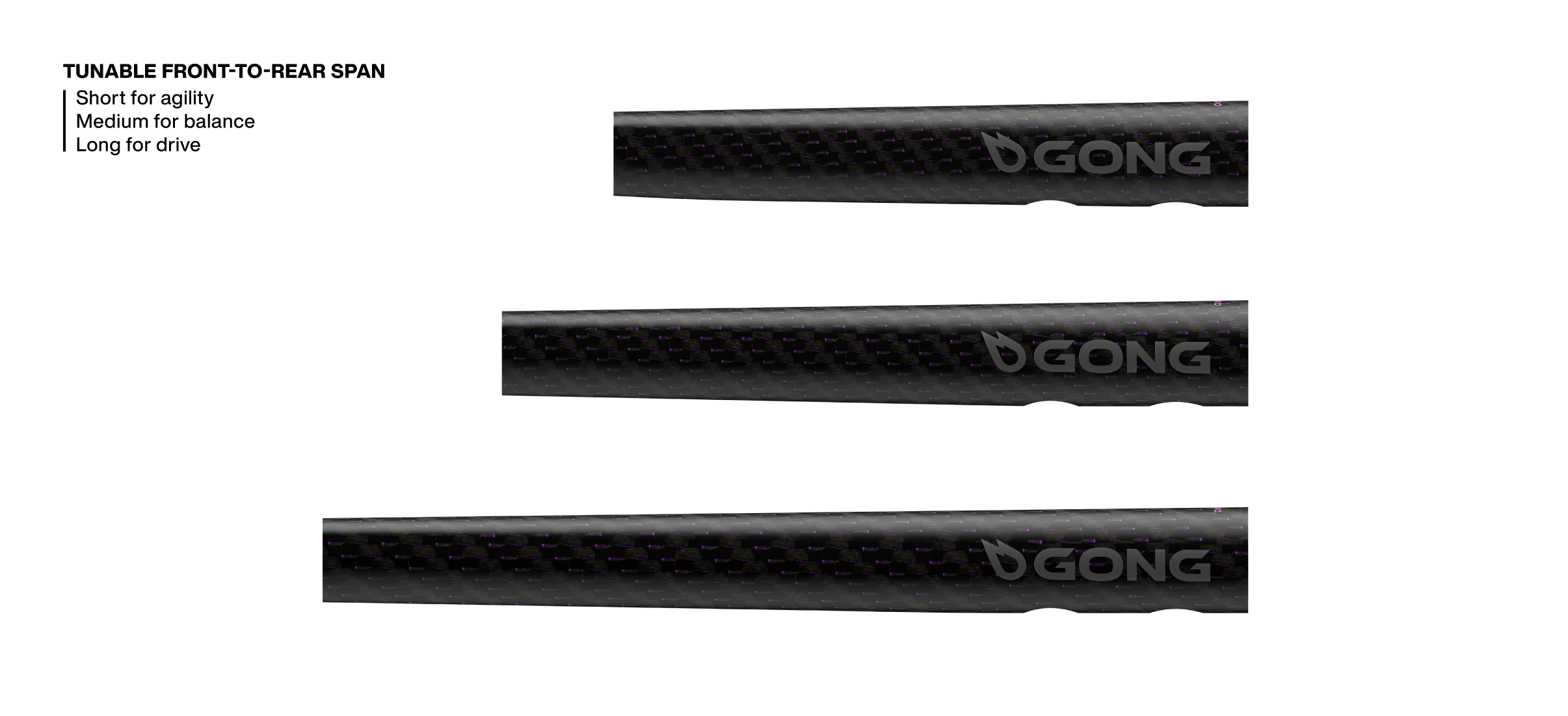
The length of the Micro Tail Shaft directly defines the wheelbase and profoundly transforms the aircraft's behaviour.
The Short increases pitch responsiveness, tightens carving radii and boosts pop and repop.
The Medium offers the best balance between stability, manoeuvrability and drive. It is the benchmark length for discovering a Tail Wing.
The Long increases the rear wing's lever arm. The foil becomes more stable, more progressive and more locked-in through its lines.
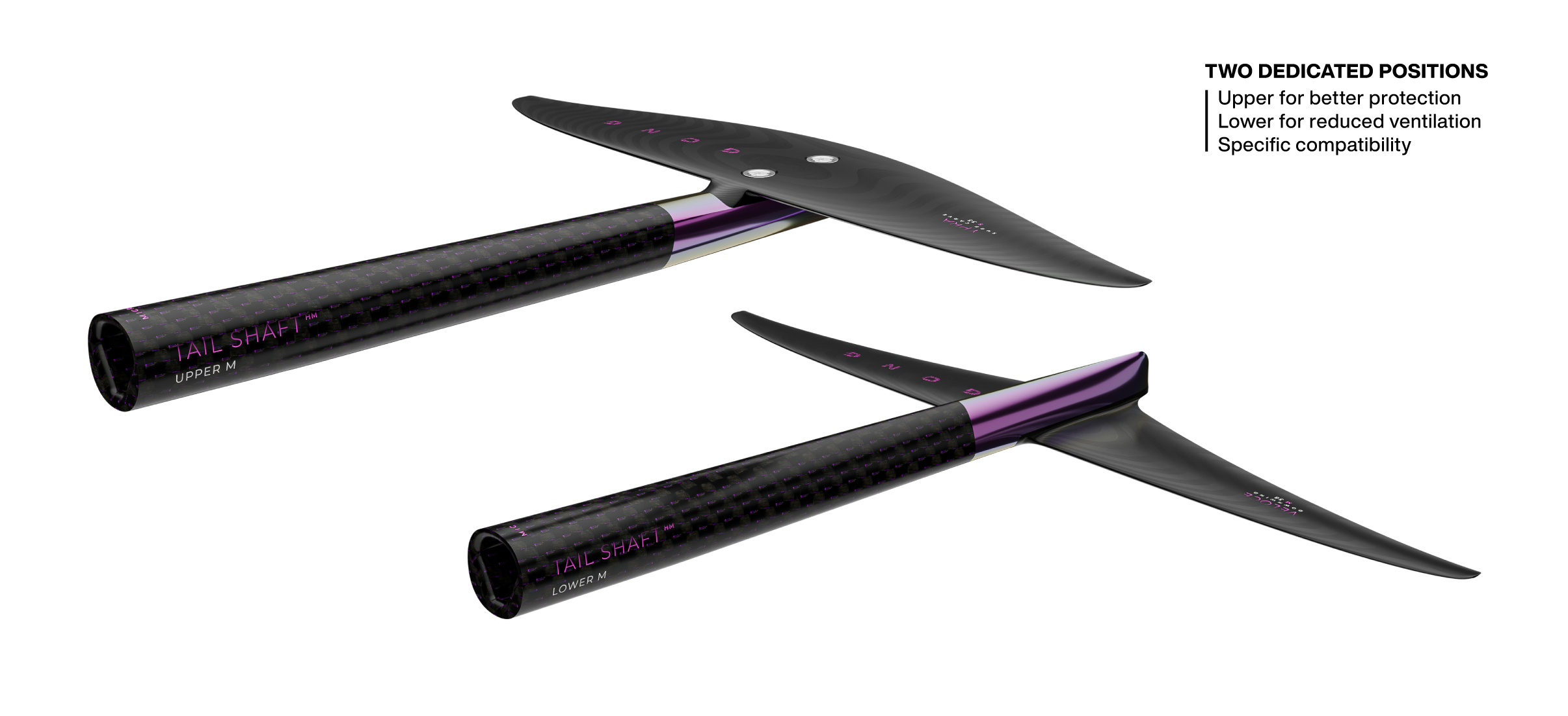
The Upper and Lower architectures meet two different needs.
The Upper places the Tail Wing above the Shim Tail, and therefore above the fuselage in general. It is better protected from contact with the bottom and is particularly well suited to beach starts, surf foiling, and wave riding.
The Lower places the Tail Wing below the Shim Tail. It sits further from the surface and is less exposed to the disturbed wake of the Front Wing. The shape of the Lower system is the most hydrodynamic. This layout also reduces the risk of ventilation and maintains very pure glide in downwind, pumping, freefly or high-performance freeride, and in waves if there is enough water to avoid pressing the tail wing into the bottom.
Each Tail Wing is developed for Upper, Lower, or both, depending on the models and the technical relevance of offering that choice. Upper and Lower components are not compatible, even though they use the same V3 Superlock-type fittings.
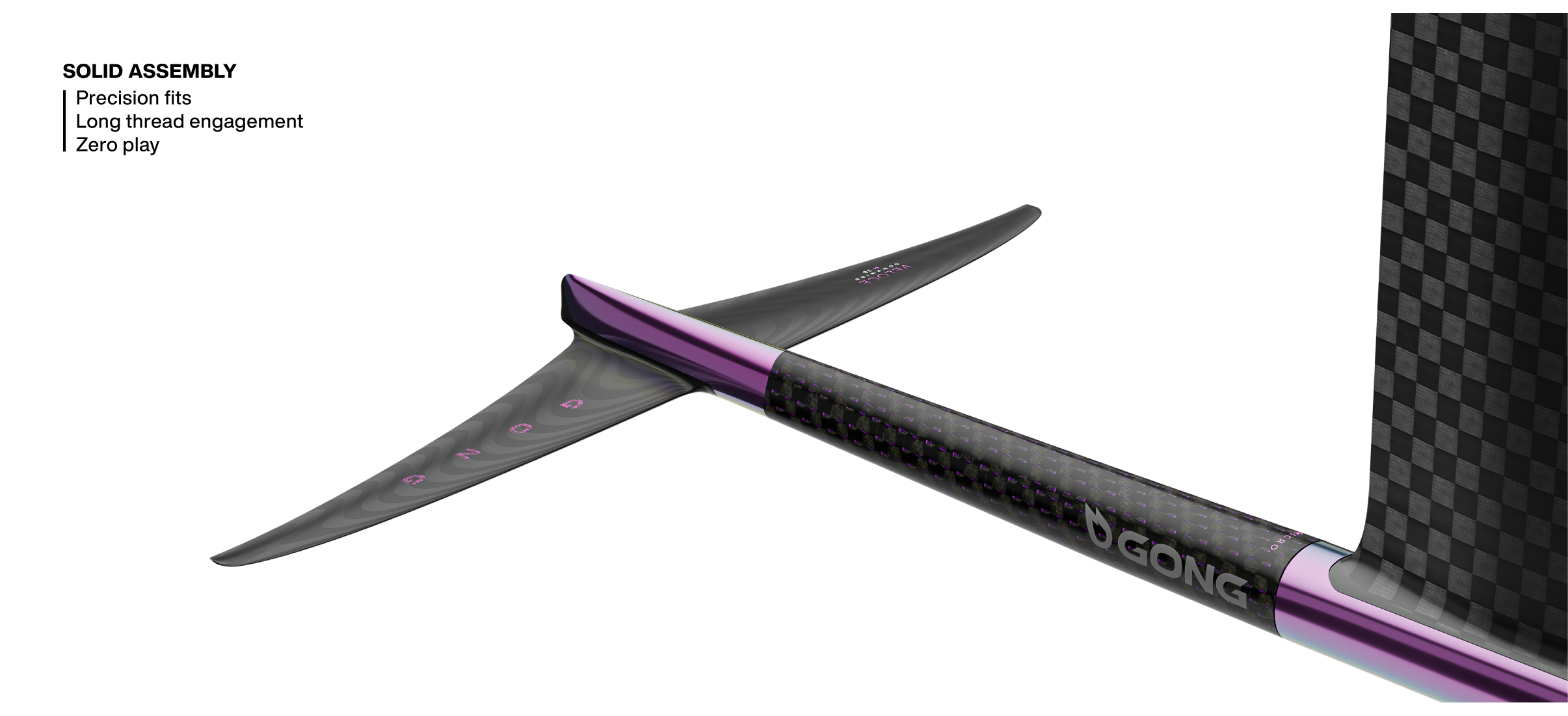
The interfaces between the Micro fuselage, the Micro Tail Shaft, the Micro Tail Shim and the Tail Wing are machined to extremely tight tolerances.
The snug fits, wide contact surfaces and long screw engagement prevent unwanted movement. The Tail Wing stays perfectly secure and does not loosen while riding.
The absence of any semi-flexible part prevents compression and changes in angle of attack under load. The chosen setting stays constant and power transfer remains precise.
The fit system is the V3 SuperLock type. The more you ride, the tighter it gets. And because it is tapered, it comes apart easily.


The Tail Shaft Micro V3 Atmo Pro Team Series is aimed at advanced to expert riders using a Micro V3 Atmo fuselage who want to get the most out of their aircraft with an adjustable, stiff and perfectly integrated rear connection.
It is the logical choice for riders looking for the efficiency of a reduced-section fuselage architecture and who want to fine-tune the behaviour of their foil for the disciplines in which a Micro V3 Atmo aircraft is offered.
The Tail Shaft Micro retains all the Tail Wing incidence adjustment options, while integrating them into an architecture suited to the Micro diameter, slimmer, more direct and more efficient through the water.
It is designed for riders capable of getting the most out of a more technical aircraft and who want to push foil tuning further: refine front foot pressure, free up glide, gain stability, alter drive, tighten carves or make the aircraft more playful.
The Tail Shaft Micro is used to connect a Tail Wing to the Micro V3 Atmo fuselage with a structural, stiff, adjustable and perfectly hydrodynamic assembly.
Paired with a Shim Tail Micro, it allows precise Tail Wing incidence adjustment without using a flat shim that can compress or create a poor transition. The Tail Shaft Micro, the Shim Tail Micro and the Tail Wing form a system designed to maintain a continuous rear line in every configuration.
The range includes Shim Tail Micro options in +1°, 0°, -0.5°, -1°, -2° and -3°, available in Upper and Lower versions, with clear markings corresponding to their angle and architecture.
A negative angle increases the Tail Wing’s nose-up effect. It adds more front foot pressure, makes take-off easier, boosts pop and repop, and delivers more rhythmic, more powerful pumping.
0° corresponds to the reference incidence defined for each Tail Wing. It is the best starting point for discovering its behaviour before refining the setup.
A positive angle reduces Tail Wing lift and lets the foil glide. It reduces front foot pressure, lengthens trajectories, self-regulates balanced pressure and promotes glide without pull in the hands.
The Tail Shaft Micro therefore allows you to deeply adapt the foil without changing Tail Wing. It is a true aircraft tuning component, not just a simple adapter.
The Micro diameter is intended for aircraft specifically developed around a reduced-section fuselage. This architecture reduces the fuselage’s frontal area and drag in order to increase efficiency in the highest-performance disciplines.
This gain requires a complete dedicated platform. A Micro V3 Atmo Front Wing must be paired with a Micro fuselage, a Tail Shaft Micro and a Shim Tail Micro.
Tail Wings remain common to the V3 and Micro V3 Atmo platforms thanks to their identical footprint. They simply need to be mounted on the rear system suited to the fuselage diameter.
Micro is not a universal upgrade over the standard V3. It is a specialised architecture, slimmer and more demanding, developed for the models and disciplines where drag reduction justifies a fully dedicated aircraft.
The choice between Tail Shaft Micro Upper and Tail Shaft Micro Lower depends on the Tail Wing used and its mounting architecture.
A Tail Shaft Micro Upper works exclusively with a Shim Tail Micro Upper and an Upper Tail Wing.
A Tail Shaft Micro Lower works exclusively with a Shim Tail Micro Lower and a Lower Tail Wing.
Upper and Lower versions mount on the same Micro V3 Atmo fuselage.
The Upper architecture places the Tail Wing above the Shim Tail. It offers greater protection for the rear wing from contact with the bottom.
The Lower architecture places the Tail Wing below the Shim Tail. It keeps it further away from the water surface and from the disturbed wake of the Front Wing. It therefore reduces the risk of ventilation and promotes very pure glide. On the other hand, a Lower Tail Wing sits closer to the bottom and requires greater care during launches and when riding in shallow water.
Upper and Lower architectures are not interchangeable. You must always choose the Tail Shaft Micro and the Shim Tail Micro that match the intended Tail Wing setup.
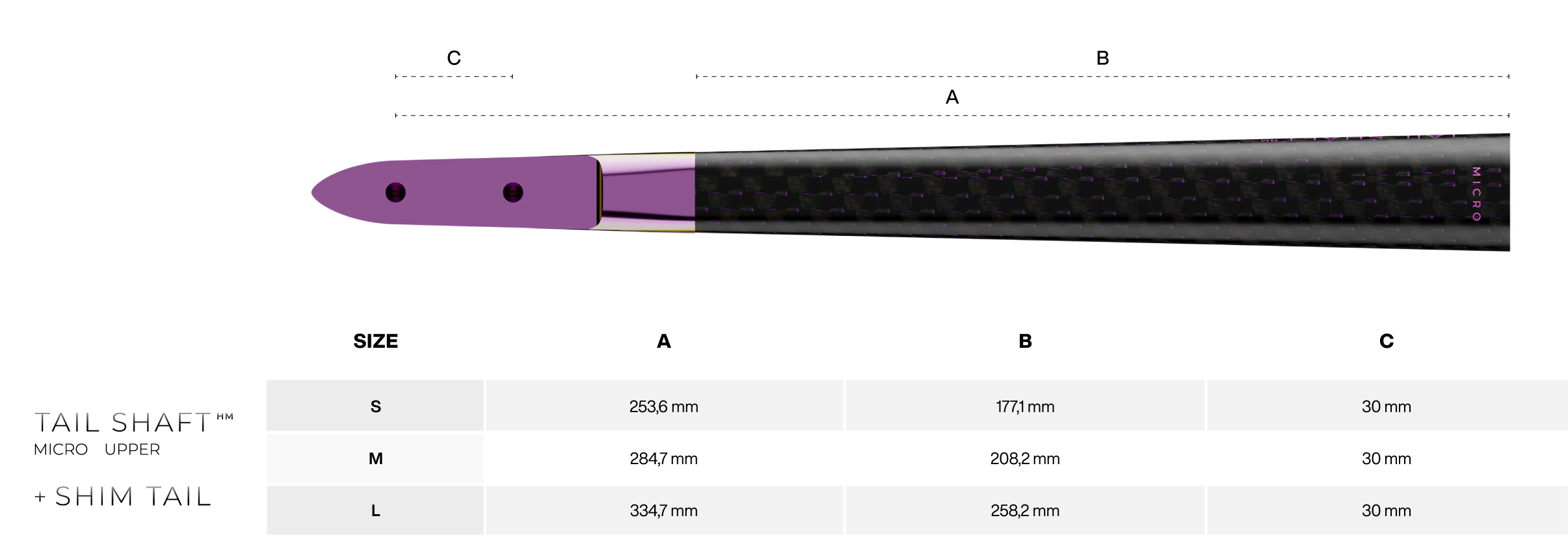
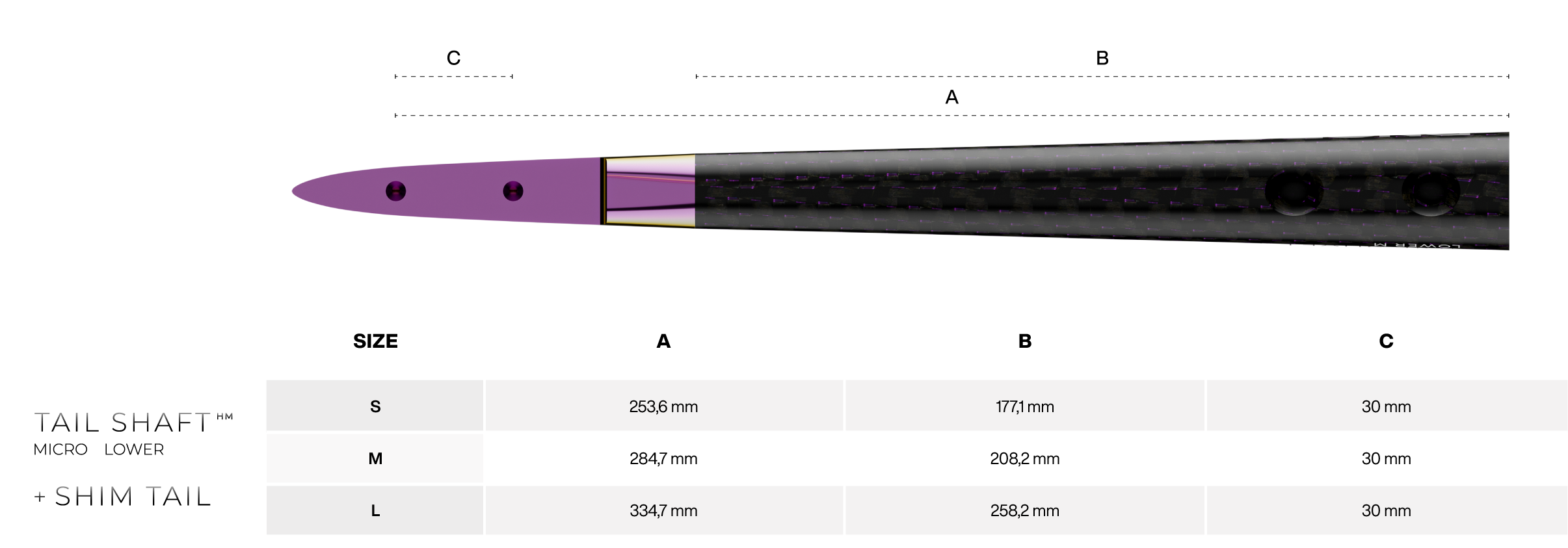
Tail Shaft Micro models are available in three lengths: Short, Medium and Long.
Tail Shaft length directly influences the aircraft’s wheelbase, and therefore its longitudinal stability, pitch liveliness, drive, carve radius and manoeuvrability.
The Tail Shaft Micro Short shortens the wheelbase. The foil becomes more playful, more manoeuvrable and more reactive. It turns tighter, promotes pop and repop, and responds more quickly to pressure changes. In return, it requires more precision to stabilise trim.
The Tail Shaft Micro Medium offers the best compromise between stability, manoeuvrability and drive. It is the reference length for discovering a Tail Wing, comparing several setups or keeping a balanced foil for most disciplines.
The Tail Shaft Micro Long increases the Tail Wing’s lever arm. It brings more longitudinal stability, greater control at high speed and a more progressive, more guided feel.
In short: choose the Short to maximise liveliness and tight carves, the Medium for versatile balance, and the Long to increase stability, drive and control.
To make angle choices and their effects even clearer, here is a short didactic list:
Note the cumulative amplifying effect produced by the Tail Shaft length choice, which will feel lively in S, normal in M and mellow in L.
Combine an S Tail Shaft with a -3° and it will send you to the moon, whereas an L with +1° is a nap in flight.
Start with the Tail Shaft Micro length recommended for your Tail Wing and a 0° Shim Tail Micro.
This combination lets you discover the model’s reference behaviour before changing wheelbase or incidence.
Then change only one parameter at a time. A gradual change allows you to understand precisely the effect of each length or angle and avoids compensating for a poor choice with a second adjustment.
The Micro V3 Atmo system allows you to go very far in customisation. The best setting is not necessarily the most extreme one, but the one that best matches your stance, your board, your discipline and your way of flying.
The Tail Shaft Micro V3 Atmo Pro Team Series is exclusively compatible with GONG Micro V3 Atmo fuselages.
It is not compatible with the standard V3 fuselage, which uses a Tail Shaft and Shim Tails dedicated to its diameter.
Upper or Lower Tail Wings are compatible with both V3 and Micro V3 Atmo platforms, because their footprint in the Shim Tails is always identical regardless of the fuselage diameter chosen.
You therefore need to pair:
a Tail Wing matching the chosen Upper or Lower architecture.
Before assembly, always check compatibility between the fuselage, Tail Shaft, Shim Tail and Tail Wing, as well as their Upper or Lower architecture.
This system is more complex than a one-piece stab. It is aimed at those who love fine tuning, discussing settings, optimising, understanding and breaking things down. It is not the standard system for everyone. It is the absolute pinnacle of feel customisation on a Micro platform developed for the highest-performance aircraft.
Each Tail Shaft Micro V3 Atmo comes with all the hardware needed for assembly.
3 screws are supplied with each Tail Shaft:
Stainless steel hardware designed to handle foil loads and marine use.
Simple assembly on the fuselage from underneath the Tail Shaft, with just two screws, like one-piece stabs.
The Shim Tail Micro V3 Atmo screws in from inside the Tail Shaft Micro V3 Atmo using the standard GONG Torx assembly key. No screws are visible on the outside at the rear of the Tail Shaft.
Quick to install, perfectly rigid while riding, and easy to remove after the session.