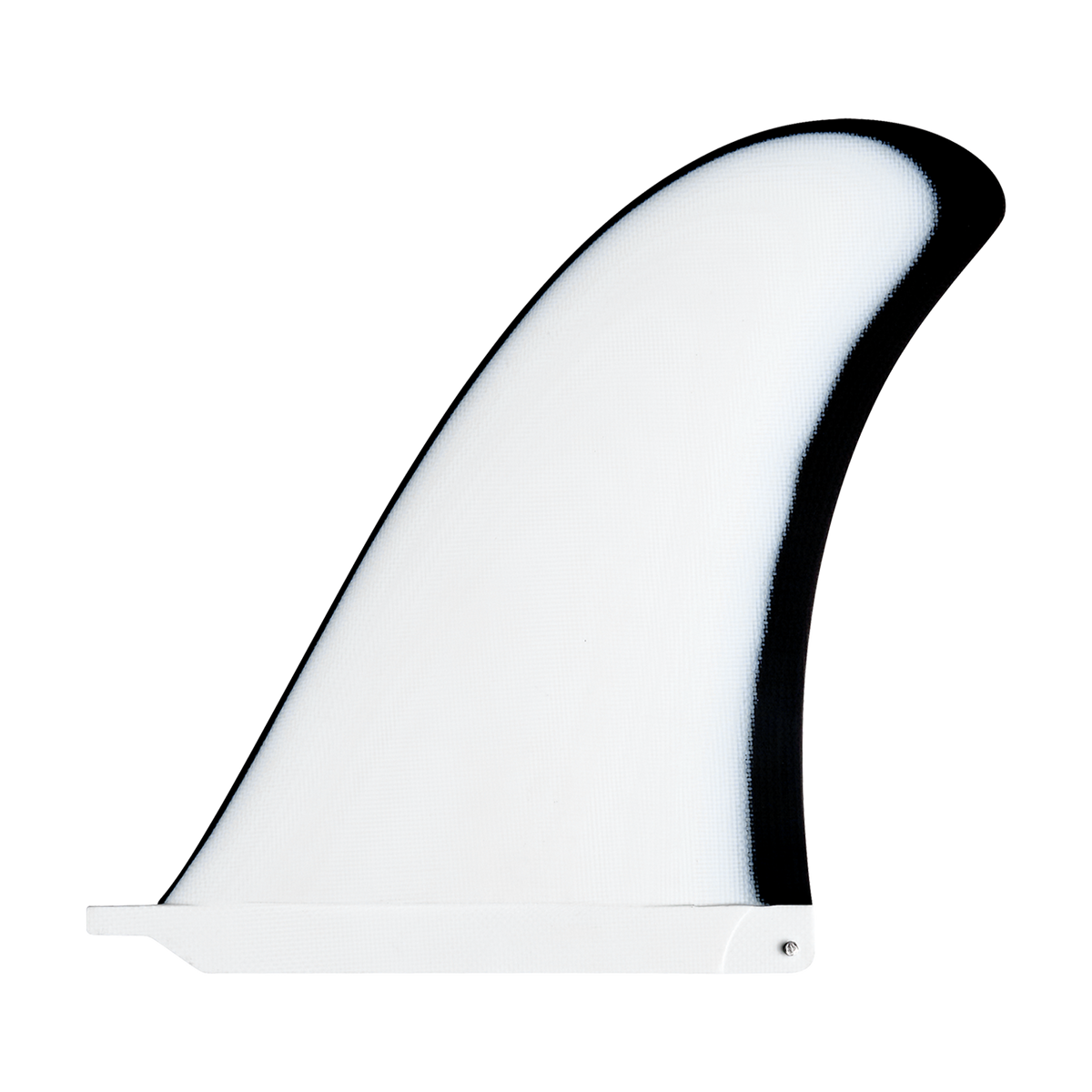
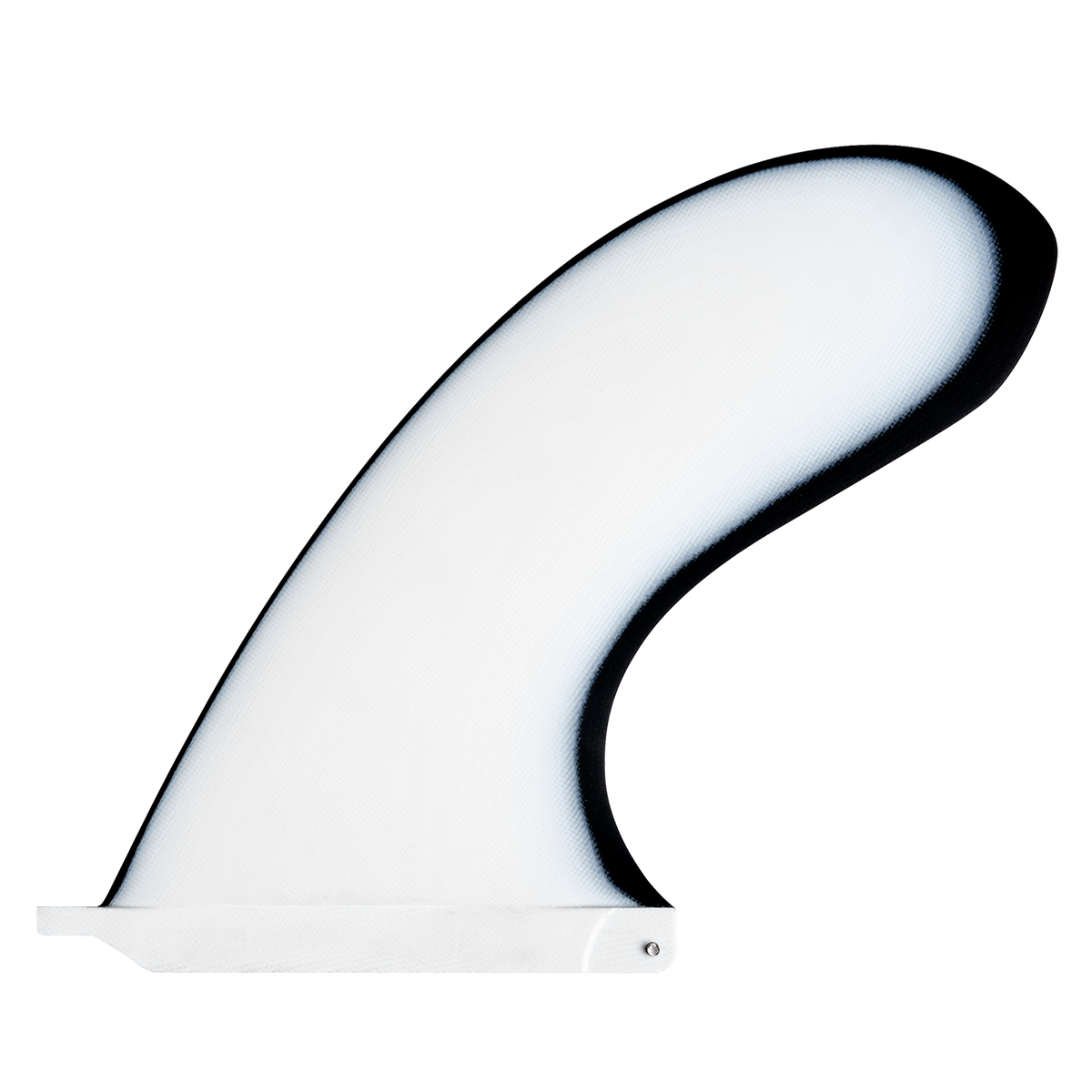
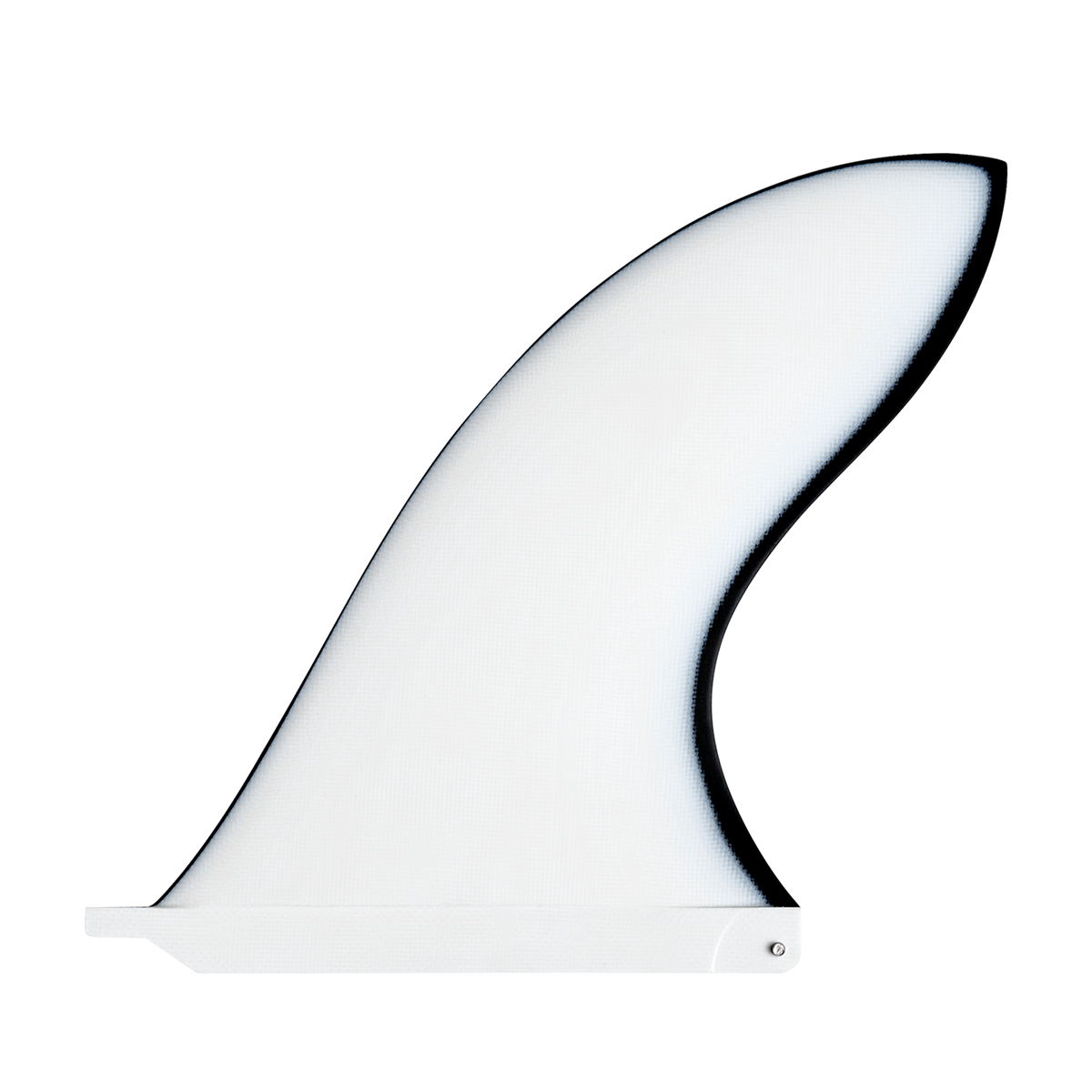
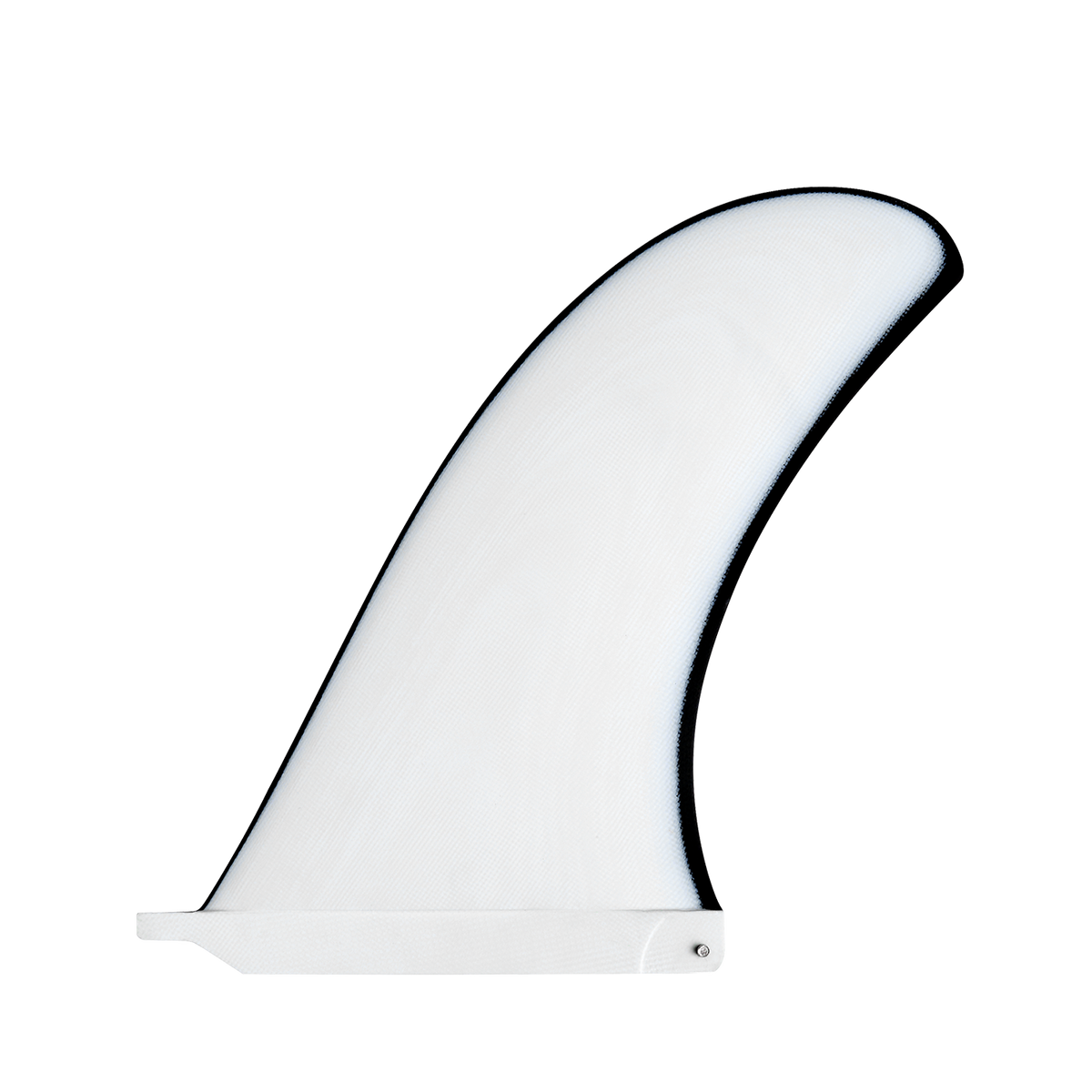
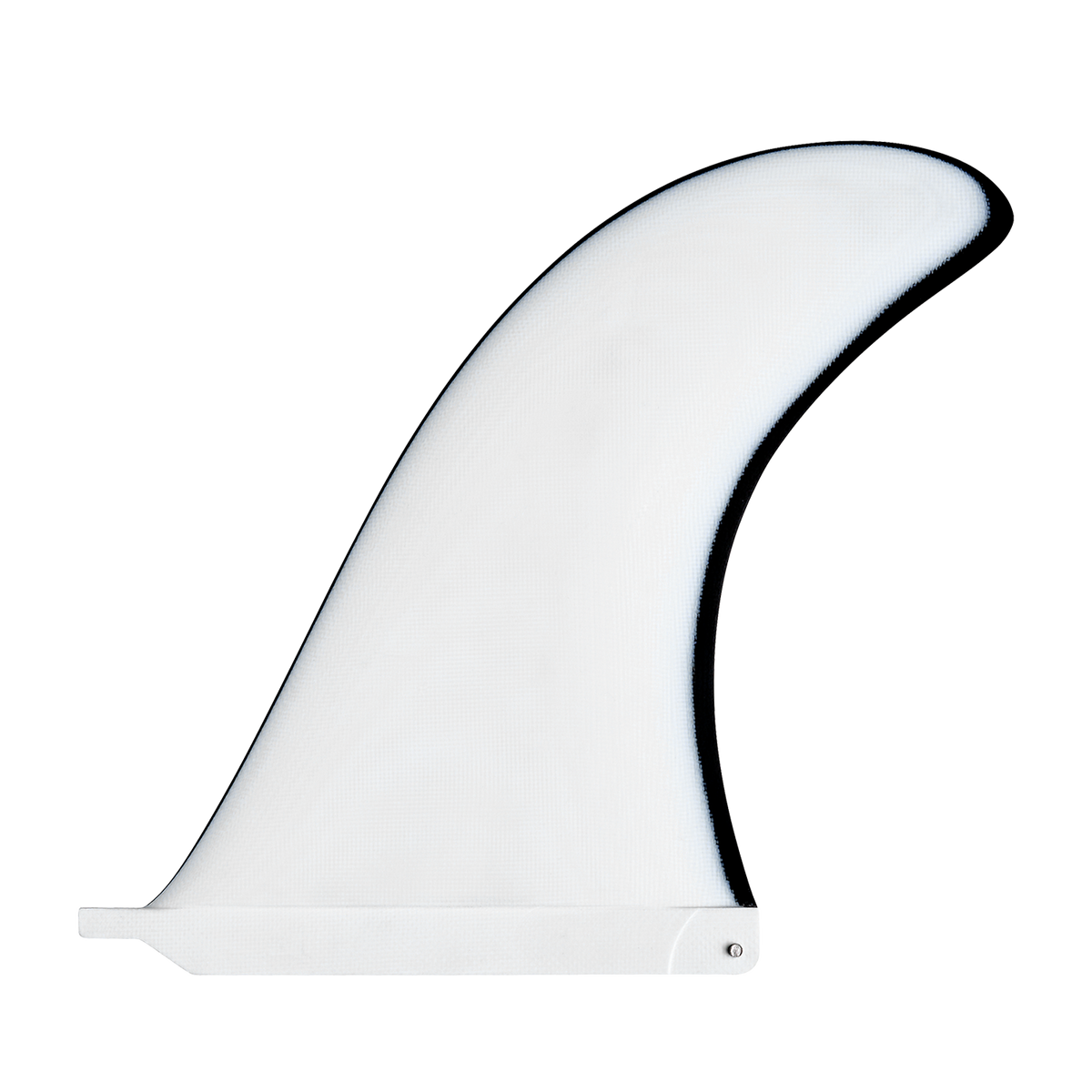
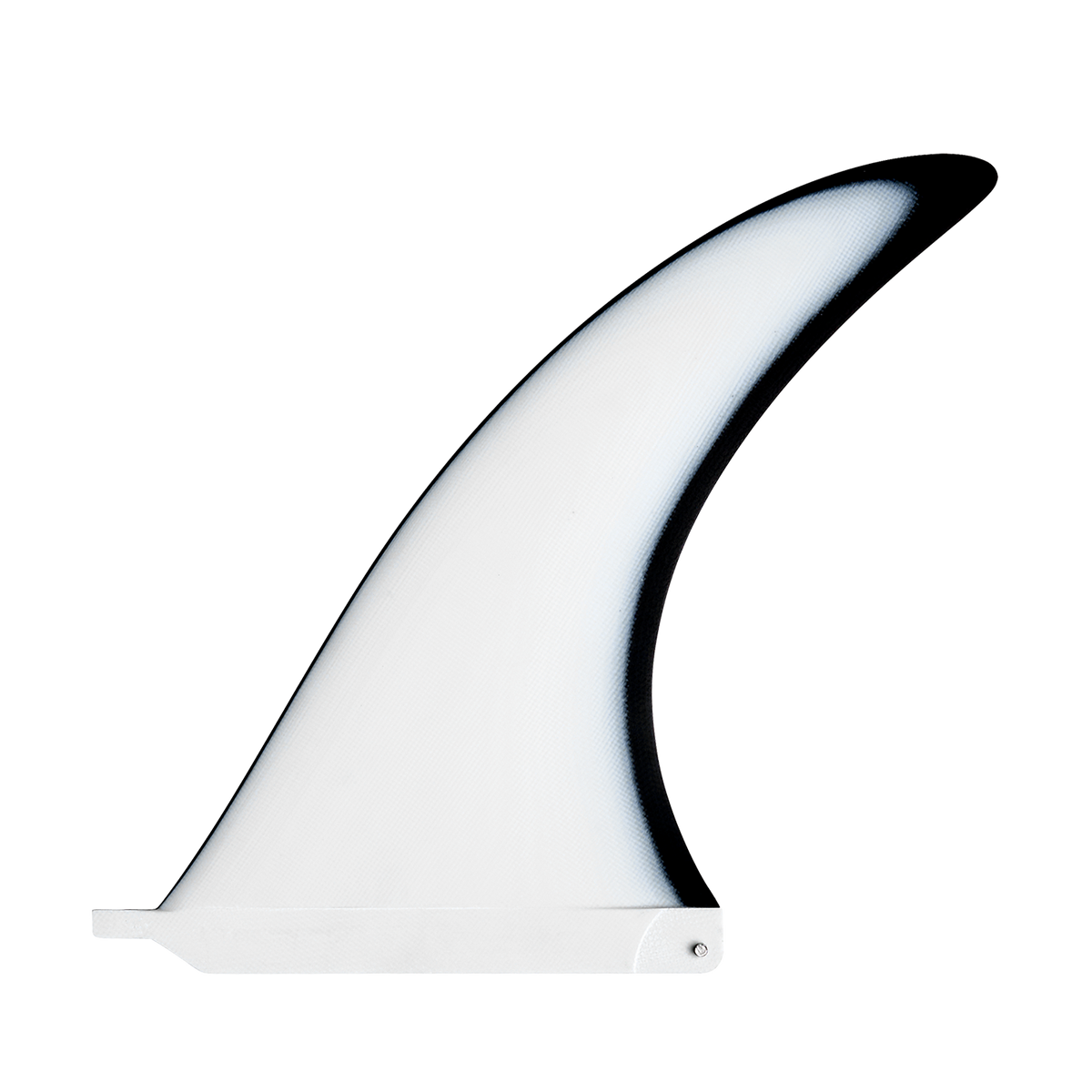
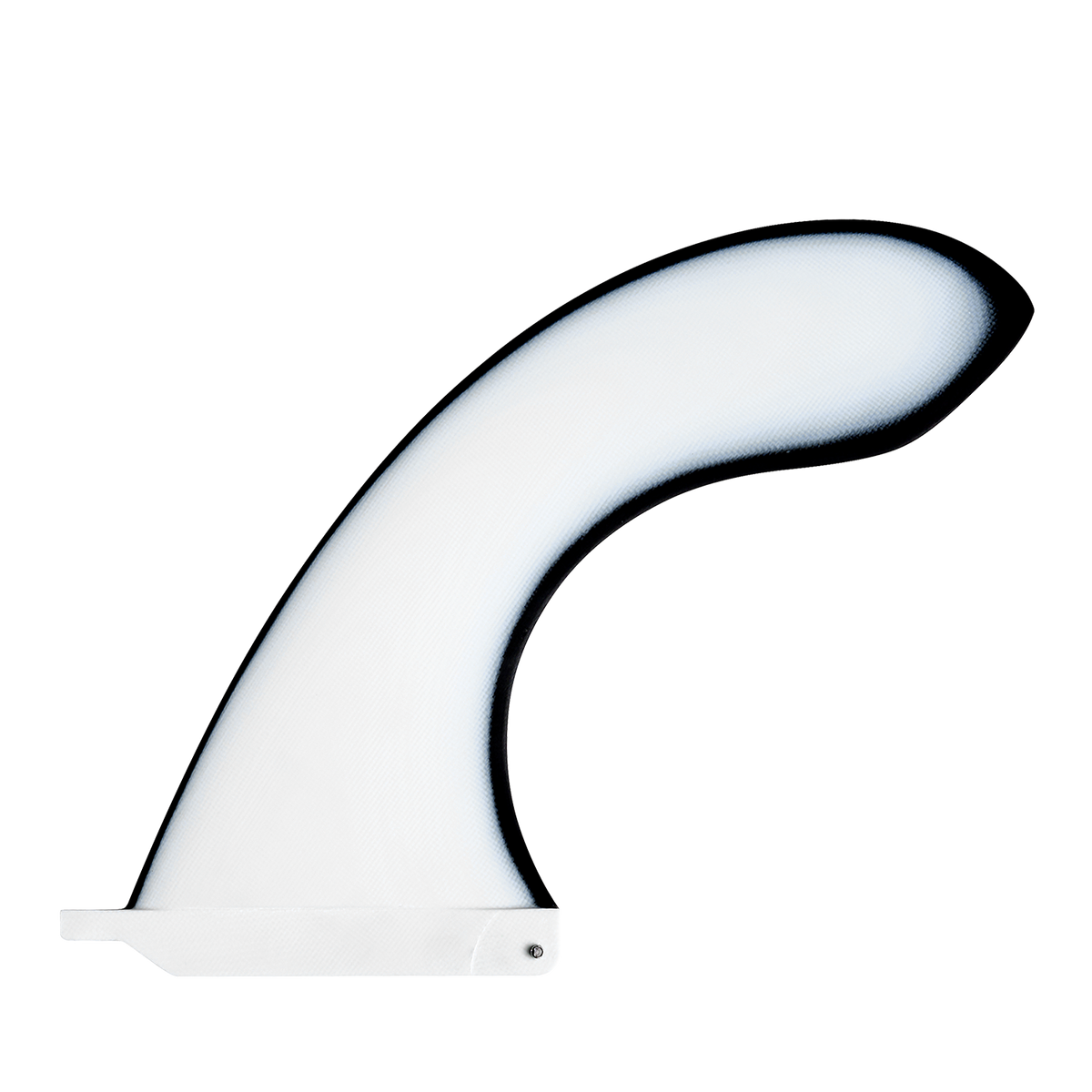
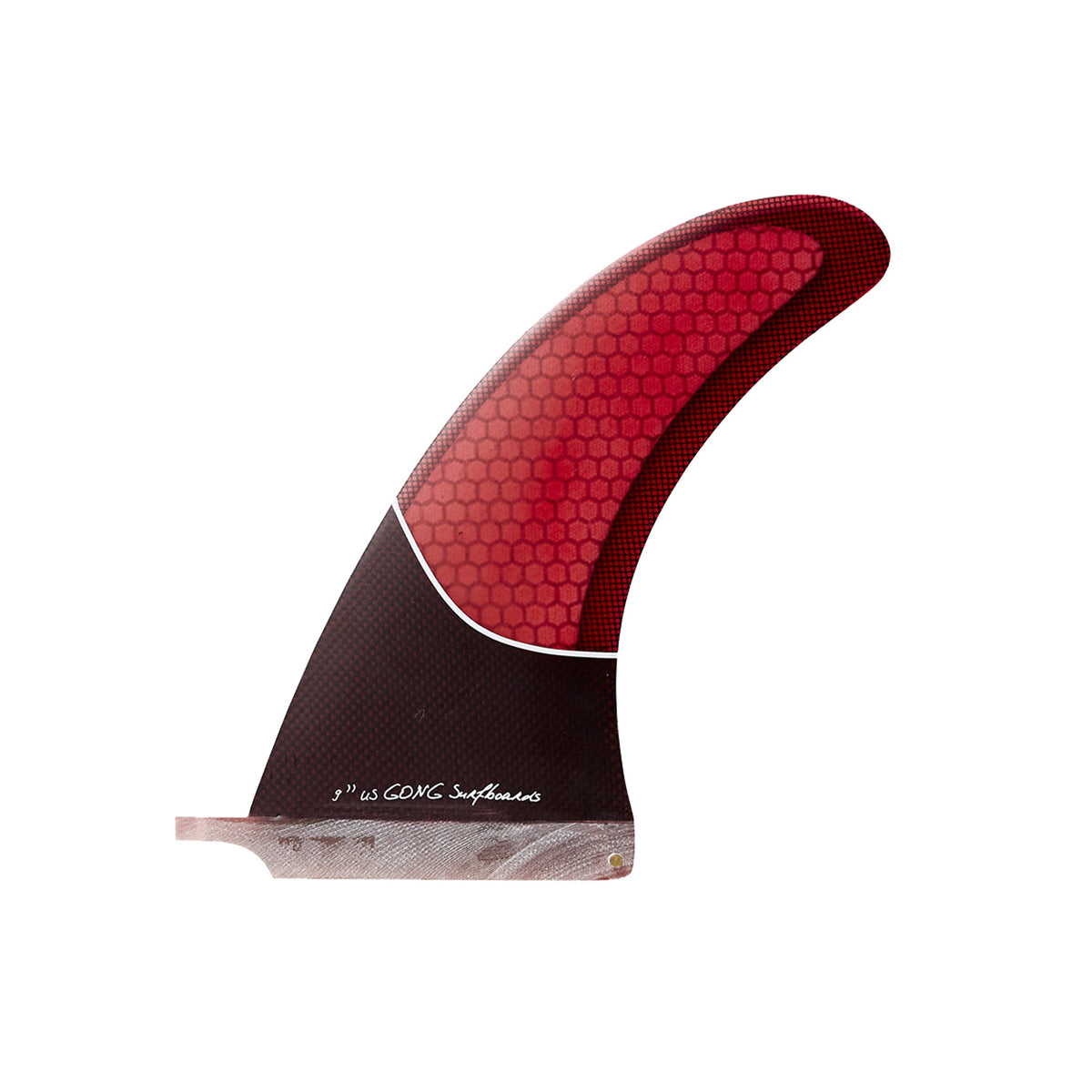
Single fin: Between simplicity and technicality
Riding a single fin can be seen as both the simplest and most technical fin setup, depending on your approach to surfing and your personal preferences.
A single fin setup allows your board to generate speed effortlessly without having to "shift gears" like with multi-fin setups. It creates the least resistance and drag, making it the best option for those who enjoy pure, fluid gliding down the line.*
* Down the line refers to a diagonal trajectory, like an endless bottom turn in the middle of the wave that maintains a constant speed when perfectly optimized with the wave's energy and breaking pattern. It’s similar to skiing down a slope, except in surfing, the slope is short, requiring constant alternation between descending and climbing to sustain momentum—hence the expression "down the line."
However, if your goal is to make tight, aggressive turns, you'll need to be extremely precise with your positioning to stay in sync with the wave’s energy. Without side fins, you'll rely entirely on rail pressure, making single fin surfing highly technical. It demands experience and control, as gravity will be your only ally.
Single fin setups are often preferred for noseriders, where maximum glide is desired. A deep enough fin stabilizes the board’s tail high on the wave, giving surfers more time to stay on the nose.
2+1 setup
In a 2+1 setup, a larger center fin stabilizes the board and smooths out turns, while larger side fins generate more speed when carving. The key is balance—if both the center and side fins are too large, the board becomes overly stiff and difficult to maneuver.
Recommended fin sizes:
- 2+1 setup: Center fin between 6” and 9”
- Single fin setup: Center fin between 8” and 11” (with 7” and 10” being the most common sizes)
A 2+1 setup is the most versatile option, offering a good balance between control and hold, especially when putting the board on rail.