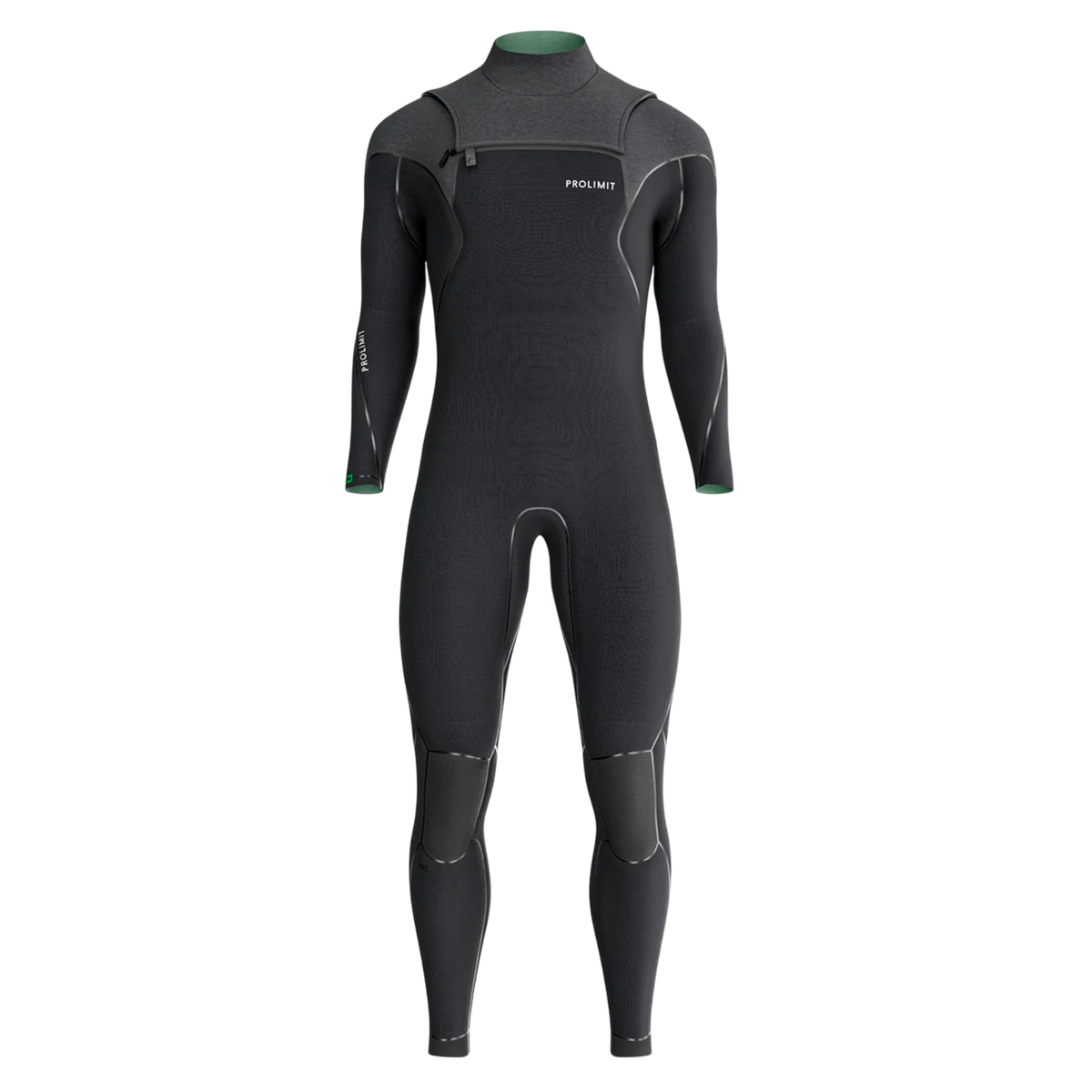
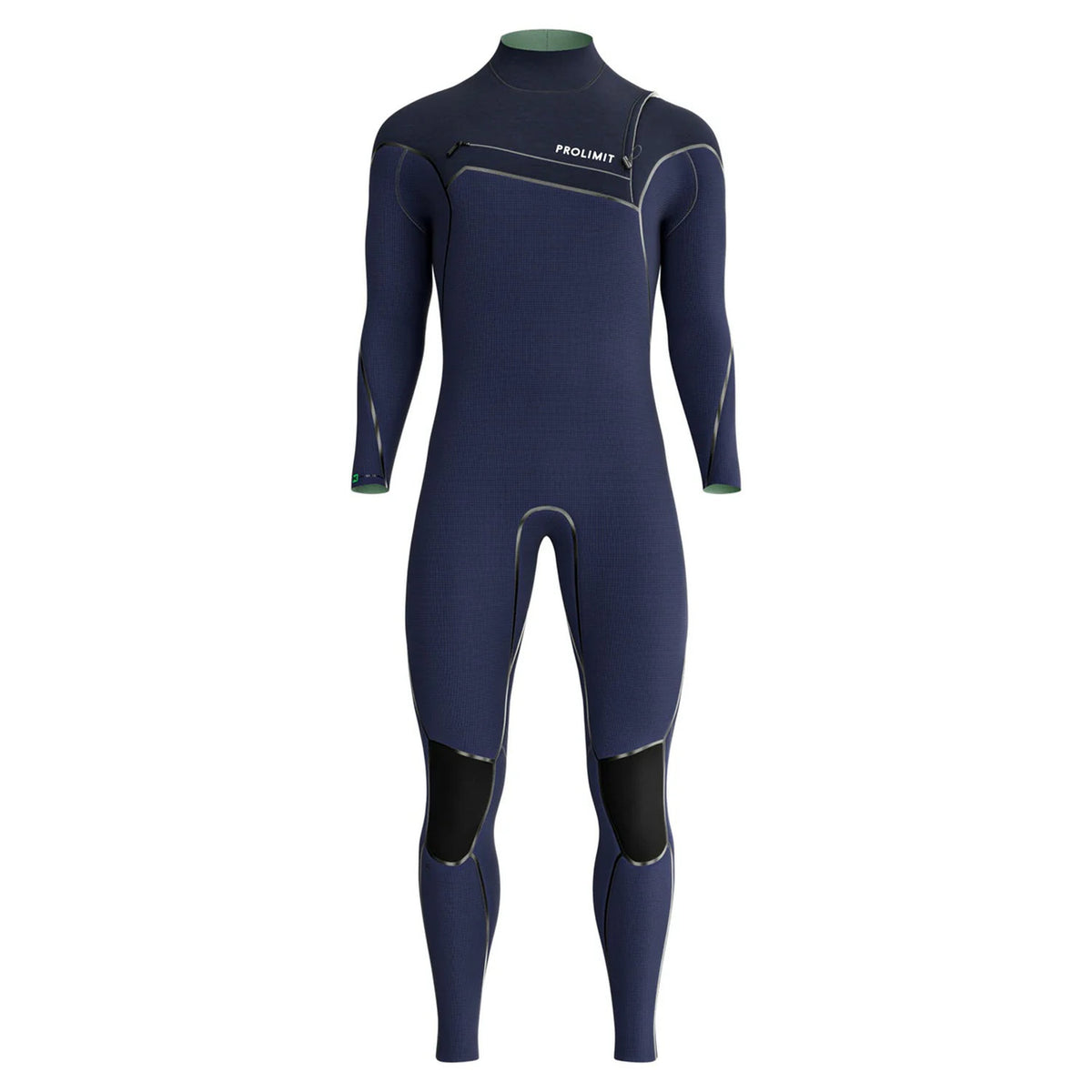
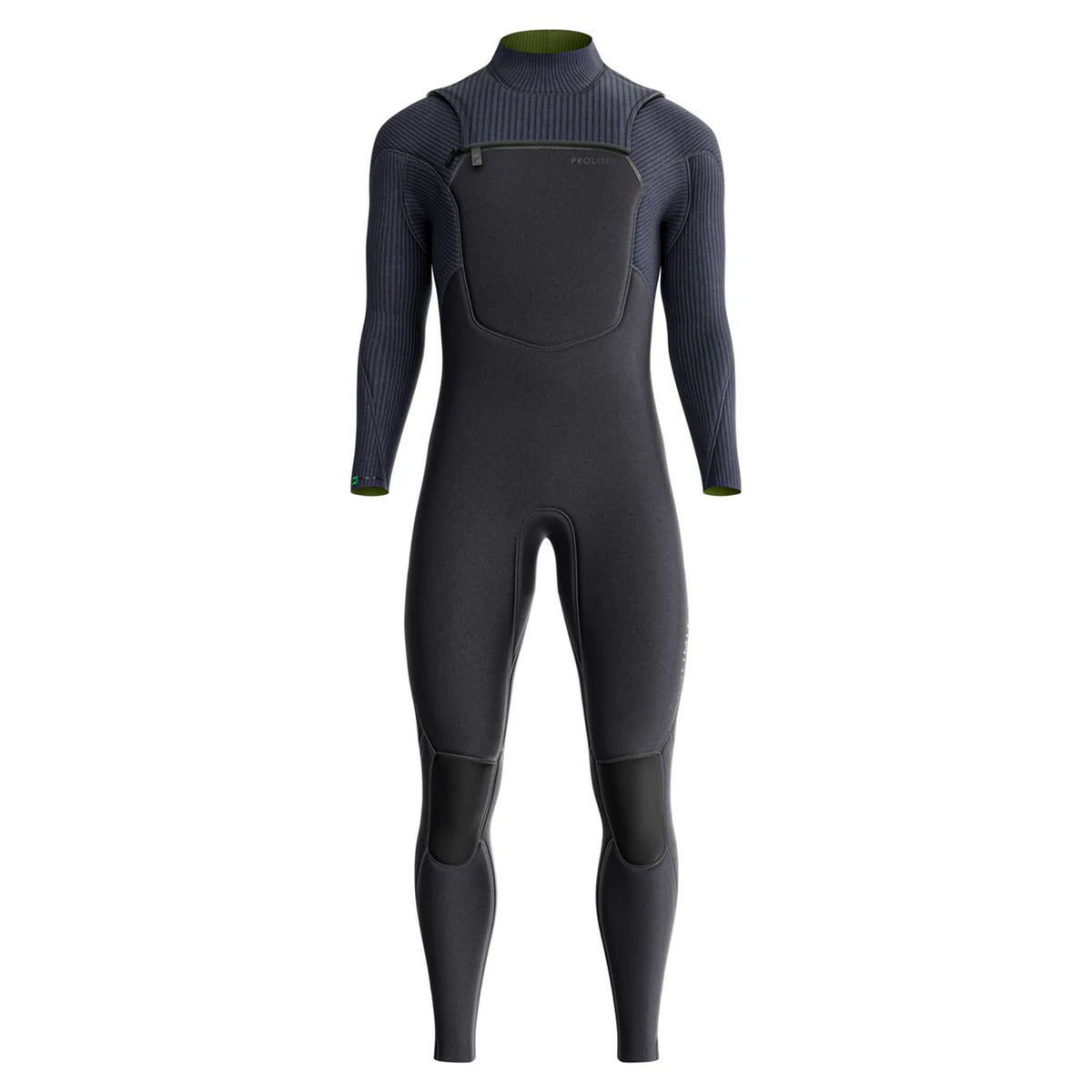
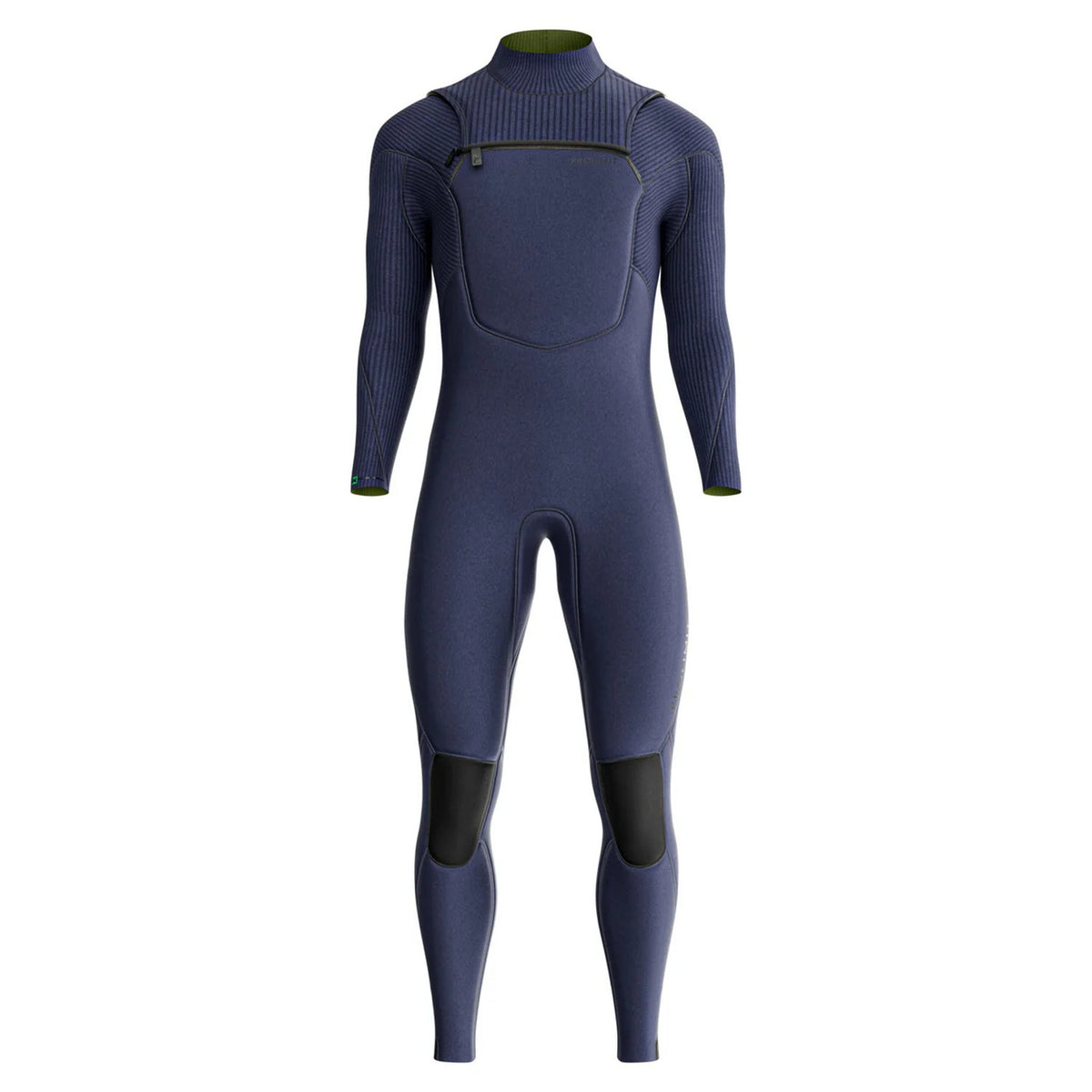
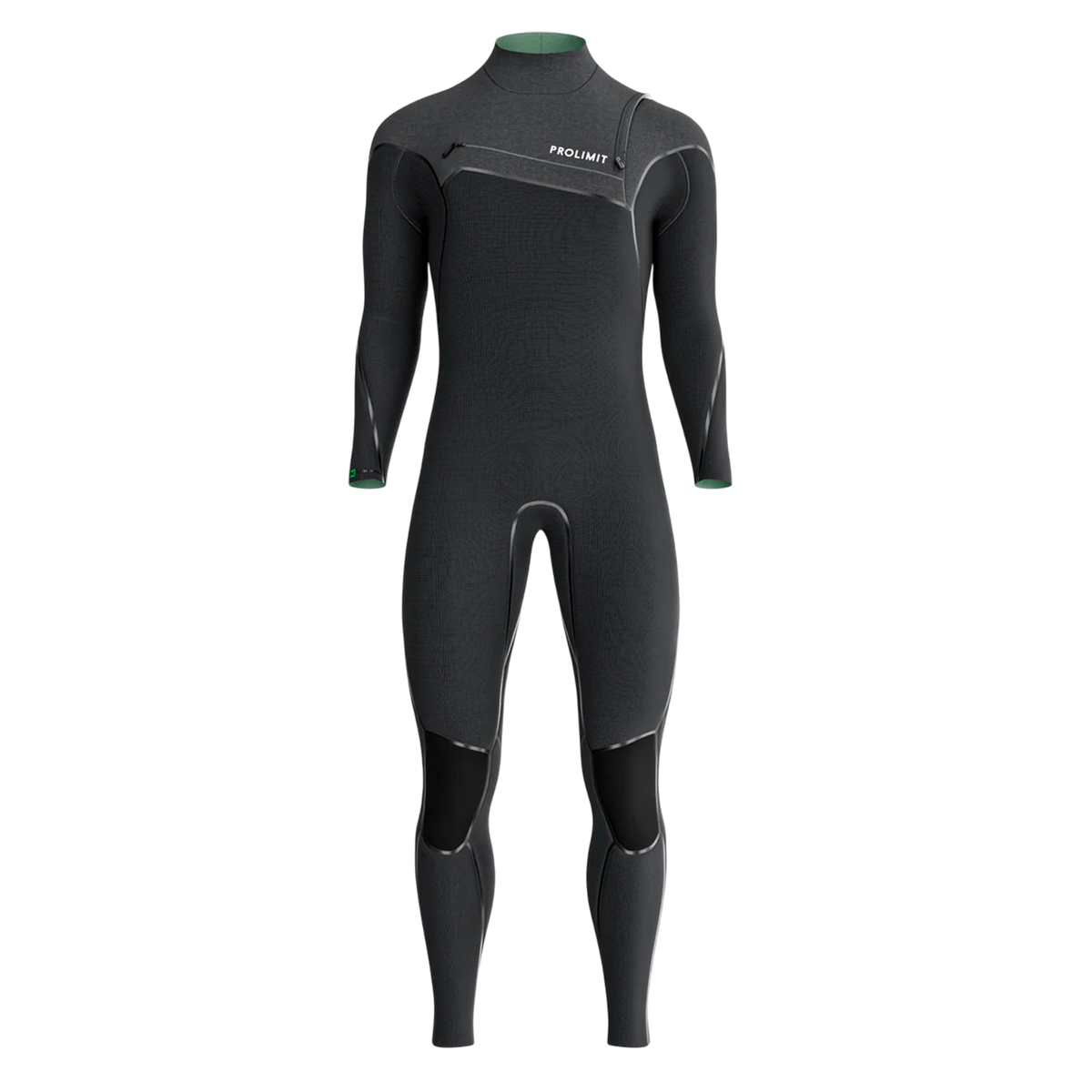
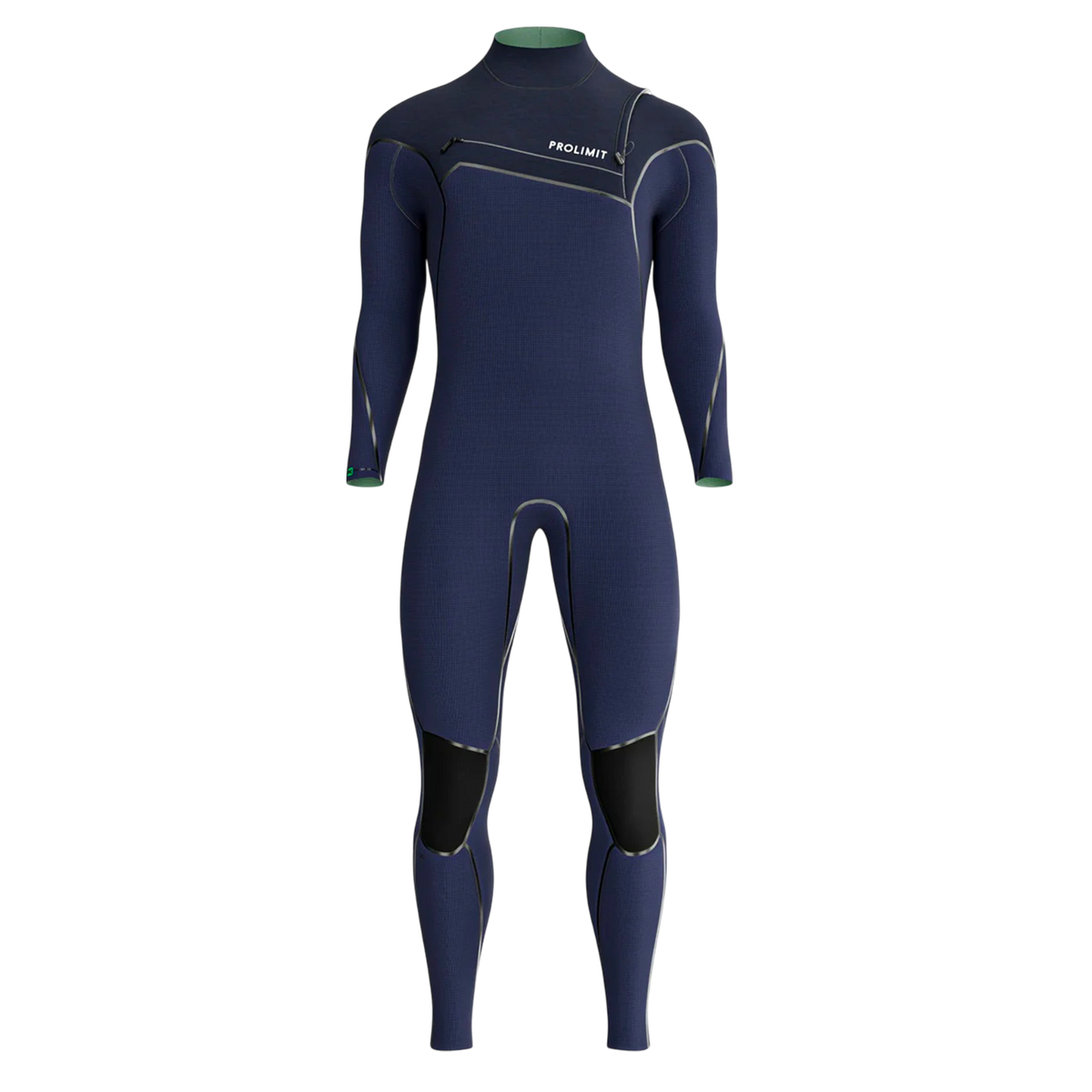
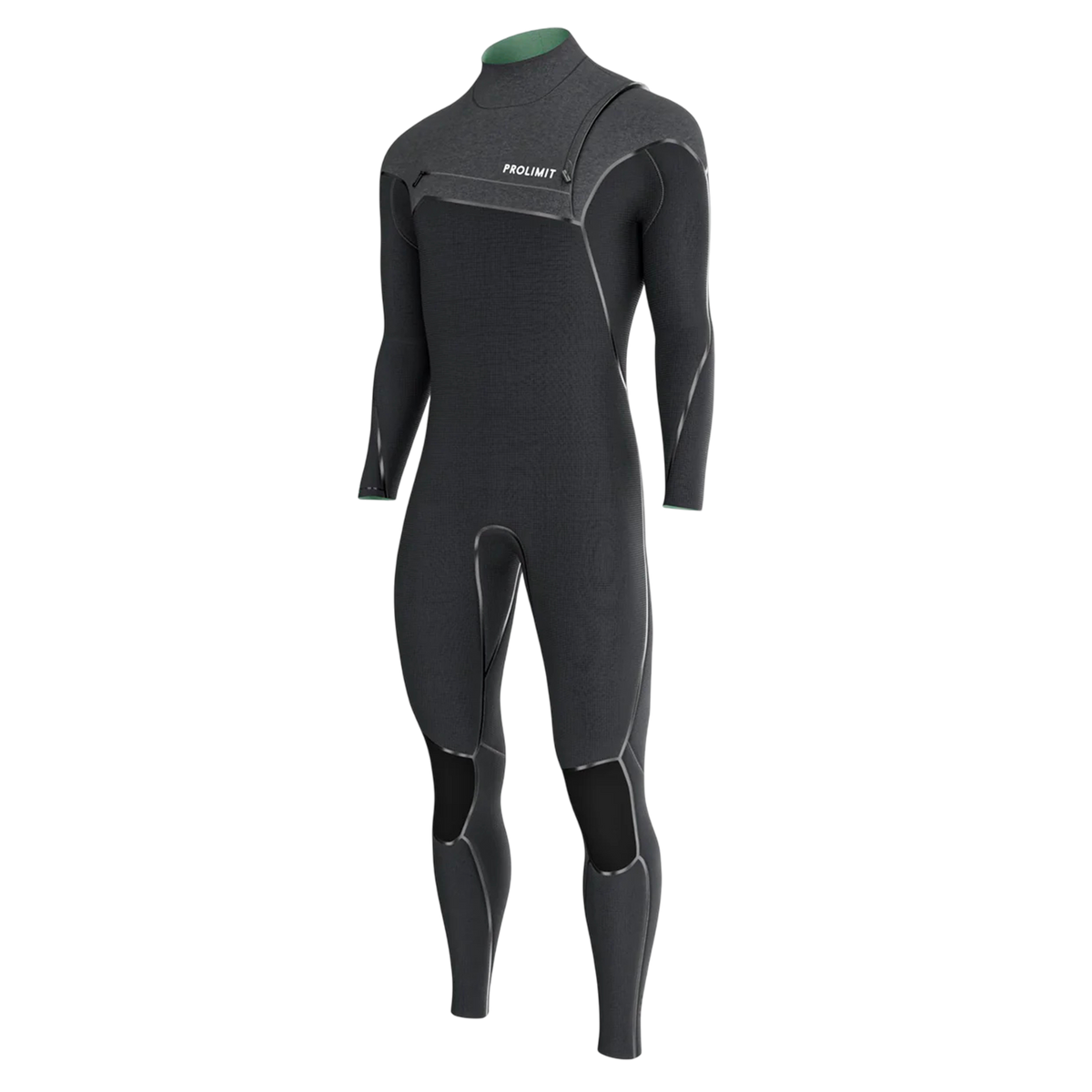
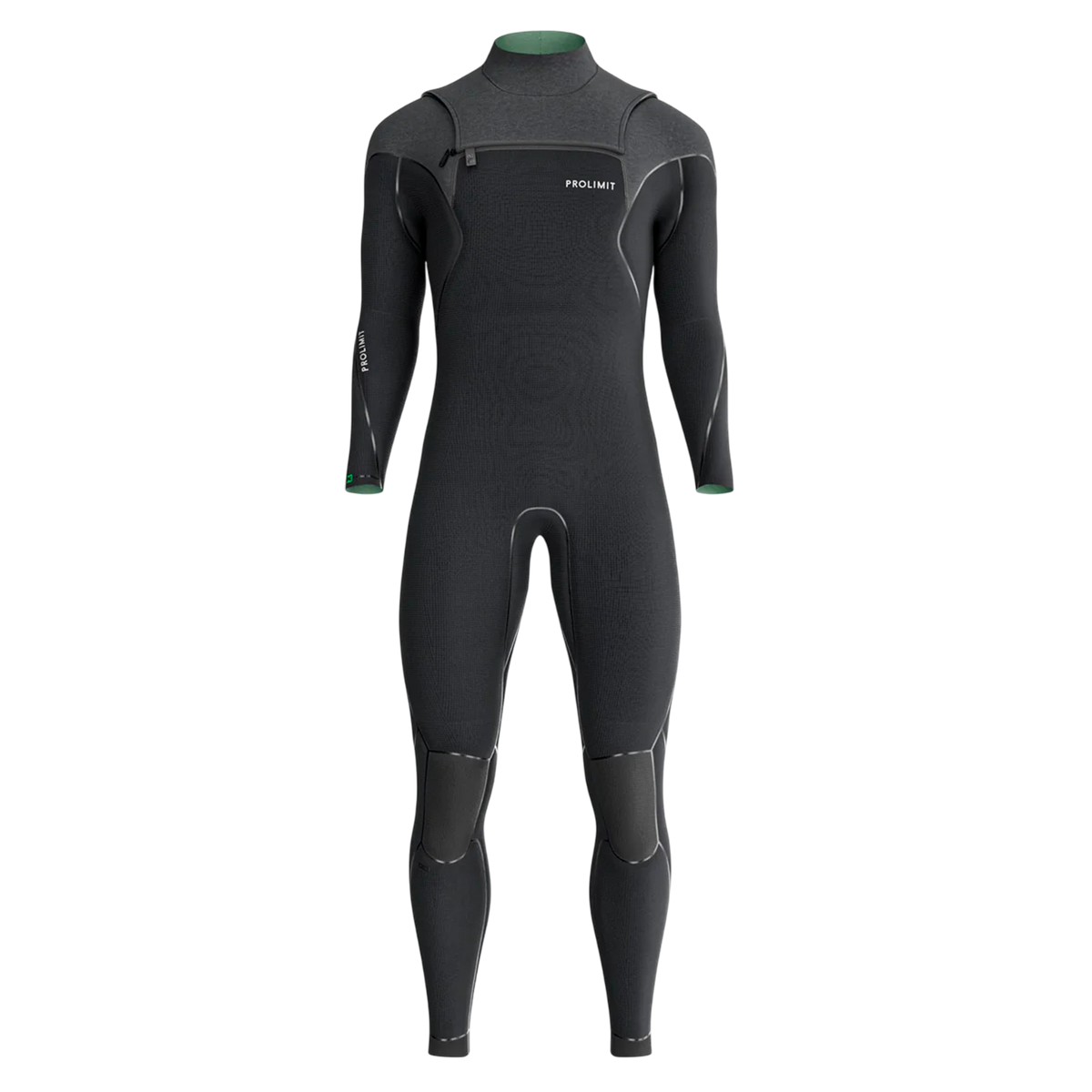
Spend sessions without shivering, or overheating, with our tips for choosing the thickness of your wetsuit!
Like the insulation of the walls of a house, the fabric of wetsuits comes in different thicknesses. Their function is identical, to keep the heat inside when it is cold outside. A thicker wetsuit will retain your body heat better, especially the thin layer of water that infiltrates and heats up between the wetsuit and your skin. But be careful, overheating can also affect you if you choose an inadequate thickness for your wetsuit.
The thickness of a wetsuit is measured in mm and is generally not uniform over the whole body. It is common to have a millimeter more on the upper body than on the arms and legs which are more mobile and less sensitive to the cold. We therefore observe measurements such as 5/4, 4/3 or 3/2
to distinguish the thicknesses on different areas of the body, the first number being therefore the thickness on the trunk and the second number that on the limbs.
A wetsuit is a compromise between flexibility and thickness. A 6/5mm wetsuit will be very effective in extremely cold conditions (below 8°) but very penalizing in terms of flexibility. This is why we rarely choose a wetsuit thicker than 5/4
, even if sensitive to cold. Some prefer to favor flexibility by choosing a 4/3 because they tolerate winter conditions very well or do short sessions. However, we advise you not to deviate from the reference ranges of use because your wetsuit is also an accessory that ensures your safety in the water.
A choice based on the duration of your sessions
The principle is simple: the longer we stay in the water, the more our body struggles to warm up as the session progresses. The less time you stay in the water, the lighter you can ride. A two-minute dive is easily done in a swimsuit in cold water, but to stay there for 2 hours you will have to invest in the recommended wetsuit for this water temperature. On the other hand, getting a thicker than recommended wetsuit is useless. You’d be dying of heat and feel super heavy, for nothing. It’s like wearing a jacket at home…
A person who does short sessions (1 hour or less) can ride light by taking a wetsuit 1mm thinner than that recommended for its normal range of use.
Beware of the air temperature
You can get cold even in hot water. The cool wind that freezes your neck and shoulders while the water is hot can put an end to your session. So a wetsuit is also chosen according to the temperature felt out of the water.