Your cart is empty!
It's flat around here...
Riding comfortably with a lowkite in very light wind requires suitable equipment, just as it does in wing foiling. With the right gear, light wind can actually become a lot of fun, without requiring a major physical and technical effort every time you take off.
On the water every day, Patrice Guénolé, GONG boss and shaper, naturally spends a large part of the year riding in particularly light conditions. He therefore has plenty of experience on the subject. Asked on social media, he shared a few useful reference points and tips about the limits:
“12/15 knots when you’re starting out.
10/12 knots at expert level.
In both cases, you can get through lulls at 8/10 knots, but not less.
Taking off in 8 knots: forget it.
12 knots is realistic with a gust 50/100 m wide. Below that, it gets tricky.
You can optimize things slightly with a carbon board, but only marginally.
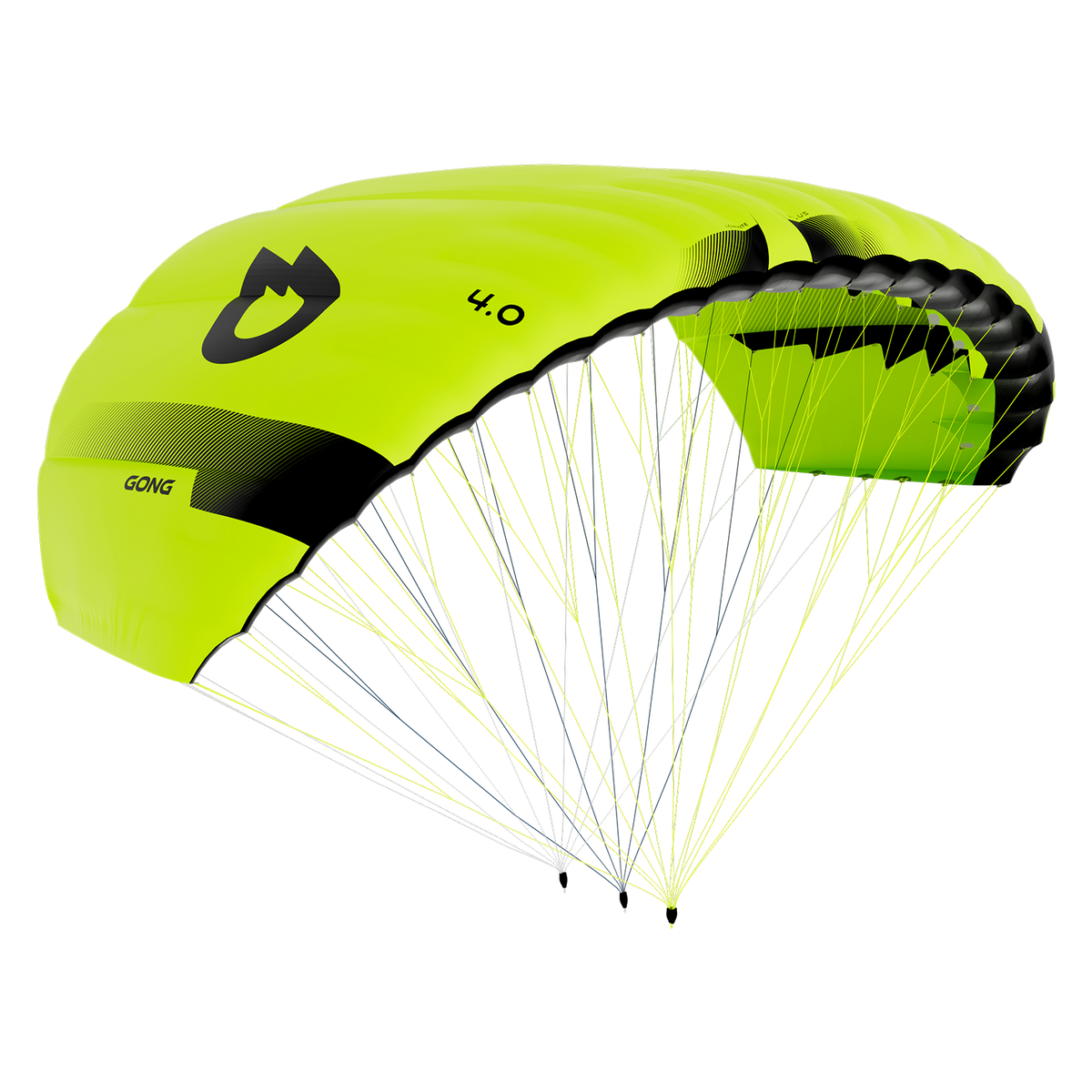
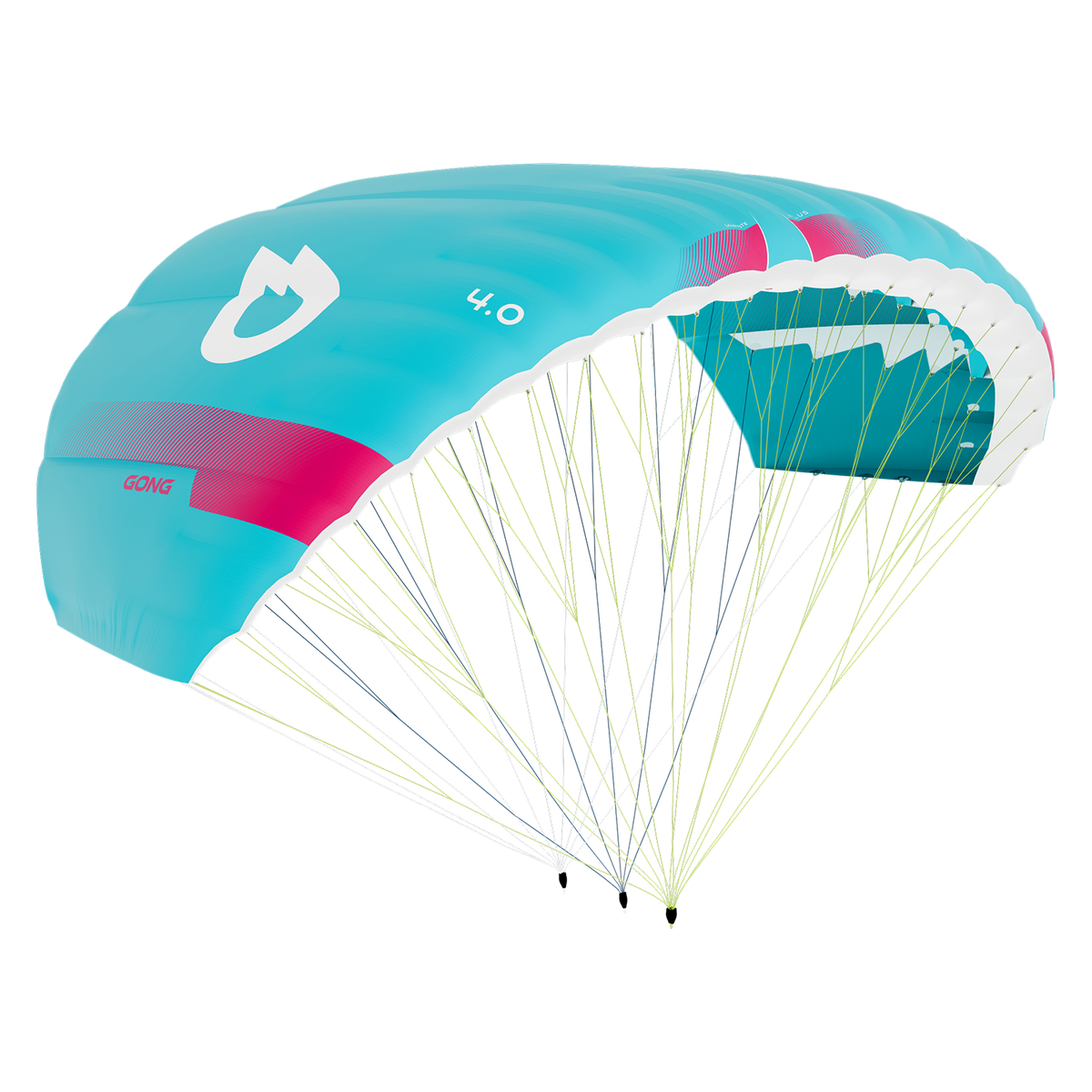
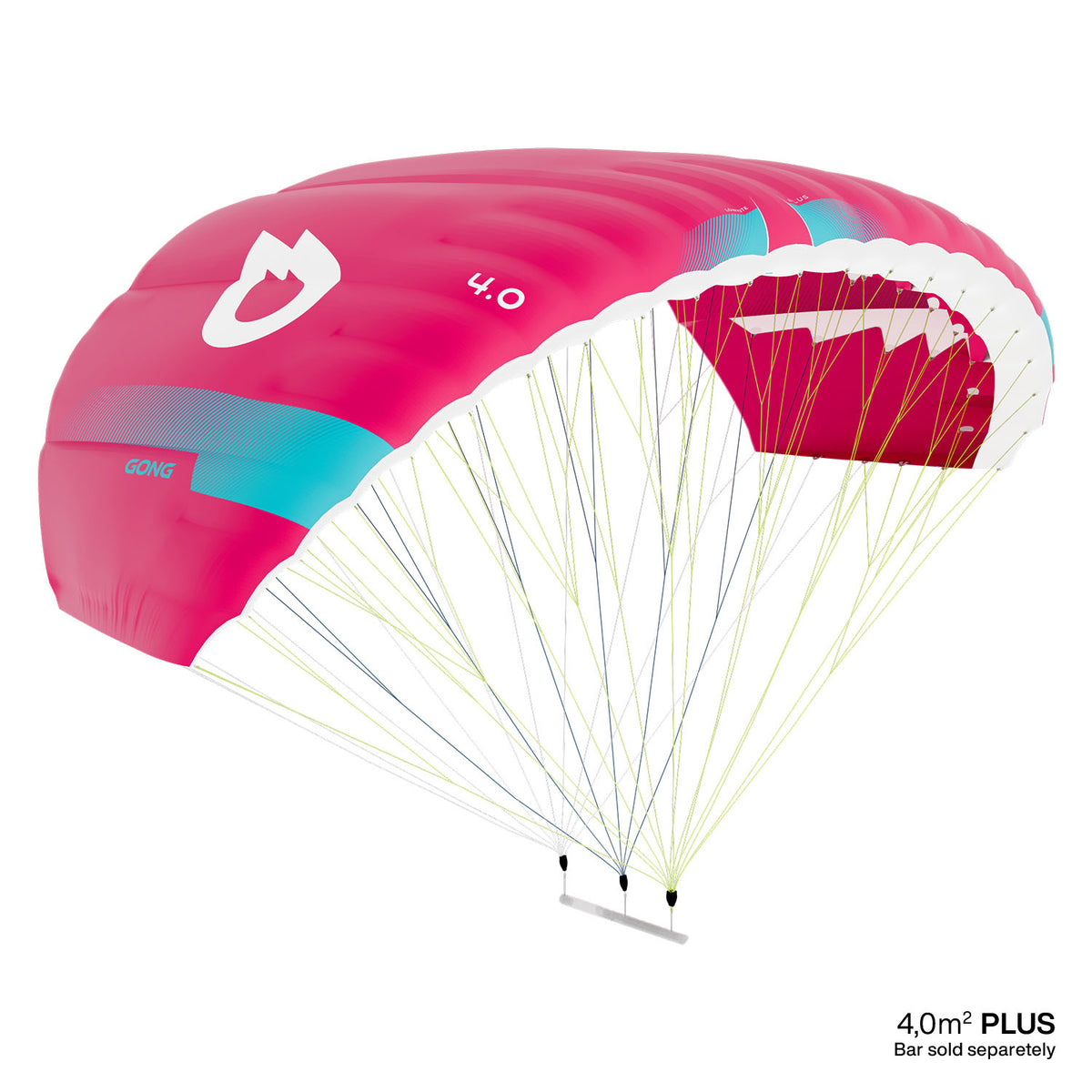
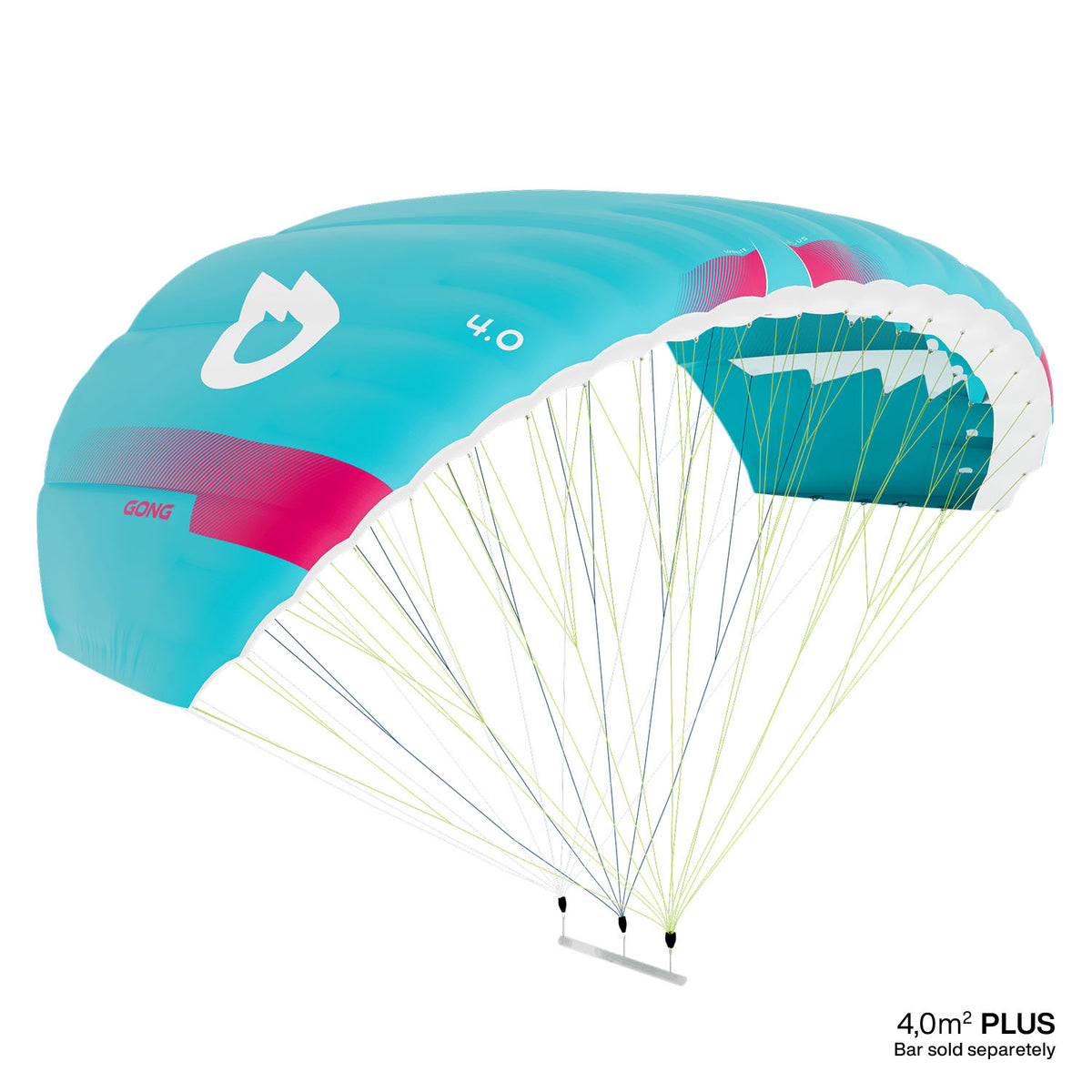
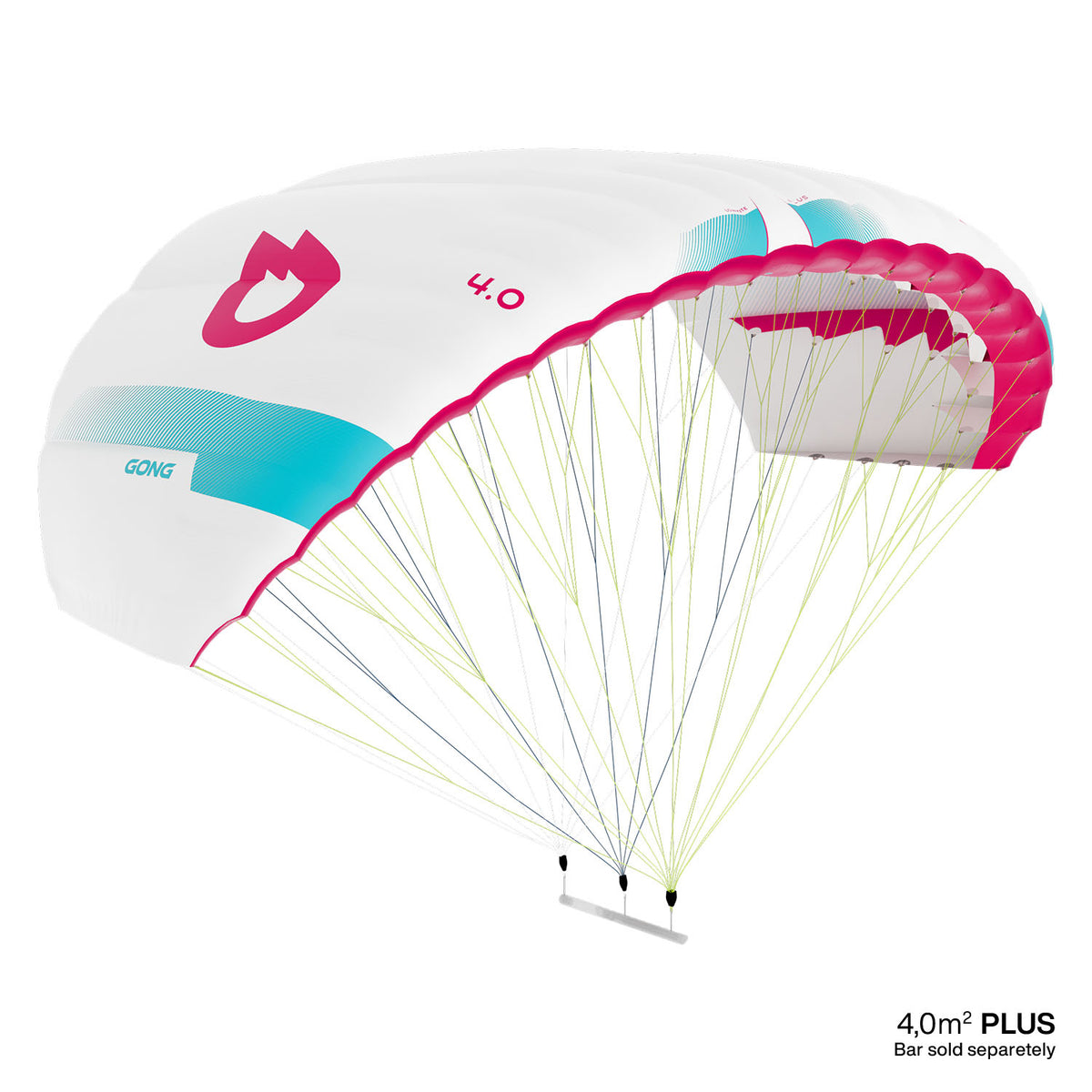
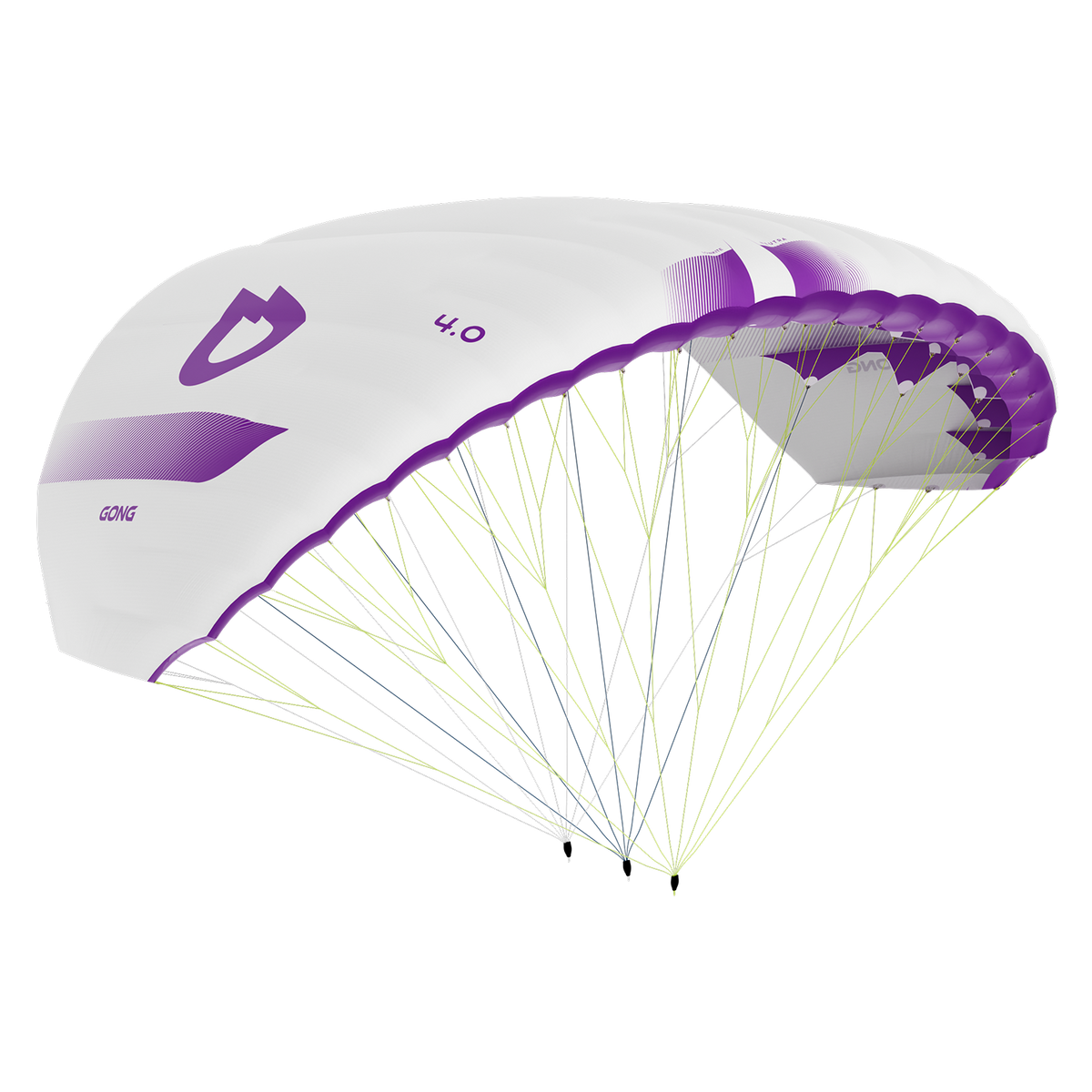
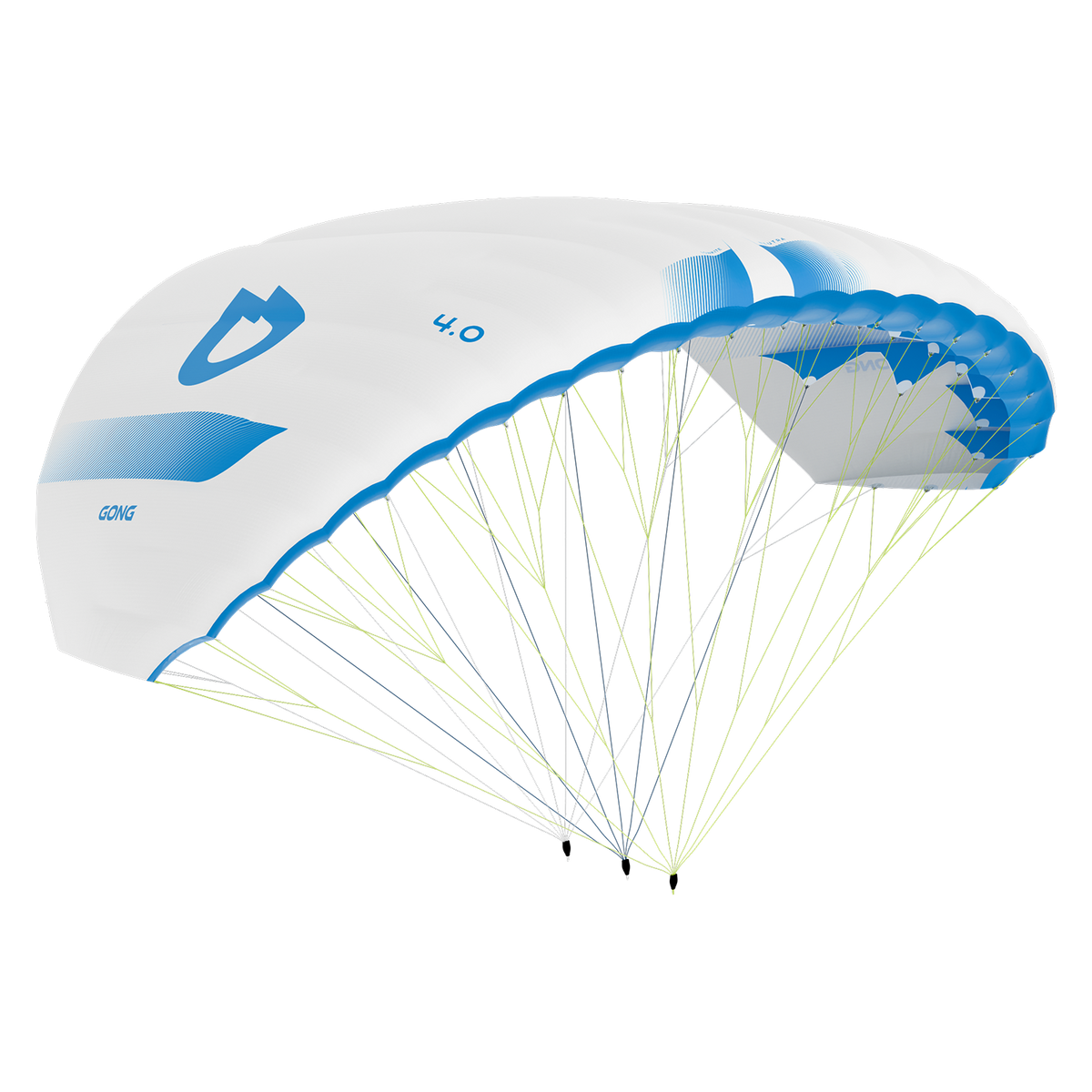
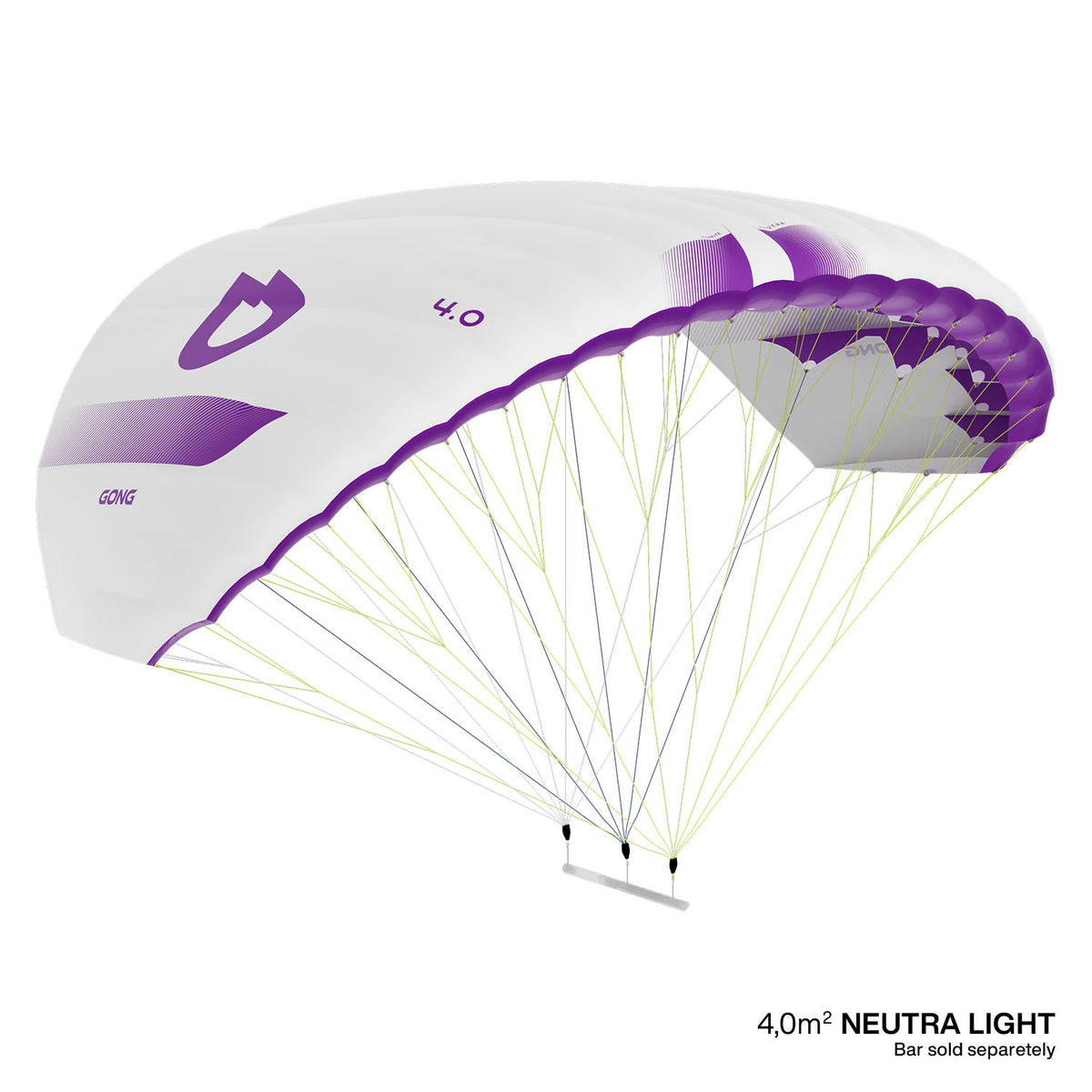
The Neutra Light will be the easiest to keep flying in 8 knots.
Use a large bar because your take-off issue will be multiplied by the number of maneuvers you miss. Prioritize maneuverability. It’s incredibly frustrating to take off, ride 200 m, then mess up your jibe.
Prioritize tacks and handle-pass jibes.
Never kill the flight of your lowkite by shaking it around like laundry on a line. Use smooth, wide movements, perfectly timed with your foil pumping.”

Foilers: Louis, Thomas, Loic and Patrice on Plus V3 lowkites.
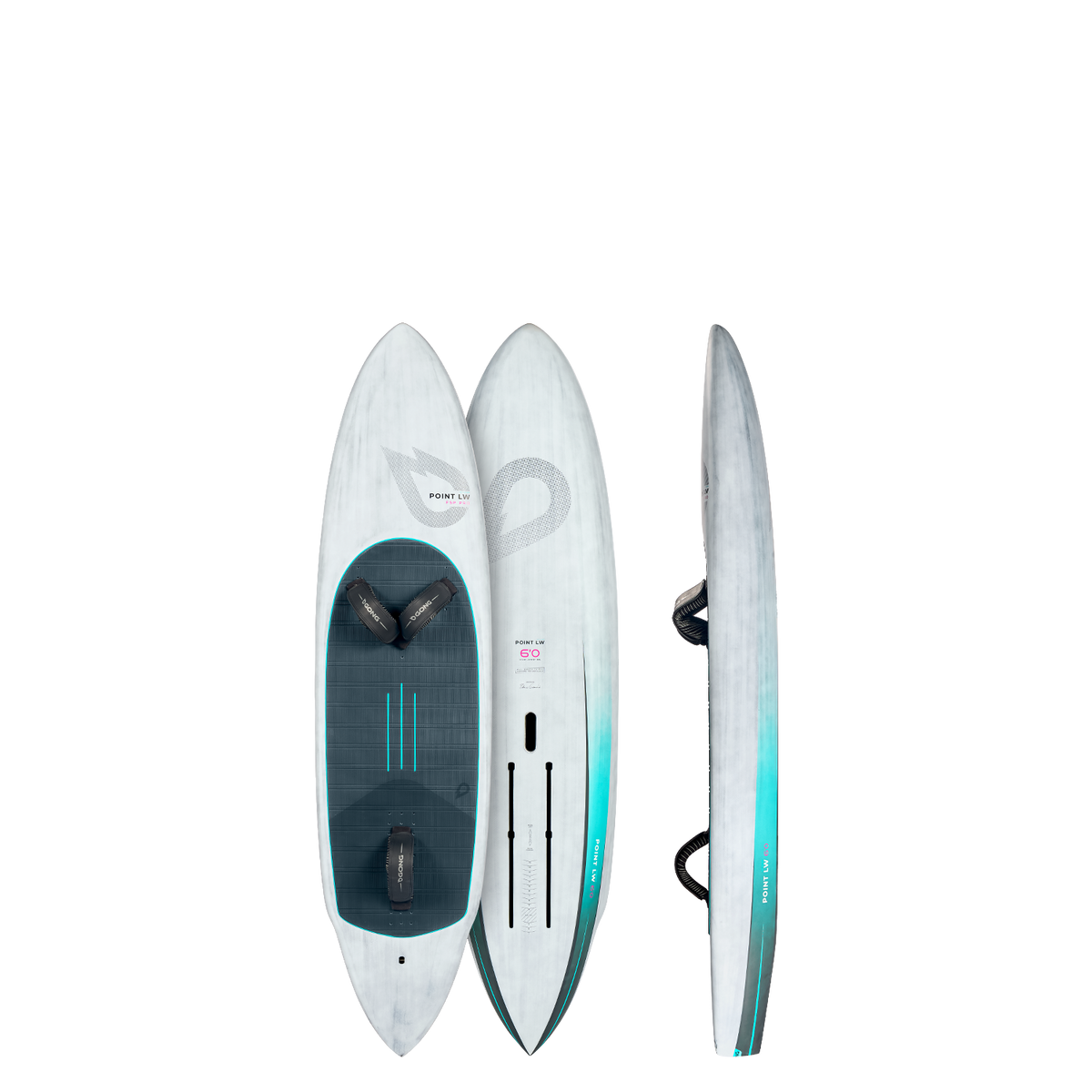
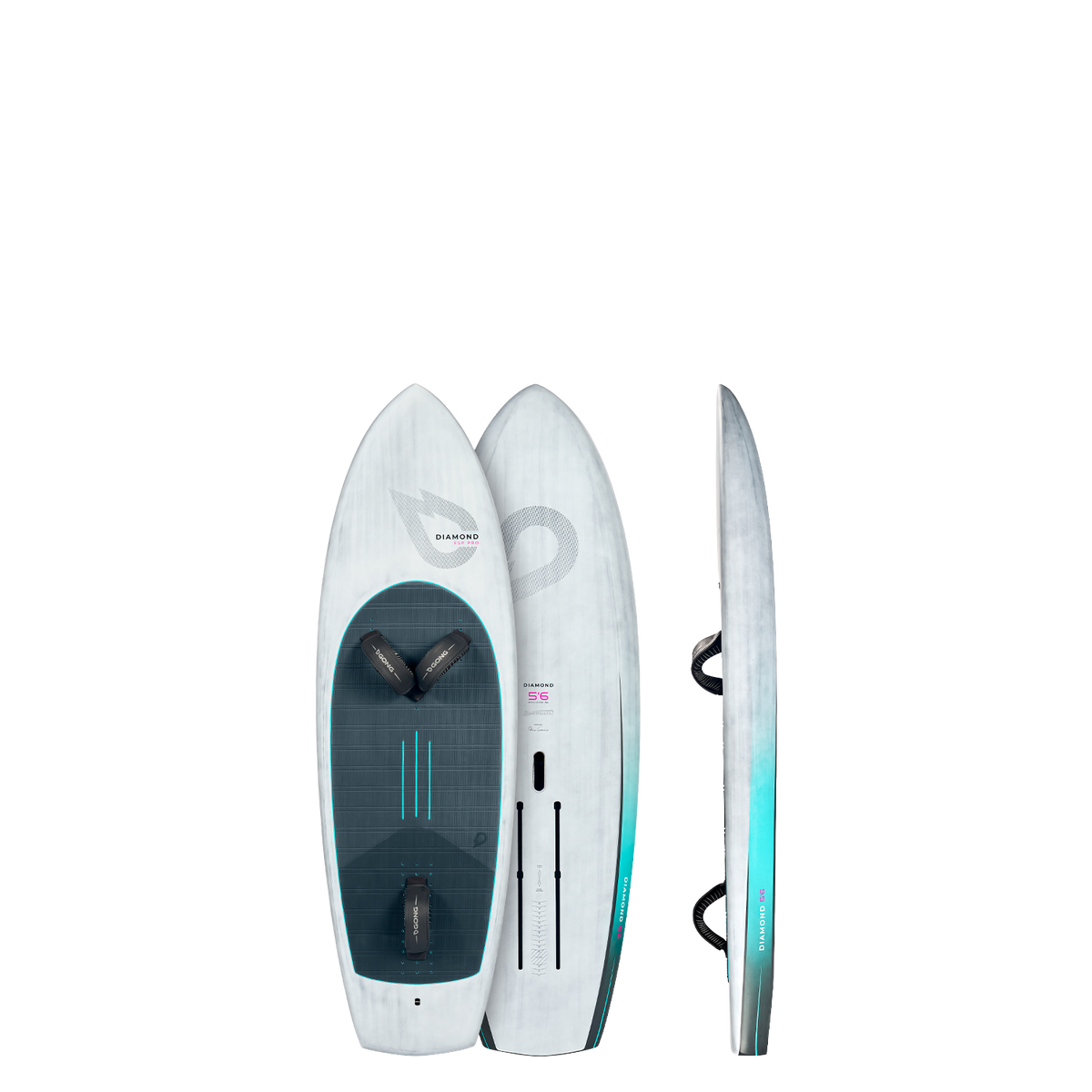
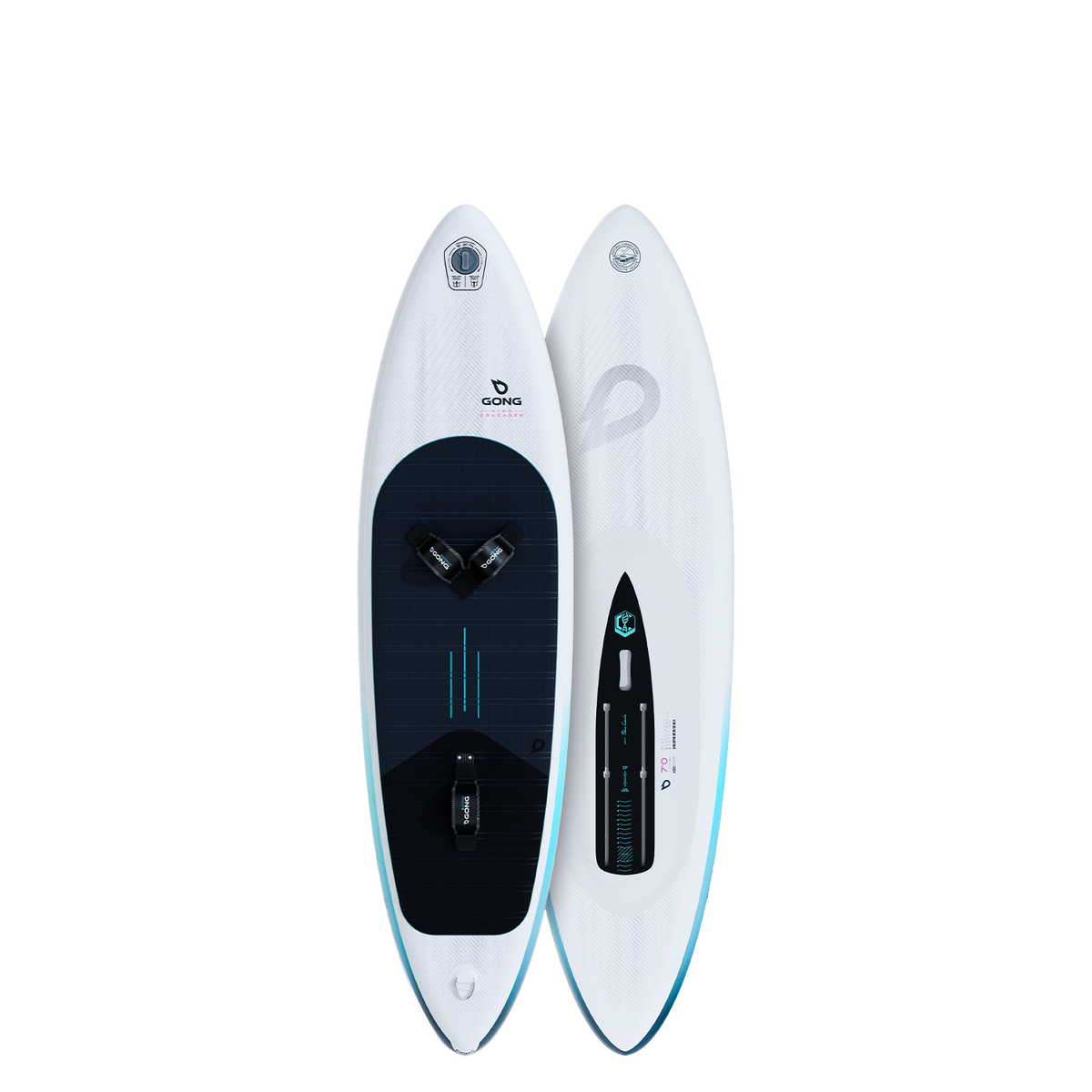
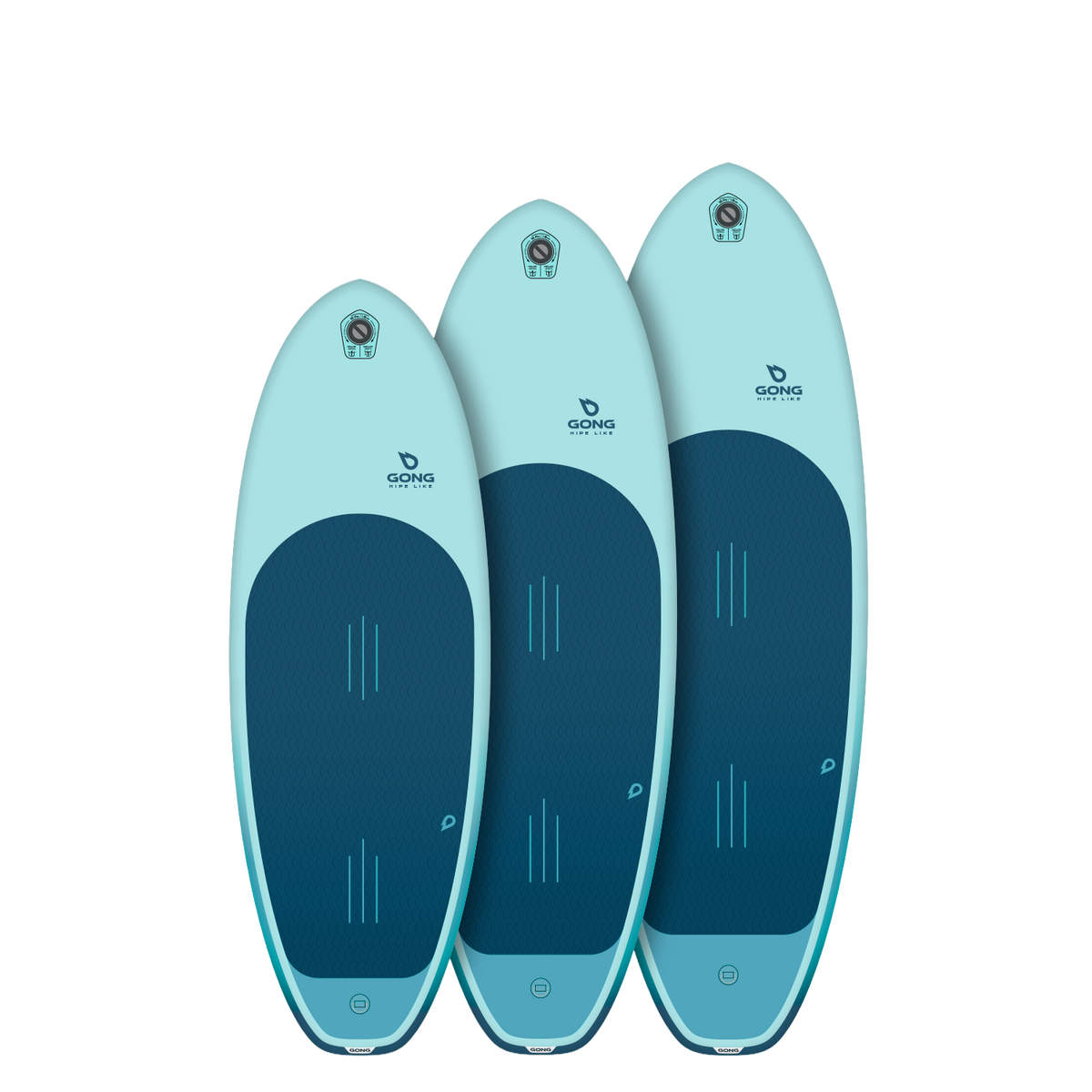
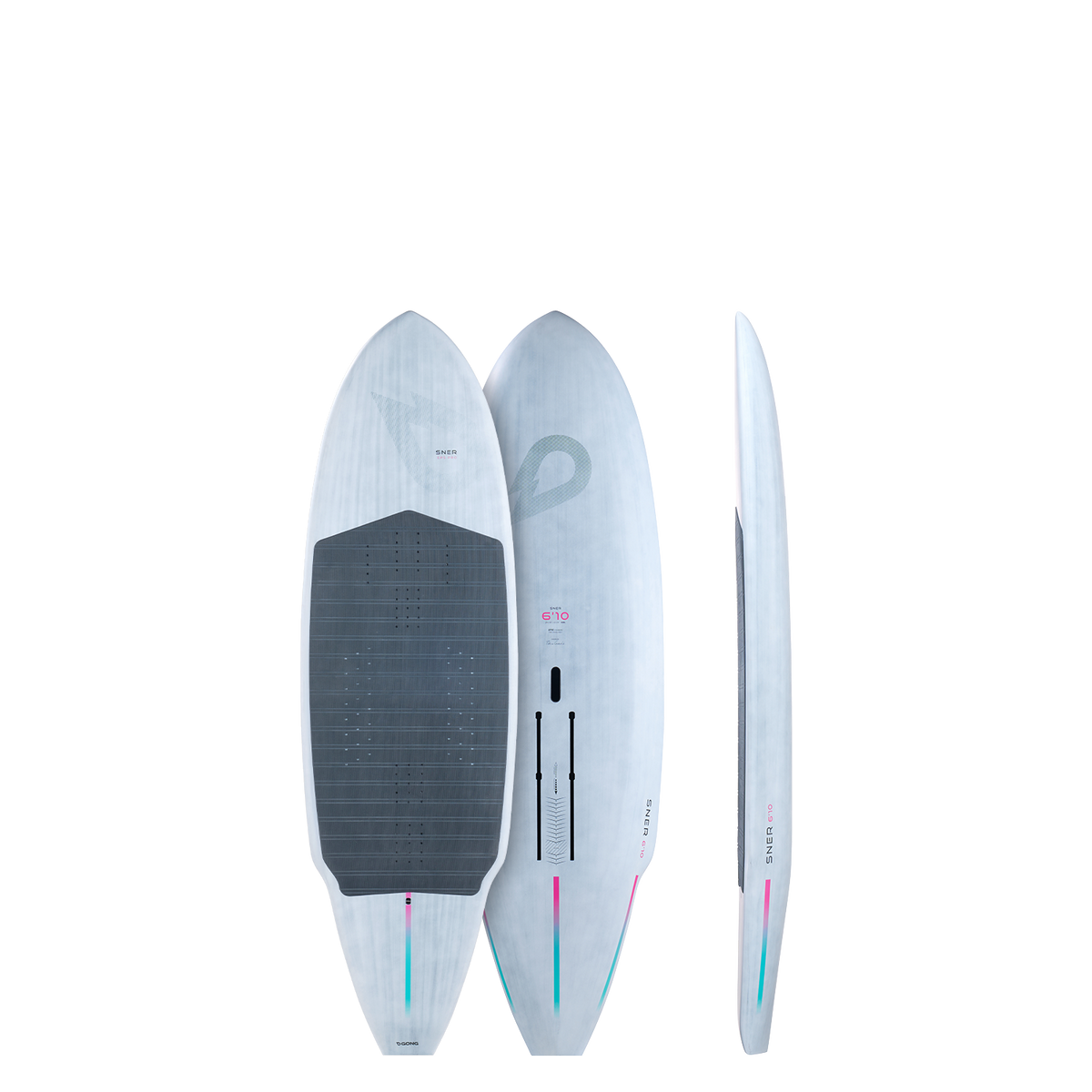
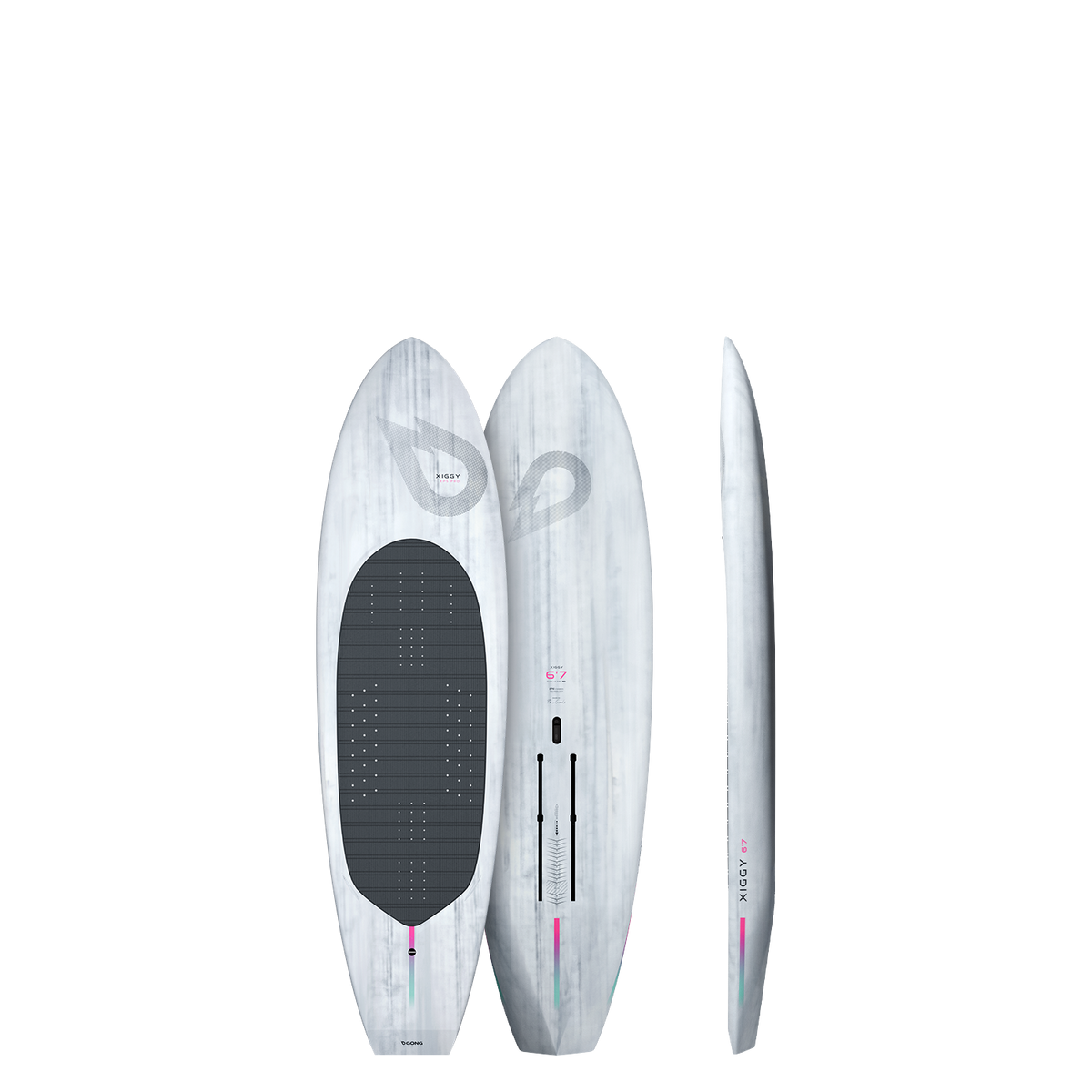
Riding comfortably in light wind requires suitable equipment:
One of the major advantages of lowkite is how little space it takes up once packed into its carry bag. It is therefore easy to bring a second kite as a backup in case the wind drops. The bag supplied with the Neutra and Neutra Light is also designed to double as a stash bag.

Discover all our equipment dedicated to lowkite.