Your cart is empty!
It's flat around here...


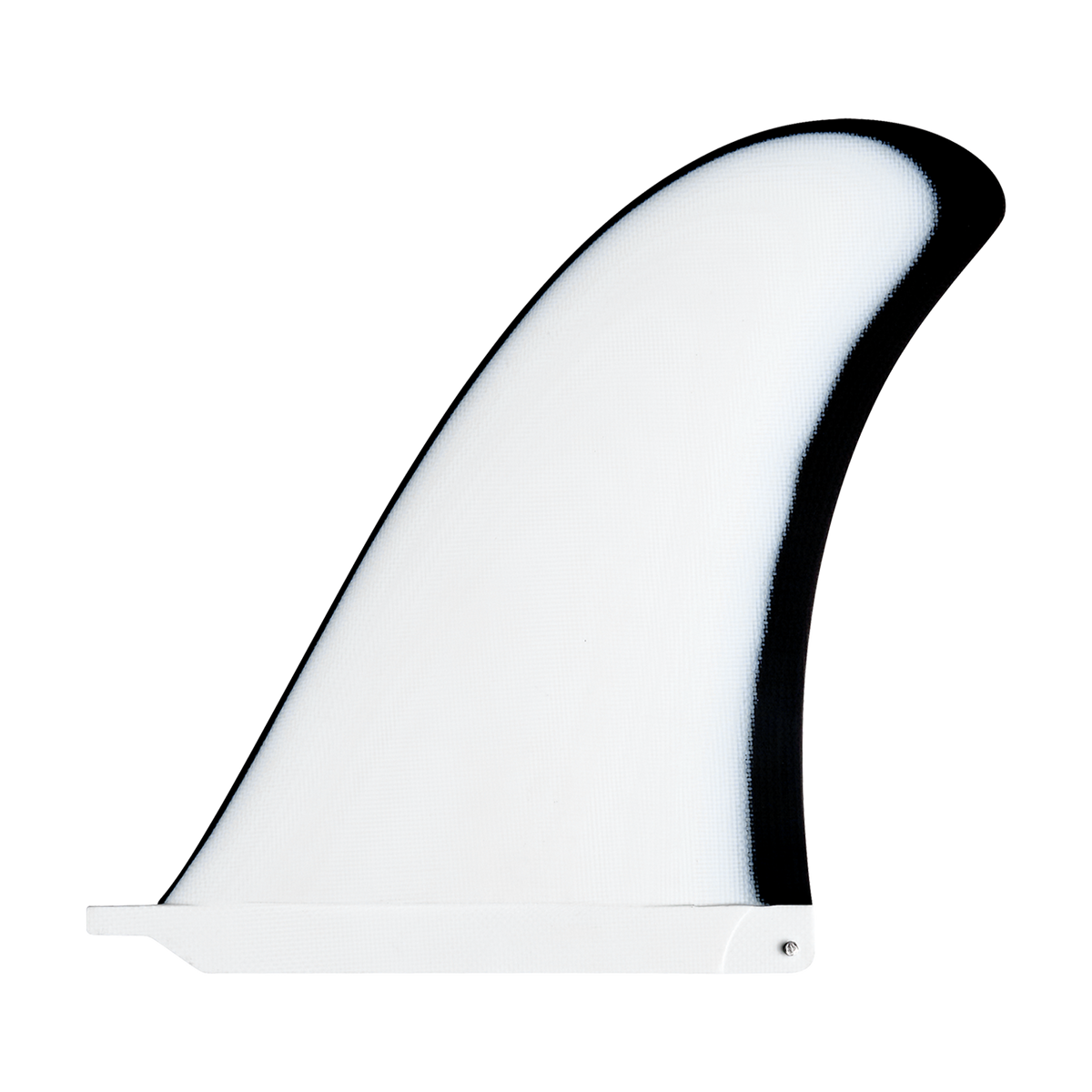
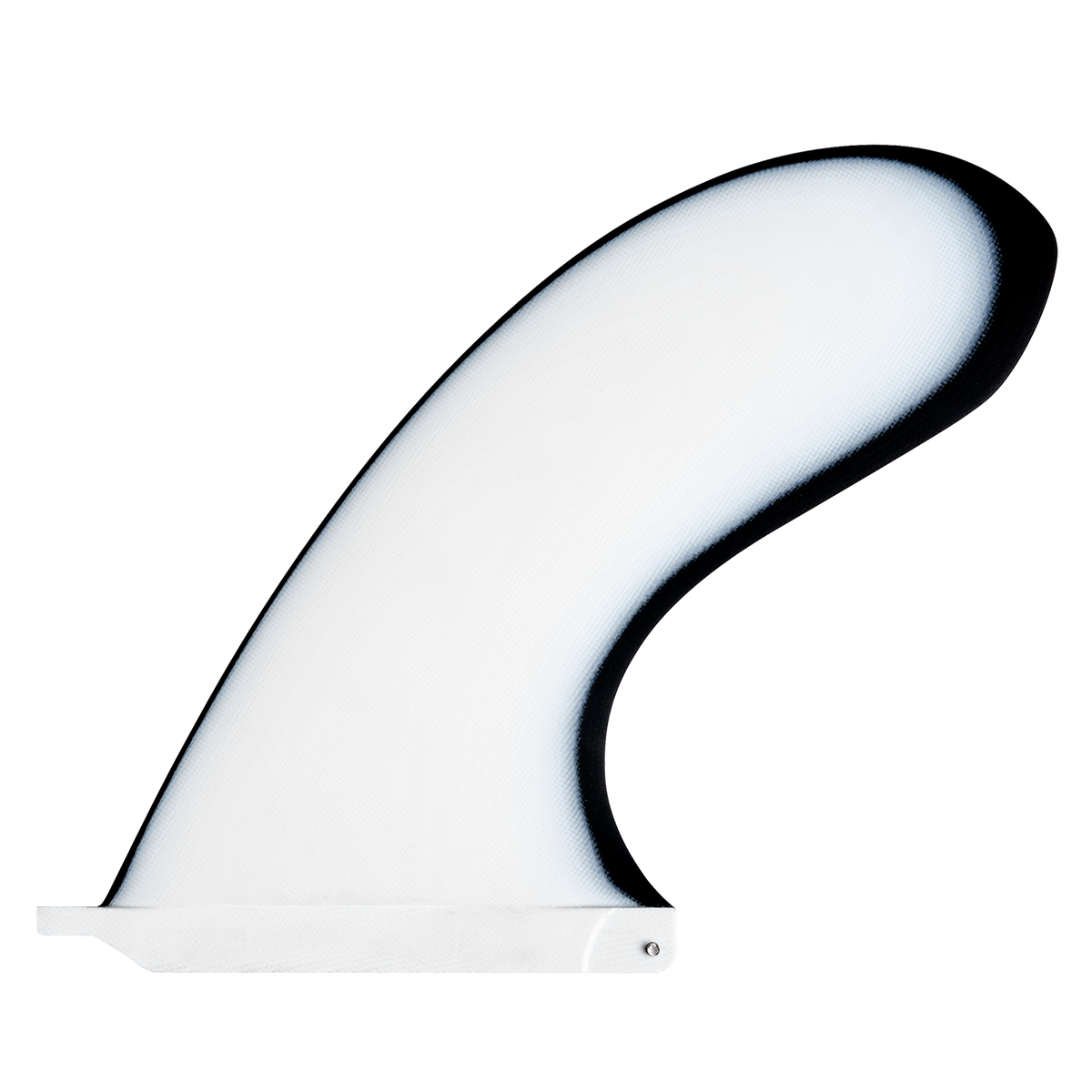
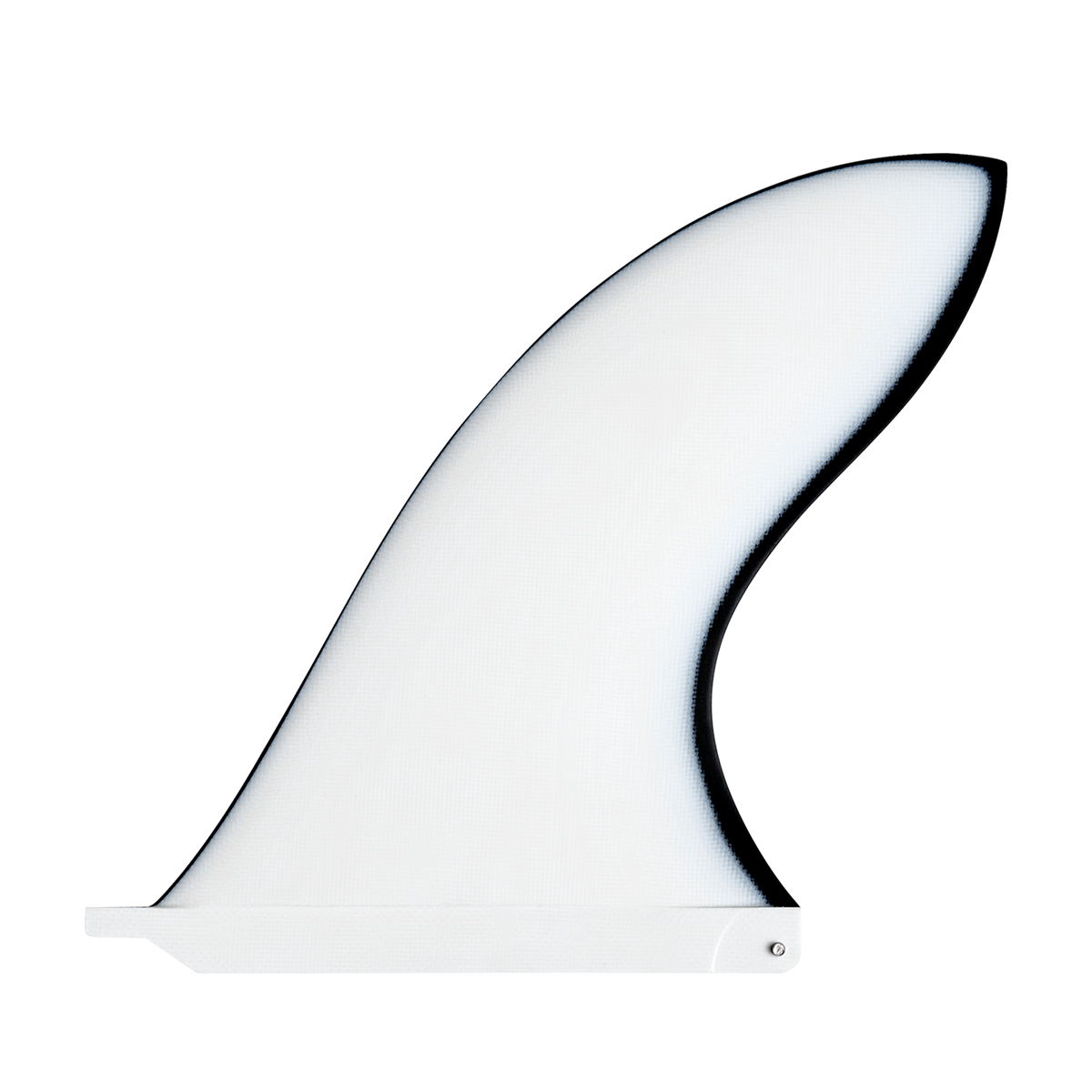
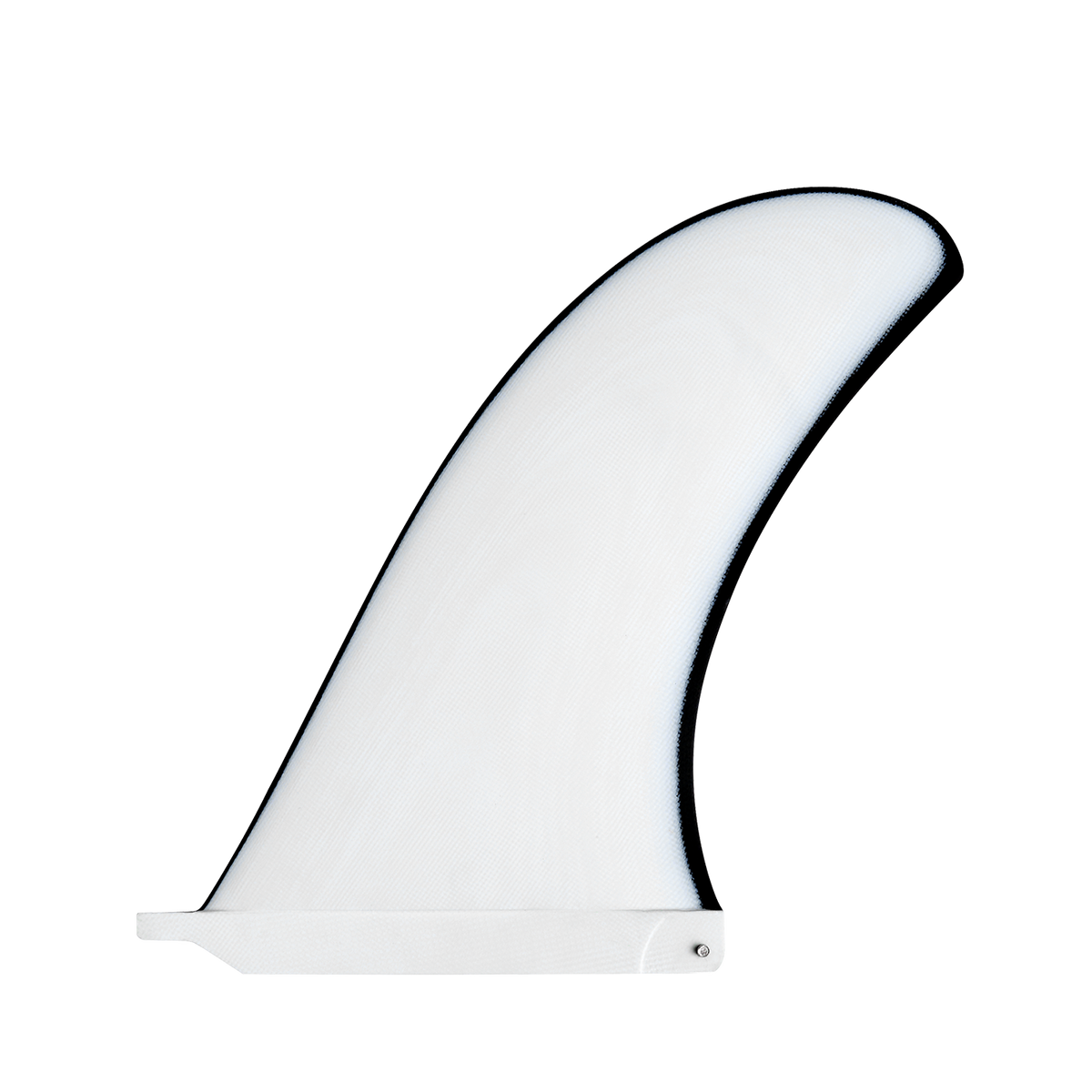
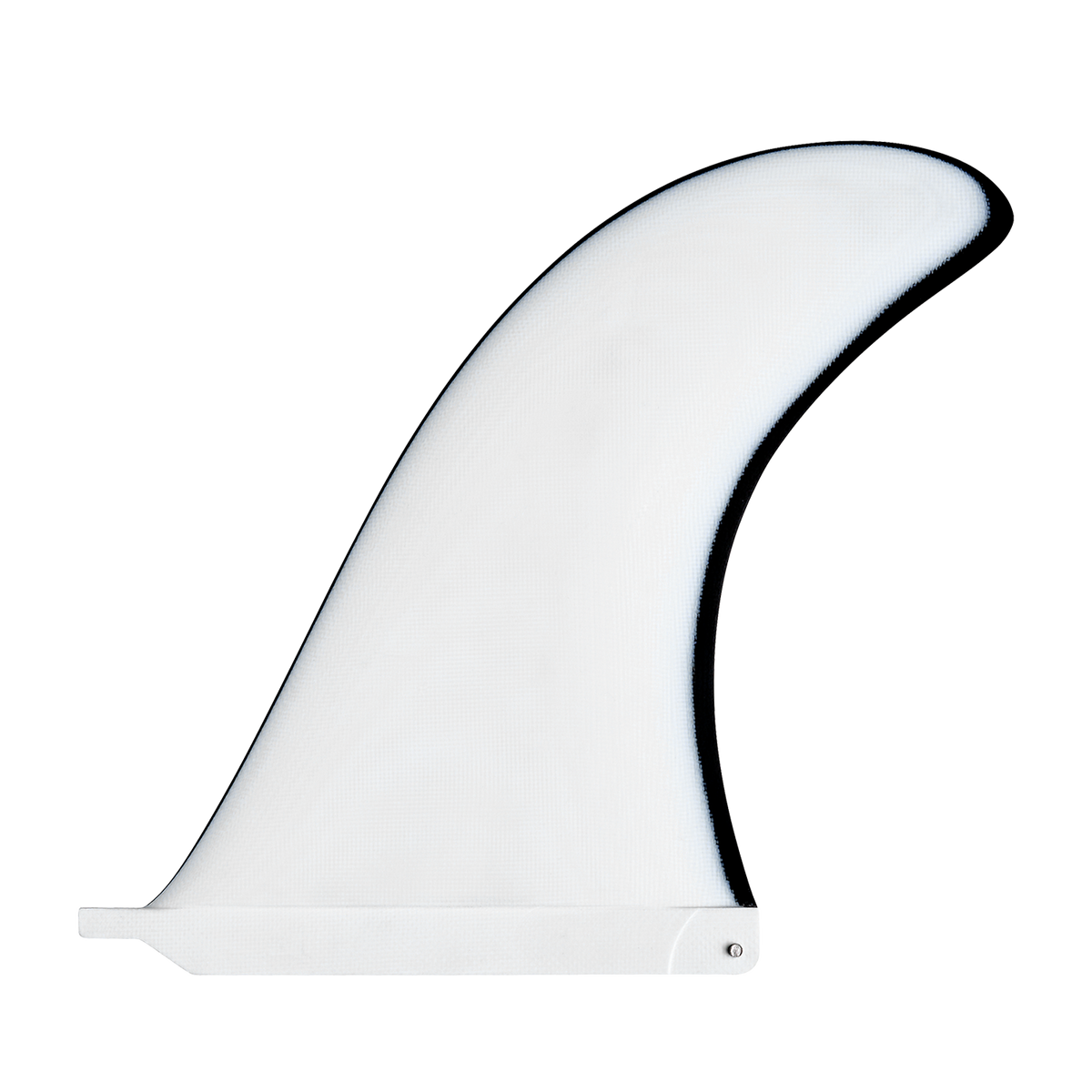
A reworked hatchet fin with added rake to bring more drive and longer lines without sacrificing noseriding.
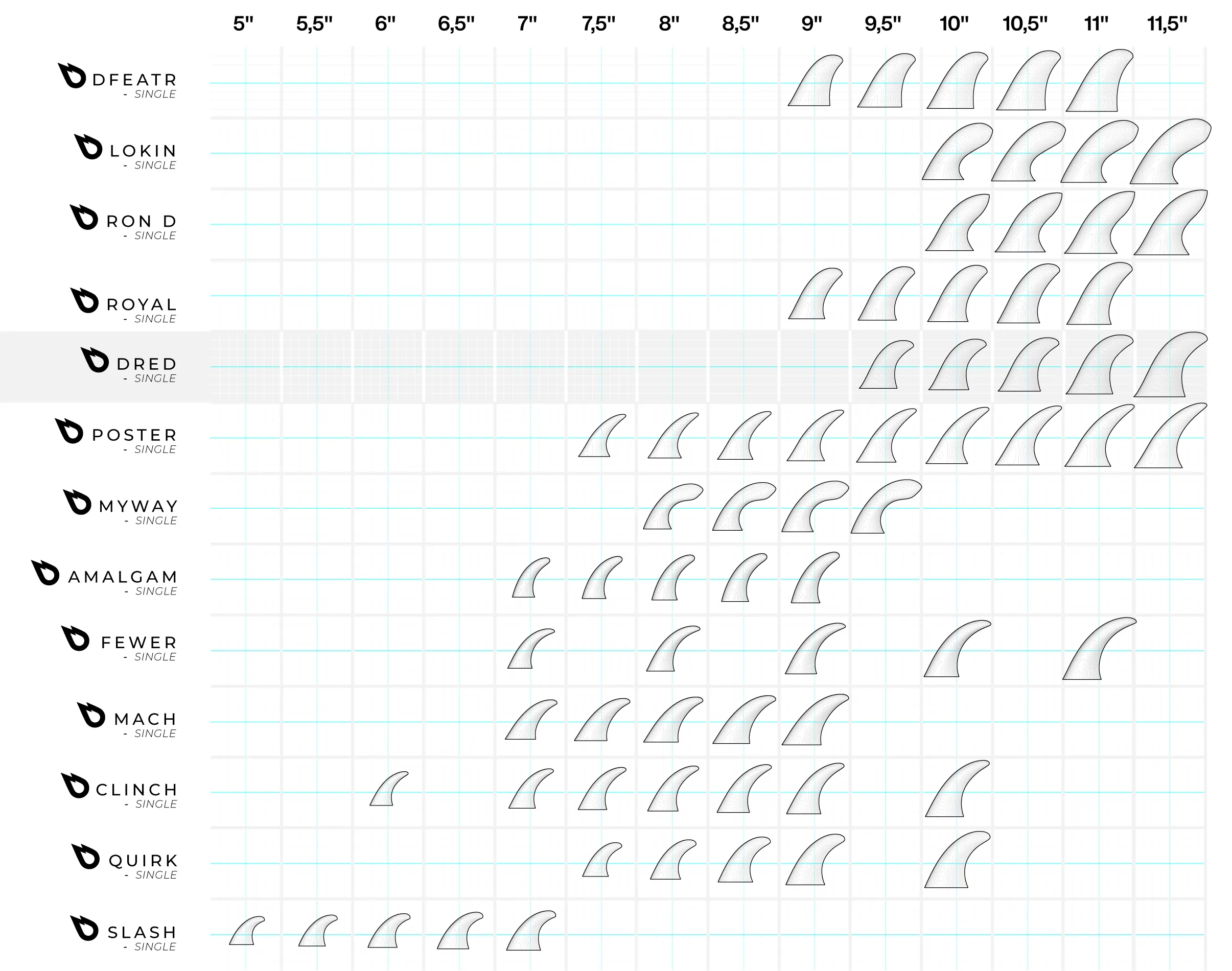
The Dred is a direct evolution of the classic hatchet fin, designed to offer a subtle balance between pivot and projection. It retains the fundamentals of traditional noseride fins: stability, generous surface area, and control, while adding a touch of rake that deeply transforms its behavior in the wave. This slight rearward sweep introduces more drive and allows for longer lines.
The Dred maintains an excellent ability to stabilize the tail and keep the board locked into the pocket, making it perfectly suited for noseriding. But it stands out through its ability to connect sections more efficiently and draw smoother turns. Where a pure pivot fin tends to slow the board down and lock it in place, the Dred keeps the board moving with more projection, resulting in a surf style that feels more alive and expressive.
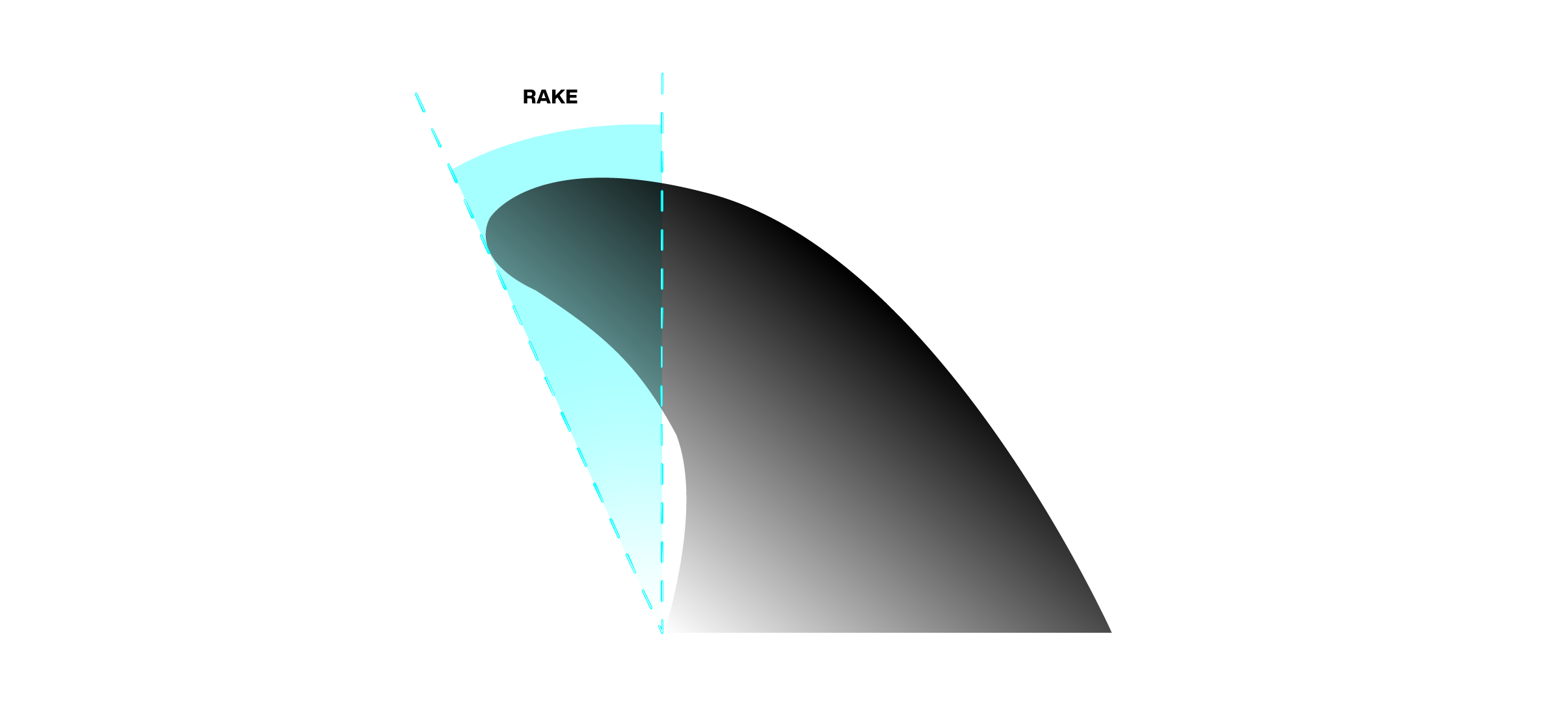
Classic hatchet-style template with moderate rake. The rake is moderate, slightly more pronounced than a traditional hatchet. It introduces drive and encourages longer lines while retaining good pivot.
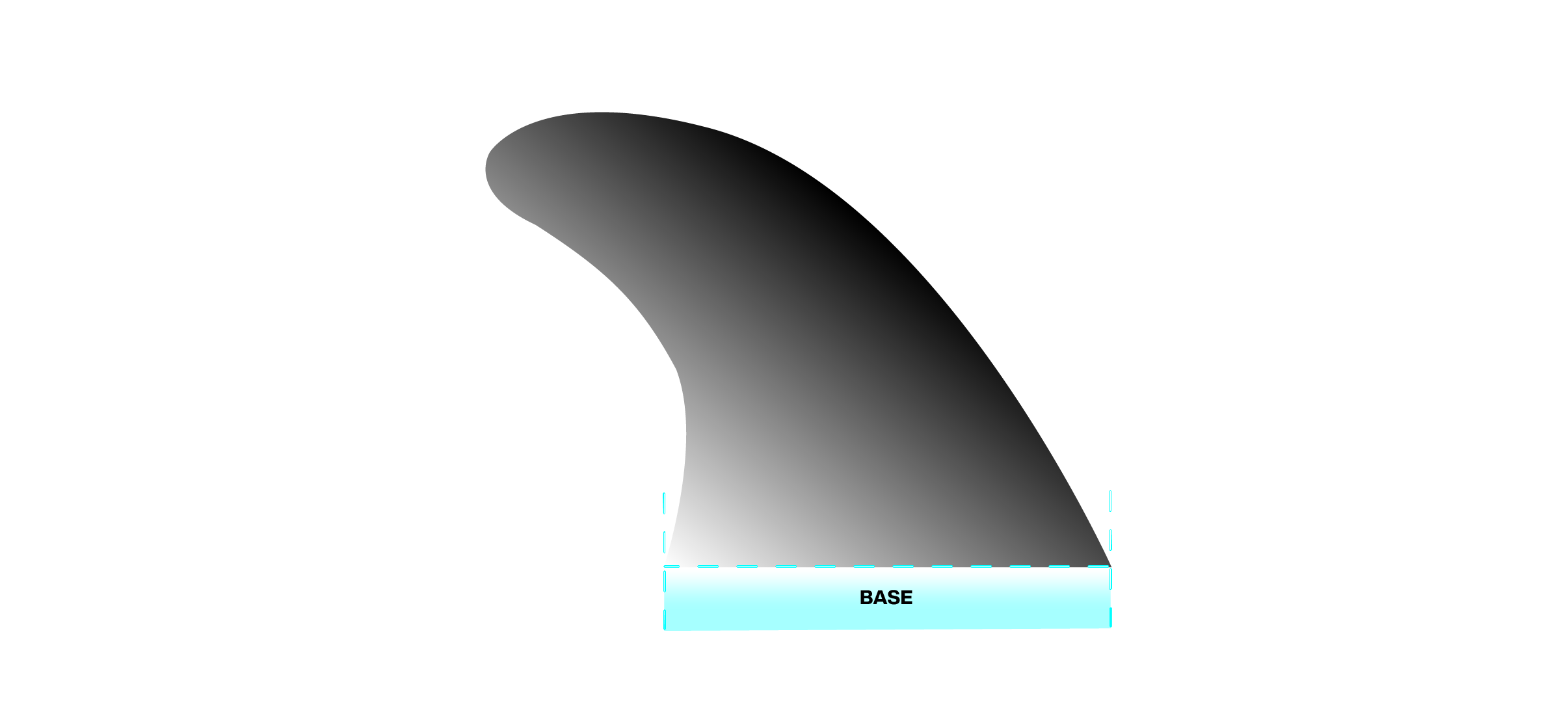
The base remains relatively short, which preserves pivot and makes tighter turns easier despite the increased rake.
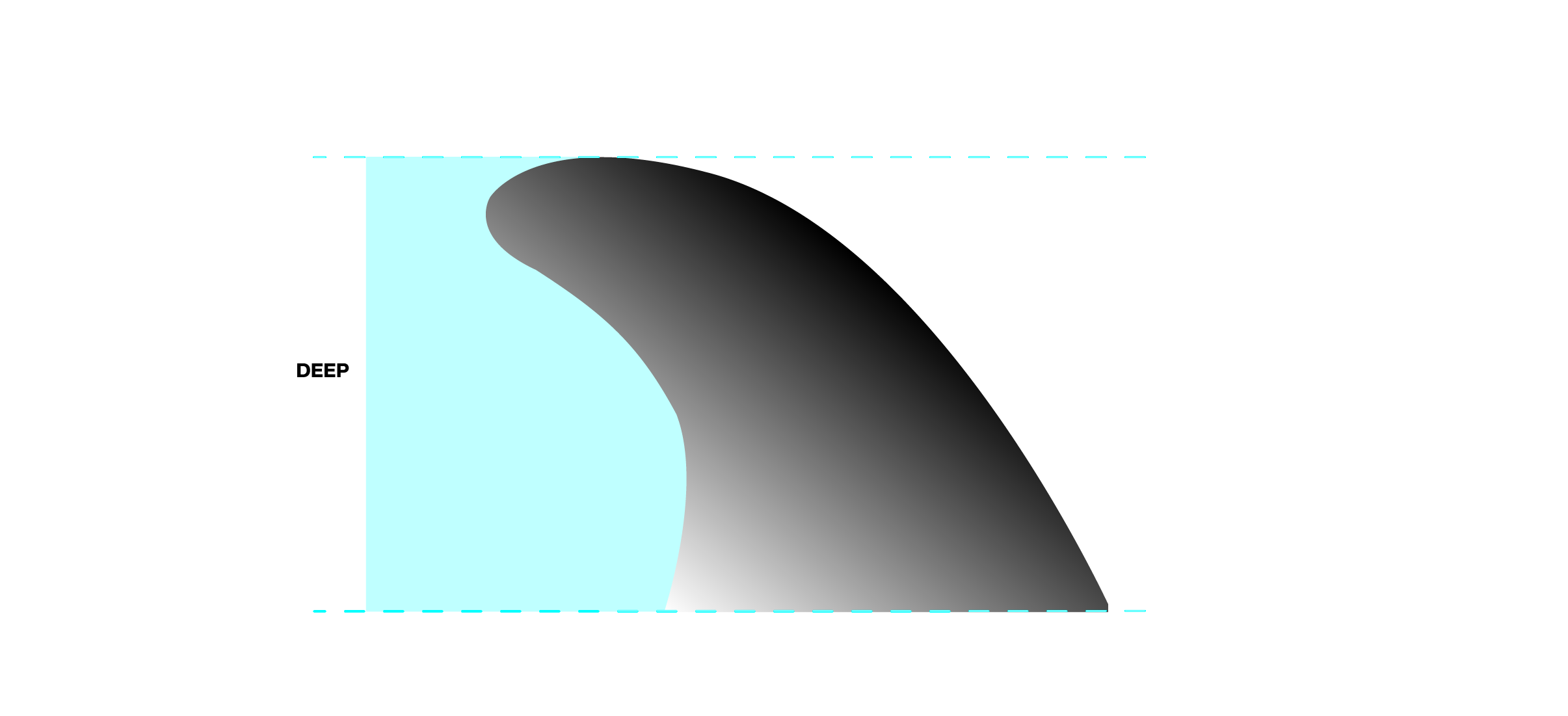
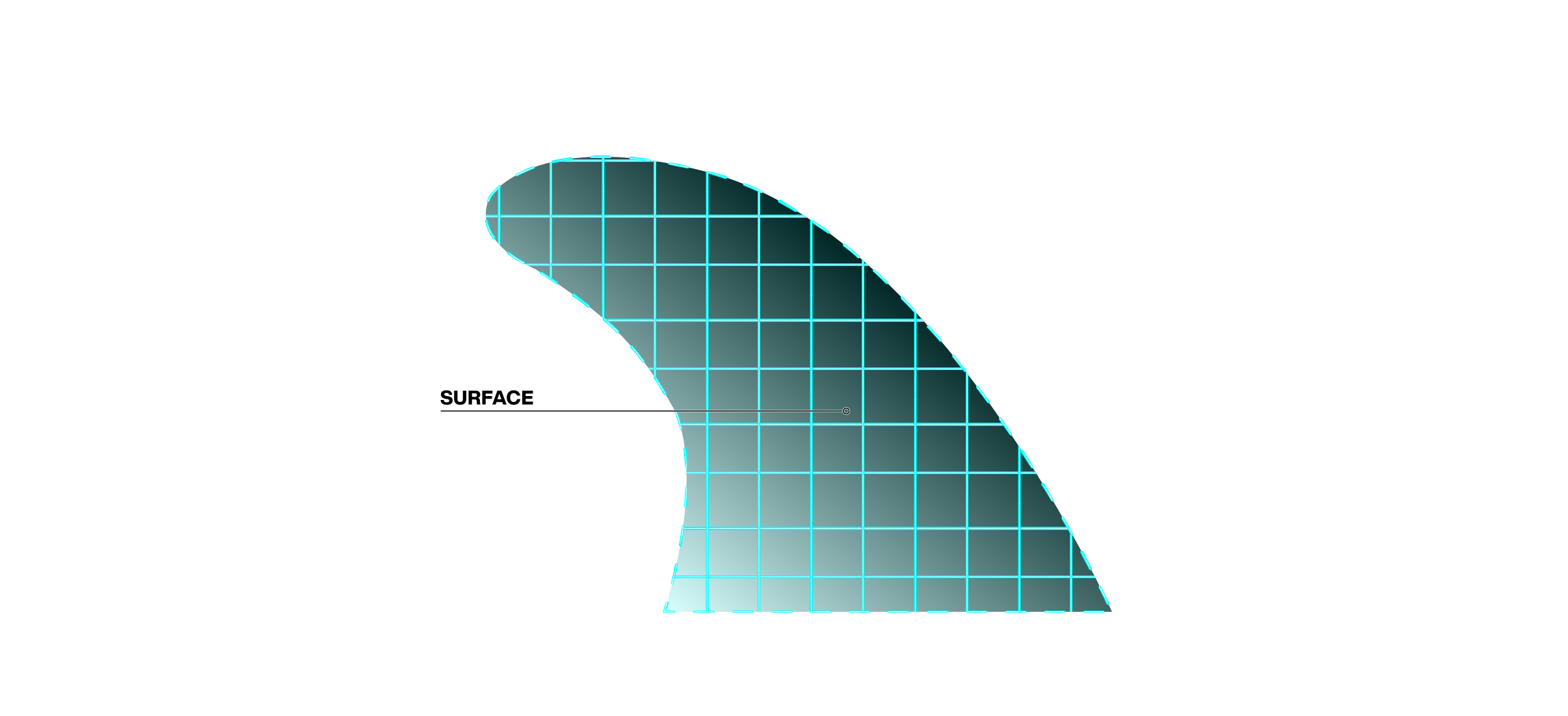
The surface is mainly distributed toward the upper part of the fin, ensuring good hold even when the board is engaged on the trim line. It provides control without overly slowing the board.
The single setup is a configuration based on a single center fin. It prioritizes stability, line reading and smooth trajectories. The fin acts as the main anchor point, guiding the board with precision and continuity.
The feeling is stable and linear: the board holds its line, glides easily and favors long, drawn-out curves rather than quick directional changes. Surfing is built over time, with progressive engagement in each turn.
This is an ideal setup for smooth and controlled surfing, focused on trim, long lines and a natural connection with the wave.

The Dred is designed for surfers who enjoy noseriding but want more movement in their surfing. It suits intermediate to advanced levels. It is ideal for those who want to draw lines while maintaining a retro style. It allows surfing with more rhythm and engagement. It is a fin designed for smooth but active surfing. It is aimed at those who want to move beyond pure pivoting.
It is ideal for surfers who like noseriding but also want to draw longer, more dynamic lines in the wave.
It is particularly suited to retro or modernized longboards that aim to combine classic style with long lines. It works very well in small to intermediate waves, but also in slightly faster conditions where extra drive is needed.
It is designed for logs that can nose ride but also draw lines through the wave. Ideal for clean conditions with wall sections. It helps connect sections and engage smoother turns. A perfect fin for dynamic retro surfing.
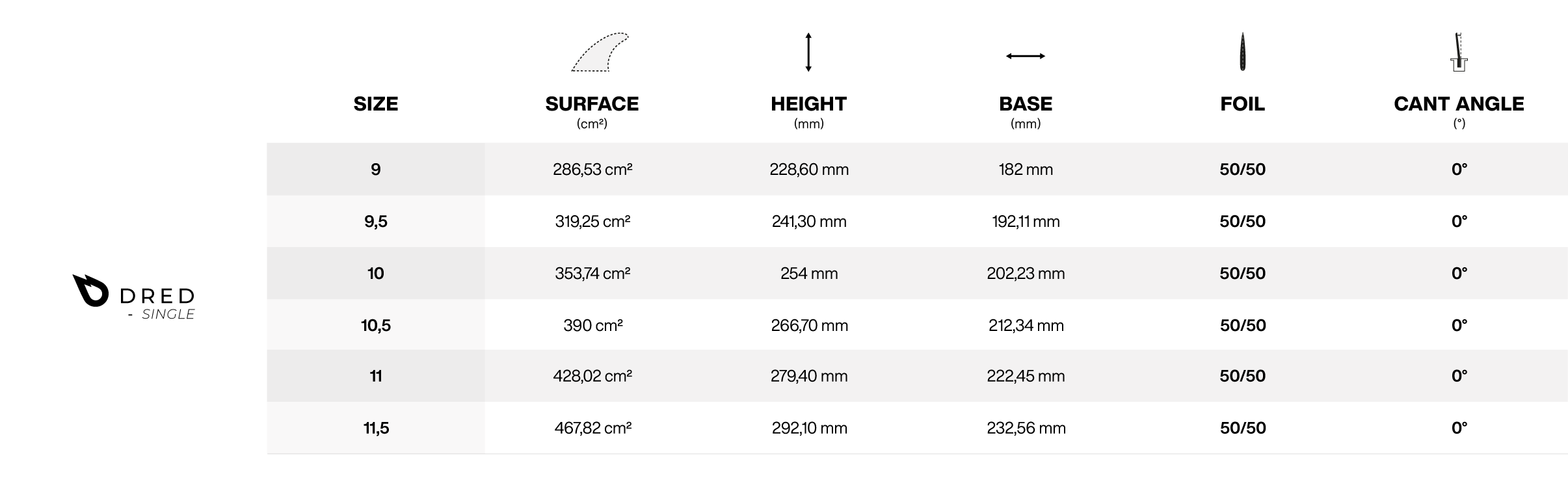
For large retro logs and noseriders, sizes 9” to 11.5” are the most appropriate. The more you prioritize nose riding, hold, and stability, the larger you should go.
As always:
The right choice depends on the board, the surfer’s weight, wave speed, and surfing style.
Minimum size favors: glide, speed, maneuverability
Maximum size favors: stability, control, noseriding
Example for a 9'2 longboard
Light surfer → slightly smaller size.
Heavy surfer → slightly larger size.
A simple rule is to choose a fin roughly one inch longer than the board length. This works especially well for classic longboards and noseriders. For more modern or shorter boards, you can slightly reduce size to improve maneuverability and speed.
Within the same fin range, the difference between two sizes (for example 10” and 10.5”) may seem small, but it noticeably affects board behavior.
Example: choosing between 10” and 10.5” on a 9’ longboard
With 10”:
With 10.5”:
The 10” suits a more versatile longboard or a surfer who likes to turn. The 10.5” is better suited for a noseriding-focused log.
You can also adjust based on surfer weight, on a 9’6 longboard with the same fin:
Weight directly affects pressure on the fin, and therefore the surface needed for stability.
Adjust based on waves
In slow, soft waves, a slightly larger fin helps slow the board down and stay in the pocket.
In fast or hollow waves, a slightly smaller fin makes transitions easier and increases freedom in turns.
Adjust based on surfing style
When in doubt between two sizes, ask yourself: “Do I want more stability or more maneuverability?”
Larger → stability, noseriding, drawn lines
Smaller → glide, speed, freedom.
Center fin compatible with a US Box system.
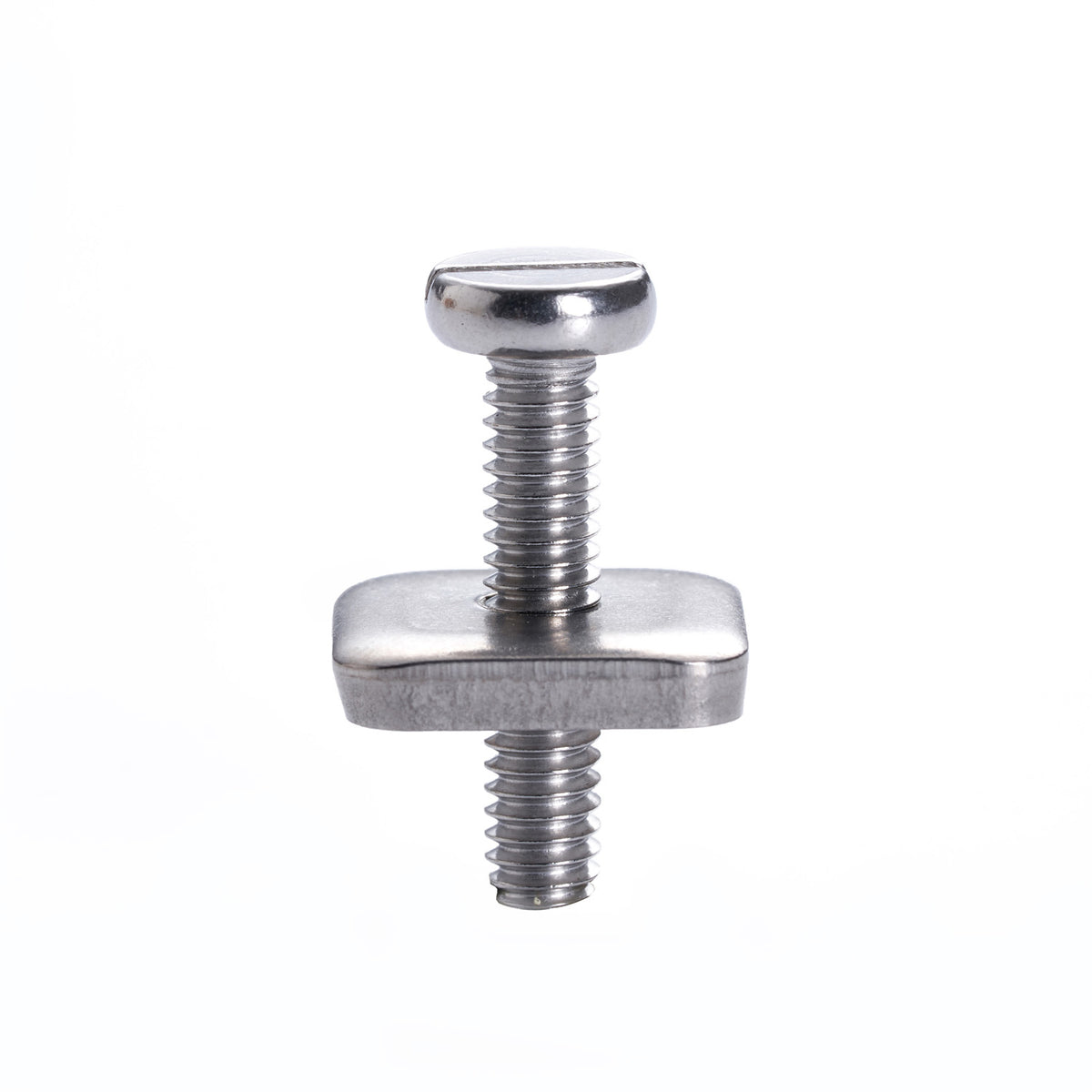
Supplied with a fin plate and screw for mounting in a US Box fin system.