Your cart is empty!
It's flat around here...
Speed isn’t just about pushing harder, it’s about precision, control, and making the right decisions at the right moment. In Freefly-Slalom, where every knot counts, Bastien and Francesco have mastered the art of going fast in all conditions.
From gear choices to technical adjustments, from managing fear to reading the wind, they share what truly makes the difference when the goal is simple: go faster than everyone else.
We asked them to break it all down.

What matters most to go fast: gear, technique, or having perfect conditions?
Francesco : To go fast, it’s a combination of everything. You need comfortable gear that allows you to push your limits, combined with good control (which is technique), and ideally a steady, consistent wind that lets you fully commit and accelerate.
Bastien : That’s it. You want to fine-tune every aspect of your gear and technique but keep it comfortable so you will feel safe to push for better speed. And if you want to break records, you absolutely need to have flat conditions with the perfect wind.
What’s the biggest mistake riders make when trying to go faster?
Bastien : I see lots of riders with good gear but poor settings. As I just said, you have to fine tune your equipment to be easy and feel safe with it.
Others choose inappropriate gear. Lots of people ride without enough power from the foil. As a result you feel too much power on your back foot and not enough on the front foot, which is key to push your limits.
Francesco: That’s the biggest mistake in my opinion. Wing foilers using a foil that’s too small for their level. Remember: speed is nothing without control.
Francesco : Once you go above 30+ knots, it becomes all about small details. That’s where technique really makes the difference, and every adjustment can give you that extra knot of speed.
Bastien : And it takes time before hitting the 30 knots marker with ease. When you’re a beginner, improving your skills is what will get you there. In the first stages of progression it’s more important than having the perfect conditions. Having the right position is the best key to go fast and faster at first.
 Wing foiler: Bastien, GONG Team Rider, on the Racer FSP Pro, Pulse Aramid CZ, Ypra Race mast and Ypra Race front wing and stab.
What are the key technical adjustments to instantly gain speed?
Francesco: In terms of body position, a wider stance and using a harness are key. If you lower your center of gravity and feel comfortable handling the power of the wing, you can really push your limits.
Technically, it’s very important not to overtrim the wing with your back hand. You should adjust power by going slightly more downwind if the wing is too loaded, or more upwind if you need more power.
Another key tip: fly HIGH on your foil. The higher you ride, the faster you go.
Bastien: One other thing not to neglect is having your harness line in the right position. You shouldn’t pull more from one arm or the other while fully loaded on the harness. This helps having the perfect stance. Also, you should have your legs a little bent and your upper body has to be straight.
How important is stance and body position when accelerating?
Bastien : Stance is a big key and is really personal. A short stance will be faster in light wind because you’re higher, but it will be uncomfortable and feel “out of control” in strong wind. And opposite for a wide stance.
Francesco: Exactly, the wider your stance, the more control you have over the foil. I use a much wider stance when going full-speed on a reach compared to upwind or downwind.
Body position is also crucial because foil pressure changes a lot with speed. The key is to keep the board as flat as possible, basically parallel to the water. To do that, you need to push more on your front foot when accelerating, and shift your weight slightly back when going slower.
What do you focus on during a run to maintain maximum speed?
Francesco: I focus on maintaining maximum power, staying in the gusts, and keeping a stable and balanced setup.
Bastien: Mainly keeping height on the mast, power on the wing and my trajectory.
What separates a “fast rider” from an average one technically?
Bastien: It’s a lot about controlling the foil height, keeping your board level at all times with the mast height never moving. Control and precision I’d say.
Francesco: That’s one thing for sure. A fast rider is also someone who isn’t afraid to push harder and break their limits. The technique is often similar, the real difference is the speed at which you’re willing to commit and not back off.
How important is the weight of the rider?
Francesco: Weight matters when using the same setup, but nowadays there are setups for everyone. Smaller foils are generally faster but harder to control. That said, lighter riders can definitely go just as fast as heavier ones.
Bastien: For sure. I’m on the light side with 76kg and still can go pretty quick! It’s all about finding the right tuning for your weight.
 Wing foiler: Bastien and Francesco, GONG Team Riders, on the Racer FSP Pro, Droid SP Aramid CZ, Ypra Race mast and Ypra Race front wing and stab.
What gear innovation has had the biggest impact on your speed in recent years?
Francesco: Definitely foil development. It has taken performance to another level. Today, our cruising speed is around 25 knots, which used to be our top speed just a couple of years ago.
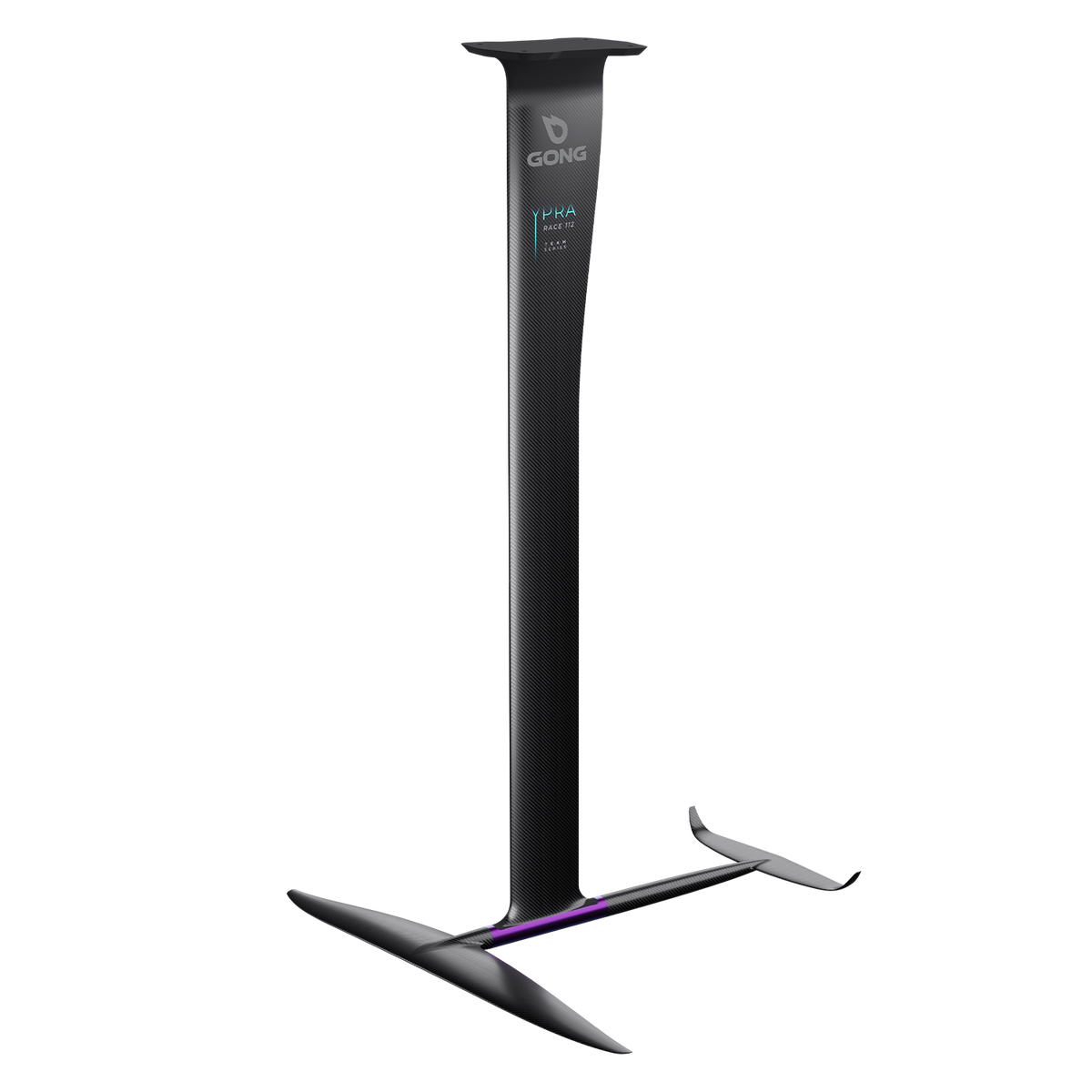
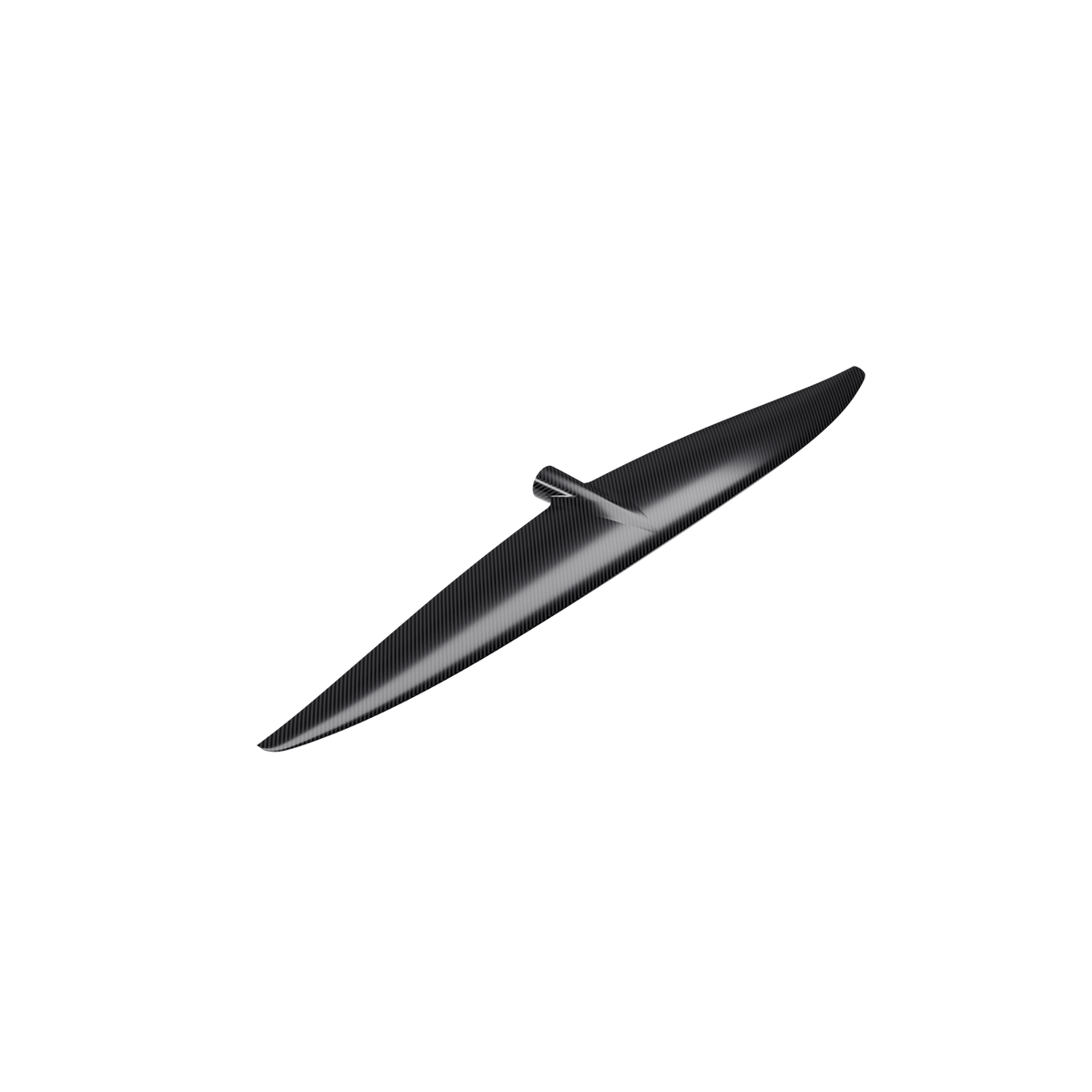
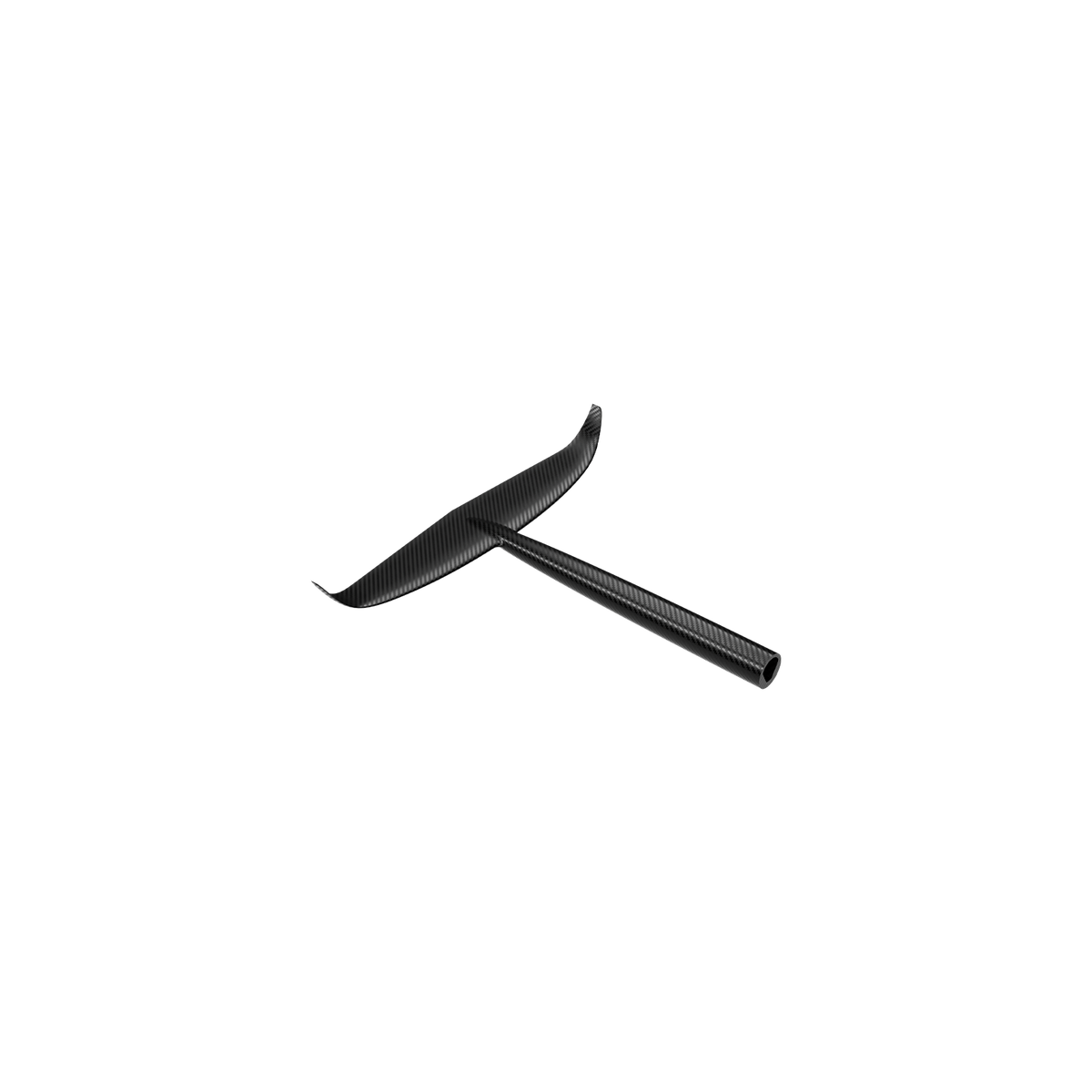
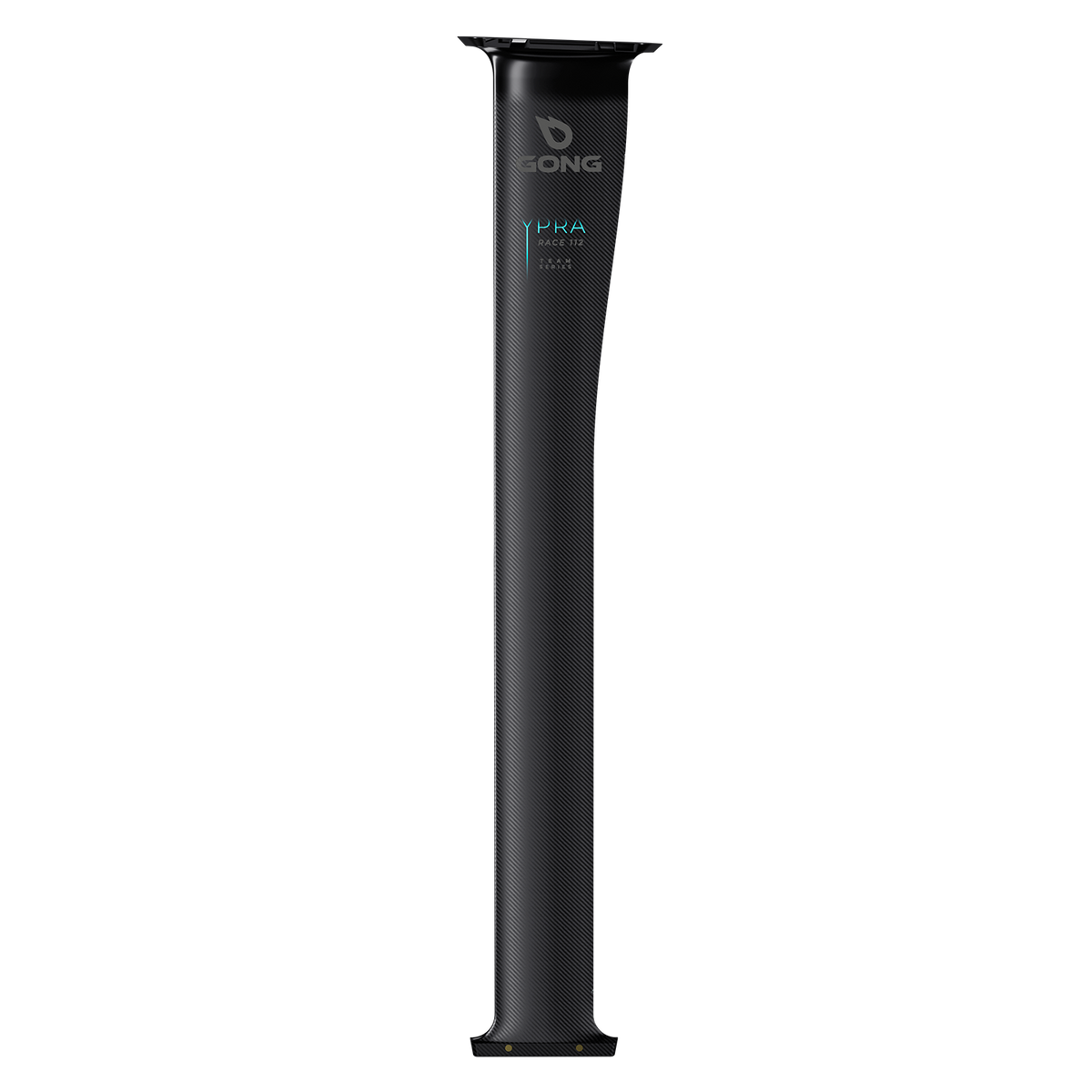
Bastien: Totally agree. The new Ypra Race foils have been a big step up in performance and speed.
What’s the most important piece of equipment for speed : Board, mast, foil or wing ?
Bastien : It’s the whole lot, but if you don’t have a fast foil, it’s gonna be harder to be fast.
Francesco: Yep. For me, it’s the foil, no doubt.
What’s a good board for going fast ?
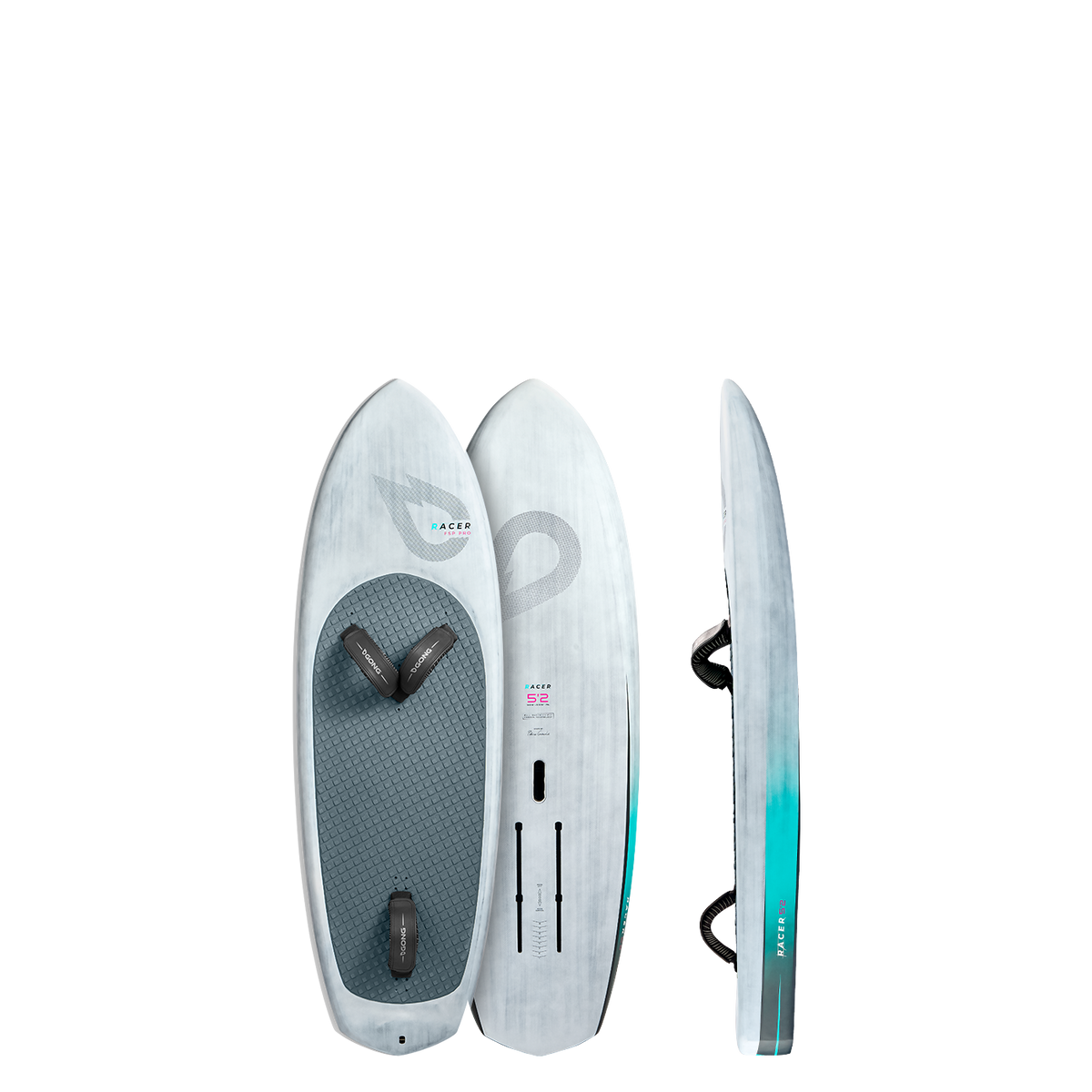
Francesco: A good board allows early take-off and has a narrow shape to reduce air resistance. It shouldn’t be too long, just a well-balanced combination of all these elements, like our Racer FSP Pro.
Bastien: The Racer is perfect. I like having slightly more volume than my weight. And you want a board that will bounce back up for touch downs.
What is your mast position in the boxes and why?
Bastien: I’m at 1 on my Racer 5’2. It’s where I feel the most comfortable with about 60% power from my front foot and 40% on the back
Francesco: I adjust it depending on conditions. In flat water and strong wind, I use the Ypra Race 480 and place the mast around position 4, with a 1.5 rake shim.
How do you set your footstraps for maximum performance?
Bastien : I have my straps with the shortest stance possible on my Racer.
Francesco: I use the second hole from the back for both front V-straps and the rear strap. I’m 180 cm tall and weigh 90 kg.
How important is wing size and stiffness when aiming for top speed?
Francesco: Wing size is very important. Smaller wings are faster, but you need enough power to push the foil. Bigger wings are more stable and easier to control. For me, 4.0 is a key size for speed.
Stiffness is a MUST. A soft wing deforms, becomes unstable, loses shape and power, and without power and control, you slow down.
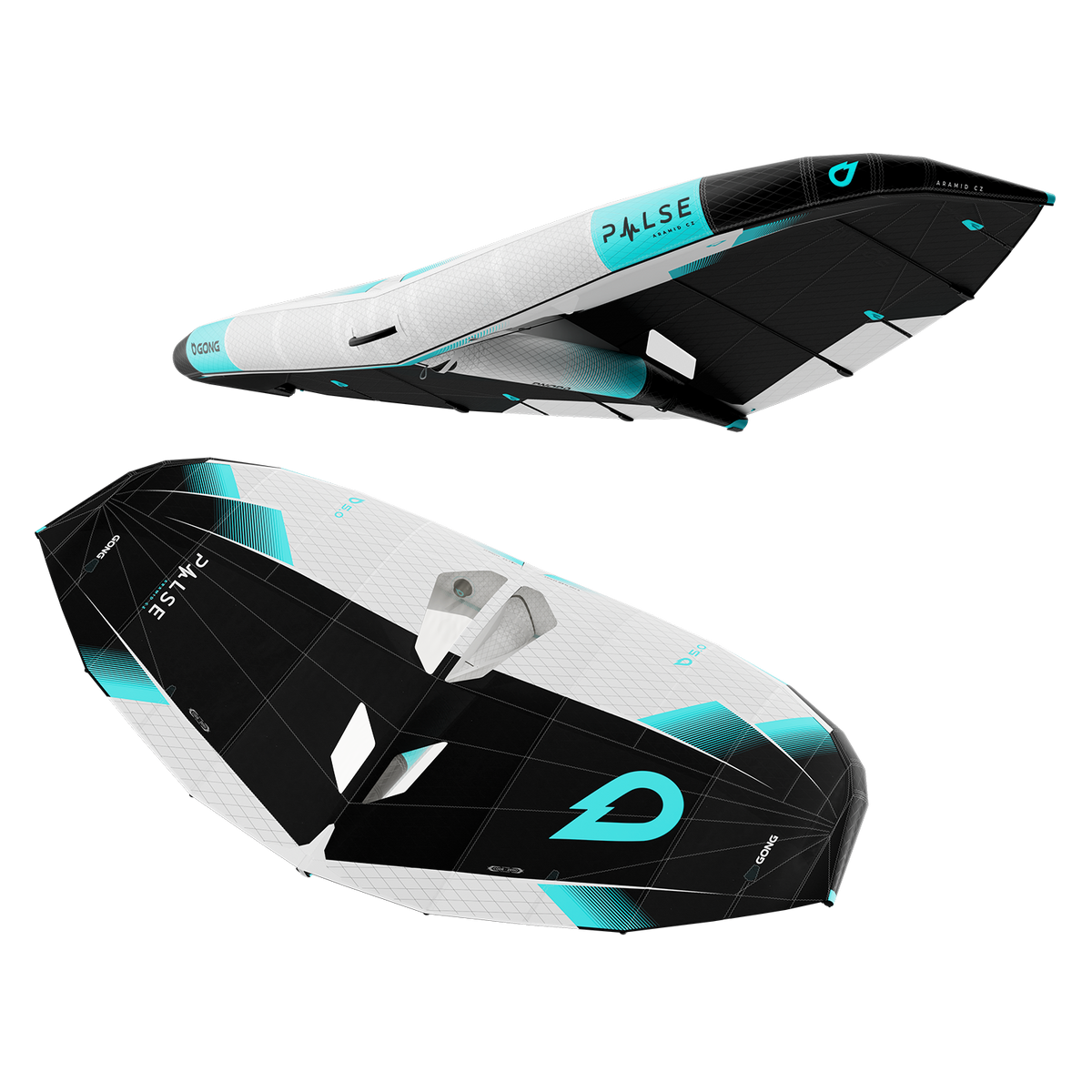
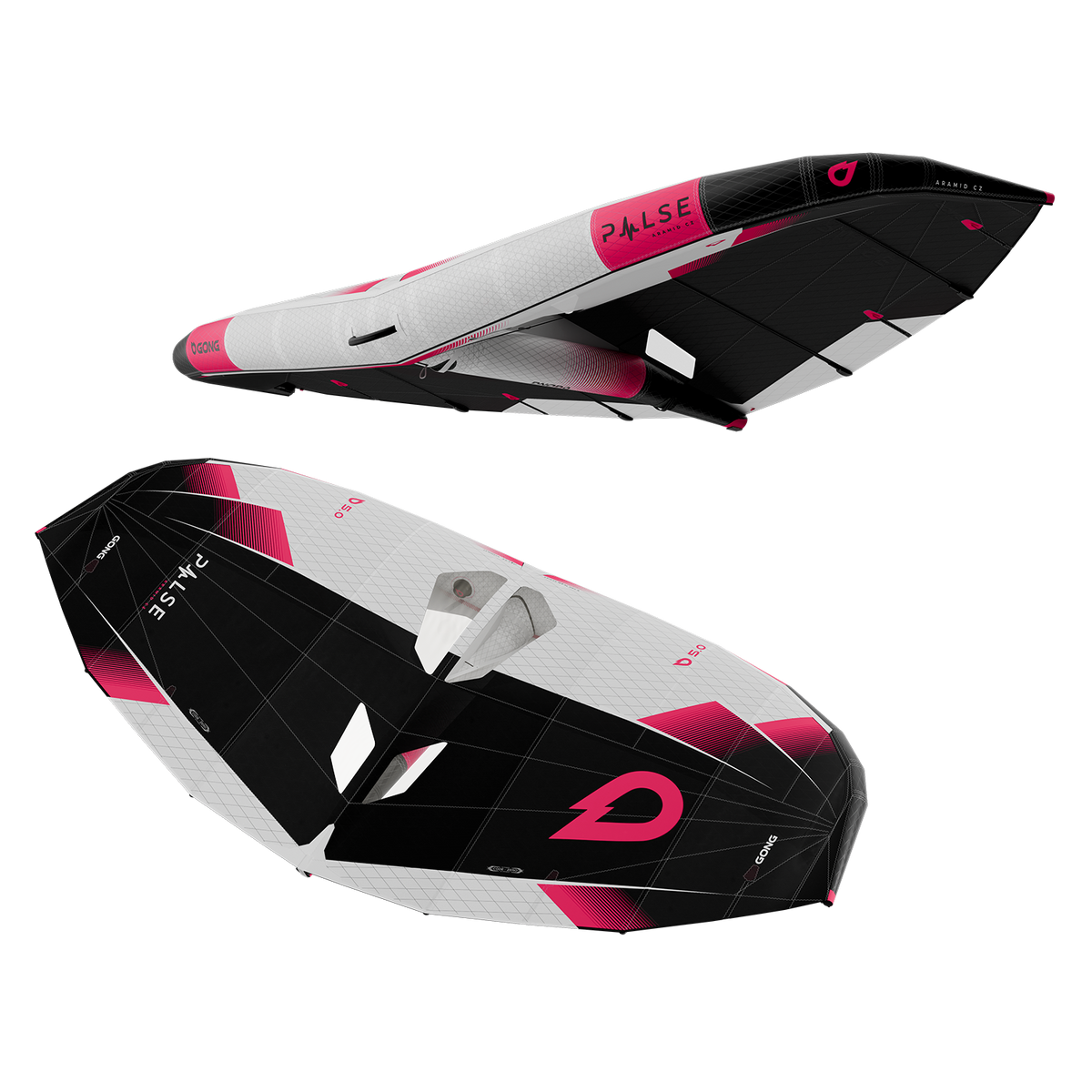
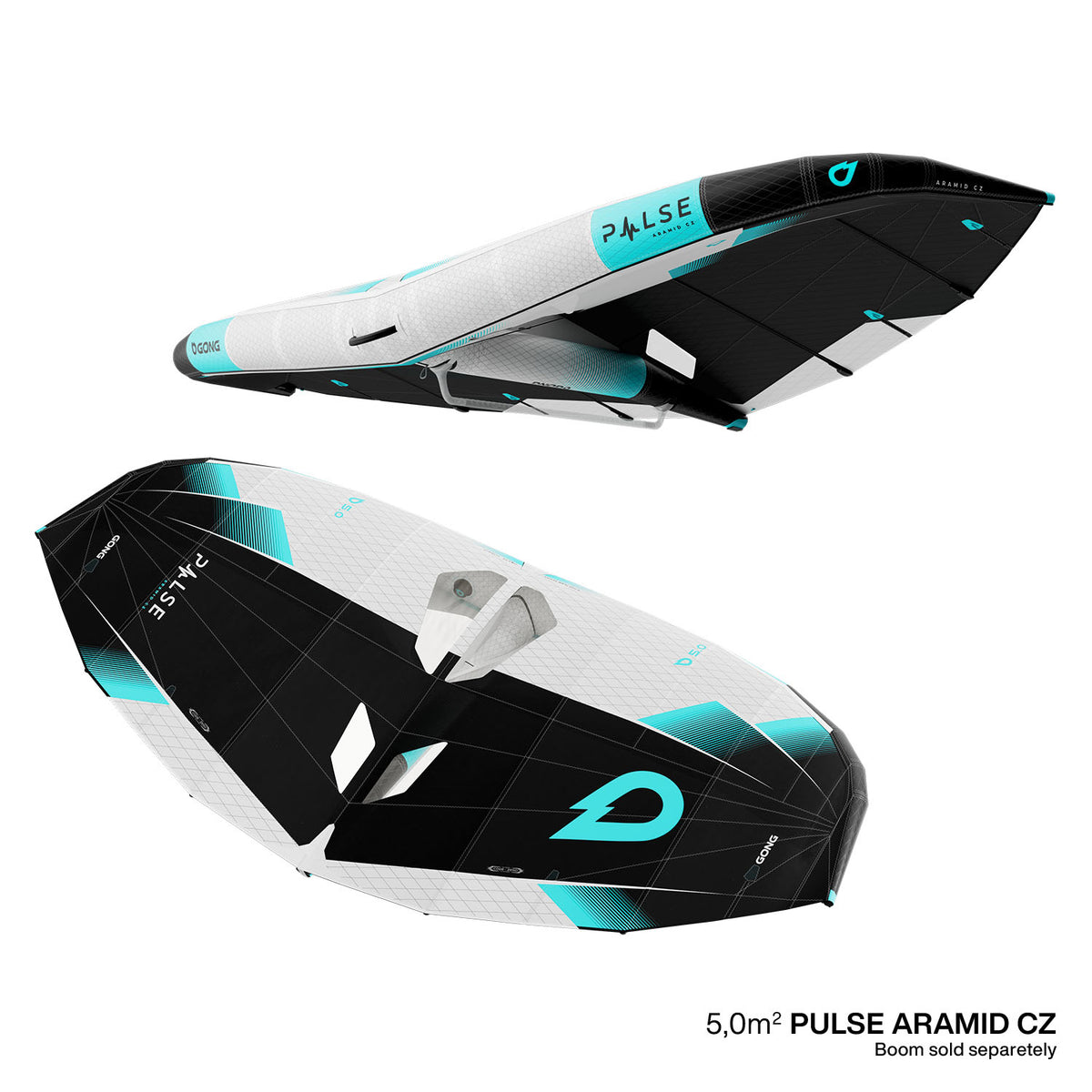
Bastien: Stiffness of your wing is so important. Having the UPE Aramid construction with Code Zero canopy makes a huge difference because if your wing bends, you lose power, so you lose speed.
Do you tune your gear differently for flat water vs. choppy conditions?
Bastien: I prefer to keep the exact same setup.
Francesco: Mostly I keep the same setup, but if possible I use a smaller wing to avoid touching the water. I also move the foil slightly forward to maintain lift and avoid losing height.
 Wing foiler: Francesco, GONG team rider, on the Racer FSP Pro, Pulse Aramid CZ, Ypra Race mast and Ypra Race front wing and stab. Photo: Wingfoil Racing Tour.
What are the ideal wind conditions for going really fast?
Francesco: Flat water, offshore wind, steady at around 30 knots. Basically Defi conditions.
Bastien: Yes. Above 35knts it’s too strong, the water’s surface gets too messy.
How do you adapt your riding in gusty vs. steady wind?
Bastien: I tend to have longer harness lines in gusty wind for better control in gusts.
Francesco: In gusty conditions, you need to constantly look around and anticipate gusts. You must maximize every gust and adjust your line, because gusty wind often means shifting direction as well.
What do you look for on the water before starting a fast run?
Francesco: A flat, clean section of water, no seaweed or debris. Then I sheet in and go.
Bastien: I want a gust to be in the whole area of the run.
How does water state (flat, chop, swell) impact your strategy?
Francesco: In flat water, I just look for the best gust. In waves, if you can combine a gust with going down a swell, that’s the perfect combo, but it’s very hard to time. Stability is key: the more stable and higher you ride, the faster you go.
 Wing foiler: Bastien and Francesco, GONG Team Riders, on the Racer FSP Pro, Droid SP Aramid CZ, Ypra Race mast and Ypra Race front wing and stab.
In competition, when do you decide to push 100% for speed?
Bastien: When it’s safe to go for speed, flat water in between chops or depending on opponents!
Francesco: In slalom, right from the start, you need 200% to reach the first mark in front. From there, you control the race.
How do you balance risk vs. speed during a race?
Francesco: It depends on the stage. In early rounds, you go for a safe and fast run just to qualify. In finals, you push from the start and take more risks.
If you have a bad start, you go all-in for maximum speed. If you’re first at mark 1, you can control and defend.
Bastien: It’s really hard to play it safe to be honest with the level these days.
What’s your approach to positioning on the course to maximize speed?
Francesco: It depends on the start, but I prefer the pin end because having no one downwind lets you fully use every gust and achieve better average speed.
How do you deal with fear when reaching top speed?
Bastien: It’s there but you just gotta go for it!
Francesco: I focus on the goal, not the speed itself. I keep the result in mind and leave fear behind.
Have you ever backed off because it felt “too fast”? What did you learn from it?
Francesco: Yes, especially in training. If you’re not comfortable, it’s better to back off and adjust something. Crashing at 60+ km/h is no joke. I learned that confidence is essential for speed training.
Bastien: The way to put it is that I backed off when it felt too out of control but never for being too fast!
 Wing foiler: Bastien, GONG Team Rider, on the Racer FSP Pro, Pulse Aramid CZ, Ypra Race mast and Ypra Race front wing and stab.
How do you specifically train to become faster?
Francesco: On the water, always. Either against others or using GPS/speed devices for instant feedback. I mostly train on reaches, trying different angles and pushing max speed on both tacks.
Bastien: Training with others is really essential. That’s the only way for me. It motivates you.
Does your approach change depending on the spot (strong current, heavy chop, obstacles)?
Francesco: Yes, you always need to adapt your setup to find the most stable configuration for the conditions.
What’s your favorite type of spot to push top speed and why?
Francesco: Easy: Defi conditions. 30 knots offshore and flat water.
Bastien: The best spot is flat water and off shore wind. If it’s choppy, going for speed is gonna be a big mission!
Thanks for the insights guys!







1 comment
Tres bien tres détaillé
Et bien d accord il faut confort et du contrôle, même gp sails disent pareil.
J aimerais aussi les recommandations pour mer ouverte et vagues car autant j’arrive aller vite sur mer plate autant en mer ouverte et formée pas du tout et en je chute violemment.
Merci