Your cart is empty!
It's flat around here...
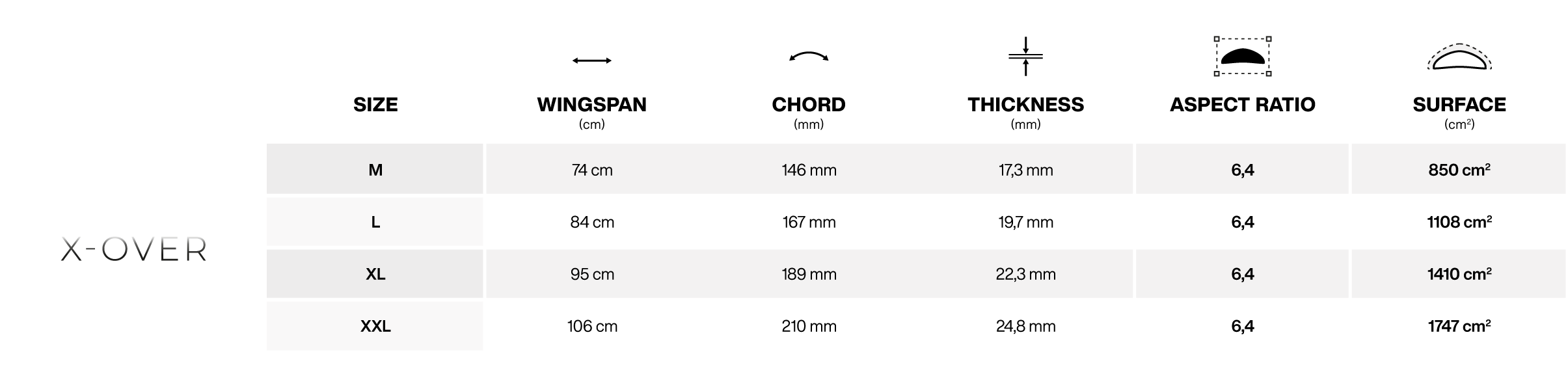


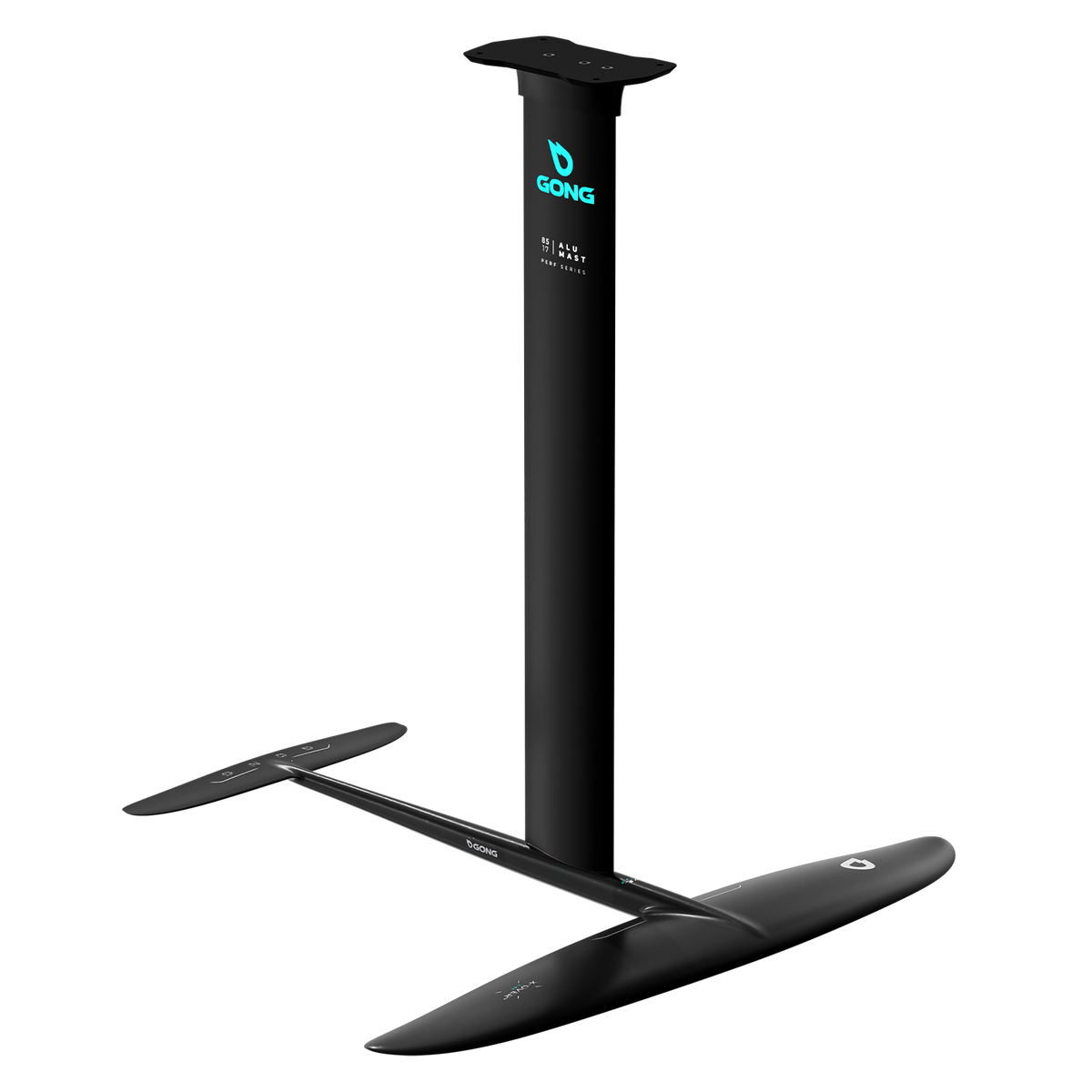
The ideal front wing for beginners and those progressing in foil, with easy take-off, ultra-stable flight, gentle lift, and very reassuring behaviour across all disciplines.
The X-Over V3 Atmo Perf Series is the front wing that makes foiling accessible to everyone without compromising on sensation. It takes off early, offers stable flight, forgives mistakes, and gives you time to understand your balance.
It's the perfect wing for learning to fly in wing foil, surf foil, SUP foil, kite foil, wake foil, or dock start.
Its programme is based on three essential qualities: ease of take-off, stability in flight, and constant control. It doesn't pitch up abruptly, doesn't stall unexpectedly, and doesn't require an established technique to perform.
Its 6.4 aspect ratio offers very reliable behaviour. The wingspan is kept compact to facilitate control of the tilt and limit tip breaches. You can fly close to the surface, correct your mistakes, and maintain a real margin, which makes all the difference during the first sessions.
Its supportive and progressive profile allows for take-off at low speed without intense pumping. Once airborne, the enhanced glide gives more time to execute manoeuvres, work on transitions, discover the first surfs, and start pumping properly.
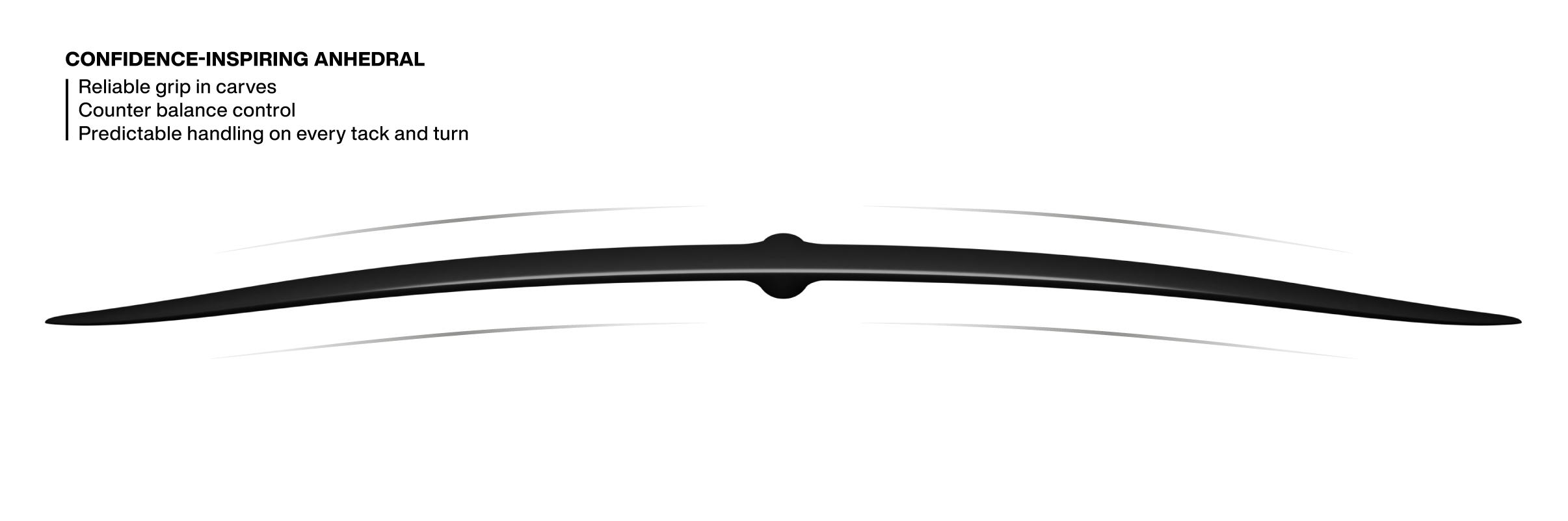
The pronounced dihedral provides confidence on the foil and in carving turns by keeping the tips away from the surface. The X-Over grips, pivots easily, and remains very predictable. It offers a smooth, readable, almost self-regulating feel that helps you progress without fear.
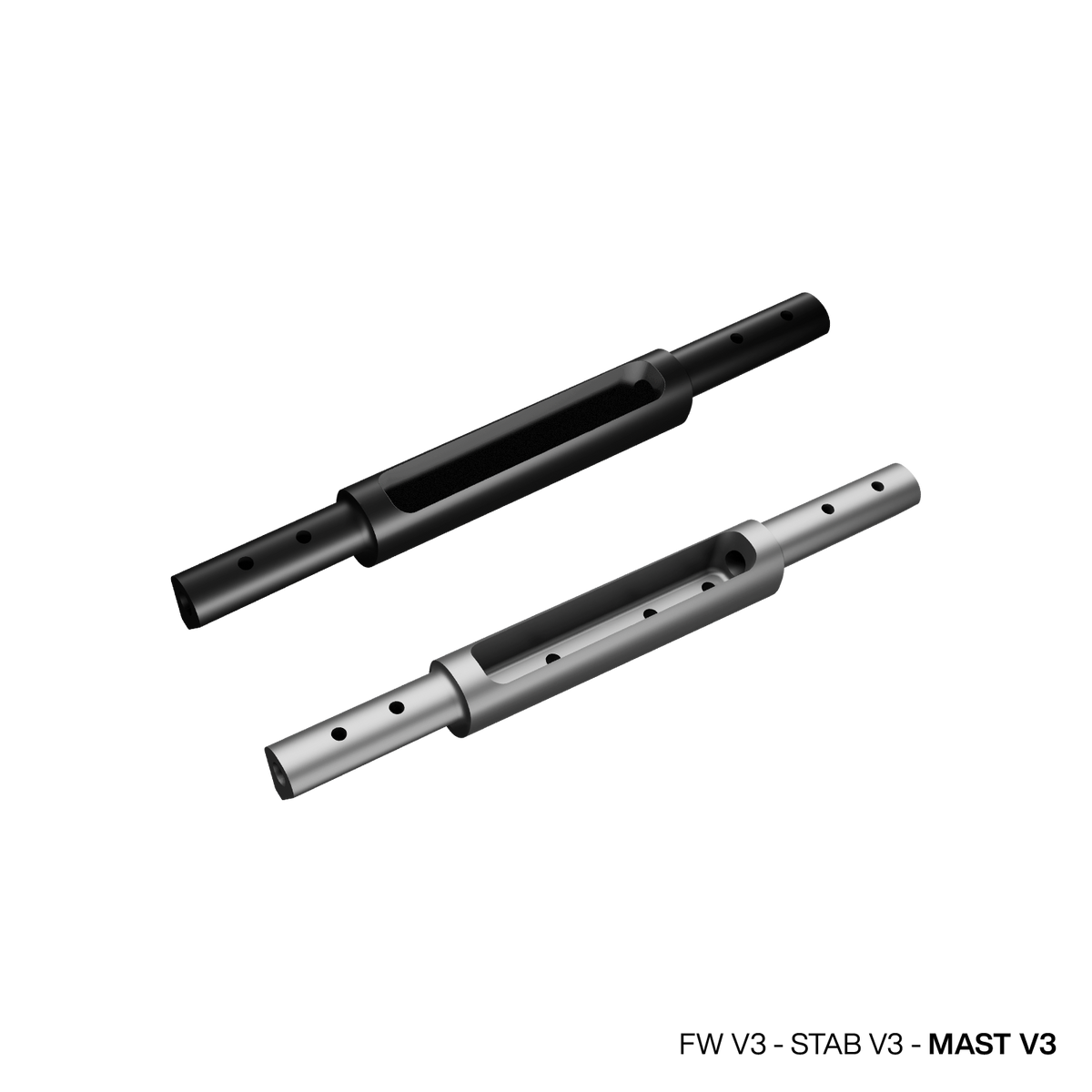
Built in the Perf Series, it makes the V3 Atmo standard accessible with optimised, robust, and high-performance fibreglass technology. Its V3 SuperLock self-tightening connection ensures a rigid and reliable assembly with only two screws under the front wing.
The X-Over V3 Atmo Perf Series is the obvious first foil: easy to learn, performant enough to progress, and stable enough to make you want to fly for a long time.

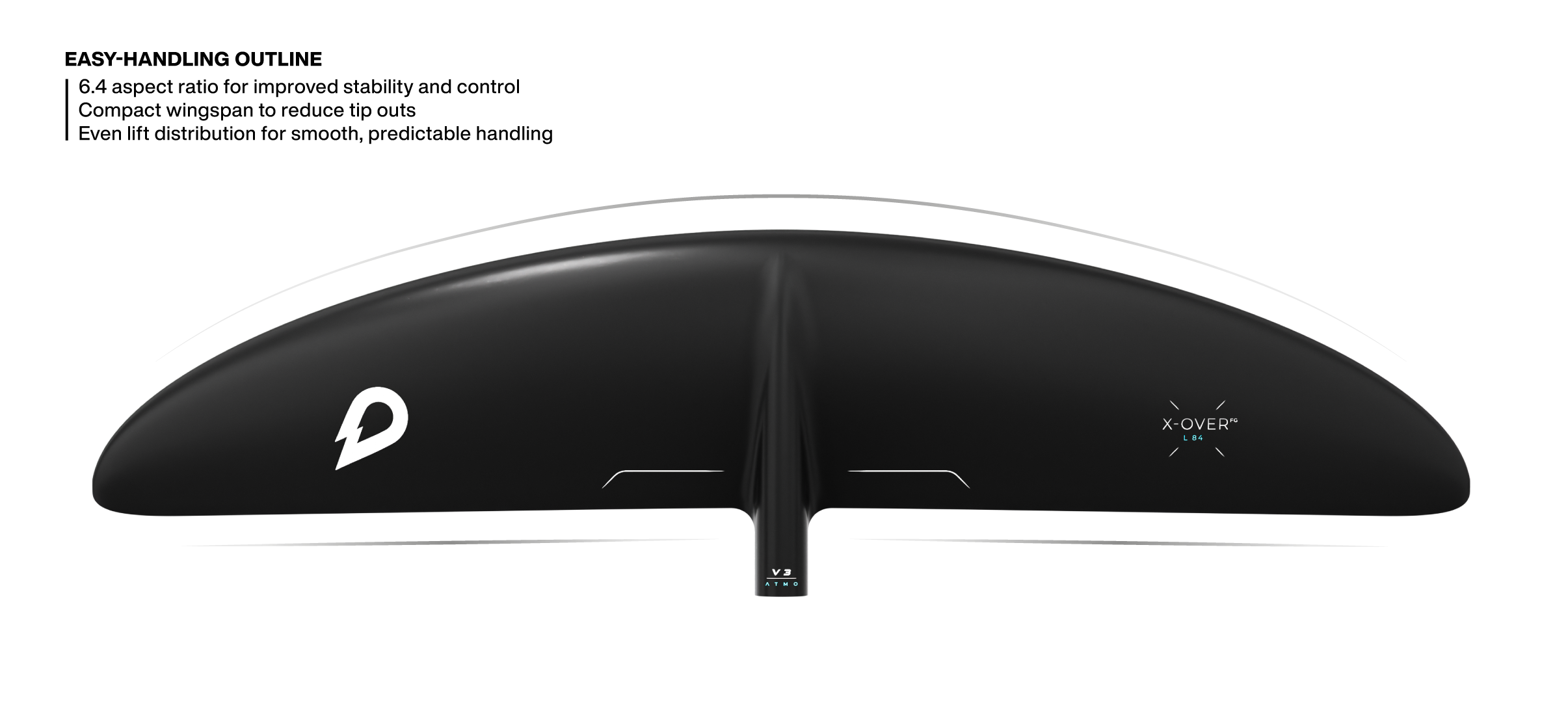
The elliptical outline of the X-Over distributes lift very evenly across the entire wingspan. The foil remains stable, progressive, and easy to understand underfoot. Nothing is abrupt, nothing is elusive - the wing immediately provides a readable behaviour.
Its ratio of 6.4 is deliberately moderate. It offers enough elongation to glide properly and allow time in manoeuvres, while maintaining a reduced wingspan for easier control. This is what makes the X-Over so reassuring in the first sessions.
This contained wingspan limits tip breaches, simplifies counter-heel, and allows flying close to the surface without stress. For learning, this is fundamental: you can make mistakes, correct them, and continue flying.
The profile of the X-Over is optimised for early take-off and flying at low speed with maximum tolerance. The wing rises gradually, without abruptly pitching up, with a gentle thrust that is very easy to control.
This stable lift allows you to succeed in your first flights without having to pump hard or accelerate excessively. You can feel the wing engage early, then naturally settle. The rider can focus on their posture, balance, and trajectory.
The stall tolerance is one of the strengths of the shape. When speed decreases, when pumping is imperfect, or when a manoeuvre lacks energy, the X-Over retains some leeway. It stalls late and without violent reaction, allowing for faster progression.
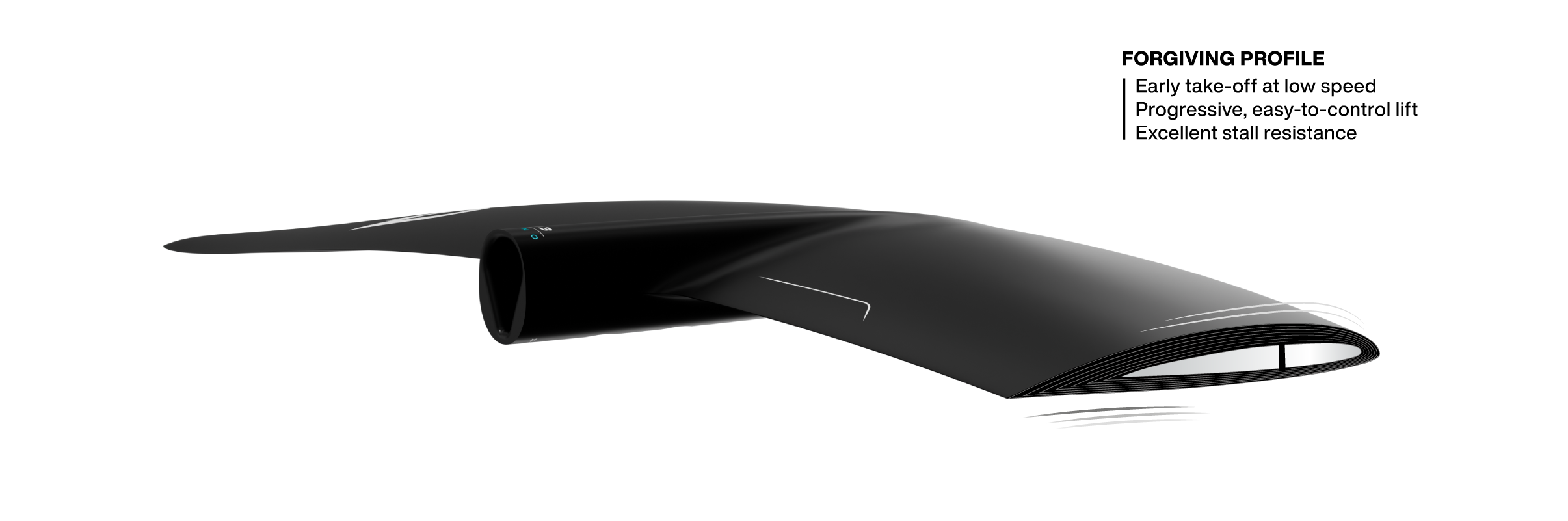
The X-Over V3 Atmo gains glide compared to more basic beginner wings. This additional glide changes the feeling: the foil doesn't stop between two supports, maintains speed longer, and gives more time to execute actions successfully.
In the first transitions, this glide is invaluable. The rider can slow down, turn, reposition their feet, correct a trajectory, and complete their manoeuvre without immediately falling. It's a real aid to progression.
In surf foil or SUP foil, this glide allows you to enjoy small waves, follow the swell longer, and start connecting to the next waves with more natural pumping. It's not yet an extreme performance wing, but it already offers real glide.
Grip and the easy, predictable nature are essential qualities for providing a positive experience to progressing riders. That's why the dihedral of the X-Over is pronounced, giving you great confidence during runs and in turns, allowing you to lean without fear of lifting the foil out of the water. We have a foil that pivots easily without slipping.
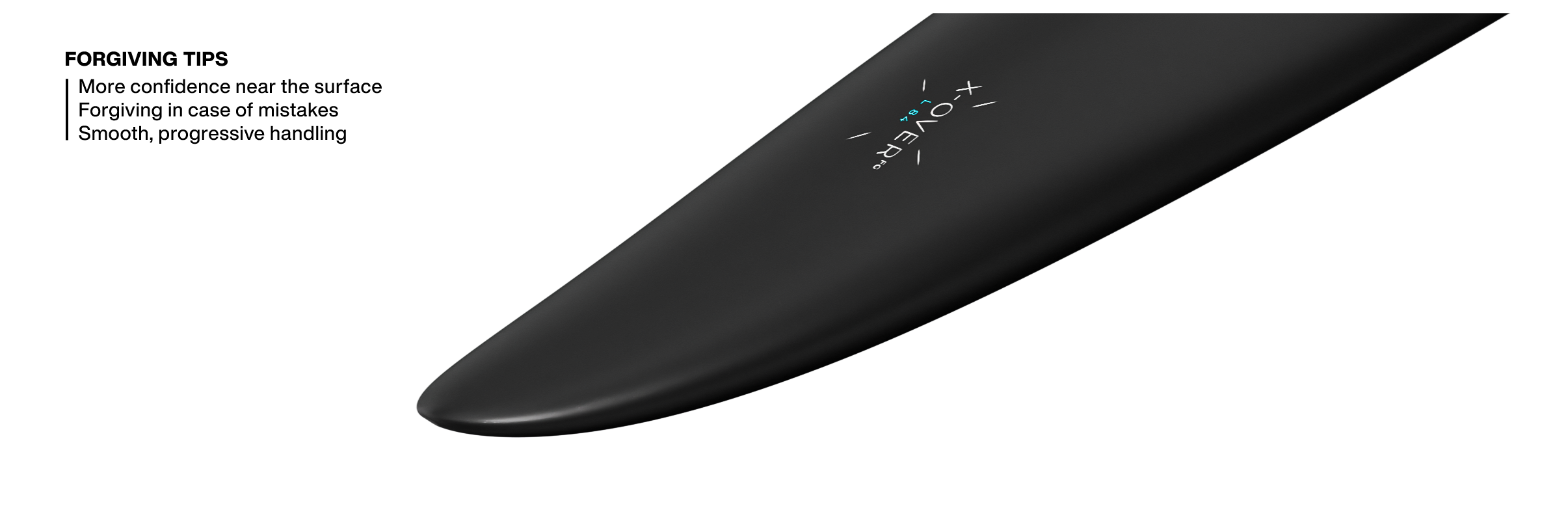
The tips of the X-Over are designed to secure both the flight and the rider. Their moderate wingspan and forgiving behaviour limit violent reactions when the wing flies high or when an end approaches the surface.
This tip-out tolerance builds confidence. You can fly higher without tensing up, test your limits, correct your mistakes, and learn to manage flight height. The wing remains easy to recover, even when piloting is not yet precise.
In carves, the tips do not lock the foil. The X-Over pivots easily and remains manoeuvrable without becoming unstable. This compromise allows for a wing that is both very reassuring and truly enjoyable to pilot.
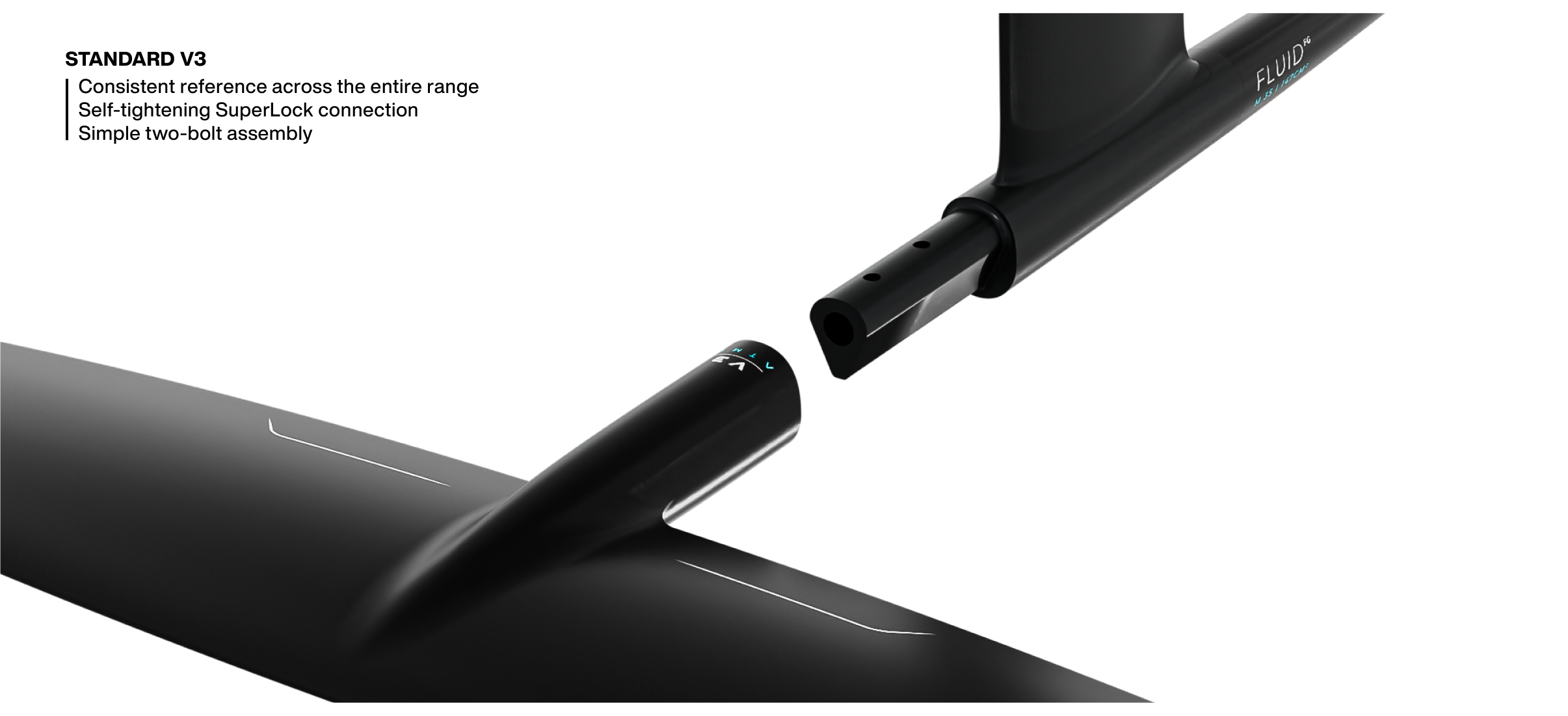
The X-Over V3 Atmo retains the benchmarks of the GONG V3 standard. The balance of lift, placement, and connection are calculated to allow for a seamless transition from one front wing to another with a consistent feel.
This aspect is essential in an evolving quiver. The rider can start with an X-Over and later switch to an Ascent, a Curve, or a Fluid without having to completely relearn their basic settings.
The V3 SuperLock self-tightening connection ensures a rigid, reliable, and very easy-to-use assembly. Two screws under the front wing are sufficient. The more pressure applied to the wing, the more the joint locks. The result is clear: less play, more precision, and a foil that stays stable underfoot.
The X-Over V3 Atmo Perf Series is primarily aimed at riders who want to learn foiling with maximum ease and confidence. It's the wing to choose for successful first flights, stabilising height, understanding balance, and progressing without fear.
It's perfectly suited for a complete beginner in wingfoil, surf foil, SUPfoil, kitefoil, wakefoil, or dockstart. Its smooth, stable, and progressive behaviour reduces the impact of common mistakes: lack of speed, abrupt balance, flying too high, poor heel-toe management, irregular pumping.
It's also for riders who already know how to fly but want a very cool, easy, and reassuring foil. Some seek pure performance; others simply want to fly for a long time, have fun, nail their manoeuvres, and come out of the water with a smile. The X-Over is perfect for that.
It can also be an excellent choice for a multisport rider. A single wing allows you to ride in wing, try surf foiling, test dockstart, do wakefoil, or learn kitefoil depending on the chosen size. It's a true simple and versatile quiver wing.
It remains relevant for heavier riders, light wind conditions, or riders who want to maintain a lot of lift. Its ability to take off early and fly slowly provides a large margin, especially when the spot is challenging or when the technical level is not yet established.
The X-Over is not the right choice if the main goal is maximum speed, long-distance pumping, high-performance downwind, radical surf foiling, aggressive snaps, or committed aerial freestyle.
It is not designed to replace a Curve, Fluid, Veloce, Sirus, or Trail in their specialised programmes. It is much easier, much more forgiving, but less fast, less radical, and less specific.
If the goal is to maximise glide and distant connections, a Veloce or Sirus will be more suitable. If the goal is to carve harder with more speed and efficiency, a Curve or Fluid will take over. If the goal is pure dockstart, the Trail will be more logical.
The X-Over is the choice for healthy progression. It is not limited, but it is not made to seek the extreme.
In wingfoil, the X-Over simplifies all stages: early take-off, stabilising flight, going upwind, controlling height, making the first jibes, attempting tacks, discovering the first jumps, and riding for a long time without pressure. It's probably its most obvious programme.
In surf foil, it facilitates smooth take-offs, first turns, first flights on the wave, and first connections. It allows you to follow the swell with control and learn pumping without being immediately penalised. It loves gentle waves, small swells, and conditions that allow you to take the time to understand the trajectory.
In SUPfoil, it gives a lot of confidence. The wing takes off at low speed, rises flat, and maintains gentle lift on the descent. You can paddle, feel the wing gradually load, and fly without abrupt reactions.
In dockstart, it allows you to discover pumping with a versatile and reassuring wing. It is not as specialised as a Trail, but it provides good lift, stable behaviour, and readable pumping to learn the basics.
In kitefoil, the smaller sizes of X-Over allow you to learn to fly without excessive speed. Lift comes early, the foil remains controllable, and the contained wingspan limits heel-toe errors. It's a very healthy entry point into kitefoil.
In wakefoil, it offers very easy behaviour to discover flying behind a boat or jet. The take-off is progressive, control is simple, and the wing allows you to work on the basics without being too fast.
The choice of size depends on weight, level, support, wind or available power, type of board, and progression goal.
In wingfoil, all sizes can work. The heavier the rider, the weaker the wind, or the smaller the board, the larger the surface needed. Conversely, a lighter rider, already comfortable with take-off or riding in regular wind, can choose a smaller size for increased manoeuvrability and speed.
In surf foil and SUPfoil, you need to find the right balance between lift at take-off and manoeuvrability on the wave. A larger wing provides more comfort for early starts and pumping. A smaller wing turns more easily and becomes more enjoyable as the level increases or when the waves push more.
In dockstart, a large surface is preferred to facilitate the start and maintain flight at low speed. As you progress, you can reduce the surface to gain speed and dynamism, but the X-Over will remain a versatile option rather than a wing dedicated to pure pumping.
In kitefoil, very large wingspans should be avoided. The kite's speed and heel-toe make wider wings more technical, with a greater risk of breaching a tip. The smaller sizes of X-Over are therefore the most relevant for learning.
If hesitating between two sizes, it's best to choose the larger one to learn more easily, take off earlier, and maintain more margin at low speed. The smaller one will be logical if the level is already good, if conditions are more powerful, or if the goal is to gain manoeuvrability.



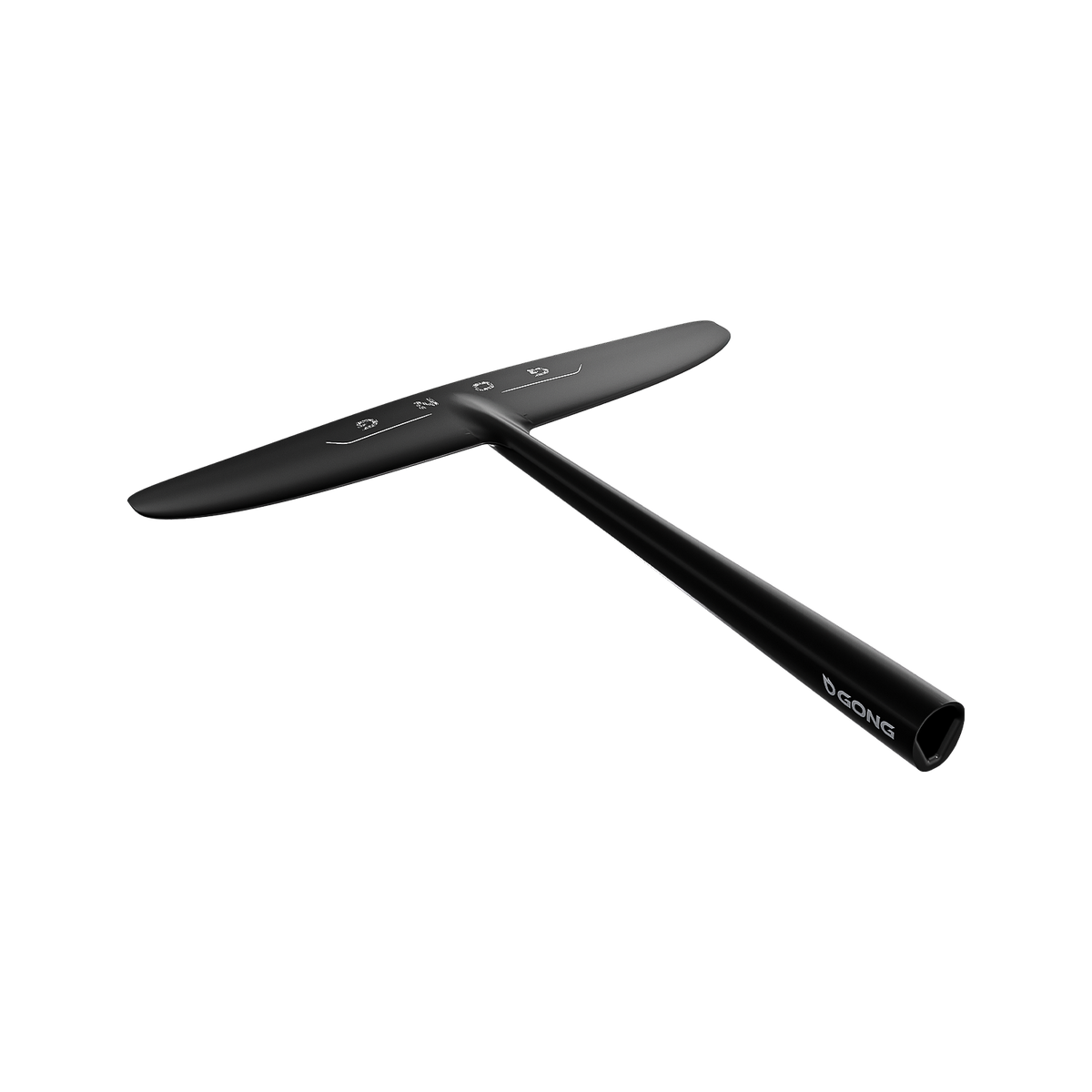
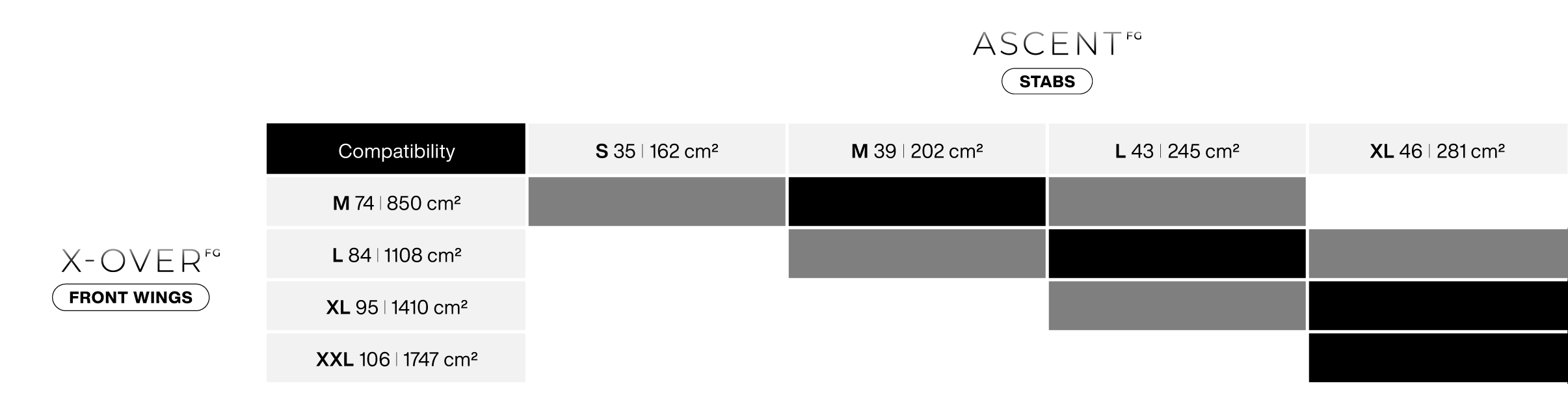
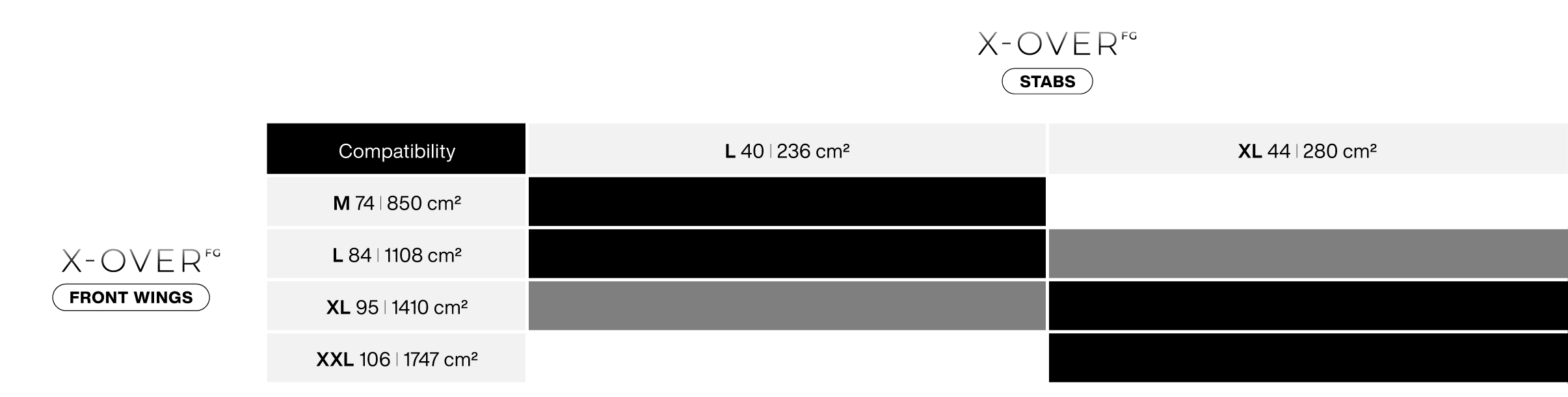
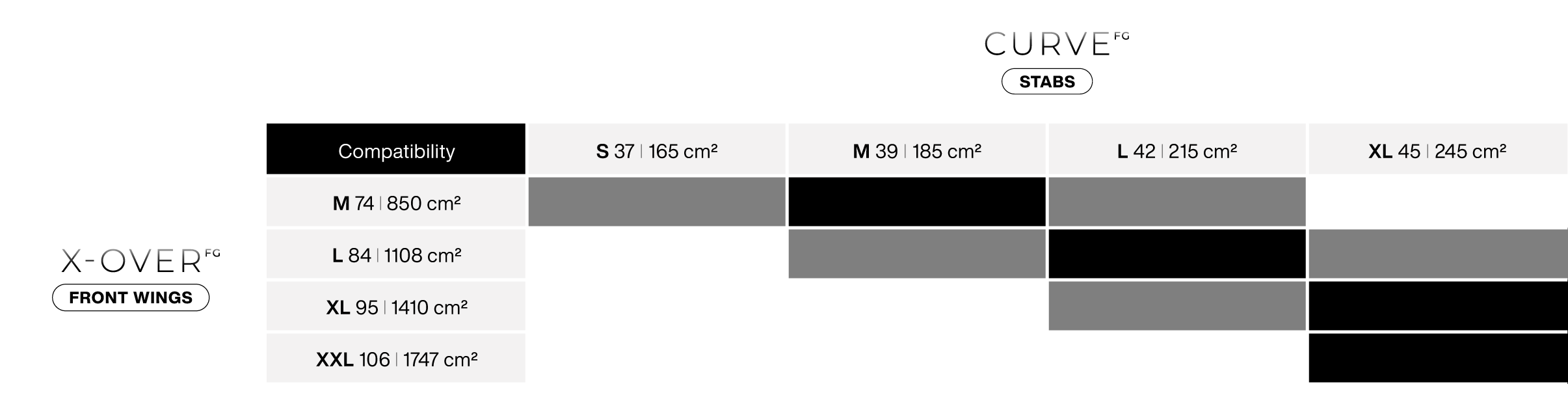
The X-Over V3 Atmo works ideally with an X-Over V3 Atmo stabiliser. Both components are designed for the same programme: ease, stability, gentle lift, control, and progression.
A larger stabiliser facilitates take-off, provides more support under the front foot, and offers a more stable flight. It's the most reassuring choice for learning, for larger riders, low speeds, or irregular conditions.
A smaller stabiliser makes the foil faster and more manoeuvrable but requires more precision at take-off and in balance. It can be interesting as the level progresses and you want to free up the foil without immediately changing the front wing.
The right balance always comes from the front wing/stabiliser pair. A large X-Over requires a coherent stabiliser to maintain stable and readable flight. A smaller X-Over can work with a more compact stabiliser to gain speed and manoeuvrability.
If in doubt, the recommended combo of X-Over front wing + X-Over stabiliser remains the simplest, most coherent, and most reliable choice.
The range

The front wing comes with all the necessary screws to mount it on the fuselage: 2 screws M6 x 25 mm.