
GEAR: HOW TO CHOOSE THE THICKNESS OF YOUR WETSUIT?
Enjoy your sessions without shivering or overheating, with our tips for choosing the right wetsuit thickness!
 Surfer: Patrice Guénolé, GONG Boss and shaper.
Like the insulation in a house’s walls, wetsuit neoprene comes in different thicknesses. Its purpose is the same: to reduce heat loss when it’s cold outside. A thicker wetsuit will retain your body heat better, provided it fits snugly to limit water entry and circulation between the suit and your skin. But be careful: choosing the wrong wetsuit thickness can also cause you to overheat.
Wetsuit thickness is measured in mm and is generally not uniform across the whole body. It’s common to have an extra millimeter around the torso compared with the arms to maintain mobility. That’s why you’ll see measurements such as 5/4, 4/3 or 3/2 to indicate the thicknesses in different areas. The first number generally indicates the thickness around the torso, and the second refers to the thinner panels, whose placement varies by model.
A wetsuit is a compromise between flexibility and thickness. A 6/5 mm wetsuit will be very effective in extremely cold conditions (water below 8°C), but less flexible than a thinner model of comparable construction. Choosing a thickness greater than 5/4 mm therefore depends on the conditions and your sensitivity to cold. Some riders prioritize flexibility by choosing a 4/3 because they tolerate winter conditions very well or keep their sessions short. However, we recommend sticking to the recommended temperature ranges, as your wetsuit also contributes to your safety on the water.
Choose according to the length of your sessions
The principle is simple: the longer you stay in cold water,the more body heat you can lose. Duration therefore influences your choice of protection. A two-minute dip in cold water still requires suitable protection, but if you’re staying in for two hours, you’ll need to invest in the wetsuit recommended for that water temperature. On the other hand, choosing an unnecessarily thick wetsuit can compromise comfort. You risk getting too hot and losing flexibility for no reason. It’s like wearing a winter jacket indoors.
Someone who keeps their sessions short (one hour or less) may opt for a lighter wetsuit if the conditions and the manufacturer’s recommendations for that model allow it. Keep an eye on the air temperature! You can get cold even when the water is warm. A cool breeze chilling your neck and shoulders despite warm water can bring your session to an end. So choose your wetsuit with how cold it feels out of the water in mind too.
 Malo, GONG team rider, with the GONG Dryfleece Parka.
COLD-WATER WETSUITS AND ACCESSORIES
For cooler temperatures, you can choose from a range of cold-water wetsuits.
4/3 mm wetsuit
- Water temperature: 9 to 14°C
- Protection level: medium to high warmth.
A 4/3 is often the choice for those looking for a year-round wetsuit, where local conditions allow. Above all, it’s a spring and autumn wetsuit. Perfect for water around 15°C. In winter, you can add accessories to handle lower temperatures: booties, a hood, gloves and a thermal top.
 SUP rider: Moritz, GONG team rider, riding a Mob FSP 2X in a 4/3 full wetsuit.
5/4 mm wetsuit
- Water temperature: 7 to 12°C
- Protection level: high warmth.
The 5/4 is a timeless winter staple. It provides the warmth you need to tackle winter conditions within its recommended temperature range. But that’s not all: riders who feel the cold also appreciate it in spring and autumn. Generally, you’ll start wearing one when the water temperature drops below 12°C. It also comes in versions with an integrated hood to minimize water entry, add warmth and reduce layers around the neck compared with a separate hood, helping maintain freedom of movement. As with a 4/3, when the water gets colder or your hands and feet get cold easily, it’s time to add the winter essentials: booties, a hood and gloves.
 SUP foiler: Malo, GONG team rider, riding a Fner EPS Pro with Carbon Pro paddles, a Sirus front wing and a Fluid stabilizer.
6/5/4 mm wetsuits
- Water temperature: below 8°C.
- Protection level: very high warmth.
Designed to tackle the coldest temperatures, 6/5/4 mm wetsuits feature 6 mm neoprene panels around the torso, 5 mm on the legs and 4 mm on the arms. These are exceptionally warm, protective wetsuits, specifically designed for the harshest conditions. They usually feature an integrated hood to provide effective insulation in the coldest conditions while maintaining the mobility you need during a session.
 Wing foiler: Malo Guénolé, GONG team rider, riding a Lethal Hollow Full Carbon, Neutra Aramid X, HM85 mast, Fluid front wing and Ypra Surf-Freestyle V3 Atmo stabilizer, wearing a full wetsuit with an integrated hood.
Accessories that make all the difference
Choosing the right wetsuit thickness is essential, but certain accessories can also make all the difference when temperatures drop. Booties, gloves, a hood or a neoprene jacket can provide extra warmth and help you extend your sessions in comfort. Discover all our tips for choosing them in our dedicated article!

During breaks…
The best way to stay warm is to stay active! But if you want to take a break between sessions, remember to shield yourself from the wind with the Dryfleece Waterproof Poncho. An essential for retaining body heat and feeling ready to get back on the water. A real game changer for keeping the fun going all day!
 Rider: Malo Guénolé, GONG team rider, wearing the Dryfleece Waterproof Poncho.
WARM-WATER TOPS AND WETSUITS
To make the most of long summer days or sunny spots, you can choose from several options depending on your sensitivity to cold.
 Surfer: Evelin, GONG team rider, surfing the Deano.
Neoprene tops and rash guards
-
UPF 50+ rash guards, short-sleeved or long-sleeved, provide essential protection for sessions in hot conditions (above 27°C).
-
Neoprene tops for those who don’t feel the cold easily, or for tropical conditions (above 25°C).
Be aware that a wet rash guard can increase cooling in the wind. Neoprene provides thermal insulation. A rash guard protects your skin from sunburn and chafing.
 Wing foiler: Lou, GONG team rider, wearing the UPF 50+ Eco Sunguard Longsleeve rash guard.
2/2 mm short-sleeved wetsuits, long johns and shorties
-
A shorty with short legs and short sleeves for easy movement. An essential staple. (Above 22°C.)
-
A long john with full-length legs and no sleeves for maximum freedom of movement at the shoulders, or an old-school look. Great for slightly cool water under bright sunshine. (Above 20°C.)
-
A shorty with short legs and long sleeves to keep your upper body warm while maintaining freedom of movement in your legs. A very popular summer choice among bodyboarders. (Above 20°C.)
-
A 2/2 with short sleeves and full-length legs to keep your legs warm and protect your thighs from chafing.
 Kitesurfer: Yucel, GONG team rider, riding a Steez Carbon Pro and Ayto Aramid, wearing a long-sleeved 2/2 shorty.
3/2 wetsuit
- Water temperature: 13 to 18°C
- Protection level: light to medium warmth.
The 3/2 is a very comfortable full wetsuit. Its thinner neoprene generally makes it very flexible and lightweight. Thickness is often distributed as follows: 3 mm around the torso and 2 mm on the arms and legs, depending on the model.
 Kite foiler: Thomas, GONG staff member, riding a Fronteira HDCC in a 3/2 full wetsuit.
Discover our range of wetsuits and neoprene accessories.
heart
heart-full

heart
heart-full
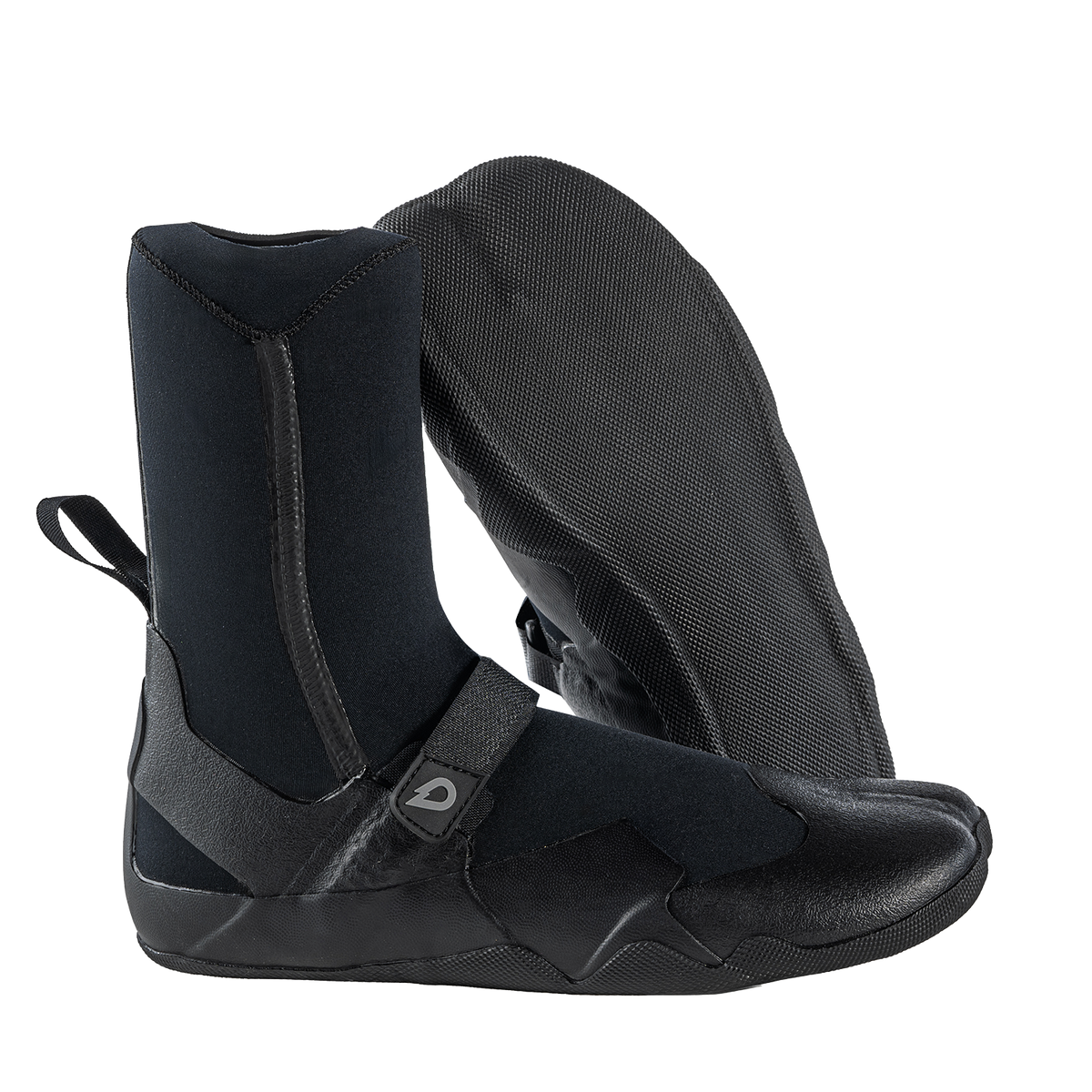
5mm Booties Limestone Neoprene
Eco-designed GONG 5 mm Limestone neoprene booties, featuring ThermoDry Fleece...
Regular Price
$68
Sale Price
$68Regular Price
heart
heart-full

heart
heart-full
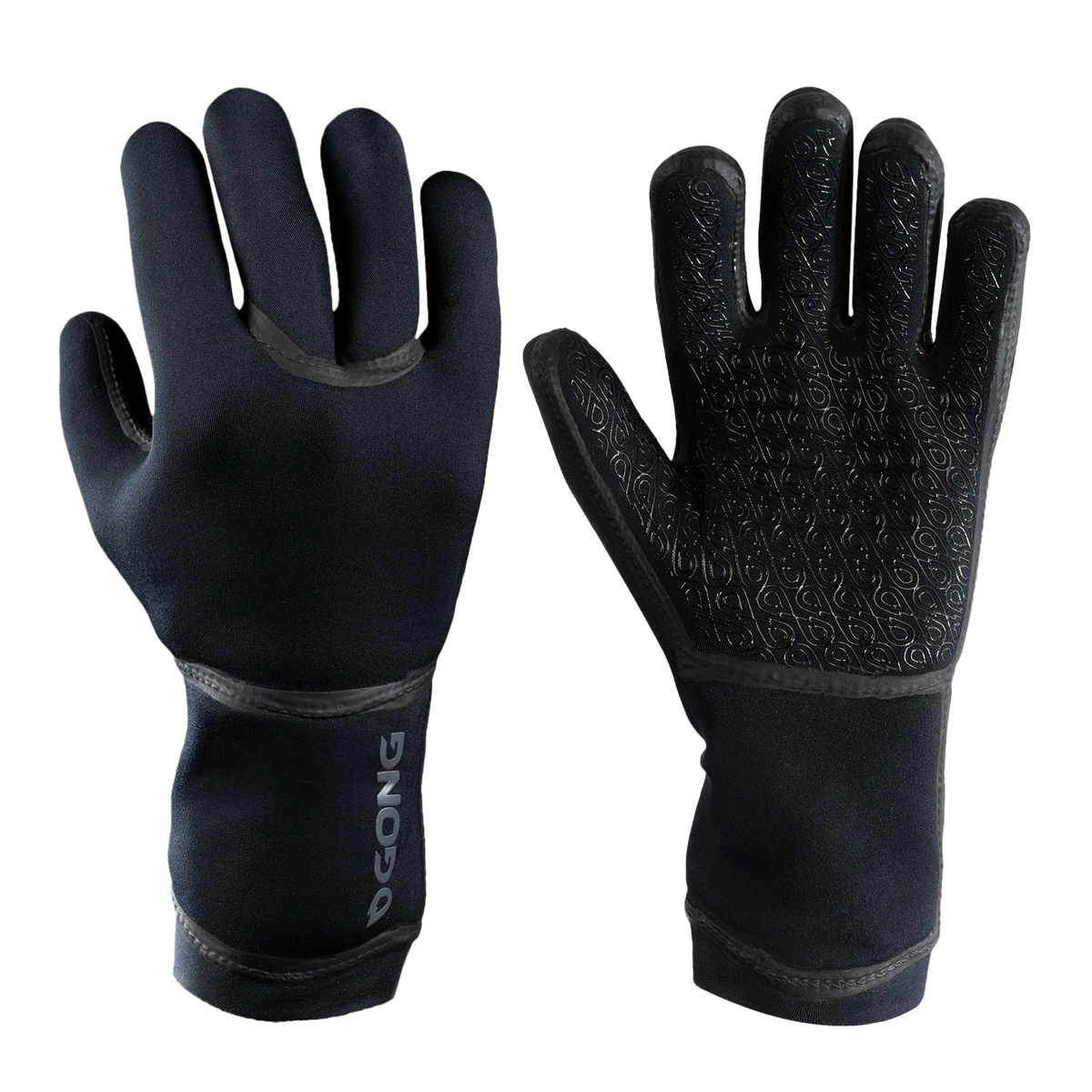
5mm Surf Gloves Neoprene Limestone
The eco-designed GONG gloves in 5 mm Limestone Neoprene, with ThermoDry Fleec...
Regular Price
$51
Sale Price
$51Regular Price
heart
heart-full

heart
heart-full
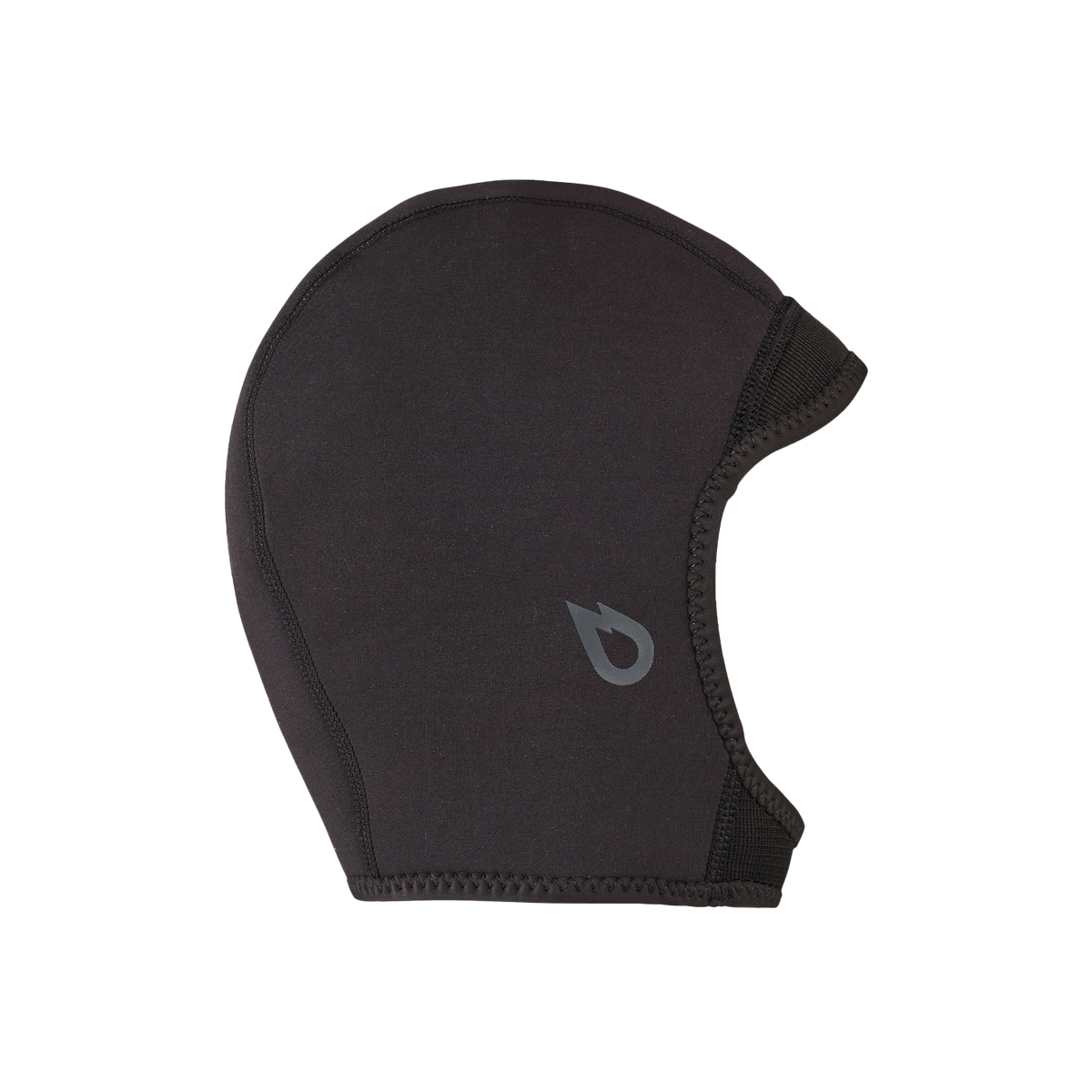
Neoprene Surf Hood Lite 2mm
The 2mm neoprene hood to keep your head warm during your winter sessions.
Regular Price
$22
Sale Price
$22Regular Price

