Your cart is empty!
It's flat around here...
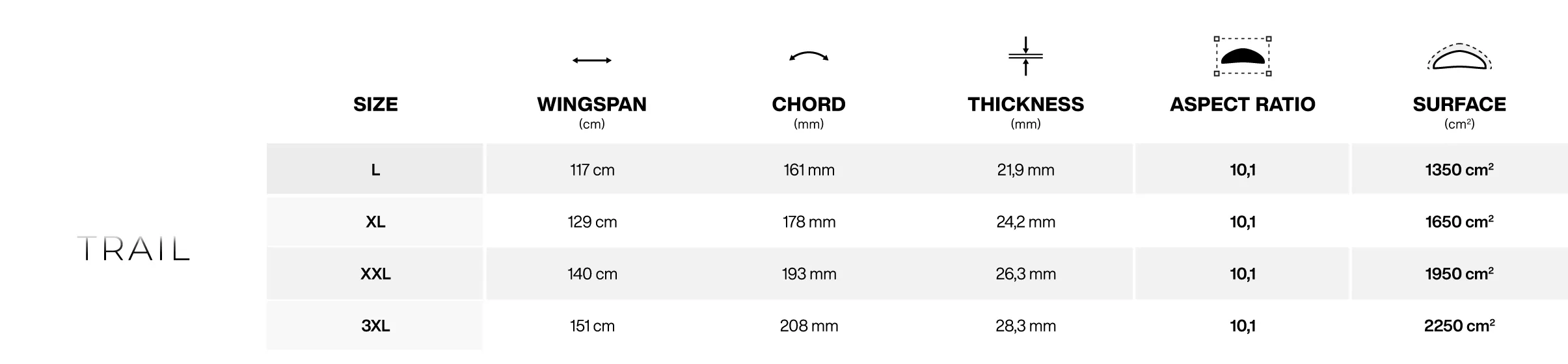
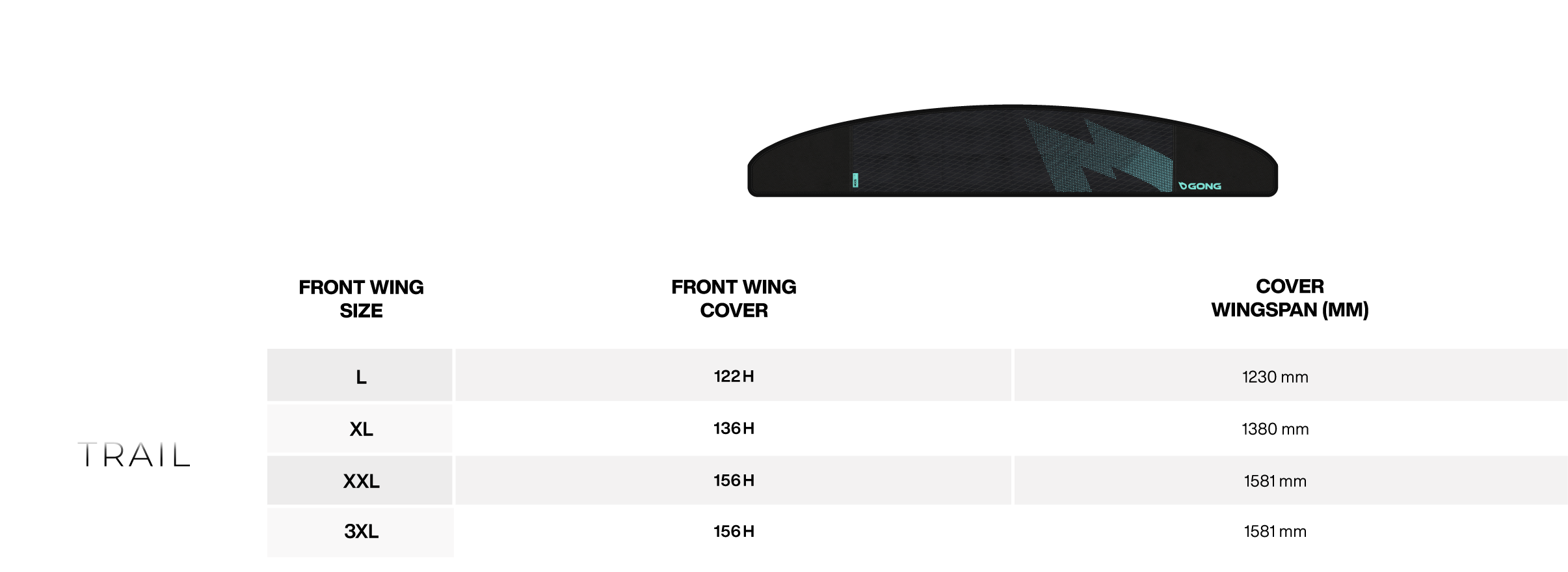


The high aspect carbon front wing for learning how to pump, mastering dock starts, attempting beach starts and flat starts, and smoothly extending your flights with a very lift-oriented and forgiving wing.
The Trail V3 Atmo Team Series is the high aspect carbon front wing dedicated to pure pumping. Its program is clear: learn dock starts, progress in beach starts, attempt flat starts, and build the foundations of flat water pumping with a reliable, lift-oriented, and very forgiving wing.
Its V3 Atmo shape retains the Trail DNA, but with over 30% more efficiency. You gain in glide, precision, stiffness, pumping efficiency, and pressure transmission, while keeping an accessible and very educational wing.
The Trail is not an extreme pumping wing. It lifts early, handles very low speeds, forgives pressure mistakes, and gives you time to understand the rhythm. It allows you to transition from "launching the board" to "maintaining flight," then gradually extending distances.
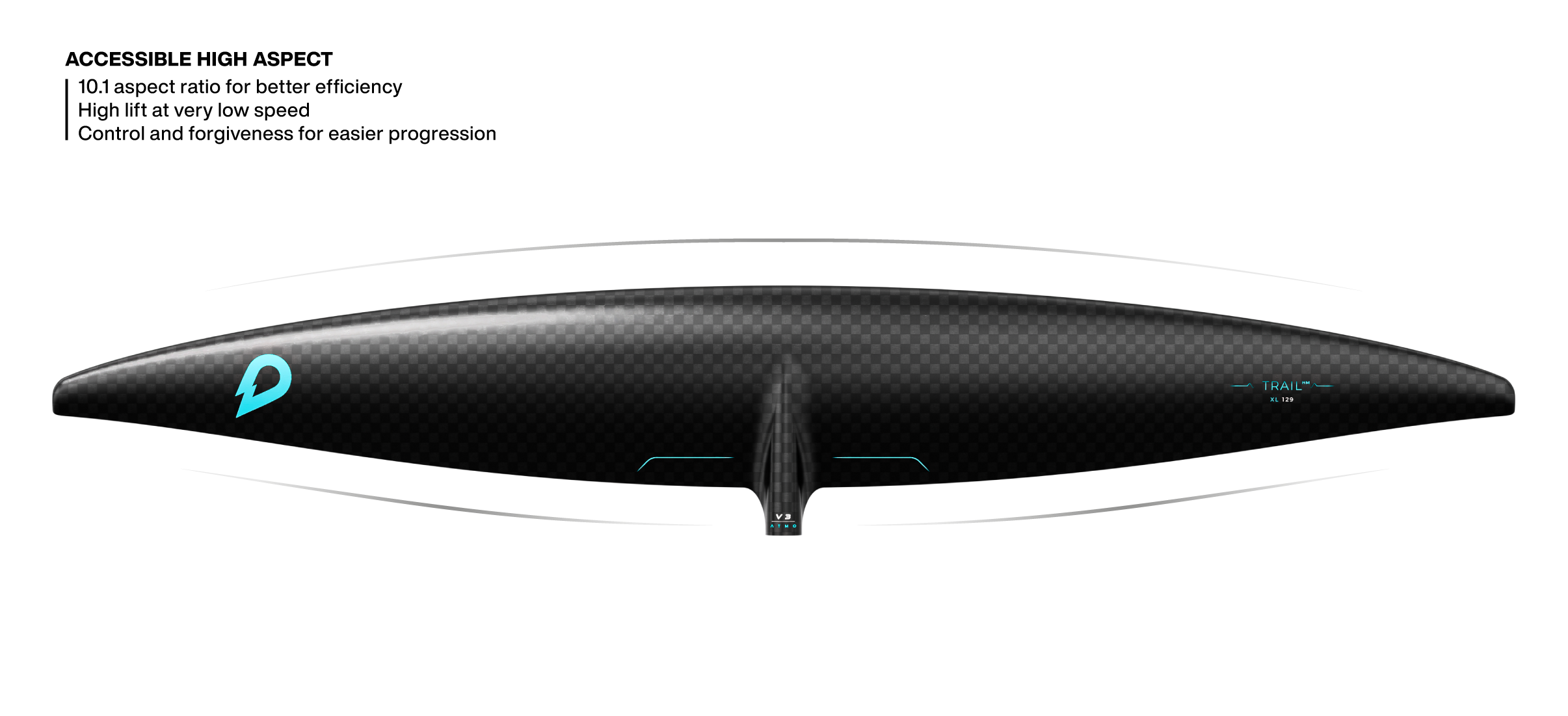
Its 10.1 ratio places it in the high aspect ratio category, but in a deliberately accessible version. It provides glide and efficiency without making the foil too locked in or too technical. You progress well with each impulse, without being overwhelmed by an overly aggressive wing.
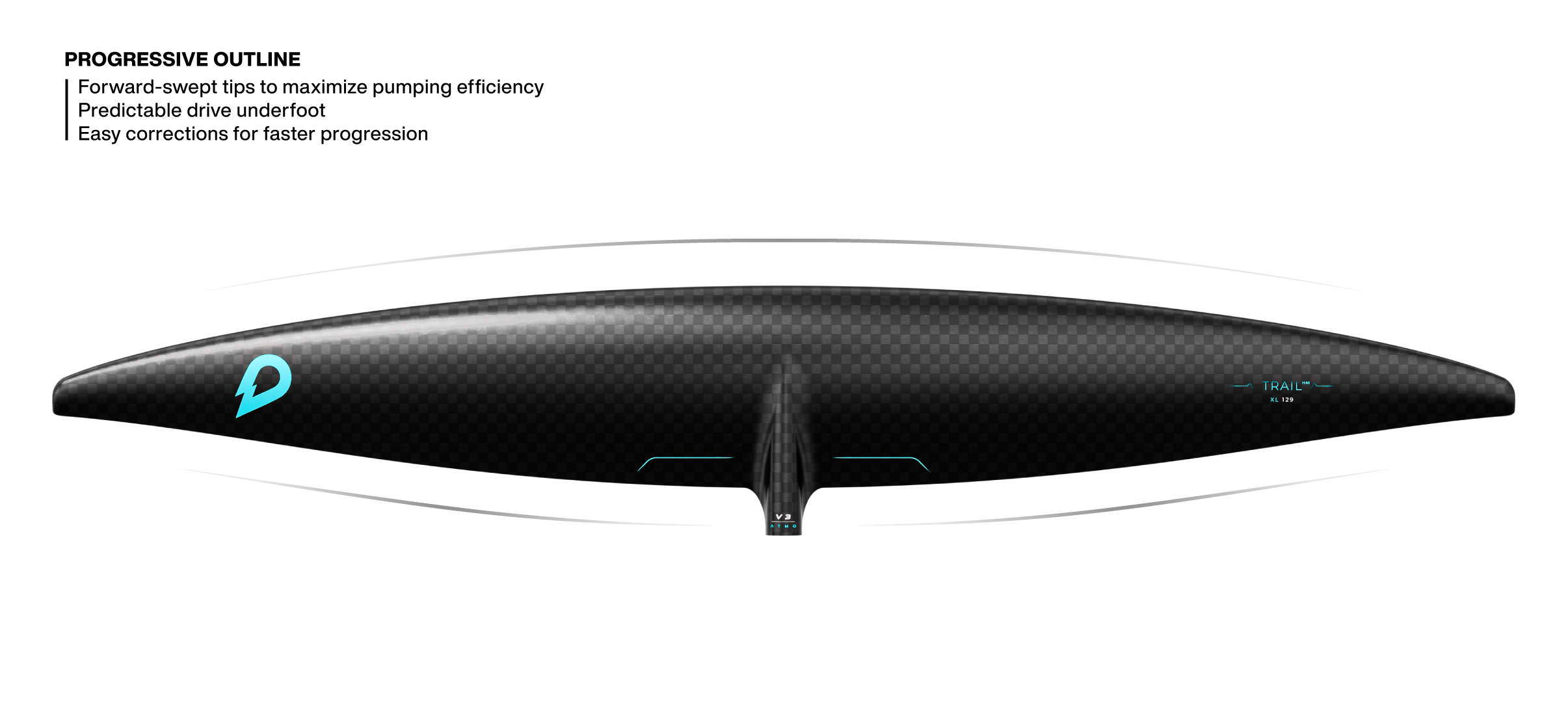
The modern outline with advanced tips optimizes the pumping movement. The lift is positioned to help the speed build-up under pressure, with a healthy and predictable behavior. The rider can get on the board, stabilize their stance, straighten their body, and find their rhythm.
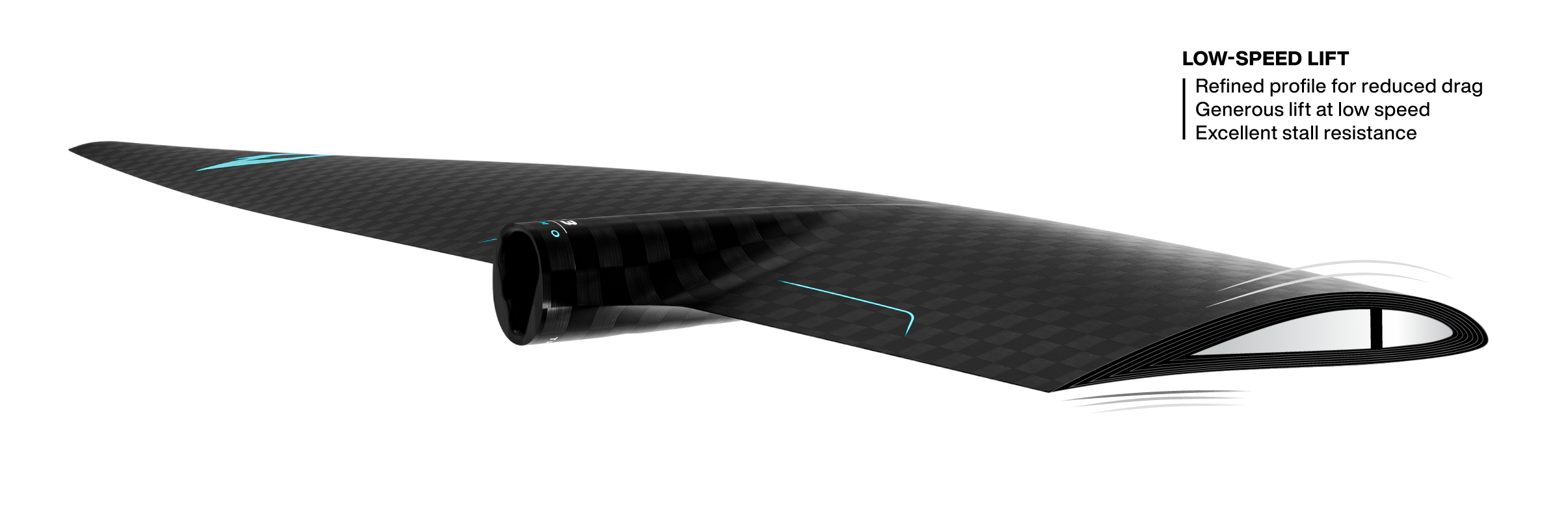
The refined profile significantly reduces drag, yet remains very powerful and very tolerant to stalling. The Trail continues to lift when the rider slows down, gets off-axis, or misses a pressure point. This tolerance gives time to recover the flight.
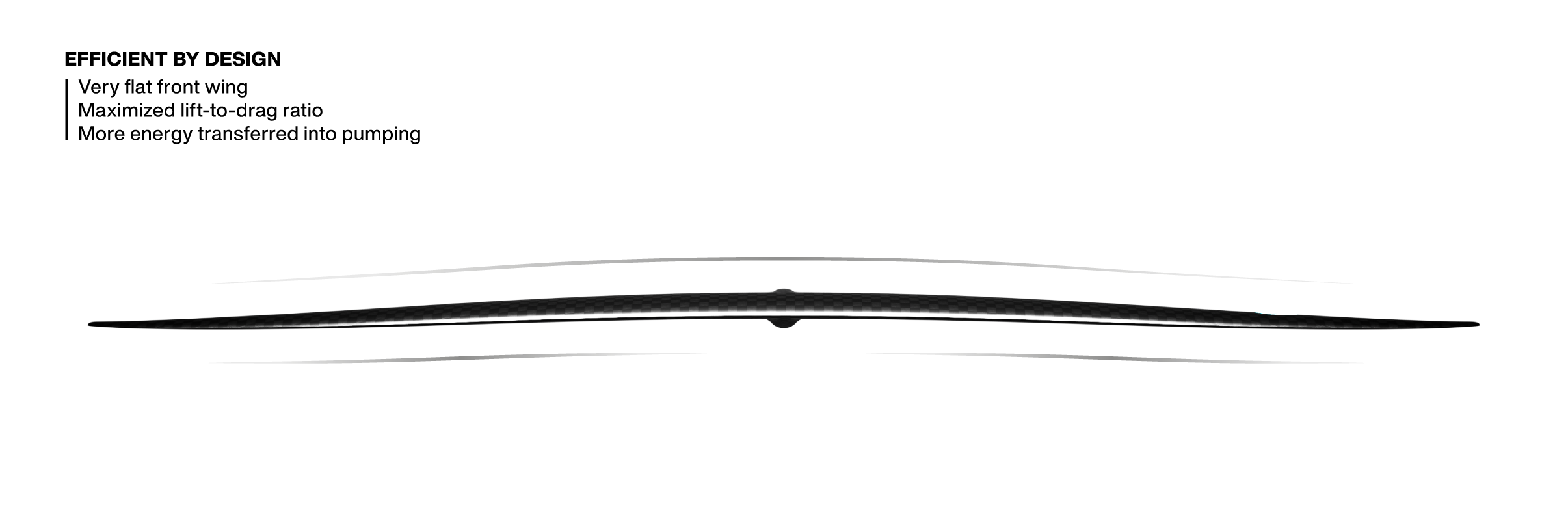
This very flat wing maximizes the lift-to-drag ratio. In pumping, every unnecessary energy loss is costly. The Trail focuses the effort on the pumping movement rather than managing the foil.
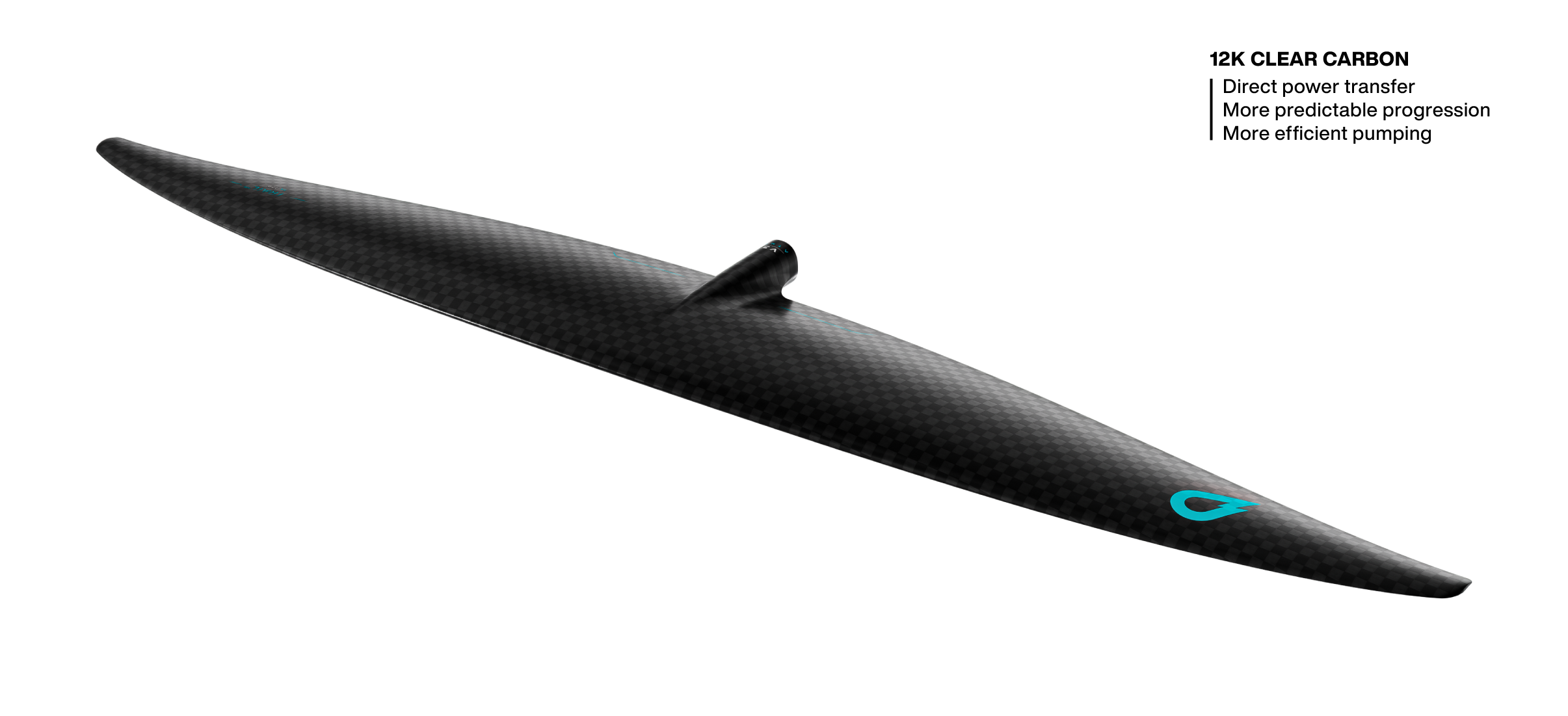
The 12K clear carbon construction provides stiffness, precision, and direct response. Pressure is better transmitted, mistakes become more readable, and progression is cleaner.
The Trail V3 Atmo Team Series is the wing to build the foundations, achieve your first flights, progress without fear, and enjoy a cool, efficient, and rewarding pumping program.

The Trail V3 Atmo Team Series features an aspect ratio of 10.1. It is a high aspect ratio that is accessible, designed to offer the right balance between glide, lift at very low speeds, control, and forgiveness when learning dockstarting and pumping.
This ratio provides more efficiency than a more compact wing, without making the foil too locked in or too demanding. It allows each impulse to be transformed into useful distance, while keeping a wing that is easy to understand.
When the movement starts to settle, the Trail glides well, tires little, and makes you want to go again. It provides enough glide to progress, yet remains docile enough to learn without being overwhelmed.
The modern outline of the Trail, with its advanced tips, optimises the pumping motion. The lift is positioned to help the wing relaunch underfoot without any abrupt behaviour.
This placement helps the rider stabilise their stance, straighten their body, find their rhythm, and adjust their trajectory. In learning dockstart, this margin is essential: a wing that is too lively, too wide, or too thin quickly discourages.
The Trail accommodates imperfect stances, irregular rhythms, trajectory adjustments, and height variations. It remains stable, readable, and predictable.
The Trail's profile has been refined and optimized to significantly reduce drag compared to previous generations. This results in improved glide, increased distance with each pump, and enhanced pumping efficiency.
However, it remains very powerful and highly tolerant to stalling. This is essential in pumping, as speeds are low and the support is rarely perfect at the start. The Trail continues to provide lift when the rider slows down, gets off-axis, or misses a support.
This tolerance gives time to recover flight. The foil stays underfoot, provides strong lift, and allows learning without skipping steps.
The Trail is very flat across its entire span to maximise the lift-to-drag ratio. In a pure pumping programme, every unnecessary cubic centimetre costs energy.
This geometry provides maximum lift, stability, and a very predictable behaviour. The foil moves forward, lifts, descends, and rises without requiring complex reading.
The rider can focus their effort on the pumping motion rather than managing the foil. This is exactly what's needed for learning: feeling the thrust, understanding the rhythm, extending the flight, and gaining confidence.
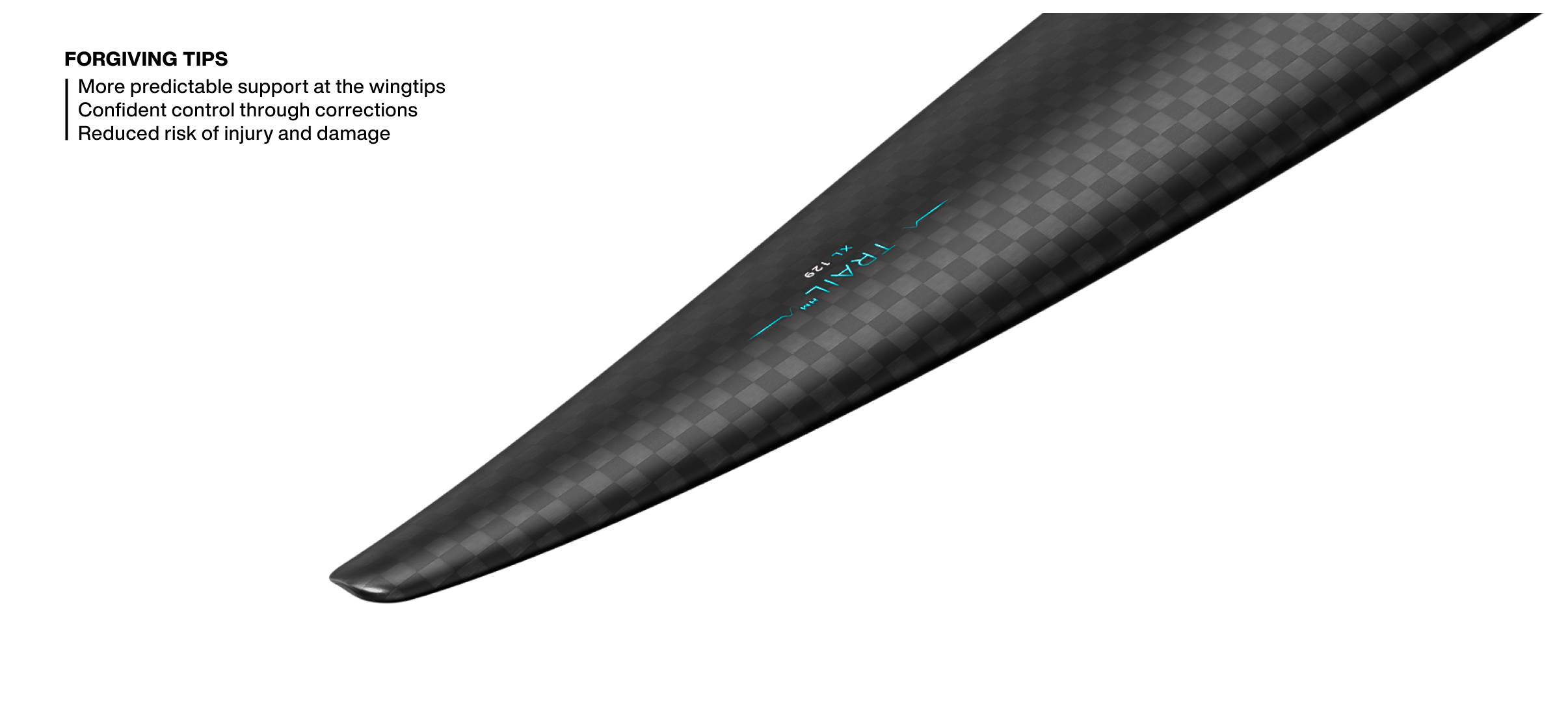
The square tips of the Trail stabilise the support at the wingtip and make the behaviour more predictable underfoot. They contribute to control by staying flat on the water without tipping into an unintended carve, especially during learning phases where trajectories are not yet perfectly clean.
They also provide significant protection. In dock start, beach start, flat start, and initial trials, the wing operates close to the dock, sand, ground, or rider. Less aggressive tips reduce the risk of injuries and breakages associated with overly thin extremities.
Thus, you maintain an efficient wing, but one that is more reassuring and durable in a programme where mistakes are part of the learning process.
The Team Series carbon construction provides a real gain in stiffness and responsiveness. When pumping, each push must be transmitted without delay. The 12K clear carbon allows for less energy loss in flex.
This stiffness makes progression clearer. The pushes are better understood, mistakes are more comprehensible, and the rider quickly feels what works. A precise wing helps to learn more cleanly.
The Trail Team Series remains accessible, but it supports progression for a long time. More distance, more cadence, more consistency, more efficiency: some will make it their wing for life, because this cool and effective program is more than enough to enjoy.
The Trail V3 Atmo Team Series is aimed at riders who want to learn and progress in pure pumping, with a stable, highly buoyant, very forgiving wing that is easy to understand.
It is ideal for those discovering dockstart. It provides the lift and time needed to get on the board, stabilize the stance, straighten the body, and initiate the first pumps without being overwhelmed by a wing that is too lively or technical.
It also appeals to riders who want to progress in beach start. This program remains demanding, but the Trail offers the right mix of lift, control, and forgiveness to learn without skipping steps.
It also allows for attempts at flat starts. This is marginal in practice, as the discipline remains very challenging, but with the right level, the right board, and the right setup, the Trail allows for takeoff in a few paddle strokes: impressive.
Finally, it suits riders who want a cool, accessible, and rewarding pumping program. Some will prefer this wing for life rather than moving on to more elitist wings. And that's perfectly fine: the goal is also to have fun, not just to break records.
The Trail is not a front wing for sailing with a rig. In wing foiling or lowkite, it will fly, but it will saturate early and limit the enjoyment of the glide. It can be a stopgap, but it's not its program.
It is also not made for downwind. It will struggle to keep up with the pace and accelerate in the swell. For this program, a Sirus, a Veloce LW, or a dedicated Pro Team wing will be more suitable depending on the level.
It is not made for surf foiling or SUP foiling in wave use. It flies, but that's not its focus. For small waves, a Sirus will be more suitable. For more active surf foiling, switch to Curve, Fluid, or Veloce depending on the style.
If the goal is to maximize speed, glide, and long trajectories, the Trail is not the right choice. It is designed to build the foundations of pumping, not to perform in all foil sports.
If the goal is to go further in pumping with more lift, glide, and speed, the Sirus will take over. The Trail remains simpler, more educational, and more reassuring for learning.
The Trail V3 Atmo Team Series is made for pure pumping. Its job is to facilitate takeoffs, help find the rhythm, maintain flight, and gradually extend distances.
In dockstart, it provides the lift and time needed to get on the board, stabilize the stance, and initiate the first pumps. Its stable behavior allows focusing on the movement rather than the fear of being carried away.
In beach start, it helps to take off early and maintain support at very low speeds. The discipline remains very demanding, but the Trail offers the right level of forgiveness to progress without being punished for every mistake.
In flat start, it opens up a very technical but incredible possibility: taking off in a few paddle strokes on flat water. It's not the most common program, but it's part of its potential.
In flat water pumping, it allows building the basics: rhythm, amplitude, timing, trajectory, height management, efficiency of support, and consistency. Larger sizes facilitate learning. Smaller sizes will provide more speed and dynamism for more energetic riders. Uses with a rig or wing are on the fringe of this front wing's program and not recommended. It flies, but it's not its job, and other front wings will do it much better. If you're looking for the best front wing for taking off in wing foiling, the Trail is not what we recommend.
The Trail is therefore used to learn, repeat, understand, succeed, and then extend. It is simple, rewarding, and truly made to turn the first attempts into real flights.

The choice of size mainly depends on weight, level, explosiveness at takeoff, type of start, and objective: dockstart, beach start, flat start, or flat water pumping.
Choosing a larger size maximizes lift, forgiveness, ease of takeoff, and flight retention. It's the logical choice for learning dockstart, progressing in beach start, attempting flat starts, or for heavier riders.
Choosing an intermediate size maintains a good balance between lift, glide, control, and progression. It's often the most coherent choice for a rider who wants to learn seriously but keep room for improvement.
Choosing a smaller size allows for more speed, cadence, and dynamism. It requires more energy and precision at takeoff, but it will suit lighter, more energetic riders or those already comfortable.
In dockstart, the larger size makes takeoff easier and provides more time to establish rhythm. In beach start, it helps maintain support in the very first seconds. In flat start, it facilitates exiting the flat, even though the discipline remains very technical.
If hesitating between two sizes, choose the larger one to learn and maximize lift. Choose the smaller one only if your level, size, and explosiveness justify more speed and dynamism.
The Trail V3 Atmo Team Series works ideally with its tail wing Trail V3 Atmo Team Series, developed to accompany its 100% pumping program.
This stabilizer is designed to offer the right balance between lift, stability, and performance. It helps find the rhythm, maintain a clear support underfoot, and extend the flight without making the foil too technical.
A larger stabilizer will provide more comfort, stability, and ease at takeoff. It's the logical choice for learning, securing the dockstart, progressing in beach start, and keeping a very reassuring wing.
A thinner, smaller, or higher ratio stabilizer will free up more glide, increase speed, and require more precise pumping. It's an interesting option when the movement is mastered, and you want to make the Trail more gliding and faster.
To learn and progress quickly, prioritize the recommended combo. It offers the healthiest balance between ease, control, and distance.
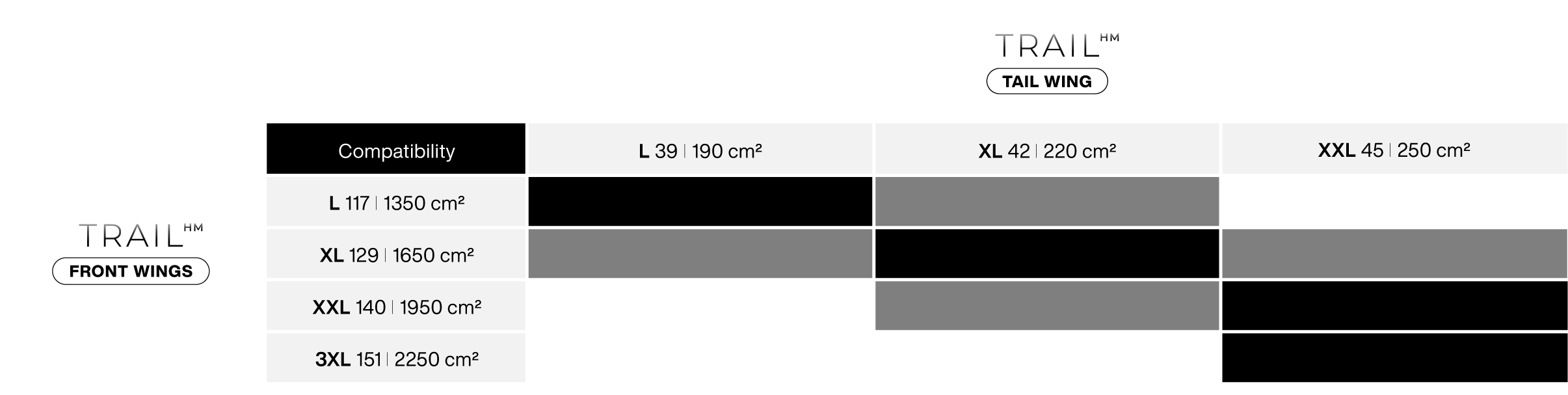
The range

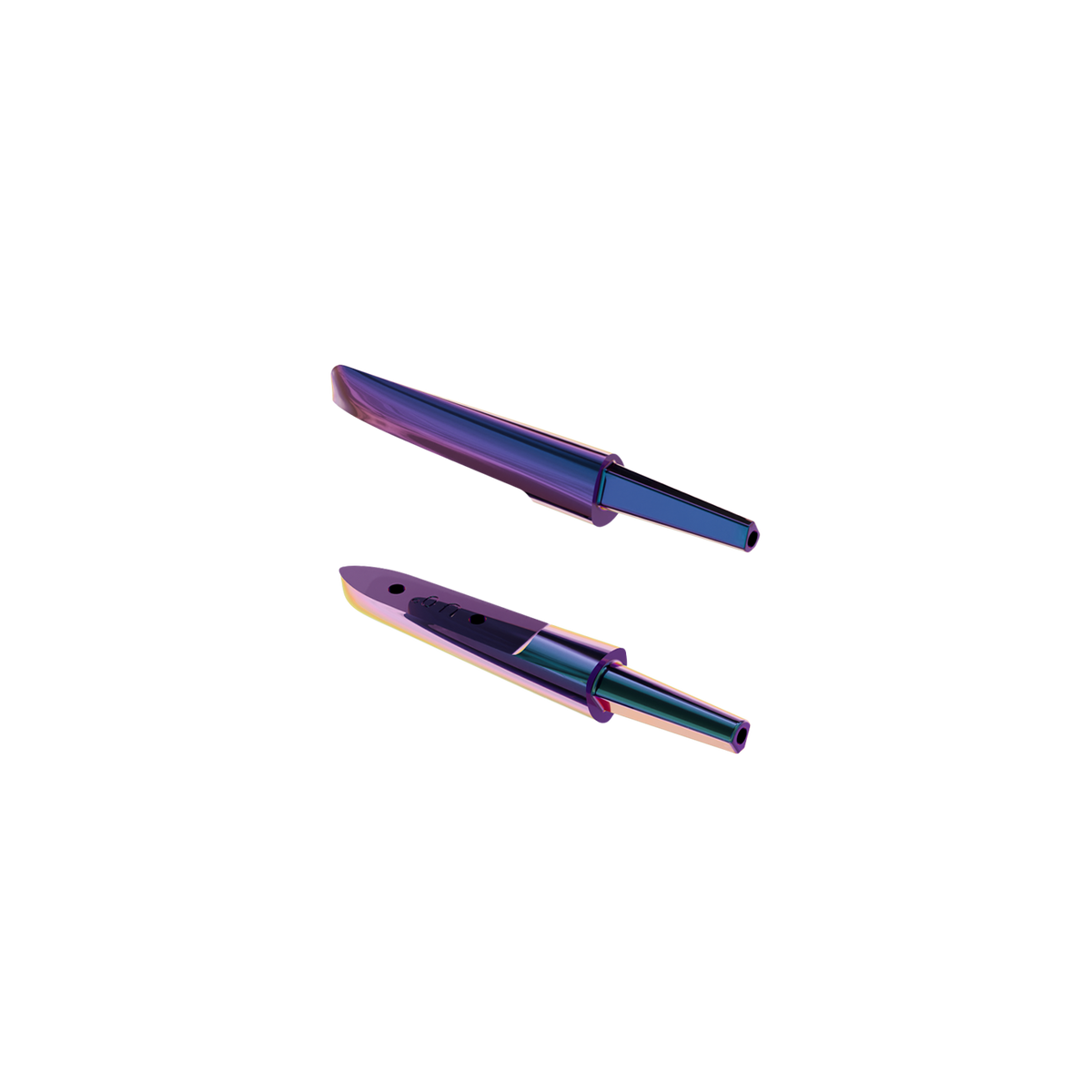
The front wing comes with all the necessary screws for mounting on the fuselage.


















Yes, that's its main program. It is designed to learn dock starts, progress in beach starts, attempt flat starts, and build the foundations of pumping on flat water with a stable, high-lift, and very forgiving wing.
The Trail is simpler, more educational, and more reassuring for building the basics of pumping. The Sirus offers less lift but goes further and faster, with more wingspan and more glide to manage. Trail = learning pumping. Sirus = more powerful pumping and multisport hybrid.
Yes, with the right level, the right board, and the right setup. You can take off in a few paddle strokes with the large size of Trail, but it remains one of the toughest disciplines. The Trail allows access to it, without making it an easy discipline.
Technically yes, it will fly. But that's not its intended use: it will reach its limits early and restrict the pleasure of glide with a rig. For wing foiling or lowkite, you need to choose a wing designed for these uses: Sirus, Veloce, etc...
It's not recommended. It will struggle to keep up and accelerate in the swell. For downwind, a Sirus, a Veloce LW, or a dedicated Pro Team wing will be much more suitable depending on the level.
It flies, but that's not its focus. The Trail is made for pure pumping. For small waves, a Sirus will be more suitable. For a more carving surf foiling style, you should look at Curve, Fluid or Veloce depending on the style.
Choose larger to learn, facilitate dock starts, progress in beach starts, attempt flat starts, and maximize lift. Choose smaller only if you are light, energetic, or already comfortable and want more speed.
The tail wing Trail V3 Atmo Team Series is the most consistent choice to maintain balance in the pumping programme: lift, stability, control, and distance. A thinner or smaller stabilizer will release more speed but will require more precision.


